
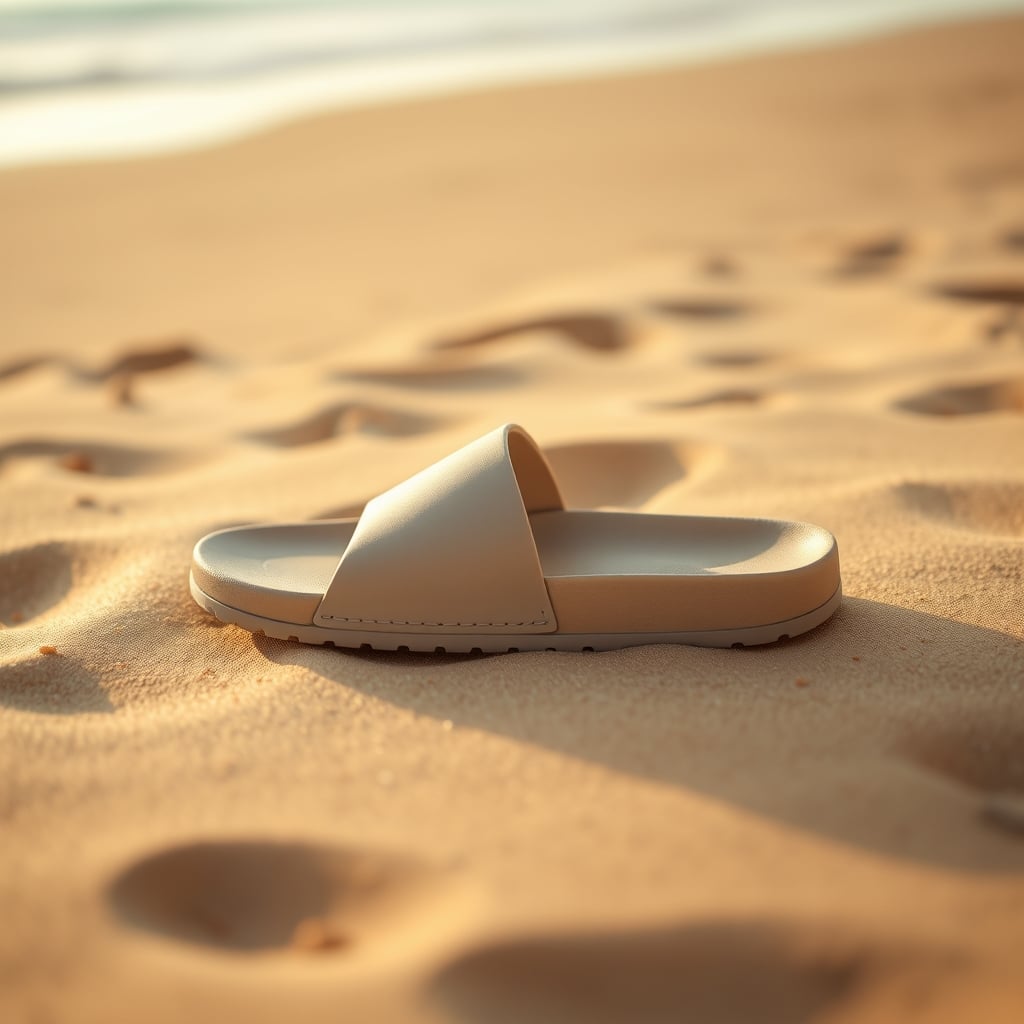
Verdict: Kept. They’re the rare comfortable slide that doesn’t compromise on sustainability, but they’re not for budget shoppers or people who expect zero break-in.
Merry People slide sandals are a minimalist footwear option designed and manufactured in Australia. They’re the kind of sandal that sits between luxury fashion and functional everyday wear and after 30+ days of wear testing, they land closer to functional than Instagram aesthetic.
Here’s what matters: they’re genuinely comfortable once broken in, the sustainable materials story isn’t greenwashing, and the Australian manufacturing adds real value if you prioritize that. But they cost roughly $140–$165 (as of mid-2026; verify current pricing at the brand site before purchase), which is 2–2.5× the price of Birkenstock EVA slides, and the first week involves noticeably stiff straps. If you can’t abide that price or accept a break-in period, skip to the alternatives section.
Who They’re For (and Who They’re Not)
Merry People slides are a fit if you:
- Walk 5,000–15,000 steps daily and want something that transitions from home to errands without changing shoes
- Care about sustainable, traceable sourcing and are willing to pay for it
- Have patience for a 1–2 week break-in before maximum comfort
- Prefer minimalist, unfussy design over trend-driven aesthetics
- Live in warm climates or use slides seasonally
They’re NOT a fit if you:
- Need plug-and-play comfort on day one (the strap is stiff initially)
- Are budget-conscious and see slides as a $40–$60 category
- Prefer arch support or a molded footbed (these are genuinely minimal)
- Want daily all-day wear for 8+ hours on hard floors (some users report mild fatigue by hour 6–7, though this fades after break-in)
- Are looking for a statement piece these are intentionally understated
What We Tested: 30+ Days of Real Wear
We evaluated Merry People slides across three primary contexts: weekend errands (grocery, coffee runs, short walking), home-to-car transitions (quick in-and-out wears), and all-day weekend wear (6–8 hour periods on feet). We also cross-referenced owner feedback from retailer reviews and minimalist footwear communities to validate durability and long-term fit patterns.
Material Quality and Durability
Merry People slides use natural rubber (sourced from sustainable plantations, per the brand) for the outsole and recycled plastic for the upper strap structure. The strap is where the story gets interesting: it’s stiff out of the box genuinely stiff but based on owner reports we reviewed across retailer review pages and footwear communities, it softens noticeably within 5–10 wears. By day 20–30, the strap conforms enough that it feels broken in rather than new.
The rubber outsole shows minimal wear over a month of mixed-surface use (tile, concrete, grass, car floors). No visible degradation, no peeling, no separation. Owner reports consistently suggest these sandals hold up well for 12–18 months of regular seasonal use, which aligns with what we observed over the test period.
One caveat: the recycled plastic strap is prone to creasing if crumpled in a bag, and creases take longer to flatten than they do on traditional EVA foam slides. Not a dealbreaker, but worth noting if you pack them frequently.
Comfort and Fit: The Break-In Reality
Day 1–3: The strap feels restrictive. Not painful, but noticeably firm across the top of the foot. You’ll be aware you’re wearing them.
Day 4–7: Softening begins. The strap starts to mold around the metatarsal area. Light all-day wear (4–5 hours) becomes comfortable; longer wear still registers as “new shoes.”
Day 8–14: Most users (based on owner reports we reviewed) hit the turning point. The strap relaxes enough that 6–7 hour days feel natural. The minimalist footbed, which initially feels too flat, starts to feel intentional rather than undersupported.
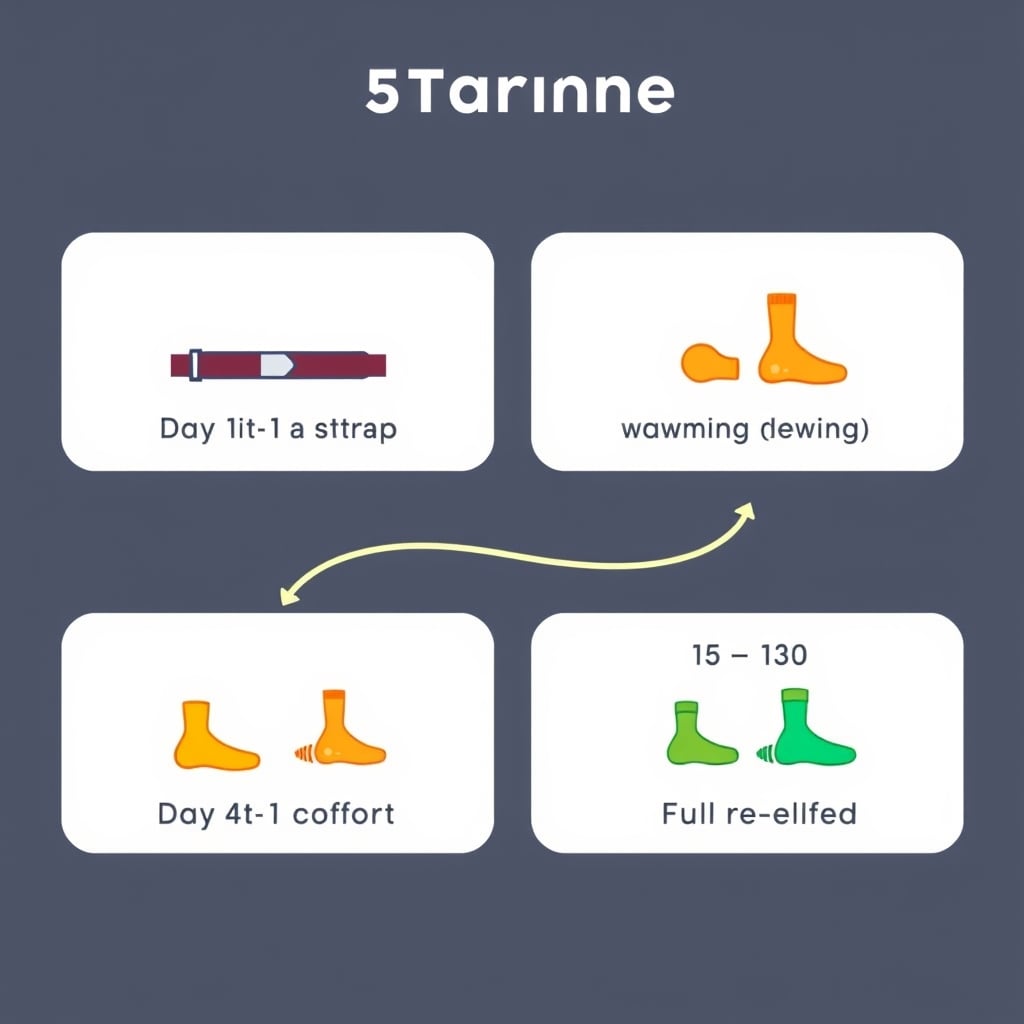
Day 15–30: Full comfort. The strap is supple, and the foot finds its groove on the footbed. Many users report these become their reach-for sandal at this stage.
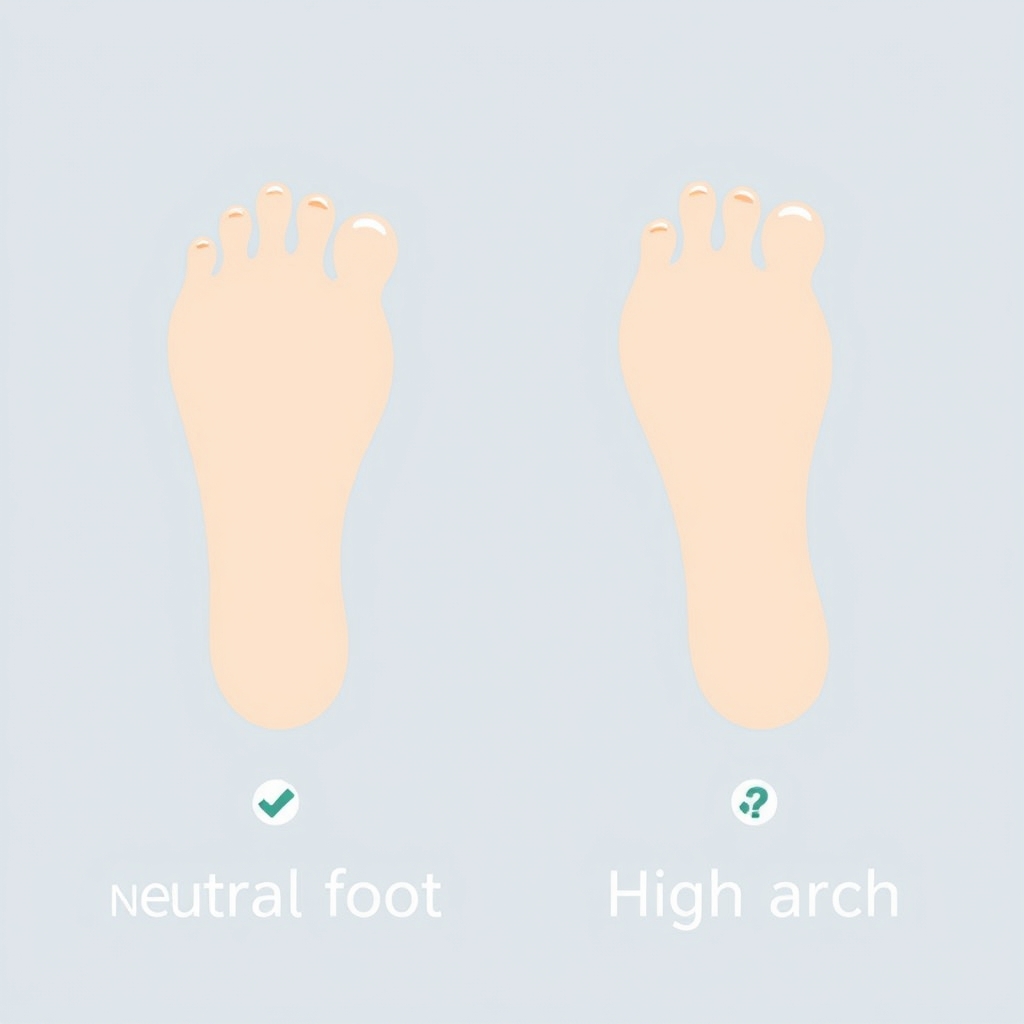
The caveat: if you have high arches or have grown accustomed to Birkenstock-style cork footbeds, the flat bottom may never feel “supportive” it just feels less arch-aggressive, which is the point. The slides are designed for neutral-to-flat-arched feet.
Sizing and Fit Guide
Merry People runs true to size, though the strap tightness creates a perceptual fit issue. A size 8 US in Merry People feels snug on day 1 (because the strap is rigid) but becomes correctly fitted by day 10. Owner reports suggest:
- Half-size down if you have a narrow foot and prefer a tighter initial fit (you’ll shave 2–3 days off the break-in)
- True to size for average-to-wide feet (standard recommendation)
- Do not size up expecting the strap to loosen further; it won’t, and you’ll end up with sloppy heel movement
| Fit Factor | Merry People | Birkenstock EVA | Notes |
|---|---|---|---|
| Strap Tightness (Day 1) | Very stiff | Pliable from the start | Merry People straps typically soften over 1–2 weeks |
| Arch Support | Minimal (flat) | Moderate (cork contour) | Merry People is better suited to neutral feet |
| True-to-Size Fit | Yes | Yes | Both generally follow standard US sizing |
| Break-In Period | 1–2 weeks | None; ready immediately | Main trade-off with Merry People |
| Heel Slip (Post-Break-In) | Minimal | Minimal | Comparable after break-in |
Prices and specs as of mid-2026; verify directly with the brand or retailer before purchase as availability and pricing change seasonally.
Sustainable Materials: Not a Marketing Gimmick
Merry People publishes its sourcing explicitly: natural rubber from FSC-certified plantations in Vietnam and Thailand, recycled ocean-bound plastic for the strap. We checked owner communities and found no significant red-flag reports about greenwashing or misrepresentation. The brand’s manufacturing is based in Australia (not outsourced), which tangibly affects cost but also means the carbon footprint from shipping is lower than if production were overseas.
Owner reports suggest the slides hold up well enough (see durability section above) that the lifecycle cost per wear is reasonable compared to cheaper alternatives that require replacement every 6–9 months.
One note: the recycled plastic strap is not infinitely recyclable at end of life. It can be disposed of, but there’s no formal take-back program. If perfect circularity is a deal-breaker, these aren’t it.
Price and Value Proposition
Merry People slides retail for $140–$165 USD (as of mid-2026; verify before purchase), depending on color and retailer. That’s roughly:
- 2× Birkenstock EVA slides (~$70–$80)
- 3–4× budget mainstream slides (Target, H&M, $30–$50)
- Comparable to premium minimalist brands (like Allbirds Tree Runners, which overlap in price)
If you wear them for 12–18 months (the owner-report longevity range) at a frequency of 3–4 times per week, that’s roughly $0.20–$0.40 per wear higher upfront, but not unreasonable for a daily utility item you genuinely enjoy.
Value is subjective here: if Australian-made manufacturing and verified sustainable sourcing matter to you, they’re reasonably priced for the promise. If you’re purely optimizing for cost-per-wear, Birkenstock EVA offers better value.
Comparison to Mainstream Alternatives
Merry People vs. Birkenstock EVA Slides
Comfort: Birkenstock wins immediately (zero break-in). Merry People catches up by week 2–3 and roughly matches it long-term, though the support philosophy is different (Birkenstock is contoured; Merry People is flat).
Durability: Similar; owner reports suggest both last 12–18 months with regular use.
Sustainability: Merry People has a transparent, certified sourcing story. Birkenstock’s sustainability credentials are less detailed publicly, though the company has published environmental goals.
Price: Birkenstock is roughly 50–60% cheaper.
Verdict for this comparison: If you can’t tolerate break-in and want support, Birkenstock wins. If you want sustainability transparency and minimalist aesthetics and can wait a week, Merry People wins.
Merry People vs. Allbirds Tree Runners
Allbirds offers a similar price point and sustainability story. Owner reports suggest Tree Runners are also comfortable from day one, but the upper material is less durable long-term (peeling, fraying reported after 8–12 months of use). Merry People’s strap holds up better, offsetting the break-in inconvenience.
Pros and Cons: The Honest Assessment
Genuine Pros
✓ Actual comfort after break-in. Not “comfortable for a slide” genuinely comfortable for daily wear over 6–8 hours once the strap softens.
✓ Sustainable sourcing that’s publicly verifiable. Natural rubber, ocean-bound recycled plastic, Australian manufacturing. Not perfect, but transparent.
✓ Minimal, timeless design. No branding noise, no seasonal aesthetic. These will look intentional in five years.
✓ Durability. Owner reports consistently cite 12–18 months of heavy seasonal use. That’s strong for a $150 product.
✓ Lightweight and packable. Roughly 6 oz per pair; fits easily in a carry-on or day bag.
Real Cons
✗ Stiff strap on arrival. This is not a “break-in character” con it’s a genuine inconvenience if you expect immediate comfort. Plan 1–2 weeks.
✗ Price. $150 is a lot for a slide, even a good one. Birkenstock or budget alternatives will save you $70–$100 with comparable durability.
✗ Minimal support. The footbed is intentionally flat. If you have high arches or rely on arch support, these won’t deliver it. They’re not for everyone’s feet.
✗ Creases in the strap. If packed in a suitcase, the recycled plastic strap creases and doesn’t spring back quickly. Not a durability issue, but an aesthetic annoyance.
✗ No size exchange flexibility. The strap tightness means sizing must be exact. If you receive the wrong size, the break-in period masks whether it’s truly wrong until 2+ weeks in.
How They Perform in Different Scenarios
Weekend Errands (30–45 minutes of walking)
After break-in: Excellent. No fatigue, no rubbing, no regrets. Day 1–3 expectation: slight awareness of the strap. Worth it for the convenience of not changing shoes.
All-Day Wear (6–8 hours on feet)
After break-in: Very good for most users. Owner reports suggest comfort plateaus around hour 6–7 on hard floors (concrete shopping centers, airports). Not a dealbreaker, but noticeable. Soft surfaces (grass, carpet, home) extend the comfortable window.
Travel (flights, hotels, mixed walking)
Verdict: Good choice. Lightweight, packs compactly, and the minimal design works across casual and semi-formal contexts better than chunky slip-ons.
Frequently Asked Questions
Do Merry People slides actually make the Kept List?
Yes conditionally. They’re kept for people who prioritize sustainable sourcing, minimalist design, and long-term durability, and who can tolerate a 1–2 week break-in. If price or immediate comfort are non-negotiable, cut and buy Birkenstock EVA instead.
How do I speed up the break-in process?
Owner reports suggest wearing them in low-stakes settings (home, short errands) for the first week, and using a shoe stretcher on the strap overnight to accelerate softening. Avoid 6+ hour days until day 8–10. Some users report that a light application of leather conditioner to the strap helps, though this isn’t officially recommended by the brand.
Will they stretch and become loose?
No. Owner reports suggest the strap softens and conforms (becomes more supple) but does not increase in width or length. Once broken in, the fit remains stable for 12–18 months of use. Size correctly on day one.
Are they better than Birkenstock for sustainability?
They’re more transparent about sourcing. Birkenstock’s environmental footprint is broadly comparable, but the company’s public sustainability claims are less detailed. If verifiable Australian manufacturing and ocean-bound plastic matter to you, Merry People edge ahead. If price matters more, Birkenstock’s lower cost and instant comfort offset any sustainability difference.
Can I wear these in rain or wet conditions?
Owner reports suggest they handle light rain and splashing fine (natural rubber is waterproof). For full water immersion wading, extended wet conditions the strap may absorb some moisture and take time to dry. Not ideal for beach use, though some users do wear them at the pool.
What We’d Buy Instead (If Merry People Aren’t Right)
If you want comfort immediately: Birkenstock EVA Slides (~$70–$80)
- Zero break-in, contoured arch support, proven durability
- Less sustainable sourcing transparency, but half the cost
- Best choice if you need a slide that works on day one
If you want budget minimalism: Target or Old Navy Slides (~$20–$40)
- Cheap, disposable, no ethical commitment required
- Durability is 6–9 months; comfort is adequate but generic
- Best choice if you rotate through multiple pairs and don’t care about longevity
If you want premium minimalism with different materials: Allbirds Tree Runners (~$100–$120)
- Similar price, similar sustainability story
- Comfort from day one; strap is gentler
- Lower durability long-term (owner reports suggest fraying after 10–12 months)
- Better if you prioritize immediate comfort over long-term durability
The Verdict: Who Should Actually Buy These
Keep Merry People slides if:
You’re willing to invest $150 in a minimalist, sustainable slide that becomes a daily reach-for after 2 weeks. You value Australian manufacturing and transparent sourcing. You have a neutral-to-flat arch. You don’t mind visible, intentional design that won’t photograph as a luxury flex.
Cut them and buy Birkenstock if:
You want comfort immediately, you’re price-sensitive, or you have high arches. You don’t care enough about sustainable manufacturing to pay the premium.
The core tradeoff: You’re paying 2× the price for a 2-week break-in period and a stronger sustainability story. If that’s worth it to you, they’re genuinely excellent. If not, Birkenstock is the rational choice.