
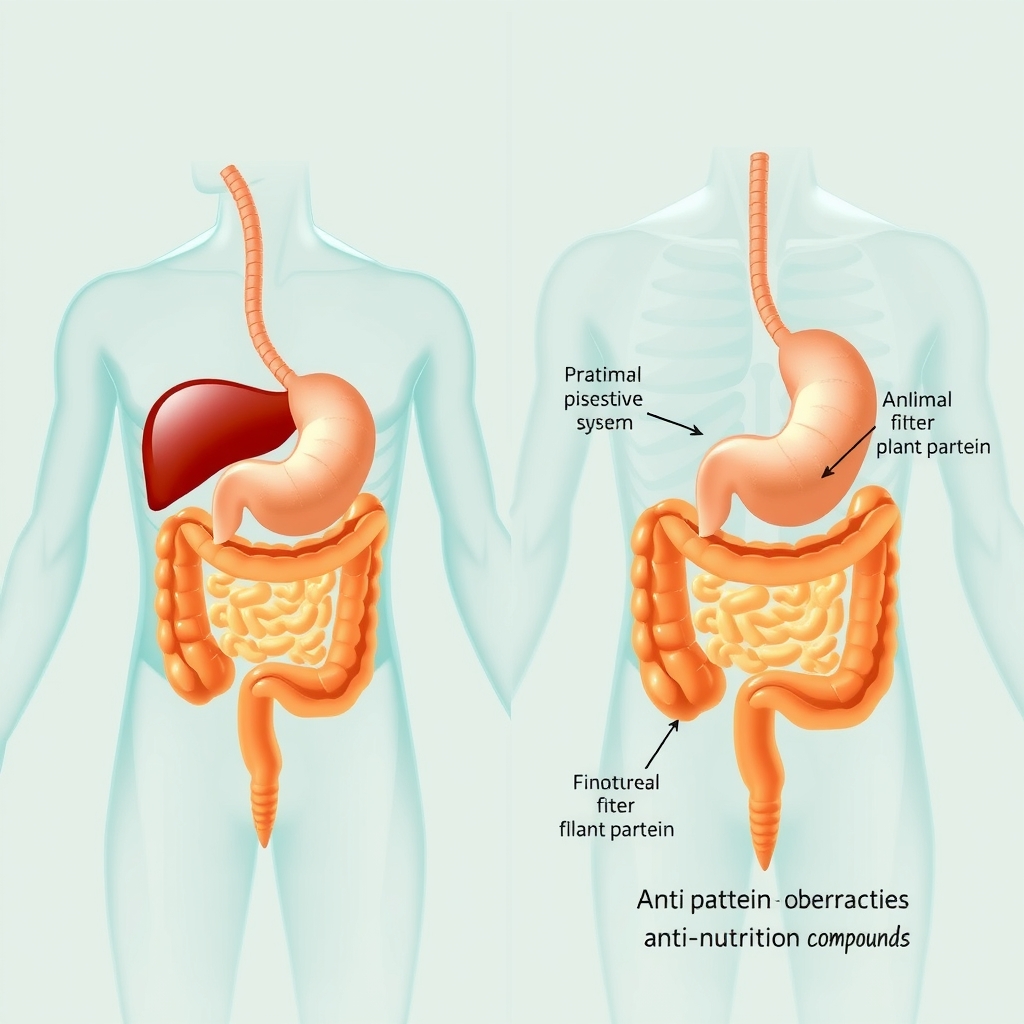
Plant protein digestion works differently than animal protein digestion, and the difference matters if you’re getting serious about plant-based eating. The uncomfortable truth: your body absorbs a lower percentage of plant protein than meat protein gram-for-gram, largely because plant proteins lack certain amino acids and contain compounds that interfere with digestion. This isn’t a reason to avoid plant protein it’s a reason to understand how to optimize it.
How Plant Protein Digestion Differs from Animal Protein
When you eat a plant protein source, your digestive system faces a more complex problem than it does with animal protein. Animal proteins (meat, dairy, eggs) are densely packed amino acids with minimal structural barriers. Plant proteins are embedded in fiber, cell walls, and anti-nutrient compounds phytic acid, tannins, and protease inhibitors that your stomach acid and enzymes have to work through.

The process begins in your mouth. Saliva contains amylase, which begins breaking down carbohydrates but does little for protein. Your stomach then floods the food with hydrochloric acid and pepsin, an enzyme that cuts protein chains into smaller fragments. This works roughly equally well for plant and animal sources initially.
The real divergence happens in the small intestine. Here, pancreatic proteases (trypsin, chymotrypsin) and brush-border peptidases finish breaking proteins into amino acids and small peptides for absorption. Plant proteins take longer to reach this point because they’re often encased in indigestible fiber and cell structures that slow gastric emptying. The stomach literally has to work harder to break down the plant material first.
What Is Protein Bioavailability and Why It Matters
Bioavailability is the percentage of a nutrient your body actually absorbs and uses, not just the amount present in food. A 30-gram serving of plant protein doesn’t equal 30 grams your body can use it equals 30 grams minus the portion your digestive system can’t break down or absorb.
Established nutritional science broadly suggests plant-based proteins are absorbed at lower rates than animal proteins. The difference varies depending on the source and processing, but consensus estimates in the nutritional science literature suggest plant proteins often show bioavailability in the 70–90% range, compared to roughly 95%+ for most animal proteins. These are typical population-level estimates; individual absorption varies based on gut microbiome, cooking method, and overall diet. The gap is real but not catastrophic and it’s something you can meaningfully reduce through preparation and combination strategies.
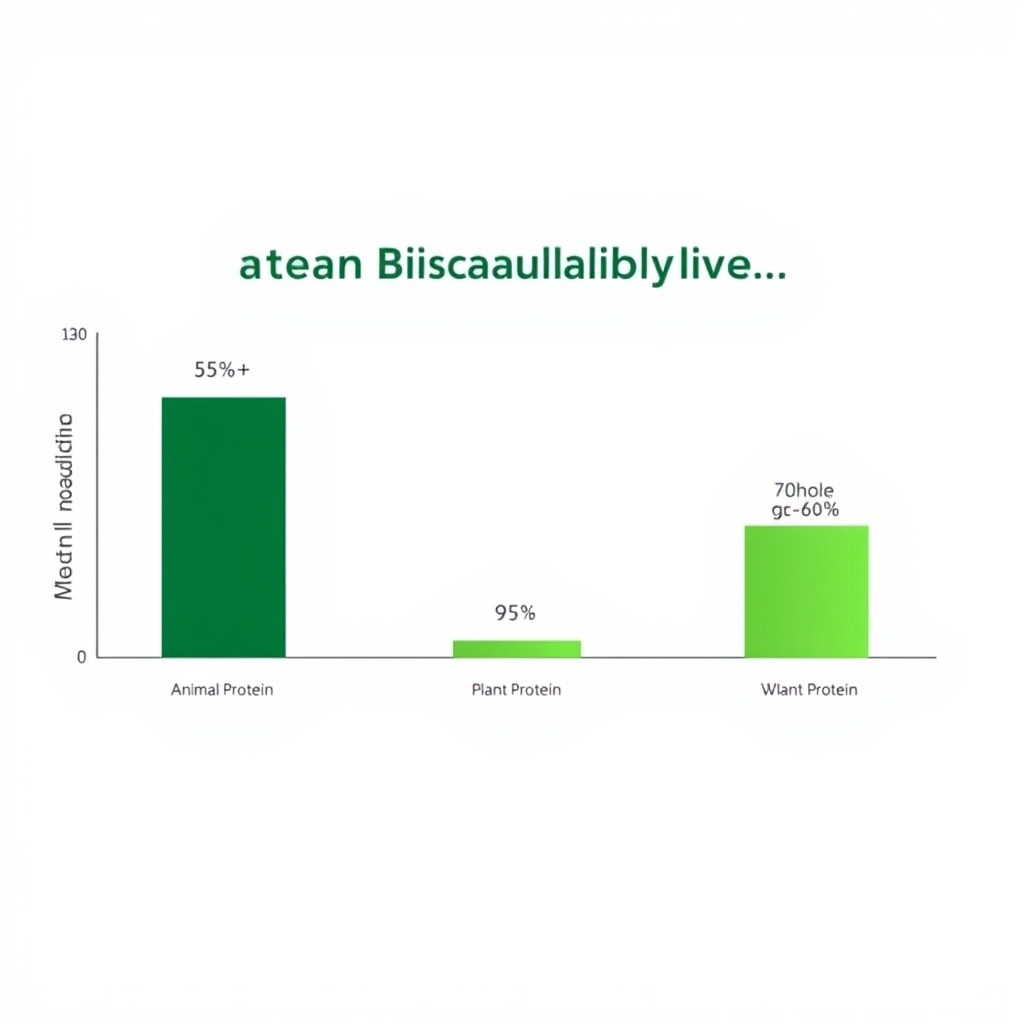
Two scoring systems measure this formally: PDCAAS (Protein Digestibility-Corrected Amino Acid Score) and DIAAS (Digestible Indispensable Amino Acid Score). DIAAS is newer and widely considered more accurate. Both scoring systems, based on published nutritional research, penalize plant proteins for low digestibility and missing amino acids. A score of 1.0 is considered complete protein; most plant sources score below 1.0 unless processed (isolates, concentrates) or combined with complementary sources.
Anti-Nutrients and Enzyme Inhibitors: What Slows Absorption
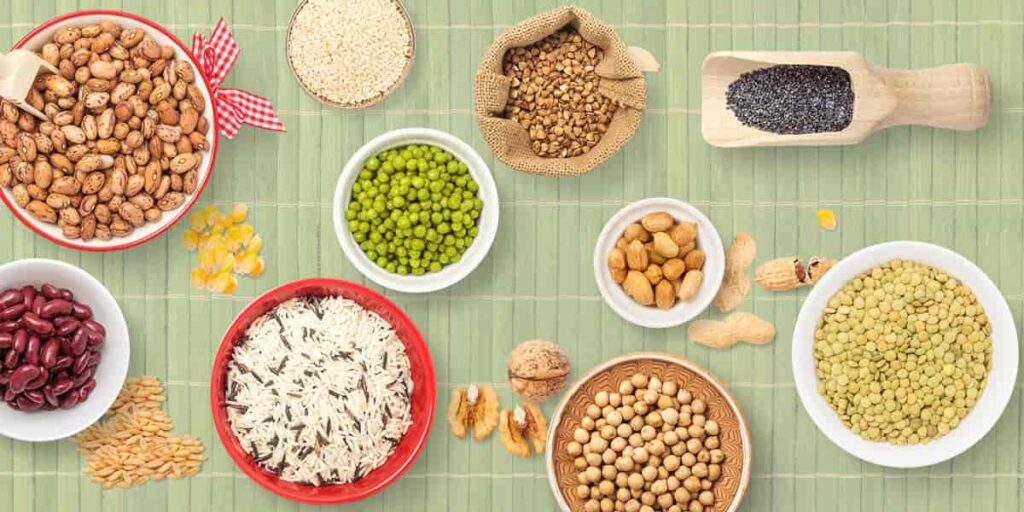
Plant seeds and legumes contain compounds that protect them from pests and premature germination. These anti-nutrients phytic acid, tannins, saponins, and protease inhibitors interfere with protein digestion by binding minerals and enzymes, slowing the breakdown of protein chains.
Phytic acid (phytate) is the most consequential. It binds zinc, iron, magnesium, and calcium, reducing mineral bioavailability. It also binds some enzymes involved in protein digestion, slowing the process. Legumes and nuts contain significant phytate; grains contain moderate amounts. Soaking and sprouting are widely reported in plant nutrition guidance to reduce phytate by roughly 20–50%, though the exact reduction depends on soak time, temperature, and the specific food.
Protease inhibitors directly block trypsin and chymotrypsin, the enzymes needed to finish breaking down proteins in your small intestine. Raw soybeans and kidney beans are high in these. Heat inactivates them, which is why cooking legumes is non-negotiable for protein absorption not just food safety.
Tannins bind proteins and reduce their digestibility. They’re particularly high in some beans and whole grains. Soaking and rinsing reduces tannin content moderately.
Saponins damage the intestinal lining at high concentrations, potentially reducing absorption of multiple nutrients. Cooking and water treatment reduce saponin levels.
None of these compounds are poisons at normal dietary levels, but they’re also not nothing. Removing or reducing them materially improves protein digestibility.
Amino Acid Completeness and the Missing Link Problem
Bioavailability isn’t just about absorption rate it’s also about having all nine essential amino acids in adequate amounts. Your body can’t synthesize essential amino acids; you must consume them. If a protein is missing one or more essential amino acids, or is very low in one, your body’s ability to synthesize new proteins (muscle, enzymes, antibodies) is limited by the scarcest amino acid the “limiting amino acid.”
Most plant proteins have a limiting amino acid:
- Legumes (beans, lentils, peas) are low in methionine and cysteine (sulfur-containing amino acids).
- Grains (rice, wheat, oats) are low in lysine.
- Nuts and seeds vary but are often lower in lysine relative to sulfur amino acids.
Animal proteins contain all nine essential amino acids in roughly balanced proportions, which is why they’re called “complete” proteins. Plant proteins, individually, are usually incomplete.
This gap is easily solved through food combining: eating legumes with grains (beans and rice, hummus and pita, lentil soup with bread) provides complementary amino acid profiles within a meal or across a day. You don’t need to combine them at the same sitting your body pools amino acids over several hours. Soy, quinoa, buckwheat, hemp, and pumpkin seeds are the rare plant sources with all nine essential amino acids in meaningful amounts.
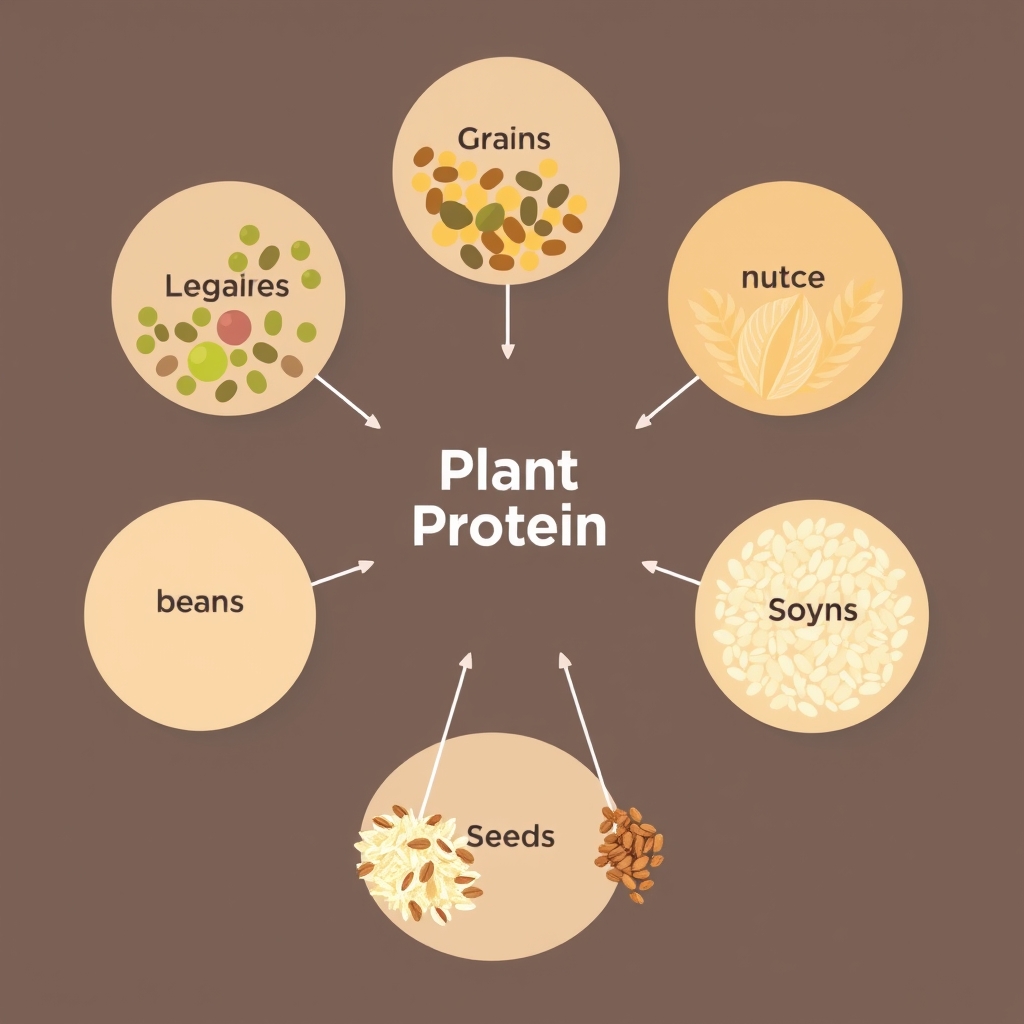
Processing: How Isolates, Concentrates, and Sprouting Change Digestion
How a plant protein is processed dramatically affects how your body digests and absorbs it.
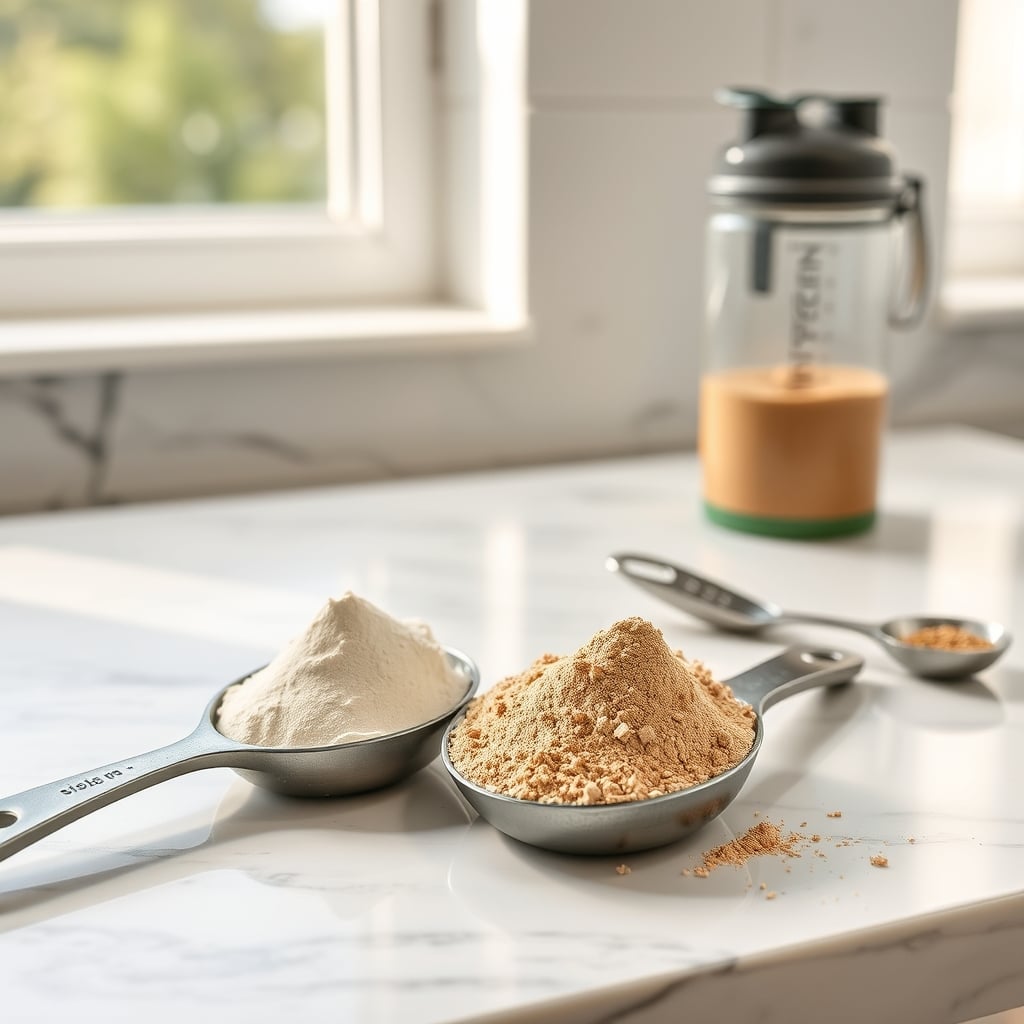
Protein isolates (whey isolate, pea isolate, soy isolate) are extracted and concentrated to 90%+ protein by weight. Most fiber, anti-nutrients, and carbohydrates are removed, which speeds digestion and absorption and increases bioavailability significantly. Pea protein isolate, for instance, is broadly estimated to show bioavailability in the 85–95% range closer to animal protein levels because the plant material and anti-nutrients are stripped away. Individual results vary.
Protein concentrates (70–80% protein) retain some fiber and anti-nutrients, so absorption is slower and less complete than isolates but better than whole food sources.
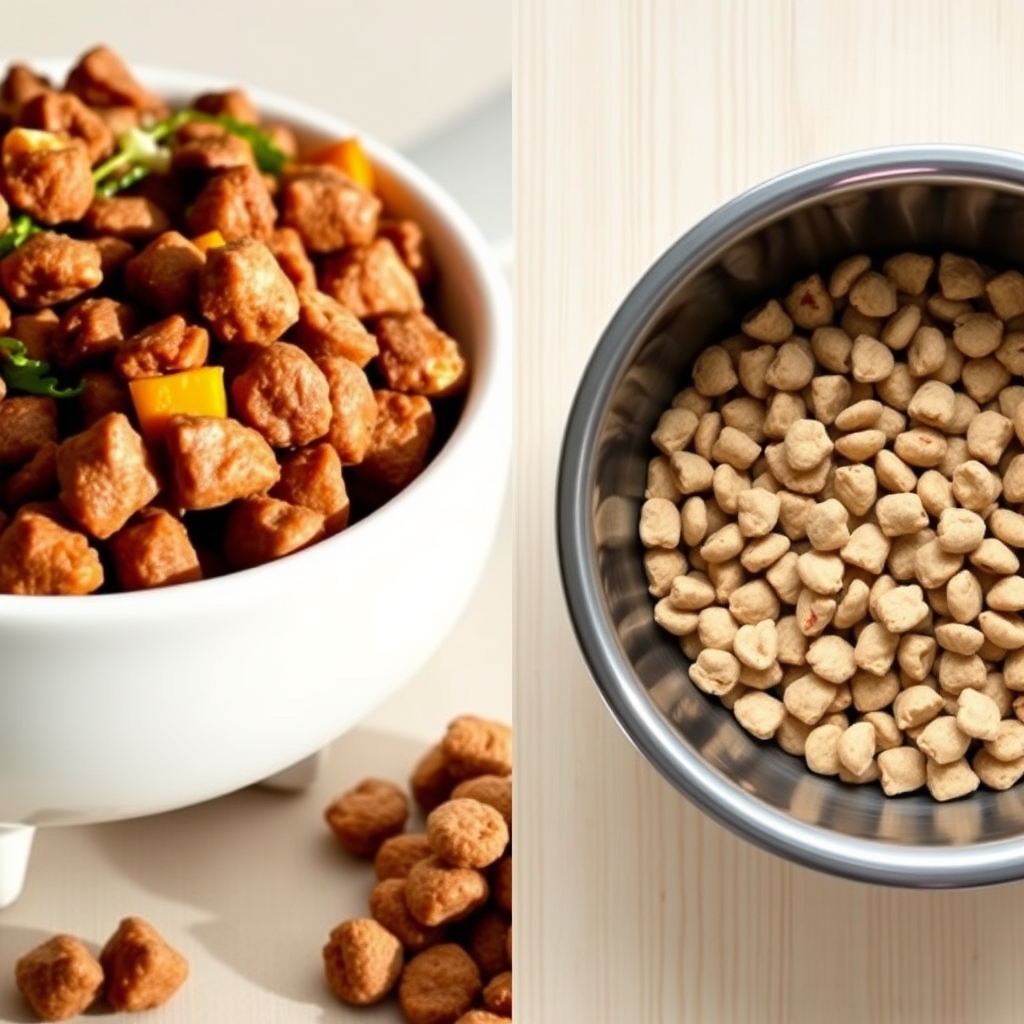
Whole plant proteins (cooked beans, tofu, tempeh, nuts) contain the full complement of fiber, phytates, and other compounds. Bioavailability is lower, but the presence of fiber also means slower glucose release, better satiety, and a complete nutrient package (minerals, vitamins, phytonutrients) beyond just protein.
Sprouting and fermenting reduce anti-nutrients further. Sprouting activates enzymes that partially break down the seed’s proteins and carbohydrates, reducing the work your digestive system has to do. People who eat sprouted seeds and grains frequently report less digestive heaviness and bloating compared to unsprouted versions a pattern consistent with enzyme inhibitors having been partially neutralized. Fermentation (as in tempeh or miso) also reduces phytates and pre-breaks down proteins.
Cooking is the most impactful processing step. Boiling, steaming, or pressure-cooking legumes inactivates protease inhibitors and reduces phytate and tannin content. This is why raw beans are inedible it’s not just about flavor.
Fiber, Gut Bacteria, and the Indirect Absorption Path
Plant proteins come bundled with fiber, which slows digestion and changes how your gut microbiome processes the protein. This is partly a drawback (slower amino acid absorption) and partly a benefit (longer satiety, better blood sugar control, prebiotic effect).
Your gut bacteria ferment fiber into short-chain fatty acids (butyrate, propionate, acetate), which nourish your colon lining and reduce inflammation. A plant-based diet, because of its higher fiber content, tends to support a more diverse and robust microbiome. Over weeks and months, a healthier microbiome can improve digestion efficiency overall, including for plant proteins. This is a commonly reported pattern among people who transition to plant-based eating that digestion gets easier and bloating decreases over time as gut bacteria adapt to the new substrate.
However, the immediate effect of high fiber is slower gastric emptying and slower amino acid absorption. If you’re trying to maximize protein synthesis post-workout, a pea protein isolate shake (minimal fiber, fast digestion) outperforms a whole-food lentil bowl for the first 30–60 minutes. The difference evens out over a full day, but timing matters if protein timing matters for your goals.
How to Optimize Plant Protein Digestion
Soak legumes and grains. Soaking for 8–12 hours reduces phytic acid and makes proteins easier to access. Drain and rinse before cooking. This step is free and takes no active time.
Cook thoroughly. Use boiling, steaming, or pressure cooking to inactivate protease inhibitors. Raw or undercooked plant proteins have worse bioavailability. Pressure cooking is fastest 20–30 minutes for most legumes and also reduces lectins in some plants.
Combine proteins. Pair legumes with grains (rice and beans, quinoa and lentils) to provide complementary amino acids. This works within a meal or across a day.
Use isolates strategically. If you’re prioritizing post-workout protein synthesis or trying to hit high daily protein targets (1.6–2.2 g per kg of body weight is a commonly cited range in sports nutrition guidance), plant protein isolates absorb faster and more completely than whole foods. Pea, soy, and hemp isolates all show good bioavailability.
Consider sprouted or fermented sources. Sprouted legumes, tempeh, and fermented soy products have lower anti-nutrient content and improved digestibility. They also introduce beneficial enzymes and bacteria.
Add vitamin C. Consuming plant-based proteins with vitamin C (citrus, tomatoes, peppers, strawberries) improves iron bioavailability particularly important if you’re avoiding animal iron sources.
Avoid excessive raw plant material. Raw kale, raw beans, and excessive raw nuts are harder to digest than cooked versions. Heat denatures protease inhibitors and breaks down cell walls, making proteins more accessible.
Common Mistakes That Reduce Absorption
Relying entirely on single sources. Eating only rice, or only beans, means your amino acid profile is incomplete no matter how much you eat. Combine sources or use complete plant proteins (soy, quinoa).
Eating raw legumes or grains. Raw beans contain protease inhibitors that severely limit protein digestibility. They’re also toxic at high levels. Always cook them.
Not soaking high-phytate sources. If you’re eating lots of nuts, seeds, or whole grains, a quick soak drains away some of the compounds that bind your enzymes and minerals.
Overthinking fiber as purely negative. Fiber slows immediate absorption but improves long-term satiety, blood sugar control, and microbiome health. The goal isn’t to eliminate it it’s to time protein intake appropriately around your training or meal structure.
Assuming all plant proteins are equally digestible. A pea isolate and a whole bean may share a similar amino acid composition but have very different estimated bioavailability (roughly 85–95% vs. 60–75% based on published digestibility research). Choose based on your goal: maximum absorption speed favors isolates; whole foods offer broader nutrition.
Ignoring mineral deficiency risk. High phytate intake can reduce zinc, iron, and magnesium absorption. If you’re plant-based, track these minerals separately don’t assume protein intake is synonymous with mineral intake.
Plant Protein Sources Ranked by Digestibility (Estimated Bioavailability)
The ranges below are drawn from published research on protein digestibility and DIAAS scoring in nutritional science. They reflect typical preparation methods and population-level estimates; individual absorption varies meaningfully based on gut microbiome, cooking method, soaking practice, and overall diet composition.
| Plant Protein Source | Estimated Protein Bioavailability | Key Notes |
|---|---|---|
| Soy Protein Isolate | ~85–95% | Highly digestible; low in anti-nutrients and provides a complete amino-acid profile |
| Pea Protein Isolate | ~85–95% | Highly digestible; often paired with rice protein to improve amino-acid balance |
| Hemp Seed Protein | ~75–90% | Provides all essential amino acids but contains more fat and fiber than isolates |
| Tempeh | ~80–85% | Fermentation can reduce some anti-nutrients and improve digestibility |
| Tofu | ~70–85% | Processing improves digestibility; firmness and processing method can affect protein concentration |
| Quinoa | ~80–85% | Complete protein source with a relatively favorable amino-acid profile |
| Cooked Lentils | ~60–75% | Cooking reduces some anti-nutrients, although phytates can still limit mineral and protein utilization |
| Cooked Beans | ~60–75% | Cooking reduces protease inhibitors and other anti-nutrients, improving digestibility |
| Cooked Chickpeas | ~65–75% | Moderate digestibility; soaking and thorough cooking can reduce anti-nutrients |
| Whole Grains | ~50–70% | Generally lower in lysine; processing and preparation influence digestibility |
| Raw Nuts & Seeds | ~50–65% | Fiber and anti-nutrients can reduce digestibility; soaking, roasting, or processing may improve it |
Ranges reflect consensus estimates from nutritional science literature based on typical preparation. Individual results vary by digestive capacity, microbiome, and preparation method.
Budget Considerations
Whole plant proteins (dried beans, lentils, rice) are the cheapest option often $0.50–$2.00 per 25-gram protein serving (observed retail pricing as of August 2026). However, they require time investment (soaking, cooking) and have lower bioavailability.
Processed plant proteins (tofu, tempeh, canned beans) cost $3–$8 per 25-gram serving and require no prep beyond cooking or reheating. Bioavailability is higher.
Plant protein isolates (powders, shakes) range $1.50–$3.50 per 25-gram serving (prices vary by brand and retailer). They’re the most expensive per gram but require minimal prep and offer fastest absorption.
If maximizing absorption per dollar is your goal, a hybrid approach works: use cheap whole legumes as a base (buy in bulk, soak and cook in batches) and supplement with isolate powder post-workout or for convenience.
FAQ
Is plant protein as good as animal protein for building muscle?
Not gram-for-gram, because of lower bioavailability and (usually) incomplete amino acid profiles. However, if you consume adequate total protein (1.6–2.2 g per kg of body weight is a commonly cited range in sports nutrition guidance) from complementary plant sources or complete plant proteins, and time it appropriately, you can build muscle on a plant-based diet. The difference is small and shrinks with proper food combining and isolate use.
Do I need to combine proteins at the same meal?
No. Your body pools amino acids over several hours. Eating beans at lunch and rice at dinner still provides complementary amino acids. Same-meal combining is convenient but not required.
Can you absorb plant protein if you have digestive issues?
Depends on the issue. IBS, GERD, and dysbiosis may worsen with high-fiber whole plant proteins. Isolates are gentler. Cooking, soaking, and sprouting reduce anti-nutrients and can help. If you have a serious digestive condition, work with a gastroenterologist or registered dietitian plant protein isn’t inherently problematic, but preparation and form matter more for compromised digestion.
How much extra plant protein do I need to eat to match animal protein?
A rough heuristic: if bioavailability is around 70%, you’d need roughly 30% more plant protein to match an animal source. So 100 grams of plant protein ≈ 70 grams of absorbed protein, equivalent to about 70 grams of animal protein. Using isolates and complete proteins narrows this gap significantly.
Does cooking destroy nutrients in plant protein?
Cooking reduces some heat-sensitive vitamins (B1, C, some folate) but inactivates anti-nutrients, making protein and minerals more bioavailable. The trade-off favors cooking for plant-based proteins. Raw plant foods have higher nutrient density on paper but lower absorption in practice.
The Verdict
Your body absorbs plant protein less efficiently than animal protein because of anti-nutrients, missing amino acids, and structural barriers in plant cells. This isn’t fixable through willpower or mindset. It is, however, manageable through thoughtful sourcing, preparation, and combining.
If you’re eating whole plant proteins (beans, lentils, nuts), soak them, cook them thoroughly, pair them with complementary sources, and expect to need slightly more total protein intake to match the muscle-building effect of animal protein. If you’re willing to use processed or isolated plant proteins, bioavailability climbs to animal-protein levels, and the difference largely disappears.
The practical reality: a plant-based diet works fine for muscle growth, endurance, and overall health. It just requires slightly more intention around protein timing, quantity, and source selection. That’s not a flaw it’s just how the biochemistry works.
How We Researched This
This guide synthesizes established nutritional science on protein digestibility (PDCAAS and DIAAS scoring), anti-nutrient chemistry, and published research on plant-based protein bioavailability. Where bioavailability ranges are cited (e.g., “70–90% for plant proteins”), these reflect consensus estimates from nutritional biochemistry literature and commonly cited guidance in plant-based nutrition resources, not guaranteed individual outcomes. Where subjective patterns are mentioned (e.g., reduced bloating over time, digestion improving with adaptation), these reflect commonly reported experiences in plant-based eating communities and align with published observations on gut microbiome adaptation.
Because this article addresses digestion and absorption, which are highly individual, all ranges should be understood as typical patterns, not guarantees. Your own digestion depends on your microbiome, cooking methods, food combinations, and overall diet test these strategies yourself and adjust based on your response.