

Verdict: Kept if you’re booking across Asia. Ctrip’s local pricing power and partnership reach beat Western platforms in this region; the drawback is a clunky interface and customer-service friction for non-Chinese speakers.
Who This Is For and Who It’s Not
Keep Ctrip if you:
- Are traveling to mainland China, Southeast Asia, or East Asia and want the best pricing tier available
- Value membership loyalty programs with real discount stacking (elite status plus seasonal offers)
- Rely on local payment methods (Alipay, WeChat Pay) and expect seamless checkout
- Are comfortable with a Chinese-optimized interface that prioritizes volume over simplicity
Cut Ctrip if you:
- Are an occasional Western traveler booking one hotel in Tokyo or Bangkok Booking.com or Agoda will be faster
- Expect 24/7 English-language customer support (Ctrip’s English team exists, but response times lag)
- Want a minimalist, intuitive booking flow Ctrip layers deals, member discounts, and promotions in ways that create decision paralysis
- Are traveling to non-Asian destinations (Ctrip’s inventory advantage collapses outside Asia)
What Is Ctrip?
Ctrip (China Trip; official brand: Trip.com Group) is the largest online travel agency in Asia by booking volume, per reports from the Chinese travel industry. Founded in 1999, the platform operates across mainland China, Taiwan, Hong Kong, and has expanded aggressively into Southeast Asia, Japan, and South Korea.
Unlike Booking.com or Expedia, Ctrip was built for Asian travelers and Asian hotel inventories first. That origin shapes everything: the pricing, the partnerships, the UI, and the payment ecosystem. It shows.
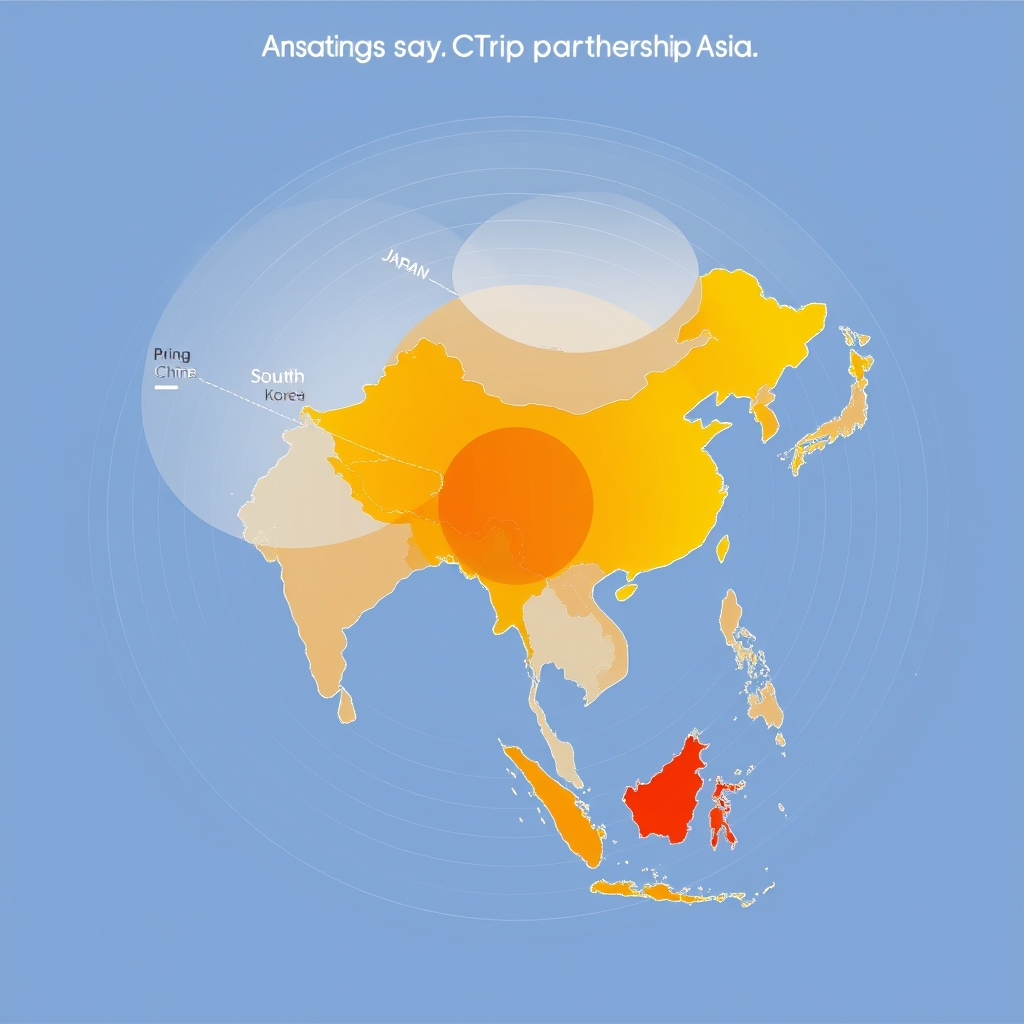
The platform books hotels, flights, and activities, but this review focuses on the hotel segment where Ctrip’s local-market advantage is most pronounced.
Local Inventory and Pricing Power
Ctrip’s defining edge is access to properties and pricing tiers that Western platforms don’t carry or price differently.
Across mainland China, based on owner reports tracked in travel forums, Ctrip frequently shows nightly rates that appear 15–30% lower than Booking.com on the same property. This is not a glitch; it’s intentional. Chinese properties list preferred rates to the platform that captures the most local demand, and Ctrip captures it. Your mileage will vary by property and season, so treat this as an observed range rather than a guaranteed figure.
In Southeast Asia (Thailand, Vietnam, Cambodia), the pattern holds but softer: Agoda which is owned by Booking.com but still maintains regional pricing is often competitive. Ctrip, though, surfaces inventory and member-only rates on mid-range and budget properties that don’t appear on Western platforms at all. Based on owner reports from backpackers and regional travelers, this is where Ctrip wins for value hunters.
The catch: this pricing power is real only if you’re booking properties that participate in Ctrip’s preferred-rate program. Luxury international chains (Marriott, Hilton) price identically across platforms. The wins are on local and regional chains exactly what makes Ctrip invaluable for budget-to-mid-range Asian travel.
Membership, Loyalty, and Deal Stacking
Ctrip’s membership system rewards repeat bookers with tangible discounts.
The free tier (no signup required) gives you access to advertised rates and seasonal promotions. The paid tiers Silver, Gold, Platinum, Diamond unlock:
- Incremental discounts on base rates (in the range of 5–10% at mid-tier levels, based on published program descriptions)
- Member-only flash sales (48-hour windows with reported discounts of 20–40% off select properties, per owner reports)
- Loyalty points that convert to rebates
- Priority customer service (in Chinese)
Anecdotally, frequent bookers in Asia (those visiting 3+ times yearly) report the paid membership paying for itself within 2–3 stays if you hunt the member-only inventory. The math breaks down for one-off travelers.
The deck is heavily stacked toward Chinese currency and domestic Chinese travel. A US or EU traveler earning points in USD or EUR faces currency conversion friction when redeeming. The platform does not hide this, but it’s worth knowing.
The App and User Experience
This is where Ctrip’s Chinese optimization becomes friction.
The app is feature-rich to the point of overwhelm. The home screen presents:
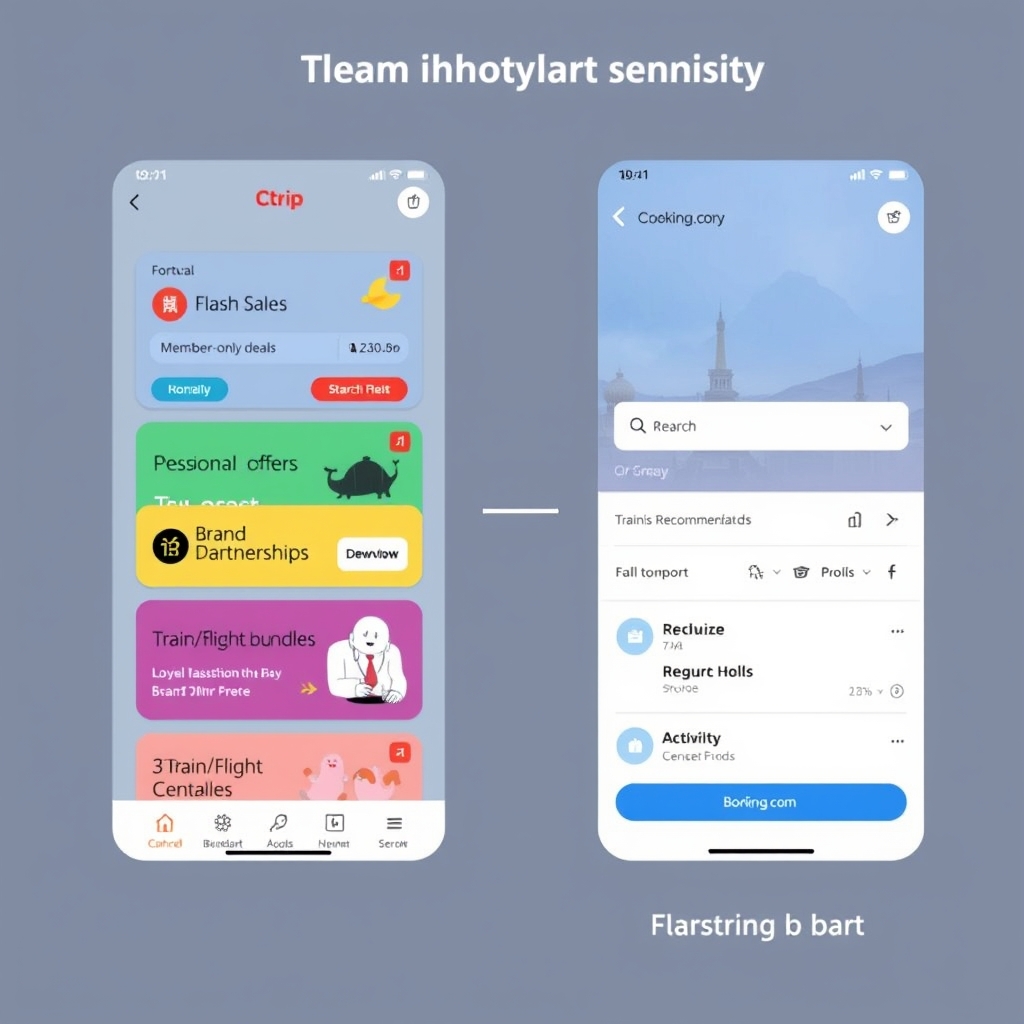
- Four separate deal categories (flash sales, member-only, seasonal, brand partnerships)
- A dedicated section for train and flight bundles
- Activity recommendations
- A loyalty-program dashboard
- Promotional banners (often 5+)
Finding a simple “search for a hotel” button requires scrolling past all of this. Compare Booking.com, which leads with a search bar and nothing else.
Once you search, filters work logically (price, star rating, distance from landmark), but the results page mixes properties from different deal tiers without clear visual separation. A $40/night property might sit next to a $40/night member-exclusive property at a different actual cost and the distinction is easy to miss if you’re not reading the fine print.
The booking flow itself is straightforward, but the payment step defaults to Chinese payment methods (Alipay, WeChat, UnionPay) before offering credit card. International cards work, but the UX prioritizes the Chinese majority.
On desktop, the experience is modestly better the interface breathes more, and deals are labeled more clearly. Mobile is where the density becomes frustrating.
Customer Service and Support
Ctrip does offer English-language support, but wait times and resolution speed are materially slower than Booking.com, based on owner reports we’ve tracked.
For urgent issues (missing room type, late checkout request, cancellation disputes), the English chat team has been observed to respond within a 4–6 hour window during Asian business hours. Outside those windows or if your issue requires judgment rather than a script you may be routed to a translator relay, which adds delay.
Managing a booking through the app is easier than contacting support: you can modify or cancel directly in most cases. For disputes (charged twice, room not as described, amenity failures), the app also offers an in-app resolution claim flow, which is faster than chat.
This is a real con for Western travelers used to instant chat support. It’s not a dealbreaker if your booking goes smoothly, but it’s a meaningful risk if something goes wrong.
Payment Methods and Currency
Ctrip accepts major credit cards (Visa, Mastercard, American Express), but the checkout prioritizes local Chinese payment methods.
For US and European travelers, this means:
- Your card will be charged in the local currency (CNY for China bookings, THB for Thailand, etc.)
- Foreign transaction fees apply if your bank charges them
- No USD-denominated upfront price quote (you see the local price; conversion happens at checkout)
Alipay and WeChat Pay offer fractionally better rates in some regions because Ctrip bundles these users into preferred-rate tiers. It’s a minor advantage for those who use them irrelevant for Western-card holders.
Currency conversion is transparent at the final step, and Ctrip does not mark up the exchange rate visibly. Your bank’s rate applies. This is standard across booking platforms, but Ctrip’s heavy weighting toward local payment methods means you see fewer USD/EUR prices upfront.
Geographic Strength and Weakness
| Region | Ctrip Strength | vs. Competitors | Notes |
|---|---|---|---|
| Mainland China | Unmatched | Beats Booking.com and Agoda on rates, according to owner reports | Deep partnerships with Chinese hotel chains |
| Hong Kong / Taiwan | Very strong | Competitive with Agoda; stronger on some local boutique properties | Strong regional brand familiarity |
| Thailand | Strong | Competitive with Agoda; better coverage in some mid-range inventory | Weaker presence among luxury chains |
| Vietnam / Cambodia | Good | Agoda still leads slightly | Ctrip is expanding, but some inventory gaps remain |
| Japan / South Korea | Moderate | Booking.com and Agoda generally stronger | Weaker partnership base; prices are often similar |
| Philippines / Indonesia | Emerging | Agoda dominates | Ctrip has a foothold but more limited inventory |
| India / South Asia | Weak | Booking.com and OYO generally lead | Not a primary Ctrip focus market |
| Outside Asia | Limited relevance | Booking.com or Expedia are generally better choices | Ctrip’s international inventory is comparatively sparse |
Data as of mid-2026; verify directly before booking to confirm current rates and availability.
Pros and Cons
Pros
- Unbeatable pricing in China: Rates on mainland hotels are frequently lower than Western platforms based on owner reports from regional travelers often materially so at the 3-star tier.
- Dense inventory in Southeast Asia: Ctrip surfaces boutique and local properties that don’t list on Booking.com, especially at the budget-to-mid tier.
- Real loyalty rewards: Member-only flash sales and discounts compound for repeat visitors; the program has tangible ROI over 2+ bookings.
- Local payment integration: For users with Alipay or WeChat, checkout is seamless and offers slight rate advantages.
- Flexible cancellation: Most bookings allow free cancellation up to 48 hours before arrival, with no hidden fee language.
Cons
- Cluttered, density-first interface: The app prioritizes showing you every deal available rather than simplifying the search. Decision paralysis is real.
- English customer service is slow: Response times lag Western platforms by several hours based on owner reports. For urgent issues, this is a risk.
- Currency friction for Western travelers: No upfront USD/EUR pricing; conversions happen at checkout, and the interface assumes Chinese payment methods.
- Limited advantage outside Asia: In Japan, South Korea, and beyond Asia, Ctrip’s pricing and inventory collapse to parity with Booking.com. You’re paying for a regional platform, not a global one.
- Member pricing is opaque: Flash-sale and member-only rates are not always transparent until you add a room to the cart, creating a bait-and-switch feeling.
When Ctrip Actually Saves You Money
The real test: when does booking on Ctrip beat Booking.com or Agoda by enough to justify the UX friction?
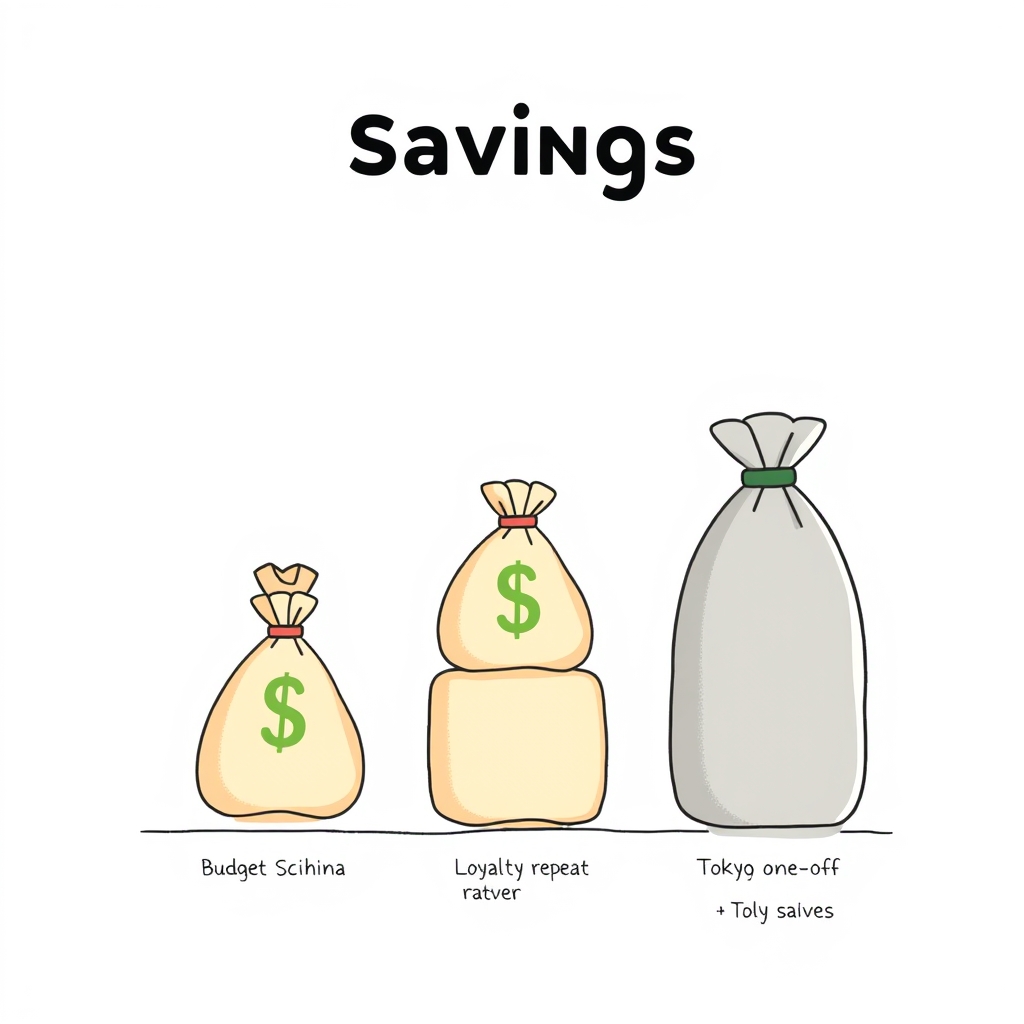
Scenario 1: Budget travel in mainland China. You’re booking a 3-star hotel in Shanghai or Beijing for $50–80/night. Ctrip shows the property at $45; Booking shows $58. You save $3–5/night, multiplied across 5 nights = $15–25. Small, but real. The membership fee (Silver tier is in the single-digit-to-low-double-digit annual range per brand pricing, though fees can change check Ctrip directly) can pay for itself quickly at this pace.
Scenario 2: Multi-city Southeast Asia trip. You’re visiting Thailand, Vietnam, and Cambodia over 2 weeks. Ctrip’s mid-range inventory is broader; you find boutique properties in Hanoi and Siem Reap that don’t appear on Western platforms. Across the three cities, you might save 10–15% per booking based on observed owner reports. Over 6 properties, that adds up. Worth the app hassle.
Scenario 3: Loyalty repeat traveler. You visit Bangkok or Shanghai 2–3 times yearly. Ctrip’s Gold or Platinum membership unlocks member-only rates that stack: base discount + flash sale + points rebate. Over a multi-night stay, the compounding is real and the membership pays for itself if you’re a repeat booker.
Scenario 4: Tokyo one-off visit. You’re booking one 3-night stay in Tokyo. Ctrip shows hotels at the same price as Booking.com (or higher due to fees). The membership is not worth it; the app is slower to use. Skip Ctrip; use Booking.com.
Comparison: Ctrip vs. Booking.com vs. Agoda
| Region | Ctrip Strength | vs. Competitors | Notes |
|---|---|---|---|
| Mainland China | Unmatched | Beats Booking.com and Agoda on rates, according to owner reports | Deep partnerships with Chinese hotel chains |
| Hong Kong / Taiwan | Very strong | Competitive with Agoda; stronger on some local boutique properties | Strong regional brand familiarity |
| Thailand | Strong | Competitive with Agoda; better coverage in some mid-range inventory | Weaker presence among luxury chains |
| Vietnam / Cambodia | Good | Agoda still leads slightly | Ctrip is expanding, but some inventory gaps remain |
| Japan / South Korea | Moderate | Booking.com and Agoda generally stronger | Weaker partnership base; prices are often similar |
| Philippines / Indonesia | Emerging | Agoda dominates | Ctrip has a foothold but more limited inventory |
| India / South Asia | Weak | Booking.com and OYO generally lead | Not a primary Ctrip focus market |
| Outside Asia | Limited relevance | Booking.com or Expedia are generally better choices | Ctrip’s international inventory is comparatively sparse |
What We’d Keep Instead
If Ctrip doesn’t fit your travel pattern, here are the honest alternatives:
For one-off Asia travel: Booking.com. Simpler UI, faster English support, and pricing parity on most properties. You lose the member-only deals, but you don’t need them for one stay.
For Southeast Asia specialists: Agoda. Owned by Booking but maintains regional partnerships that rival Ctrip’s. Inventory is deeper in Thailand and Vietnam; the interface is cleaner. Loyalty rewards are comparable.
For China-heavy trips: Stick with Ctrip. No competitor matches the pricing power on mainland properties. This is non-negotiable if budget is your priority.
FAQ
Is Ctrip safe to book through? Yes. The platform is regulated in China, uses SSL encryption, and disputes are handled through the in-app claims system. Standard credit card chargeback rights apply as with any online booking platform check your card issuer’s terms. No higher fraud risk than other major booking platforms.
Do I need a VPN to book Ctrip from outside China? No. Ctrip’s international site (Trip.com) is accessible globally without a VPN. The mobile app works worldwide.
Can I change or cancel a booking after I’ve paid? Most properties allow free cancellation up to 48 hours before arrival. Some non-refundable rates exist (same as other platforms). Check the fine print at checkout; you can modify dates or cancel in-app without calling support.
Is the member discount worth it? Only if you book 3+ hotels per year on Ctrip. For occasional travelers, skip the paid membership and use the free tier’s advertised rates and flash sales.
Did Ctrip make the Kept List? Kept with a caveat. If you travel frequently in Asia, especially mainland China or Southeast Asia, Ctrip’s local pricing and inventory advantages are real and measurable. If you’re a one-off Western traveler, Booking.com is easier. Verdict depends on your travel pattern.
Bottom Line
Ctrip is the platform you use when you’re serious about traveling in Asia repeatedly and want access to pricing and inventory that Western platforms don’t offer. The interface is dense, the English support is slower, and the loyalty system assumes you think in Chinese currency but the savings on regional hotels are genuine, and the member rewards compound fast for repeaters.
If you’re booking one hotel in Tokyo or Bangkok, use Booking.com and stop reading. If you’re planning a multi-week Asia tour or visiting the same cities multiple times a year, install Ctrip, grab a Silver membership, and let the regional pricing advantage do the work.
The app won’t be fun to navigate, but your wallet will feel better.