
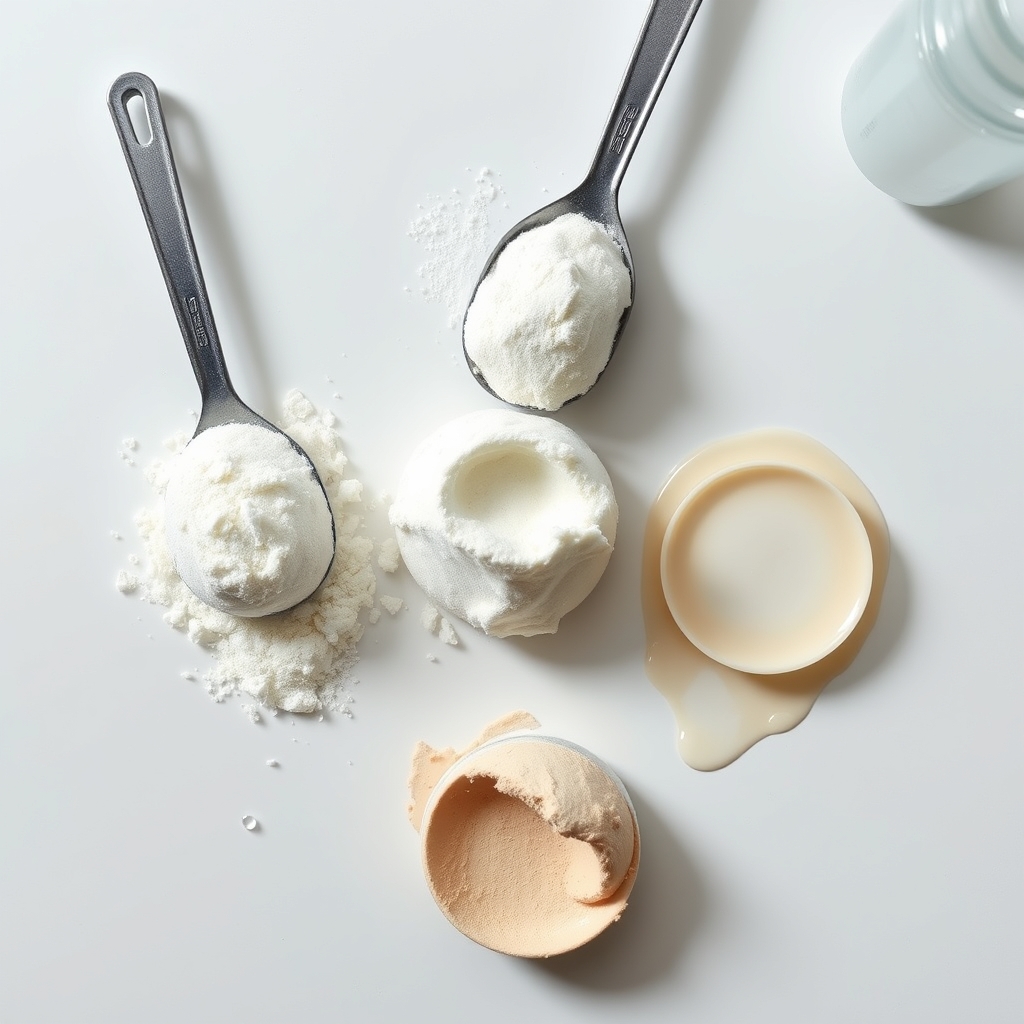
Whey isolate absorbs fastest and suits post-workout timing; concentrate is cheaper and fine for most people; hydrolysate is a middle path that costs more than concentrate but absorbs faster. If you’re buying whey protein, skip the hype and match the format to your budget and training schedule.
Whey dominates the protein market for good reason: it’s complete (all nine essential amino acids), fast-digesting, and comes in three distinct formats that behave differently in your body and your wallet. Most coverage lumps them together or pushes plant-based alternatives. This guide focuses on the whey formats themselves and walks through the products that actually matter if you’re committed to whey.
Quick Comparison: Whey Isolate vs. Concentrate vs. Hydrolysate
| Feature | Isolate | Concentrate | Hydrolysate |
|---|---|---|---|
| Protein % | 90%+ | 70–80% | 90%+ |
| Lactose | Very low | Moderate–high | Very low |
| Absorption Speed | Fastest | Slower | Faster than concentrate |
| Taste | Thinner, sometimes chalky | Creamier | Variable, often chalky |
| Price Tier | Premium | Budget–mid | Mid–premium |
| Ideal Use | Immediately post-workout | Anytime; flexible option | Post-workout if budget allows |
| Digestive Tolerance | Best for lactose sensitivity | More difficult for lactose-intolerant users | Generally good; slightly faster digestion |
What Whey Isolate Does Best
Isolate is microfiltered or ion-exchanged to remove most lactose and fat, leaving 90% or more protein per serving. The result: rapid absorption and minimal digestive distress if you’re lactose-sensitive.
Optimum Nutrition Gold Standard Whey is the market baseline here. A single scoop delivers roughly 24g protein with under 1g lactose per serving (based on brand-published nutrition labels). The taste is serviceable without being remarkable chocolate tastes like cocoa powder mixed with water, vanilla is straightforward. The real strength is consistency: the formula hasn’t changed much in a decade, it mixes cleanly, and it doesn’t clump. It’s not the cheapest isolate, but it’s never the most expensive either, and the reliability justifies the slight premium.
Skip it if you hate paying for a name brand when cheaper isolates exist, or if you demand creamy texture isolate feels thin by design.
Isopure Zero Carb is an isolate with an actual point of view: zero carbs, zero sugar, deliberately sparse. Each serving is roughly 25g protein, 0g carbs, 0g sugar. If you’re cycling carbs or managing blood sugar, this removes a variable. The taste is intentionally clean it doesn’t try to be a milkshake which works for some people and annoys others. It mixes without grit and doesn’t coat your mouth, which is what you want if you’re drinking it immediately post-workout and moving on.
Skip it if you like flavored protein that actually tastes indulgent, or if you prefer texture and body in your shake.
What Whey Concentrate Does Best
Concentrate is less processed, so it keeps more of the milk fats and lactose (typically 70–80% protein). That means it’s cheaper, and the extra milk solids make it taste richer and mix into a creamier drink.
MuscleTech Nitro-Tech is concentrate-based (with some added isolate and creatine monohydrate) and costs noticeably less per serving than standalone isolates. A scoop delivers roughly 20g protein from the whey blend plus 3g creatine, which is useful if you’re dosing creatine separately anyway it simplifies your stack. The taste is genuinely creamy, which matters if you’re drinking protein as part of your actual meal routine rather than as a pre-emptive post-workout supplement.
Skip it if you’re lactose-intolerant or if you want zero additives. The creatine inclusion is useful for some people and pointless waste for others there’s no middle ground.
What Whey Hydrolysate Does Best
Hydrolysate is partially broken down (hydrolyzed) before it reaches you, which speeds up absorption relative to concentrate but costs more than concentrate to produce. It sits between isolate and concentrate on price and absorption speed. The trade-off: it often tastes rough chalky, sometimes bitter because the hydrolysis process damages flavor compounds.
Few major brands make pure hydrolysate as their flagship product, which tells you something about the cost-to-benefit ratio. When hydrolysate appears, it’s usually mixed with isolate (getting some of the speed benefit, some of the taste improvement). There’s no obvious single recommendation here because the market has largely moved away from selling hydrolysate alone at a premium price.
If hydrolysate is your target, check ingredient lists on products labeled “hydrolyzed whey” and compare the serving cost against isolate. The absorption speed difference is real but modest anecdotally in the range of 5–15 minutes faster than isolate depending on the study methodology and most people don’t need that marginal gain unless they’re competing at a level where every glycogen-resynthesis minute counts.
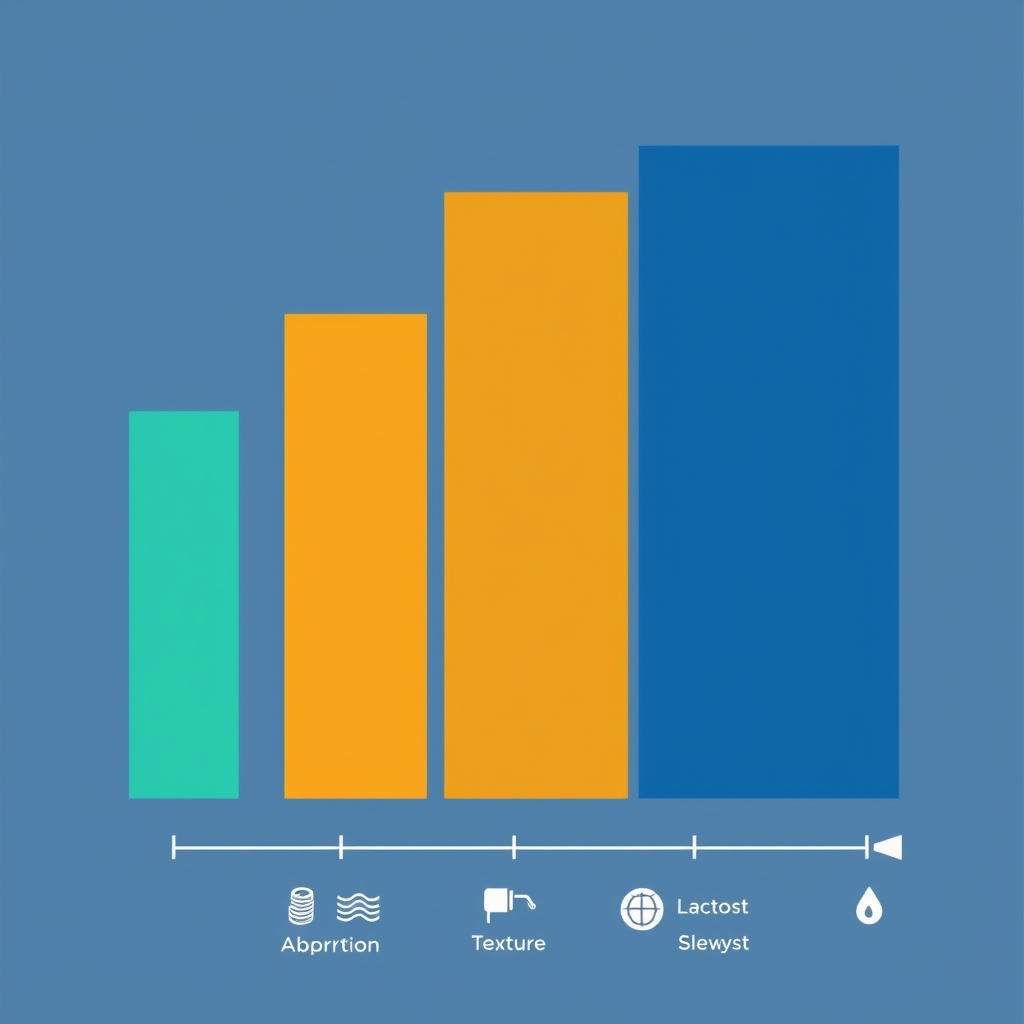
Feature Comparison: Where They Actually Differ
Absorption Speed
Isolate and hydrolysate absorb faster than concentrate. Nutritional consensus generally frames isolate absorption as occurring roughly within 30–60 minutes post-ingestion, though this range reflects observed averages across studies rather than a single measured figure and individual results vary. Hydrolysate trends slightly faster; concentrate is slower still. If you’re training hard and want rapid amino acid availability to start muscle repair, isolate is the play. If you’re sipping protein as part of a meal, concentrate is fine the food in your stomach will slow absorption anyway.
Most trainees overestimate how much this matters. Unless you’re training twice a day or working within a specific competitive window, the absorption speed difference is real but doesn’t override cost or taste preference.
Lactose Content
Concentrate retains more lactose 5–10g per serving is a common range, though this varies widely across products and brands; check the label of any specific product before assuming. Isolate cuts this to under 1g per serving. Hydrolysate removes most of it.
If you’re lactose-intolerant, isolate and hydrolysate are safer. If you’re just lactose-sensitive but not intolerant, a single serving of concentrate might bloat you; repeated servings will compound the issue. You’ll learn your own threshold through experimentation there’s no universal rule.
Taste and Texture
Concentrate tastes creamier because it has more milk fat and milk solids. Isolate tastes thinner and more artificial because those solids are stripped out. Hydrolysate tastes the worst of the three in most formulations chalky, sometimes bitter because the breakdown process damages flavor.
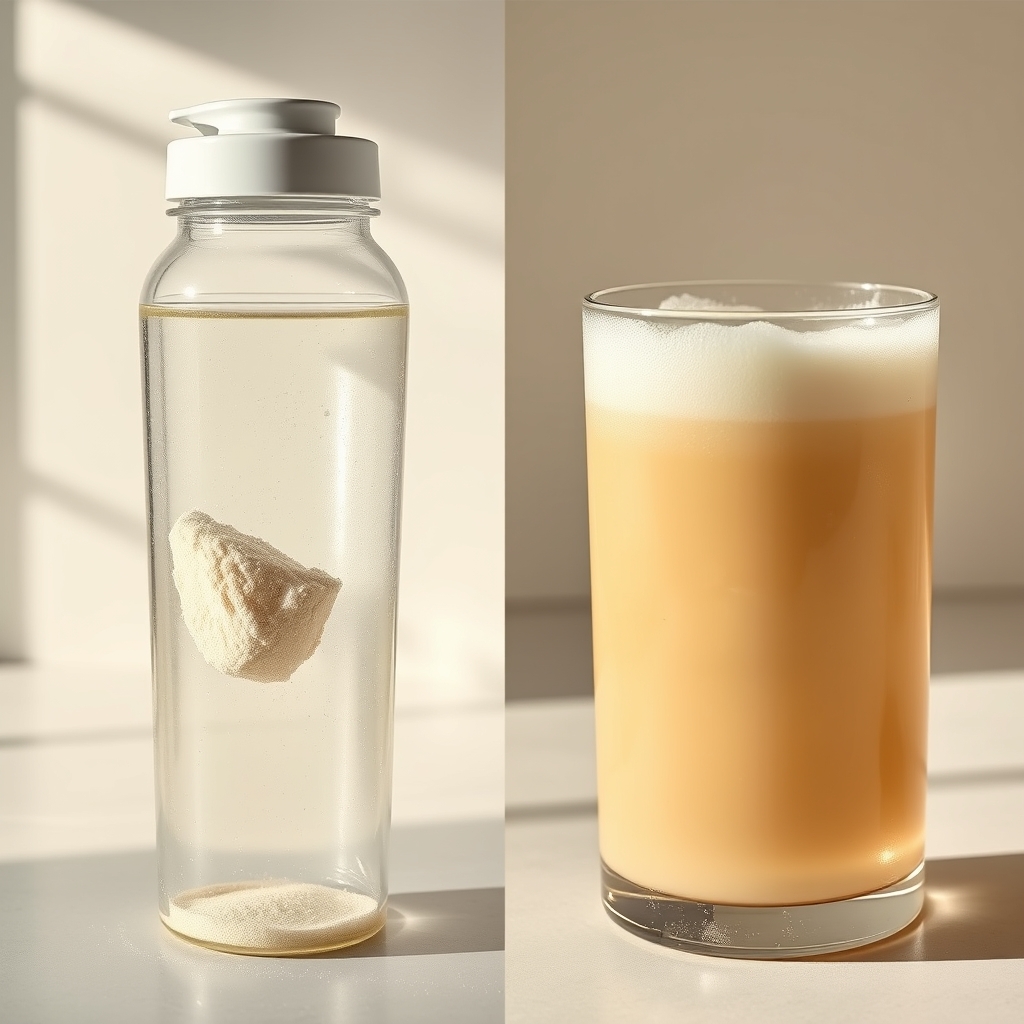
This matters more than most people admit. A protein powder you actually want to drink gets consumed consistently. A powder that tastes bad ends up in the cupboard half-finished.
Price Per Serving
Based on retail pricing observations as of mid-2026, concentrate typically costs roughly $0.50–$0.80 per serving. Isolate ranges from $0.80–$1.20 per serving. Hydrolysate (when available standalone) sits in the $1.00–$1.40 range. These figures reflect observed pricing at the time of writing and will vary by retailer, sale cycle, and container size verify before buying.
Over a year of daily use, that gap becomes real money. If you’re training hard enough to justify daily protein powder, cheap isn’t an excuse to choose concentrate over isolate, but it’s not nothing either.
Head-to-Head: Optimum Nutrition Gold Standard vs. MuscleTech Nitro-Tech vs. Isopure Zero Carb
Best for Immediate Post-Workout Use
Gold Standard isolate wins here. Fast absorption, minimal lactose, straightforward formula. You drink it and move on. Isopure Zero Carb is equivalent slightly faster theoretically, same practical effect. MuscleTech Nitro-Tech works but the concentrate base means slightly slower uptake and the creatine inclusion adds bulk you don’t need if you’re already dosing it.
Best for Daily Convenience
MuscleTech Nitro-Tech. The creatine is built in (no separate powder to mix), the taste is the best of the three, and the price is lowest. If you’re drinking protein twice a day and want simplicity, this removes a step.
Gold Standard is fine for this too it’s consistent and reliable. Isopure Zero Carb is clean but less rewarding to drink as a routine shake.
Best for Lactose Sensitivity
Gold Standard isolate or Isopure Zero Carb, in a tie. Both are isolates with minimal lactose. Gold Standard is the safer default because it’s been on shelves for years with consistent formulation. Isopure Zero Carb is equivalent choose based on whether you prefer the marketing (zero carbs) and taste profile.
Best Value
MuscleTech Nitro-Tech. The per-serving cost is lowest, and you’re getting creatine included. If you’re on a budget and not lactose-sensitive, this is the rational choice.
Best for Taste
MuscleTech Nitro-Tech again, because concentrate actually tastes creamy. Gold Standard is functional. Isopure Zero Carb is deliberately minimal and some people love it, but it doesn’t taste good it tastes clean.
When to Choose Each Format
Choose isolate if:
- You train immediately post-workout and want fast recovery timing
- You’re lactose-sensitive or intolerant
- You don’t mind paying a premium for convenience and speed
- You drink protein as a post-exercise supplement, not a meal replacement
Choose concentrate if:
- You’re on a tight budget and tolerate lactose fine
- You drink protein as part of an actual meal (breakfast shake, lunch protein boost)
- You want the best taste without additives
- Absorption speed doesn’t matter to your schedule
Choose hydrolysate if:
- You’re competing at a level where 10–15 minutes of absorption speed matters
- You’re lactose-sensitive but dislike isolate taste
- You have money to spend and want the theoretical middle path
In practice, most trainees are fine with concentrate. Isolate is worth the premium if you train hard and time your nutrition carefully. Hydrolysate is a niche choice.
Ingredient Quality and What to Avoid
All three formats from major brands (Gold Standard, Nitro-Tech, Isopure) are NSF Certified for Sport, which means they’ve been tested for banned substances. This matters if you compete in tested sports. If you don’t, the certification is nice but not make-or-break.
Watch for added sugars. Some brands pump protein powders with 5–7g sugar per serving to make them taste better. If you’re choosing isolate or hydrolysate specifically for low carbs, check the label the format doesn’t guarantee low sugar, the formula does. Gold Standard and Isopure both keep sugar minimal. Nitro-Tech has a bit more sugar (roughly 2–3g per serving) because the concentrate base carries it and the formula prioritizes taste.
Check the amino acid profile. All whey is complete, but you want to see branched-chain amino acids (leucine, isoleucine, valine) listed. Leucine in particular triggers muscle protein synthesis, and whey has plenty of it. Concentrate, isolate, and hydrolysate all deliver similar amino acid profiles per gram of protein the format doesn’t change the amino acid content, only the processing.
Pricing Tiers and What You’re Paying For
Based on retail observations as of mid-2026:
Budget tier ($0.40–$0.60/serving): Store-brand concentrates. These work fine and taste worse. If cost is the only variable, this is rational.
Mid-tier ($0.60–$0.90/serving): MuscleTech Nitro-Tech, most popular isolates, store-brand isolates. This is the sweet spot for most people good taste, reasonable speed, affordable.
Premium tier ($0.90–$1.30/serving): Gold Standard, Isopure, specialty hydrolysates, protein blends with added ingredients. You’re paying for consistency, brand reliability, and sometimes novelty. Not required.
Ultra-premium tier ($1.30+/serving): Small-batch brands, high-end flavoring, exotic ingredients. Diminishing returns. Skip unless you have a specific reason.
How to Actually Use Each Type
Isolate post-workout: Mix with water (not milk, which defeats the point), drink within 30 minutes of training. Simple.
Concentrate anytime: Mix with water or milk depending on texture preference. Works as a breakfast shake, post-workout, or snack. No timing pressure.
Hydrolysate during competition: Mostly for people competing. If you’re using it at all, treat it like isolate fast-absorbing supplement, not a meal replacement.
None of these require exotic preparation. Shake, drink, move on.
The Real Question: Do You Need Whey At All?
If you’re training hard and eating normal food, you probably don’t need protein powder. You can hit your protein targets through diet alone. But if you train twice a day, can’t eat a full meal post-workout, or want convenience, protein powder saves time and removes the friction of cooking.
Whey is the fastest and most complete option. Plant-based proteins work too they’re just slower to absorb and require higher doses to hit the same amino acid profile. If you’re already choosing whey, isolate vs. concentrate is a cost-speed tradeoff, not a choose-whey-or-die moment.
Final Verdict
For most people: MuscleTech Nitro-Tech concentrate. Cheapest option that tastes good, works fine even if it’s not the fastest absorbing, and the creatine inclusion removes a decision.
For post-workout optimization: Optimum Nutrition Gold Standard isolate. Fast-absorbing, reliable formula, solid taste. Costs more than Nitro-Tech but worth it if you train hard and time your recovery seriously.
For lactose sensitivity: Isopure Zero Carb isolate. Minimal lactose, zero carbs, genuinely fast absorbing. Tastes functional rather than good, but gets the job done.
For budget-only decisions: Store-brand concentrate. It works. It tastes worse. The math on that tradeoff is obvious.
The format (isolate, concentrate, hydrolysate) matters much less than consistency and actually using it. Pick one, buy the same flavor every time, drink it, and focus on the training and food that actually drives results. Protein powder is a tool, not a magic input.
Verify current pricing before buying retail prices vary by retailer and often shift with sales cycles. What costs $0.70/serving this month might cost $0.85 next month.