

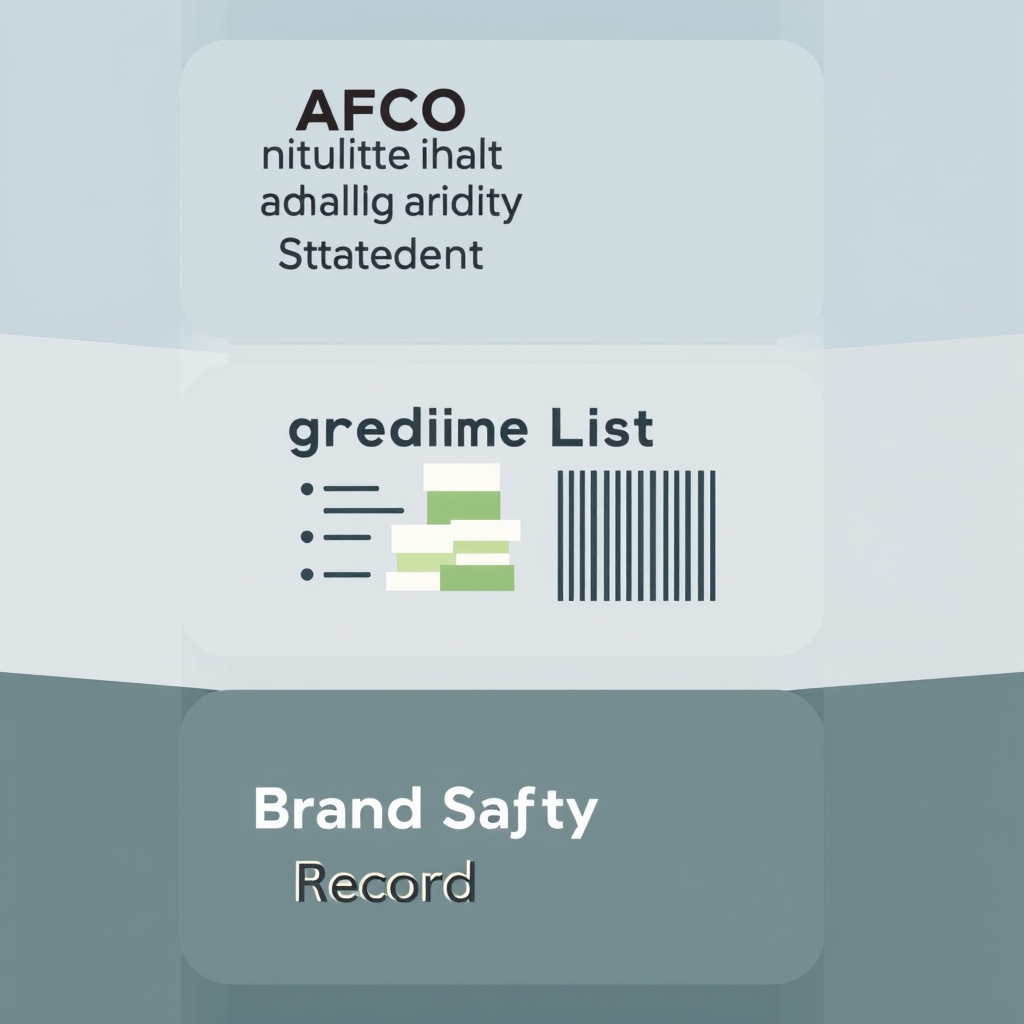
You can learn to read a pet food label in about five minutes once you know what to look for. The real work is understanding the three layers: the ingredient list (what’s actually in the bag), the AAFCO nutritional guarantee (whether it meets your pet’s needs), and the brand’s safety track record (whether recalls or quality issues exist). Most pet owners skip this entirely and trust the packaging photo or a vet’s casual recommendation. This guide walks you through each layer so you can evaluate any food from budget kibble to premium fresh brands with confidence.
What You’ll Need
- The pet food bag or label (physical or online)
- The FDA’s pet food recall database (fda.gov/animalveterinary/recalls)
- 5–10 minutes per food evaluation
- Optional: a note on your pet’s age, size, and activity level (affects nutritional needs)
Step 1: Find and Read the AAFCO Nutritional Adequacy Statement
Start here, not with the ingredient list. The AAFCO statement is a short paragraph (usually on the back or side of the bag) that tells you whether the food is balanced for your pet’s life stage. It reads something like: “This food is formulated to meet the AAFCO Dog Food Nutrient Profiles for [adult maintenance / growth / all life stages].”
This one sentence answers the biggest question: does the food claim to be nutritionally complete, or is it meant as a treat or supplement?
AAFCO does not test or approve pet foods. It sets the minimum nutrient standards (protein %, fat %, fiber %, etc.). The manufacturer self-certifies that their formula meets those standards. Think of AAFCO like building code it tells you the floor, not that the building is good, only that it meets the minimum.
Look for these three AAFCO claim types:
- “Formulated to meet AAFCO standards” = based on recipe calculation, not tested. Most foods use this.
- “Complete and balanced, AAFCO Dog Food Test Protocols” = the food was actually fed to dogs in feeding trials. This is the gold standard, though uncommon.
- “Meets or exceeds AAFCO standards” = functionally the same as “formulated to.” The word “exceeds” does not mean the food is superior just that one or more nutrients are above the minimum.
Pro tip: If the bag says “supplement” or “treat” instead of a complete-and-balanced claim, it’s not a main meal food. Many owners accidentally feed these as primaries.
Step 2: Decode the Ingredient List (and Know Its Limits)
The ingredient list ranks ingredients by weight, from heaviest to lightest. This is useful but it’s also the most misleading part of the label.
The biggest trick: ingredient splitting. A food might list “chicken” first, then “corn gluten meal,” “corn flour,” and “ground corn” separately. Combined, corn outweighs chicken, but the listing order makes chicken look dominant. Look at the first 5–6 ingredients and mentally group similar items.

What the list does NOT tell you:
- Quality or source of the ingredient (“beef meal” can come from muscle or from rendered parts)
- Digestibility or how much your pet can actually absorb
- Whether the food contains fillers or “empty” calories
- Freshness or storage conditions
Identify protein sources
Proteins should be the foundation. Look for named animal sources in the first three ingredients:
- Named meat (chicken, beef, turkey, fish): specific and generally digestible
- Meat meals (chicken meal, beef meal, fish meal): concentrated protein, often high-quality (rendered to remove water weight). Don’t assume low quality premium foods use these.
- By-products (chicken by-products, meat by-products): vague term, may include organs, beaks, or feet. Prefer named meats when possible.
- Plant proteins alone (soy, pea, corn gluten): cheaper fillers. Fine in small amounts; problematic if they’re the first three ingredients in a dog or cat food. Cats especially need animal-based protein.
A rule of thumb observed by many veterinary nutritionists: if the first ingredient is a grain or plant protein, the food is designed more for filler volume than nutrition.
Red-flag ingredients
These aren’t toxic, but they signal cost-cutting:
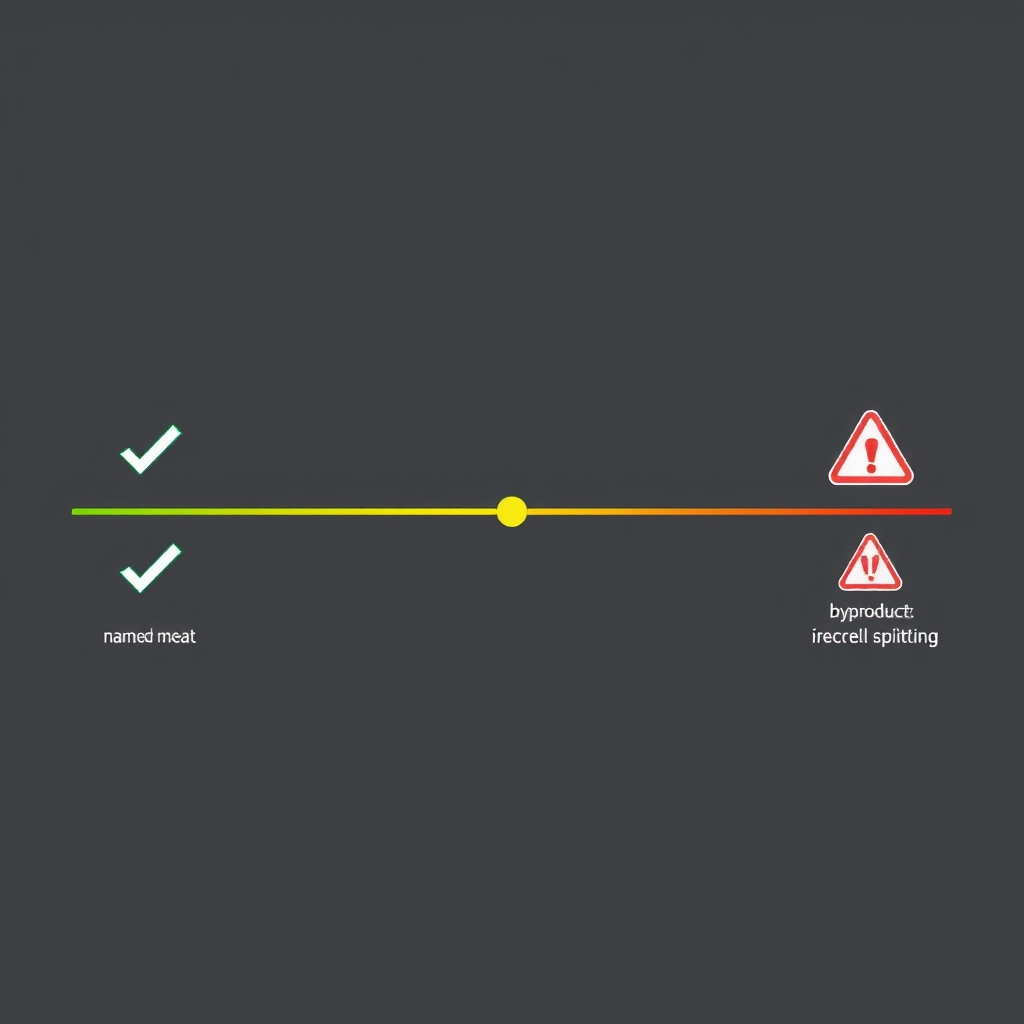
- “Meat” or “meat by-products” (unnamed): vague; source could be anything.
- “Animal fat” (unnamed source): cheap fat of unknown origin. Named fats (chicken fat, beef fat) are preferable.
- Corn, corn meal, corn flour as first or second ingredient: cheap filler; adds carbs without much nutrition.
- “By-products” without specificity: prefer named organs (chicken liver, beef kidney) if organ meat is included.
- BHA, BHT, ethoxyquin (preservatives): synthetic preservatives used in some budget foods. Not proven harmful at legal levels, but some owners prefer natural alternatives (mixed tocopherols, vitamin E).
- Artificial colors (Blue 2, Yellow 5): not necessary for nutrition; signal of marketing over substance.
What about grain-free? There is no established evidence that grain-free foods are nutritionally superior to grain-inclusive diets. The topic gained attention after the FDA opened an investigation into a potential link between grain-free foods and dilated cardiomyopathy (DCM), a heart condition in dogs; as of the time of writing, the FDA has not established a causal connection and the investigation remains inconclusive. Grain-free can be a reasonable choice for pets with documented grain sensitivities just don’t choose it because the label promises it’s “healthier.” Base the decision on your pet’s actual digestive history, ideally in conversation with your vet.
Step 3: Check the Brand’s Recall and Safety History
This step is not optional. A well-formulated food from a brand with a recurring recall history is still a risky bet. Two foods with similar ingredients can have vastly different safety records.
How to check
- Visit the FDA Pet Food Recalls page at fda.gov/animalveterinary/recalls (official source).
- Search for the brand name.
- Note the type of recall (contamination, mislabeling, etc.), the date, and the reason.
- Look for patterns: a single incident is different from three recalls in five years.
What to watch for
- Salmonella or pathogen contamination: serious; poses human health risk if you handle the food.
- Aflatoxin (mold toxin): can cause liver damage in pets; look for recalls by ingredient batch or production date.
- Mislabeling (e.g., undeclared allergens): matters if your pet has sensitivities.
- Foreign objects (glass, plastic): manufacturing issue; indicates quality control problems.
Caveat: a brand with one recall ten years ago is different from one with recurring issues. Use your judgment. Also, brands that test more and publish results are more likely to find and report problems so a recall history isn’t always a sign of a bad company, just a transparent one.
Cross-check veterinary and owner sources
After the FDA check, search the brand name plus “recall” or “dog poisoning” on forums (Reddit’s r/dogs, breed-specific groups, DogFoodAdvisor). Owner reports of vomiting, diarrhea, or illness clusters can surface issues before an official FDA recall. Take individual anecdotes with skepticism one owner’s dog got sick for many reasons but patterns across dozens of reports warrant caution.
Step 4: Understand Marketing Claims (and What They Don’t Mean)
Pet food labels are dense with claims that sound premium but are often unregulated.
| Claim | What It Means | What It Doesn’t Mean |
|---|---|---|
| “Natural” | No legal definition in pet food; widely unregulated. | The food is healthier or higher-quality. |
| “Holistic” | No legal definition; primarily a marketing term. | Better nutrition or nutritional balance. |
| “Premium” | No legal definition; a marketing term. | Higher-quality ingredients or superior standards. |
| “Human-grade” | Ingredients may have been fit for human consumption; verification is uncommon. | Every ingredient is necessarily human-grade or that the food is safer. |
| “Limited ingredient” | Contains fewer listed ingredients; fewer doesn’t inherently mean better. | Automatically better for allergies or every pet. |
| “Grain-free” | Contains no grains and may use peas, potatoes, or other carbohydrate sources instead. | Better digestibility or healthier than grain-inclusive food. |
| “Fresh” or “Raw” | Marketing descriptors that can encompass products such as refrigerated, frozen, or freeze-dried foods. | Necessarily fresher or more digestible than kibble. |
| “Vet-recommended” | At least one veterinarian has recommended the product. | Formal veterinary endorsement, clinical proof, or demonstrated superiority. |
The hardest rule to learn: a beautifully photographed chicken on the bag does not mean the food is chicken-based. Read the ingredient list; the photo is decoration.
Common Mistakes (and How to Avoid Them)
Mistake 1: Skipping the AAFCO statement
You read ingredients but miss the nutritional claim. You accidentally feed a “supplement” or “treat” as a main diet.
Fix: Start with the AAFCO statement before even opening the ingredient section.
Mistake 2: Assuming higher meat content = better food
A food can list chicken first, then mostly corn, and still be incomplete or poorly formulated. The balance matters more than the first ingredient’s identity.
Fix: Compare AAFCO profiles (protein %, fat %) across foods you’re considering, not just ingredient order.
Mistake 3: Trusting the brand name, not the label
“Big-name” brands are often owned by conglomerates and may have inconsistent quality across product lines. A premium brand’s budget line can be lower-quality than an independent maker’s mid-tier food.
Fix: Evaluate each specific food, not the brand. A brand may make one excellent food and one mediocre one.
Mistake 4: Ignoring your pet’s actual needs
You pick a “grain-free” food because the internet says it’s better, even though your dog has never had a grain issue. Or you switch to a limited-ingredient diet when your pet’s problem is actually portion size.
Fix: Choose based on your pet’s age, size, activity level, and any documented sensitivities not trends.
Case Studies: Reading Four Labels
Example 1: Budget Kibble (Typical grocery-store brand)
Label claim: “Complete and balanced for adult dogs. Formulated to meet AAFCO standards.”
First five ingredients: Corn, corn meal, soybean meal, beef by-products, animal fat (undefined source).
What you see: Corn is the heaviest ingredient; named protein sources are absent from the top ranks. By-products are vague. Fat is unspecified.
Recall history: One salmonella recall in 2019; otherwise clean.
Verdict: This food meets minimum AAFCO standards but is designed for volume and cost, not optimal nutrition. It may work fine for a healthy adult dog with no sensitivities, but better options exist at similar prices. The undefined fat is a minor red flag (prefer named fat). The 2019 recall is dated enough not to be a dealbreaker, but worth noting.
Example 2: Mid-Range Brand (Petco/Chewy premium line)
Label claim: “Complete and balanced for all life stages. Meets AAFCO standards.” (Note: no mention of feeding trials.)
First five ingredients: Chicken, chicken meal, brown rice, chicken fat, sweet potato.
What you see: Named animal protein in the first two positions; carbs (rice, sweet potato) in reasonable spots. Fat is named. No obvious red flags.
Recall history: No recalls in the past five years.
Verdict: This is a solid middle-ground food. The AAFCO statement is not from a feeding trial (“formulated to” vs. “tested via protocol”), so it’s calculated by formula, not proven by feeding it to actual dogs. That’s typical for most foods. No major red flags. Works well for most adult dogs. Price is moderate (verify current retail for a 25 lb. bag).
Example 3: Premium Kibble (Natural / holistic brand)
Label claim: “Meets or exceeds AAFCO standards. No by-products, corn, soy, or wheat.”
First five ingredients: Beef, beef meal, peas, lentils, beef fat.
What you see: Strong animal protein base; no grains or by-products. Plant proteins (peas, lentils) are secondary. Named fat. Premium positioning aligns with label.
Recall history: One recall in 2022 for mold contamination; resolved quickly. Otherwise clean.
Verdict: This is a genuinely well-formulated food. The 2022 recall indicates the company tests and reports issues not a dealbreaker, and arguably a sign of transparency. The higher price (verify current retail for a 25 lb. bag) reflects real ingredient quality. Suitable for dogs with grain sensitivities or owners who prioritize ingredient sourcing. Not necessarily “better” for a healthy dog on a standard diet, but a solid choice if budget allows.
Example 4: Fresh/Raw Brand (Refrigerated section)
Label claim: “Gently cooked. Complete and balanced per AAFCO. Meets feeding trial standards.”
First five ingredients: Beef, organs (liver, kidney), vegetables (broccoli, carrot), fruit (apple), fat blend.
What you see: High moisture content (not listed as percentage, but “gently cooked” implies it). Named whole foods. Vegetables and fruit at visible levels. AAFCO claim mentions feeding trials (rare and credible).
Recall history: No recalls in available history.
Verdict: This is one of the more transparent claims on a label. The gently cooked process is more expensive than standard kibble, and the moisture content means you’re paying for water weight. Price is high (verify current retail per pound). Works well for dogs with digestive issues or owners who prefer fresh food. The feeding-trial claim is credible and uncommon worth noting as a genuine strength.
Frequently Asked Questions
What does “AAFCO certified” mean?
AFFCO does not certify foods; manufacturers self-certify. AAFCO sets the standard; the company verifies its own formula meets it. This is important: you’re trusting the manufacturer’s math, not an independent approval. Feeding trials (where a food is actually tested on animals) are more rigorous, but most brands don’t do them because they’re expensive.
Should I pick a food labeled “complete and balanced” or “all life stages”?
Both indicate the food is nutritionally adequate for a full meal. “Complete and balanced” is slightly more specific; “all life stages” means it’s designed for puppies through seniors (one formula for all ages). For a specific life stage (puppy, senior), a food labeled for that stage may have tweaked nutrient ratios but all life stages formulas are safe across ages. Choose based on your pet’s needs and your preference; neither is inherently superior.
Can I trust online reviews or ratings (DogFoodAdvisor, etc.)?
Online review sites vary in rigor. Some use a proprietary scoring system (not transparent) or rely on user reviews (subject to bias). The FDA recall database and veterinary sources are more reliable. Use reviews as a starting point, but verify claims against the label and recall history before deciding.
My vet recommends a specific brand. Should I follow that?
Veterinarians often recommend brands based on clinical experience and patient outcomes. That said, some vets have financial relationships with brands (commission-based sales, for example) that you may not know about. Ask your vet why they recommend the food and whether they’ve seen good results. Then cross-check the label and recall history yourself. A vet’s recommendation is valuable context, not an override of your own research.
Is a more expensive food always better?
No. Price correlates with ingredient cost and marketing, not necessarily nutrition or quality. A $50 premium food can be better formulated than an $80 “holistic” brand or vice versa. Compare labels and recall histories, not price tags.
Non-Obvious Caveat: When Not to Rely on Labels Alone
If your pet has digestive issues, allergies, or medical conditions, label-reading is a starting point, not the end. Work with your vet to identify the actual trigger (protein allergy, fat intolerance, etc.) before switching foods. A “limited ingredient” label looks good, but if your dog is reacting to corn and the limited-ingredient food contains corn, the label is misleading you.
Similarly, a dog thriving on a budget kibble does not need a premium food. If your pet has a stable weight, shiny coat, and healthy digestion, the current food is working. Changing for the sake of a better label is not evidence-based.
Pro Tips: Getting the Most Out of Label Reading
Create a one-page comparison sheet. List three foods side-by-side with AAFCO claims, first five ingredients, price, and recall history. This forces you to read carefully and makes the choice visible.
Check the guaranteed analysis (nutrition facts). Most people skip this, but it’s printed on every bag. Compare protein %, fat %, and fiber % across foods you’re considering. Higher protein and fat are not always better they depend on your pet’s age and activity but the numbers let you compare apples to apples.
Ask for ingredient sourcing. Many premium brands publish where they source beef, chicken, or fish. A quick email to the company’s customer service can reveal whether ingredients come from the US, a specific supplier, or a broad range. This won’t change the label, but it adds context.
Rotate foods cautiously. Some owners switch brands every few months to “prevent sensitivities.” This approach lacks a strong evidence base and often causes digestive upset. If a food works, stick with it. Rotation is appropriate only if recommended by your vet.
Watch for price spikes and ingredient changes. Budget food brands sometimes swap ingredient suppliers or reduce quality when costs rise. If your pet’s usual food suddenly causes digestive issues after years of success, it may have changed. Check the ingredient list against your last purchase; if it’s different, the reformulation may be the cause.
Conclusion: Yes, It’s Safe. No, Not the Way the Box Tells You. Do This Instead.
Reading a pet food label takes five minutes once you know the steps. Start with the AAFCO statement (is it complete and balanced?), scan the first five ingredients for named animal proteins, check the FDA recall database for the brand, and compare the guaranteed analysis across foods you’re considering. Ignore marketing claims like “holistic” or “natural” they mean almost nothing.
The most important shift is this: stop trusting the packaging. The chicken photo, the “premium” label, the vet’s casual recommendation these are context, not evidence. The evidence is in the AAFCO statement, the ingredient list, and the recall history. A five-minute label read once or twice a year protects your pet far more than a trendy diet change ever will.
Lastly, the best food for your pet is the one they thrive on. If your dog has a healthy weight, stable digestion, and a shiny coat after a year on a budget kibble, it’s working. If a premium food causes vomiting or loose stool, it’s not working no matter what the label says. Let your pet’s actual health, not the marketing, be your guide.