

Pet Nutrition FAQ: Protein Requirements, Allergies & Weight Management
Most pet owners guess at nutrition feeding the amount the bag recommends, hoping it’s right. The truth is simpler: your pet’s nutritional needs depend on their life stage, activity level, and body condition. This FAQ answers the questions veterinarians hear most often, drawing on AAFCO nutritional standards, WSAVA guidelines, and published veterinary nutritionist consensus. Practical troubleshooting and quick-reference charts are included throughout.
How We Researched This: The information below is based on AAFCO (Association of American Feed Control Officials) minimum nutritional standards, WSAVA dietary guidelines, and the published consensus of board-certified veterinary nutritionists (ACVN Diplomates). We have not personally tested pet foods. Where ranges are given, they reflect industry-standard guidelines, not proprietary research. Individual pet needs vary; consult your veterinarian before making significant dietary changes.
How Much Protein Does Your Dog Actually Need?
Short answer: According to AAFCO minimum standards, adult dogs require at least 18% crude protein (dry matter basis); most nutritionists recommend 18–25% for maintenance, with puppies and active dogs needing more. The exact amount depends on life stage and activity level.
Protein is measured as a percentage of total diet by weight listed on pet food labels as “crude protein.” Per AAFCO guidelines, a working or athletic dog may do well at 25–30%, while a senior dog with reduced activity typically does well at 18–22%. Puppies (up to 12 months) generally need 22–32% to support growth, depending on breed size figures consistent with AAFCO growth-stage minimums.
The confusion comes from thinking “more protein is always better.” It’s not. Excess protein that your dog doesn’t need is metabolized and excreted. The goal is adequate protein for your dog’s life stage not maximum.
A common myth: “grain-free diets are higher in protein and healthier.” In reality, grain-free foods vary widely in protein content. Some are lower in protein than grain-inclusive diets. The absence of grain doesn’t automatically mean better nutrition; it depends on the specific formula.
Protein Needs by Life Stage (Quick Reference)
Ranges below are based on AAFCO nutritional standards and WSAVA dietary guidelines. Individual needs vary by breed, metabolism, and health status.
| Life Stage | Crude Protein Range | Notes |
|---|---|---|
| Puppy (up to 12 months) | 22–32% | Higher for large-breed puppies to help prevent rapid growth |
| Adult (1–7 years) | 18–25% | 25%+ for active or working dogs |
| Senior (7+ years) | 18–25% | Maintain muscle; adjust based on activity level and kidney function |
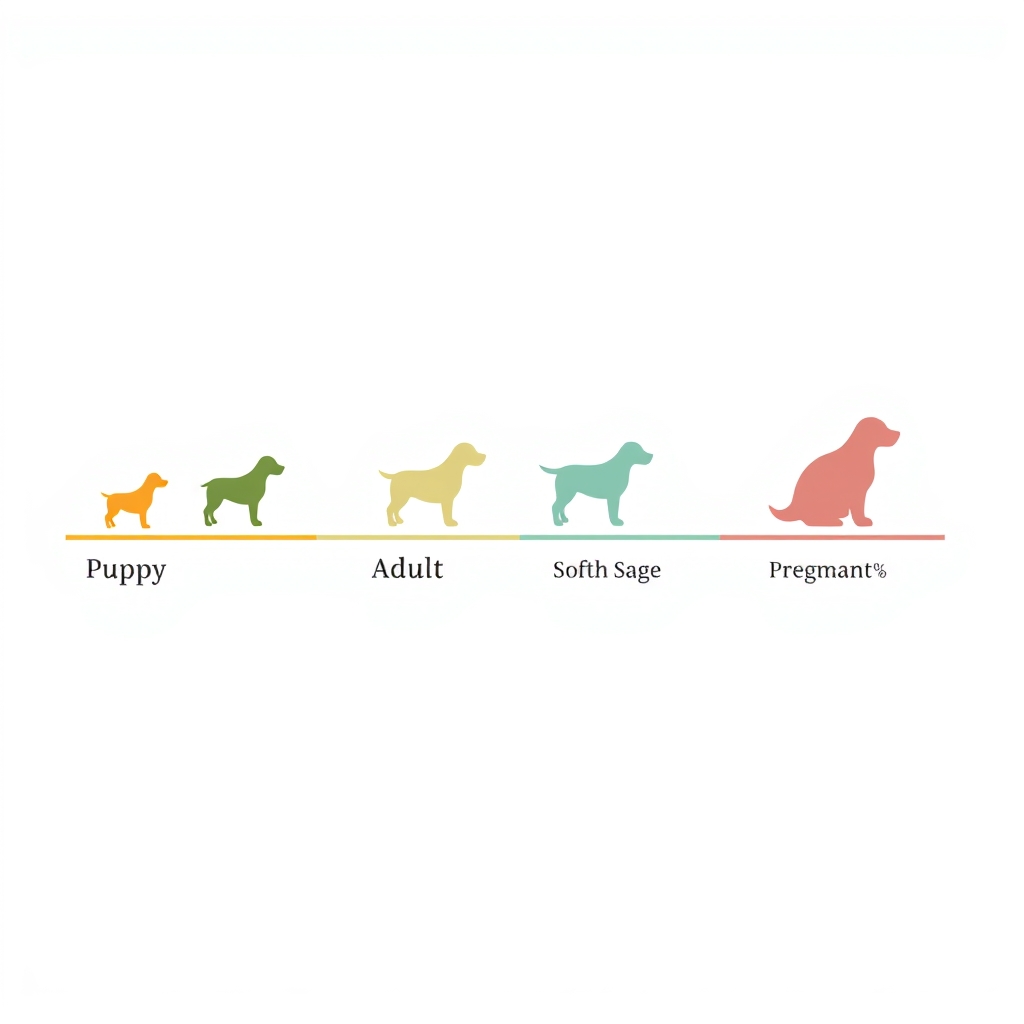
| Pregnant/Nursing | 25–35% | Significantly higher protein needs during lactation |
| Overweight (on a diet) | 18–28% | Higher protein helps preserve muscle during weight loss |
Can Dogs Be Allergic to Protein?
Short answer: Yes, but it’s usually a reaction to a specific protein source (chicken, beef, dairy) rather than “protein in general.” According to veterinary dermatology literature, true IgE-mediated food allergies are uncommon in dogs estimated at roughly 1–3% of dermatology cases while food intolerances (non-immune digestive reactions) are more frequently reported. Confirm with your vet before assuming a food allergy.
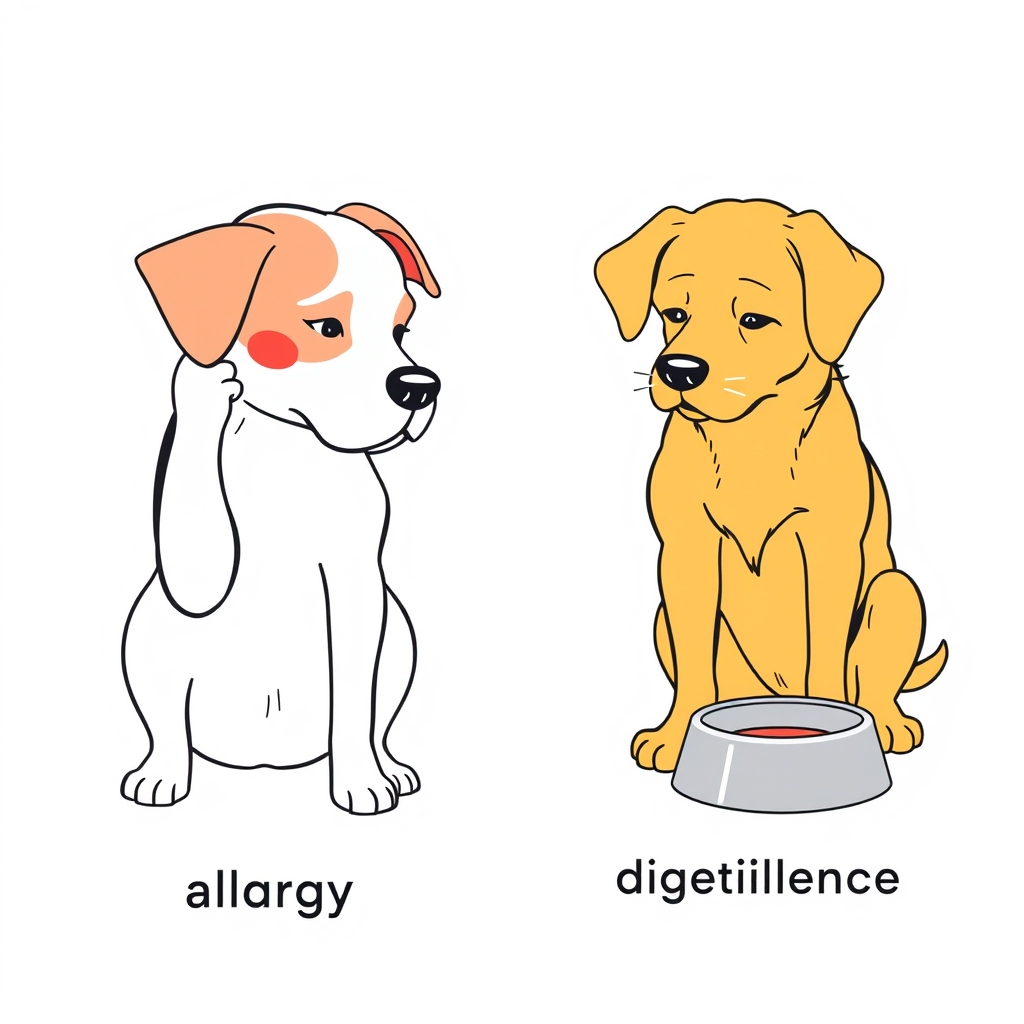
A true food allergy is an immune system response your dog’s body treats a specific protein as a threat and reacts within minutes to hours (though sometimes delayed 24–48 hours). Commonly implicated proteins in published case series include chicken, beef, dairy, wheat, soy, and eggs.
A food intolerance (also called a sensitivity) is a digestive reaction not immune and usually causes vomiting, diarrhea, or gas without itching. Intolerances are more commonly reported than true allergies in general-practice settings.
How to tell the difference:
- Allergies often cause itching, ear infections, red paws, or skin rashes alongside digestive upset
- Intolerances usually cause only digestive symptoms (vomiting, diarrhea, gas)
A common myth: “My dog is allergic to chicken because they have sensitive skin.” Chicken sensitivity is possible, but itching and ear infections have many causes yeast overgrowth, environmental allergies (pollen, dust mites), or dry skin are far more common culprits. A vet should rule these out before assuming a food allergy.
How Do You Identify a Food Allergy in Your Dog?
Quick troubleshooting flowchart:
- Does your dog itch, scratch, or have red/inflamed skin?
- Yes → Could be food allergy, environmental allergy, or yeast. Consult your vet for a skin scrape or culture.
- No → Likely an intolerance (digestive) or non-food cause.
- Does your dog have vomiting, diarrhea, or gas that starts within hours of eating a specific food?
- Yes → Possible allergy or intolerance. Note the exact food and timing.
- No → Allergy less likely; consider other digestive causes (eating too fast, stress, infections).
- Have you recently switched foods or added a new treat?
- Yes → The new ingredient is the likely culprit. Remove it and see if symptoms resolve in 1–2 weeks.
- No → Reaction could be to a protein your dog has eaten before (sensitization develops over time) or a non-food cause.
- When symptoms started, what protein(s) were in the food?
- Write this down. If you switch to a new food without that protein and symptoms resolve in 2–4 weeks, that protein was likely the trigger.
The gold standard: An elimination diet lasting 8–12 weeks, conducted under veterinary guidance. Remove the suspected protein entirely, then reintroduce it (challenge test) to confirm. Veterinary dermatologists consider this the only reliable way to diagnose a food allergy.
Do NOT diagnose a food allergy yourself. Allergies mimic other conditions (ear mites, ringworm, yeast, parasites). A vet can rule these out before you spend months on an elimination diet.
What’s the Best Food for a Dog with Food Allergies?
Short answer: A limited-ingredient diet with a novel (unfamiliar to your dog) protein source chicken, beef, and dairy are the most commonly implicated allergens in case literature, so venison, duck, salmon, or rabbit are often used in elimination trials. Work with your vet to confirm the trigger before switching.
Once you’ve identified the allergen (through an elimination diet), switch to a commercial diet that excludes it. Look for:
- Limited ingredient lists – Fewer ingredients = fewer potential triggers
- Novel protein sources – Venison, duck, salmon, lamb, pork, or rabbit if your dog has never eaten them
- Clearly labeled – Avoid ambiguous terms like “meat by-products”; look for named proteins
- Consistent formula – Some brands change recipes without warning; stick with one and verify the ingredient list each purchase
Home-cooked and raw diets: If you prepare your dog’s food at home, work with a board-certified veterinary nutritionist (ACVN Diplomate) to ensure the diet is complete and balanced. Homemade diets frequently lack critical nutrients (calcium, vitamins, minerals) without expert guidance.
A common myth: “Limited-ingredient diets are healthier for all dogs.” Not true. A limited-ingredient diet is a medical tool for dogs with confirmed allergies or sensitivities. For dogs without allergies, a complete, balanced diet with varied ingredients is perfectly healthy.
How Much Should You Feed Your Dog? (Portion Sizes)
Short answer: The bag’s feeding guide is your starting point but it’s an average. Most dogs do well at roughly 1.5–2.5% of body weight in food per day as a starting heuristic, but you should adjust based on your dog’s body condition score (can you feel their ribs without pressing hard?), not the label alone.
Your dog’s actual needs depend on:
- Body weight (heavier dogs need more calories, but not proportionally)
- Activity level (a working Border Collie burns far more than a couch-loving Bulldog)
- Metabolism (some dogs are naturally lean; others gain weight easily)
- Food calorie density (a high-protein, high-fat diet is more calorie-dense than a lower-protein formula)
- Age (puppies and nursing mothers need more; seniors often need fewer calories but similar protein)
Portion Size by Dog Weight (Starting Point)
These are rough starting estimates based on feeding approximately 2% of body weight in a typical dry kibble; adjust by 10–20% based on body condition and activity. Calorie density varies significantly by brand always cross-check against the food’s kcal/cup figure on the label.
| Dog Weight | Daily Portion (Cups, Approximate) | Notes |
|---|---|---|
| 10 lbs | 0.5–0.75 | Toy breeds; check for hypoglycemia if not eating regularly |
| 25 lbs | 1–1.5 | Small-to-medium active dogs |
| 50 lbs | 1.5–2.5 | Medium dogs; varies widely by metabolism |
| 75 lbs | 2.5–3.5 | Large dogs; working dogs may need 3.5–4 cups |
| 100+ lbs | 3–4.5 | Giant breeds; monitor for bloat and rapid eating |
How to adjust: Assess your dog’s body condition every 2–4 weeks. You should be able to feel their ribs without pressing hard, and they should have a visible waist when viewed from above. If they’re too thin, increase by 10–15%. If they’re overweight, decrease by 10–15% and consult your vet.
Feeding method matters: Dogs fed once daily often become food-fixated and may overeat when fed. Splitting meals into two or three smaller portions generally helps with digestion and satiety.
What’s the Best Way to Manage Dog Weight Loss?
Short answer: Reduce calories by 10–25% below your dog’s current maintenance intake, maintain or increase protein to preserve muscle, and increase exercise where possible. A sustainable rate is roughly 1–2% of body weight loss per week faster than that risks muscle loss.
Weight loss doesn’t happen from a specific diet or food it happens from a calorie deficit. A dog fed a “weight management” food but given too many treats will still gain weight. Conversely, a dog fed regular food in the right portion will lose weight.
The process:
- Calculate your dog’s current calorie intake (check the food label for kcal per cup; multiply by how many cups you’re feeding daily)
- Reduce by 10–25% – Most dogs lose weight at a 10–15% reduction without feeling deprived
- Keep protein relatively high (roughly 22–28% per AAFCO weight-loss guidance) to preserve muscle during weight loss
- Eliminate high-calorie treats – A single training treat can be 50+ calories; switch to low-calorie options (carrot pieces, air-popped popcorn, green beans)
- Increase exercise – A 20–30 minute walk daily adds calorie burn and improves satiety
- Measure portions carefully – Use a food scale or measuring cup; eyeballing portions consistently leads to overfeeding
Timeline: Based on general veterinary guidance, a sustainable loss rate is roughly 1–2 pounds per month for small-to-medium dogs, proportionally more for large breeds. Rapid loss more than approximately 5% of body weight per month can cause muscle loss and metabolic complications; consult your vet if loss stalls or accelerates.

A common myth: “Weight management diets have fewer calories.” Not always. Many “weight management” foods primarily add fiber (which adds bulk without significant calories). The key is feeding the right amount any complete diet can support weight loss if portions are correct.
Are Grain-Free Diets Necessary?
Short answer: No. Grain-free diets are not inherently healthier, and the FDA has publicly flagged a potential association between certain grain-free diets and dilated cardiomyopathy (DCM, a heart condition) in dogs. If your dog doesn’t have a diagnosed grain allergy, grain-inclusive diets are nutritionally appropriate.
Grains (rice, wheat, barley, oats) are not toxic or unhealthy for dogs. Many dogs thrive on grain-inclusive diets. The market for grain-free food is driven more by human dietary trends than by veterinary science.
The DCM concern: Between 2018 and 2022, the FDA investigated a potential link between certain grain-free diets particularly those relying heavily on peas, lentils, or potatoes as primary carbohydrate sources and an elevated incidence of dilated cardiomyopathy in breeds not historically predisposed to the condition, including Golden Retrievers, Labradors, and Pit Bulls. The FDA issued an official public update on this investigation (FDA.gov, 2019–2022 update series); the causal mechanism has not been definitively established as of June 2026, and research is ongoing. If your dog is currently on a grain-free diet that relies heavily on legumes, discuss cardiac monitoring with your vet especially if your breed is at higher risk.
What to do: If you feed grain-free, ask your vet about taurine levels and consider a cardiac ultrasound (echocardiogram) if your breed is at higher risk. If your dog has no diagnosed grain sensitivities, switching to a grain-inclusive diet may reduce uncertainty.
A common myth: “All grain-free diets cause heart disease.” The FDA’s investigation identified an association with some grain-free diets that rely on legumes as primary ingredients not all grain-free formulations equally. The investigation also did not establish that dogs fed traditional grain-inclusive diets are without cardiac risk; DCM has multiple causes including genetics. Consult your vet for breed-specific guidance.
What About Wet Food vs. Dry Food?
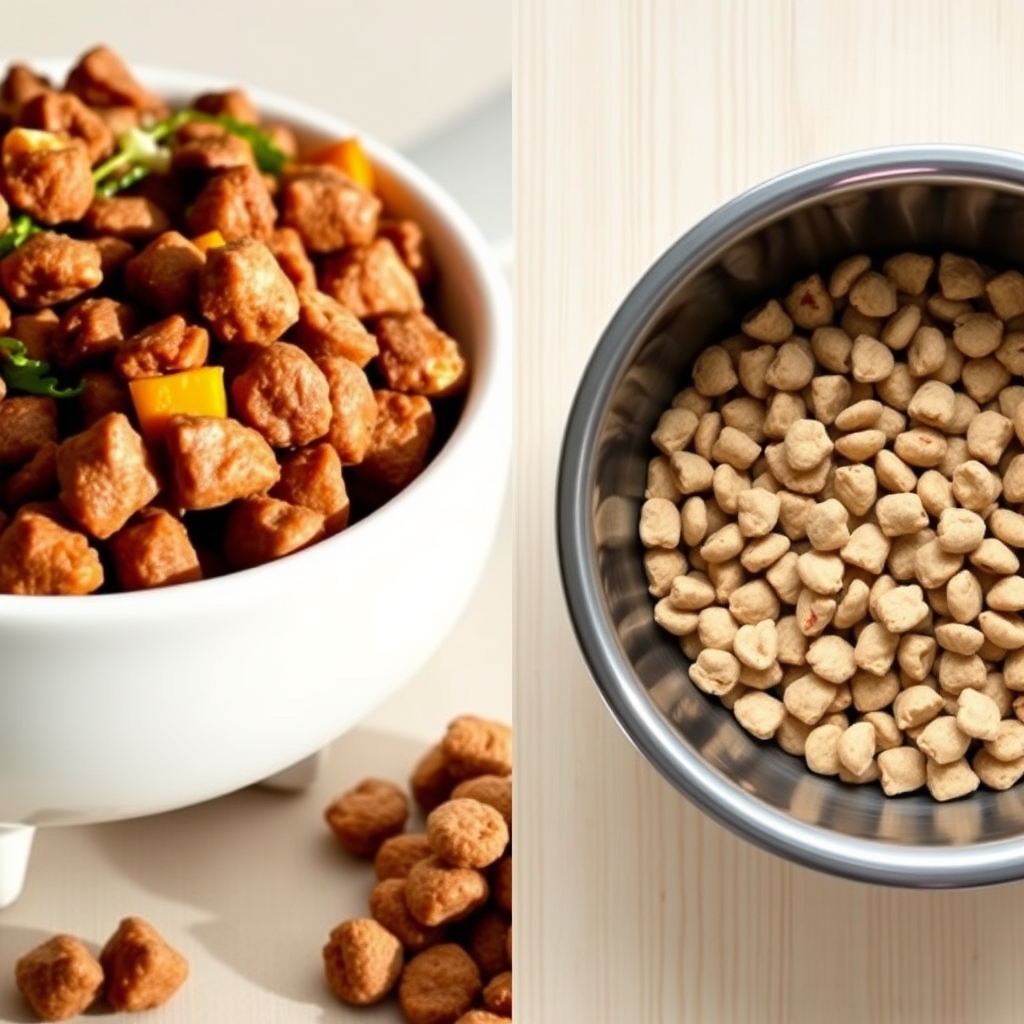
Short answer: Both are nutritionally equivalent if they meet AAFCO standards. Wet food is more expensive per calorie, better for dogs who don’t drink enough water, and easier on dogs with dental disease. Dry food is more convenient and economical. Choose based on your dog’s needs and your budget.
Wet (canned) food is approximately 75–80% water, so the protein percentage looks lower on paper but when adjusted to a dry-matter basis, wet and dry foods are often comparable in protein density. A wet food labeled “10% protein” is roughly equivalent to a dry food at 25–30% protein once water content is removed from the calculation.
When wet food makes sense:
- Dogs with low thirst drive or kidney disease (need more water intake)
- Senior dogs with dental disease or missing teeth
- Picky eaters (wet food is generally more palatable)
- Dogs with digestive upset (sometimes easier to digest)
When dry food makes sense:
- Budget-conscious owners (lower cost per meal)
- Dogs with good dental health (mechanical chewing provides mild cleaning benefit)
- Convenient storage and portion control
- Dogs prone to bloat (eat slower, less likely to overeat rapidly)
Mixing wet and dry: You can safely feed both just adjust total portions to maintain calorie goals.
How Often Should You Change Your Dog’s Food?
Short answer: Not often. Stick with one diet if your dog is thriving. If you must switch (due to availability, allergy, or vet recommendation), do it gradually over 7–10 days to avoid digestive upset.
Dog digestive systems adapt to a consistent diet. Frequent switches can cause loose stools, vomiting, or gas not because the new food is bad, but because the gut microbiome hasn’t adjusted yet.
If you change foods:
- Mix 25% new food with 75% old food for 2–3 days
- Mix 50/50 for 2–3 days
- Mix 75% new with 25% old for 2–3 days
- Switch to 100% new food
If your dog shows digestive upset at any stage, slow the transition further (repeat each step for 4–5 days).
Rotating foods: Some owners rotate between brands or proteins monthly or quarterly, assuming it prevents allergies or boredom. There is no established evidence that this is necessary or beneficial for healthy dogs. If your dog is healthy on one diet, consistency is generally preferred.
What About Cat Nutrition?
Short answer: Cats are obligate carnivores and, per AAFCO feline standards, require 26–40% protein from animal sources higher than dogs. They also require dietary taurine (an amino acid found in animal tissue); cats cannot synthesize adequate taurine on their own and will develop heart disease without it.
Cats have fundamentally different nutritional needs than dogs. They require:
- Higher protein (26–40% per AAFCO feline guidelines) – Cats metabolize protein differently and use it for energy, not just muscle maintenance
- Taurine – An amino acid found primarily in animal tissues; cats that don’t get enough dietary taurine can develop dilated cardiomyopathy and vision problems
- Fat – Cats need arachidonic acid (an omega-6 fatty acid) found in animal fats; unlike dogs, they cannot convert plant-based precursors efficiently
- Arginine – An amino acid essential for cats, found primarily in meat
What NOT to feed cats:
- Dog food (too low in protein and taurine for feline needs)
- Vegan or vegetarian diets (unsafe without careful supplementation; most commercial vegan cat foods do not meet feline needs)
- Human foods like onions, garlic, chocolate, grapes, or xylitol (toxic)
- Excessive fish as a dietary staple (can contribute to thiamine deficiency; fish is appropriate as an occasional treat or ingredient, not the sole protein source)
Cat portion sizes: Most adult cats need roughly 200–250 calories per day approximately 1/4 to 1/3 cup of a typical dry food or one 5.5–6 oz can of wet food daily, though this varies with the food’s calorie density and the cat’s activity level. These are starting estimates; overweight cats are common, and your vet can calculate a more precise target.
Can You Feed Dogs and Cats the Same Food?
Short answer: No. Cat food is generally safe for dogs short-term (though too rich for regular feeding), but dog food is not appropriate for cats it lacks the protein density and taurine that cats require. If you have both species, feed them in separate areas to prevent mix-ups.
Cats have higher nutritional demands than dogs and require meat-based protein and dietary taurine. A dog eating cat food occasionally won’t come to immediate harm, but a cat eating dog food long-term will eventually develop health problems including heart disease and vision loss from taurine deficiency.
When Should You Consult a Veterinarian About Nutrition?
Stop troubleshooting and call your vet if:
- Your pet has unexplained vomiting, diarrhea, or lack of appetite lasting more than 2–3 days
- Your pet is gaining or losing weight rapidly (more than approximately 5% change per month)
- Your pet has itching, hair loss, or skin redness not explained by environmental factors
- You suspect a food allergy; avoid guessing and starting multiple elimination diets without guidance
- Your pet has a medical condition (kidney disease, diabetes, liver disease, heart disease) requiring a prescription or therapeutic diet
- Your pet is pregnant, nursing, or in a growth stage (puppies, kittens) and you want to confirm adequate nutrition
- You’re considering a home-cooked or raw diet and want to ensure it’s nutritionally complete
Your vet may refer you to a board-certified veterinary nutritionist (Diplomate of the American College of Veterinary Nutrition, or ACVN) for complex cases. This is the recognized gold standard for personalized nutrition guidance.
Quick FAQ
Q: Is wet food bad for my dog’s teeth? A: Wet food doesn’t actively damage teeth, but dry food’s chewing action provides mild mechanical cleaning. If your dog eats primarily wet food and is prone to dental disease, brush teeth regularly and schedule dental cleanings as recommended by your vet.
Q: Can I feed my dog a raw diet? A: Raw diets are controversial among veterinarians. They carry a documented risk of bacterial contamination (E. coli, Salmonella) for both your dog and your household a concern flagged by the FDA and multiple veterinary organizations. If you choose raw, work with a board-certified veterinary nutritionist to ensure the diet is nutritionally balanced, and practice strict food-handling hygiene. Many vets recommend against raw diets given these risks.
Q: How do I know if my dog is overweight? A: You should be able to feel your dog’s ribs without pressing hard, and they should have a visible waist when viewed from above. If you can’t feel ribs easily or see a waist, your dog is likely overweight. Your vet can apply a standardized body condition score (BCS) for a more precise assessment.
Q: Is grain-free food worth the extra cost? A: Only if your dog has a diagnosed grain allergy which is uncommon. For most dogs, a balanced grain-inclusive diet is equally nutritious, less expensive, and avoids the uncertain DCM association linked to some legume-heavy grain-free formulas. Discuss with your vet if your breed (Golden Retrievers, Labradors, Pit Bulls, etc.) is among those flagged in the FDA’s investigation.
Q: Can I supplement my dog’s diet with human food? A: Small amounts of cooked, unseasoned meat, vegetables (carrots, green beans, sweet potato), and plain rice are generally safe. Avoid onions, garlic, grapes, avocado, chocolate, and anything containing xylitol these are toxic to dogs. Human food should make up no more than roughly 10% of daily calories to avoid creating nutritional imbalances.
Q: How much does a food allergy test cost? A: Commercial “allergy tests” sold online which typically measure antibodies via saliva or hair are widely considered unreliable by veterinary dermatologists and are not recommended as diagnostic tools. Your vet can perform a skin or blood test for environmental allergens, but for food allergies, the accepted diagnostic method remains an 8–12 week veterinarian-supervised elimination diet. Doing it at home costs primarily your time; formal veterinary supervision can run $200–$500+ depending on your location and clinic.