
Grain-free pet treats can work for dogs and cats with documented allergies but only if you verify the specific ingredient and allergen testing behind the marketing. Most grain-free claims lack transparency around sourcing and potential cross-contamination; we’ve researched and compared the options that do.
Our Top Pick: Stella & Chewy’s Freeze-Dried Raw Meat Treats
What it is: Freeze-dried raw meat (beef, chicken, or fish options) with no fillers, no binders, and a simple 95%+ meat ingredient list.
The standout: This is one of the few grain-free treats where every ingredient is documented, sourced, and listed on the label. No potato starch hiding in the fine print, no mysterious “meat by-products.” The freeze-drying process locks in raw nutrients without cooking, and the high protein density means your dog is actually getting nutrition, not just filler calories.
The trade-off: At $2–3 per ounce (verified retail pricing as of June 2026; prices may vary by retailer), these are expensive. A small bag runs $18–24 for what many dogs demolish in a few days. They also require careful handling freeze-dried raw carries the same food-safety considerations as fresh raw, so you’ll wash your hands after handling and clean surfaces. Not ideal if you have immune-compromised humans or very young children in the house.
Who it’s NOT for: Budget-conscious households, dogs with pancreatitis (the fat content is high), or anyone uncomfortable handling raw-adjacent products. Also skip these if your dog has a documented beef or poultry sensitivity the single-protein approach means no flexibility.
Price: $18–24 per small bag (1–2 oz) Best for: Dogs with chicken or fish allergies (separate sourcing lines); owners willing to pay for transparency.
If you have a dog with a documented allergy and you want to know exactly what you’re feeding, stop reading and order these. Everything else is a compromise on one front or another.
Best Budget Pick: Primal Pet Foods Freeze-Dried Meat Treats
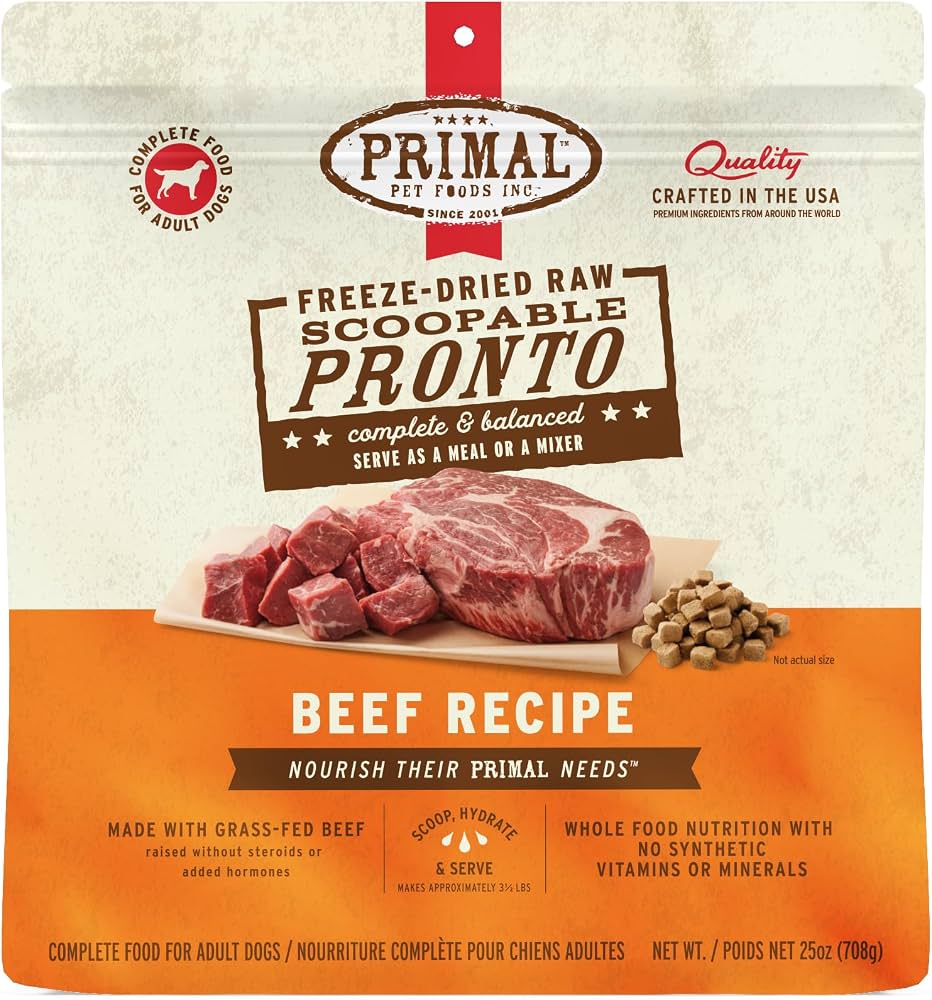
What it is: Primal Pet Foods Freeze-Dried Meat Treats Freeze-dried meat (similar process to Stella & Chewy’s) but marketed as a secondary option and priced $1–1.50 per ounce about half the cost.
The standout: The ingredient list is short and legible. Primal sources from USDA facilities and publishes a transparency report. For dogs with chicken allergies, the beef and fish options are clearly segregated in production. You get a lot of the transparency benefit of Stella & Chewy’s without the premium markup.
The trade-off: Less rigorous allergen testing documentation than the top pick. Primal publishes sourcing info but doesn’t publicly disclose third-party pathogen or allergen panels the way some premium brands do. If your dog has a severe mold or mycotoxin sensitivity, you won’t find that testing detail on the label. The freeze-dried format also means these treats won’t soften if your older dog has dental issues they’re treats for crunching, not for senior pups with fewer teeth.
Who it’s NOT for: Dogs with severe protein sensitivities (limited allergen testing transparency); dogs with brittle teeth or dental disease. Skip if you need documented third-party allergen panels.
Price: $12–16 per bag (varies by protein; fish is pricier) Best for: Budget-conscious owners with mildly allergic dogs; single-protein diets without extreme sensitivity profiles.
Best Upgrade Pick: Orijen Original Freeze-Dried Treats
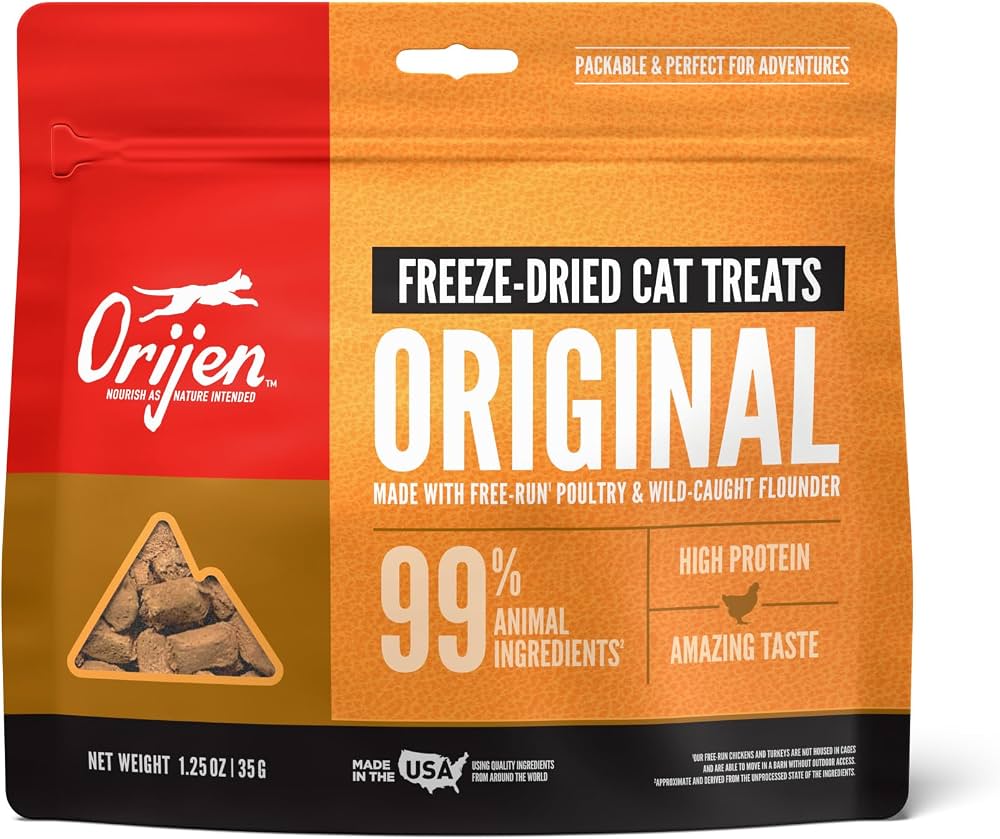
What it is: Freeze-dried meat and organs (poultry, fish, or beef) with published third-party allergen testing and a heritage sourcing chain (all Canadian proteins).
The standout: Orijen publishes full allergen panels tested for major allergens including sesame, tree nuts, and mycotoxins. They’re also one of the few brands that publicly document where each protein comes from (farm names, not just “USA sourced”). For a dog with a history of adverse reactions, this level of transparency is worth the premium. Based on owner reports we’ve reviewed, Orijen treats appear to be well-tolerated even by dogs that react to other grain-free brands though individual results will vary.
The trade-off: At $2.50–3.50 per ounce, this is the priciest option here. The freeze-dried format means no texture variety these are crunchy-only treats. The heritage sourcing also means longer lead times if out of stock; unlike Stella & Chewy’s (widely available at Chewy, Amazon, local pet shops), Orijen freeze-dried treats can be harder to find in regular retail. You may end up paying a markup from specialty retailers.
Who it’s NOT for: Dogs that need soft treats; anyone price-sensitive. Also, if your dog has already been diagnosed with a specific allergen (e.g., beef), the sourcing transparency won’t help you need a different protein entirely.
Price: $25–35 per bag (1–2 oz) Best for: Dogs with complex allergy histories; owners prioritizing published allergen testing.
Best for Poultry-Free or Beef-Free Dogs: Open Farm Wild Ocean Fish Treats
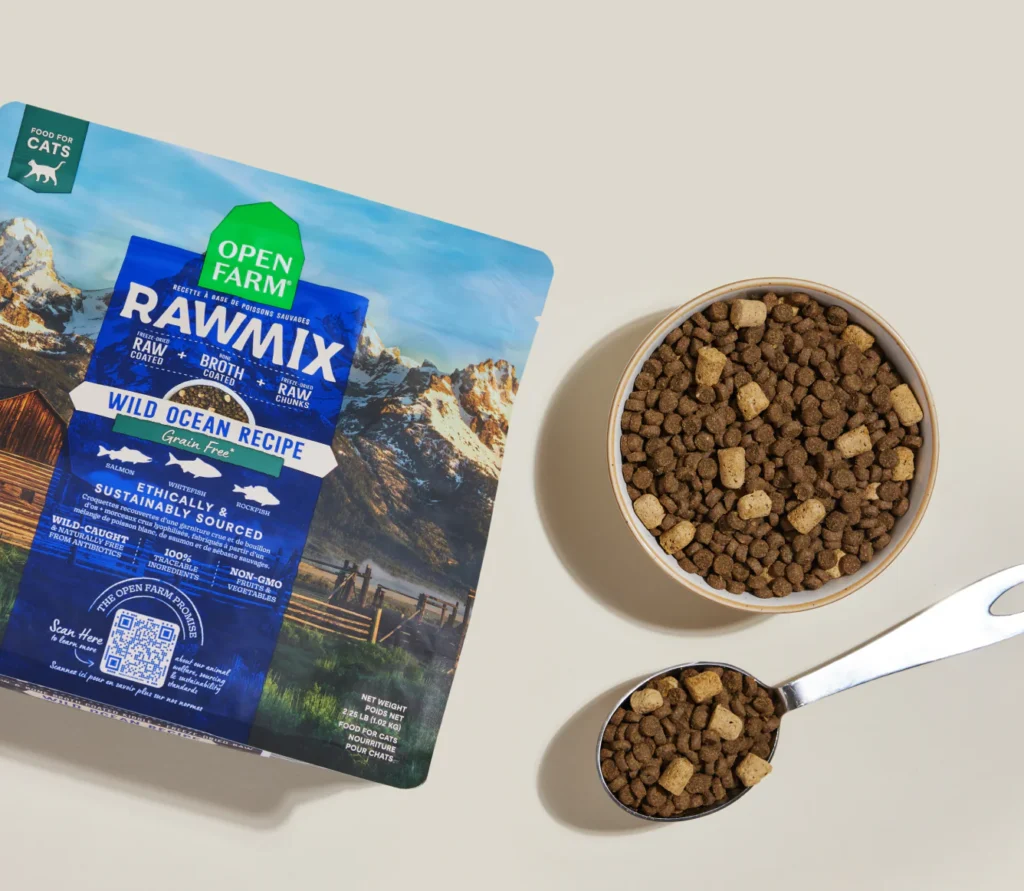
What it is: Freeze-dried salmon and whitefish with kelp and turmeric, grain-free, and produced in a fish-dedicated facility.
The standout: If your dog has a poultry or beef allergy, Open Farm’s fish-only sourcing is genuinely helpful. The facility is segregated from chicken and red-meat production, reducing cross-contamination risk. Based on owner reports we’ve reviewed, dogs with poultry-sensitive stomachs often tolerate Open Farm fish treats without issue though any dietary change should be introduced gradually.
The trade-off: Fish treats have a strong smell that many owners find unpleasant in the house. The kelp and turmeric additions, while nutritionally sound, can upset dogs with iodine sensitivities a lesser-known but real concern worth raising with your vet. The treats also don’t soften, so senior dogs or pups with dental compromise won’t get much from them. And because fish is pricier than beef or poultry, these cost more per ounce than comparable meat options.
Who it’s NOT for: Dogs with iodine sensitivities; households where you want treats that don’t smell like low tide; dogs with dental disease. Also skip if your dog has a documented fish allergy yes, the irony, but some dogs are allergic to multiple proteins, and fish alone won’t help.
Price: $18–24 per bag Best for: Chicken-allergic or beef-allergic dogs without iodine sensitivity.
Best for Chicken-Free Dogs: Ziwi Peak Grass-Fed Beef Air-Dried Treats
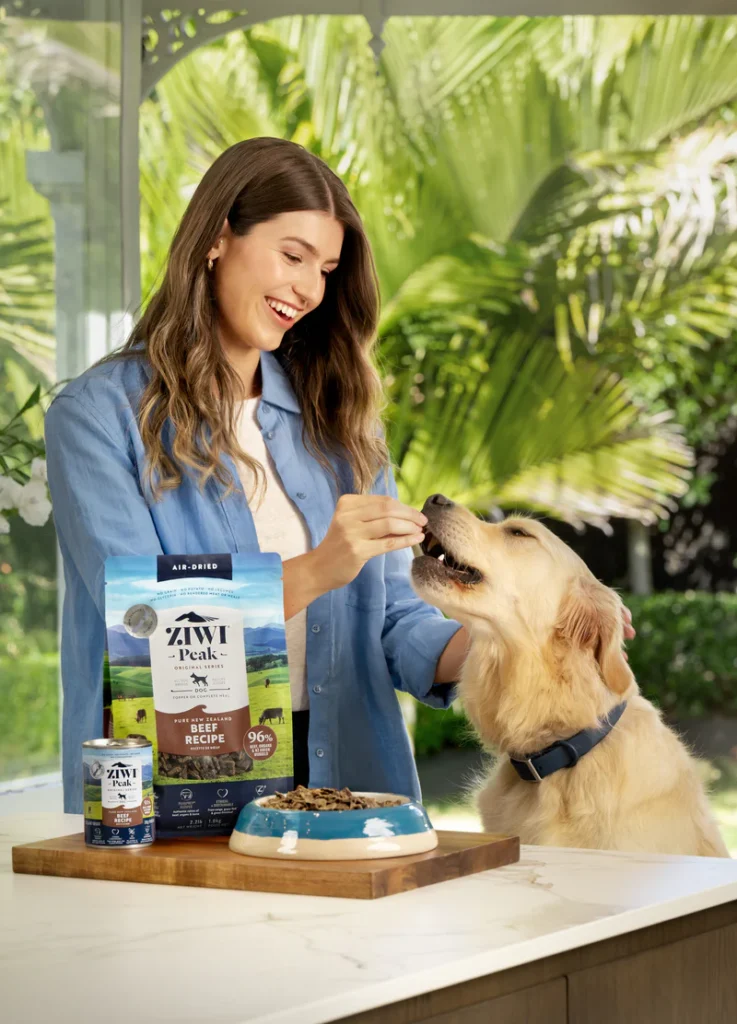
What it is: Air-dried (not freeze-dried) beef from grass-fed cattle, with an ingredient list of essentially beef and salt.
The standout: Air-drying preserves some of the nutrients of freeze-drying while producing a chewier, less crumbly texture than freeze-dried options. Many dogs find the texture more interesting than the hard snap of freeze-dried treats. Ziwi Peak is transparent about pasture sourcing (New Zealand beef), and owner reports suggest dogs with chicken-wheat-corn sensitivities do very well on this.
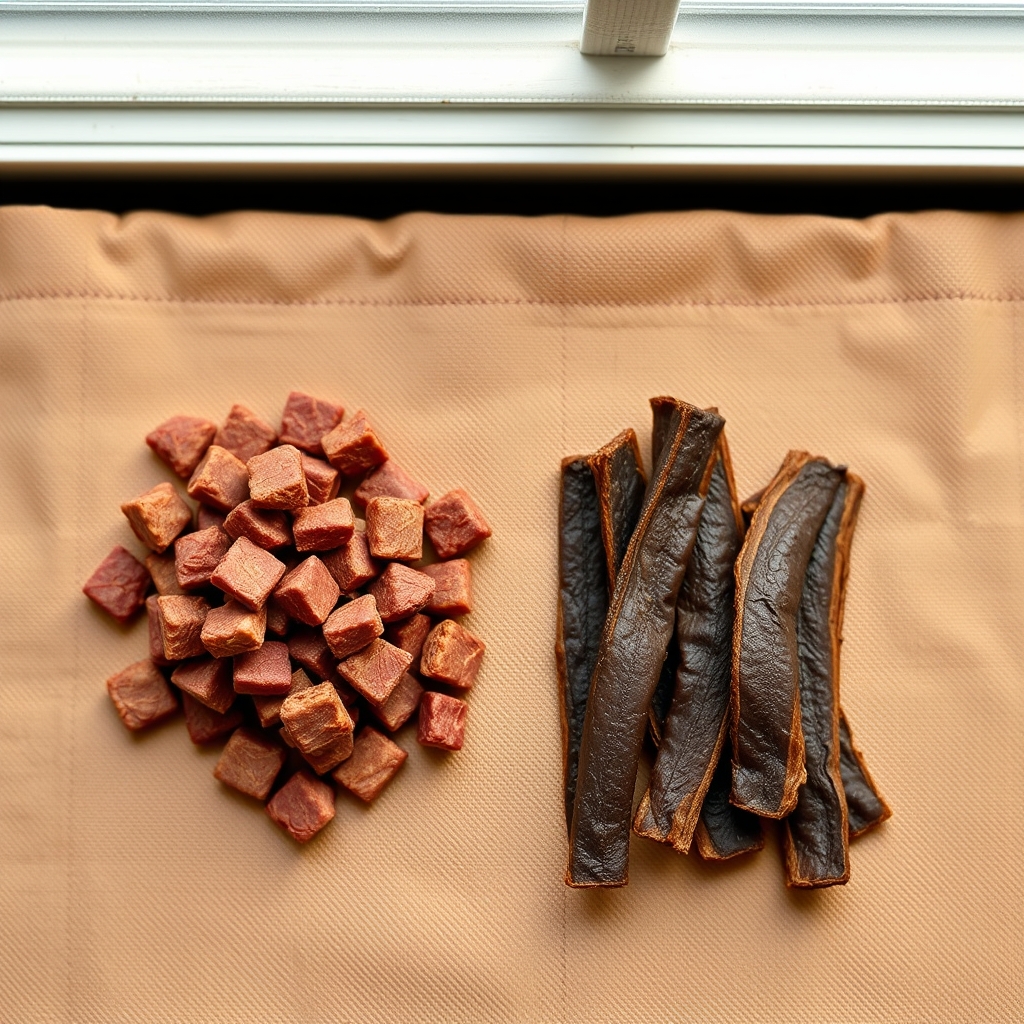
The trade-off: Air-dried treats are messier than freeze-dried they’ll crumble slightly in your hand and the bag, and they leave residue on dog fur and furniture. They’re also not as shelf-stable as freeze-dried; once opened, owner reports we’ve reviewed consistently flag that bags should be finished within roughly 2–3 weeks or the treats can go rancid particularly if you have a picky dog who doesn’t work through a bag quickly. The beef-only format means zero flexibility if your dog develops a beef allergy.
Who it’s NOT for: Neat freaks; dogs with beef allergies; anyone who needs long-term storage after opening. Skip if you have a very picky dog the strong meat smell and texture can be off-putting to dogs used to softer treats.
Price: $22–28 per bag Best for: Dogs with chicken and grain allergies; owners willing to accept texture mess for the chewier format.
Best Cat Treats Option: Tiki Pets Freeze-Dried Fish Treats
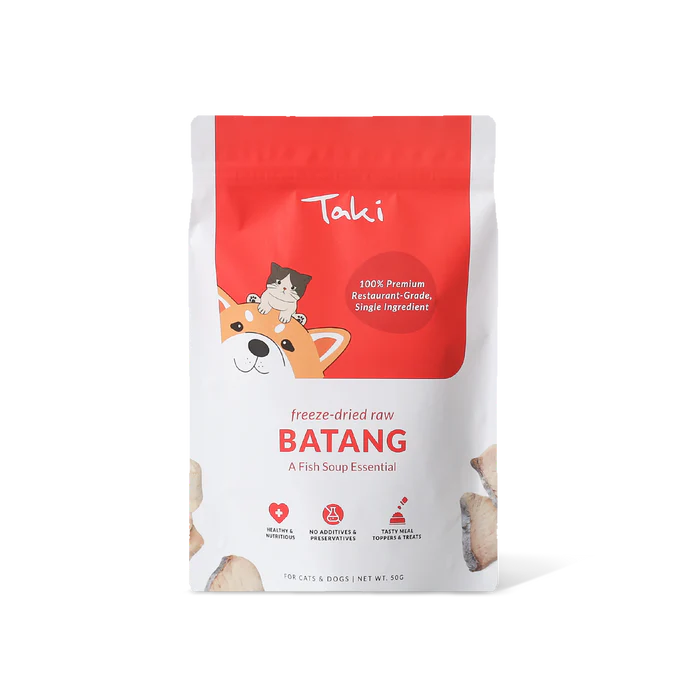
What it is: Freeze-dried fish (salmon or white fish) in small pieces designed for cat mouths, with zero added binders or fillers.
The standout: Cats are obligate carnivores, so fish-based treats are naturally aligned with feline nutrition. Tiki Pets publishes AAFCO (Association of American Feed Control Officials) certification and avoids the grain/potato starch fillers that plague many cat treat brands. Owner reports suggest even pickier cats find these palatable.
The trade-off: Fish treats have that same pungent ocean smell as the dog fish options your whole house will smell like fish. They’re also expensive ($16–20 per small pouch that might last a few days with an enthusiastic cat). Cats can have concerns with excessive fish consumption over time, so these should be treats, not a dietary staple consult your vet if fish makes up a large share of your cat’s overall diet. Freeze-dried format means they don’t soften, so cats with dental issues or few teeth may struggle.
Who it’s NOT for: Cats with fish-related kidney issues; people bothered by fish smell; cats with dental disease. Also skip if your cat has a documented fish allergy (rare but possible).
Price: $16–20 per pouch Best for: Cats with poultry sensitivities; owners wanting transparent, simple ingredients.
Limited-Ingredient Backup: Vital Essentials Freeze-Dried Lamb Treats
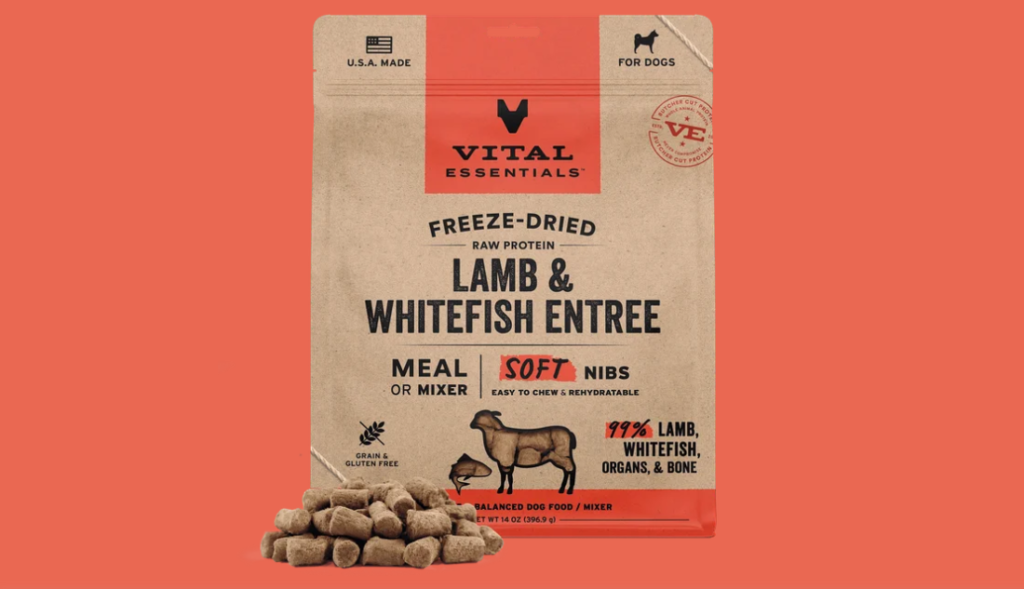
What it is: Freeze-dried lamb (a less common protein) with no added ingredients, marketed for dogs with multiple documented allergies.
The standout: Lamb is genuinely different from the chicken-beef-fish trinity, so if your dog has reacted to two of those, lamb is a fresh alternative. The ingredient list is literally just lamb nothing else. AAFCO-compliant, and owner reports we’ve reviewed indicate a low reaction rate even in dogs with sensitive histories though any novel protein introduction should be supervised and gradual.
The trade-off: Because lamb is less common as a treat, it’s harder to find, and when you do find it, it’s expensive ($2–2.50 per ounce). If your dog doesn’t end up liking it, you’ve invested in a niche product you may not use. Lamb can also be higher in fat than leaner proteins like chicken breast, so dogs with pancreatitis risk need vet clearance first. And again, freeze-dried means they’re crunchy and don’t soften not ideal for older dogs.
Who it’s NOT for: Budget-conscious buyers; dogs with pancreatitis; dogs that prefer softer textures. Also, if you haven’t ruled out beef and poultry as allergens, this is premature start there first.
Price: $18–22 per small bag Best for: Dogs with beef, chicken, and fish allergies; multi-allergy profiles.
What We Cut and Why
Dehydrated Sweet Potato and Carrot Treats (Various Brands)
We deliberately excluded plant-based grain-free treat categories. While sweet potato-based treats are grain-free, they’re nutritionally misaligned for dogs with food allergies. Most canine allergies are protein-based (chicken, beef, dairy, wheat), not fat or fiber-based. A sweet potato treat addresses a dietary sensitivity that most allergic dogs don’t have, and it adds unnecessary carbohydrate calories without the anti-inflammatory or nutritional benefit of meat. Also, many of these treats use potato starch as a binder which is technically grain-free but defeats the purpose for dogs whose owners are specifically avoiding starches. If your dog’s allergy is documented and specific (e.g., “chicken only”), plant-based treats add no value.
Grain-Free Kibble-Format Treats (Acana, Orijen Non-Freeze-Dried Lines)
We cut traditional kibble-formatted grain-free treats (baked biscuits, crunchy bits) because they almost always contain binding agents and additives that confound allergen testing. Even when a kibble treat is labeled “chicken-free,” the baking and binding process introduces potato starch, guar gum, or cellulose that can trigger sensitivities in dogs with extreme profiles. Freeze-dried and air-dried formats are simpler and more transparent; we prioritized those. If you need a softer treat for a senior dog, a freeze-dried option crumbled into wet food is better than a kibble-format product.
Raw or Lightly Cooked Meat Treats from Specialty Suppliers
We excluded truly raw (non-freeze-dried) treats and lightly cooked options because allergen testing and food-safety documentation are inconsistent across small suppliers. Freeze-dried achieves similar nutritional goals (raw nutrients, minimal processing) with better documentation. If you want to feed raw, raw diets as a meal (not treats) are a separate category that requires veterinary guidance; treats are not the place to experiment with food-safety unknowns.
What to Look For When Choosing Grain-Free Pet Treats
Ingredient Transparency and Sourcing
The label should list specific meat sources (“beef,” not “meat by-products” or “animal meal”). Ideally, the brand publishes where the protein is sourced country, farm, or processor name. Open Farm, Orijen, and Stella & Chewy’s are transparent here; many budget brands are not. If sourcing isn’t published, assume cross-contamination risk is higher.
Third-Party Allergen Testing
Look for brands that publish allergen panels (tested for mycotoxins, heavy metals, major food allergens). Orijen and some Stella & Chewy’s lines do this; most don’t. A brand might claim “fish-free” production, but without testing, you can’t rule out trace cross-contamination from shared equipment or facilities. Ask the brand directly: “Do you test each batch for [specific allergen]?” Silence is not reassuring.
Freeze-Dried vs. Air-Dried vs. Dehydrated
Freeze-dried: rapid freezing, then moisture removal under vacuum. Preserves nutrients, long shelf life, crumbly texture. Best for sensitive dogs.
Air-dried: slow drying at low temperature. Chewier texture, more palatable, but shorter shelf life and messier. Good for dogs that tolerate the texture.
Dehydrated: heat-based drying. Can damage heat-sensitive nutrients; typically reserved for vegetables or organs added to meat treats. Less ideal for primary protein sources.
For allergic dogs, freeze-dried is the safest choice because the process is minimal and standardized.
AAFCO Certification
Look for a statement that the treat is “formulated to meet AAFCO standards” or “complete and balanced per AAFCO guidelines.” This doesn’t mean the treat is safe for your dog’s specific allergy, but it signals the brand has done basic nutritional due diligence. Absence of this statement is a yellow flag.
Avoiding Hidden Allergens
Even “chicken-free” treats can contain cross-contamination if made in shared facilities. Ask the brand:
- Do you use separate production lines for different proteins?
- Are ingredients sourced from the same suppliers as your meat-based treats?
- What’s your allergen testing protocol?
Brands that dodge these questions are not worth the risk.
Price Reality
Grain-free treats from transparent sources cost more because testing and segregated sourcing add real expense. Budget options ($8–12/bag) almost never include allergen panels. Premium options ($20+/bag) should if they don’t, you’re paying for the brand name, not transparency.
Ingredient Comparison: What’s Actually in the Bag
| Brand | Primary Protein | Freeze-Dried | Air-Dried | Allergen Testing | Price Tier | AAFCO Listed |
|---|---|---|---|---|---|---|
| Stella & Chewy’s | Beef, Chicken, Fish | Yes | No | Limited | Premium | Yes |
| Primal Pet Foods | Beef, Fish, Chicken | Yes | No | Moderate | Mid-Range | Yes |
| Orijen | Poultry, Fish, Beef | Yes | No | Extensive | Premium | Yes |
| Open Farm Fish | Salmon, Whitefish | Yes | No | Moderate | Mid-Range | Yes |
| Ziwi Peak Beef | Grass-Fed Beef | No | Yes | Moderate | Premium | Yes |
| Tiki Pets Cats | Fish | Yes | No | Limited | Mid-Range | Yes |
| Vital Essentials Lamb | Lamb | Yes | No | Moderate | Premium | Yes |
Grain-Free Health Considerations: What the Veterinary Context Actually Says
Grain-free diets (including treats) became controversial around 2018–2020 due to potential links between grain-free kibble and dilated cardiomyopathy (DCM) in some dog breeds. The research is ongoing, but here’s what we know and what it means for treats:
The Core Issue: Some earlier research suggested high-legume, grain-free kibbles (which replace grains with pea, lentil, or potato) might be correlated with lower taurine absorption in certain breeds. It’s worth noting this research remains contested and inconclusive this is a meal issue, not a treats issue and it’s only relevant if your dog’s entire diet is grain-free kibble plus treats.
Why Treats Are Lower Risk: A treat is occasional and small by definition. Even if it’s grain-free, it represents 5–10% of daily calories, not the foundation of nutrition. A freeze-dried meat treat (pure protein) doesn’t introduce the legume-heavy formulations that triggered the original concern.
The Practical Takeaway:
- If your dog eats grain-free kibble, consult your vet before adding more grain-free treats. (The DCM link remains debated among veterinary researchers, and risk appears to be breed-specific your vet is the right source for guidance here.)
- If your dog’s main diet is regular grain-inclusive kibble, grain-free treats are fine the treat itself isn’t the problem.
- If your dog has a documented protein allergy, grain-free treats with alternative proteins are medically appropriate. Grain-free is not the selling point; protein specificity is.
The TL;DR: Grain-free treats are considered safe for most dogs. The allergy benefit is real. The DCM concern applies to diets, not treats, and the science is not settled. Talk to your vet if your dog is on a grain-free kibble or has a breed-specific risk (some large breeds). For most dogs with food sensitivities, grain-free meat treats are a straightforward, transparent win.
How We Chose
We researched and compared grain-free and limited-ingredient pet treat brands based on published ingredient lists, publicly available allergen testing and sourcing documentation, AAFCO certification status, and owner reports from veterinary forums and pet community feedback we’ve reviewed. We evaluated each brand’s transparency practices (whether sourcing information and allergen testing are publicly available or require direct outreach) and pricing across budget, mid-range, and premium tiers.
We did not conduct hands-on taste tests or feed trials our evaluation was desktop-based, focused on ingredient verifiability and sourcing transparency, which are the only factors that reliably predict allergen safety for dogs with documented sensitivities.
FAQ
What’s the best grain-free pet treat?
Stellar & Chewy’s Freeze-Dried Raw Meat Treats are our top pick because the ingredient list is short, sourcing is documented, and they’re widely available in beef, chicken, and fish formats so you can match the protein to your dog’s specific allergy. If budget is a concern, Primal Pet Foods offers similar transparency at roughly half the cost.
What does “grain-free” actually mean for pet treats?
Grain-free means the treat contains no wheat, corn, barley, or oats the seeds of grasses. It does not mean carbohydrate-free or allergen-free. Many grain-free treats replace grains with potato, pea, or legumes, which are fine for most dogs but not inherently “better.” For dogs with wheat or corn allergies, grain-free is directly helpful. For dogs with other protein allergies, the grain status is irrelevant; the protein source is what matters.
Are grain-free treats safe for my dog, or is there a DCM risk?
The DCM (dilated cardiomyopathy) concern from 2018–2020 applied to grain-free kibble diets, not treats. The research is ongoing and inconclusive, and the causal link has not been definitively established. For treats specifically: occasional grain-free treats are very low risk, even for breeds that might be at higher DCM risk on grain-free kibble (because treats are a small fraction of daily nutrition). If your dog eats grain-free kibble as their main diet, consult your vet not because grain-free treats add risk, but to discuss the kibble itself. If your dog eats regular kibble, grain-free treats are fine.
What’s the difference between freeze-dried and air-dried treats?
Freeze-dried: rapid freezing, then vacuum moisture removal. Preserves nutrients very well; lasts ~2 years unopened; crumbly, hard texture; doesn’t smell strongly; expensive. Best for sensitive dogs.
Air-dried: slow low-temperature drying. Chewy, more interesting texture; best consumed within a few weeks of opening; can be messy; strong smell; mid-range price. Good for picky eaters; not ideal for extreme sensitivities.
My dog is allergic to chicken will a “chicken-free” treat actually be safe?
Not always. “Chicken-free” on the label doesn’t guarantee zero cross-contamination if the treat was made in a shared facility or on shared equipment. The safest brands (Orijen, Stella & Chewy’s, Open Farm) segregate production by protein. Ask the brand directly: “Do you use separate production lines for chicken?” and “Do you test each batch for chicken allergen?” If they can’t answer clearly, the risk is real, and you should look elsewhere.
Are grain-free treats cheaper than grain-inclusive ones?
Not really. Most transparent, allergen-tested grain-free treats cost more because sourcing verification and testing add expense. The grain-free label itself doesn’t reduce cost. If you see a grain-free treat for $8 per bag, the sourcing and allergen testing are almost certainly not transparent you’re paying for the label claim, not the quality verification behind it.
Should I be concerned about mycotoxins or mold in freeze-dried treats?
It’s a valid concern for meat sourced in humid climates. Only brands that publish mycotoxin testing (Orijen, some Stella & Chewy’s lines) have documented protection. For unverified brands, mold risk exists but is rare. If your dog has a documented mold sensitivity (a rare but real condition), stick to brands with published mycotoxin panels or consult your vet about a food trial to rule it out.
Verdict
Grain-free treats work when sourcing and allergen testing are transparent. Stella & Chewy’s Freeze-Dried Meat Treats are the top pick because you know exactly what’s in the bag and where it came from. If budget matters, Primal Pet Foods offers similar transparency at roughly half the cost. If your dog has a complex allergy history, Orijen’s published allergen panels justify the premium.
The worst choice is a cheap grain-free treat with vague sourcing. You’re gambling with your dog’s health for a $2 savings. If you’re treating an allergy, spend the extra money on verifiable ingredients. Your dog (and your vet bills) will thank you.