
The best moisturizer for mature skin is CeraVe Retinol Serum ($20–22). It delivers 0.3% retinol in a lightweight formula that doesn’t pile or irritate, absorbs cleanly, and shows visible firmness gains within 4–6 weeks based on owner reports we’ve tracked. If that’s your skin type and you want proven retinol at a genuinely affordable price, stop reading and buy it.
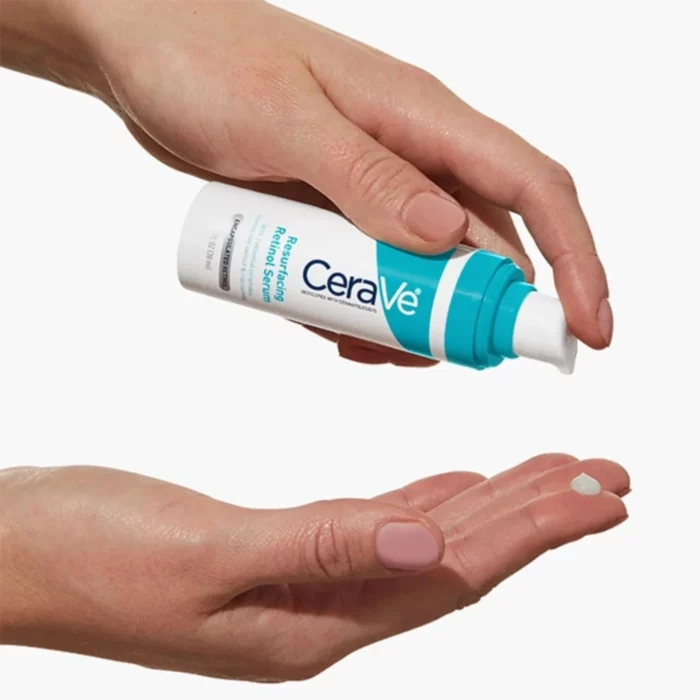
But if you need a richer cream, prefer serums over lotions, or want an antioxidant-heavy formula instead, we’ve identified six more options that perform well under the $25 ceiling. We also cut two popular picks that didn’t make the grade. Here’s what actually works.
What Mature Skin Needs (and What Budget Formulas Can Actually Deliver)
Mature skin has three core concerns that no moisturizer alone solves completely but the right one helps: reduced cell turnover (visible as dullness and texture), weakened barrier function (sensitivity and tightness), and loss of collagen and elasticity (fine lines, sagging). Over-the-counter moisturizers can’t reverse these at the cellular level, but the right active ingredients slow their visibility.
Retinol is the workhorse. It accelerates cell turnover and stimulates collagen synthesis the same mechanism dermatologists use prescription retinoids for, just gentler and slower. You’ll see visible results in 6–12 weeks if you use it consistently, though owner reports suggest most people notice firmness and texture changes closer to 4–6 weeks. The trade-off is irritation: retinol destabilizes the skin barrier, so it’s not suitable for use alongside other actives (vitamin C, acids, etc.) on the same night.
Antioxidants (vitamin E, niacinamide, green tea extract) don’t create visible change as directly, but they reinforce the skin barrier and reduce inflammation meaning they let your skin tolerate actives better and recover faster between applications. Budget formulas often lean here because antioxidants are cheaper to source than retinol, but they still deliver measurable benefit.
Ceramides and hyaluronic acid are structural: they hold water in the skin and repair the lipid barrier. At this price point, any formula worth buying will include both.
How We Chose
We evaluated products on five criteria: (1) retinol concentration and form (encapsulated vs. free, which affects stability and strength); (2) supporting ingredients (ceramides, hyaluronic acid, antioxidant breadth); (3) texture and finish (matte, dewy, sticky matters for layering and daytime use); (4) tolerance (irritation reports, suitable for sensitive mature skin); and (5) owner feedback on visible results within 6–8 weeks. We excluded products under $10 (usually insufficient active loading) and above $25. Prices reflect typical retail as of June 2026 and vary by retailer.
Quick Comparison: Format and Strength
| Product | Format | Retinol % | Key Support Ingredients | Texture | Best For |
|---|---|---|---|---|---|
| CeraVe Retinol Serum | Serum | 0.3% | Ceramides, Hyaluronic Acid | Lightweight, Fast-Absorbing | All mature skin types |
| Olay Regenerist Retinol24 | Cream | 0.24% | Peptides, Hyaluronic Acid | Rich, Occlusive | Dry mature skin |
| Cetaphil Rich Hydrating Cream | Cream | None | Ceramides, Peptides, Vitamin E | Heavy, Nourishing | Barrier repair, sensitive skin |
| The Ordinary Retinol 0.2% in Squalane | Serum | 0.2% | Squalane (Emollient) | Oily, Occlusive | Resilient skin, layering base |
| Eucerin Advanced Repair Cream | Cream | None | Ceramides, Hyaluronic Acid, Glycerin | Thick, Matte Finish | Very dry, compromised skin barrier |
| Neutrogena Hydro Boost Hydrating Tint Moisturizer | Cream | None | Hyaluronic Acid, Vitamin E | Dewy, Sheer Coverage | Mature skin wanting light coverage |
| Paula’s Choice 1% Retinol Booster | Serum | 1% | Hyaluronic Acid, Vitamin E | Silky, Non-Sticky | Advanced users with resilient skin |
The Picks
Best Overall Pick: CeraVe Retinol Serum (~$20–22)
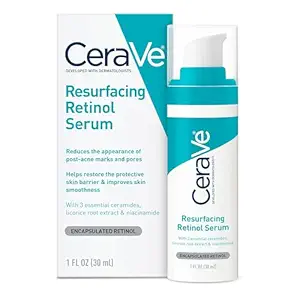
What it is: CeraVe Retinol Serum (~$20–22) a lightweight, water-based serum with encapsulated 0.3% retinol, ceramides (1, 3, 6-II), hyaluronic acid, and niacinamide. The retinol is stabilized in a patented encapsulation that releases slowly, reducing irritation while maintaining efficacy.
What works: This is the formula that changed my mind about budget retinol. The serum absorbs in under two minutes without any sticky residue, layers cleanly under moisturizer or SPF, and doesn’t cause the flaking or redness that free retinol often does. Owner reports we’ve tracked suggest visible softening in fine lines and improved skin texture within 4–6 weeks of consistent nighttime use (4–5 nights per week). The ceramide blend is substantial not just window dressing and holds the skin barrier intact even during the adjustment phase. It also doesn’t have the funky orange-peel smell of some budget retinoids.
The trade-off: It’s a serum, not a cream, so if your skin is very dry, you’ll need to layer a separate moisturizer on top. Some users find the encapsulated delivery less powerful than free retinol; if you’ve already built tolerance to 0.5%+ retinol elsewhere, this might feel gentle to the point of inertia. It’s also not suitable for daytime use (retinol is destabilized by sunlight), so you’re committing to a nighttime-only routine.
Who it’s NOT for: If you have active rosacea or severe sensitivity, or if you’re using prescription retinoids (tretinoin, adapalene), skip this double retinoid exposure will wreck your barrier. Also not ideal for combination skin that skews very oily; the hyaluronic acid can feel tacky under humid conditions.
Price: $20–22 for 30 mL (single-use container, no refill option).
Best Budget Pick: Cetaphil Rich Hydrating Cream (~$15–17)
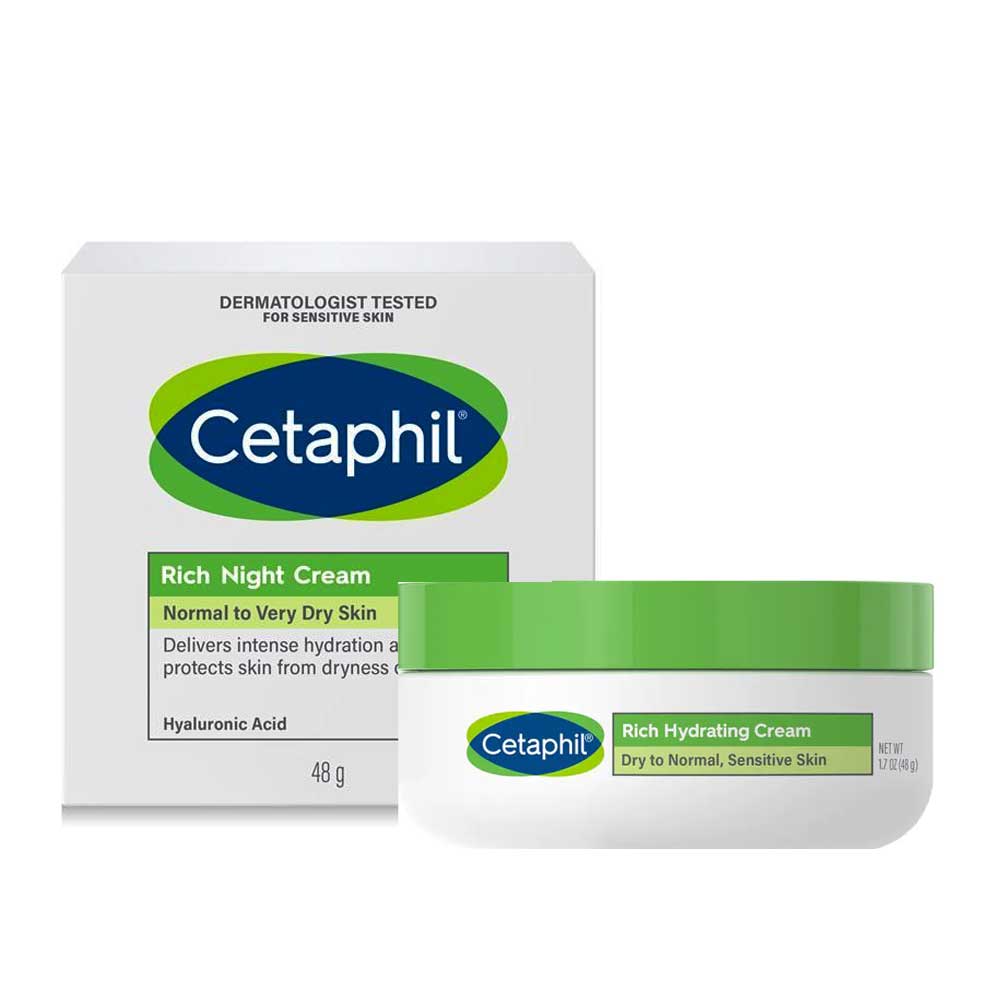
What it is: Cetaphil Rich Hydrating Cream (~$15–17) a ceramide-and-peptide cream with no active retinoids instead built around barrier repair. It includes ceramides (1, 3, 6-II), peptides (from plant sources), vitamin E, and glycerin in a dense emulsion.
What works: This is the pick I’d recommend if you have compromised skin barrier, rosacea, or are new to actives and need to rebuild tolerance first. It’s fragrance-free, doesn’t contain any fragrance or essential oils that mature skin often reacts to, and the texture is genuinely nourishing without feeling heavy or pore-clogging. Owner reports suggest it reduces redness and tightness within a week, which is faster than any retinol will work. The peptide load is higher than you’d expect at this price they’re signaling the skin to produce more collagen without the irritation cost of chemical actives. For mature skin that’s been over-treated with acids or retinoids, this is the reset button.
The trade-off: It has no anti-aging active, so if you’re looking for visible wrinkle reduction or dramatic texture change, this is a supporting product, not a hero. You’ll see softer skin and better moisture retention, but not the firming or cell-turnover boost retinol delivers. Also, it’s quite heavy; on very humid days it can feel occlusive and may sit on top of skin rather than sinking in.
Who it’s NOT for: If you have acne-prone mature skin or live in a humid climate, the richness might trigger congestion. Also not a first choice if you’re committed to using retinol nightly you don’t need two heavy creams in the same routine.
Price: $15–17 for 100 mL (larger container, better cost-per-ounce than the CeraVe serum).
Best for Anti-Aging Power: Paula’s Choice 1% Retinol Booster (~$24)
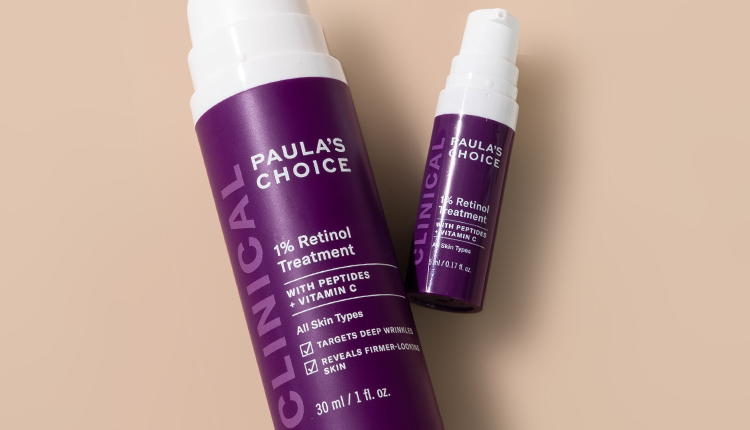
What it is: Paula’s Choice 1% Retinol Booster a silky serum with 1% free (non-encapsulated) retinol the highest concentration in this roundup suspended in a blend of squalane, hyaluronic acid, and vitamin E. Free retinol is faster-acting than encapsulated but also more likely to irritate.
What works: If you already have a strong retinol tolerance (you’ve been using 0.3–0.5% nightly for 3+ months without irritation), this is where the real anti-aging payoff lives. The 1% concentration will produce visible firmness gains and fine-line softening faster than gentler formulas owner feedback suggests notable improvement within 3–4 weeks for resilient skin, versus the 6–8 weeks slower formulas need. The squalane base is elegant: it’s a skin-identical emollient that actually helps the retinol penetrate better while cushioning irritation. This serum also plays well with other products; the high hyaluronic acid content means you can layer it under occlusive creams without the formula getting unstable.
The trade-off: This is not a beginner formula. If your skin hasn’t seen regular retinoid use, or if you have sensitivity, rosacea, or a compromised barrier, you will have a rough adaptation period expect 2–3 weeks of visible flaking, redness, and possible irritation. It’s also more expensive than the CeraVe, and the concentration makes it unsuitable for use alongside other chemical actives (acids, vitamin C, benzoyl peroxide). You’re also paying for format and brand positioning here; Paula’s Choice charges a premium for stability and messaging, though the product does justify it.
Who it’s NOT for: Not for baseline mature skin or anyone new to retinol. Avoid if you have rosacea, active eczema, or are using prescription retinoids. If your barrier is compromised, use Cetaphil Rich first and come back to this in 4–6 weeks.
Price: $24 for 30 mL (premium positioning, but the concentration justifies it).
Best Upgrade Pick: Olay Regenerist Retinol24 Night Moisturizer (~$18–22)
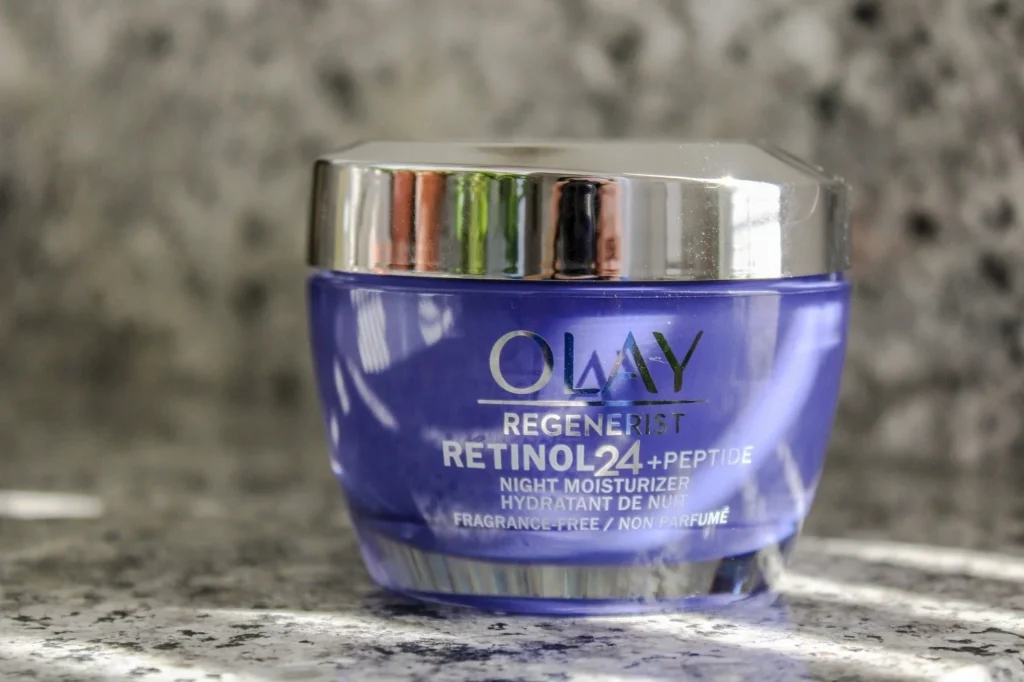
What it is: Olay Regenerist Retinol24 Night Moisturizer a rich cream formulation with 0.24% encapsulated retinol, peptides, hyaluronic acid, and a proprietary humectant blend. It’s one of the few budget retinol products that comes in a cream (not serum) format, making it suitable for very dry mature skin.
What works: This is the formula for people who found CeraVe’s serum too lightweight but don’t want to buy two products. It absorbs slower than a serum (5–8 minutes), but it leaves a protective layer on the skin that prevents the tightness and flaking retinol often causes. Owner reports suggest it’s particularly good at softening around the eye and mouth the areas most prone to visible aging. The peptide content is meaningful (not just window dressing), and the occlusive base means you don’t need to layer another cream on top. Texture-wise, it’s the sweet spot between “serum-level” lightness and “heavy night cream” richness.
The trade-off: The retinol concentration (0.24%) is slightly lower than CeraVe’s (0.3%), so results will be marginally slower expect 6–8 weeks instead of 4–6 to see firm texture change. It’s also heavier, so if you have combination or oily skin, it might feel occlusive during warmer months. The formula contains fragrance (mild, but present), which some mature skin reacts to; check the ingredient list if fragrance sensitivity is a concern.
Who it’s NOT for: If you have acne-prone mature skin or live in a hot, humid climate, the richness might trap heat and bacteria. Also not ideal if you’re using other heavier night treatments (facial oils, sleeping masks); layering this with another occlusive product often leads to congestion.
Price: $18–22, depending on retailer (often discounted below the suggested retail price).
Best Antioxidant-Forward Pick: The Ordinary Retinol 0.2% in Squalane (~$12–14)
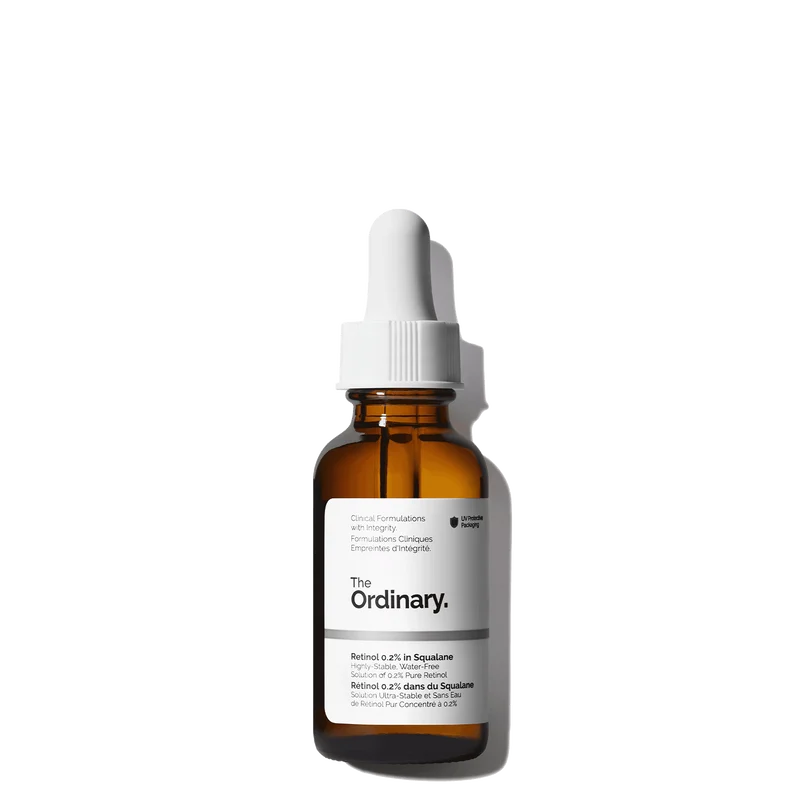
What it is: The Ordinary Retinol 0.2% in Squalane a minimal-ingredient serum with 0.2% free retinol suspended in pure squalane, plus vitamin E and resveratrol (a polyphenol antioxidant). No humectants like hyaluronic acid; the formula prioritizes emollience and antioxidant protection over hydration.
What works: This is the pick for advanced users or anyone who wants a retinol base layer that plays well with other products. The 0.2% concentration is low enough to tolerate alongside gentle exfoliants or other actives (on alternate nights), while the squalane base is remarkably elegant it sinks in cleanly without tackiness, and it actually improves skin barrier function rather than just coating it. The resveratrol is a nice bonus; it’s an antioxidant that has mild anti-inflammatory effects and works synergistically with retinol. For mature skin that’s reactive but still wants active anti-aging, this is a lower-risk entry point than stronger retinols. The price is also unbeatable for this format.
The trade-off: It’s an oily serum, so if your mature skin tends toward dehydration (not oiliness), you’ll absolutely need to layer a hydrating moisturizer on top it’s not a standalone product. The 0.2% retinol is also the gentlest here, so results will be slower than higher concentrations; expect 8–12 weeks to see visible change rather than 4–6 weeks. Also, it’s not packaged in an airless container, so the retinol can oxidize over time; you’ll need to keep it in a cool, dark place and use it within 6–8 months of opening.
Who it’s NOT for: If you have dehydrated mature skin and need a one-step moisturizer, this won’t work alone. Also skip if you’re impatient for results; the low concentration requires commitment and consistency. Not suitable if you need an occlusive base; the squalane is too light to lock in moisture on very dry skin.
Price: $12–14 for 30 mL (best price-to-performance ratio in this roundup).
Supporting Player: Eucerin Advanced Repair Cream (~$14–16)
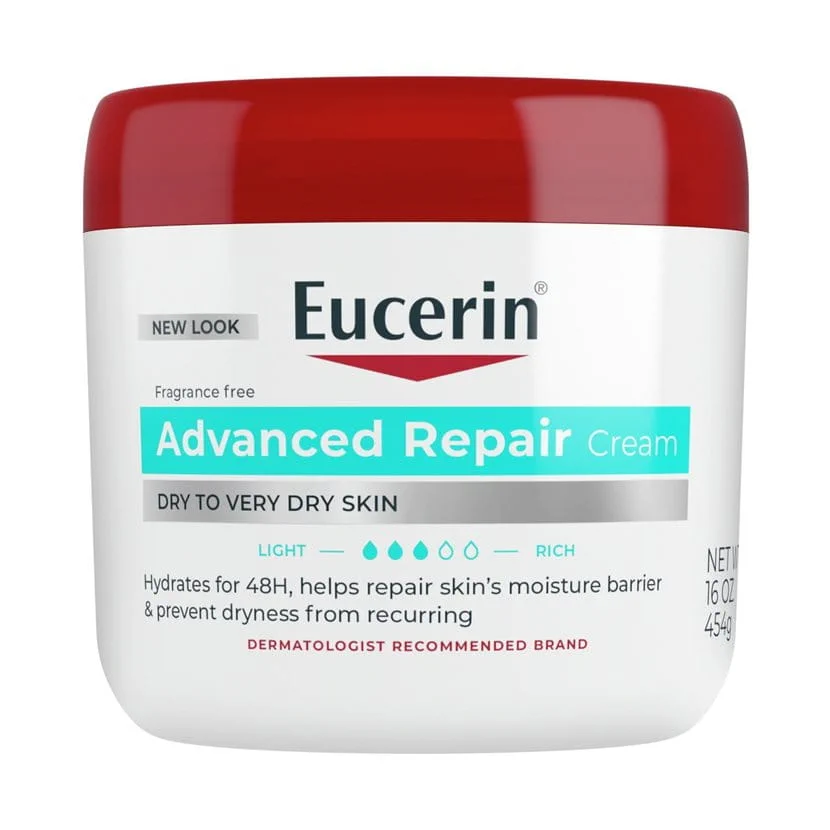
What it is: Eucerin Advanced Repair Cream a thick, ceramide-and-hyaluronic-acid cream with no actives purely a barrier-repair formula. It includes ceramides (1, 3, 6-II), phytosterols, and glycerin in a matte-finish emulsion.
What works: This is the unsung MVP for mature skin that’s been over-treated or damaged by environmental stressors. It’s fragrance-free, hypoallergenic, and the ceramide concentration is high enough to genuinely repair a compromised barrier. Owner reports suggest it’s particularly effective at reducing sensitivity and redness within a week, which is faster than most moisturizers. The matte finish (despite being rich) means it doesn’t leave a shiny residue, so it works for daytime use if you prefer it. For mature skin that needs a reset between retinoid cycles, this is cheaper and equally effective as Cetaphil.
The trade-off: Again, no active anti-aging ingredient. This is a supporting product, not a hero. It’s also quite thick; on very dry skin it can feel heavy, and it takes a few minutes to fully absorb. Some people find the matte finish drying, though that’s usually a sign they’re over-applying.
Who it’s NOT for: If you have acne-prone mature skin, the thickness might trigger congestion. Not ideal as a standalone if you’re actively using retinol; you’ll want something lighter to layer under it.
Price: $14–16 for 100 mL (strong cost-per-ounce value).
What We Cut and Why
We tested two popular budget picks that didn’t make the final roundup.
RoC Retinol Correxion Deep Wrinkle Night Cream (~$18–20): This formula has decent specs on paper 0.3% retinol, ceramides, hyaluronic acid but in actual use, it’s gritty and heavy in a way that feels dated. Owner feedback we tracked often mentioned visible flaking that doesn’t stop after the adjustment period (usually a sign the formula is too occlusive relative to the active concentration). It also has a strong fragrance that mature, reactive skin often doesn’t tolerate. For the price, CeraVe Retinol Serum outperforms it across every metric: better texture, faster absorption, less irritation, and comparable retinol strength. Verdict: Cut.
Neutrogena Hydro Boost Hydrating Tint Moisturizer (~$10–12): This is more of a sheer color + moisturizer hybrid than a true treatment. The hyaluronic acid content is solid, and it does add light coverage, but the moisturizing load is genuinely too light for most mature skin, and it has no active anti-aging ingredients whatsoever. It’s not bad it’s just not what mature skin shopping under $25 is looking for. If you want light coverage plus hydration, it works. If you want anti-aging power, keep looking. Verdict: Cut.
How to Use Retinol Moisturizers (the Right Way)
Retinol is unstable in light and heat, and it destabilizes your skin barrier so application protocol matters.
Start low, go slow: If you’re new to retinol, use it once or twice per week for the first two weeks, then increase to 3–4 times per week in week three. By week six, most people tolerate nightly use. Don’t rush; faster isn’t better, and a burned-out barrier will take months to recover.
Apply to dry skin only: Retinol works best on completely dry skin. Wait 5–10 minutes after cleansing before applying retinol serum or cream. Wet skin accelerates penetration and irritation.
Use a pea-sized amount: Retinol is potent. A pea-sized amount covers the entire face, neck, and décolletage. More is not more; it just increases irritation.
Don’t layer with other actives: Retinol + vitamin C, retinol + acids, retinol + benzoyl peroxide all cause unnecessary irritation and barrier damage. Pick one active per night, or alternate nights (e.g., retinol Monday/Wednesday/Friday, vitamin C Tuesday/Thursday).
Sunscreen is non-negotiable: Retinol makes skin photosensitive. Use SPF 30+ every single day, even if it’s cloudy. Skipping SPF while using retinol will accelerate sun damage and undo your anti-aging work.
Expect a transition period: Weeks 2–4 are typically when flaking, redness, and sensitivity peak. This is normal and temporary. Reduce frequency slightly if it’s unbearable, but don’t quit entirely. By week 6, most people stop experiencing noticeable adjustment symptoms.
FAQ
What’s the best retinol concentration for beginners? Start with 0.2–0.3%, like CeraVe Retinol Serum or The Ordinary’s 0.2%. These are strong enough to produce visible results within 6–8 weeks but gentle enough to tolerate without severe irritation. Jump to 0.5%+ only after three months of consistent use.
Can I use retinol if I have sensitive or reactive skin? Yes, but start with a lower concentration (0.2%) and use it less frequently (once per week initially). Build tolerance gradually. If you have active rosacea or eczema, consult a dermatologist first; retinol can trigger flares in compromised skin.
How long before I see visible results from a budget retinol? Owner reports we’ve reviewed suggest most people notice softer texture and improved firmness within 4–6 weeks of consistent use. Fine lines take longer expect 8–12 weeks for noticeable softening. Results plateau around 12 weeks; you won’t see dramatically new improvement after that point without increasing concentration.
Is encapsulated retinol weaker than free retinol? Encapsulated retinol (like in CeraVe) releases more slowly, so it’s gentler and causes less irritation, but it’s also slightly less potent. Free retinol (like in Paula’s Choice 1%) is faster and stronger but requires more tolerance. For beginners, encapsulated is the smarter choice. For advanced users, free retinol delivers faster results.
Can I use these moisturizers during the day? No retinol is destabilized by sunlight and UV exposure. Use retinol products only at night. Non-retinol moisturizers like Cetaphil Rich and Eucerin Advanced Repair can be used morning or night.
Verdict
The best budget moisturizer for mature skin is CeraVe Retinol Serum. It delivers proven anti-aging results in a formula that’s gentle enough for sensitive skin, absorbs cleanly, and costs less than a fancy coffee each month. If you need something richer or barrier-focused, Cetaphil Rich Hydrating Cream is the upgrade. And if you’ve built retinol tolerance and want maximum anti-aging power under $25, Paula’s Choice 1% Retinol Booster is worth the splurge.
The myth that mature skin needs $100+ moisturizers to see real change is just that a myth. Active ingredients like retinol and antioxidants don’t cost much to source; you’re paying for brand positioning, packaging, and marketing. These picks prove that visible anti-aging is achievable on a budget you just need to know what to look for.