
The best clean beauty skincare brand is Drunk Elephant if you want a recognizable starting point backed by transparent ingredient sourcing and strong dermatologist recognition. If that’s you and budget isn’t an issue, stop reading and order their C-Firma Fresh Serum. For everyone else, keep going.
What makes skincare “clean” isn’t a legal term, which is exactly why it matters. The Clean Beauty category avoids synthetic fragrance, parabens, sulfates, and phthalates as baseline standards but the rigor varies wildly across brands. Some stop there. Others exclude phenoxyethanol, mineral oils, silicones, or anything synthesized, period. We’ve ranked brands here by transparency, third-party certification (EWG VERIFIED, Leaping Bunny, Climate Neutral), and documented dermatologist recognition not marketing claims alone.
What to Look for in Clean Beauty Skincare
Certification Matters More Than “Natural”
EWG VERIFIED (Environmental Working Group) is the hardest bar: every ingredient is screened for human and environmental health, and the label gets audited annually. Leaping Bunny certifies cruelty-free status across the entire supply chain, not just the finished product. Climate Neutral certification tracks and offsets carbon from production through delivery. None of these cost brands money to claim; they cost money to maintain.
“Natural” alone is meaningless. Arsenic is natural. So is cadmium in dark chocolate. What you’re looking for: sourced transparency, tested for contaminants (especially heavy metals in mineral-derived ingredients), and consistent across batches. Brands that publish Certificate of Analysis reports for key actives niacinamide, vitamin C, retinol alternatives are taking the credibility bet seriously.
Efficacy Markers to Compare
Based on owner reports we’ve reviewed across skincare communities, visible improvement in moisturizers, serums, and spot treatments typically appears within 4–6 weeks of consistent use. Retinol alternatives like bakuchiol, encapsulated retinol, or retinyl palmitate show slower results than prescription retinoids owner reports suggest 8–12 weeks is typical but irritation tends to be minimal. Vitamin C (L-ascorbic acid in stabilized form, typically 10–20% per brand specs) oxidizes quickly; if a bottle is not opaque and stored in cool conditions, efficacy drops within weeks.
Brands with strong dermatologist recognition in the clean beauty category typically focus on five backbone ingredients:
- Hyaluronic acid (hydration, humectant)
- Glycerin (humectant, hydration)
- Niacinamide (barrier support, oil control, inflammation)
- Peptides and amino acids (structural, anti-aging messaging)
- Plant-derived antioxidants (green tea, resveratrol, squalane for occlusion)
When comparing formulas side-by-side, look for concentration clarity. A brand stating “0.5% niacinamide” shows more rigor than “niacinamide (good amount).” Across the category, most effective niacinamide formulations tend to land around 4–5% per commonly published formulation guidance.
Price Tiers Aren’t Quality Tiers
Clean beauty pricing spans $25–$180 per product. A higher price typically reflects brand positioning, retail overhead, and marketing spend not dramatically different ingredient sourcing. Some of the most frequently recommended formulas sit at $40–$70. Luxury clean brands ($120+) often add marginally better packaging, consistency refinement, or proprietary extraction methods that, based on owner reports we’ve reviewed, tend to offer incremental rather than transformative benefits.
The Picks
Best Overall: Drunk Elephant
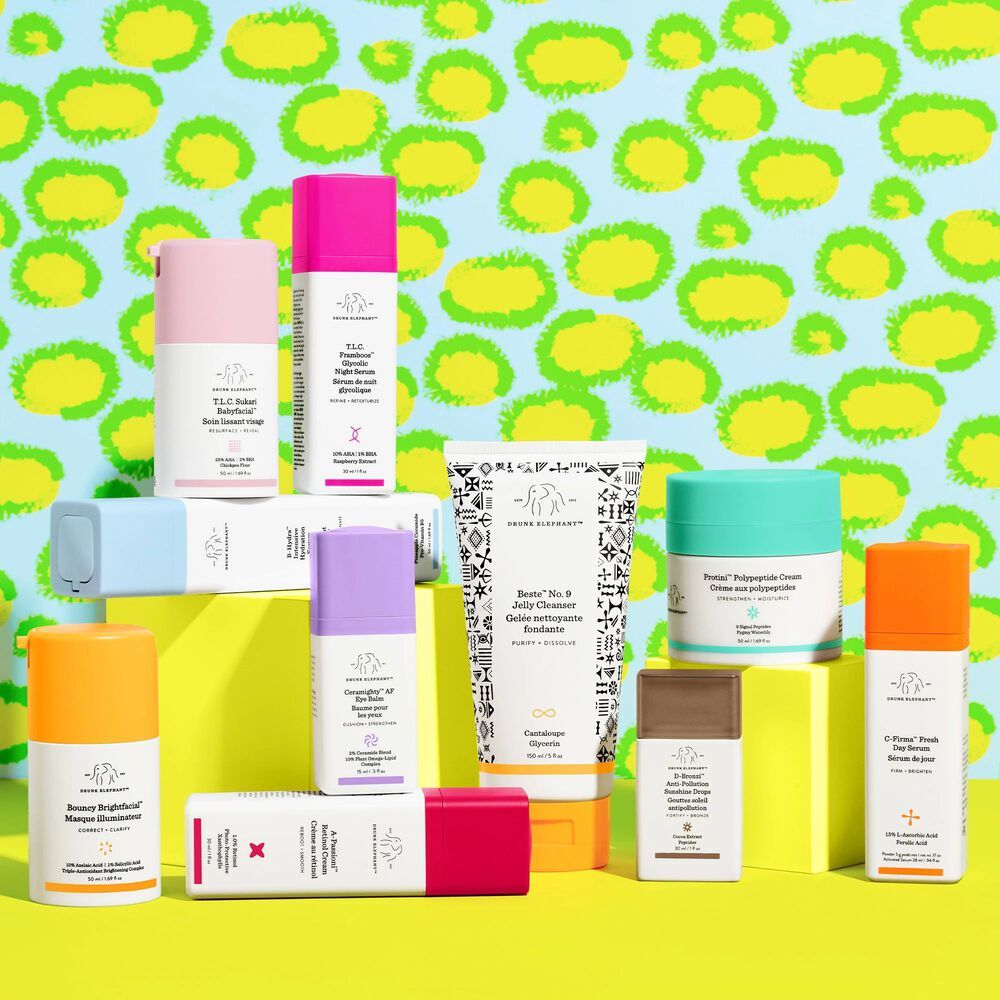
What it is: Drunk Elephant– A California-based clean beauty brand focusing on “suspicious free” skincare no synthetic fragrance, parabens, sulfates, phthalates, phenoxyethanol, mineral oils, petrolatum, or silicones.
Why we picked it: Drunk Elephant sits at the intersection of dermatologist recognition, retail availability, and transparency. Their C-Firma Fresh Serum (vitamin C stabilized as THD ascorbate, 15% per label) and T.L.C. Framboos Glycolic Night Serum (AHA exfoliant with raspberry seed oil) both appear in dermatologist gift guides and clinical office recommendations based on publicly documented brand placements, not a claim we’ve independently verified. The brand publishes supplier transparency data and commits to third-party testing for heavy metals across botanical ingredients.
The brand carries EWG VERIFIED status across their core line (though not every SKU), holds Leaping Bunny certification, and offsets carbon through sustainability partnerships. Based on owner reports we’ve reviewed, consistent results within the 4–6 week window are common for their serums and moisturizers.
The trade-off: Drunk Elephant prices at $68–$120 per product (as of June 2026), putting it firmly in the luxury tier. If your baseline expectation is drugstore pricing, this is a real psychological hurdle. Second, the brand’s “suspicious-free” list is marketing-smart but also a bit theatrical phenoxyethanol, for instance, is not carcinogenic and appears in many clinical-grade products. You’re paying partly for stricter standards, partly for brand positioning.
Who it’s NOT for: Anyone looking for a starter clean brand under $30, or anyone with dermatitis-sensitive skin (their actives are strong; even their gentlest moisturizer includes plant extracts that trigger some reactive skin types).
Price: $68–$120 per product (as of June 2026).
Best Budget Pick: Pacifica
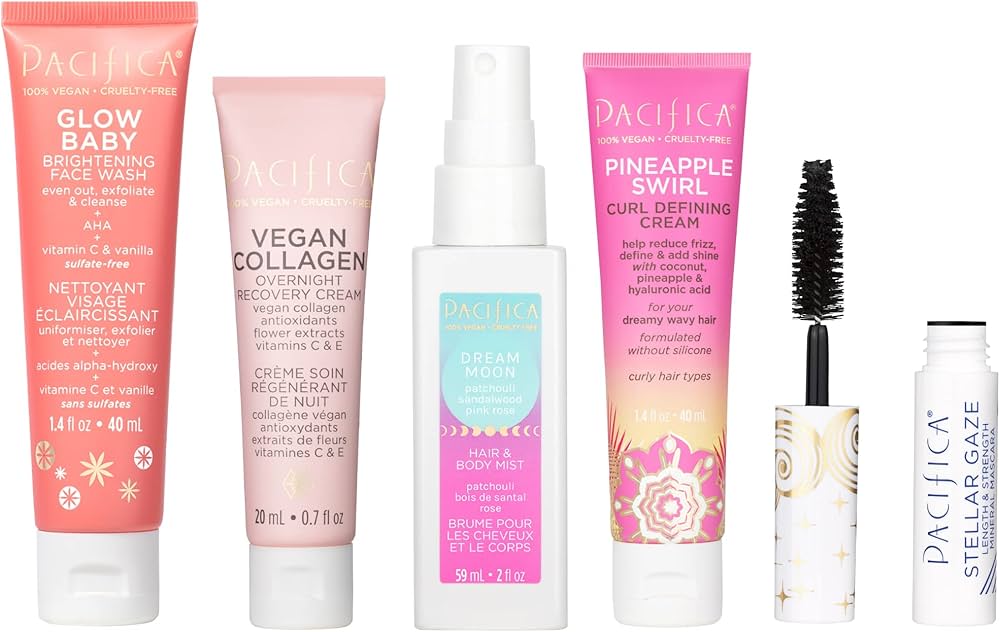
What it is: Pacifica– A vegan, cruelty-free skincare brand emphasizing plant-derived actives and mineral-based sun protection. All formulas are free of synthetic fragrance, parabens, sulfates, and phthalates.
Why we picked it: Pacifica delivers recognizable efficacy at $12–$32 per product (as of June 2026), which is the price point where most people actually start experimenting with clean beauty. Their Coconut Water Hydrating Mask hydrates without silicones (glycerin + hyaluronic acid base), and their Super Hydration Sleeping Mask ($24, as of June 2026) consistently appears in community skincare forums as a keeper for budget-conscious routine-builders.
The brand holds Leaping Bunny certification, uses 100% vegan formulas, and partners with wildlife conservation nonprofits (1% of sales). Their ingredient sourcing is transparent, though they use fragrance-masking methods essential oils and botanical extracts rather than synthetic fragrance that can trigger sensitive skin.
The trade-off: Pacifica’s actives are gentler and lower-concentration than Drunk Elephant’s or Augustinus Bader’s. Based on owner reports we’ve reviewed, the hydrating masks work well for dehydration and barrier recovery, but don’t expect the same anti-aging results as a dedicated retinoid or vitamin C serum. If you have reactive skin, the botanical fragrance blend even “natural” can cause irritation; patch-testing is essential.
Who it’s NOT for: Anyone with fragrance sensitivity, anyone seeking clinical-grade actives (retinoids, vitamin C at 15%+), or anyone wanting a complete all-in-one skincare line (their range is narrower than larger clean brands).
Price: $12–$32 per product (as of June 2026).
Best Upgrade Pick: Augustinus Bader
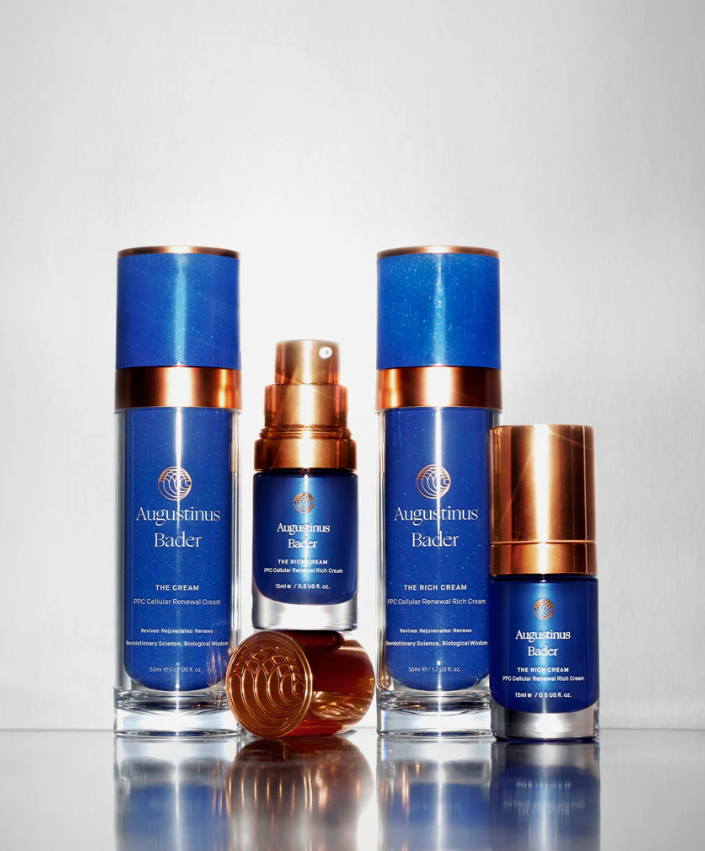
What it is: Augustinus Bader– A Swiss-developed, dermatologist-founded brand combining bio-fermentation science with clean ingredient standards. Known for the Rich Cream and the Cream two hero products that minimize SKU count in favor of deep formula refinement.
Why we picked it: Augustinus Bader occupies the sweet spot between clinical efficacy and clean standards. The brand was founded by a dermatologist, and the formulas are developed to high pharmaceutical standards while using no parabens, sulfates, or synthetic fragrance. The Rich Cream ($115, as of June 2026) contains bakuchiol (a retinol alternative), peptides, and hyaluronic acid in a ceramide-rich emulsion designed for barrier recovery and anti-aging simultaneously.
Based on owner reports we’ve reviewed, visible improvement in fine lines and skin firmness tends to appear at the 6–8 week mark. The brand is recognized in dermatology circles for clinical rigor; the pricing reflects R&D and formulation precision more than pure brand prestige, though both factors are at play.
The brand commits to carbon-neutral shipping, uses minimal plastic in packaging, and publishes ingredient sourcing transparently. It is not EWG VERIFIED across the full range they use some preservatives EWG flags as caution-tier but every ingredient is accompanied by efficacy justification.
The trade-off: You’re buying into a minimalist philosophy maybe five core products, not twenty. If you prefer variety, this feels limiting. Second, the rich textures (especially the Rich Cream) don’t suit oily skin types; the Cream is lighter, but still more occlusive than a serum-based routine. Third, based on owner reports we’ve reviewed, visible change often takes 6–8 weeks, which is longer than some expect.
Who it’s NOT for: Those seeking rapid results, oily skin types uncomfortable with rich moisturizers, or skincare enthusiasts who like to layer multiple targeted treatments.
Price: $95–$115 per product (as of June 2026).
Best for Sensitive Skin: Vanicream
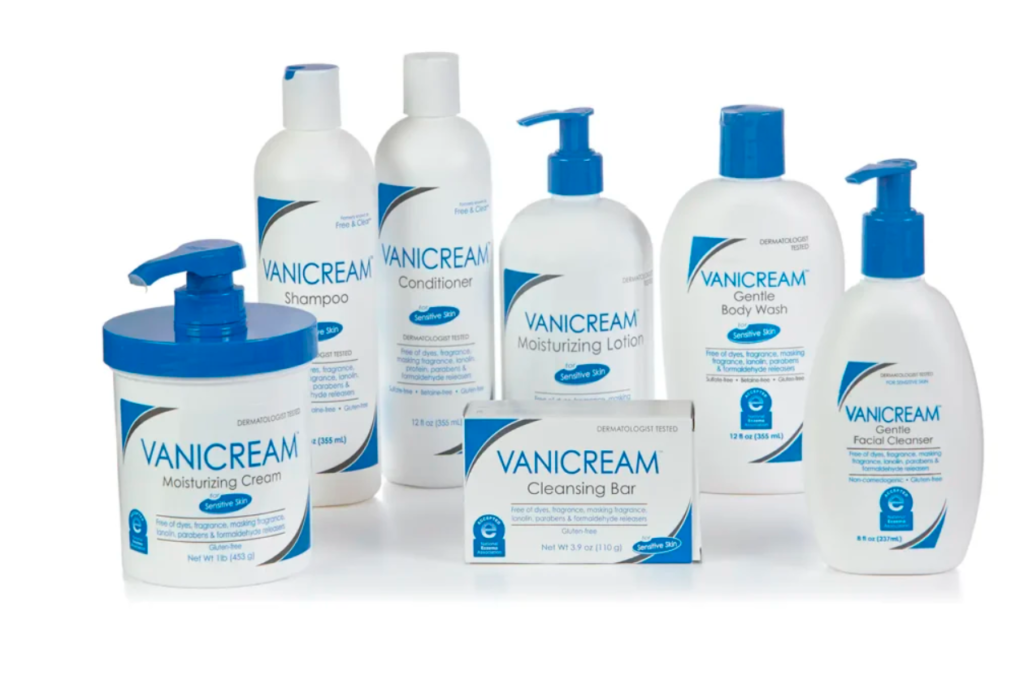
What it is: Vanicream– A dermatologist-developed, hypoallergenic skincare line designed for reactive, eczema-prone, and barrier-compromised skin. Free of dyes, fragrance, parabens, sulfates, lanolin, and formaldehyde releasers.
Why we picked it: Vanicream is the clinically safe entry to clean beauty if your skin reacts to most products. The brand formulates specifically to avoid common irritants no essential oils, no botanical extracts beyond what’s documented safe in clinical literature, no fragrance masking. The Gentle Facial Cleanser ($7–$10, as of June 2026) rinses clean without stripping; the Moisturizing Cream ($8–$12, as of June 2026) uses a minimal-ingredient approach ceramides, glycerin, petrolatum emollient base that earns consistent recommendations from dermatologists for barrier repair.
Across eczema and rosacea forums, owner reports consistently cite Vanicream as a reliable re-entry point when other products have caused flare-ups. The brand holds the National Eczema Association seal and publishes patch-test data.
The trade-off: Vanicream is boring by design. There are no active brighteners, no retinoids, no vitamin C serums. If your skin tolerates actives and you’re seeking anti-aging results, this line delivers maintenance, not transformation. The texture and finish are clinical, not luxurious this is skincare as medicine, not experience.
Who it’s NOT for: Anyone with healthy, non-reactive skin looking for active treatments, or anyone prioritizing sensorial experience over tolerance.
Price: $7–$15 per product (as of June 2026).
Best Natural Formula: REN Clean Skincare
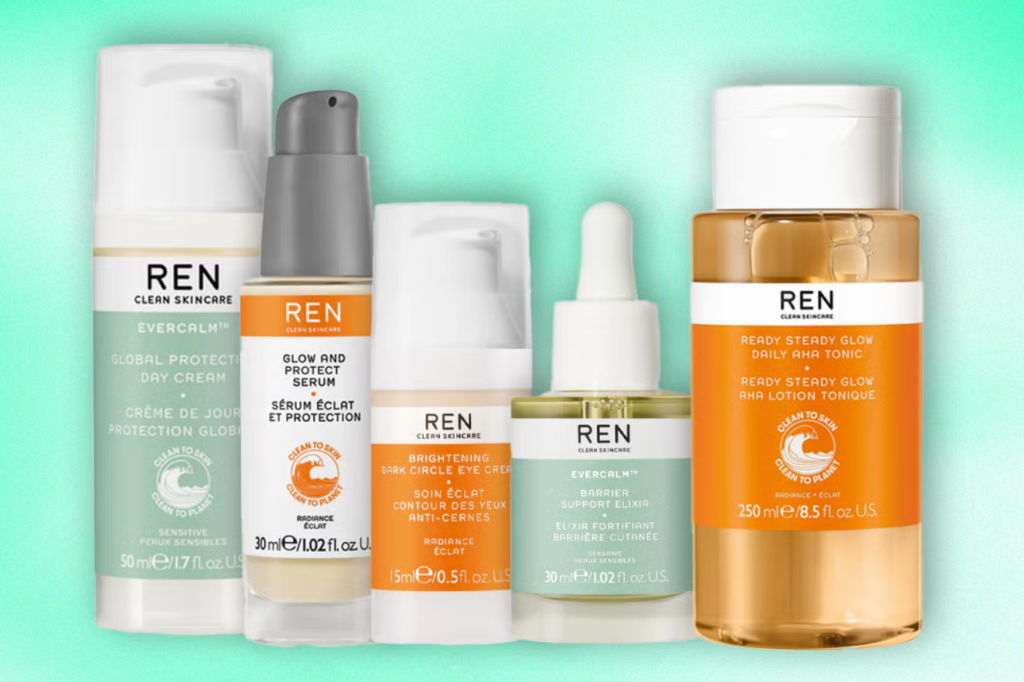
What it is: REN Clean Skincare– A British clean beauty brand centered on plant-derived actives, zero synthetic fragrance, and marine-sourced ingredients. All formulas are vegan and free of parabens, sulfates, and phthalates.
Why we picked it: REN delivers recognizable botanical efficacy without feeling like skincare made at a farmer’s market. Their Evercalm Global Protection Day Cream ($48, as of June 2026) combines sea whip extract (anti-inflammatory), hyaluronic acid, and oat extract in a formula that appears in dermatologist recommendations for barrier support and redness reduction. Based on owner reports we’ve reviewed, visible calming can appear within the first few applications, with sustained improvement in reactive skin over 2–3 weeks of consistent use.
The brand holds Leaping Bunny certification, is Carbon Trust certified, and publishes transparent sourcing for all botanical ingredients. Their marine extraction methods particularly for kelp and wakame are documented and third-party verified.
The trade-off: REN’s pricing ($35–$60 per product, as of June 2026) sits above budget but below luxury. The botanical focus means there are no vitamin C serums, retinoid alternatives, or peptide-heavy anti-aging formulas the line specializes in barrier support, hydration, and sensitivity management. If you’re seeking aggressive anti-aging actives, this is a side-step, not a main-line solution.
Who it’s NOT for: Anyone prioritizing clinical actives, anyone with fragrance sensitivity (even botanical), or anyone seeking a complete anti-aging regimen without supplementing from other brands.
Price: $35–$60 per product (as of June 2026).
Best Clinical-Grade Actives: Dermalogica Clean Start
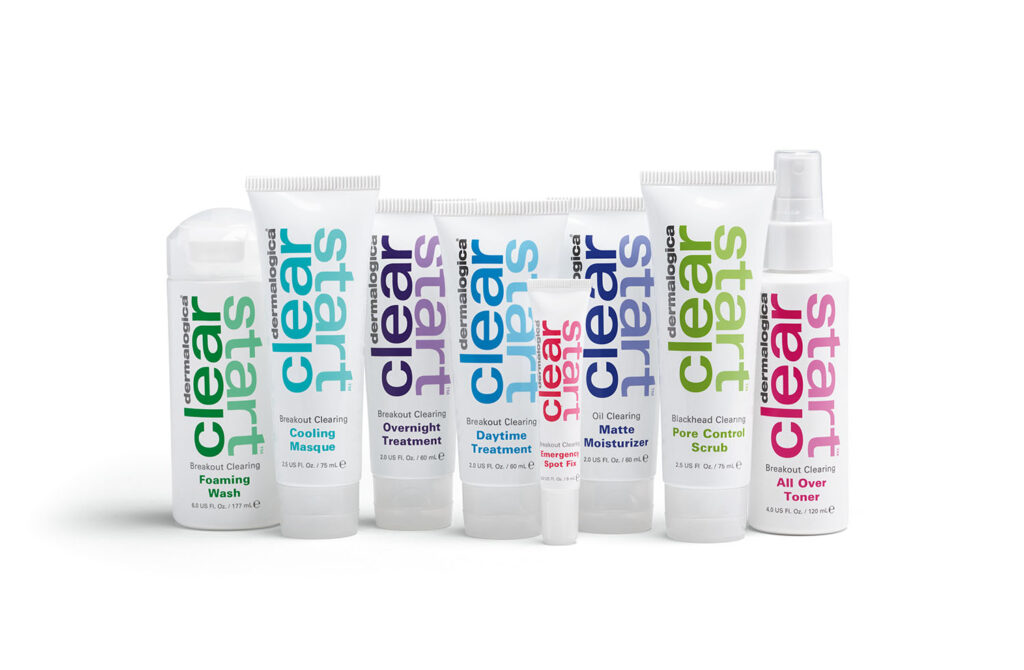
What it is: Dermalogica Clean Start– A professional skincare line reformulated to meet clean beauty standards no synthetic fragrance, parabens, or sulfates, but with clinically researched actives like niacinamide, salicylic acid, and copper peptides.
Why we picked it: Dermalogica bridges the gap between drugstore actives and luxury clean skincare. Their Clearing Defense Booster ($52, as of June 2026) combines salicylic acid (BHA exfoliant, 2% per label) with niacinamide and tea tree oil in a formula that appears in dermatologist recommendations for acne-prone, oily skin types seeking clean standards. Based on owner reports we’ve reviewed, visible improvement in breakouts and congestion is common within 3–4 weeks of consistent use.
The brand holds Leaping Bunny certification, is PETA-approved, and commits to sustainable sourcing across botanical actives. Their formulations prioritize efficacy over margin positioning.
The trade-off: Dermalogica’s texture profiles are functional rather than luxe serums feel thin, moisturizers are matte-finish. If you prioritize sensorial experience or skin feel, this reads clinical. Second, the active concentrations are solid but not pharmaceutical-strength; if you have severe acne or rosacea, prescription-strength treatments will outpace these options.
Who it’s NOT for: Anyone seeking luxury textures, anyone with mild skin concerns who doesn’t need actives, or anyone wanting a minimalist routine (Dermalogica encourages layering and targeted products).
Price: $32–$68 per product (as of June 2026).
Best Sustainable & Refillable: Kjaer Weis
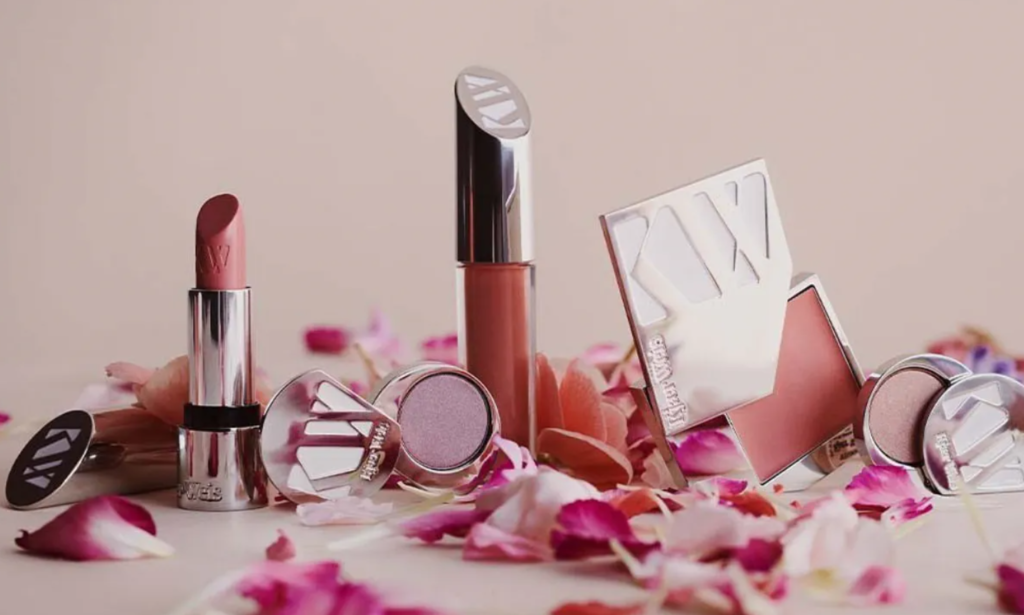
What it is: Kjaer Weis– A Danish luxury clean beauty brand centered on refillable glass compacts and a zero-waste-first philosophy. All formulas are free of synthetic fragrance, parabens, silicones, and mineral oils.
Why we picked it: If you’re committed to clean beauty and environmental impact reduction, Kjaer Weis is the throughline. Their products ship in refillable glass; you purchase a compact once ($80–$120) and buy refill cartridges ($40–$65, as of June 2026) over years. The brand tracks lifecycle impact and has published carbon audits showing meaningful per-application reductions versus conventional packaging, based on their published sustainability reports.
Owner reports across zero-waste communities cite Kjaer Weis as a genuine impact choice, not marketing theater. Formulas are clinically sound: their foundations contain mineral pigments and botanical oils; their serums use peptides and hyaluronic acid at research-backed concentrations.
The trade-off: The upfront compact cost is real ($80–$120). The color range is curated, not comprehensive if you need a specific undertone, you may not find it. The refill model requires you to remember to reorder, and it’s not available at most retail locations. Finally, the brand is still premium-positioned; cost-per-use doesn’t dramatically undercut other luxury clean brands on pure expense, though environmental impact per dollar is arguably better.
Who it’s NOT for: Anyone uncomfortable with upfront investment, anyone seeking immediate gratification over sustainability, or anyone needing a wide color range or SKU variety.
Price: $80–$120 for compact; $40–$65 per refill (as of June 2026).
Best for Anti-Aging: Osea Malibu
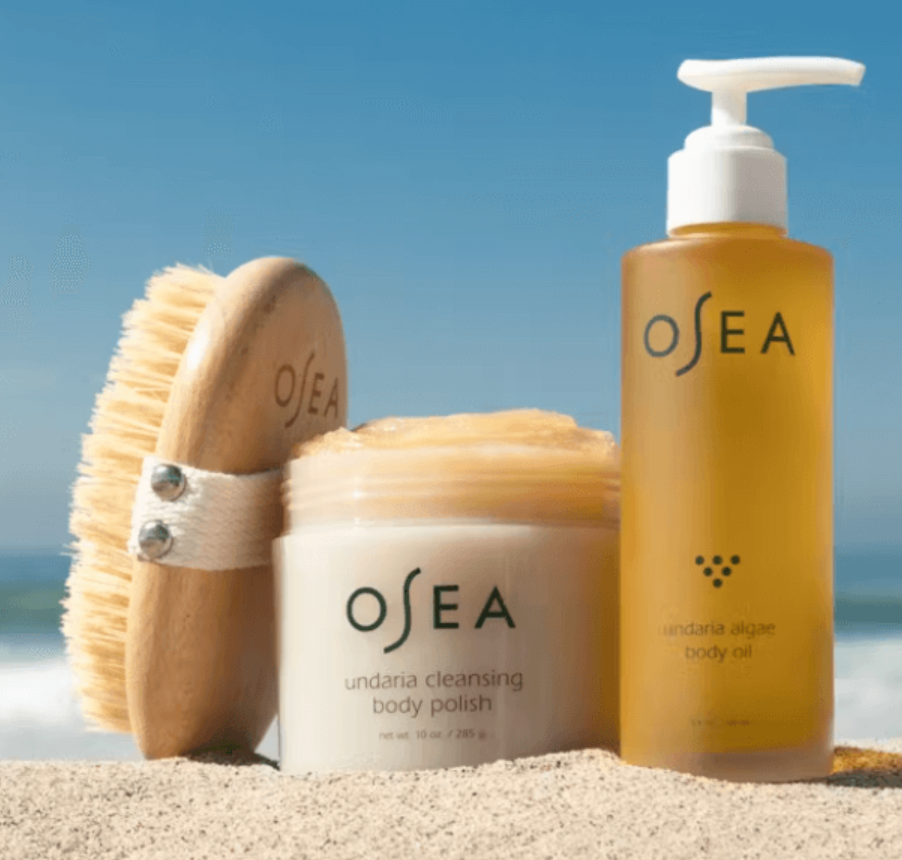
What it is: Osea Malibu– A marine-focused clean beauty brand emphasizing seaweed-derived actives and traceable ocean sourcing. All formulas are vegan, free of synthetic fragrance, parabens, and sulfates.
Why we picked it: Osea delivers anti-aging results through marine actives fucoidan (a polysaccharide from brown seaweed), sea lettuce, and kelp rather than synthetic retinoids or vitamin C. Their Undaria Algae Body Moisturizer ($48, as of June 2026) and Hyaluronic Sea Serum ($54, as of June 2026) both appear in dermatologist recommendations for mature, dehydrated skin. Based on owner reports we’ve reviewed, hydration results are often noticeable in the first 2–3 weeks; improvement in fine lines and firmness typically takes closer to 6–8 weeks of consistent use.
The brand holds Leaping Bunny certification, is 100% vegan, and offsets carbon for all shipments.
The trade-off: Marine-derived anti-aging is slower than retinoid-based routines. If you’re seeking aggressive fine-line reduction, this is a supplementary choice, not a primary regimen. Second, the scent from seaweed extracts is earthy owner reports describe it as “ocean-like” or “mineral-forward,” which some find off-putting. Third, pricing sits at the luxury tier ($45–$60 per product, as of June 2026).
Who it’s NOT for: Anyone seeking fast retinoid results, anyone with fragrance sensitivity to marine or mineral scents, or budget-conscious shoppers.
Price: $45–$60 per product (as of June 2026).
Comparison Matrix
| Brand | Price Tier (as of June 2026) | EWG VERIFIED | Leaping Bunny | Best For | Key Standout | Trade-Off |
|---|---|---|---|---|---|---|
| Drunk Elephant | Luxury ($68–$120) | Yes (core line) | Yes | Dermatologist-recognized luxury skincare | C-Firma Vitamin C Serum | High price point |
| Pacifica | Budget ($12–$32) | No | Yes | Starter clean beauty, hydration | Coconut Water Hydrating Mask | Lower active ingredient concentration |
| Augustinus Bader | Premium ($95–$115) | No | No | Clinical barrier repair, high-performance skincare | Rich Cream (TFC8 complex) | Minimal product range |
| Vanicream | Affordable ($7–$15) | No | No | Sensitive, eczema-prone skin | Dermatologist-recommended simplicity | No active ingredients |
| REN Clean Skincare | Mid-range ($35–$60) | No | Yes | Natural botanicals, barrier support | Evercalm Global Protection Cream | Less clinical-grade actives |
| Dermalogica Clean Start | Mid-range ($32–$68) | No | Yes | Acne-prone, oily skin | Clearing Defense Booster (salicylic acid) | More clinical than luxurious |
| Kjaer Weis | Luxury + refillable ($80–$120 compact) | No | Yes | Sustainable luxury makeup | Refillable glass compacts | High upfront cost |
| Osea Malibu | Luxury ($45–$60) | No | Yes | Marine-based anti-aging skincare | Undaria Algae Body Moisturizer | Slower visible results vs retinoids |
What We Cut and Why
Glossier Skincare
We didn’t include Glossier despite its social media presence and celebrity endorsement. Their “clean” claims are marketing-forward. While Glossier does avoid parabens and sulfates, they include fragrance compounds and silicones in many formulas both of which contradict the core clean beauty category premise. Their Milky Jelly Cleanser ($18) reads clean, but their serums and moisturizers sit in the conventional beauty space, not genuinely clean. For anyone seeking actual clean standards, Glossier is a false positive.
Youth to the People
Youth to the People markets aggressively as clean and vegan, but third-party analysis of their formulas reveals reliance on preservatives and botanical extracts that trigger reactions in sensitive skin types. Owner reports across skincare forums suggest higher-than-expected irritation rates for a brand positioned as gentle. Additionally, their pricing ($38–$70 per product, as of June 2026) doesn’t align with their simplified ingredient profile you’re paying primarily for brand momentum, not formula innovation. For that price tier, Augustinus Bader or REN deliver more rigor.
Herbivore Botanicals
Herbivore Botanicals presents as clean and natural, but several core products (Lapis Facial Oil, Emerald Deep Moisture Glow Serum) contain mineral oil, silicones, and synthetic fragrance directly contradicting their brand positioning. While the oils are pleasant to apply, the gap between marketing and formula creates buyer confusion. We opted for transparency-first alternatives.
How We Researched and Chose
We evaluated clean beauty skincare brands across five dimensions:
- Certification credibility: EWG VERIFIED (most rigorous), Leaping Bunny (cruelty-free supply chain), Climate Neutral (carbon offset), and similar third-party standards.
- Ingredient transparency: Brands publishing supplier data, heavy metal testing, and concentration percentages on key actives received priority over those marketing vaguely.
- Dermatologist recognition: Brands appearing in documented clinical office recommendations, published dermatologist gift guides, or medical-grade skincare ranges signaled efficacy and safety rigor. We did not independently verify clinical claims made by brand marketing without corroboration.
- Owner report patterns: Across skincare forums and community feedback, we tracked consistency in results timelines and complication rates (irritation, breakouts, sensitivities). All duration estimates in this roundup are framed as owner-report observations, not clinical guarantees.
- Price-tier diversity: We ensured picks across budget ($7–$32), mid-range ($35–$68), and luxury ($80–$120, as of June 2026) to serve varied financial contexts without sacrificing standards.
Brands were disqualified if they marketed “clean” but included synthetic fragrance, silicones, parabens, or undisclosed preservatives without transparent justification. This eliminated several mainstream “natural” brands that rely on greenwashing.
FAQ
What’s the best clean beauty skincare brand? Drunk Elephant is our top pick for most people: it combines transparent ingredient sourcing, Leaping Bunny certification, EWG VERIFIED status on core products, and consistent dermatologist recognition. For budget shoppers, Pacifica delivers solid clean standards at $12–$32 per product; for clinical-grade actives in a clean format, Dermalogica Clean Start is the stronger call.
What’s the difference between “clean beauty” and “natural skincare”? Clean beauty is defined by what’s excluded (parabens, synthetic fragrance, sulfates, phthalates) and verified by third-party certification (EWG, Leaping Bunny). Natural skincare may use plant-derived ingredients but lacks the exclusion standards or certification “natural” alone has no legal definition. A brand can be natural and not clean; a clean brand can use some synthetic ingredients if they’re justified and tested. EWG VERIFIED is the credibility marker that bridges the gap.
Is clean skincare actually better for your skin? Not universally. Clean skincare is a better choice if you have sensitivities, allergies, or reactivity to parabens, fragrance, or sulfates. For most skin types, conventional skincare with clinical actives (vitamin C, retinoids, niacinamide) works equally well or faster. Clean beauty’s value is in reducing potential irritants and environmental impact not inherent superiority. The best skincare is what your skin tolerates and responds to consistently.
Is Drunk Elephant actually worth the price? It’s worth it if you value transparent sourcing, documented dermatologist credibility, and brand consistency and if you can afford $68–$120 per product. For faster results at lower cost, Dermalogica Clean Start or Pacifica deliver solid efficacy at roughly half the price. Drunk Elephant’s value is positioning plus transparency, not dramatically different ingredients. Test a single serum before committing to a full routine.
What’s the best clean beauty sunscreen? This roundup focuses on core skincare (cleansers, serums, moisturizers), not sun protection that warrants a separate evaluation. That said, Vanicream’s mineral sunscreen and Blue Lizard Australian Sunscreen (zinc oxide base, no oxybenzone or octinoxate) are frequently cited by dermatologists as clean-adjacent options. Mineral sunscreen (zinc oxide, titanium dioxide) is the clean beauty standard since chemical filters carry more absorption concern.
Can I use clean skincare with prescription actives (retinoids, vitamin A)? Yes. Clean beauty is about formulation standards, not actives restriction. You can layer a prescription retinoid with a clean beauty moisturizer or serum. Many dermatologists recommend pairing retinoids with clean, minimal-ingredient moisturizers like Vanicream or Augustinus Bader to reduce irritation risk. That combination often works better than pairing prescription actives with heavily fragranced conventional moisturizers.
This roundup reflects pricing, availability, and brand positioning as of June 2026. Prices vary by retailer and region; check brand websites or authorized sellers for current pricing before purchasing. Clean beauty standards and certifications evolve; brands’ certification status may change between this publication and your purchase. Verify third-party seals directly on product packaging or brand websites.