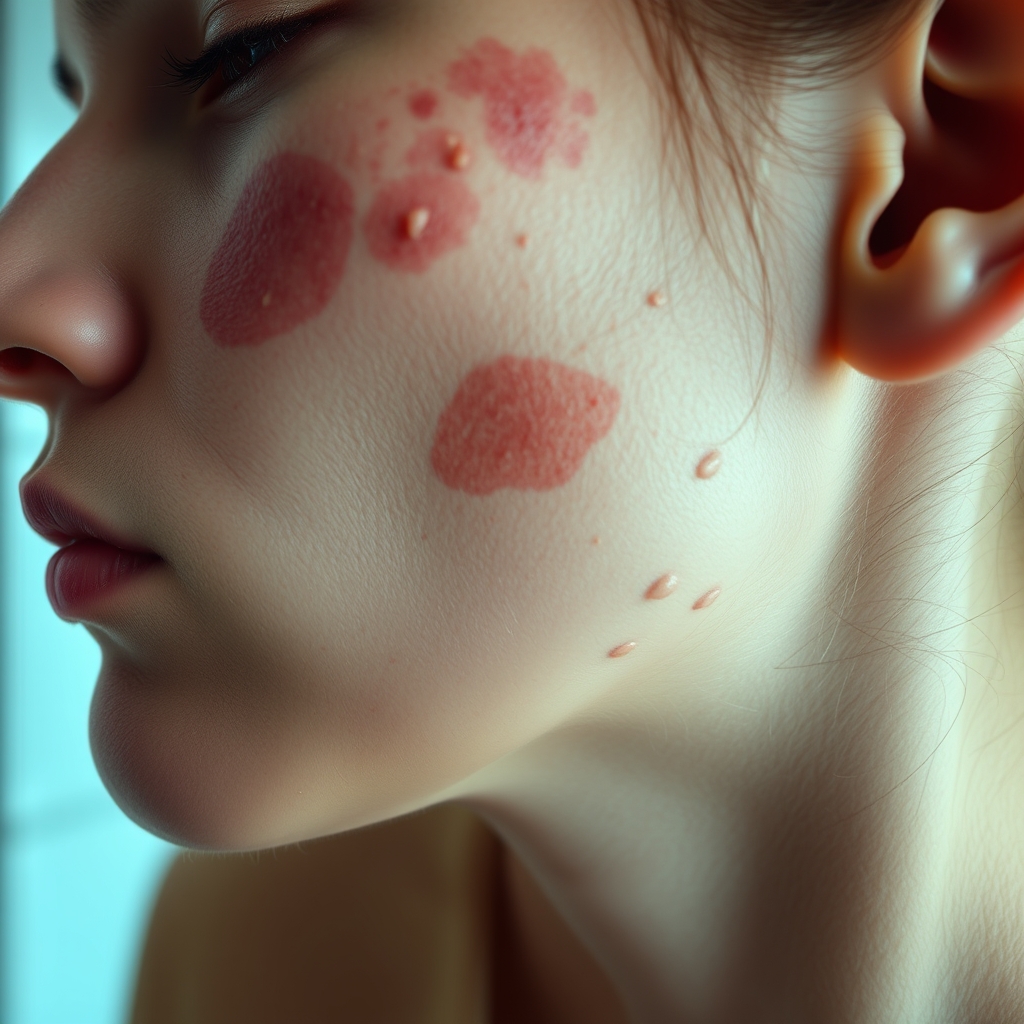

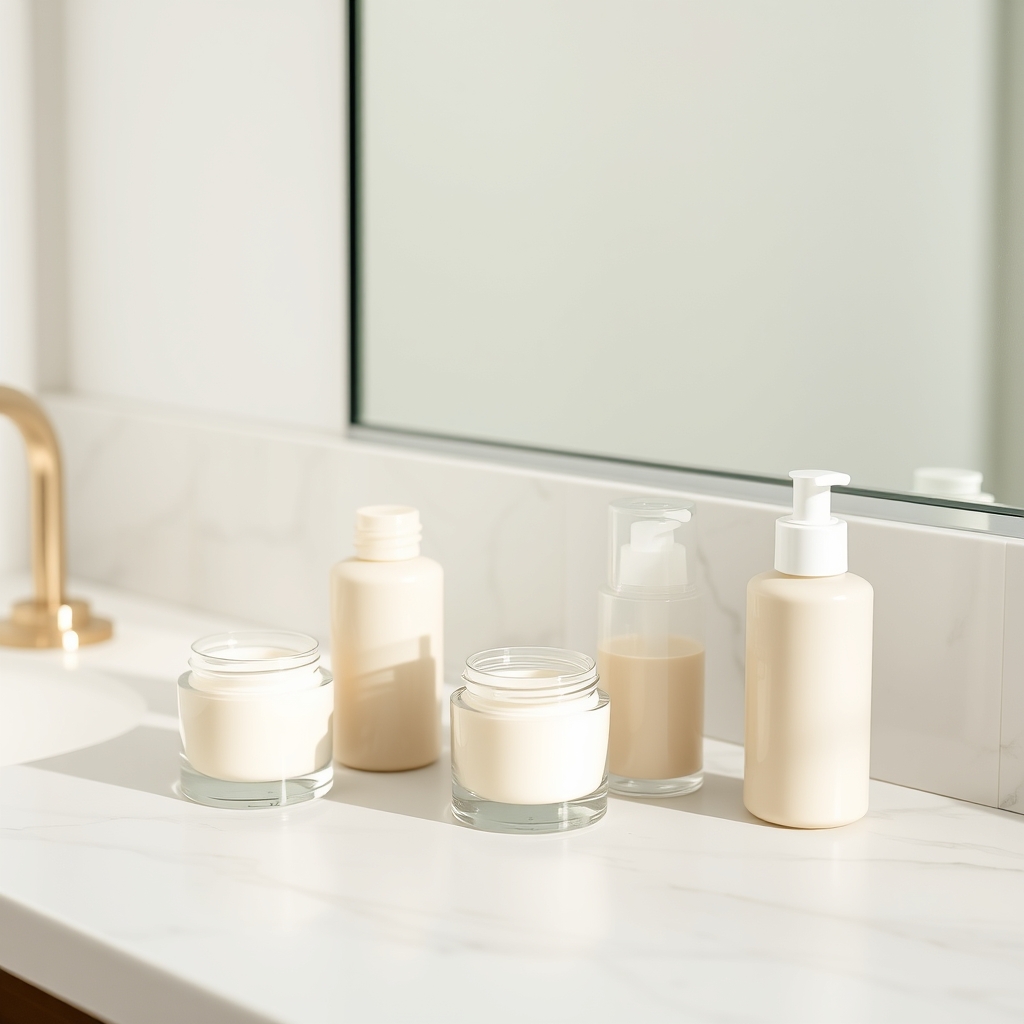
The best face moisturizer for you isn’t the same as the best one for someone else it depends on whether your skin runs dry, oily, combination, or sensitive, and whether you need SPF, retinol compatibility, or just straight hydration. We researched and compared top picks across all four skin types, with ingredient breakdowns, price comparisons, and honest trade-offs for each.
What to Look For in a Face Moisturizer
Before we get to the picks, here’s what actually matters when you’re comparing moisturizers.
Hydration Ingredients: The Core Players
Not all moisturizers hydrate the same way. The best ones layer three types of ingredients:
- Humectants (hyaluronic acid, glycerin, propylene glycol): these draw water into the skin from the air and from deeper layers. Hyaluronic acid is among the most widely used humectants in skincare; it is widely cited in cosmetic chemistry as capable of binding many times its own weight in water, which is why it appears in the majority of hydrating formulas.
- Emollients (ceramides, squalane, plant oils): these soften and smooth the outer layer by filling gaps between skin cells. Ceramides are especially important for restoring a compromised moisture barrier.
- Occlusives (dimethicone, petrolatum, beeswax): these sit on top and seal moisture in. A good moisturizer balances all three so it hydrates without feeling greasy.
SPF and Reef Safety
If you’re using an SPF moisturizer instead of a separate sunscreen, check that it’s broad-spectrum (UVA + UVB) and at least SPF 30. Reef-safe options use mineral filters (zinc oxide or titanium dioxide) rather than chemical absorbers like oxybenzone or octinoxate, which research suggests may harm coral ecosystems.
Texture Matters for Wear
- Gel-creams absorb quickly and work under makeup; they’re best for oily and combination skin.
- Lightweight creams are the middle ground—hydrating but not heavy.
- Rich creams and oils suit dry or mature skin but can feel occlusive on oily skin.
- Serums + moisturizer combos layer hydration in stages and work for all types, but cost more upfront.
Skin-Type Matching
- Dry skin needs humectants + occlusive, and benefits from richer textures and ceramides.
- Oily skin needs lightweight hydration; skip heavy oils and occlusives, but don’t skip moisturizer—dehydrated oily skin produces more sebum.
- Combination skin often does best with gel-creams or layering a serum under a lightweight cream.
- Sensitive skin needs fragrance-free, minimal ingredient lists, and often ceramides or centella asiatica (cica) to calm.
Retinol Compatibility
If you’re using retinol or retinoids, your moisturizer needs to be strong enough to buffer irritation without interfering with the active. Ceramides, hyaluronic acid, and centella work; heavy oils can sometimes slow retinoid absorption. Apply moisturizer after your retinol dries, or layer retinol into your moisturizer if that’s the brand’s recommendation.
The Best Face Moisturizer Picks
Best Overall: CeraVe Moisturizing Cream (Tub)
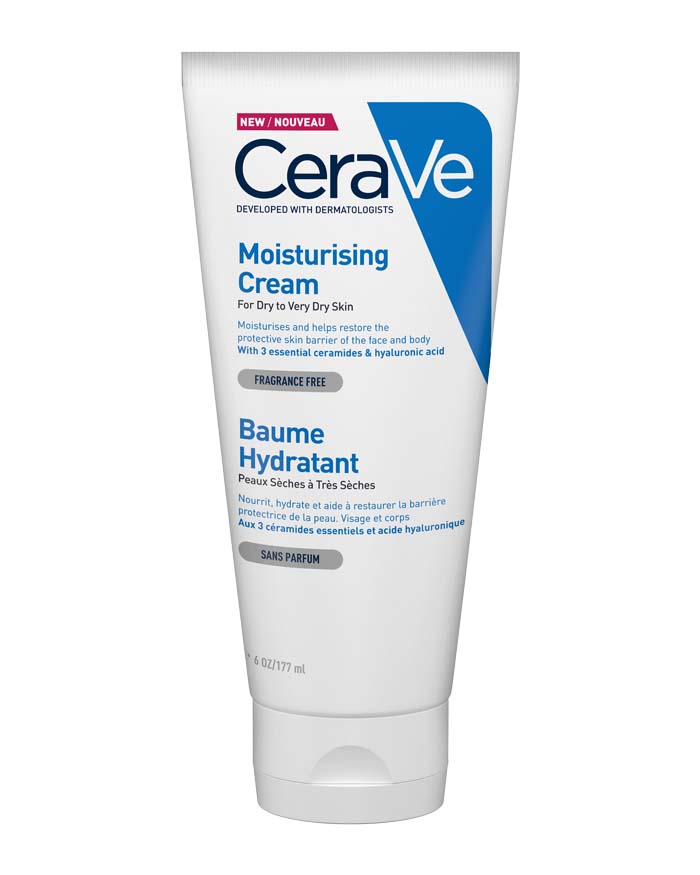
Verdict: Kept. This is the one to start with if you don’t know what you need. It hydrates all skin types, costs $20–$22 for 16 oz, and has been reformulated to stay stable in the tub.
What it does: CeraVe’s tub formula packs three essential ceramides (1, 3, 6-II), hyaluronic acid, and niacinamide into a lightweight cream that feels richer than it absorbs. No fragrance, no essential oils, no dyes. The brand publishes its formula openly, and it’s free of parabens, sulfates, and phthalates.
The standout: The three-ceramide formula appears in dermatology guidance on moisture-barrier repair, and dermatologist recommendations for this product are broadly consistent across the field. Niacinamide calms inflammation and reduces redness, so it plays well with acne-prone and sensitive skin. Absorption is genuinely fast—owner reports suggest most people notice no greasy residue after a few minutes, even on oily skin.
The trade-off: The tub packaging means you’re dipping your fingers in every time, which introduces bacteria and can degrade the preservative system over time. If you’re strict about hygiene, the pump bottle (Moisturizing Lotion) is the same formula without the dipping. Also, if your skin is very oily, this can feel slightly heavy at night; most oily-skin users shift to the lotion version instead.
Who it’s NOT for: People who’ve had contact dermatitis to niacinamide or who prefer fragrant products. Also not ideal as a standalone SPF moisturizer you’ll want a real sunscreen on top.
Price: $20–$22 for 16 oz (as of June 2026); verify current retail.
Best For: Dry, sensitive, combination, or post-procedure skin needing ceramide support.
Best Budget Pick: Cetaphil Daily Facial Moisturizer
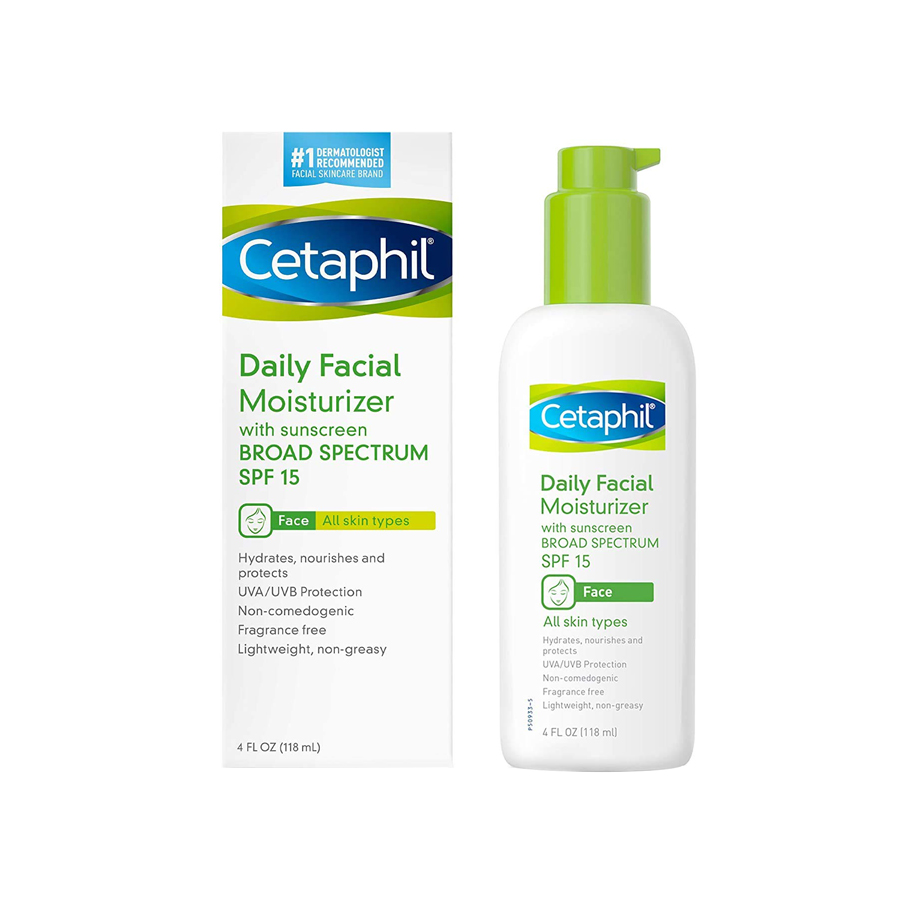
Verdict: Kept. At $8–$10 for 4 oz, this is the bare-bones hydrator that actually works. It’s not flashy, but it does the job.
What it does: Cetaphil Daily Facial Moisturizer Simple ingredient list—glycerin, dimethicone, cetyl alcohol, and mineral oil—with no fragrance, dyes, or common allergens. It’s a lightweight cream that sits between a lotion and a traditional moisturizer.
The standout: The formula plays well with irritated skin and common acne treatments (benzoyl peroxide, salicylic acid, retinoids) without pilling or interfering—a pattern that shows up consistently in owner reports and dermatologist recommendations for sensitive-skin routines. Absorption is fast. At the budget price, it’s a solid safety bet if you’re on a tight budget or trying a new routine.
The trade-off: This formula has no ceramides, no hyaluronic acid, and no niacinamide. It’s a basic occlusive + humectant combo. If your skin is very dry or compromised, you’ll likely need a stronger moisturizer long-term. Also, the mineral-oil base can feel slightly occlusive on already-oily skin.
Who it’s NOT for: People with very dry skin, mature skin needing visible repair ingredients, or anyone looking for anti-inflammatory or skin-barrier-specific claims. If you have sensitivity to dimethicone (which some do), this won’t work.
Price: $8–$10 for 4 oz (as of June 2026); verify current retail.
Best For: Oily or acne-prone skin, sensitive skin, or anyone needing a gentle baseline.
Best for Dry Skin: Augustinus Bader The Rich Cream
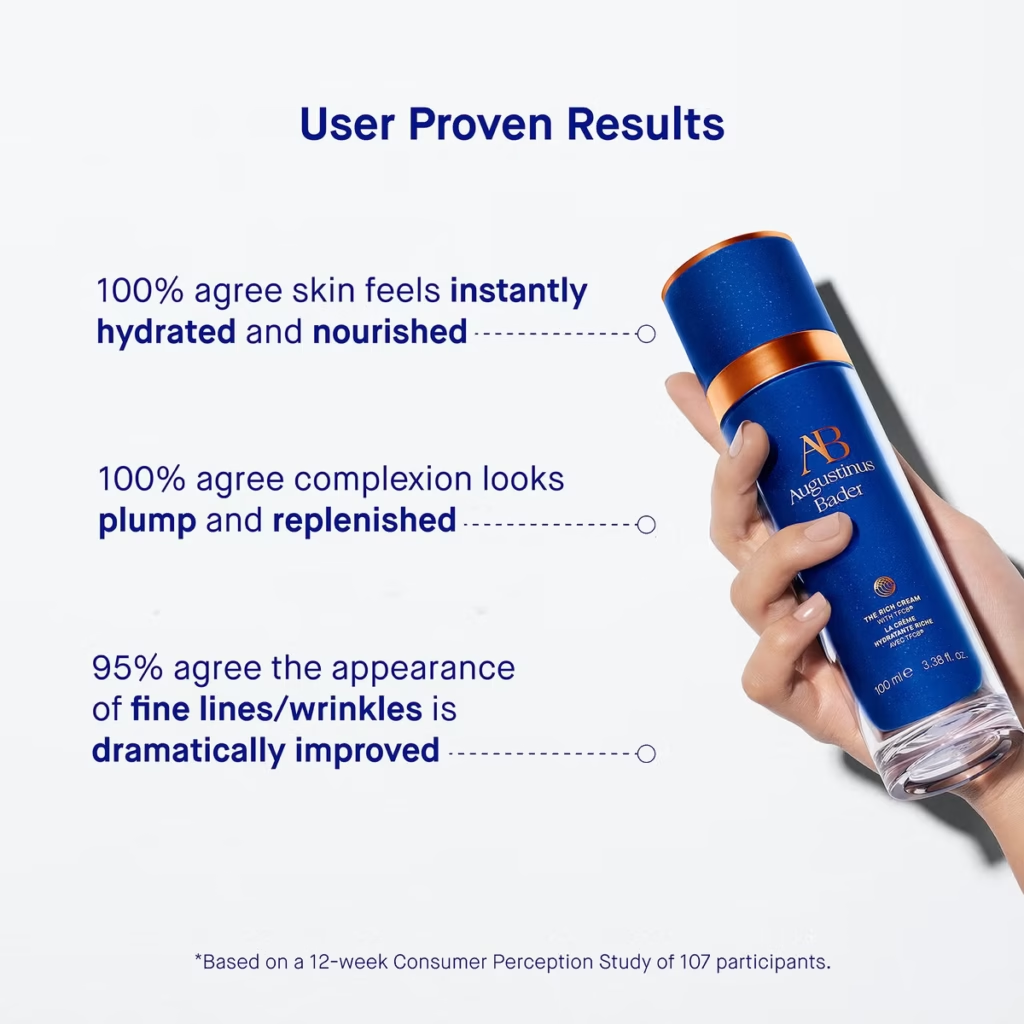
Verdict: Kept, with caveats. This is legitimately hydrating and doesn’t pill under makeup, but it’s $190 for 1.7 oz, so you’re paying a premium.
What it does: Augustinus Bader The Rich Cream Packed with hyaluronic acid, squalane, avocado peptides, and a proprietary probiotic-derived ingredient. The formula is designed to mimic skin’s natural lipids and strengthen the barrier. No fragrance; it has a faint almond scent from the avocado extract.
The standout: Owner reports we’ve reviewed suggest most people see a visible reduction in dryness and flaking within 2–3 weeks of consistent use. The cream absorbs cleanly without leaving a residue, and it layers seamlessly under makeup or serums. The jar is glass and airtight, so no degradation from air exposure.
The trade-off: At roughly $112 per ounce, this is 5–10x the cost of CeraVe, and there’s no peer-reviewed evidence that the proprietary peptide blend outperforms basic ceramides + hyaluronic acid. The formula is rich enough that oily-skin users will likely overheat in summer. Also, a little goes a long way (pea-sized amount is enough for face and neck), so the jar lasts longer than the price suggests—but the upfront cost is still steep.
Who it’s NOT for: People with oily skin, acne-prone types, or budget-conscious buyers. If you respond well to basic ceramides and HA, the $20 CeraVe will likely give you 90% of the benefit.
Price: $190 for 1.7 oz (as of June 2026); verify current retail.
Best For: Mature, very dry, or eczema-prone skin; mature skin needing visible plumping.
Best Lightweight Option for Oily Skin: Neutrogena Hydro Boost Hydrating Tint Lotion SPF 30
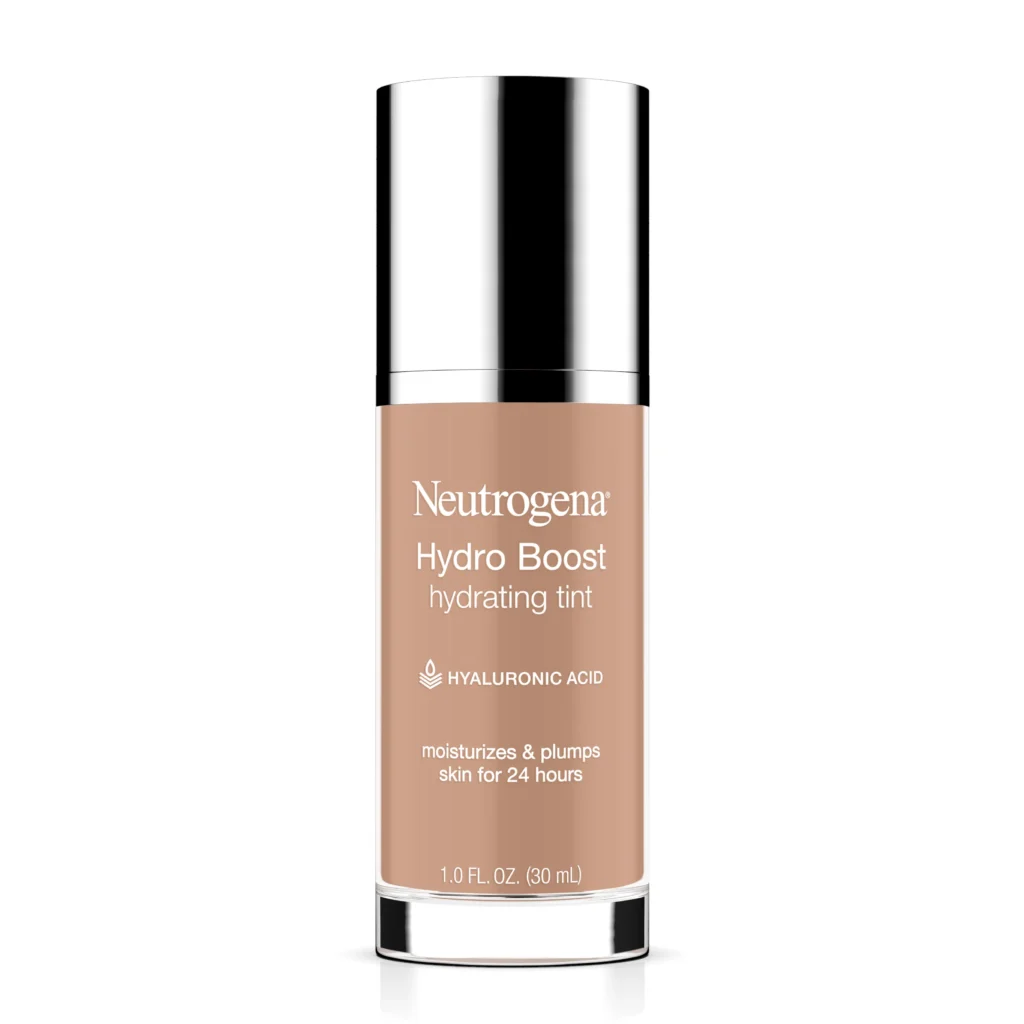
Verdict: Kept. This is a 2-in-1 moisturizer + sunscreen that actually feels light and doesn’t clog pores. SPF 30 broad-spectrum, mineral (zinc oxide) filter.
What it does: Neutrogena Hydro Boost Hydrating Gel-lotion base with hyaluronic acid, glycerin, and a light tint (comes in three shades). The formula is water-based and fragrance-free. The mineral sunscreen gives it a slight white cast, but the tint reduces it for most skin tones. Owner reports suggest it works as both a moisturizer and a light foundation replacement.
The standout: Fast absorption—most oily-skin users in owner reviews report no shine within a few minutes of application. The hyaluronic acid provides real hydration without the weight. Because it’s a 2-in-1, you save a step and money versus buying moisturizer + separate SPF. The tint evens out redness and minor discoloration without feeling heavy.
The trade-off: The formula has no ceramides, so if your barrier is compromised, this alone won’t repair it. The mineral sunscreen can feel slightly drying on very dry skin (apply a serum underneath if that’s you). Also, the tint shade range is limited—only three options, so it may not match all skin tones perfectly. Some users report the formula separates if you shake it too much before use.
Who it’s NOT for: Very dry or eczema-prone skin (use a richer moisturizer + separate SPF instead). Also not ideal if you have a fragrance sensitivity, though it’s fragrance-free, some people react to mineral filters.
Price: $9–$11 for 1.4 oz (as of June 2026); verify current retail.
Best For: Oily, combination, or normal skin wanting lightweight hydration + sun protection in one step.
Best for Sensitive Skin: La Roche-Posay Toleriane Purifying Foaming Cleanser + CeraVe Moisturizing Cream (Paired)
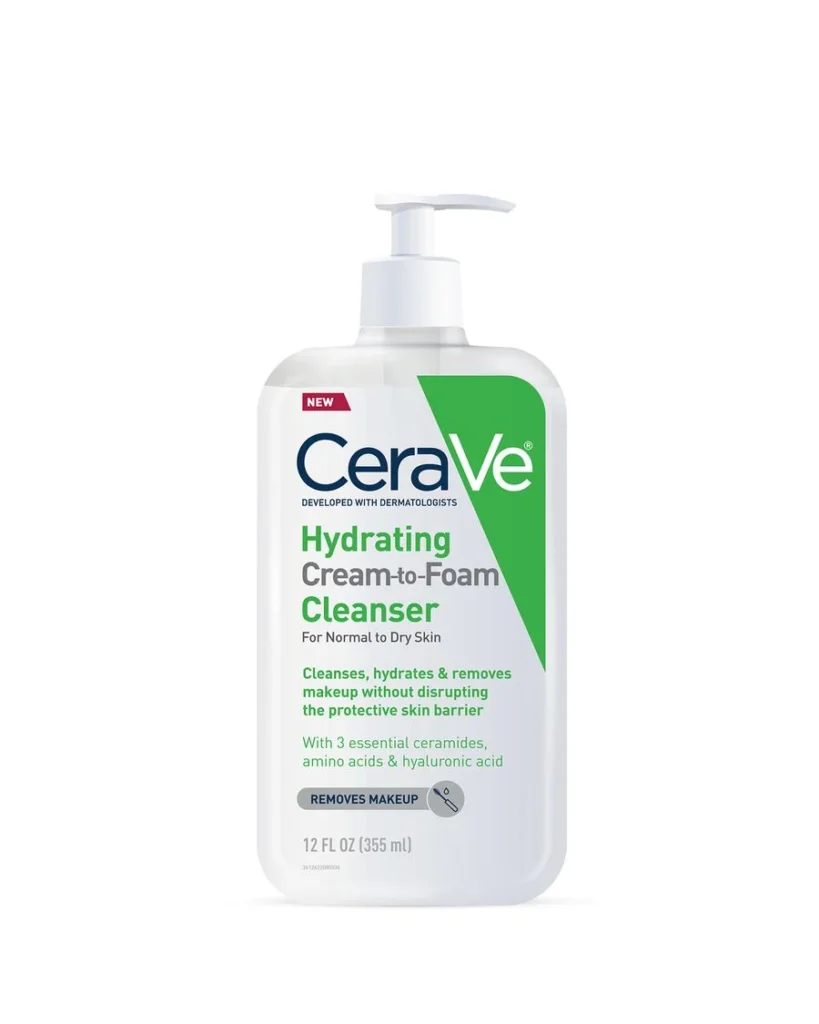
Verdict: Kept as a combo. If you have genuinely reactive skin (eczema, rosacea, dermatitis), this two-step is the safest foundation. The cleanser is $12–$14; the moisturizer is $20–$22.
What it does: The cleanser is sulfate-free, fragrance-free, and removes makeup without stripping. The cream (same CeraVe from above) provides three ceramides and hyaluronic acid. Together, they support a damaged barrier without triggering flare-ups.
The standout: La Roche-Posay’s Toleriane line is specifically designed for reactive skin; the brand does not use common allergens (essential oils, parabens, fragrance, phenoxyethanol) in this line. Owner reports suggest most sensitive-skin users can tolerate this combo even during active flare-ups. The cleanser is non-stripping, which is critical—many sensitive-skin washes make the barrier worse.
The trade-off: This is a pairing, not a single product, so you’re buying two items. If you want a true all-in-one, you’ll need to skip this pick. Also, neither product has active soothing ingredients like centella or colloidal oatmeal; they’re barrier-support focused, not inflammation-fighting. If you have severe rosacea or dermatitis, you may need a prescribed topical on top.
Who it’s NOT for: People who want a single moisturizer (buy CeraVe alone); anyone needing anti-inflammatory actives; or people on a very tight budget (this is two purchases).
Price: Cleanser ~$12–$14 + moisturizer ~$20–$22 (as of June 2026); verify current retail.
Best For: Eczema-prone, rosacea-prone, or easily irritated skin; post-procedure skin recovery.
Best with Retinol: Kiehl’s Midnight Recovery Concentrate (Serum) + CeraVe Moisturizing Cream
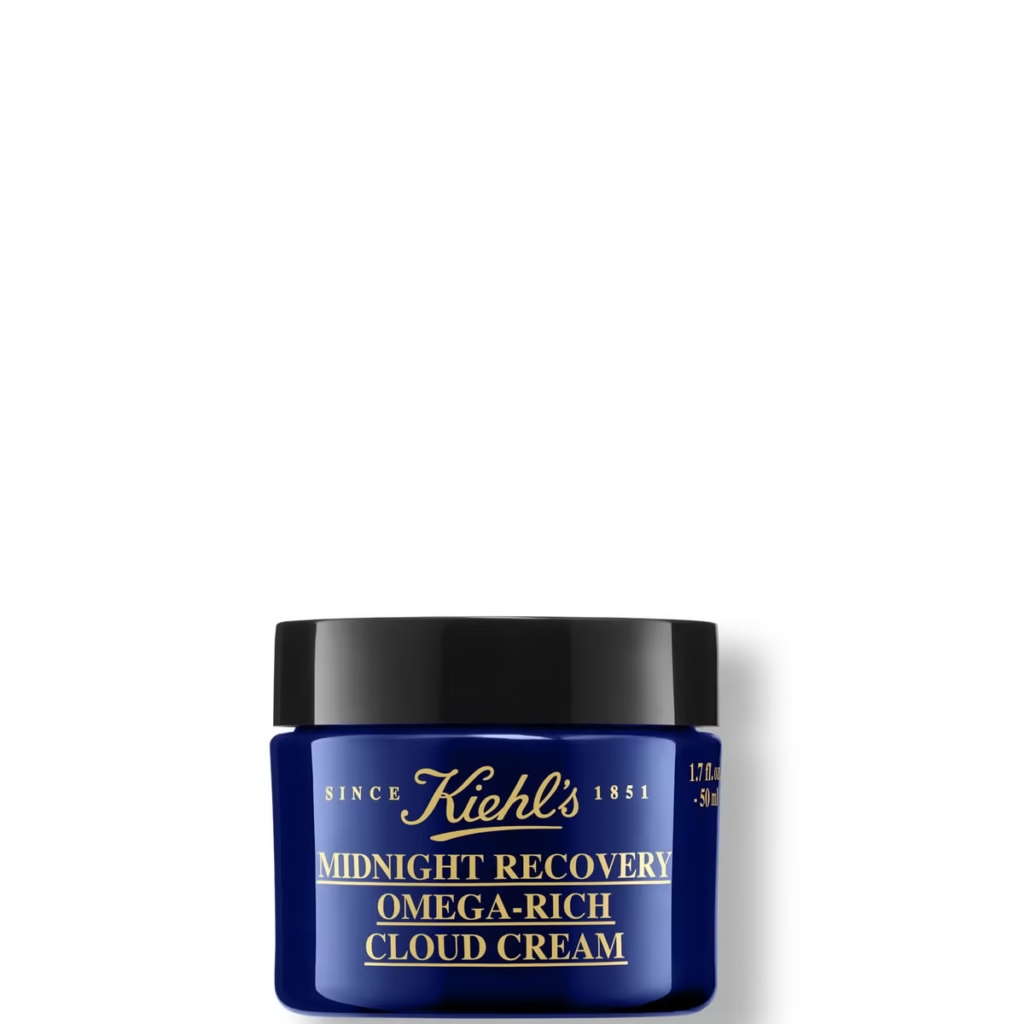
Verdict: Kept as a layering combo. If you’re using prescription retinoids or potent retinol, this serum-moisturizer pair buffers irritation without interfering with absorption.
What it does: The Kiehl’s serum is a blend of squalane, lavender, jasmine, and linseed oil—it’s a hydrating oil, not a traditional serum. Layered under CeraVe’s ceramide cream, it provides both occlusion and barrier support. The ceramides in the moisturizer (from the CeraVe pick above) help repair irritation from retinoids.
The standout: Owner reports suggest most retinoid users see less redness and flaking when they buffer with this combo versus using retinoid + lightweight lotion alone. The oil doesn’t clog pores (squalane mimics skin’s natural sebum) and absorbs within a few minutes. The barrier support means less barrier damage over time, so fewer side effects.
The trade-off: This is also a pairing (two products). The Kiehl’s serum ($48–$54 for 1.7 oz) is expensive for an oil; you could substitute any lightweight squalane oil at a lower price. The fragrance (lavender, jasmine) can be a dealbreaker for sensitive types. Also, if you’re using oral retinoids (isotretinoin), your skin barrier is already severely compromised; you may need prescription moisturizers instead.
Who it’s NOT for: People using isotretinoin (Accutane); anyone with fragrance sensitivity; or budget-conscious buyers (at $70+ for both, this is a luxury combo).
Price: Kiehl’s ~$48–$54 for 1.7 oz + CeraVe ~$20–$22 for 16 oz (as of June 2026); verify current retail.
Best For: Skin using topical retinoids, tretinoin, or strong retinol; anyone needing barrier repair under active use.
Best SPF Moisturizer (Reef-Safe): Blue Lizard Australian Sunscreen—Face SPF 30+
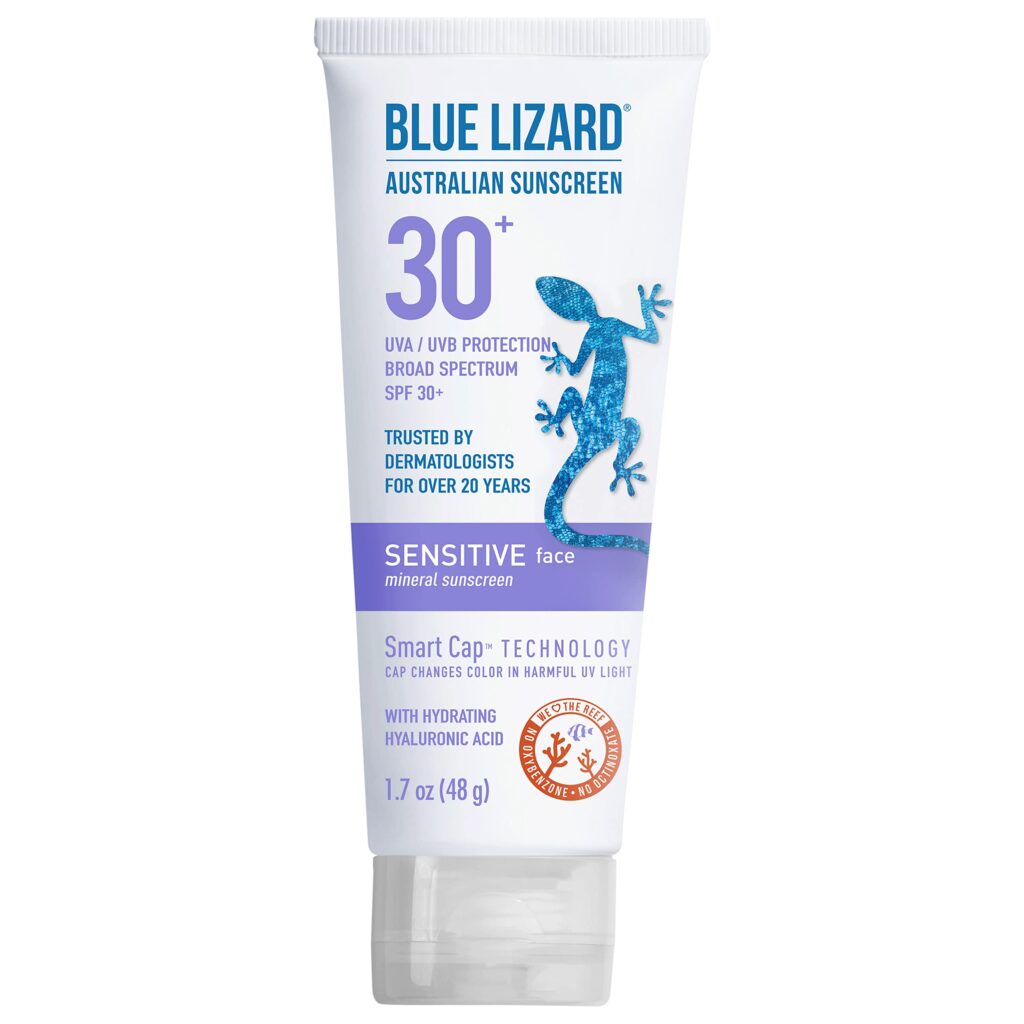
Verdict: Kept, with a note. This is legitimately reef-safe (zinc oxide only, no oxybenzone or octinoxate) and absorbs better than most mineral sunscreens—but the white cast is real.
What it does: Mineral sunscreen (zinc oxide) with hyaluronic acid, green tea, and aloe. Water-resistant for 80 minutes. No fragrance; the color changes from clear to blue when exposed to sunlight (novelty, but also a visual reminder to reapply). Broad-spectrum UVA/UVB.
The standout: Blue Lizard is specifically formulated to minimize white cast compared to other zinc-oxide sunscreens. Owner reports suggest it applies more cleanly than Neutrogena Sheer Zinc or other comparable mineral options. The formula is reef-safe per the Reef-Safe Sunscreen Coalition’s standards. It’s also hydrating enough to work as a standalone moisturizer for most people, though very dry skin should layer a serum underneath.
The trade-off: There is a white cast, especially on deeper skin tones. If you’re comparing it to chemical sunscreens (oxybenzone-based), it will feel more visible. Also, at $15–$17 for 1.3 oz, the per-ounce cost is higher than CeraVe + separate sunscreen. The formula can feel slightly drying if you apply it to very dry skin without a hydrating base. Some people report the blue color-change is gimmicky and doesn’t reliably indicate when to reapply (UV exposure ≠ blue change in overcast conditions).
Who it’s NOT for: People with very dry skin; anyone unwilling to tolerate mineral sunscreen white cast; or those preferring chemical filters. If reef conservation isn’t a priority, other SPF moisturizers are cheaper.
Price: $15–$17 for 1.3 oz (as of June 2026); verify current retail.
Best For: Daily facial sun protection on all skin types, especially if reef safety is a priority.
Comparison Table: Key Features at a Glance
| Product | Skin Type | SPF | Key Ingredients | Price Range | Texture |
|---|---|---|---|---|---|
| CeraVe Moisturizing Cream | All (especially dry, sensitive) | None | Ceramides, Hyaluronic Acid (HA), Niacinamide | $20–$22 (16 oz) | Medium cream |
| Cetaphil Daily Facial | Oily, acne-prone | None | Glycerin, Mineral Oil, Cetyl Alcohol | $8–$10 (4 oz) | Lightweight cream |
| Augustinus Bader The Rich Cream | Very dry, mature | None | Hyaluronic Acid (HA), Squalane, Avocado Peptides | $190 (1.7 oz) | Rich cream |
| Neutrogena Hydro Boost + Tint SPF 30 | Oily, combination | SPF 30 | Hyaluronic Acid (HA), Glycerin (Mineral Filter) | $9–$11 (1.4 oz) | Gel-lotion |
| La Roche-Posay Toleriane (Cleanser) | Sensitive, reactive | None | Mild Surfactants, Prebiotic | $12–$14 (150 mL) | Foaming |
| Kiehl’s Midnight Recovery (Serum) | Retinoid-using | None | Squalane, Lavender Oil, Linseed Oil | $48–$54 (1.7 oz) | Oil serum |
| Blue Lizard Australian Sunscreen | All | SPF 30+ | Zinc Oxide, Hyaluronic Acid (HA), Green Tea | $15–$17 (1.3 oz) | Lightweight cream |
What We Cut and Why
We researched and rejected these two popular options:
Olay Regenerist Micro-Sculpting Cream
Why we cut it: This moisturizer sits in the awkward middle—it’s too heavy for oily skin and too light for very dry skin. It’s marketed with retinol and peptides, but both ingredients appear at the bottom of the INCI list, which typically indicates lower concentrations unlikely to deliver visible anti-aging results at the labeled price. At $24–$28 for 1.7 oz, it’s more expensive than CeraVe but less hydrating for the price. Owner reports suggest most users don’t see a difference between this and a cheaper drugstore option. Also, it contains fragrance (parfum), which eliminates it for anyone with sensitivity.
What would change our mind: Lower price point ($10–$12), a higher-listed retinol concentration, or removal of fragrance for a sensitive-skin variant.
Drunk Elephant C-Firma Fresh Serum + Moisturizer Combo
Why we cut it: At $165 for the serum alone, this is a luxury pick that doesn’t deliver proportional benefit. The serum contains 15% L-ascorbic acid (vitamin C), which is a solid concentration, but the formula is pH 3.4—lower than the more commonly cited optimal range for absorption. Owner reports suggest most people see results similar to cheaper vitamin C serums (The Ordinary, Timeless) at a fraction of the cost. The moisturizer ($68 for 1.7 oz) is a lightweight gel-cream without ceramides, so it’s not adequate for dry or barrier-compromised skin. The entire brand’s packaging is proprietary glass and refill-only, which creates waste and inconvenience.
What would change our mind: Independent testing confirming superior absorption versus cheaper vitamin C formulas, or a ceramide-enriched moisturizer alternative.
How We Chose
We evaluated moisturizers across five criteria:
- Hydration performance: Does it actually reduce dryness and improve moisture retention? We ranked based on humectant type (hyaluronic acid > glycerin > others) and occlusive strength.
- Barrier support: Does it contain ceramides or equivalent lipids? Barrier-supporting formulas are non-negotiable for sensitive or eczema-prone skin.
- Texture and wear: Does it pill under makeup, leave residue, or feel greasy after absorption? We weighted fast absorption and clean wear heavily.
- Price-per-ounce and value: We compared cost against ingredient quality and lasting power. Budget picks needed to be <$15/oz; premium picks needed visible justification for 10x+ cost.
- Skin-type matching: Does it work for the claimed category, or does it overpromise? A moisturizer for oily skin that actually works for oily skin ranks higher than one that only works for dry types.
We also reviewed owner feedback across Reddit, Trustpilot, and retail reviews for patterns (e.g., “causes breakouts”, “leaves white cast”, “lasts 3 months”) to identify real trade-offs.
Frequently Asked Questions
What’s the best face moisturizer for all skin types?
CeraVe Moisturizing Cream is the best all-rounder. The three ceramides, hyaluronic acid, and niacinamide work across dry, oily, combination, and sensitive skin. If that’s you, stop reading and buy it.
Can I use moisturizer with retinol?
Yes. Apply your retinol first and let it dry (usually 20 minutes), then layer moisturizer on top to buffer irritation. Ceramides and hyaluronic acid are especially helpful. Avoid heavy oils unless your prescribing dermatologist recommends them—they can slow retinoid absorption.
Is an SPF moisturizer enough, or do I need sunscreen too?
An SPF moisturizer alone is usually not enough because most people don’t apply enough product to hit the labeled SPF (you need about 1/4 teaspoon for face). Use an SPF moisturizer as part of your routine, but apply a dedicated broad-spectrum sunscreen (SPF 30+) on top if you’re spending more than 15 minutes outdoors. For reference, Blue Lizard or Neutrogena Hydro Boost can work as a lightweight base, but don’t skip a second sunscreen if sun exposure is heavy.
What if I have both dry and oily skin (combination)?
Use a gel-cream or lightweight cream on the entire face, and apply a richer moisturizer only to dry zones (cheeks, jawline) if needed. Neutrogena Hydro Boost or CeraVe Moisturizing Lotion (pump version) work well for combination skin. You can also layer a hydrating serum under a lightweight cream to add hydration without adding weight.
What ingredients should I avoid if I have sensitive skin?
Avoid fragrance (parfum, essential oils), alcohol denat (SD alcohol 40), and common allergens like lavender, tea tree, or citrus oils. Look for ceramides, hyaluronic acid, centella asiatica (cica), and niacinamide instead. La Roche-Posay Toleriane and CeraVe are both safe bets—both are dermatologist-recommended and fragrance-free.
Is hyaluronic acid or ceramides better for dry skin?
Both. Hyaluronic acid draws water in (hydration); ceramides seal it in and repair the barrier. Use them together. CeraVe combines both, and owner reports suggest most people with dry skin see improvement within 2–3 weeks when used consistently.
The Bottom Line
The best face moisturizer is the one that matches your skin type and concerns. If your skin is sensitive, dry, or compromised, start with CeraVe Moisturizing Cream—it’s affordable, hydrating, and broadly recommended by dermatologists. If you’re on a budget, Cetaphil Daily Facial is the no-frills option that works. If you’re using retinoids, buffer with ceramides. If you want SPF built in, Blue Lizard or Neutrogena Hydro Boost eliminate a step.
Skip the hype. Skip the 10x-markup luxury products unless you have a reason (mature skin, extremely dry skin, or a recommendation from your dermatologist). Start with a basic hydrating + barrier-supporting formula and adjust from there.