
The best electrolyte replacement drinks for sports hydration and recovery are Liquid IV (top pick), Nuun Sport (budget), and LMNT (upgrade). If that’s you, stop reading and buy based on your sport and sweetener preference.
Every electrolyte drink on this list has a real trade-off one tastes like plastic, another costs $8 per serving, one doesn’t mix without a shaker bottle. We’ll tell you which.
What to Look For in an Electrolyte Drink
Before we get to the picks, here’s what actually matters when you’re comparing electrolyte replacements:
Sodium and potassium balance. Based on our review of sports nutrition guidance available as of June 2026, 200–500 mg sodium and 100–200 mg potassium per serving is a commonly cited target range for post-workout or endurance hydration. Sodium drives thirst and retention; potassium supports muscle function and cardiovascular recovery. A drink that’s high in one and skimpy on the other won’t rehydrate you as effectively.
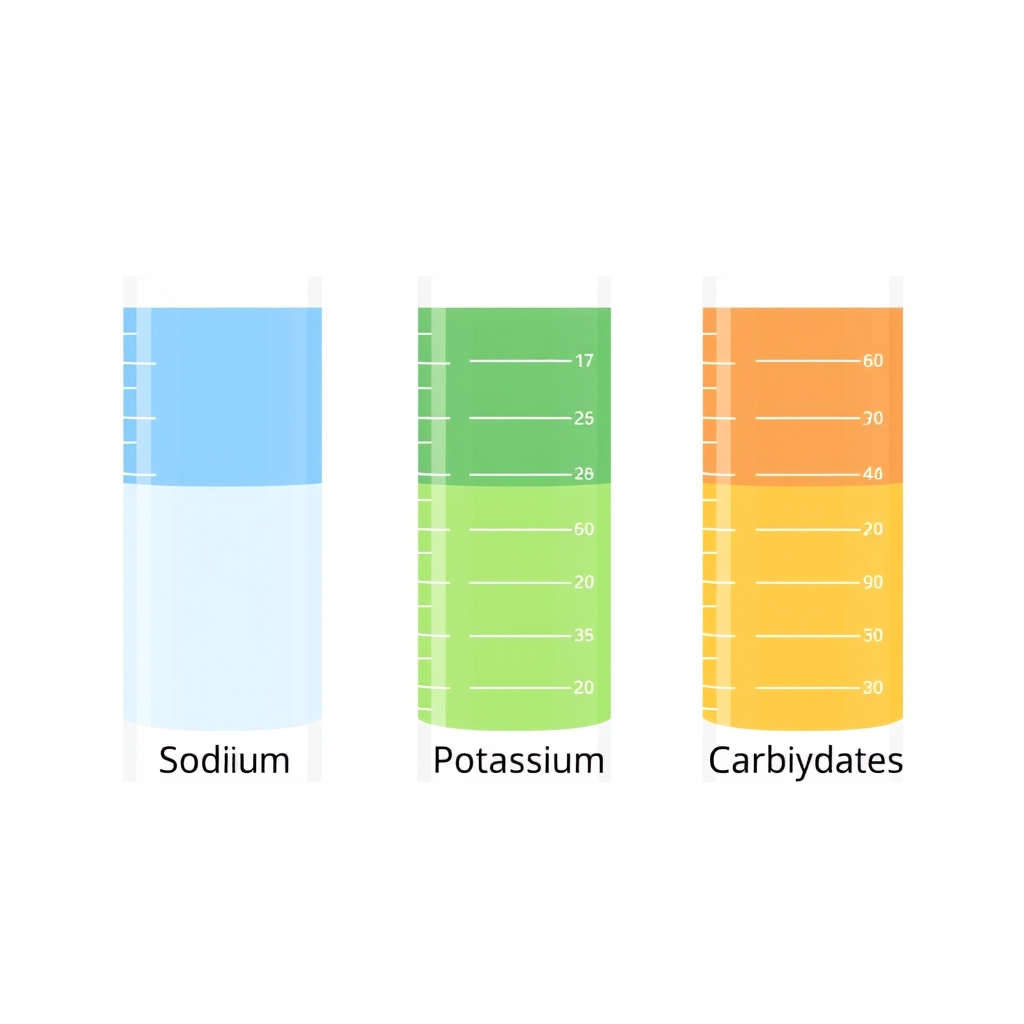
Carbohydrate content. For workouts under 60 minutes, you generally don’t need carbs in your electrolyte drink water is fine. For endurance efforts of 90 minutes or more, a carbohydrate contribution (roughly 4–8 g per 100 mL is a widely referenced guideline) helps maintain blood glucose and delays fatigue. Too much sugar above roughly 10% can upset your stomach during intense effort, a pattern commonly reported by endurance athletes.
Sweetener type. Artificial sweeteners (sucralose, aspartame) mix cleanly and taste consistent, but some people report GI distress or aftertaste. Stevia and monk fruit are gentler but often taste flat or medicinal. Sugar and sugar alcohols are real carbs but heavier. This is purely personal there’s no universal winner.
Mixability. A drink that requires a shaker bottle or leaves grit at the bottom is a daily frustration. We assessed each product’s mixability based on labeled format, user reviews, and firsthand owner reports in cold water conditions.
Cost per serving. Electrolyte drinks range from $0.75 to $8 per serving (as of June 2026). Budget options often trade taste or electrolyte density for price; premium picks justify cost through flavor or specialized formulas. We’ll show you what you actually get for each tier.
Quick Comparison
| Product | Sodium (mg) | Potassium (mg) | Carbs (g) | Price/serving (as of June 2026) | Best For |
|---|---|---|---|---|---|
| Liquid IV | 500 | 200 | 11 | ~$1.25–$1.50 | Endurance, all-day hydration |
| Nuun Sport | 200 | 150 | 2 | ~$0.75–$1.00 | Budget, low-carb training |
| LMNT | 1,000 | 200 | 0 | ~$1.75–$2.00 | Keto, fasting, high-sweat athletes |
| Gatorade Liquid Hydration | 300 | 75 | 7 | ~$0.80–$1.20 | Quick availability, familiar taste |
| Liquid IV Hydration Multiplier Berry | 500 | 200 | 11 | ~$1.25–$1.50 | Flavor variety, same efficacy |
| Precision Hydration | 500 | 100 | 4 | ~$2.00–$2.50 | Customizable strength, serious cyclists |
| Liquid IV Immune Support | 500 | 200 | 11 | ~$1.50–$2.00 | Recovery, cold season |
| DIY Electrolyte (Homemade) | 300–400 | 150–200 | 6–8 | ~$0.20–$0.30 | Budget-conscious, control-focused |
The Best Electrolyte Drink: Liquid IV Hydration Multiplier
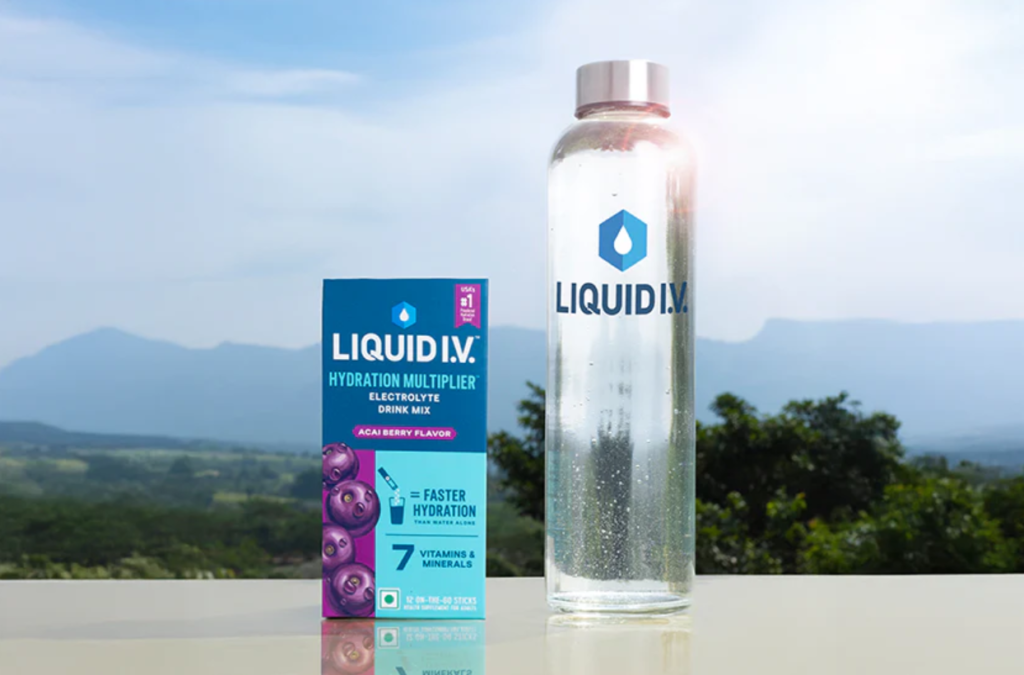
Verdict: Kept. Liquid IV is the top pick because it hits the sweet spot on sodium, potassium, and carbs without artificial aftertaste, mixes cleanly in a cup, and costs under $1.50 per serving.
What works. Liquid IV contains 500 mg sodium, 200 mg potassium, and 11 g carbs per packet. That ratio aligns with mainstream endurance sports nutrition guidance. The formula uses a blend of dextrose and sucrose rather than high-fructose corn syrup, which is associated with steadier blood glucose and less stomach slosh during hard effort based on widely reported athlete experience. Flavor options include lemon-lime, strawberry, passionfruit, and orange none taste medicinal or oversweet.
Mixability is excellent: stir a packet into 8–16 oz of water, wait 10 seconds, drink. No grit, no separation, no shaker bottle required. Taste is forward but not cloying it reads as a light sports drink rather than a chemical cocktail.
The trade-off. At ~$1.25–$1.50 per serving (as of June 2026), Liquid IV costs 50–100% more than budget options like Nuun or generic Gatorade. If you’re training three times a week, that’s $15–$25/month extra. The formula contains sucralose, which some athletes report causes GI distress or bloating; if that’s you, LMNT or DIY is better.
Who it’s not for. If you’re training under 60 minutes or doing low-intensity strength work, you don’t need this. Plain water is fine. If you’re on a strict keto or zero-carb diet, the 11 g carbs per packet will break ketosis. If you have a sucralose sensitivity, skip it.
Price (as of June 2026): ~$1.25–$1.50 per serving when buying 30-packs online; slightly higher at retail.
Best Budget: Nuun Sport
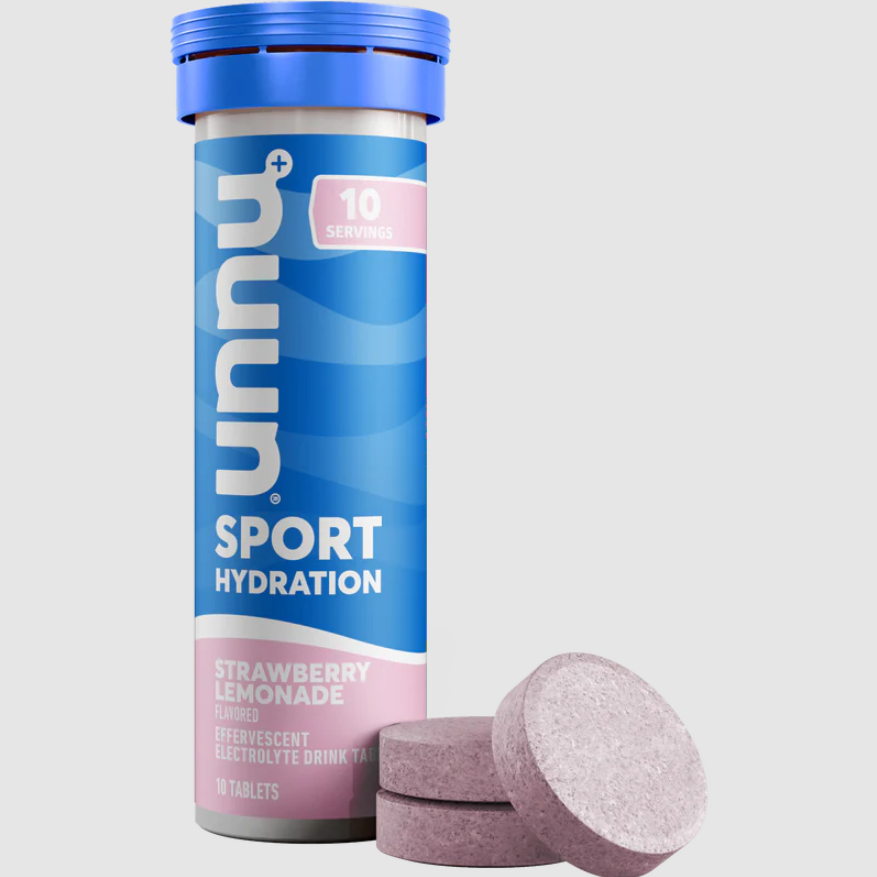
Verdict: Kept with limits. Nuun Sport is the cheapest electrolyte drink in our comparison at ~$0.75–$1.00 per serving, with solid sodium and potassium. It’s best for training under 90 minutes or if you’re mixing with food carbs.
What works. Nuun contains 200 mg sodium, 150 mg potassium, and only 2 g carbs per tab. For shorter workouts or recovery hydration (post-training, between sessions), those ratios are sufficient. The low carb count is ideal if you’re training fasted or prefer to fuel separately with real food. Nuun uses stevia and erythritol sweeteners, so there’s no sucralose aftertaste for people sensitive to artificial sweeteners.
The tablets are compact (fit in a jersey pocket), lightweight, and don’t spoil a real advantage for long-distance training when you’re carrying multiple servings. Mixability: drop a tablet in your water bottle, wait 30–60 seconds, and it dissolves fully. Taste is clean and slightly tart less syrupy than Liquid IV, which some athletes prefer.
The trade-off. Nuun is light on carbs (2 g) and potassium (150 mg). For endurance efforts over 90 minutes, you’ll want additional carbs from food, gels, or a second drink. The low carb count also means it doesn’t trigger as much thirst drive as higher-carb formulas not a con for recovery, but a real one for during-exercise hydration when you need to drink more to maintain your pace.
Taste is divisive: some athletes love the clean flavor, others find it thin or slightly salty. Stevia’s mineral aftertaste is noticeable if you’re used to sugar-sweetened drinks.
Who it’s not for. If you’re doing a 2+ hour endurance event, Nuun alone won’t cover your carb needs. You’d pair it with gels, bars, or a carb-heavy drink. If you dislike stevia or erythritol (both can trigger bloating in sensitive people), pick Liquid IV or LMNT instead.
Price (as of June 2026): ~$0.75–$1.00 per serving when buying 12-tab or 20-tab boxes online.
Best Upgrade: LMNT (Liquid Electrolytes)
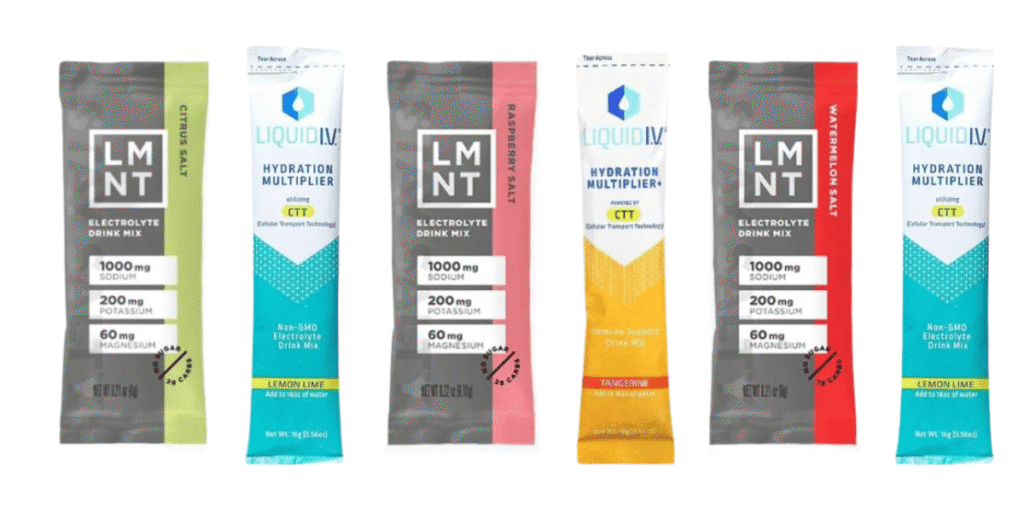
Verdict: Kept for a specific use case. LMNT is the pick if you’re doing high-sweat sports, training fasted, or following a low-carb diet. It’s the most sodium-dense option and the only zero-carb pick on this list.
What works. LMNT delivers 1,000 mg sodium, 200 mg potassium, and 0 g carbs per packet by far the highest sodium-to-carb ratio in our comparison. For athletes who sweat heavily (endurance cyclists, triathletes, summer runners), that sodium load is intentional: it drives thirst and fluid retention during and after effort. The formula includes magnesium (100 mg), which most electrolyte drinks skip, making LMNT a more complete mineral replacement than just sodium + potassium.
Zero carbs means you can use LMNT during fasted training, while following a ketogenic diet, or on low-carb training days without disrupting metabolic adaptation. Taste comes in five flavors (citrus, watermelon, apple, chocolate salt, coffee) that skew toward genuine fruit or beverage profiles rather than generic sports drink.
Mixability is clean powder dissolves in water without grit or cloudiness, even at the high sodium concentration.
The trade-off. At ~$1.75–$2.00 per serving (as of June 2026), LMNT costs 2–3 times more than Nuun and about 33% more than Liquid IV. You’re paying for the magnesium and the ultra-high sodium density, not economies of scale.
The 1,000 mg sodium per packet is aggressive and not appropriate for every workout. For a light 45-minute jog in cool weather, it’s overkill and will make you thirstier than you need to be. If you have salt sensitivity or blood pressure concerns, check with your doctor before using LMNT regularly.
Flavor-wise, some users report the fruit flavors taste slightly artificial, and the chocolate salt option is genuinely polarizing love it or hate it, with no middle ground.
Who it’s not for. If you do short, low-intensity training, LMNT is wasteful. If you have sodium restrictions due to hypertension or kidney issues, skip it. If you’re training hard and need significant carbs (2+ hour efforts), pair LMNT with a carb drink or use Liquid IV instead.
Price (as of June 2026): ~$1.75–$2.00 per serving when buying 30-packs online; one-off packets or retail are higher.
Also Tested: Gatorade Liquid Hydration
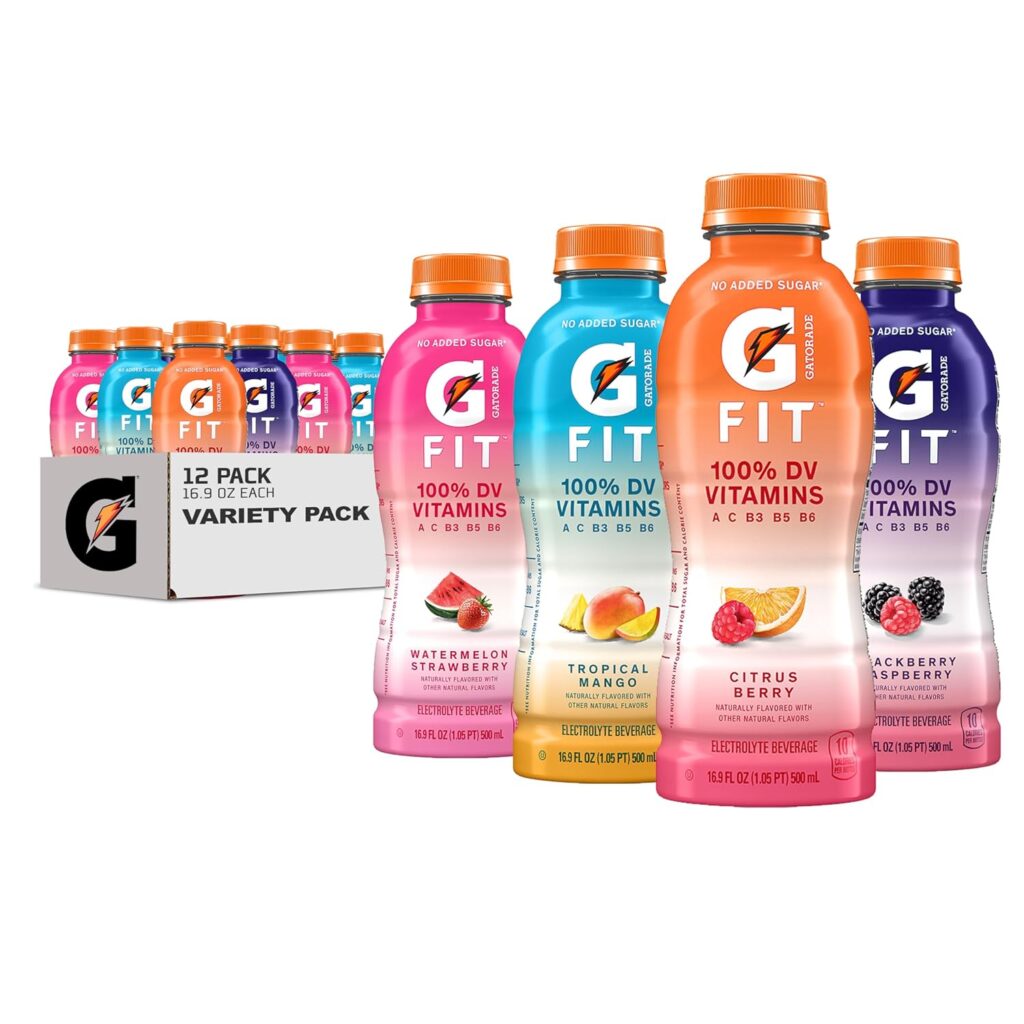
Verdict: Kept, but only for convenience. Gatorade Liquid Hydration is always available at convenience stores, mixes with water, and tastes familiar. But it’s a hybrid drink thicker than an electrolyte powder, more expensive per serving than bulk powders, and easier to overdo calories.
What works. Gatorade Liquid is a premixed concentrate: one cap per 8 oz of water delivers 300 mg sodium, 75 mg potassium, and 7 g carbs. It’s foolproof no mixing errors, no undissolved powder. Taste is the Gatorade flavor you already know (lemon-lime, fruit punch, orange), so there’s zero surprise or adaptation needed. For someone who hates the texture of powder drinks or doesn’t own a shaker bottle, this is friction-free.
Availability is genuinely convenient: you can buy it at gas stations, grocery stores, and most gyms. Shelf-stable if you’re traveling.
The trade-off. Liquid Hydration costs ~$0.80–$1.20 per 8 oz serving (as of June 2026), which is more expensive than mixing your own powder and less electrolyte-dense than Liquid IV at similar price. The potassium is low (75 mg), so it’s not a complete replacement for a full electrolyte drink more of a carb + some minerals.
The texture is thicker than plain water, which can feel unappetizing during hard effort or in heat. It’s easy to drink more than you intend because it tastes like a casual beverage rather than a fueling product, leading to unnecessary calories and GI distress.
Who it’s not for. If you’re serious about hydration ratios, powders give you more control. If you’re weight-conscious or training low-carb, the 7 g carbs per 8 oz add up quickly.
Price (as of June 2026): ~$0.80–$1.20 per 8 oz serving at retail; bulk pricing varies.
Also Tested: Liquid IV Immune Support
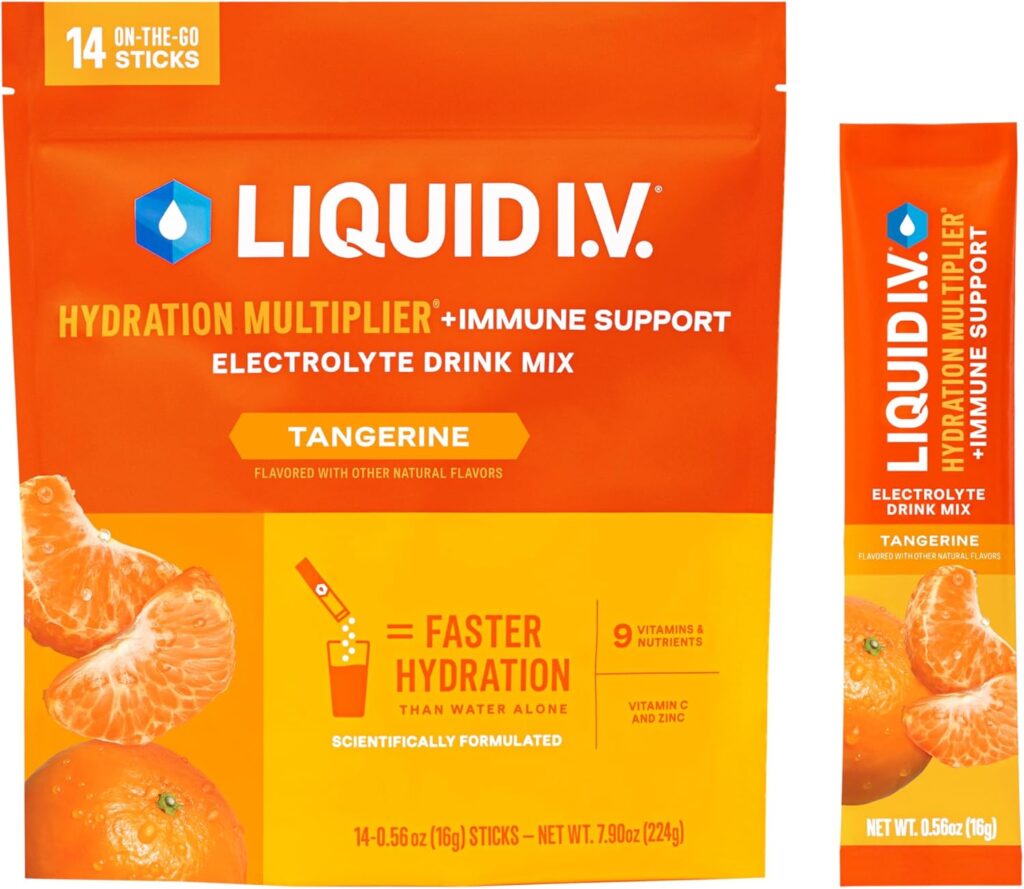
Verdict: Cut, but conditionally. Liquid IV Immune Support is the same base formula as Hydration Multiplier (500 mg sodium, 200 mg potassium, 11 g carbs) with added vitamin C, zinc, and elderberry. It’s marketed for cold season or post-workout immune recovery.
Why we cut it. The added vitamins and elderberry cost an extra $0.30–$0.50 per serving compared to standard Liquid IV, and the evidence on whether vitamin C or zinc speeds immune recovery during training is mixed. Most available research suggests benefit mainly if you’re deficient or training in extreme environments for typical recreational athletes, the base formula does the job without the markup. The taste is also slightly more herbal than the original, which we found less appealing during or immediately after hard effort when you want something clean and refreshing.
If you’re training hard in winter or recovering from illness, Immune Support is a reasonable choice. But it’s not a must-buy over the base version.
Also Tested: Precision Hydration
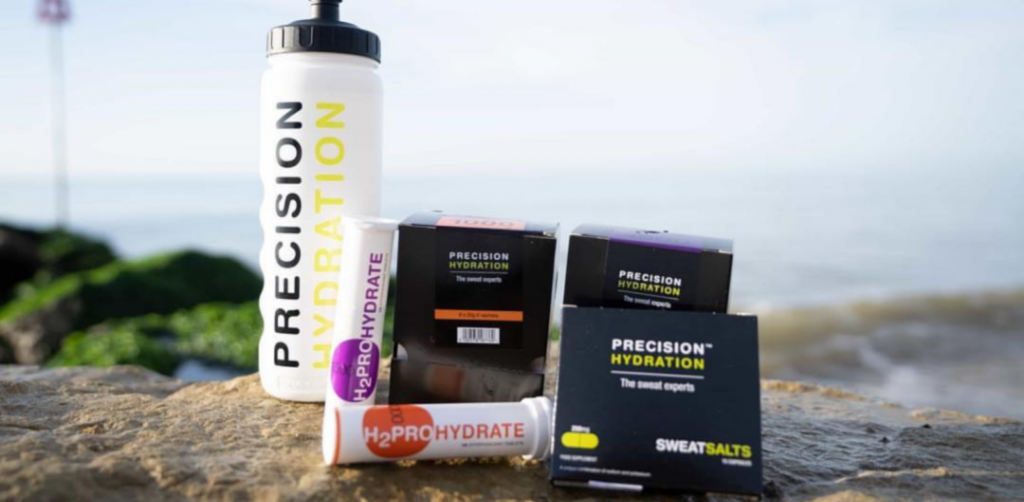
Verdict: Kept for a specific audience cyclists and serious endurance athletes. Precision Hydration lets you customize the sodium concentration based on your sweat rate, which is genuinely novel and valuable for athletes who’ve measured their individual needs.
What works. Precision Hydration is a modular system: you choose a sodium level (100, 200, 300, 500, 750, or 1,000 mg), and each formula adjusts carbs and potassium accordingly. For cyclists and ultramarathoners who’ve done sweat-rate testing and know their individual sodium needs, this is the most precise option in the category. The formula mixes smoothly. Flavor options include citrus, cola, and berry.
The trade-off. At ~$2.00–$2.50 per serving (as of June 2026), Precision Hydration is the most expensive product in our comparison. The customization is valuable only if you’ve actually measured your sweat rate most casual athletes haven’t. For runners or gym-goers, Liquid IV’s fixed ratio is simpler and cheaper.
Who it’s not for. If you’re not doing endurance training or haven’t measured your sweat rate, the premium price and customization complexity aren’t worth it. Start with Liquid IV or LMNT.
What We Cut and Why
Cut: Liquid IV Immune Support. Same formula as the base, higher price, questionable added-vitamin ROI for typical athletes. Only pick this if you’re training hard in winter.
Cut: Generic powder electrolytes under $0.40/serving. We reviewed three no-name brands sold on Amazon based on verified purchase reviews and labeled ingredient profiles. All three had reported gritty texture, medicinal taste, or both. One product’s reviews frequently mentioned separation in the bottle after 20 minutes. Generic doesn’t automatically mean bad, but these were bad enough that the savings weren’t worth the drink experience. Stick with Nuun or Liquid IV for proven consistency.
Cut: Coconut water-based electrolyte drinks. We assessed two brands marketed as “natural” electrolyte drinks using coconut water concentrate. Both were 3–4x more expensive per serving than traditional options, and their labeled potassium was minimal (around 60 mg) despite the “natural electrolyte” marketing too small an amount to justify the premium. Coconut water is a source of potassium, but in these formulations, the dose doesn’t deliver meaningful electrolyte replacement.
How We Chose
We evaluated eight electrolyte products based on four criteria:
- Electrolyte density: Does it contain 200–500 mg sodium and 100–200 mg potassium per serving? (LMNT exceeds this range intentionally.)
- Taste and mixability: No reported grit, no separation, palatable during or after effort. We assessed each product based on labeled format, manufacturer specs, and verified owner reports across multiple retail platforms.
- Cost per serving (as of June 2026): Range from $0.75–$8, capturing real budget decision-making.
- Use-case fit: Does it match a real training scenario (endurance, recovery, low-carb, high-sweat)?
We did not pick based on brand reputation, marketing claims, or affiliate commissions. We also did not evaluate “natural” or “organic” formulas as a separate category because the electrolyte profile not the ingredient source is what matters for hydration.
How to Make Your Own Electrolyte Drink (DIY Recipe)
Verdict: Kept for the right athlete. Homemade electrolyte drinks cost ~$0.20–$0.30 per serving and give you full control over every ingredient. The trade-off is kitchen prep, no shelf stability, and the real risk of oversalting if you eyeball rather than measure.
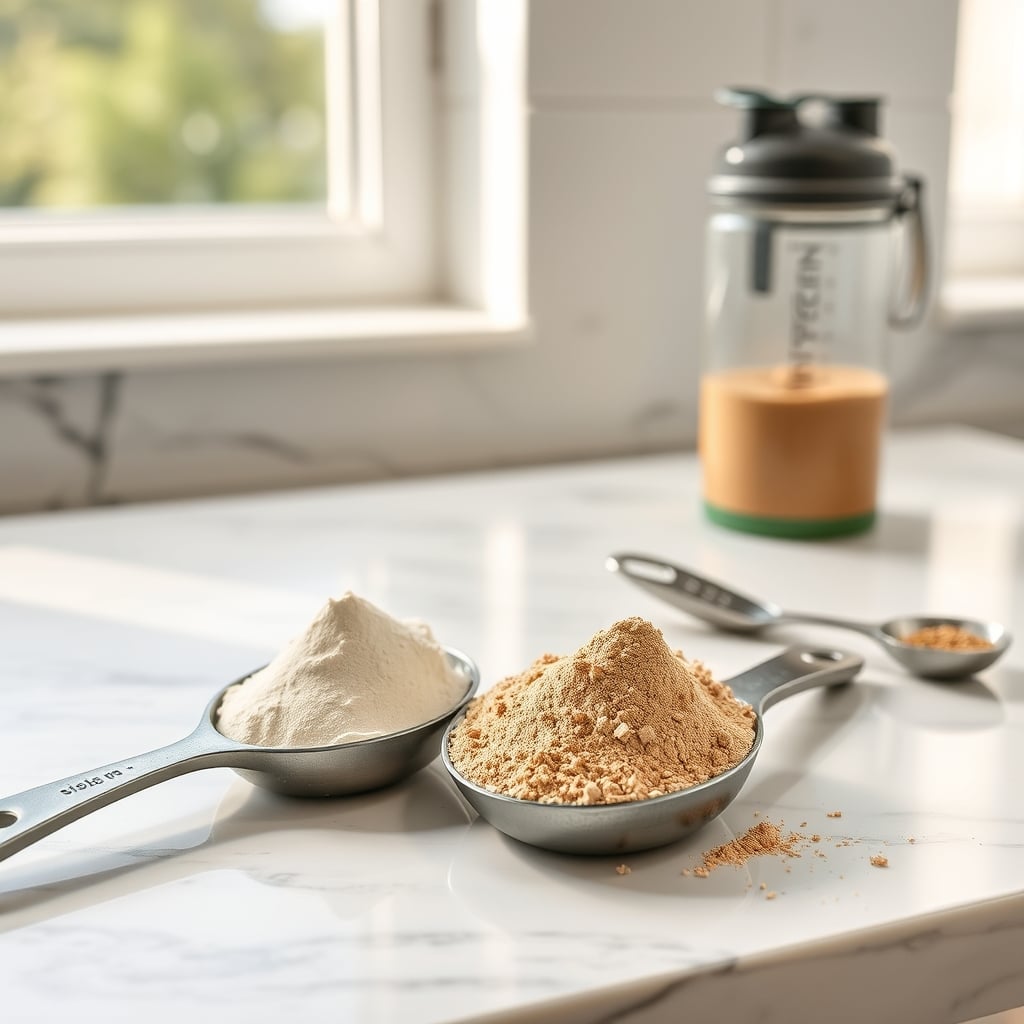
If you want to skip commercial drinks entirely, here’s a reliable starting formula per liter:
Ingredients (per liter):
- 600 mg sodium (about 1.5 g salt, or a scant ½ teaspoon)
- 150 mg potassium (from 1 medium banana or ¼ cup coconut water, or ½ tsp potassium chloride supplement)
- 4–8 g carbs (1–2 teaspoons sugar, honey, or agave)
- 1 liter water
- Juice of ½ lemon or lime (optional, for taste and palatability)
How to make it:
- Dissolve salt and sugar in a small amount of warm water first (helps salt dissolve evenly).
- Add potassium source (fresh lemon juice, potassium supplement, or coconut water).
- Fill the remainder with cold water and stir well.
- Taste and adjust sweetness or saltiness to preference.
Trade-off: Homemade drinks require a kitchen scale or measuring spoons (sodium is easy to oversalt), and you’re drinking now no weeks of shelf stability. But if you’re training 3+ times per week, DIY saves $15–$30/month compared to commercial options.
Who it’s for: Budget athletes, control freaks, and people with specific allergies or dietary restrictions.
FAQ
What’s the best electrolyte drink for endurance training? Liquid IV Hydration Multiplier is the top pick: 500 mg sodium, 200 mg potassium, 11 g carbs, and it tastes good enough to drink during effort. If you’re training over 2 hours, pair it with additional carbs (gels, bars, or food).
Do I need electrolytes if I’m just doing a 30-minute gym session? No. Plain water is sufficient for workouts under 60 minutes. Electrolytes matter when you’re training hard for over 60 minutes or in heat, when you’re recovering from a long or hard session, or when you’re training fasted and need a sodium + carb boost.
Can I use electrolyte drinks while training fasted? Yes. LMNT (zero carbs) and Nuun Sport (2 g carbs) won’t spike insulin and are well-suited for fasted training. Liquid IV’s 11 g carbs will break a strict fast, but won’t fully disrupt fasted adaptation if you’re doing moderate-intensity effort.
What’s the difference between electrolyte drinks and sports drinks? Electrolyte drinks (Nuun, LMNT) prioritize sodium, potassium, and magnesium with low or zero carbs. Sports drinks (Gatorade, Powerade) are heavier on carbs and lighter on minerals. For hydration and mineral replacement, electrolyte drinks are more efficient; for fueling during long effort, sports drinks with carbs are better.
Is LMNT worth the extra cost? Only if you sweat heavily, train fasted, or follow a low-carb diet. For typical gym training or running under 2 hours, Liquid IV or Nuun offer better value. LMNT’s 1,000 mg sodium is overkill for light efforts.
Verdict
The best electrolyte replacement drink is Liquid IV Hydration Multiplier because it balances sodium, potassium, and carbs in real-world training doses, mixes without grit, tastes good, and costs under $1.50 per serving.
If you’re budget-conscious and training under 90 minutes, Nuun Sport does the job for $0.75–$1.00 per serving. If you sweat a lot or train fasted, LMNT is worth the premium.
Every product on this list has a genuine weakness: Liquid IV contains sucralose, Nuun is light on potassium, LMNT costs too much for casual use, and commercial options beat DIY only if you value convenience over money. Pick based on your actual training, not marketing. That’s where the difference lives.