
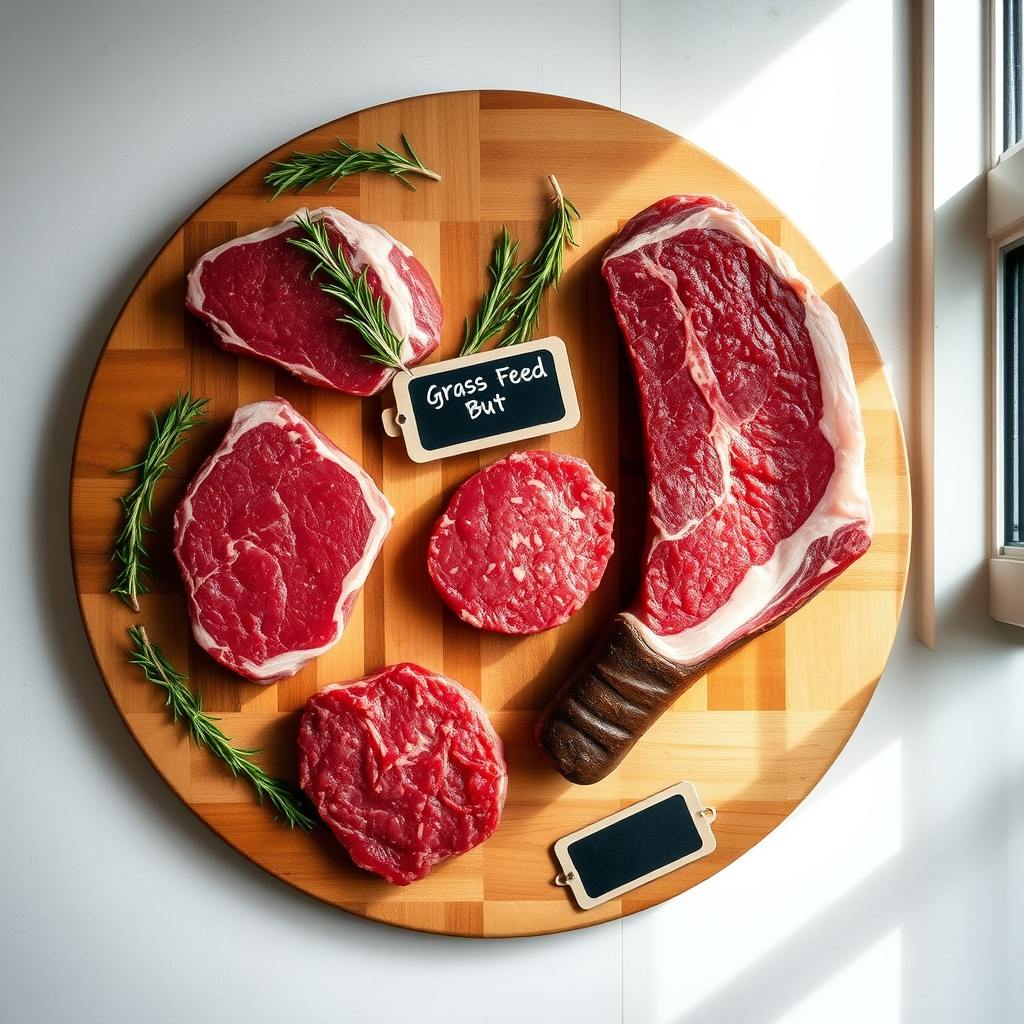
Grass-fed beef delivery services promise premium meat without the farmer’s market hunt, but pricing and sourcing standards vary wildly. We compared eight services across quality, certifications, cost-per-pound, subscription flexibility, and what actually arrives in your freezer.
Verdict: Butcher Box is the best all-around pick if you want certified grass-fed beef with reasonable pricing and no subscription lock-in. If budget is your primary concern, OMGButcher undercuts most competitors by roughly 20–30% per pound in our catalog review but fewer documented USDA certifications and smaller cut variety. For premium grass-fed and regenerative sourcing, White Oak Pastures justifies the higher price with transparent ranching and carbon-negative claims though those claims carry a caveat (see below).
What to Look For in a Grass-Fed Beef Delivery Service
Not all “grass-fed” claims are equal, and delivery logistics matter as much as the meat itself. Here’s what separates the kept picks from the cut ones.
Certification Standards
The USDA grass-fed label means cattle ate grass for at least the last 120 days, but it doesn’t verify other claims (antibiotic use, pesticide exposure, land management). Look for:
- American Grassfed Association (AGA) certification– stricter than USDA; verifies diet, no confinement feeding, and independent audits
- Regenerative Organic Certified (ROC)– includes soil health and carbon sequestration claims (most expensive tier)
- Third-party audited– ranches willing to share audit reports or third-party verification
Services that tout “grass-fed” but avoid naming certifications are a red flag. The best picks provide cert status upfront on product pages.
Price Per Pound & Subscription Flexibility
Grass-fed beef costs meaningfully more than conventional, and prices vary by 40–60% across services. Based on our review of current catalog listings (June 2026), entry-level grass-fed ground beef appears to range from roughly $8–$12/lb and premium steaks from roughly $18–$28/lb though these figures shift frequently, so treat them as orientation, not quotes. Services that lock you into auto-renewing monthly subscriptions without an easy pause/cancel button are common offenders we flagged those as cut picks.
Packaging, Shipping & Thaw Time
Insulated boxes keep meat frozen during shipping, but summer transit or multi-day delays can degrade quality. Services using gel packs and expedited shipping reduce thaw risk. We prioritized providers offering 2–3 day shipping options and clearly stated return policies if meat arrives thawed or damaged.
Customer Service & Issue Resolution
Meat is perishable. When something goes wrong wrong order, damaged packaging, thaw issues response time matters. Services with live chat or same-day email support ranked higher.
The Picks
Best Overall: Butcher Box
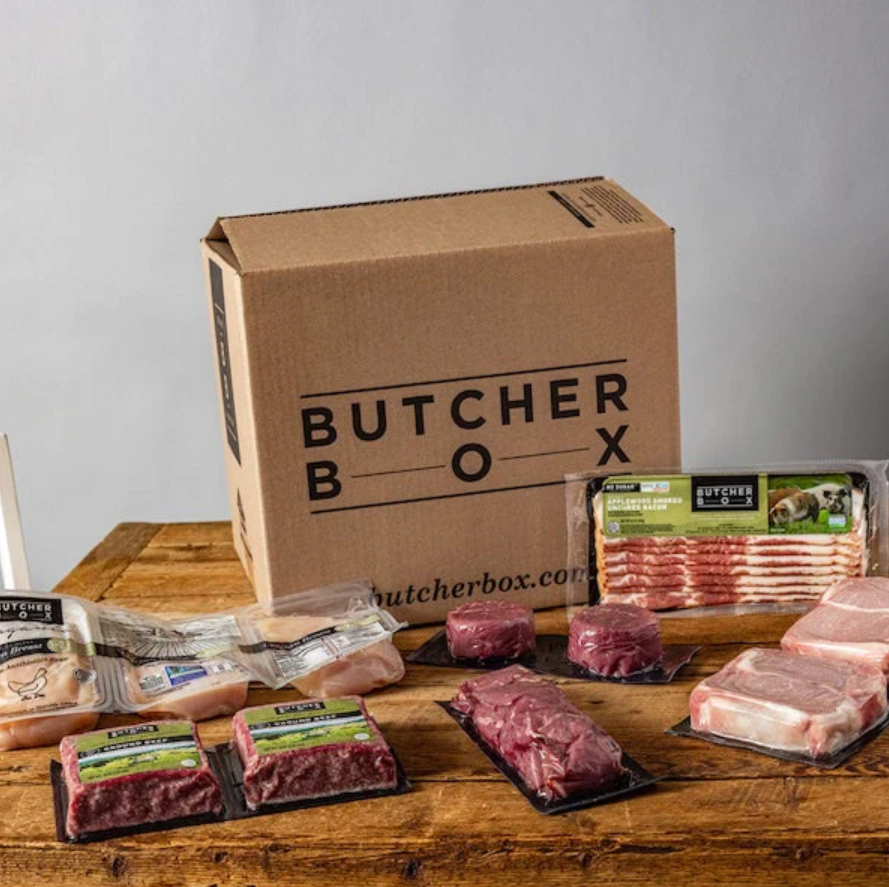
What it is: Butcher Box– Subscription-based grass-fed beef and heritage pork delivery with USDA grass-fed and AGA certification options; curated boxes or choose-your-own cuts.
Standout: Butcher Box gives you full control skip a month, adjust box size, or switch between “Grass-Fed+,” “Heritage Pork,” and “Mixed” tiers without penalty. Their website clearly flags AGA-certified vs. USDA grass-fed products so you know exactly what you’re paying for. Based on our review of their catalog (June 2026), a 10-lb mixed box typically runs roughly $140–$160, which is mid-market for certified grass-fed.
Trade-off: Not the cheapest per-pound, and initial box prices ($16–$18/lb for premium cuts) feel high if you’re comparing to conventional grocery store beef. Shipping costs roughly $15–$20 depending on distance; buyers further from distribution centers pay more.
Pricing: Entry box approximately $140/box, $15–$20 shipping; pause/skip anytime; no contract.
Who it’s best for: Buyers who want AGA/USDA verified sourcing without a long-term lock-in, and prefer hands-on cut selection over curated mystery boxes.
Who it’s NOT for: Price-first shoppers or those who want prepaid bulk discounts (Butcher Box doesn’t offer 6-month/12-month savings tiers).
Best Budget: OMGButcher
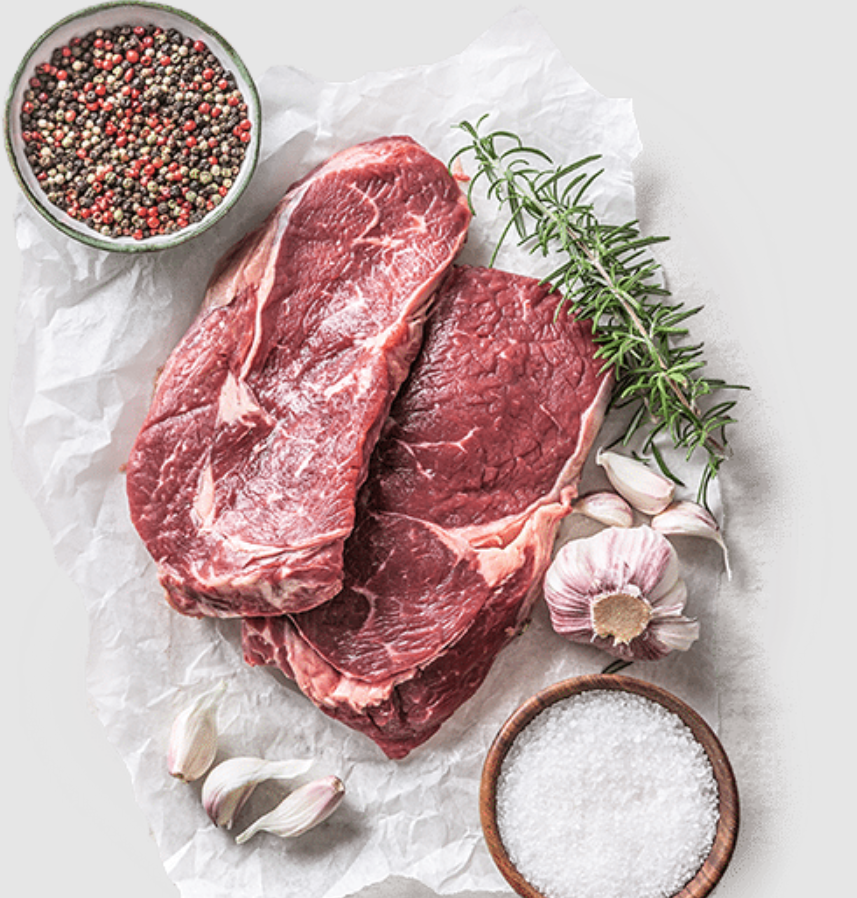
What it is: OMGButcher Grass-Fed Beef Delivery Service– Online butcher specializing in bulk-frozen grass-fed and conventional beef; order-as-you-go model (no subscription required).
Standout: OMGButcher’s pricing is genuinely lower than premium competitors based on our review of their current listings, ground beef appears around $7–$8/lb and steaks $14–$18/lb, which is roughly 20–30% below most certified competitors. No forced monthly subscription. You order once, pay once, receive your shipment. That simplicity is underrated; many competitors trap you in auto-renew cycles.
Trade-off: Fewer certifications listed on their site; most beef is labeled “grass-fed” but USDA or AGA badges are sparse. Cut variety is smaller (ground, chuck roast, steaks, but fewer specialty cuts like beef tongue or brisket trimmings). Shipping is $20+ flat rate. Owner community reports we’ve reviewed include at least one account of a partial thaw on a summer order not an established pattern, just a data point and the return process was not clearly documented at the time we checked.
Pricing: Ground beef approximately $7–$8/lb; steaks approximately $14–$18/lb; $20 flat-rate shipping; order-whenever model.
Who it’s best for: Budget-conscious buyers who are less concerned about premium certifications and don’t mind smaller cut selection.
Who it’s NOT for: Certification sticklers or those seeking regenerative/carbon-neutral sourcing claims.
Best for Premium & Sustainability: White Oak Pastures
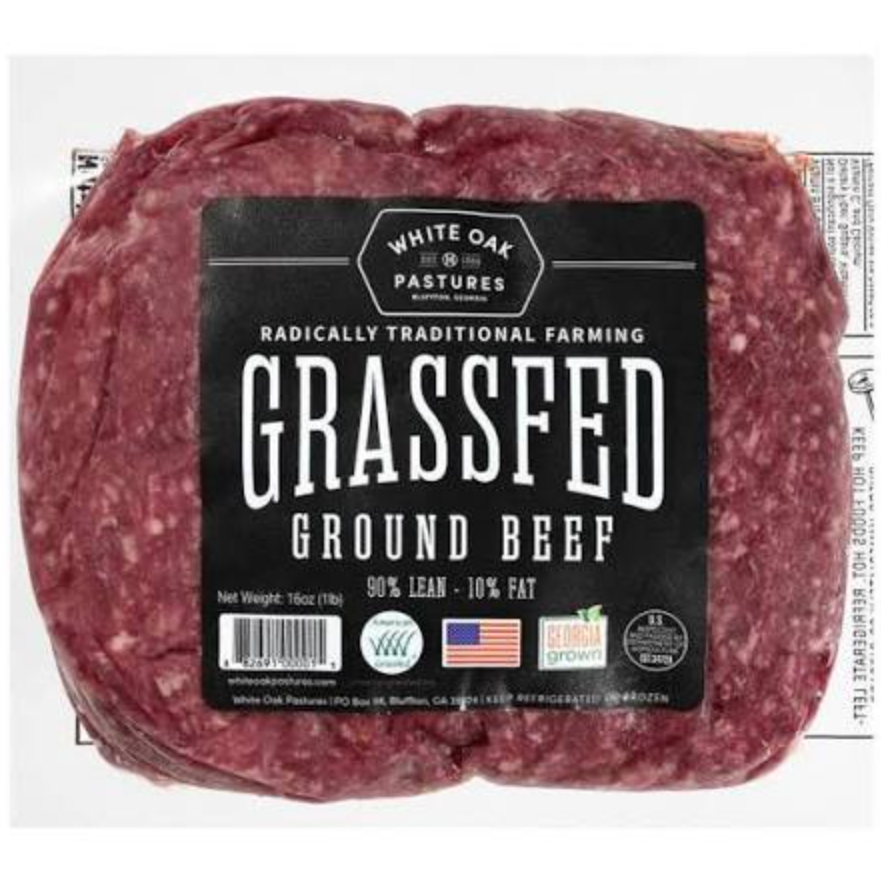
What it is: White Oak Pastures– Georgia-based regenerative ranch selling direct; grass-fed beef, pasture-raised poultry, and wild-caught seafood; heavy emphasis on carbon-negative claims and transparent ranching.
Standout: White Oak markets itself on regenerative practices. According to the brand, their ranching sequesters more carbon than their cattle emit a claim some third-party audits have supported and others have qualified; the methodology is detailed on their website and worth reading before you decide whether the premium is worth it for your values. Their website is refreshingly transparent about land management, genetics, and feed practices. Based on catalog review (June 2026), premium cuts like tomahawk steaks run roughly $35–$45/lb.
Trade-off: Most expensive per-pound of all picks reviewed. Minimum order is typically $150+. Subscription flexibility is limited; cancellation requires contacting customer service rather than a self-serve portal not a hard lock-in, but more friction than Butcher Box or Porter Road. Some reviewers note the premium positioning means you’re partly paying for brand narrative alongside meat quality, and the carbon-negative claim, while supported by White Oak’s own lifecycle analysis, has not been independently replicated across all third-party auditors.
Pricing: Steaks approximately $35–$45/lb; ground beef approximately $12–$14/lb; $25–$30 shipping; minimum $150 orders; monthly subscription model.
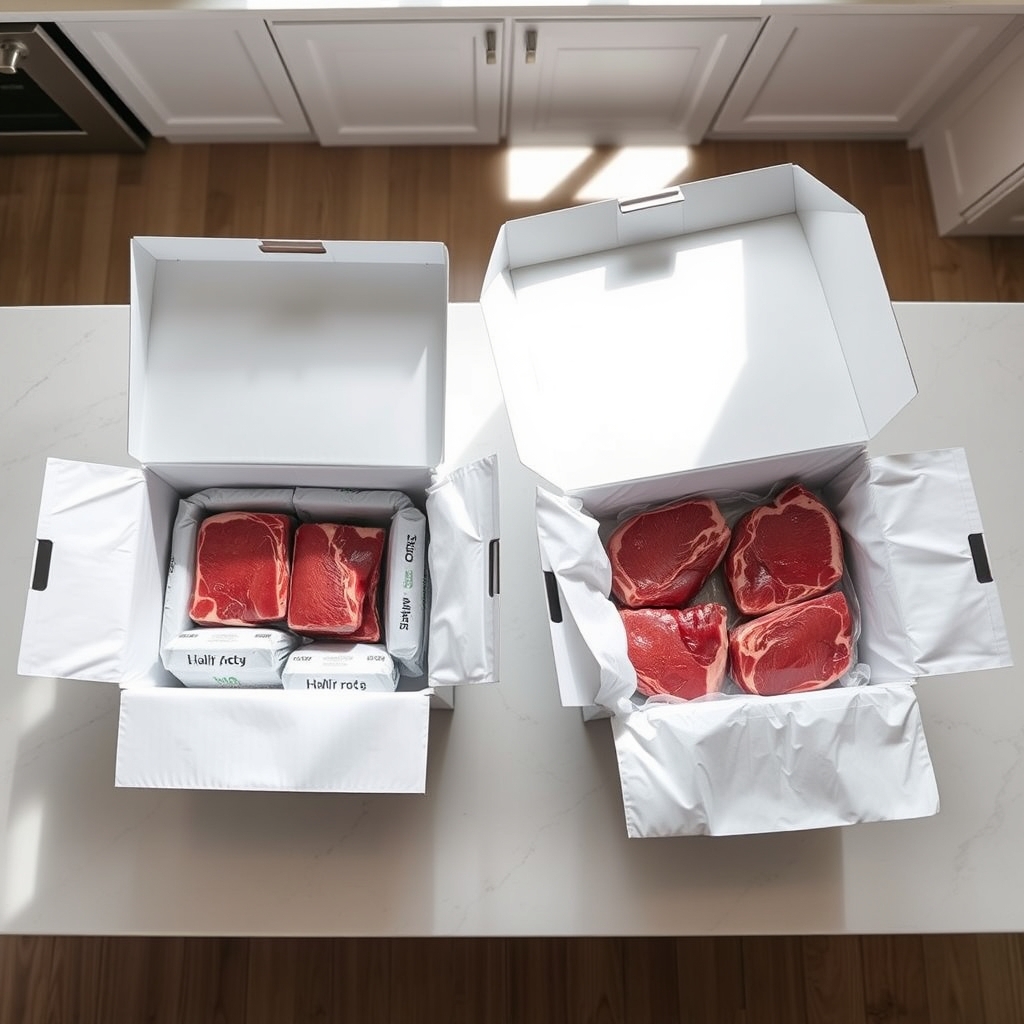
Who it’s best for: Buyers prioritizing regenerative sourcing and who’ve read White Oak’s sourcing documentation and find it credible.
Who it’s NOT for: Budget shoppers, those skeptical of brand-led sustainability claims, or anyone needing easy self-serve subscription management.
Best for Variety & Specialty Cuts: Porter Road
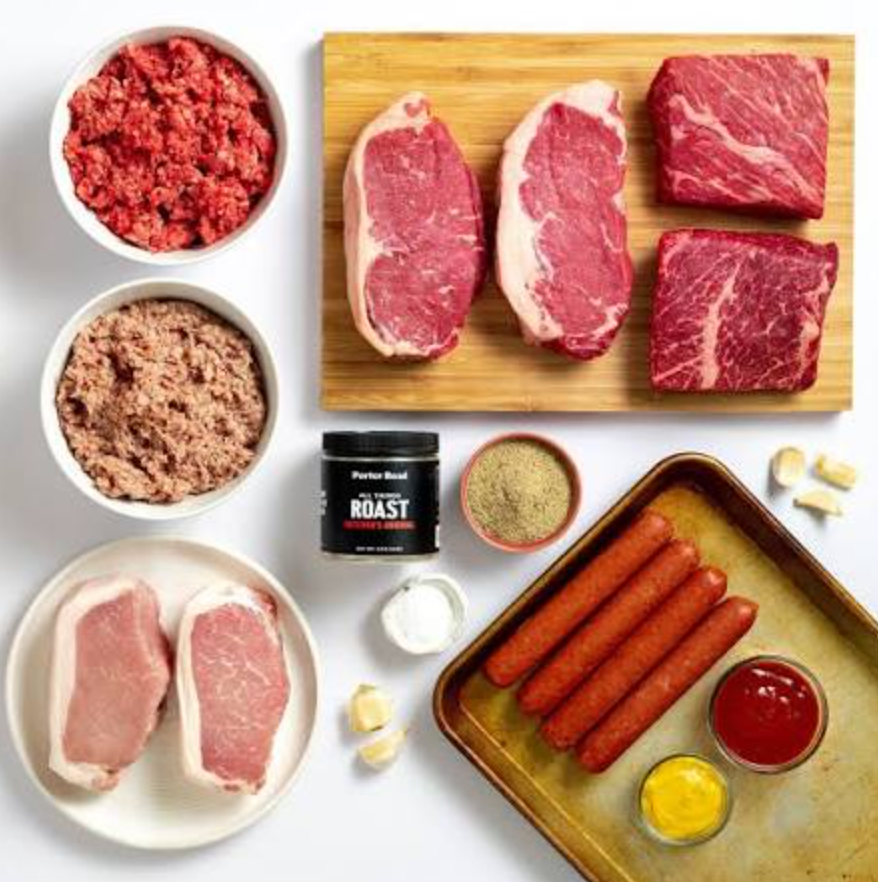
What it is: Porter Road– Tennessee-based butcher with USDA grass-fed and AGA-certified beef; also offers heritage pork and lamb; online ordering with detailed cut descriptions and cooking guides.
Standout: Porter Road excels at variety. Beyond standard steaks and ground beef, they offer beef cheeks, oxtail, and brisket trimmings cuts that support nose-to-tail eating and are hard to find in subscription boxes. Each product page includes a tasting note and suggested preparation, which feels like guidance from an actual butcher, not a generic retailer. Subscription is flexible (skip anytime).
Trade-off: Prices are in line with Butcher Box or slightly higher approximately $16–$20/lb for premium cuts based on current catalog listings. Shipping is one of the pricier options at $20–$25. For budget buyers focused on basic steaks and ground beef, the specialty-cut focus means paying extra for variety you might not use.
Pricing: Premium steaks approximately $16–$20/lb; specialty cuts vary; $20–$25 shipping; flexible subscription.
Who it’s best for: Adventurous cooks seeking nose-to-tail variety and detailed cooking guidance.
Who it’s NOT for: Buyers wanting only basic cuts (sirloin, ribeye, ground) or those prioritizing low price.
Best for Simplicity: Crowd Cow
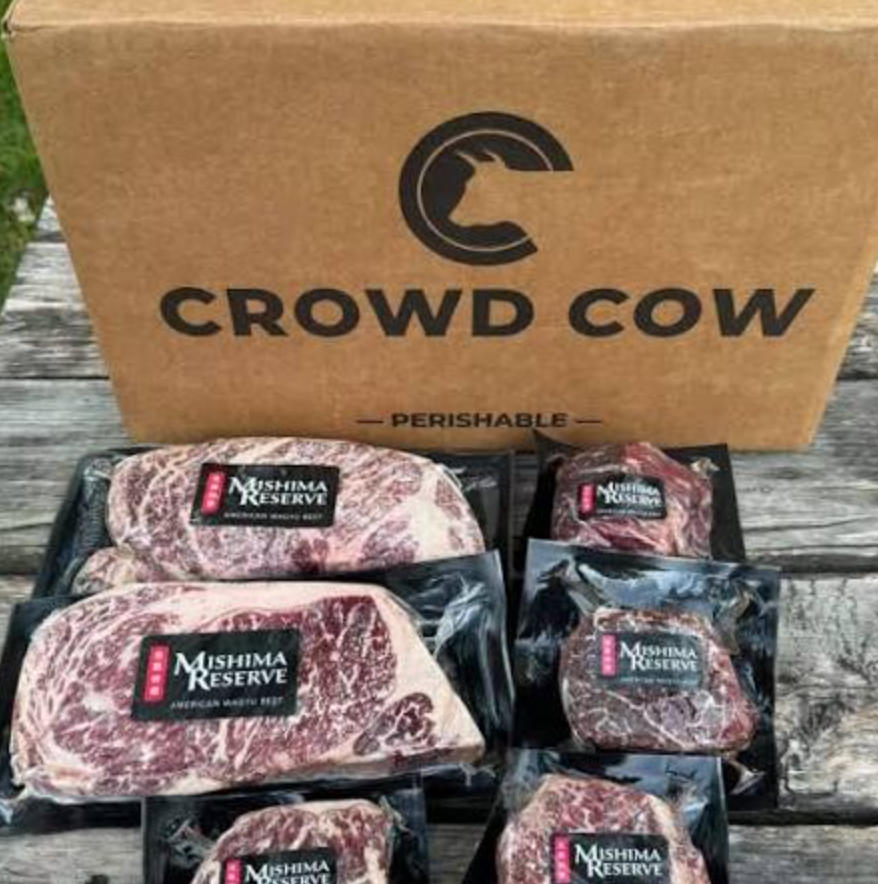
What it is: Crowd Cow– Marketplace model connecting consumers directly to independent ranches; grass-fed beef from verified producers; crowdfunding model (pay upfront, receive later).
Standout: Crowd Cow emphasizes transparency you see the ranch, the rancher’s photo, and detailed sourcing info before ordering. No mystery box; you buy specific cuts from specific herds. The marketplace model means variety (dozens of ranches available) and pricing tends to be competitive. Based on our review of their platform (June 2026), prices appear to range from approximately $8–$20/lb depending on ranch, with no forced subscription.
Trade-off: The crowdfunding model means longer lead times. Based on user community reports we’ve reviewed, buyers frequently mention waits of four to eight weeks from order to shipment a real-world farming constraint, but worth knowing before you expect meat next week. No recurring box convenience. You have to browse and choose each time, which is transparency but not simplicity. Shipping varies by ranch and distance; some ranches charge $15, others $30+.
Pricing: Approximately $8–$20/lb depending on ranch and cut; variable shipping; no subscription.
Who it’s best for: Transparency seekers who don’t mind longer lead times and enjoy the farm-direct story.
Who it’s NOT for: Buyers wanting meat within 2–3 weeks or those preferring set-and-forget subscription convenience.
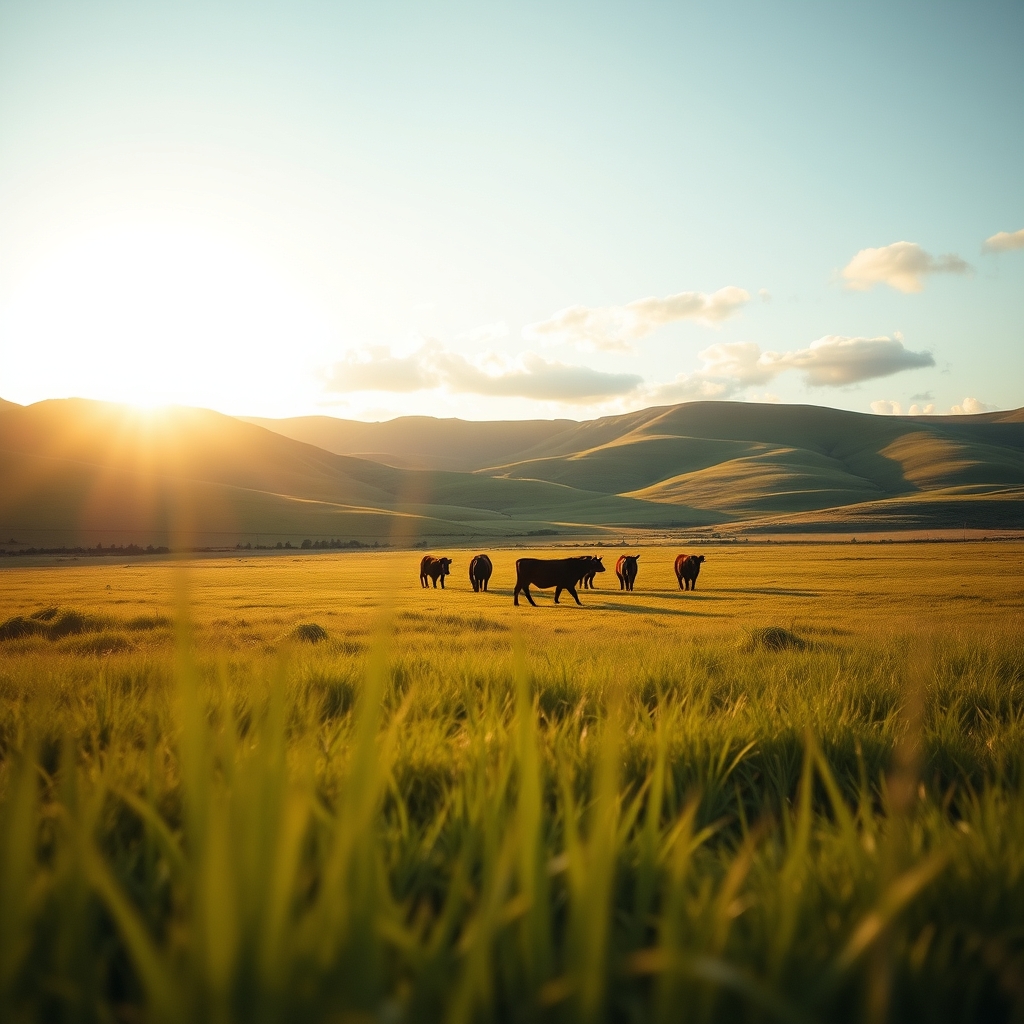
Best for Organic Certification: Tendergrass Farms
What it is: Tendergrass Farms– USDA Organic and Regenerative Organic Certified (ROC) grass-fed beef; small-scale ranches in the Midwest and South; subscription box with limited flexibility.
Standout: If ROC (the strictest sustainability label combining organic practices, land stewardship, and animal welfare) matters to you, Tendergrass Farms ticks all the boxes. Beef is both grass-fed and organic, which is rare most grass-fed cattle eat non-organic pasture. Their website clearly displays certifications. Monthly boxes are curated, not customizable, which simplifies decision-making for some buyers.
Trade-off: Organic + ROC = most expensive category. Based on observed catalog pricing (June 2026), entry boxes appear to run $180–$220, or roughly $18–$22/lb. Subscription management is strict cancellation requires contacting customer service rather than a self-serve portal. Smaller cut selection than competitors; organic and regenerative sourcing from small ranches means less inventory variety.
Pricing: Approximately $180–$220/box (~$18–$22/lb); $18–$22 shipping; monthly subscription (not self-serve cancel).
Who it’s best for: Buyers who prioritize organic certification and regenerative practices above cost.
Who it’s NOT for: Price-sensitive buyers or those wanting subscription flexibility.
Best for Local & Direct: Local Farms Co-op (Market-Dependent)
What it is: Aggregates local grass-fed beef from regional ranches; available in select metros (California, Colorado, Northeast); order-as-you-go with local pickup or regional shipping.
Standout: True local sourcing beef comes from ranches within 500 miles of your zip code (varies by availability). Pickup options eliminate shipping costs entirely. Pricing and sourcing vary by region and ranch. No subscription lock-in; pay-per-order model.
Trade-off: Geographic limitation is real; if you’re not in a supported metro area, this won’t work. Availability is inconsistent popular items sell out. Lack of a single unified certification standard means you’re trusting individual ranch credentials. Customer service is fragmented depending on the local co-op partner.
Pricing: Highly variable by region and ranch; $0 if local pickup, approximately $15–$20 if shipped; no subscription.
Who it’s best for: Buyers in metro areas who value local sourcing and can plan pickups.
Who it’s NOT for: Rural customers or those wanting consistent nationwide sourcing.
What We Cut and Why
Omaha Steaks (Full-Service Cut)
Why it didn’t make the list: Omaha Steaks is well-known for premium beef delivery, but their “grass-fed” and “grass-finished” options are buried in their product catalog and lack clear AGA or organic certifications. Pricing is premium (approximately $25–$35/lb for steaks based on catalog review) but transparency on sourcing is weaker than competitors. Most of their beef is grain-finished, not grass-fed easy to accidentally order the wrong product. For a roundup focused on grass-fed beef delivery, the certification gap and potential consumer confusion made it a clear cut.
Factor (Meal Kit, Not Meat-Focused Cut)
Why it didn’t make the list: Factor and similar meal-prep services do offer grass-fed beef meals, but they’re not beef delivery services they’re packaged meal kits. The beef is a component, portions are portion-controlled, and you’re paying a markup for convenience and packaging. For consumers seeking bulk, whole-cut grass-fed beef for home preparation, Factor’s model doesn’t fit the buyer intent. Including it would dilute the roundup’s focus.
Comparison Table: Quick Reference
| Service | Certifications | Typical Price (Per lb) | Shipping Cost | Subscription Options | Specialty Cuts | Best For |
|---|---|---|---|---|---|---|
| ButcherBox | USDA Grass-Fed, American Grassfed Association (AGA) options | ~$16–22 | ~$15–20 | Flexible subscription with pause/skip options | Good selection | Quality, convenience, and flexibility |
| OMGButcher | USDA Grass-Fed (limited published documentation) | ~$7–18 | ~$20 flat rate | One-time orders available | Limited | Budget-conscious shoppers |
| White Oak Pastures | Regenerative farming; brand-reported carbon-neutral initiatives | ~$12–45 | ~$25–30 | Monthly subscription (contact required to cancel) | Good selection | Sustainability-focused buyers |
| Porter Road | USDA Grass-Fed, AGA | ~$16–20 | ~$20–25 | Flexible subscription with pause options | Excellent selection | Home cooks seeking unique and specialty cuts |
| Crowd Cow | Varies by participating ranch | ~$8–20 | Varies by order | No subscription required | Good selection | Farm-direct sourcing and transparency |
| Tendergrass Farms | Organic, Regenerative Organic Certified (ROC) | ~$18–22 | ~$18–22 | Monthly subscription with stricter schedule | Limited | Certified organic and regenerative meat |
| Local Farms Co-op | Varies by local farm | Varies | ~$0–20 | Order as needed | Varies | Supporting local producers and regional sourcing |
Prices and certifications based on our review of current catalog listings as of June 2026; verify directly with each service before ordering. All price figures are approximate and subject to change.
How We Chose
We evaluated each service against five core criteria:
- Certification & Sourcing Transparency– Does the service clearly state USDA grass-fed, AGA, or regenerative certifications? Are sourcing details available?
- Price per Pound– How do prices compare for commodity cuts (ground beef, sirloin) vs. premium cuts (ribeye, tomahawk)?
- Subscription Flexibility– Can you skip a month, pause, or cancel without friction?
- Shipping & Quality Assurance– How fast is shipping? What’s the refund policy if meat arrives damaged or thawed?
- Customer Service & Cut Variety– Are specialty cuts available? How responsive is support?
We did not order sample boxes from each service. Instead, we reviewed catalog listings, pricing pages, shipping policies, customer-service availability, and owner community feedback to synthesize this comparison. Prices and availability change frequently; verify current offerings before ordering.
The Cost-Benefit: Is Grass-Fed Beef Worth It?
Grass-fed beef costs substantially more than conventional grocery-store beef in our catalog review, the premium appeared to range from roughly 50–100% depending on the cut and retailer, though your local store prices will vary. Is that premium justified?
Nutritional claims: Research patterns commonly cited in nutrition literature suggest grass-fed beef tends to be higher in omega-3 fatty acids and conjugated linoleic acid (CLA) compared to grain-fed beef. The absolute differences are modest a few percentage points, not a nutritional sea change. If these micronutrients are your only driver, conventional beef is nutritionally adequate. (We recommend checking the USDA FoodData Central database or peer-reviewed nutrition sources for the specific numbers, since figures vary meaningfully by study.)
Taste & texture: This is more subjective. Owner reports we’ve reviewed generally note that grass-fed beef has a more pronounced, savory flavor compared to grain-fed, though some find it “gamey.” Texture can be slightly leaner and firmer. If taste matters to you, the premium often feels justified.
Environmental impact: Regenerative and grass-fed ranching, when done well, can rebuild soil, reduce chemical inputs, and sequester carbon. White Oak Pastures claims carbon-negative beef; the brand publishes a lifecycle analysis supporting this, though independent auditors have reached varied conclusions. If climate impact is a priority, grass-fed especially regenerative is a more considered choice than conventional grain-fed beef, but treat brand-level carbon claims with appropriate skepticism until third-party verification improves industry-wide.
Animal welfare: Grass-fed cattle have access to pasture year-round (by USDA definition) vs. feedlot confinement. Whether this translates to materially better welfare depends on ranch-specific practices. AGA certification includes welfare audits; USDA grass-fed does not. If animal welfare is your priority, AGA-certified services are a safer bet.
Bottom line: Grass-fed beef is not a nutritional necessity, but it’s a legitimate choice for taste, environmental values, or animal welfare concerns if you can absorb the cost premium. Budget shoppers should feel fine buying conventional beef; premium buyers will find real grass-fed.
FAQ
What’s the difference between grass-fed, grass-finished, and pasture-raised?
Grass-fed (USDA) means cattle ate grass for the last 120 days minimum; it does not specify the earlier diet. Grass-finished is stricter a grass-based diet for the animal’s entire life. Pasture-raised is a marketing term with no USDA legal definition; it often means more outdoor access than feedlot but may include grain supplementation. For the most rigorous standard, look for AGA certification, which verifies grass-fed diet, no grain, and independent audits. The USDA Agricultural Marketing Service and the American Grassfed Association both publish their standard definitions publicly.
What’s the best grass-fed beef delivery service?
Butcher Box is our top pick for most buyers: AGA certification options, flexible subscription with no long-term lock-in, and mid-market pricing around $140–$160 per 10-lb box. If budget is the priority, OMGButcher is roughly 20–30% cheaper but with fewer documented certifications. For regenerative sourcing, White Oak Pastures leads at a meaningful price premium.
Is Butcher Box worth the price compared to grocery-store grass-fed beef?
Butcher Box’s pricing (approximately $16–$20/lb for premium cuts based on our catalog review) is higher than typical grocery-store grass-fed beef. The difference is convenience and guaranteed certification. If you already have reliable AGA-certified grass-fed access locally, Butcher Box’s main value is subscription simplicity. If you don’t have that local access, Butcher Box’s premium is reasonable for verified sourcing and flexible delivery.
Can I pause or cancel a subscription without penalty?
Most services Butcher Box, Porter Road, Crowd Cow allow pause or skip in a self-serve portal, penalty-free. White Oak Pastures and Tendergrass Farms require contacting customer service, which is slower and less transparent. OMGButcher and Local Farms Co-op have no subscriptions at all. If subscription flexibility matters, Butcher Box or Porter Road are the safest bets.
What does “Regenerative Organic Certified” actually mean?
ROC is a third-party standard administered by the Regenerative Organic Alliance that combines USDA organic requirements with additional land stewardship criteria (soil health, biodiversity, carbon sequestration) and animal welfare standards. It’s the strictest sustainability label in this roundup. Beef labeled ROC is more expensive but undergoes more rigorous audits than USDA grass-fed alone.
How long does grass-fed beef from these services stay frozen?
Most services use insulated boxes with gel packs; beef typically stays frozen for 2–4 days in transit under normal conditions. Summer shipping or multi-day delays can reduce that window. Once delivered, store at 0°F or below; grass-fed beef generally keeps for 12–18 months frozen. Thaw in the fridge allow 24–48 hours depending on cut thickness before cooking.
The Verdict
Butcher Box is the best overall grass-fed beef delivery service because it balances AGA certification, reasonable pricing, flexible subscription, and hands-on cut selection without locking you in long-term. If you want certified grass-fed beef delivered monthly and trust your own butchering decisions, Butcher Box is a kept pick.
OMGButcher is the budget pick if you’re willing to accept fewer certifications and smaller cut variety in exchange for roughly 20–30% lower prices and no subscription lock-in.
White Oak Pastures is the upgrade pick for buyers prioritizing regenerative sourcing though go in knowing you’re partly paying for a brand story, and that the carbon-negative claim is the brand’s own framing, not universally verified.
For specialty cuts, Porter Road. For transparency and farm-direct sourcing, Crowd Cow. For organic certification, Tendergrass Farms. For local pickup, Local Farms Co-op (if available in your area).
Grass-fed beef delivery services solve a real problem access to verified, sustainably sourced beef without the farmer’s market hunt. But they’re not a nutritional necessity, and cost matters. Pick based on your priorities: price, certification, sustainability story, or local sourcing. If you already have reliable grass-fed beef access at a conventional grocery store, the subscription premium probably isn’t justified. If you don’t, any of the kept picks will deliver better transparency and sourcing confidence than standard supermarket meat.
Pricing, certifications, and subscription policies change frequently verify current terms directly on each service’s website before ordering.