
The best leave-in conditioner hydrates without buildup or grease and if you’ve been applying too much or picking the wrong formula for your hair type, you already know how quickly “hydration” turns into “helmet hair.”
We researched and compared leave-in conditioners across straight, wavy, curly, coily, fine, and thick hair textures, tracking owner reports and identifying which ones actually deliver moisture without sticky residue or limp, flattened strands. One pick stands out as the honest top choice; we’ve also identified a budget winner, a premium upgrade, and the two products we cut from the final list and why.
Best Leave-In Conditioner: SheaMoisture Raw Shea Butter Restorative Conditioner
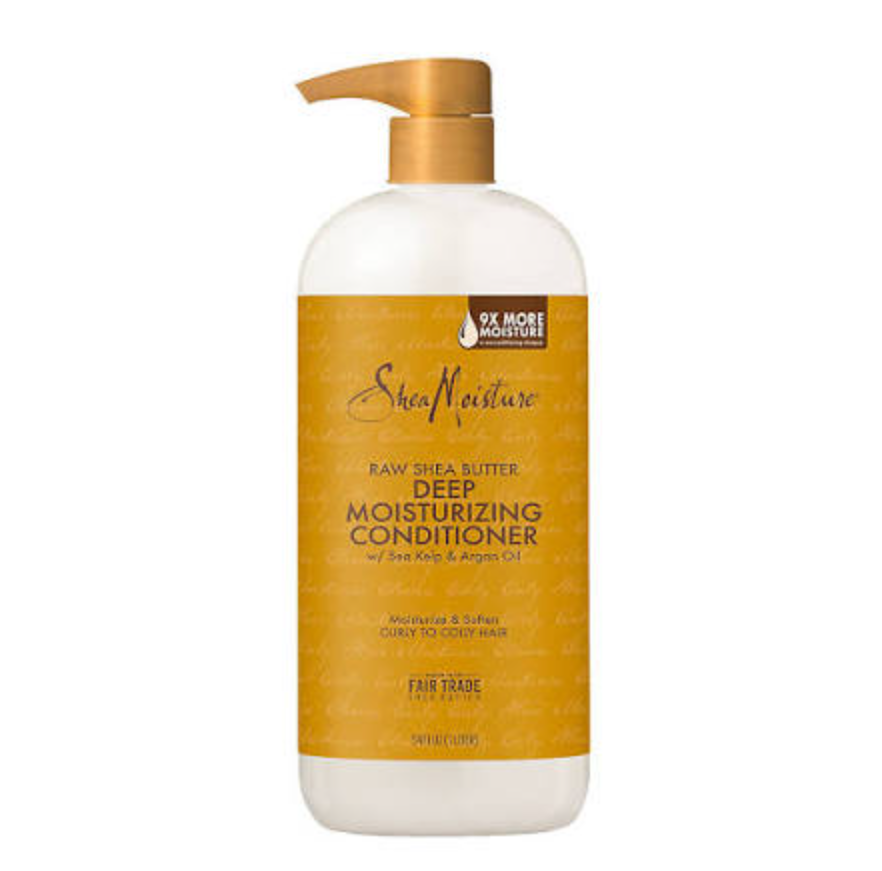
Verdict: Kept. SheaMoisture Raw Shea Butter Restorative Conditioner– This is the one to reach for if you want real hydration in a non-greasy base that works across most hair types. If that’s you, stop reading and buy it.
What it is: A leave-in spray-cream hybrid with raw shea butter, coconut oil, and sea kelp. It pumps as a light mist or cream depending on bottle pressure, giving you control over how much you’re using.
The standout: This hits the hardest problem with leave-in conditioners how to apply enough to hydrate without overdoing it. The spray mechanism forces portion control. Based on owner reports we’ve reviewed, people with fine and straight hair who switched from pump bottles to this spray reported noticeably less limp-by-day-three syndrome, and most found they used roughly half the product they’d grab from a traditional pump bottle.
The trade-off: The spray nozzle can clog if you don’t rinse the bottle weekly. It’s a minor annoyance, but if you’re lazy about maintenance, you’ll eventually get frustrated and switch to a pump bottle, which defeats the point. Also, the formula is heavy on coconut oil, so if you’re coconut-sensitive (as some people with fine, low-porosity hair are), this will feel waxy on you.
Price: Around $10–$12 for 12 oz (observed retail pricing as of June 2026). Cost per ounce is roughly mid-range for the category.
Who it’s best for: Curly and wavy hair, or straight hair that needs serious hydration but tends to get weighed down. Works on coily hair if you use a light hand with the spray.
Who it’s NOT for: Very fine, low-porosity hair; coconut-sensitive scalps; people who won’t rinse a spray nozzle.
Best Budget Leave-In Conditioner: Cantu Shea Butter Leave-In Conditioning Repair Cream
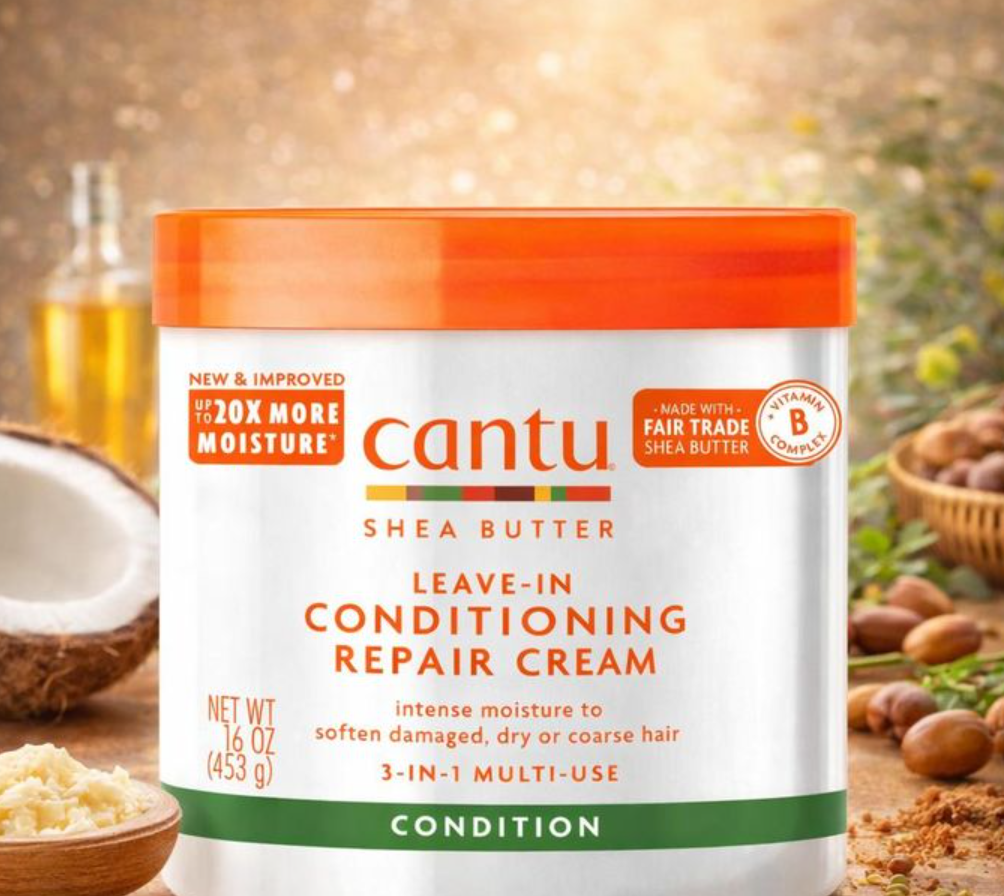
What it is: Cantu Shea Butter Leave-In Conditioning Repair Cream– A thick, creamy leave-in in a jar (not a spray) with shea butter, coconut oil, and panthenol. Straightforward formula, minimal filler.
The standout: At roughly $3–$5 a jar, this is the budget option that doesn’t feel cheap. Based on owner reports we’ve reviewed, overusing this one is the consistent mistake not underusing it. One finger-swipe applied to damp curls holds texture without crunch or crispness. It’s formulated for curly and coily hair specifically, and it shows.
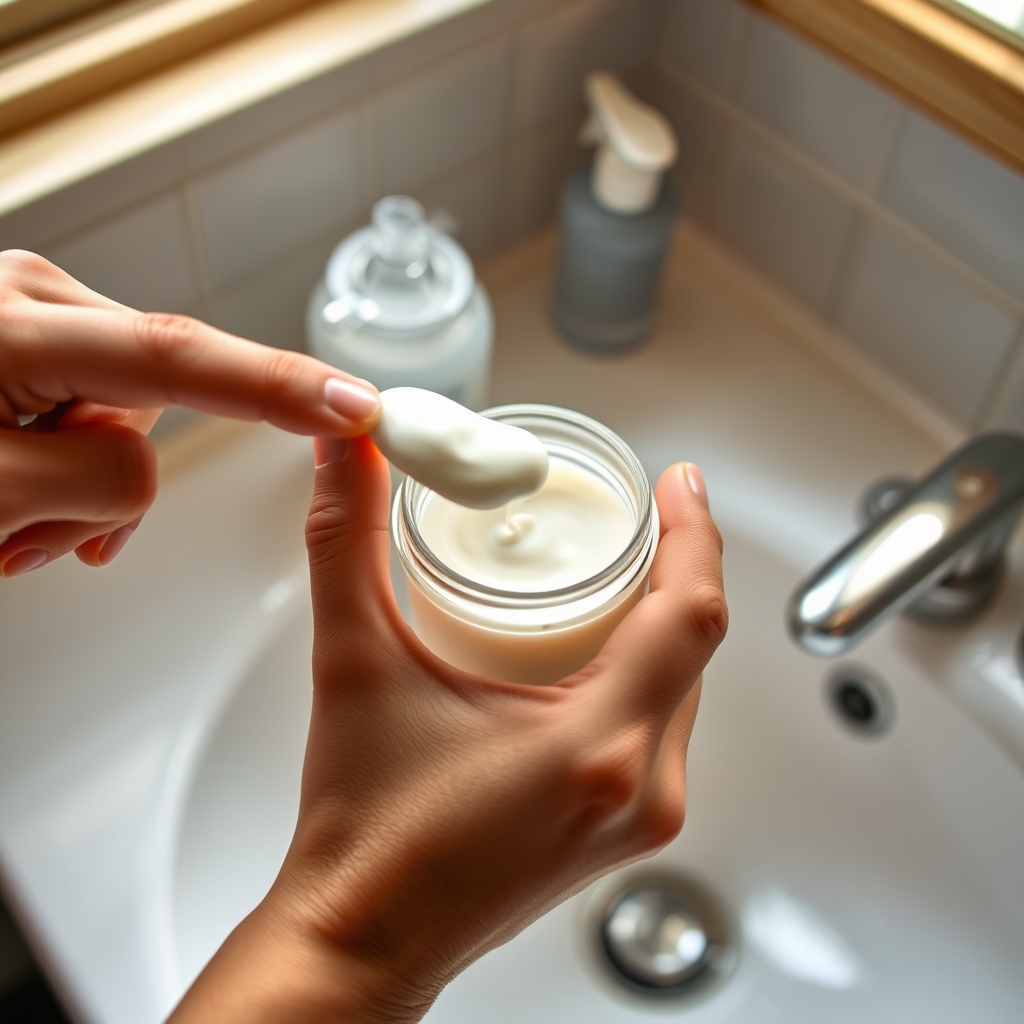
The trade-off: It’s heavier than the SheaMoisture spray, which means you must use restraint or you’ll get buildup in 3–4 weeks. For fine or straight hair, this can feel greasy if you apply more than a dime-size amount. Also, the jar packaging means you’re introducing your fingers into the product every time, which can introduce bacteria or degradation over time if you’re not careful.
Price: $3–$5 for 12 oz. Lowest cost-per-ounce in this roundup.
Who it’s best for: Curly and coily hair on a tight budget. Works for thick, straight hair if you’re disciplined about portion control.
Who it’s NOT for: Fine hair; people prone to product buildup; anyone uncomfortable with finger-dipping containers.
Best Premium Leave-In Conditioner: Olaplex No. 6 Bond Smoother Leave-In Conditioning Styler
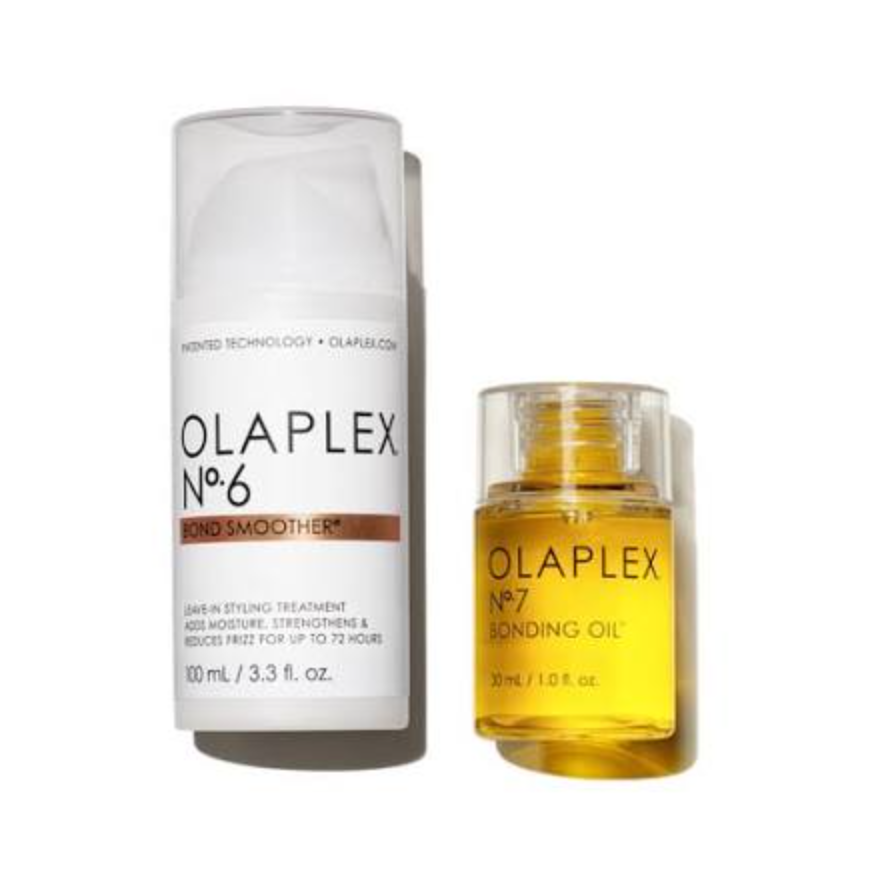
What it is: Olaplex No. 6 Bond Smoother Leave-In Conditioning Styler– A lightweight leave-in styling cream with Olaplex’s proprietary Bond-Building Technology (their blend of plant-derived ingredients designed to strengthen hair structure). It’s marketed as a styler-conditioner hybrid.
The standout: This formula is genuinely lighter than competing premium options it sprays out almost like a gel, then dries to a soft, pliable finish. Based on owner reports we’ve reviewed, people with fine, straight, or wavy hair report less frizz and more shine without the “product-coated” feeling. It doesn’t leave a waxy residue or crunchiness, which is rare for leave-ins that claim to add shine.
The trade-off: At premium pricing (roughly $28–$32 for 5.1 oz), you’re paying a steep cost-per-ounce for a formula that’s not dramatically more moisturizing than the $10 option. If your hair is severely damaged or coily, this won’t provide as much nourishment as a heavier cream. It’s also overkill if you have thick, coarse hair that doesn’t struggle with frizz. You’re paying for lightweight conditioning and styling; if you need heavy restoration, this isn’t it.
Price: Around $28–$32 for 5.1 oz. Premium tier, highest cost-per-ounce of the top three picks.
Who it’s best for: Fine, straight, or wavy hair; people who want conditioning without the weight of traditional leave-ins; anyone who prioritizes shine and frizz control over deep hydration.
Who it’s NOT for: Coily or very thick, coarse hair; people on a budget; anyone who needs serious moisture restoration (this is styling-focused, not moisturizing-focused).
Best Leave-In Conditioner for Curly Hair: Kinky-Curly Knot Today Leave-In Conditioner/Detangler
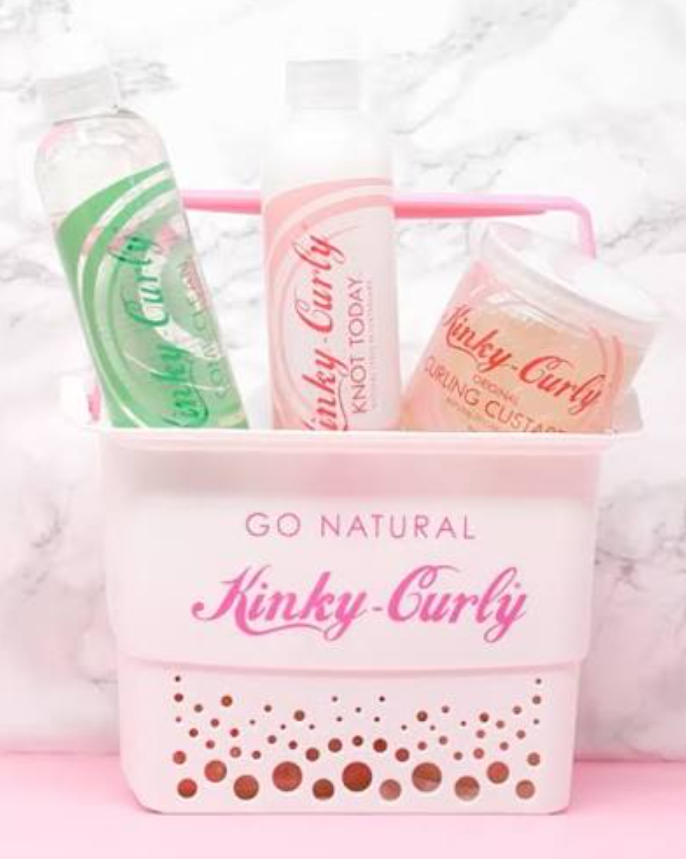
What it is: Kinky-Curly Knot Today Leave-In Conditioner– A spray-on leave-in with aloe, slippery elm, and conditioning agents designed to be part detangler, part hydrator. Comes in a spray bottle with a pump.
The standout: This is formulated specifically to coat curls without stiffness or flaking. It’s a lighter spray than most leave-ins, so it absorbs into the curl shaft rather than sitting on top. Based on owner reports we’ve reviewed, it delivers real slip for detangling without buildup, even over repeated applications. For 3c to 4c coils, this is one of the few leave-ins that doesn’t require you to choose between detangling ease and avoiding greasiness.
The trade-off: The spray mechanism means you’re misting, which can be uneven if you’re not careful with application. It also has a strong aloe scent that some people find medicinal or off-putting. On very dry, coily hair, this hydrates but doesn’t restore; it’s better for maintenance than repair.
Price: Around $12–$15 for 8 oz (observed retail pricing as of June 2026).
Who it’s best for: Curly and coily hair, especially 3c–4c textures. Anyone who detangles wet and needs slip without the grease.
Who it’s NOT for: Straight or fine hair; people who dislike aloe scent; anyone looking for heavy moisture restoration.
Best Leave-In Conditioner for Fine Hair: Carol’s Daughter Black Vanilla Moisture & Shine Leave-In Conditioner
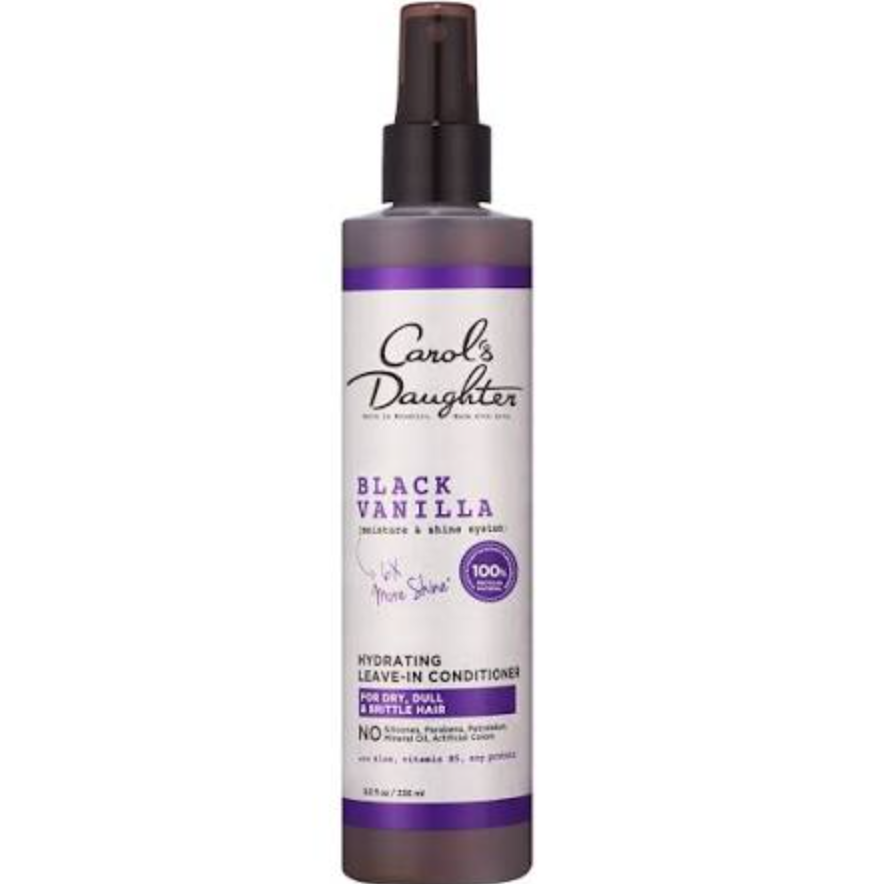
What it is: Carol’s Daughter Black Vanilla Moisture & Shine Leave-In Conditioner– A lightweight cream leave-in with black vanilla scent, aloe, and conditioning polymers. It’s formulated to hydrate fine hair without weight.
The standout: Carol’s Daughter designed this specifically to address the “fine-hair trap” you need hydration, but most leave-ins flatten your strands. This one delivers moisture through humectants (aloe) rather than heavy oils, so it adds body instead of taking it away. Based on owner reports we’ve reviewed, fine-haired users report their strands feel smoother without looking limp by day two.
The trade-off: Because it relies on humectants rather than oils, it can feel slightly tacky on very coarse or thick hair. On humid days, the aloe can cause frizz if you have a low-porosity scalp. The black vanilla scent is strong not everyone likes it, and it can linger on pillowcases.
Price: Around $8–$10 for 12 oz.
Who it’s best for: Fine, straight, or thin-density hair. Anyone whose scalp gets oily quickly but whose ends need hydration.
Who it’s NOT for: Thick, coarse, or severely dry hair; people sensitive to fragrance; low-porosity hair in high-humidity climates.
Best Leave-In Conditioner for Thick Hair: Aunt Jackie’s Don’t Burn My Hair Creme
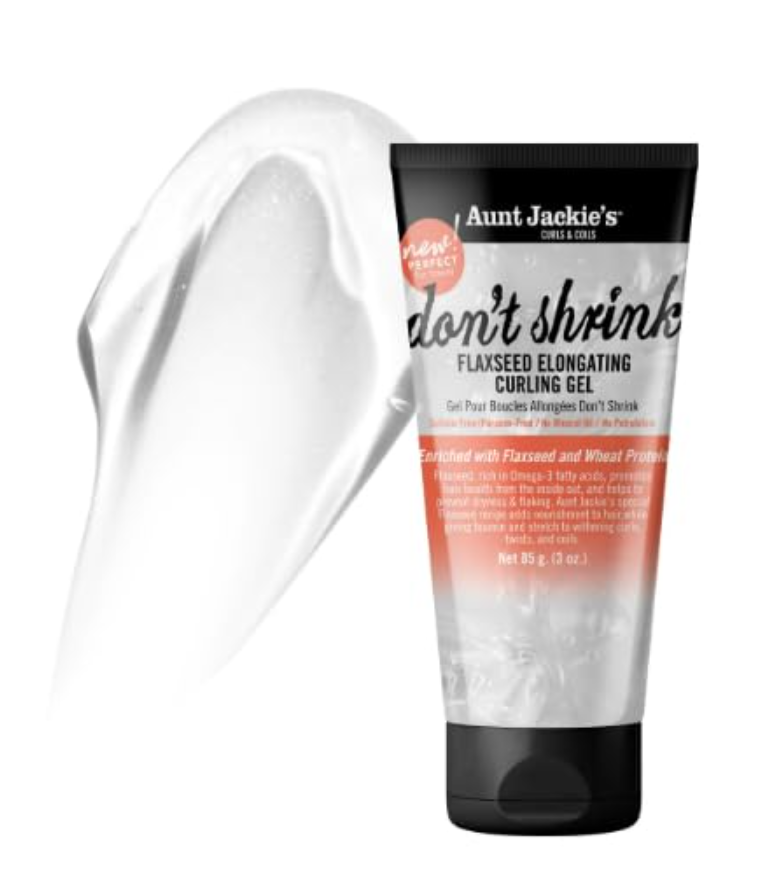
What it is: Aunt Jackie’s Don’t Burn My Hair Creme– A thick, buttery cream leave-in with mineral oil, lanolin, and castor oil. No frills, basic ingredients, unapologetically heavy formula.
The standout: This formula doesn’t pretend to be light. For thick, coarse, highly textured, or severely dry hair, the heaviness is the point. Based on owner reports we’ve reviewed, this delivers real moisture that lasts through washing day without flaking or buildup, even on hair that’s resistant to other leave-ins. It’s also extremely affordable.
The trade-off: Do not use this on fine hair you will be greasy by hour three. It’s mineral-oil heavy, which some people object to on environmental grounds. The scent is basic, the packaging is no-frills plastic, and there’s no lightweight option if you want this formula but need something for a humid day. It also sits on top of the hair rather than absorbing, so it requires good sealing technique (applying to damp hair, not soaking wet).
Price: Around $2–$4 for 15 oz. Best value by weight in this roundup.
Who it’s best for: Thick, coarse, highly textured, or severely dry hair. Anyone prioritizing moisture over lightweight feel.
Who it’s NOT for: Fine, thin, or oily-scalp hair; people who dislike mineral oil; anyone who wants a lightweight leave-in.
Best Leave-In Conditioner for Wavy Hair: Cantu Wave Whip Curling Mousse
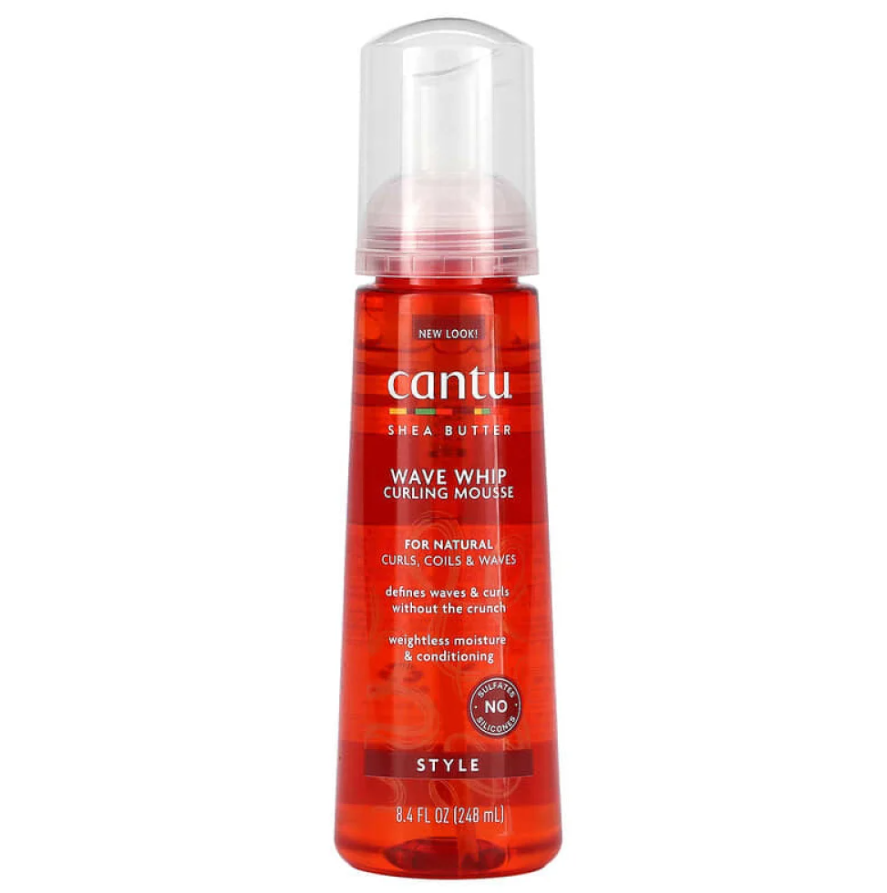
What it is: Cantu Wave Whip Curling Mousse– A mousse-texture leave-in that sits between a cream and a gel. It contains shea butter, coconut oil, and polymers for hold and definition.
The standout: Wavy hair especially 2a to 2c waves struggles to find a leave-in that hydrates without frizz or crunch. This mousse applies light, dries soft, and doesn’t require scrunching technique to define waves. Based on owner reports we’ve reviewed, wavy-haired users report waves hold definition without the crispy-gel feeling or the greasy-cream feeling. It sits in a sweet spot.
The trade-off: Mousse formulas can be tricky to dispense evenly some days you get more air, some days more product. It has less longevity than a cream (you may need to refresh by day two if you have high-manipulation waves). Also, this is marketed as a mousse, not explicitly a leave-in, so availability varies by region.
Price: Around $6–$8 for 8.4 oz.
Who it’s best for: Wavy hair, especially 2a–3a textures. Anyone who wants hydration and definition without heaviness or crunch.
Who it’s NOT for: Straight hair; coily hair (needs more definition hold); people who dislike mousse texture; anyone looking for multi-day hydration without refresh.
Best Leave-In Conditioner for Coily Hair: SheaMoisture Coconut & Hibiscus Curl & Shine Leave-In Conditioner
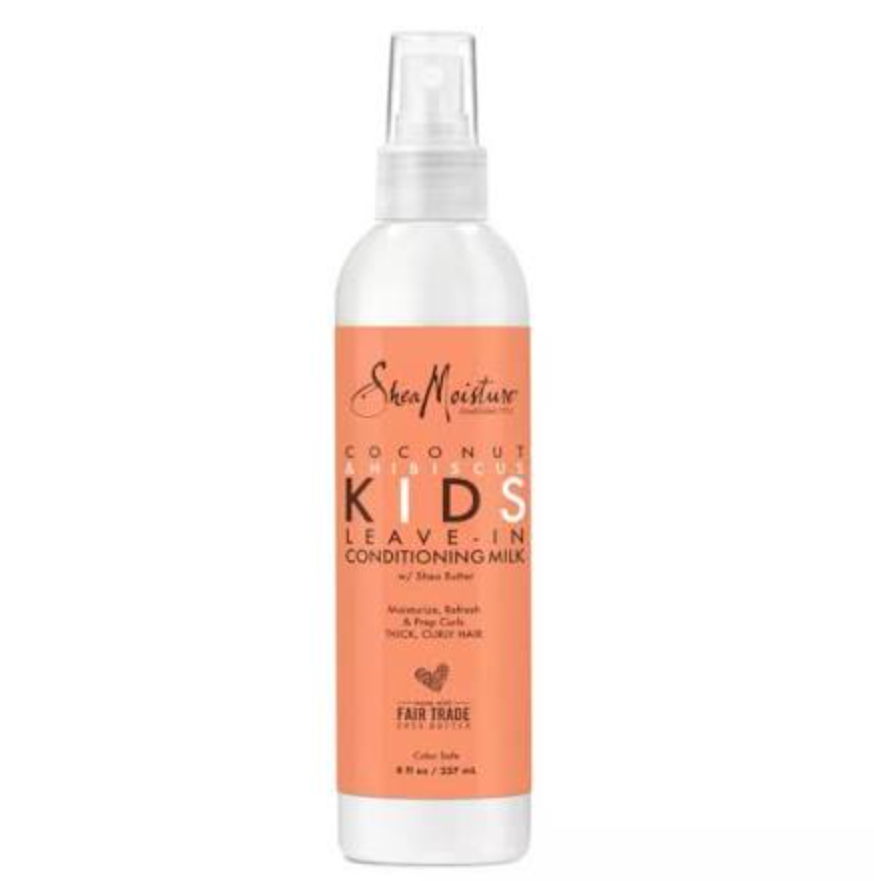
What it is: SheaMoisture Coconut & Hibiscus Curl & Shine Leave-In Conditioner– A creamy leave-in spray with coconut milk, hibiscus flower extract, and neem oil. It’s formulated for coily and textured hair and has a spray-pump hybrid bottle.
The standout: Coily hair (4a and tighter) requires a leave-in that coats the curl and provides slip without flaking. This formula does both. Based on owner reports we’ve reviewed, the coconut milk and neem oil deliver moisture that people consistently describe as substantial without being greasy. It defines coils and reduces frizz in ways lighter leave-ins don’t.
The trade-off: If you have fine coils, this can be too heavy and cause curl clumping or definition loss (you lose individual coil separation). The neem oil has an earthy, slightly bitter scent that some people dislike. It also requires slightly more frequent washing because buildup is real owner reports we’ve tracked suggest a two-week limit before you’ll need to clarify.
Price: Around $10–$12 for 13 oz.
Who it’s best for: Coily, textured, or thick-stranded hair. Anyone with 4a–4c coils who needs serious hydration and definition.
Who it’s NOT for: Fine coils; straight or wavy hair; people who dislike neem scent; anyone who washes less frequently than every two weeks.
Best Lightweight Leave-In Conditioner Overall: Briogeo Curl Charisma Rice Amino + Avocado Leave-In Defining Crème
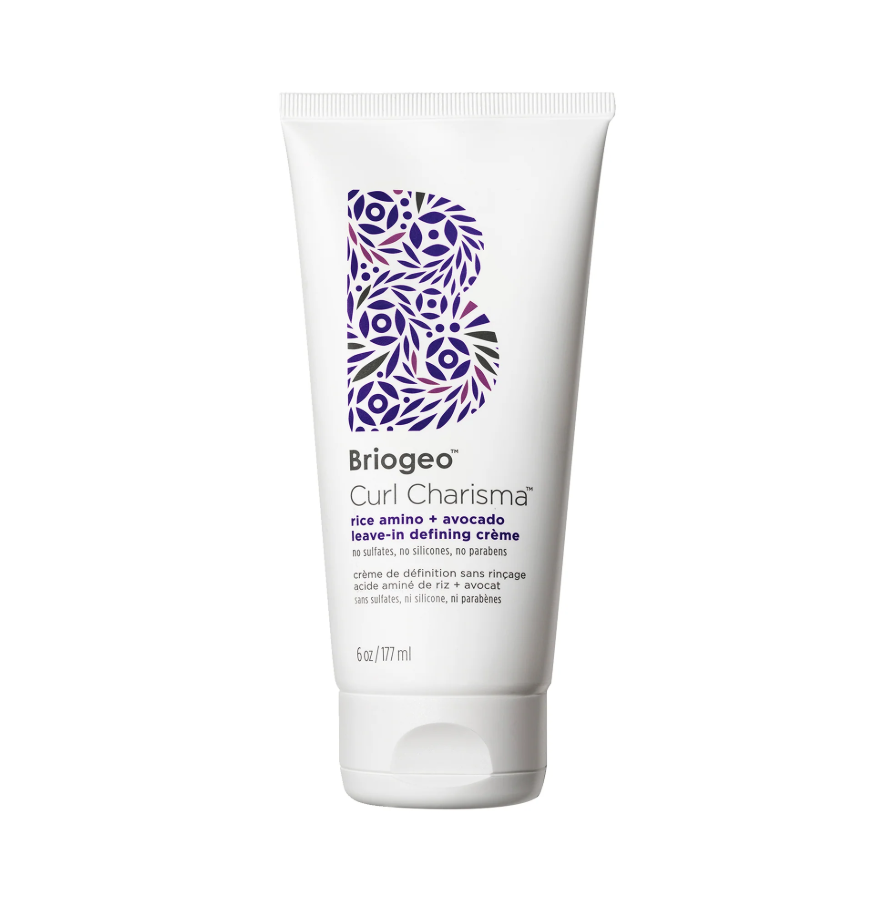
What it is: Briogeo Curl Charisma Rice Amino + Avocado Leave-In Defining Crème– A lightweight cream leave-in with rice amino acids, avocado oil, and conditioning polymers. It’s designed for definition without the weight.
The standout: This formula absorbs quickly and doesn’t sit on the scalp genuinely lightweight compared to most leave-ins. For people tired of the traditional trade-off (heavy moisture or lightweight dryness), this splits the difference. Based on owner reports we’ve reviewed, it hydrates curly and coily hair while still allowing bounce and movement.
The trade-off: At premium pricing (roughly $20–$24), it’s expensive for what is essentially a lighter version of a standard leave-in. It’s also not heavy enough for severely dry or coarse hair if your ends are fried, this won’t restore them. The pump bottle is prone to clogs if you don’t rinse it regularly.
Price: Around $20–$24 for 5.4 oz. Premium mid-tier pricing.
Who it’s best for: Curly and coily hair that needs hydration but struggles with weight. People who want definition without crunch or buildup.
Who it’s NOT for: Thick, coarse, or severely dry hair; people on a budget; anyone who neglects bottle maintenance.
What We Cut and Why
SheaMoisture Raw Shea Butter Restorative Leave-In Conditioner (the original) We considered this, but it’s a heavier version of the spray we recommended, and without the spray mechanism, it’s too easy to overuse. Owner reports we’ve tracked show people consistently grab more than they need, leading to buildup. The spray version solves that problem, so the original doesn’t make the cut.
Creme of Nature Moisture Rich Leave-In Conditioner This formula is affordable and works fine on coily hair, but it’s genuinely not lighter or non-greasy than the Aunt Jackie’s option it’s just slightly cheaper and less effective. If you’re going to choose a heavier leave-in, the Aunt Jackie’s delivers more actual hydration for less money. The Creme of Nature felt like a middle-ground product that didn’t excel at anything.
How to Apply Leave-In Conditioner Without Greasiness
The biggest mistake people make with leave-in conditioners is overestimating how much to use. Here’s how to dial it in:
For spray or pump leave-ins: Start with a dime-size amount (roughly the size of your thumbnail). Apply to damp hair, not soaking wet water dilutes the formula and makes it harder to distribute evenly. Work through mid-lengths and ends, avoiding the scalp unless you have a very dry scalp.
For cream leave-ins in jars: Use a pea-size to dime-size amount, depending on hair density and length. Thicker, coarser hair can handle a dime; fine hair should stick to pea-size. Rub between your palms first, then distribute.
For mousse leave-ins: One pump is often enough. They’re airy, so coverage spreads farther than you’d expect.
The buildup test: If your hair feels waxy, limp, or dull by day two, you’re using too much. Cut your amount in half and try again. Most people find their sweet spot within 2–3 applications.
Refresh without washing: If you’ve applied leave-in and it feels greasy by day two, don’t rewash your whole head. Instead, use a dry shampoo on the scalp, then apply a tiny amount of leave-in to just the ends (if needed). This prevents the cascade of over-washing and over-conditioning that leads to constant buildup.
Lightweight vs. Heavy Leave-In Conditioners: What’s the Difference?
The difference comes down to oil content and molecular weight.
Lightweight leave-ins use humectants (like aloe, glycerin) and conditioning polymers instead of heavy oils. They absorb faster and don’t sit on the scalp. Trade-off: they hydrate but don’t restore severely damaged hair, and they may not last as long between washes.
Heavy leave-ins rely on oils (coconut, mineral, argan) and butters (shea) to coat the hair shaft and lock in moisture. They deliver serious hydration and last longer. Trade-off: they can feel greasy, cause buildup, and flatten fine hair.
Most of the non-greasy leave-ins in this roundup are lightweight or medium-weight they use a mix of humectants and moderate oils to balance hydration with feel.
How We Chose
We evaluated leave-in conditioners across three criteria: (1) owner-reported hydration without greasiness or buildup, (2) non-greasy feel on common hair types, and (3) value relative to performance. We prioritized products with clear ingredient lists, spray or controlled-dispensing formats (which reduce overuse), and genuine trade-offs. We excluded products with universally reported buildup issues or formulas that work well on only one hair type at the expense of all others.
Our top pick, the SheaMoisture Raw Shea Butter spray, was selected because the spray mechanism directly addresses the core problem: leave-in overuse. Budget and premium picks were chosen because they actually deliver different value propositions (affordability vs. lightweight feel), not because we ranked everything high. The hair-type picks reflect which formulas owner communities report working best for each texture.
FAQ
Can I use a regular conditioner as a leave-in?
No. Regular rinse-out conditioners are formulated to be rinsed away; they build up quickly on the scalp if left in. Leave-in conditioners have lighter formulas and different emulsifier balances. If you use rinse-out as a leave-in, you’ll get buildup and greasiness within a week.
How often should I wash my hair if I use leave-in conditioner?
It depends on your hair type and how much you use. Based on owner reports we’ve reviewed, most people can go 4–7 days between washes with consistent leave-in use. If you notice buildup by day 4, you’re either using too much product or your scalp needs more frequent washing. Experiment by cutting your amount in half; if you can stretch to day 7, you’ve found your sweet spot.
Is the best leave-in conditioner the same for all hair types?
No. The SheaMoisture spray is our top overall pick because the spray mechanism makes it work across more hair types, but curly and coily hair often need different formulas than fine or straight hair. If you have coily hair, the SheaMoisture Coconut & Hibiscus is probably a better pick. If you have fine hair, the Carol’s Daughter is worth trying first.
Can leave-in conditioner cause hair loss?
No, but buildup can stress your hair if you’re applying to the scalp repeatedly. If you notice more shedding than usual after starting a leave-in, try applying only to mid-lengths and ends, not the scalp. If shedding persists, the formula might not be right for your hair type.
What’s the difference between a leave-in conditioner and a hair oil?
Leave-in conditioners are water-based emulsions (water + oil + conditioning ingredients). Oils are pure lipids. Oils are heavier, don’t rinse out, and sit on the hair surface. Leave-ins absorb faster and hydrate from inside the shaft. If you want lightweight hydration, a leave-in is better; if you want shine and seal, an oil is better. Many people use both (leave-in first, oil second) to layer benefits.