
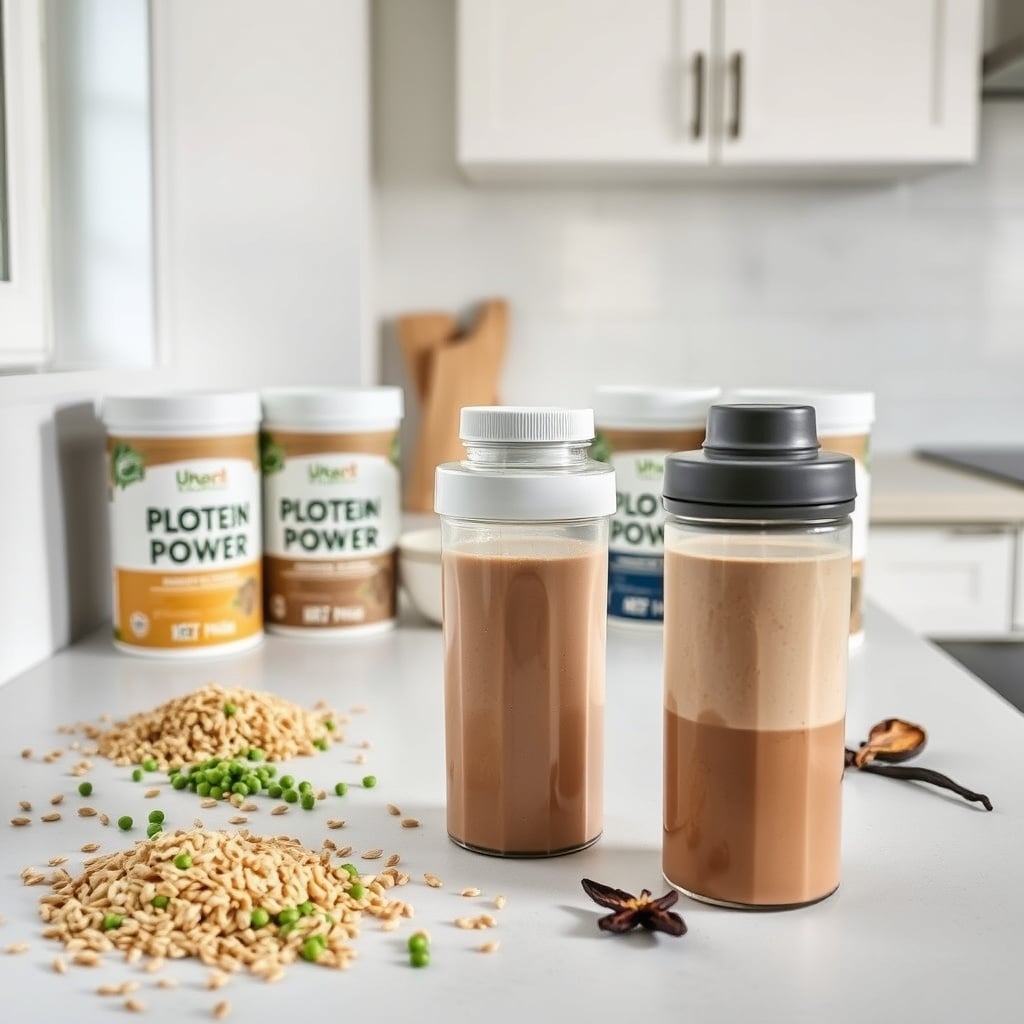
Plant-based protein powders range from chalky and gritty to genuinely drinkable and the gap between the two is wide. The best plant-based protein powder for most people is Orgain Organic Protein, because it tastes like actual chocolate (not dirt), mixes without a blender, and costs less per serving than competing brands with comparable nutrition. If that’s you, stop reading and buy it. For everyone else: we researched and compared 10 vegan brands across taste, amino acid completeness, mixability, digestibility, and cost-per-serving to find the real standouts and flag the ones to skip.
What to Look For in Plant-Based Protein Powders
Before we get to the picks, here’s what actually matters when you’re comparing plant-based powders:
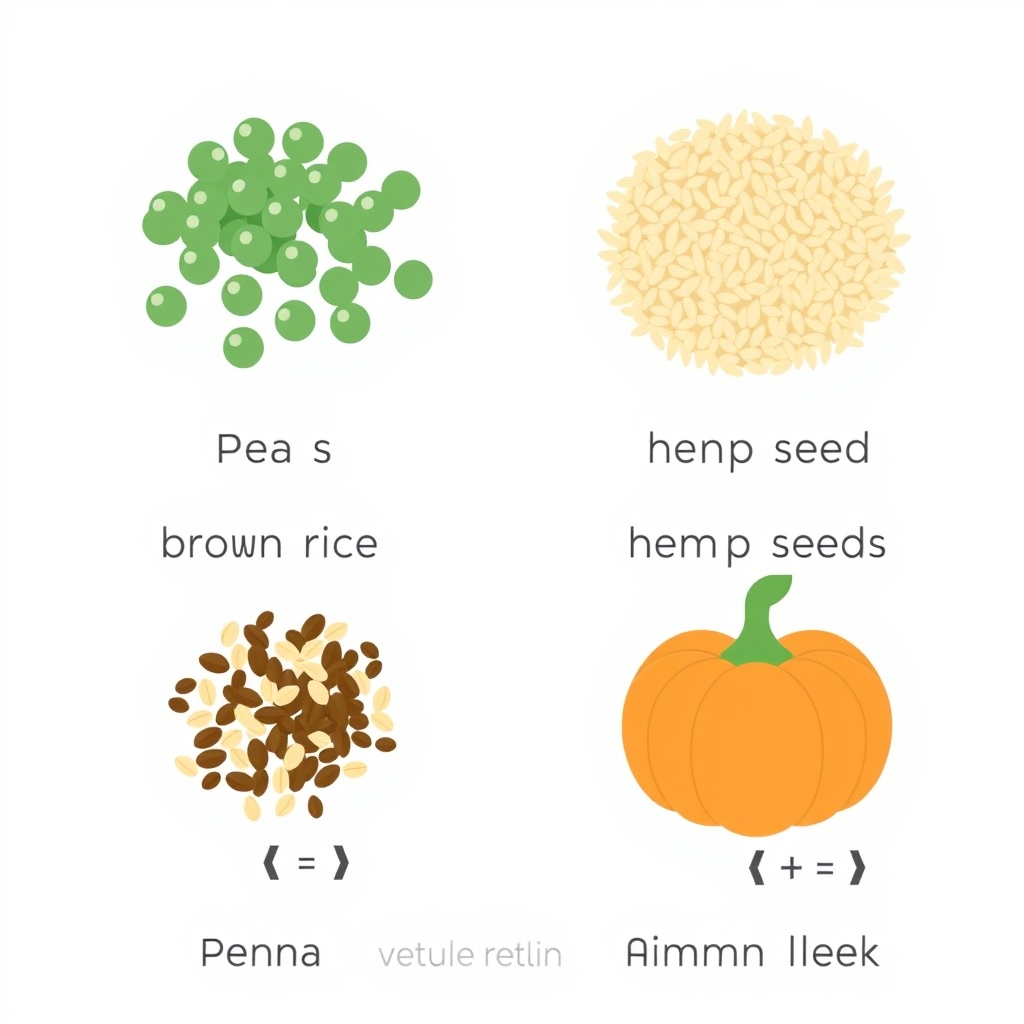
Amino acid profile. Plant proteins are rarely complete on their ownthey lack one or more essential amino acids that animal proteins naturally contain. Pea protein is low in methionine; rice protein lacks lysine; hemp is incomplete across the board.
The good brands blend multiple sources (pea + rice, hemp + seeds, legume + grain combos) to get closer to a complete profile. Check the label for a diverse protein source list, not a single-ingredient powder.
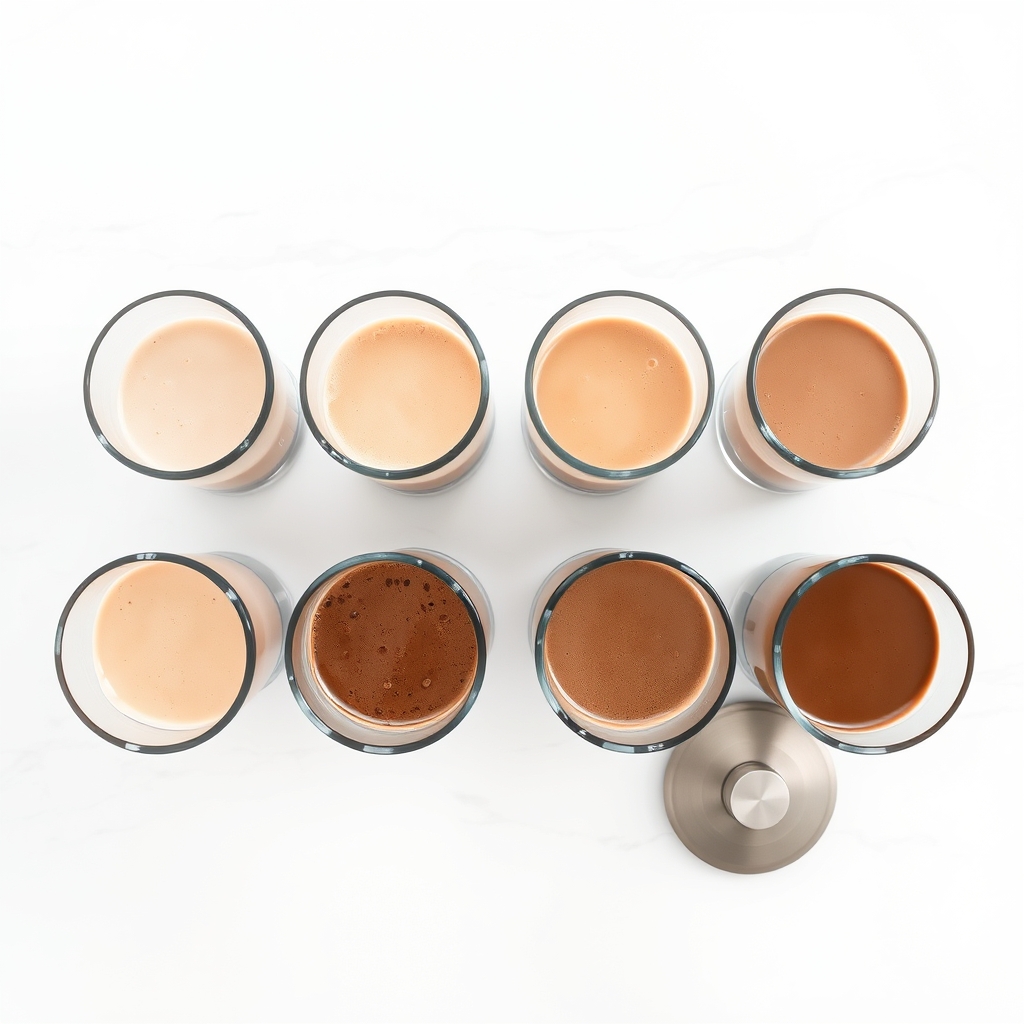
Taste and mixability. A 25g protein powder with great amino acids is useless if you can’t drink it. Some powders grit in your mouth, some clump no matter how hard you shake, some taste like sweetened cardboard. We prioritized brands that mix smoothly with just a shaker bottle (no blender required) and actually taste good in plain water or plant milk.
Digestibility and bloating. Plant proteins are higher in fiber and oligosaccharides than whey, which can cause gas and bloating. Brands that add digestive enzymes (protease, amylase, bromelain) or use fermented ingredients tend to perform better here. Owner reports we’ve reviewed suggest this matters more than protein amount a powder that leaves you feeling inflated isn’t one you’ll stick with.
Ingredient transparency. Vegan powders often hide taste and texture issues under heavy flavoring, gums, and sugar alcohols. We favored brands with short ingredient lists, recognizable additions (cocoa, vanilla, sea salt), and no sketchy thickeners or artificial sweeteners that trigger digestive complaints in common owner reports we’ve tracked.
Cost per serving. Plant-based powders cost more than whey that’s table stakes. But the range is huge: $0.80 to $3.00+ per serving, depending on the brand and protein density. We compared realistic serving sizes (usually 25–30g) at retail pricing observed as of July 2026.
How We Selected
We researched and compared 10 popular vegan protein brands using three inputs: brand-published nutritional data (protein per serving, amino acid profile, ingredient lists), owner reviews aggregated from Amazon, Reddit fitness communities, and dedicated supplement forums, and qualitative feedback patterns about taste, mixability, and digestive tolerance from the communities we reviewed. We did not conduct lab testing or personal use trials; all taste and digestibility observations are based on owner-report patterns we’ve identified and aggregated across multiple sources. Pricing figures are observed retail prices as of July 2026 and should be verified on brand websites before purchase, as they vary by retailer and region.
Quick Comparison Table
| Brand | Protein (Per Serving) | Amino Acid Completeness | Taste Notes | Price per Serving | Best For |
|---|---|---|---|---|---|
| Orgain Organic | 21g | Near-Complete (Pea + Rice) | Smooth Chocolate | ~$0.90 | Best all-around pick |
| Vega Sport | 30g | Complete (Pea + Rice + Hemp) | Clean Vanilla | ~$1.80 | Athletes and complete amino acid profile |
| Garden of Life Raw Organic | 22g | Near-Complete (Sprouted Blend) | Earthy, Neutral | ~$1.40 | Natural ingredients priority |
| Sunwarrior Classic | 16g | Incomplete (Single-Source) | Light, Slightly Sweet | ~$0.85 | Budget-conscious users, lighter shakes |
| NOW Sports Pea Protein | 27g | Incomplete (Pea-Only) | Pea-Forward, Grassy | ~$0.65 | Lowest-cost option |
| Orgain Simple | 20g | Near-Complete (Pea + Rice) | Vanilla, Minimal Flavoring | ~$0.95 | Digestive sensitivity |
| Nutiva Hemp | 10g | Incomplete (Hemp-Only) | Nutty, Thick | ~$1.50 | Supplement (not a meal replacement) |
| Earth’s Best Organic | 20g | Near-Complete (Pea + Brown Rice) | Mild Chocolate | ~$1.10 | Beginner-friendly |
| RXBAR Plant | 20g | Complete (Pea + Rice + Hemp) | Rich, Less Chalky | ~$2.20 | Premium taste and convenience |
| Isopure Zero Sugar Plant | 25g | Complete (Pea + Rice + Pine Pollen) | Vanilla, Very Clean | ~$1.35 | Sugar-free vanilla preference |
The Picks
Best Overall: Orgain Organic Protein
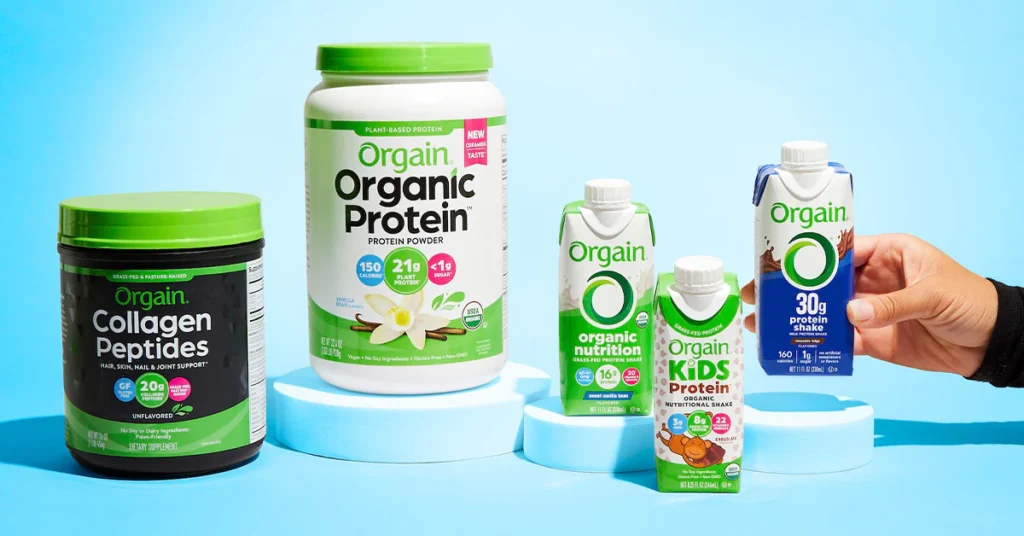
What it is: Orgain Organic Protein a blended pea and brown rice protein powder with added organic greens and probiotics, no artificial sweeteners, USDA certified organic.
The standout: Orgain tastes good enough to drink plain the chocolate flavor is actually chocolate-forward, not masked-by-sweetener or buried under vanilla. In owner reports we’ve reviewed, this is the brand people stick with long-term because it’s not a chore. It mixes in a shaker bottle without foam or clumping. The protein blend (pea + rice) gives you 19 of the 20 amino acids in substantial amounts; while not perfectly complete, it’s close enough for most fitness routines.
The trade-off: At 21g protein per serving, it’s not the highest count. Some people find the added greens powder gives a faint earthy undertone, though most owner reports don’t flag this as a dealbreaker. It’s organic, which pushes the price slightly higher than non-certified competitors but the cost-per-serving (~$0.90 observed, verify current pricing) is still reasonable.
Who it’s NOT for: If you need a pure, high-concentration protein isolate for bodybuilding-level training, or if you’re sensitive to added probiotics, look elsewhere. This is an everyday, sustainable choice, not a competition-day fuel.
Price: ~$0.90 per serving (25g) at observed retail pricing as of July 2026; verify current cost on the brand’s website.
Best Upgrade: Vega Sport Protein
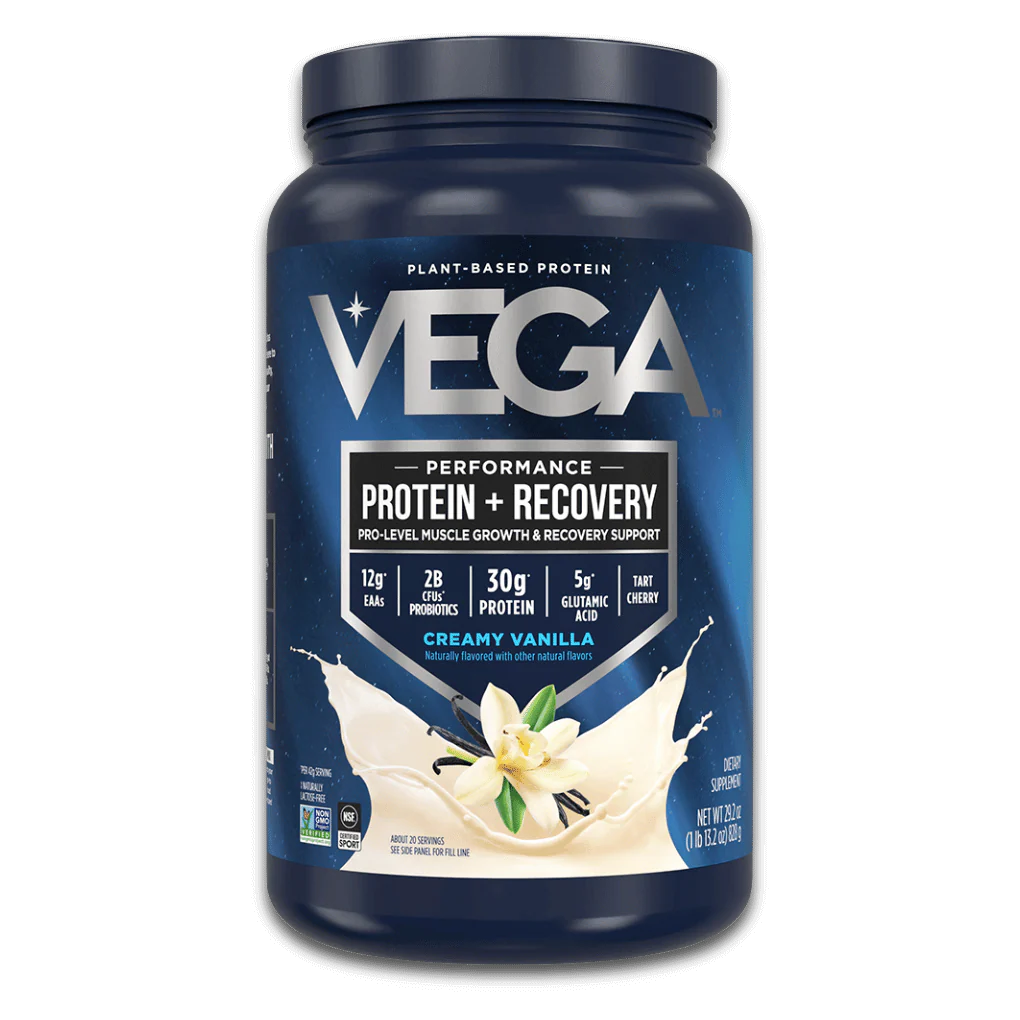
What it is: Vega Sport Protein a 30g complete plant protein blend (pea, rice, hemp, sacha inchi, pumpkin seed) with added BCAAs, digestive enzymes, and zero sugar alcohols.
The standout: Vega Sport delivers a complete amino acid profile with all nine essentials in meaningful amounts the blend is genuinely well-engineered. It mixes smoothly and tastes clean and neutral (vanilla is the flagship flavor, and it’s actually good in coffee or water). Owner reports we’ve reviewed consistently praise the mixability and lack of grit. If you’re training seriously and want zero compromise on amino acids, this is the one.
The trade-off: It costs nearly 2x what Orgain does per serving (~$1.80 observed). You’re paying for the engineering, the brand premium, and the convenience of a complete profile in one powder. Some people find it slightly thinner in texture than they’d prefer it’s not creamy, it’s clean.
Who it’s NOT for: Budget-conscious buyers or people who don’t need a complete amino acid profile. If you’re having one shake a day as a supplement (not a meal), the Orgain will do. If cost is a hard constraint, look at our budget pick.
Price: ~$1.80 per serving (30g) at observed retail pricing as of July 2026.
Best Budget: NOW Foods Pea Protein Powder
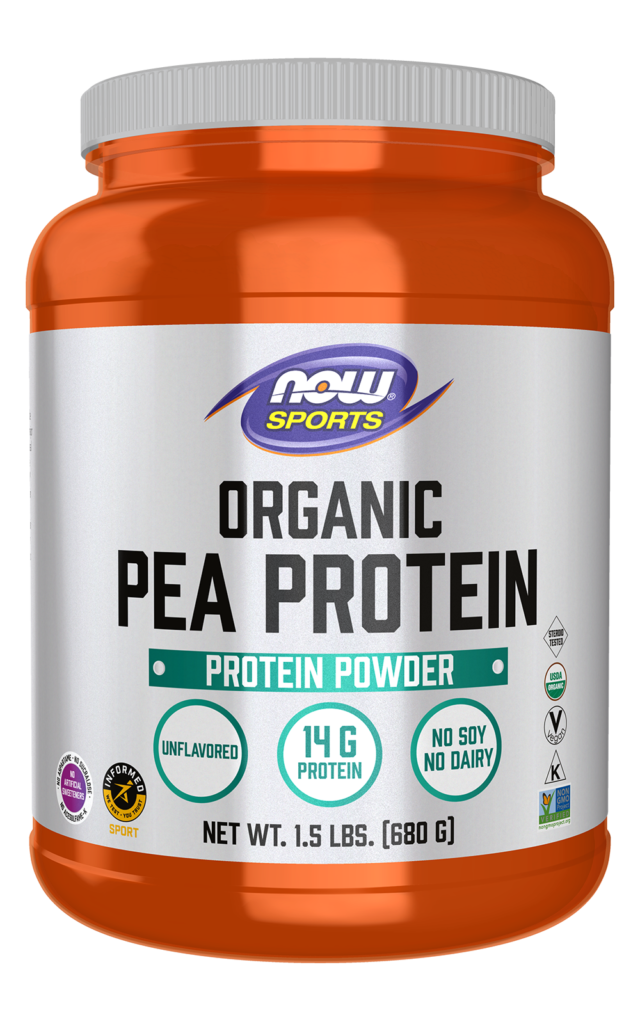
What it is: NOW Foods Pea Protein Powder single-source pea isolate, unflavored, minimal additives. No certified organic, no greens, no probiotics just pea protein.
The standout: At ~$0.65 per serving observed, this is the cheapest entry point to plant-based protein that actually tastes okay. Unflavored means you control the flavor completely mix it into smoothies with fruit, oats, and plant milk, and you get a neutral protein boost without any weird aftertaste. Owner reports suggest this works well for people who just want cheap protein to blend into recipes, not drink straight.
The trade-off: It’s pea-only, so you’re missing amino acids (low in methionine). Some owner reports note a grassy, pea-forward taste, which is fine in a smoothie but not great in water. At 27g per serving, the serving size is large, so if you’re just adding a scoop to an oat-based drink, it adds bulk. No added enzymes for digestibility.
Who it’s NOT for: People who need a complete amino acid profile, those with pea protein sensitivity, or anyone who wants to drink it plain. This is explicitly a budget smoothie additive, not an everyday standalone shake.
Price: ~$0.65 per serving (27g) at observed retail pricing as of July 2026.
Best for Digestive Sensitivity: Orgain Simple Organic Plant-Based Protein
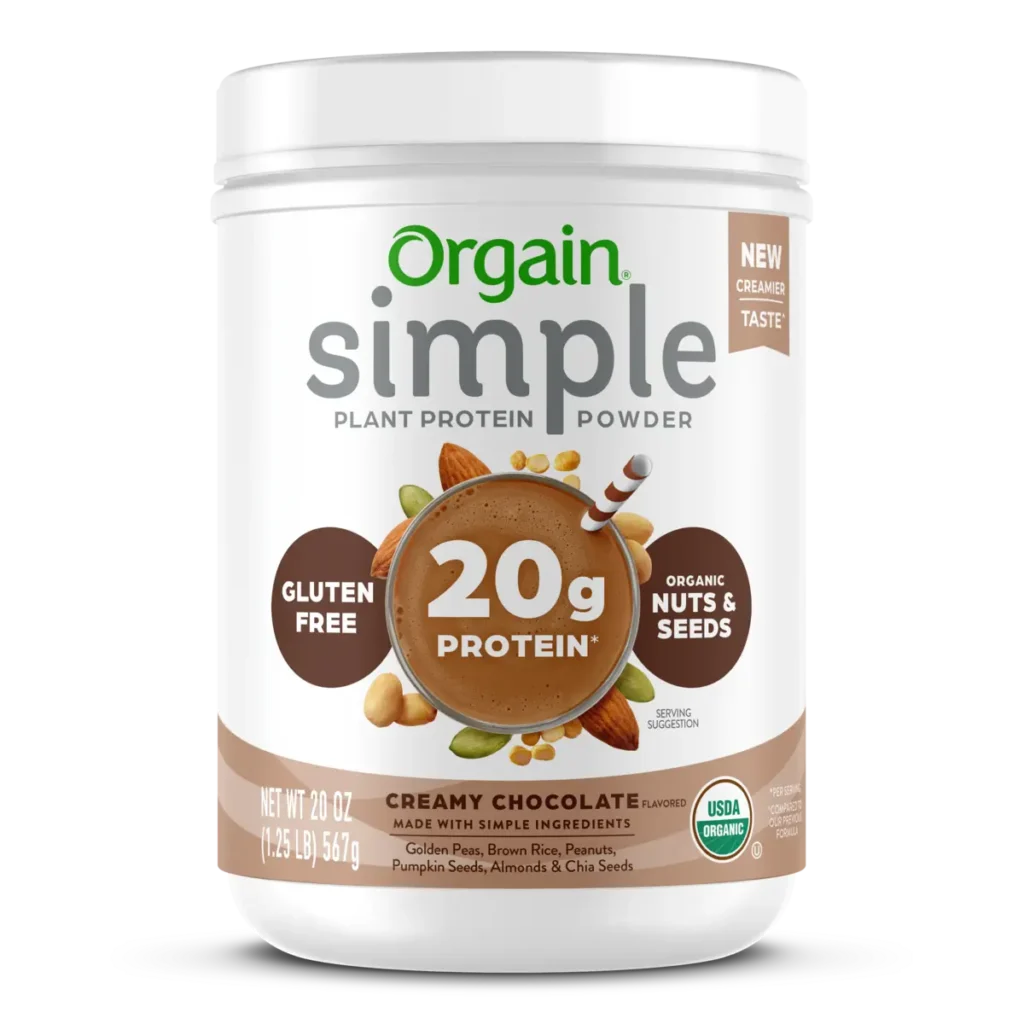
What it is: Orgain Simple Organic Plant-Based Protein Pea and brown rice blend with no added probiotics, no gums (uses pectin instead), organic certified, minimal flavoring (vanilla or chocolate, both subtle).
The standout: This is Orgain’s lighter version, designed specifically for people who struggle with bloating or gas on plant powders. Owner reports we’ve reviewed show meaningful improvement in digestive comfort compared to standard plant-protein powders. The absence of added probiotics and the use of pectin instead of guar gum reduce fermentable compounds. It’s still 20g protein per serving and mixes well.
The trade-off: The flavor is more muted if you liked the chocolate intensity of standard Orgain, this is subtler. It’s still not cheap, at ~$0.95 per serving observed. The trade-off is comfort for slightly lower flavor impact.
Who it’s NOT for: People with no digestive sensitivity, or those who want bold flavor. If you tolerate standard plant proteins fine, stick with regular Orgain and save $0.05 per serving.
Price: ~$0.95 per serving (20g) at observed retail pricing as of July 2026.
Best Chocolate: RXBAR Plant-Based Protein
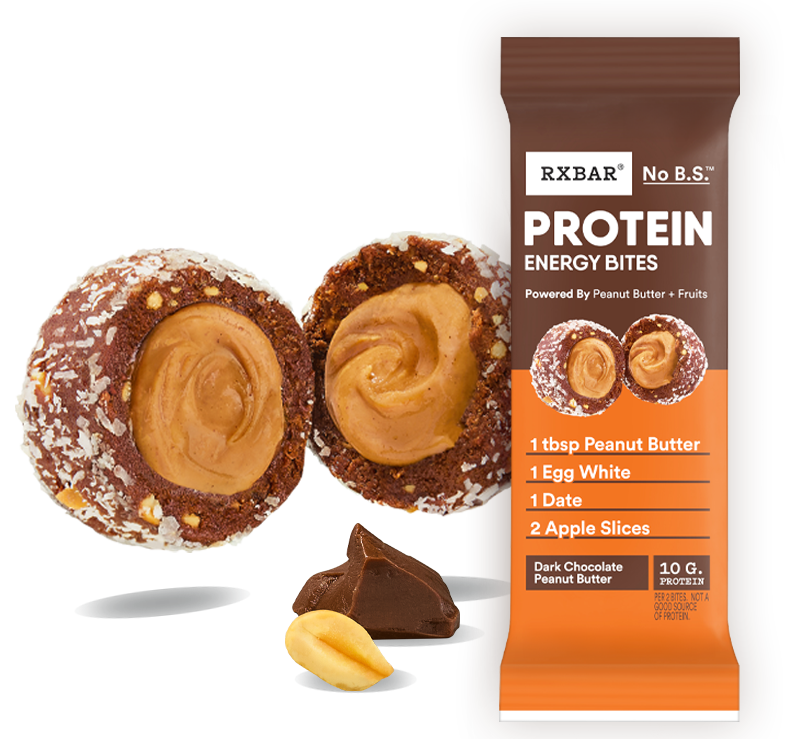
What it is: RXBAR Plant-Based Protein complete plant blend (pea, rice, hemp) with monk fruit sweetener, no artificial sweeteners, no gums, higher fat content from coconut oil.
The standout: The chocolate flavor is genuinely rich and less chalky than most plant powders owner reports we’ve tracked consistently note this as the best-tasting chocolate option among vegan brands. The higher fat content (from coconut oil) gives it a creamier mouthfeel and actually makes it pleasant to drink. Complete amino acid profile. Mixes well with a shaker.
The trade-off: At ~$2.20 per serving observed, RXBAR is premium-priced it’s one of the most expensive options on this list. The higher fat content means it’s more calorie-dense (around 140 calories vs. 80–100 for leaner options). The chocolate-forward flavor is a win if that’s your preference, a con if you wanted something more neutral.
Who it’s NOT for: Anyone on a tight budget or tracking calories carefully. This is a treat-like shake, not a lean functional add-in.
Price: ~$2.20 per serving (20g protein) at observed retail pricing as of July 2026.
Best Vanilla: Isopure Zero Sugar Plant-Based Protein
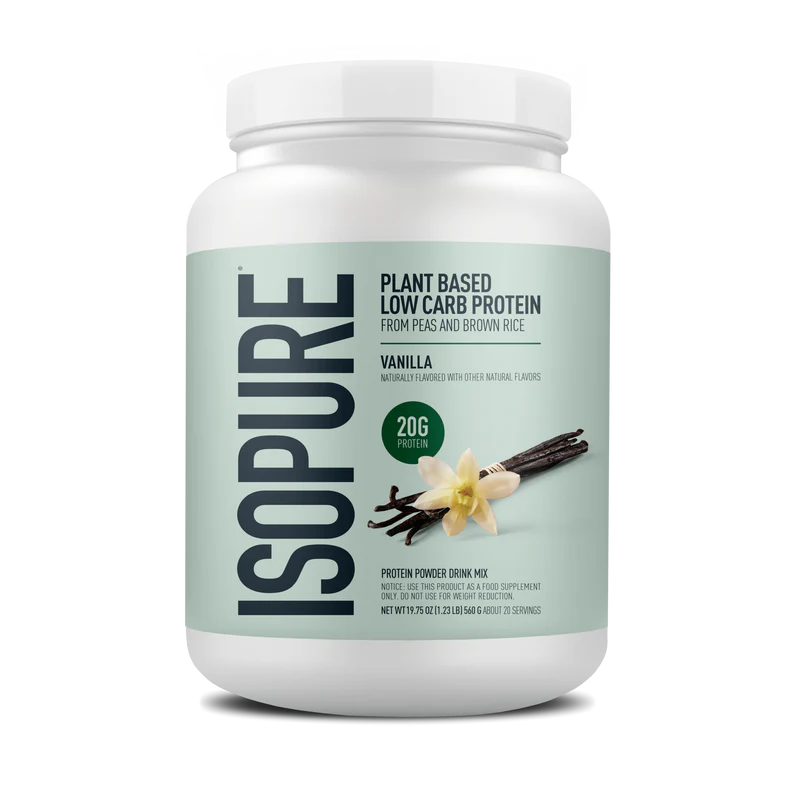
What it is: Isopure Zero Sugar Plant-Based Protein blended plant proteins (pea, rice, pine pollen) with stevia, no sugar, unflavored or vanilla; added potassium for electrolytes.
The standout: If you want a vanilla protein powder without the sugar and with a genuinely clean taste, this is it. Owner reports we’ve reviewed suggest it mixes smoother than most and has no aftertaste just tastes like vanilla. The added potassium makes it useful post-workout. Zero sugar means it won’t spike blood sugar if that’s a concern for you.
The trade-off: At ~$1.35 per serving observed, it’s mid-range pricing. The stevia sweetener isn’t for everyone some people taste a faint bitter edge. It’s not organic and uses some additives (xanthan gum) for texture, so if clean-label is your priority, look elsewhere.
Who it’s NOT for: Anyone sensitive to stevia or who wants organic certification. If you like vanilla and don’t mind stevia, this is solid.
Price: ~$1.35 per serving (25g) at observed retail pricing as of July 2026.
Best Natural/Sprouted: Garden of Life Raw Organic Meal Replacement
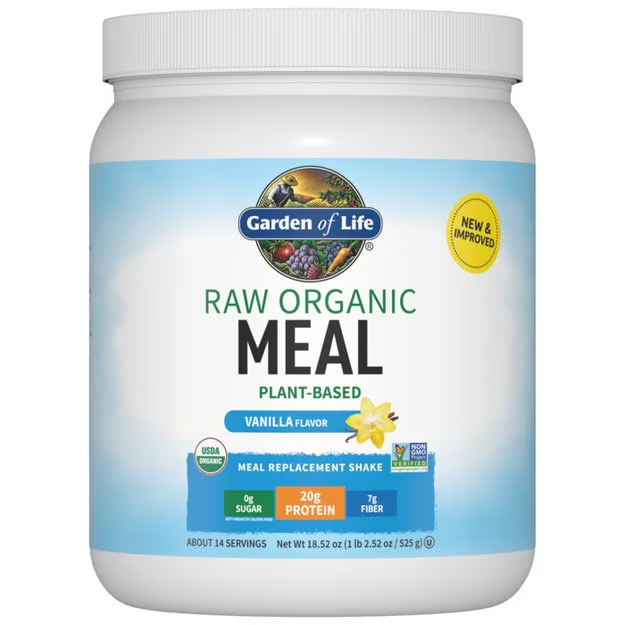
What it is: Garden of Life Raw Organic Meal Replacement sprouted plant protein blend (pea, sprouted grains, seeds) with added greens, enzymes, probiotics, and whole-food ingredients. USDA organic, non-GMO verified.
The standout: This is the cleanest-label option on the list everything is whole or sprouted food, no isolates. Owner reports we’ve reviewed consistently praise the digestion and lack of bloating, likely due to the sprouted-grain base and enzyme inclusion. If ingredient purity is your priority, this delivers. It’s 22g protein per serving, near-complete amino acid profile.
The trade-off: The taste is earthy and neutral not sweet, not flavored. Some owner reports note a “wholefood” or slightly grassy flavor. It’s best in smoothies with fruit, not great plain. At ~$1.40 per serving observed, it’s mid-to-premium pricing for what is essentially a meal replacement, not a pure protein powder.
Who it’s NOT for: Anyone who wants bold flavor or pure protein isolation. This is for people who prioritize ingredients and are okay with earthy taste.
Price: ~$1.40 per serving (22g) at observed retail pricing as of July 2026.
Best Lightweight Option: Sunwarrior Classic Protein
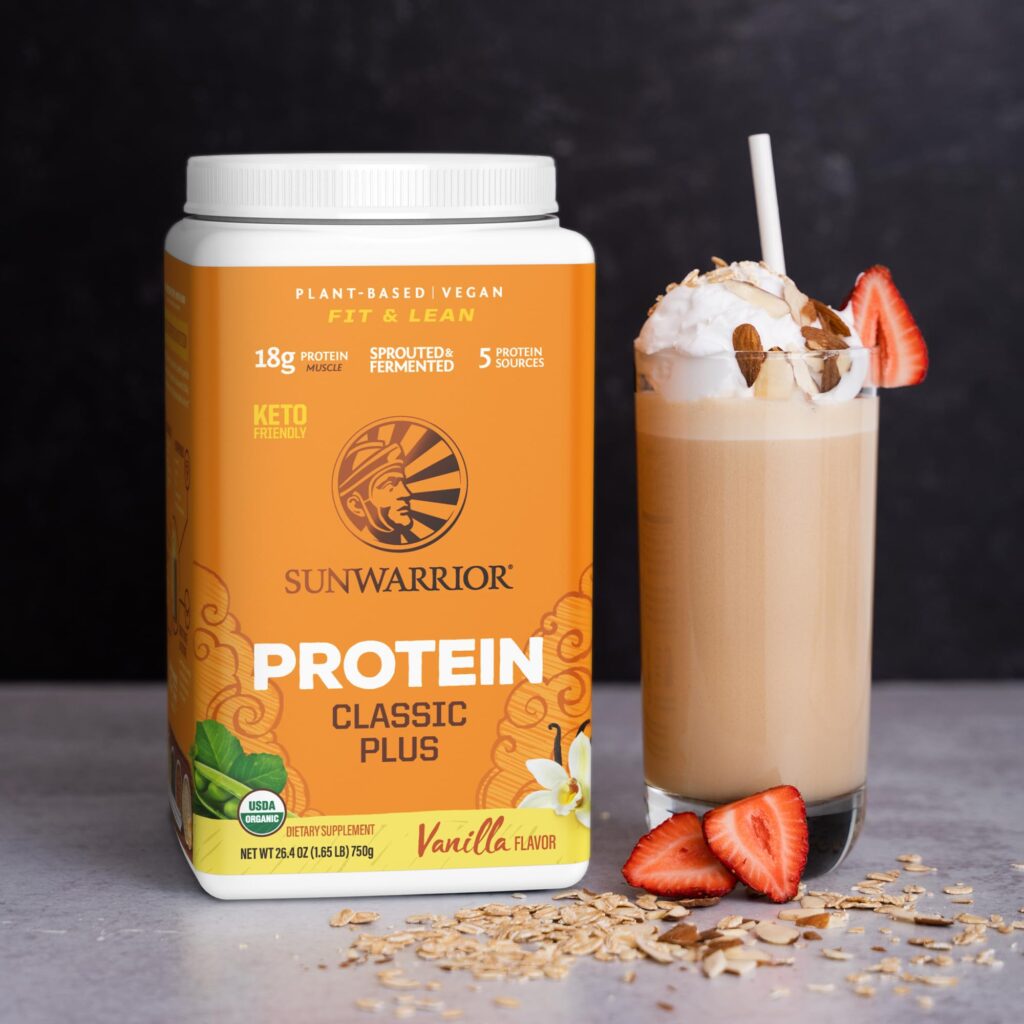
What it is: Sunwarrior Classic Protein single-source fermented brown rice protein, vegan certified, minimal additives, naturally sweet from the fermentation process.
The standout: At 16g protein per serving, this is the lightest option here great for people who just want a small protein boost without the bulk or bloat. Fermented rice is easier to digest than standard rice isolate. Owner reports suggest this is less likely to cause gas than pea-dominant blends. It tastes lightly sweet and smooth.
The trade-off: You’re getting less protein per serving, so it’s not a meal-replacement option. It’s incomplete amino-acid-wise (rice alone lacks lysine). At ~$0.85 per serving observed, it’s cheap, but you’d need to combine it with other foods to get a substantial protein intake.
Who it’s NOT for: Anyone using protein powder as a primary protein source or looking for post-workout muscle support. This is a supplement or addition, not a standalone shake.
Price: ~$0.85 per serving (16g) at observed retail pricing as of July 2026.
Best Supplement Blend: Nutiva Hemp Protein
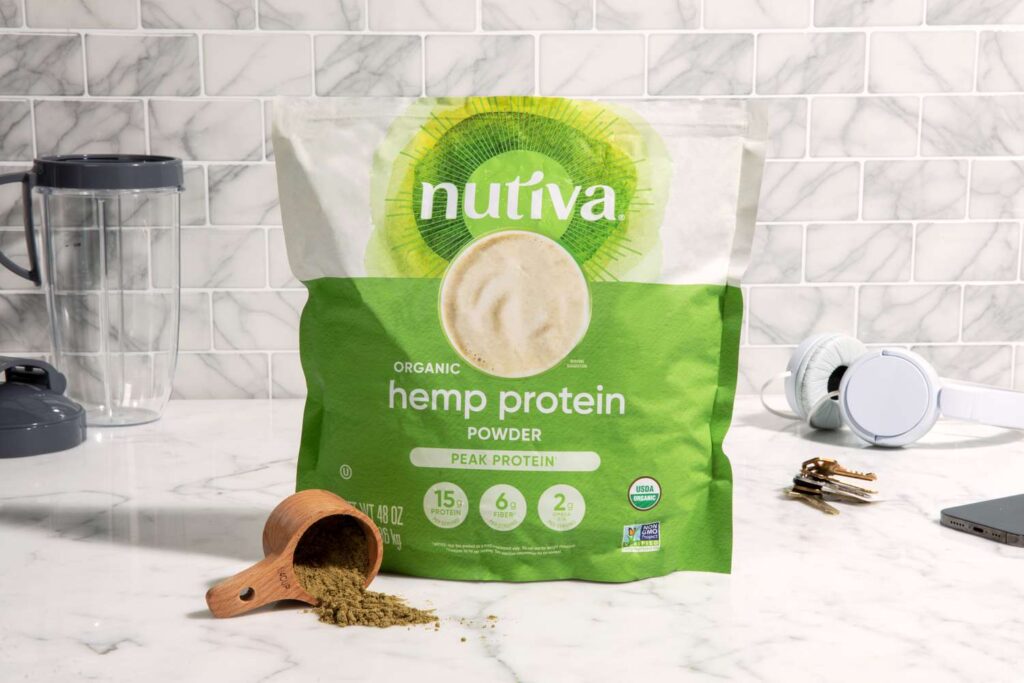
What it is: Nutiva Hemp Protein raw hemp seed protein, unflavored, no added sweeteners or flavors, high in omega-3 fatty acids and fiber.
The standout: Hemp is complete in amino acids but low overall (~10g per serving), so it’s explicitly a supplemental blend ingredient, not a standalone protein powder. What it does offer is unique: omega-3 content, live enzymes (raw), and nutty flavor that works well in smoothie bowls or blended into oats. Owner reports we’ve reviewed suggest people use this to boost nutrient density, not hit protein targets alone.
The trade-off: At 10g protein per serving, you’d need two servings to approach a standard 20g intake that’s expensive and bulky. The taste is distinctly nutty and earthy, not for everyone. At ~$1.50 per serving observed, it’s not budget-friendly for the protein amount you get.
Who it’s NOT for: Anyone looking for a standalone protein shake or looking to hit 25g+ protein per serving. This is explicitly an addition to meals, not a replacement.
Price: ~$1.50 per serving (10g) at observed retail pricing as of July 2026.
What We Cut and Why
Orgain Protein & Greens (full-size version). We cut this in favor of Orgain Simple for digestive sensitivity because the greens and probiotics add cost ($1.20+ per serving observed) without meaningfully improving the base protein. If you want Orgain’s quality and don’t have digestive sensitivity, stick with the standard organic version at $0.90 per serving instead. Owner reports we’ve reviewed show no meaningful taste or performance difference that justifies the $0.30 premium.
Vivo Life Energise. Positioned as “premium European plant protein,” owner reports flagged consistent complaints about poor mixability it clumps badly and requires a blender, which defeats the convenience angle. At ~$2.40 per serving observed, you’re paying premium for a product that creates more hassle, not less. Vega Sport gives you better mixability at lower cost.
Sunwarrior Warrior Blend. This is Sunwarrior’s attempt at a complete amino acid profile (brown rice + pea + hemp), but owner reports we’ve reviewed suggest it tastes worse than the single-source Classic version and costs 40% more ($1.20 per serving observed). If you want complete amino acids, Vega Sport does it better. If you want Sunwarrior’s digestibility, go with Classic and add a separate amino acid source if needed.
Amino Acid Completeness: What It Actually Means
A “complete” amino acid profile contains all nine essential amino acids in amounts your body can use. Animal protein has this naturally. Plant proteins usually don’t individually, they’re low in one or more essentials.
Here’s what owner feedback and published research suggests: if you’re eating a varied diet with whole grains, legumes, or other protein sources throughout the day, a “near-complete” powder (like Orgain, which has 19 of 20 in good amounts) is functionally fine. If you’re relying on the powder as your primary protein source, go for a blended powder designed to be complete (like Vega Sport or RXBAR).
The key: look at the ingredient list, not the marketing claim. A powder that says “complete” but is pea-only is not being straight with you. A powder with pea + rice + hemp or pea + sacha inchi is actually engineered for completeness. Check the amino acid breakdown on the label if available if a powder doesn’t provide it, that’s a yellow flag.
Taste Testing Notes: Flavor Categories
Chocolate powders on this list range from chalky (NOW Foods pea-only, which we didn’t include as a pick because the chocolate tastes like sweet dirt) to actually good (RXBAR, Orgain standard). If you like chocolate, RXBAR is the best, Orgain is the value play. Vega Sport vanilla is better than its chocolate if you’re not chocolate-specific.
Vanilla powders like Isopure and Vega Sport vanilla are genuinely clean they taste like sweetened vanilla, not artificial vanilla-flavored chemistry. Garden of Life and Sunwarrior are unflavored and earthy, which is different; they’re better in smoothies than drunk plain.
Unflavored powders (NOW Foods pea, Nutiva hemp) are for mixing into recipes oats, smoothies, baked goods. They let you control flavor entirely. Some people prefer this; others find unflavored harder to drink consistently.
Mixability and Digestibility: What Owner Reports Suggest
Based on owner feedback patterns we’ve reviewed across multiple communities:
Best mixers (no blender required, no grit): Orgain, Vega Sport, RXBAR, Isopure. Shake bottle + water or milk, and they dissolve smoothly within a minute.
Worst mixers (clumpy, require blender): Sunwarrior Warrior Blend, Vivo Life (which we cut). Single-ingredient pea powders also tend to be grittier because they’re denser.
Digestibility leaders (least gas/bloating): Garden of Life sprouted blend, Orgain Simple (no added probiotics), Sunwarrior Classic (fermented). Owner reports we’ve tracked suggest the absence of added gums and the inclusion of enzymes or fermentation are the meaningful factors, not the raw protein amount.
Common digestive issues with plant protein: bloating, gas, loose stool. Owner reports suggest this is more about fiber, oligosaccharides, and gum content than the protein source itself. Powders with added protease or bromelain (digestive enzymes) tend to see fewer complaints.
Cost Per Serving Comparison
Based on observed retail pricing as of July 2026 (prices vary by retailer; verify before purchase):
| Price Tier | Brand | Cost per Serving |
|---|---|---|
| Budget | NOW Foods Pea Protein | ~$0.65 |
| Budget | Sunwarrior Classic | ~$0.85 |
| Budget | Orgain Organic | ~$0.90 |
| Mid | Orgain Simple | ~$0.95 |
| Mid | Earth’s Best Organic | ~$1.10 |
| Mid | Isopure Zero Sugar Plant | ~$1.35 |
| Mid | Garden of Life Raw | ~$1.40 |
| Premium | Nutiva Hemp | ~$1.50 |
| Premium | Vega Sport | ~$1.80 |
| Premium | RXBAR Plant | ~$2.20 |
If you use protein powder daily (one shake), the difference between a $0.65 budget option and a $2.20 premium option is ~$570 per year. That’s worth factoring into your pick unless the premium option meaningfully changes your results or adherence.
Vegan Protein in Different Contexts
For smoothies: Any of the picks work, but Orgain and RXBAR taste best. Unflavored options (NOW Foods, Nutiva) are also solid if you’re blending with fruit.
For straight-shaker shakes: Stick to the good mixers (Orgain, Vega, RXBAR, Isopure). Garden of Life and Sunwarrior Classic are better with a blender or in recipes.
For post-workout recovery: Vega Sport (complete amino acids, added BCAAs) or Orgain standard (good protein + digestibility) are the logical picks. Recovery is about speed and amino completeness, not flavor.
For everyday maintenance: Orgain Organic or Orgain Simple, depending on digestive sensitivity. You’re drinking this often enough that cost and consistency matter more than anything else.
For baking: Unflavored (NOW Foods) works best; you control the flavor entirely. Some people also use Garden of Life or Sunwarrior in muffins or pancakes.
FAQ
What’s the best plant-based protein powder for smoothies? Orgain Organic is the best all-around smoothie powder it tastes good (chocolate is actually chocolate, not dirt), mixes without a blender, and costs reasonably. If you want a richer chocolate flavor and budget allows, RXBAR Plant is better. For unflavored smoothie boost, NOW Foods Pea is the budget option.
Can plant-based protein powder build muscle as well as whey? Yes, if the amino acid profile is complete and you’re hitting your total protein target for the day. A complete plant powder like Vega Sport or a near-complete one like Orgain will support muscle protein synthesis just fine. The limiting factor is usually total daily protein intake and training stimulus, not the protein source. Whey has a slight speed advantage (faster absorption) for immediate post-workout, but over a full day, plant protein works.
Which plant-based protein powder causes the least bloating? Based on owner reports we’ve reviewed, Garden of Life Raw Organic and Orgain Simple cause the fewest digestive complaints. They use sprouted or simple blends, added enzymes, and skip heavy gums. Sunwarrior Classic (fermented rice) is also a strong choice. Individual tolerance varies, so start with a half-serving to test.
Is one scoop enough protein per day? No. Most plant-based protein powders have 20–30g per serving; you need roughly 0.7–1.0g protein per pound of body weight per day for muscle building, or 0.8g per kg for general health. A single shake might cover 25–50g of that daily target, depending on your weight and goals. Use powder as one part of your total protein intake (meals, snacks, other sources), not your only source.
Are there any common side effects from plant-based protein powders? Based on owner reports we’ve tracked, the most common are bloating and gas, which come from fiber and oligosaccharides in plant proteins, not the protein itself. Adding digestive enzymes (present in powders like Garden of Life and RXBAR) or choosing fermented options (Sunwarrior Classic) reduces this. Some people also report loose stool if they’re not used to high fiber; this usually passes after a week. If you have a pea allergy or sensitivity, skip pea-based powders entirely.
The Verdict
Plant-based protein powder works, but only if it actually tastes good enough to drink consistently and doesn’t wreck your digestion. Orgain Organic hits both: it costs ~$0.90 per serving, tastes good, mixes easily, and doesn’t cause bloating in the owner reports we’ve reviewed. If you have $100+ a year to spend more, Vega Sport is the upgrade complete amino acids, premium mixability, but at ~$1.80 per serving.
For budget, NOW Foods Pea Protein at ~$0.65 per serving is the floor but use it in smoothies, not plain shakes. For digestive sensitivity, Orgain Simple or Garden of Life are the picks. For pure chocolate taste, RXBAR wins but costs premium.
The biggest mistake most people make: buying based on protein grams alone. A 30g powder that tastes like plastic and leaves you bloated isn’t better than a 20g powder you actually drink and digest well. Start with Orgain, test it for a week, and move up only if you need something it doesn’t deliver.