

Most people are taking supplements they don’t need and skipping the ones that could matter. That’s the takeaway from my conversation with Sarah Chen, MS, RDN, LDN, a registered dietitian nutritionist with 14 years of clinical experience in micronutrient assessment and personalized nutrition planning. The single most useful thing she said: “Testing isn’t about proving you need a bottle. It’s about answering one specific question: is this nutrient limiting your performance or health right now? If the answer is no, you’re wasting money and risking interactions you haven’t thought about.”
I wanted to dig into why personalized supplementation matters, how micronutrient testing actually works, and what the gap really looks like across different diet types. Most nutrition writing treats supplements as either a fix-all or a scam. Chen’s framing is different: they’re a tool, and like any tool, they’re worthless if you’re not solving a real problem.
Why Personalized Nutrition Beats the Bottle
The supplement industry sells universality. Your body doesn’t buy it.
Chen starts here: “If you walk into a supplement store, the labeling assumes everyone has the same micronutrient needs. That’s not how human bodies work. A vegan ultramarathon runner, a postmenopausal woman, and a kid with celiac disease are going to have wildly different nutrient priorities. Generic dosing is either too low to matter or higher than necessary for someone else entirely.”

This is where personalization enters. Personalized supplementation means matching a nutrient dose, form, and timing to your actual physiology, diet, and health goal not the label’s standard serving.
“The real question isn’t ‘do I need a multivitamin,’” Chen explains. “It’s ‘do I have a demonstrable gap in this specific nutrient, and if I do, what’s stopping me from eating it first?’ If you’re low in iron and you eat meat, iron supplementation might not be the move. If you’re vegan and your ferritin is declining, supplementation plus food strategy becomes urgent.”
When should you consider personalized supplementation?
- You follow a restrictive diet (vegan, keto, elimination diet for food sensitivities) and have noticed fatigue, poor recovery, or other performance markers shifting.
- You’ve had micronutrient testing done and saw a result outside your reference range.
- You’re on medications that interfere with nutrient absorption or increase excretion (e.g., proton pump inhibitors reduce B12 absorption; loop diuretics deplete electrolytes).
- You’re dealing with a diagnosed condition pregnancy, anemia, bone loss where targeted supplementation is part of clinical management.
- You’re over 50 and absorb B12 poorly from food (common in aging).
“If none of those apply to you,” Chen adds, “you probably don’t need supplementation. You need to look at your diet.”
Micronutrient Testing: What It Reveals and What It Doesn’t
Testing sounds scientific until you understand what’s actually being measured.
Chen is direct: “Most commercial micronutrient testing is serum-based we’re measuring nutrient concentration in your blood at a snapshot in time. That’s useful for some nutrients, misleading for others, and nearly useless for a few.”
Here’s what micronutrient testing does well:
Iron (ferritin, serum iron, TIBC). Blood ferritin correlates well with iron stores, especially when combined with other markers. This is reliable.
Vitamin B12 (serum B12, methylmalonic acid). B12 levels can indicate deficiency, though MMA (methylmalonic acid) is more specific to functional B12 status.
Vitamin D (25-OH vitamin D). Serum vitamin D is the gold standard for assessing vitamin D status. This test is both specific and actionable.
Folate and B6. These can be measured, though serum folate shifts quickly based on recent intake, so it’s more of a snapshot.
Here’s what micronutrient testing does poorly:
Magnesium. Only 1% of magnesium is in the blood; 99% is in cells and bone. Serum magnesium is almost useless for assessing true status. “If your serum magnesium comes back normal, you might still be magnesium-depleted,” Chen notes. “This is a huge source of confusion.”
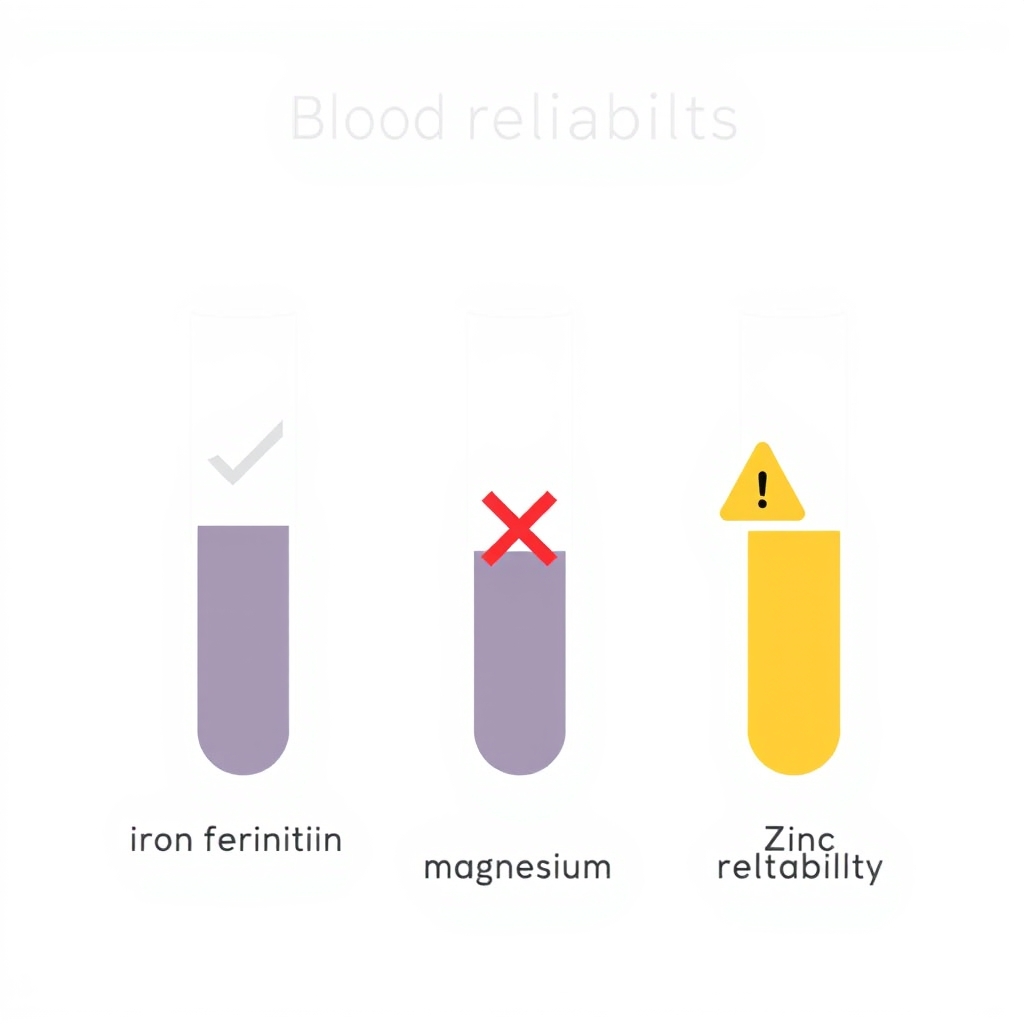
Zinc. Serum zinc reflects recent intake, not stores. It’s not a reliable marker of zinc status, especially in inflammatory states.
Calcium. Serum calcium is tightly regulated and rarely abnormal unless something serious is happening. It doesn’t reflect bone calcium or dietary sufficiency.
Chen’s framework for interpreting a test result:
- What’s the reference range? Different labs use different ranges. A result flagged “low” in one lab might be “normal” in another. Always ask which reference range applies.
- Is this a functional deficiency or just a low-normal number? A B12 level of 350 pg/mL is technically “normal” but may cause symptoms in some people, especially if it’s declined from 600. “I look at trajectory, not just the absolute number,” Chen says.
- Does this nutrient actually explain the symptom? Low iron explains fatigue; it also explains low energy. But so does sleep debt, thyroid dysfunction, depression, and insufficient calories. “Testing should answer a specific question, not be a fishing expedition,” Chen warns.
- Is there a reason for the low level? Poor absorption (celiac, IBS), low intake, high losses (menstruation, certain medications), or increased demand (pregnancy, athletic training)? The reason changes the intervention.
Nutrient Gaps by Diet Type: Where Personalization Becomes Essential
Different diet patterns have predictable nutrient vulnerabilities. Knowing yours saves time and money.
Chen works with clients across a range of diets and has clear patterns:
Vegan Diet
“Vegans need to pay attention to vitamin B12, iron, zinc, and algae-based omega-3 (EPA/DHA),” Chen says. “These aren’t optional. They’re structural gaps.”
- B12: Animal products are the primary natural source. Vegans absorb B12 from fortified foods or supplements. “This is one supplementation I always recommend to vegans, even if they eat fortified cereals. The cost-to-benefit ratio is too good to skip.” In Chen’s clinical experience, B12 deficiency develops slowly but predictably in vegans who don’t supplement or consume fortified foods consistently.
- Iron: Plant-based iron (non-heme iron) absorbs at roughly one-third the rate of heme iron from meat. “Vegans need to eat more iron-rich foods and understand absorption enhancers vitamin C boosts non-heme iron absorption significantly. A vegan eating beans with orange juice gets more iron than one eating beans with tea.”
- Zinc: Phytate in grains and legumes inhibits zinc absorption. Vegans need higher zinc intake than omnivores consuming the same amount. “I see functional zinc deficiency in vegans more often than I’d expect. Hair loss, slow wound healing, immune dysfunction. Supplementation or consistent soaking and sprouting of grains helps.”
- Omega-3s: EPA and DHA (long-chain omega-3s) come primarily from fish. Algae supplements provide a vegan source, though conversion from plant ALA to EPA/DHA is limited. “Most vegans benefit from an algae supplement, though I check intake and blood markers if they’re willing.”
Ketogenic or Very Low-Carb Diet
“Keto dieters often develop electrolyte issues sodium, potassium, magnesium early on,” Chen explains. “It’s not a deficiency; it’s metabolic adaptation. But it’s real, and supplementation or food strategy fixes it quickly.”
- Electrolytes: Ketosis increases urinary losses of sodium and potassium. “I don’t always recommend supplementation bone broth, salt on food, and potassium-rich low-carb foods (avocado, spinach, nuts) often suffice. But if someone has headaches or fatigue early in keto, electrolytes are the first place I look.”
- Micronutrients from restricted foods: If someone eliminates most plant foods, they risk folate and magnesium shortfalls. “Low-carb doesn’t mean zero-carb vegetables. The clients who thrive on keto are eating leafy greens, cruciferous vegetables, and nuts consistently. The ones who crash are eating bacon and cheese only.”
Paleo or Whole-Foods Diet
“Paleo diets are usually nutrient-dense if well-planned,” Chen notes. “The gap I see is iodine and sometimes vitamin D, depending on where they live and sun exposure.”
- Iodine: Whole-foods paleo excludes fortified grains, which are a primary iodine source in most Western diets. “Paleo dieters should be eating seaweed or iodized salt, or supplementing. Iodine deficiency is rare but serious for thyroid function.”
Low-FODMAP or Elimination Diets
“These are therapeutic, not long-term diets, but people stay on them longer than necessary,” Chen observes. “If you’re restricting multiple food groups for more than a few months, you’re at risk for micronutrient gaps.”
Restricting grains risks B vitamins and magnesium. Restricting dairy risks calcium. “The issue isn’t that elimination diets are bad they can be essential for IBS or FODMAP sensitivity but they need to be paired with intentional replacement of nutrients from eliminated foods. Otherwise, you’re trading one problem for another.”
Supplement Interactions: What Actually Matters
Most supplement interactions are overstated. Some are real and dangerous.
Chen’s position: “If you’re on medication, tell your doctor about supplements. If you’re supplement-heavy, tell your doctor before you start new meds. That said, most common interactions are either negligible or easily managed by timing.”
Here’s what you should actually know:
Iron + Calcium
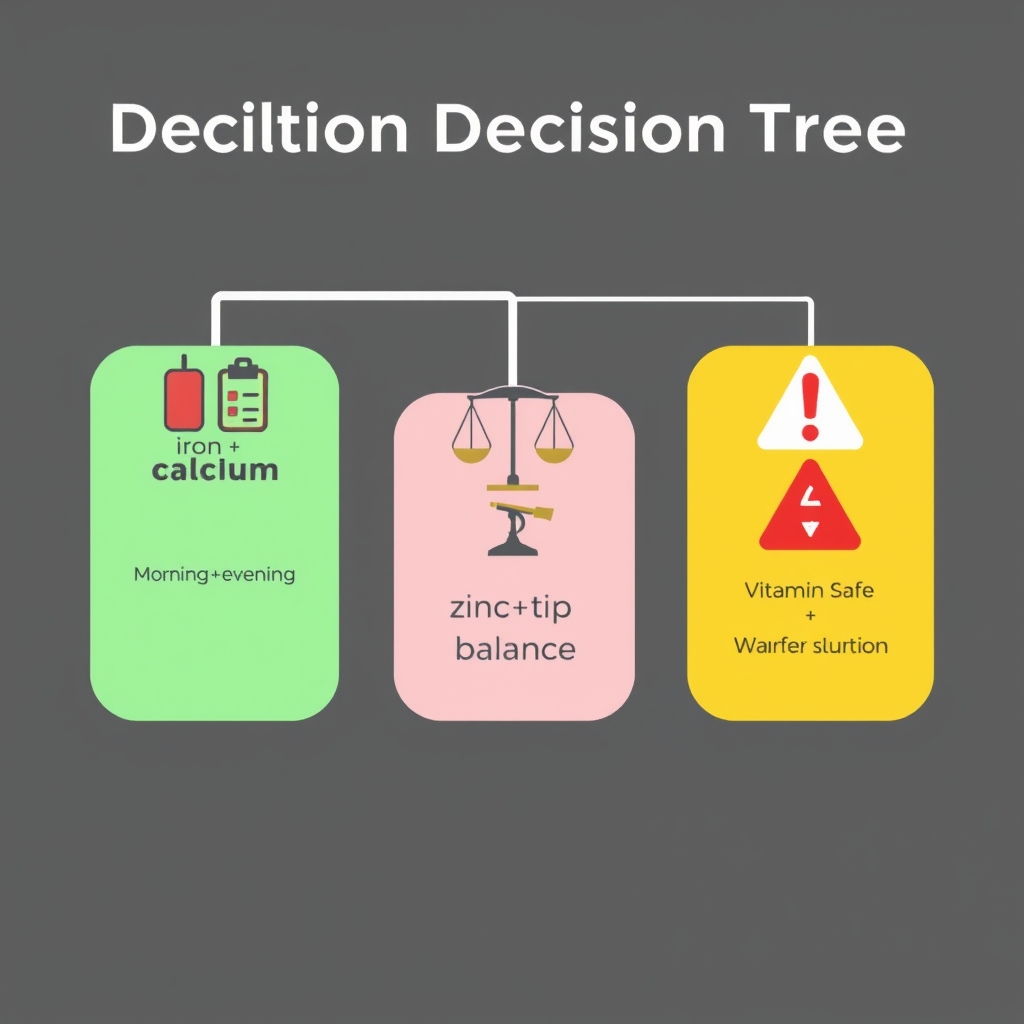
These minerals compete for absorption. Taking them together reduces absorption of both. “Solution: take iron on an empty stomach in the morning, calcium with a meal in the evening,” Chen advises. “Separate them by 2–3 hours, and there’s minimal interference.”
Zinc + Copper
High zinc (especially supplemental) reduces copper absorption. “Chronic high-dose zinc more than 50 mg daily without medical reason can deplete copper. I see this in people taking immune-focused supplements year-round. Copper deficiency causes neurological symptoms and immune problems. Don’t mega-dose zinc unless someone actually needs it.”
Vitamin K + Anticoagulants (Warfarin)
“This is a real interaction,” Chen says firmly. “Vitamin K reduces warfarin effectiveness. If you’re on warfarin, don’t start vitamin K supplementation without your doctor’s involvement. It’s not a ban it’s a communication issue.”
Fat-Soluble Vitamins (A, D, E, K) + Fat Malabsorption Conditions
If someone has celiac disease, cystic fibrosis, or bile acid malabsorption, they need special forms of fat-soluble vitamins. “Standard supplementation doesn’t help if you can’t absorb fat. Your doctor should be guiding this.”
High-Dose Vitamin C + Iron
Vitamin C enhances iron absorption, which is useful if you need it. “But if you have hemochromatosis or iron overload, mega-dosing vitamin C can worsen it. Context matters.”
Calcium + Certain Antibiotics and Bisphosphonates
Calcium reduces absorption of tetracycline antibiotics and bisphosphonate medications. “Take calcium 2–4 hours apart from these drugs,” Chen notes. “This is why drug labels say to take them with an empty stomach.”
Chen’s bottom line: “Most interactions are manageable with timing. The ones that aren’t like vitamin K and warfarin, or high zinc depletion are known. If you’re on a chronic medication and considering supplementation, use your pharmacist. That’s literally what they’re trained for.”
Building Your Personalized Supplement Stack: The Framework
Generic multivitamins skip the personalization. Here’s how to actually build one.
Chen outlines a decision tree:
Step 1: Do you have a diagnosed deficiency or a clear dietary gap? If no, stop. You probably don’t need supplementation. If yes, proceed.
Step 2: What’s the reason for the gap?
- Low intake? (Fix diet first; supplementation is a temporary bridge.)
- Poor absorption? (Supplementation is ongoing; dietary changes help but may not be enough.)
- High losses? (Supplementation plus management of the loss is necessary.)
- Increased demand? (Pregnancy, athletic training supplementation is part of a larger plan.)
Step 3: What form do you need? “This is where people get lost,” Chen says. “Forms matter. Iron bisglycinate absorbs differently than ferrous sulfate. Magnesium threonate crosses the blood-brain barrier; magnesium citrate doesn’t. Cyanocobalamin (B12) is cheaper; methylcobalamin is active immediately. The form determines where the nutrient goes and how well you absorb it.”
For most people:
- Iron: Ferrous bisglycinate or ferrous sulfate if you need absorption; ferric if you have GI sensitivity.
- Magnesium: Citrate for bowel regularity; threonate if you’re taking it for brain health; glycinate for general support.
- Zinc: Bisglycinate or picolinate; avoid zinc lozenges unless you’re treating acute illness (they can deplete copper).
- Vitamin B12: Methylcobalamin if you’re taking it regularly; cyanocobalamin if cost is a factor (it’s equally effective for most people).
- Vitamin D: D3 (cholecalciferol) is more bioavailable than D2; take with a meal that includes fat.
Step 4: Timing and dosing. Follow evidence-based dosing, not marketing. “People see ‘500% daily value’ and think that’s good. It’s not. It’s often wasteful and sometimes harmful. Match dose to the gap. If you’re B12-deficient, 1000 mcg weekly works. If you’re replete, 50 mcg daily maintains status. Don’t take 5000 mcg daily ‘just to be safe.’ You’ll excrete the excess and waste money.”
Step 5: Retest after 8–12 weeks. Micronutrient status changes. “I supplement, retest, and adjust. If the supplement didn’t move the needle, we investigate why. Maybe absorption is worse than we thought. Maybe the dose is too low. Maybe the person isn’t taking it. The data tells us what to do next.”
What This Means If You’re Buying
Here’s how to translate Chen’s framework into action:
- Skip the multivitamin unless you have a reason. A standard multivitamin is a compromise it gives you a little of everything, which means it’s probably too much of some nutrients and too little of others. Generic dosing doesn’t match your body.
- If you follow a restrictive diet, get baseline testing. Vegan? Test B12, iron, and zinc. Keto? Test electrolytes and magnesium. Low-FODMAP long-term? Test B vitamins. One test costs less than six months of unnecessary supplements.
- Prioritize B12 and vitamin D testing. These are among the most common micronutrient gaps in developed countries, and both are easily corrected with supplementation. If you’re low in either, improvement is usually noticeable within weeks.
- Don’t buy the bottle because you read a symptom match. Fatigue, brain fog, and weak nails are real symptoms. So are poor sleep, thyroid dysfunction, and low iron. Testing identifies which one you actually have. Guessing wastes money and delays real treatment.
- Separate supplemental iron and calcium by hours. If you take both, take iron in the morning on an empty stomach and calcium with dinner. This is the easiest, free optimization.
- Tell your doctor and pharmacist about supplements. Not because supplements are dangerous, but because your healthcare team needs the full picture to spot interactions and avoid redundancy.
FAQ: Personalized Supplementation and Micronutrient Testing
Q: Do I need micronutrient testing if I feel fine? A: Probably not. Testing is for answering a specific question “Why am I fatigued?” or “Is my absorption poor due to my condition?” not for screening asymptomatic people. If your diet is balanced and you have no symptoms, time and money are better spent elsewhere.
Q: What’s the difference between getting a test from my doctor and buying one online? A: The test itself is often identical, but interpretation differs. Your doctor contextualizes results against your health history, medications, and symptoms. An online result is just a number. If you buy an online test, discuss the result with your doctor or a registered dietitian before acting on it.
Q: Is a generic multivitamin worth it? A: Rarely. Most people either don’t need one (because their diet covers the bases) or need targeted supplementation (because they have a specific gap the multivitamin doesn’t adequately address). Multivitamins are insurance policies. If you’re buying micronutrient insurance, you’re probably paying for coverage you don’t need.
Q: How long does it take to see a change after starting a supplement? A: It depends on the nutrient and deficiency severity. In Chen’s clinical experience, iron repletion typically shows observable energy shifts within 4–8 weeks. B12 deficiency reversal can take 2–3 months. Magnesium status often improves in days to weeks. Don’t expect miracles if supplementation doesn’t shift the symptom within 8–12 weeks, it’s probably not the limiting factor.
Q: Can I take multiple supplements at once? A: Yes, but strategically. Separate iron and calcium by hours. Separate high-dose zinc from copper-rich foods by a few hours. Take fat-soluble vitamins (D, K, A, E) with a meal containing fat. Most other combinations are fine. If you’re on medications, check with your pharmacist they can flag genuine interactions quickly.