
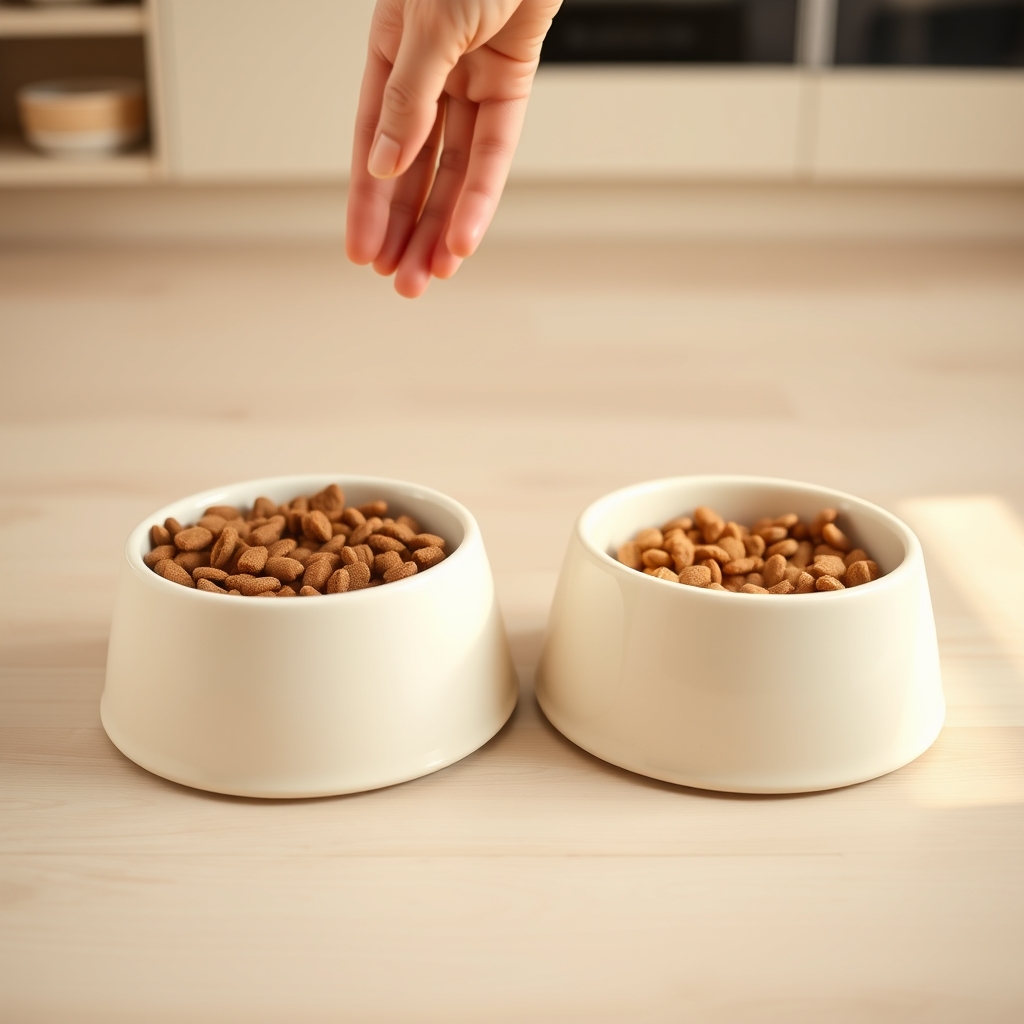
A gradual food transition over 7–10 days is the safest way to introduce new pet food without triggering digestive upset, vomiting, or diarrhea. Most pets can handle a new diet if you mix increasing portions of the new food with decreasing portions of the old food, starting at a 10% new / 90% old ratio and shifting by 10–15% per day. Budget 10 days of patience but you’ll likely prevent a vet visit and keep your pet comfortable.
Most pet owners skip this entirely. They switch cold turkey on day one because the bag says “transition over 7 days” then panic when their dog or cat develops loose stools, refuses to eat, or vomits. That packaging timeline is an industry-standard guideline, not a tailored recommendation for every pet, and it’s too aggressive for many animals with sensitive digestive systems.
Here’s the right way to do it and how to troubleshoot when things go wrong.
What You’ll Need
- Your pet’s current food (the one they’ve been eating)
- The new food you’re introducing
- A food scale or measuring cups (for accurate mixing ratios)
- A calendar or phone reminder (to track which day you’re on)
- Your vet’s phone number (for emergencies or food sensitivity questions)
- Paper and pen (optional, for tracking appetite and stool consistency)
The 7–10 Day Gradual Transition Timeline
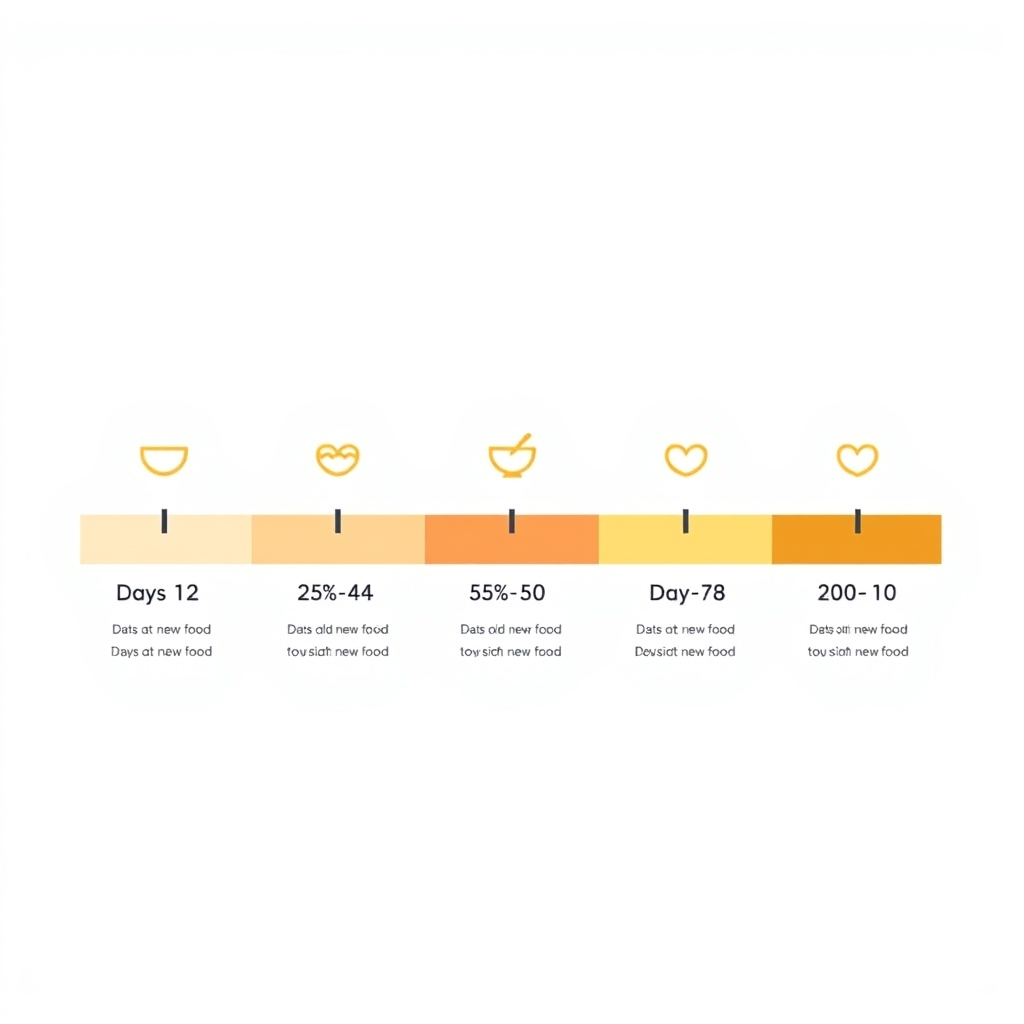
Here’s the schedule that works best for most pets. Adjust the pace downward if your pet has a history of digestive issues or food sensitivities.
Days 1–2: 10% new food, 90% old food Mix 10% of the new food into your pet’s regular meal. Serve once or twice per day as usual. Watch for vomiting, loose stools, or appetite changes. Most pets don’t react at this ratio.
Days 3–4: 25% new food, 75% old food Increase the new food portion to one-quarter of the meal. Continue once or twice daily. If your pet shows no digestive upset, you’re on track.
Days 5–6: 50% new food, 50% old food You’re now at a half-and-half blend. This is often the point where sensitive stomachs first show signs watch closely for soft stools or reduced appetite.
Days 7–8: 75% new food, 25% old food Three-quarters new, one-quarter old. Most pets adjust well here. Stick with this ratio for two days if you notice any hesitation.
Days 9–10: 100% new food Full transition to the new diet. Serve as you normally would. Your pet should be eating normally and producing firm stools by day 10.
For slower digesters: If your pet is older, has a history of food allergies, or is on medication that affects digestion, add 2–3 extra days at the 50/50 stage. Slow down, don’t speed up.
Step-by-Step Transition Process
Step 1: Choose the Right Time to Start
Begin the transition when your pet is healthy and your schedule is stable. Avoid starting during travel, after a vet visit, or if your pet is currently dealing with an upset stomach. Stress and timing amplify digestive sensitivity.
Step 2: Measure Both Foods Accurately
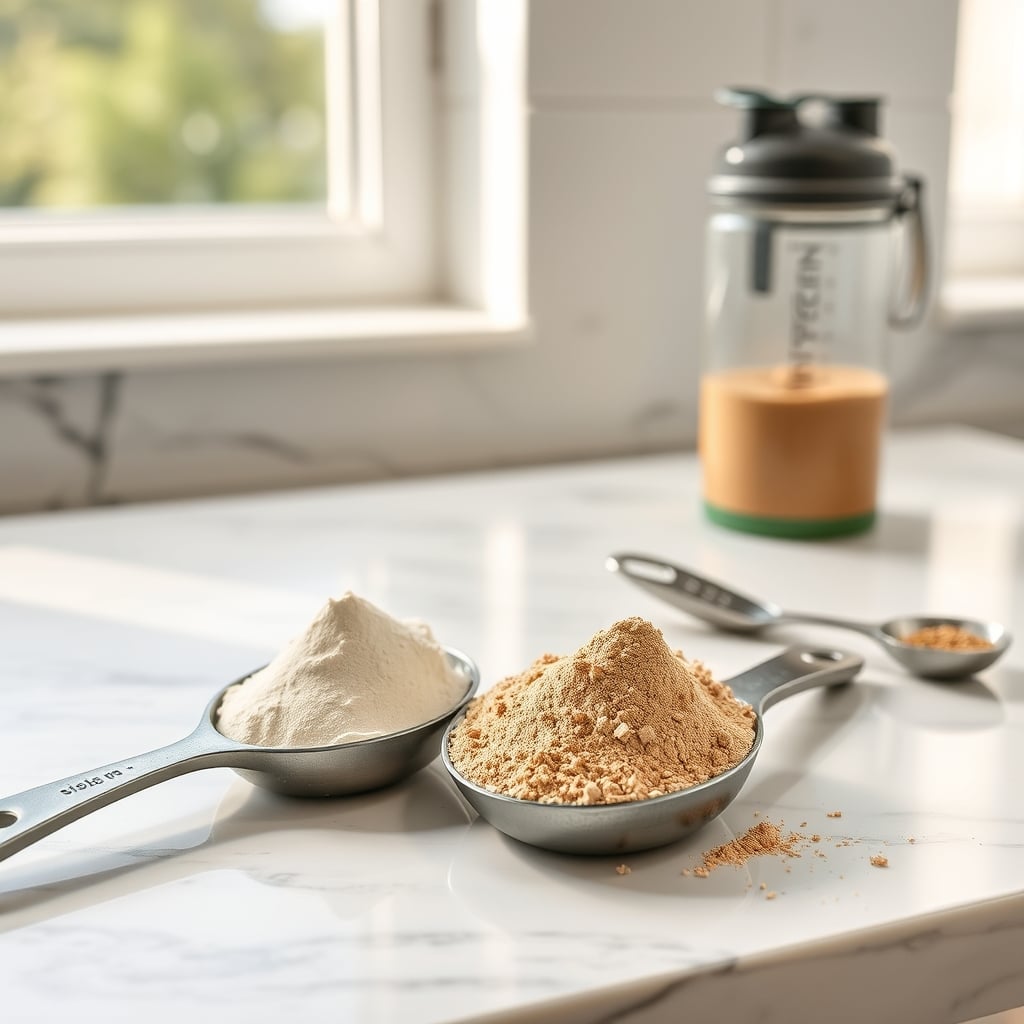
Use the same measuring cup or kitchen scale for both old and new food. If your pet normally eats 1 cup per meal, measure 0.9 cups old + 0.1 cups new on day one. Eyeballing ratios leads to mistakes and mistakes trigger the digestive problems you’re trying to avoid.
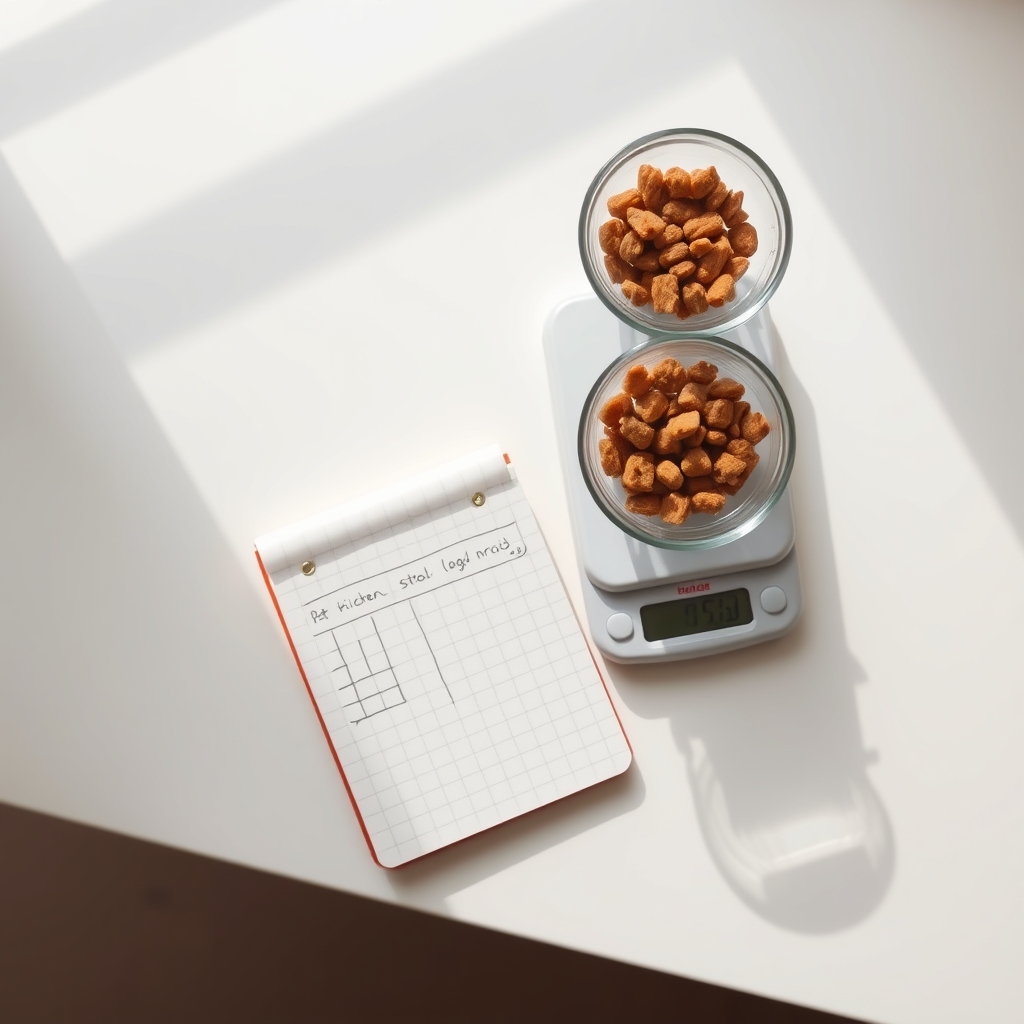
Step 3: Mix the Foods in a Single Bowl
Combine the old and new food in one bowl and stir gently. Don’t serve them side by side your pet may pick out only the new food (or refuse to eat). A mixed bowl ensures they consume both.
Step 4: Serve at Your Pet’s Normal Time and Portion Size
Don’t change meal timing or total volume during the transition. Keep everything else routine only the food composition changes. Feeding at 8 a.m. and 6 p.m.? Keep that exact schedule.
Step 5: Observe Your Pet for 30 Minutes After Eating
Watch for signs of immediate rejection: refusal to eat, vomiting, or gagging. If your pet refuses the meal, let them skip it (don’t coax them) and offer the next meal on schedule. Skipping one meal is normal during a transition; persistent refusal is a red flag.
Step 6: Monitor Stool Consistency for 24 Hours
Firm, brown stools = no problem. Soft stools or mucus = mild adjustment. Watery diarrhea = slow down the transition. Write down observations your vet will want this if issues develop.
Step 7: Increase the New Food Ratio on Schedule
Advance to the next ratio (10% → 25% → 50%, etc.) only if your pet shows no vomiting, diarrhea, or appetite loss in the previous two days. If problems appear, hold at the current ratio for an extra day or two before advancing.
Step 8: Complete the Transition by Day 10
On day 10, serve 100% new food. Your pet’s digestive system should be adjusted by now. Continue monitoring stools and appetite for a few more days to confirm everything is stable.
The Mistake Everyone Makes
Going too fast or trusting the bag’s suggested timeline. Most commercial pet food packaging suggests a 7-day transition as an industry-standard baseline, not a recommendation calibrated for every pet. For sensitive dogs and cats, 7 days is too fast. The 10-day timeline above gives sensitive stomachs extra time to adapt without extending the process into weeks.
The second mistake: switching all at once because the new food is “supposed to be better.” Even premium foods can trigger diarrhea if introduced suddenly. Your pet’s gut bacteria are adapted to their current diet. A cold switch shocks that system even if the new food is genuinely healthier.
Third mistake: mixing wet and dry without adjusting portions. If you’re switching from dry kibble to wet food (or vice versa), adjust portion sizes wet food is heavier and takes up more volume. Follow the feeding guidelines on the new food label, not the old one.
Signs Your Pet Is Struggling with the Transition
Vomiting
One or two vomits early in the transition can be normal (stomach adjusting). More than that, or vomiting that continues past day 4, means slow down or pause the transition.
What to do: Hold at the current ratio for 2–3 extra days. Don’t advance until stools are firm and appetite is normal. If vomiting persists, contact your vet it may signal a food allergy rather than a transition issue.
Diarrhea or Soft Stools
Mild softness on days 2–3 is expected as the digestive system adjusts. Watery diarrhea or diarrhea lasting more than 3 days is not normal.
What to do: Hold at your current ratio for 3–4 days instead of advancing every 2 days. Add plain pumpkin puree (1–2 tablespoons per meal) or a probiotic designed for pets to help firm stools. If diarrhea doesn’t improve after 5 days at the same ratio, consult your vet.
Appetite Loss or Refusing to Eat
Some pets are pickier than others. A pet skipping one meal during transition is okay. Refusing meals for more than 24 hours is a problem.
What to do: If your pet refuses a meal, don’t offer a different food or treats as an alternative that trains them to reject the transition. Skip the meal and serve the next one on schedule. If refusal continues, try warming the food slightly (warm food is more aromatic) or adding a small amount of low-sodium broth to the kibble. If appetite doesn’t return within 48 hours, contact your vet.
Gas, Bloating, or Constipation
Mild gas in the first few days is normal. Visible bloating or straining to defecate is not.
What to do: Ensure your pet is drinking enough water during the transition dehydration worsens constipation. Offer water more frequently or add a splash of low-sodium broth to their bowl. If constipation lasts more than 2 days, pause the transition and consult your vet.
How to Identify a Food Sensitivity or Allergy
A food sensitivity is different from a transition upset. Sensitivities develop over time and persist even after the transition is complete.
Signs of a food sensitivity or allergy:
- Chronic diarrhea or soft stools after day 7
- Persistent vomiting unrelated to eating speed
- Itching, scratching, or red skin (usually ears, paws, or face)
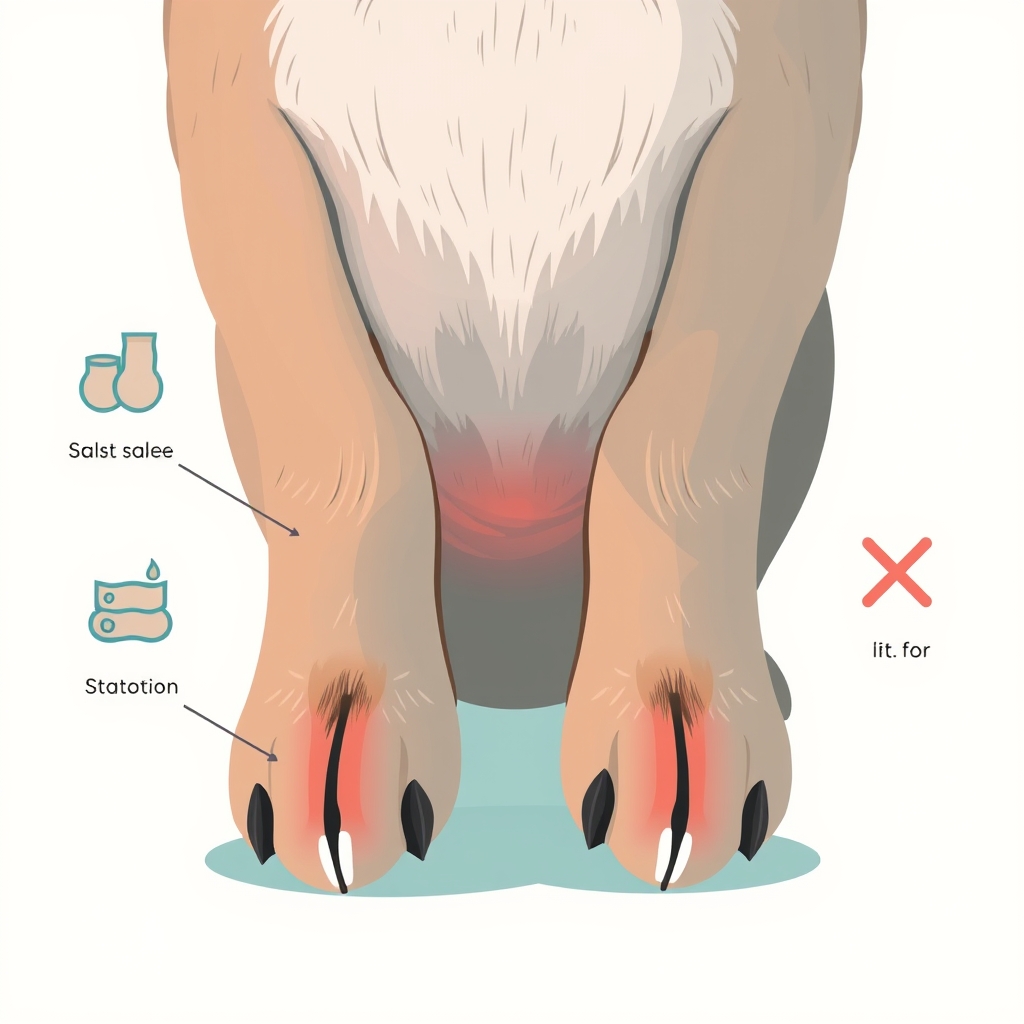
- Hair loss or dull coat
- Chronic ear infections
- Excessive licking or chewing at paws
- Swelling of the face or muzzle (rare call your vet immediately)
If these signs appear during the transition and don’t improve after 5 days of holding at the current ratio, the new food may not be right for your pet. Stop the transition and return to the old food, then consult your vet about a different option or a limited-ingredient diet.
Switching Between Pet Food Brands or Types
Switching Kibble to Kibble (Same Brand)
Use the standard 7–10 day timeline. Most pets tolerate this well since the base ingredients are similar.
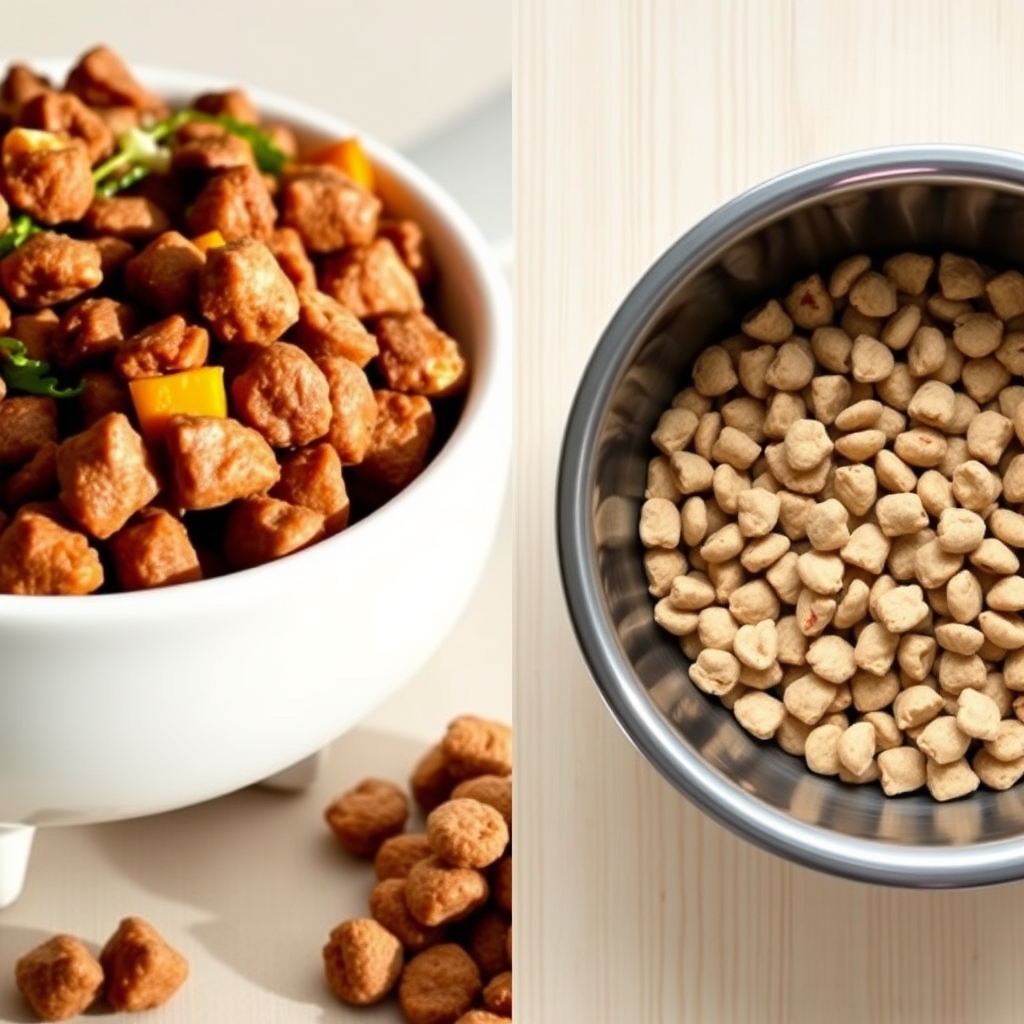
Switching Kibble to Wet Food (or Vice Versa)
Add 2 extra days to the timeline. Wet food changes digestive work significantly, so go slower. Also adjust portion sizes wet food is heavier per volume than kibble. Check the new food label for feeding amounts based on your pet’s weight.
Switching to Limited-Ingredient or Prescription Food
Use a 10–14 day timeline if the new food is addressing allergies or sensitivities. These foods are often gentler but require more adaptation time. Don’t rush.
Switching Between Premium Brands
Use the standard timeline. Brand switches that share similar protein sources (two chicken-based kibbles, for example) are usually smoother than switches between entirely different proteins.
When to Consult Your Vet During a Transition
Contact your vet immediately if:
- Your pet vomits more than twice in a day
- Diarrhea is bloody or contains mucus
- Your pet has abdominal swelling or seems in pain
- Appetite loss lasts more than 24 hours
- Your pet shows signs of an allergic reaction (facial swelling, difficulty breathing, severe itching)
Contact your vet before starting a transition if:
- Your pet has a known food allergy
- Your pet is on medication that affects digestion
- Your pet is older (over 10 years) or has chronic digestive issues
- Your vet has recommended a specific diet or brand
Schedule a check-in after the transition if:
- Your pet had any digestive upset during the process
- You’re unsure whether the new food is right for your pet
- Your pet’s weight or coat quality changed noticeably
Troubleshooting: When the Transition Isn’t Working
Your pet refuses the mixed food entirely.
Try warming the food microwave for 10–15 seconds to increase smell and palatability. Mix in 1 tablespoon of low-sodium broth or a small amount of wet food if you’re primarily feeding kibble. Don’t offer alternatives or treats during meals; this trains avoidance. Wait 20 minutes, remove the bowl, and try again at the next scheduled feeding.
Your pet eats the old food and leaves the new food.
Mix the foods more thoroughly so they can’t be separated. If using kibble, crumble or break the new kibble pieces to blend better. If your pet has a strong preference for texture, consider blending the new food with a small amount of wet food to mask it.
Diarrhea started on day 3 and won’t stop.
Pause the transition at the current ratio for 3–4 extra days. Add a pet-safe probiotic (ask your vet for a brand) and consider plain pumpkin puree (1–2 tablespoons per meal) to firm stools. Ensure your pet is drinking enough water. If diarrhea persists beyond 5 days at the same ratio, contact your vet the new food may not be right for your pet, or there may be an underlying issue unrelated to the transition.
Your pet is eating fine, but you’re concerned about the new food’s quality.
If you’ve already started the transition and have doubts, pause and consult your vet. Switching foods repeatedly is harder on digestion than committing to one food for a trial period (usually 6–8 weeks). Your vet can also review the ingredient list and advise whether the new food matches your pet’s needs.
Pro Tips for a Smooth Transition
- Keep a one-week supply of the old food on hand before you introduce the new food. Running out partway through forces a faster switch, which invites digestive upset.
- Feed smaller, more frequent meals during the transition if your pet has a sensitive stomach. Instead of one large meal, try three smaller meals over the transition period it’s gentler on digestion.
- Store both foods separately. Don’t mix them in advance or leave mixed food sitting out. Mix fresh portions at each meal to ensure accurate ratios.
- Mark the transition dates on a calendar. Use a sticky note or phone reminder to track which day and ratio you’re on. This prevents accidental skips or repeats.
- Don’t combine the transition with other dietary changes. If you’re adding treats, supplements, or table scraps during the transition, you can’t isolate what’s causing digestive upset. Keep everything else the same.
FAQ
Can I transition my pet’s food faster than 7 days?
No. Faster transitions increase the risk of vomiting and diarrhea, especially for pets with sensitive stomachs. A 7–10 day timeline is the standard recommendation from veterinary nutritionists. If your pet has a history of food sensitivities or is older, go slower (10–14 days), not faster.
My pet has food allergies. Is the transition timeline different?
Yes. If your pet is switching to an allergy-friendly or limited-ingredient diet because of a diagnosed food allergy, use a 10–14 day timeline instead of 7–10 days. The new food is often formulated differently, and slower is safer. Consult your vet before starting the transition.
What if my pet’s stomach is already upset before I start the transition?
Wait. If your pet has diarrhea, vomiting, or other digestive upset, postpone the food transition until they’ve been stable for at least 3–5 days. Starting a transition during an existing digestive issue makes it impossible to isolate what’s causing the problem. Contact your vet if the upset lasts more than a day or two.
Do I need to do a gradual transition if I’m switching to a prescription diet from my vet?
Yes, always. Even prescription diets designed for specific health conditions need a gradual transition. Your vet may recommend a slower timeline (10–14 days) if the diet is addressing a digestive condition. Ask your vet during the prescription consultation.
Can I just mix the old and new food 50/50 from day one?
No. Starting at 50/50 skips the adjustment phase and increases the risk of upset. The gradual 10%–25%–50%–75%–100% progression gives your pet’s digestive enzymes and gut bacteria time to adapt. It’s the difference between a smooth transition and a vet visit.
This guide reflects standard pet nutrition and veterinary transition practices. Specific dietary advice for your pet should always come from your veterinarian, especially if your pet has known health conditions, allergies, or is on medication. Every pet is unique adjust the timeline and approach based on your pet’s individual tolerance.