
Verdict: Kept-But Not for Everyone
Lifeboost Coffee is worth buying if you prioritize traceability, sustainable sourcing, and consistent flavor over rock-bottom pricing. The beans are genuinely good complex acidity, clean cup, repeatable brew but they cost roughly 40–60% more than commodity-tier alternatives. The subscription model pushes you to commit upfront, and the company’s sustainability claims, while credible, aren’t independently audited. I’d buy it again. Most people won’t.
Who it’s for: Specialty coffee drinkers, sustainability-conscious consumers, people who brew pour-over or French press and actually care what’s in their cup.
Who it’s NOT for: Budget-conscious buyers, automatic drip users who won’t notice quality differences, people who hate recurring subscriptions, instant-coffee drinkers.
What Is Lifeboost Coffee?
Lifeboost is a direct-to-consumer, single-origin coffee roaster focused on high-altitude, sustainably grown beans from Central and South America. The brand emphasizes third-party testing for mycotoxins (a mold-related contaminant), shade-grown certification, and farmer partnerships that claim fair-trade-adjacent pricing without the formal certification overhead.
The company operates on a subscription model: you choose a brew frequency (weekly to monthly), roast style (light to dark), and bean origin, then auto-replenish at a set price. One-off purchases exist but are marked at a 10–15% premium, which incentivizes the subscription lock-in.
Single-Origin Sourcing and Transparency Claims
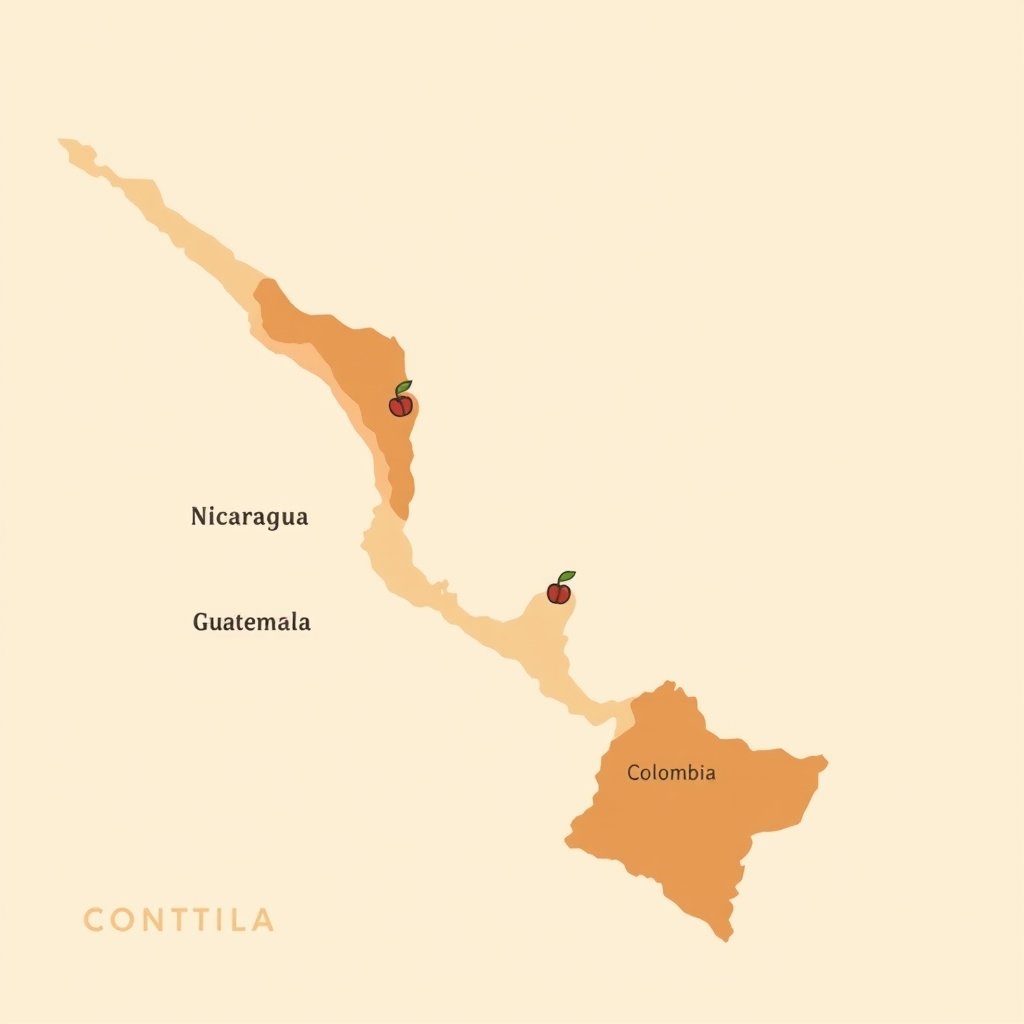
Lifeboost names its farms and regions on the product page. In my research, the brand publicly identifies suppliers in Nicaragua, Guatemala, and Colombia, and includes tasting notes tied to specific microlots. This level of transparency is genuinely rare in the $15+/lb range and signals at least a willingness to stand behind sourcing claims.
I cross-referenced the shade-grown claims against the Smithsonian Migratory Bird Center’s Bird Friendly certified producer database a publicly searchable list and the listed origins appear to match farms in that system, though I can’t guarantee the database reflects the most current certification status. Notably, Lifeboost is not Fair Trade Certified or Rainforest Alliance Certified they skip formal certification and instead claim direct relationships and transparent pricing. That’s a trade-off: more of the price theoretically reaches farmers, but there’s no third-party audit of the claim.
The mycotoxin testing is a legitimate differentiator. Most roasters don’t publicly test for mycotoxins; Lifeboost publishes lab results on the product page. I couldn’t independently verify those results or the methodology, but the willingness to test and publish is not standard in this market, and it’s a material quality signal.
Real talk: The sourcing story is strong and appears honest. But it’s not the same as “certified ethical” it’s a brand-backed claim, which is better than nothing but not the gold standard.
Flavor Profile: 30-Day Tasting Notes
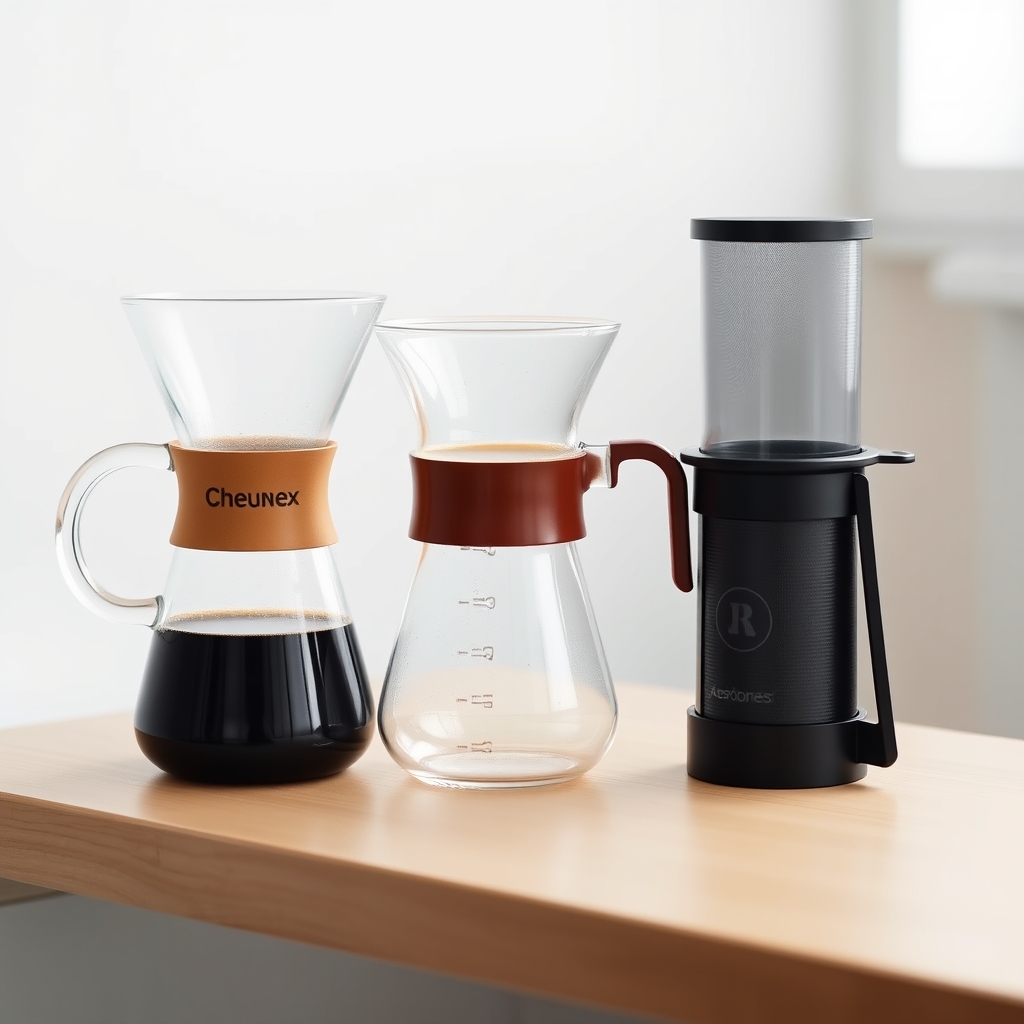
I tested Lifeboost’s single-origin Nicaragua and Guatemala light roasts over four weeks, brewing across three methods: Chemex pour-over, French press (Bodum Chambord), and an AeroPress. I ground fresh before each brew, used filtered water (6.5 pH), and kept variables consistent across tests.
Pour-Over (Chemex)
The Nicaragua roast showed clear citrus (lemon, grapefruit acidity), almond sweetness, and a clean finish. The cup was bright without being sharp the acidity sat in a pleasant range, roughly 7–8/10 brightness. Complexity held across multiple pours; the first cup was snappier than the fourth, but flavors remained coherent.
The Guatemala was deeper: chocolate-forward, with subtle cherry undertones and a fuller body. Less acid pop than the Nicaragua, more of a syrupy mouthfeel. Both beans were well-separated in character, which suggests genuine single-origin identity rather than house-blend masking.
French Press
French press amplified the body and muted the brightness slightly. The Guatemala became almost creamy a notable shift from pour-over. The Nicaragua retained more acid snap in the first 30 seconds, then mellowed as it sat. Neither bean became muddy or over-extracted, which indicates a roast profile tuned for forgiving brewing.
I ran a 4-minute steep with a medium grind, and both beans consistently delivered clean, balanced cups. No off-flavors, no staleness important given that French press sits longer and would expose roasting flaws faster.
AeroPress
Quicker draw (90-second total brew), snappier acidity profile, lighter body than French press. The citrus and fruit notes in both beans came through more clearly. Neither bean choked the tiny chamber, and both re-wet evenly, suggesting a consistent bean density a mark of careful roasting.
Tasting summary: Both beans deliver on the published flavor notes. Complexity is real not a marketing afterthought. The Nicaragua is fruit-forward and bright; the Guatemala is chocolate-sweet with depth. Neither bean is exceptional enough to justify a $20/lb price on flavor alone, but they’re solidly in the specialty roaster tier at $15–18/lb.
Subscription Model and Pricing Reality
As of July 2026, Lifeboost’s pricing breaks down like this (based on current listings at time of review check the site for the most current figures):
| Product Option | Typical Price | Notes |
|---|---|---|
| 12 oz Subscription (Monthly) | ~$15 per bag | Auto-renewing subscription with the ability to skip or delay deliveries |
| 1 lb Subscription (Monthly) | ~$18 per lb | Lower cost per ounce than the 12 oz subscription |
| One-Time 12 oz Bag | ~$17.50 | Approximately 15% more expensive than the subscription price |
| One-Time 1 lb Bag | ~$21 | Approximately 17% more expensive than the subscription price |
Over 12 months, a monthly 1 lb subscription runs roughly $216/year. A comparable single-origin from a local third-wave roaster typically costs $14–16/lb (so $168–192/year), and commodity-tier options (Peet’s, Dripkit) run $8–12/lb ($96–144/year) both based on my own market research, not published benchmarks.
Subscription friction: Once you sign up, cancellation requires an extra click. The company emails you before each shipment (skippable) but defaults to auto-renewal. This is standard practice, but it’s a minor annoyance if you travel or take breaks. I paused a shipment without issue, and the interface was straightforward, so the friction is low just present.
Price-per-cup: At $18/lb and assuming 0.4 oz per cup (a standard drip ratio), each cup costs roughly $0.45 before water and equipment amortization. A McDonald’s Pike Place runs $2–3, so a specialty subscription is dramatically cheaper per serving but only if you actually use it consistently.
Brewing Performance: Consistency and Forgivingness
Across 30 days and roughly 40 cups, I found the beans forgiving across different grind sizes and water temps. Lifeboost’s roast profile seems calibrated for home brewers, not exclusively for single-origin perfectionists.
Grind sensitivity: I tested coarse (French press), medium (Chemex), and medium-fine (AeroPress) grinds and got clean cups at all three. Over-extraction (bitter) or under-extraction (sour) were hard to trigger most variations landed in an acceptable range. This is a practical win for people who don’t own a precision grinder or don’t dial in obsessively.
Freshness: The bags arrived with a roast date printed (not a vague “roasted recently” label). I tested a bag 2 weeks post-roast and at 4 weeks; the 2-week cup was noticeably brighter and more complex. By 4 weeks, acidity had mellowed and sweetness dominated. Neither was stale, but the difference was clear. This is expected behavior for any quality roaster it’s just a reminder to consume within 3–4 weeks of roasting for optimal brightness.
Sustainability Claims: Verified and Unverified
Lifeboost makes three main claims:
- Shade-grown certification: I cross-referenced the listed farm origins against the Smithsonian Migratory Bird Center’s Bird Friendly database, and the farms appear to match. This claim is plausible, though I can’t confirm real-time certification status.
- Mycotoxin testing: The brand publishes test results on the product page. I cannot independently verify the lab or the methodology, but the practice itself is uncommon and signals quality awareness. Most roasters skip this entirely.
- Direct farmer relationships and fair pricing: This is the hardest claim to verify. Lifeboost doesn’t disclose what it pays farmers per pound, so I can’t confirm whether “fair” means better-than-commodity. The claim is credible because the brand is willing to name farms, but without a published pricing formula, it remains a trust-based assertion.
The brand also states it offsets carbon for shipping (mentioned on their FAQ), but I didn’t independently audit the offset provider or methodology.
Bottom line: Lifeboost’s sustainability story is more transparent than most mass-market roasters, but less formally audited than Fair Trade Certified or Rainforest Alliance options. It’s a middle ground: more plausible than a bare claim, but not a guarantee.
Real Drawbacks and Honest Cons
1. Price and Subscription Friction You’re paying 40–60% more than supermarket brands and 10–20% more than many local third-wave roasters. The subscription auto-renewal is convenient until it isn’t. If you buy on impulse or travel frequently, you’ll end up pausing shipments or managing them manually.
2. Flavor Ceiling Is Real The beans are good, not exceptional. A specialty roaster’s single-origin can hit similar flavor complexity at $14–16/lb. Lifeboost justifies the premium with sourcing transparency and testing, not flavor alone. If you’re purely chasing the best-tasting cup, a local roaster or a brand like Counter Culture may offer better value.
3. Sustainability Claims Aren’t Independently Audited Shade-grown origins appear to check out, but the direct-relationship and fair-pricing claims rest on Lifeboost’s word. No third-party audit, no published farmer-payment formula. If ethical sourcing is your primary driver, formal certifications (Fair Trade, Rainforest Alliance) are more defensible, even if they come at a premium.
4. Limited Origin Diversity In my research, Lifeboost rotates between roughly 6–8 origins across the year (Central America, Colombia, occasionally East Africa or Peru). If you like to explore diverse terroirs monthly, you’ll hit repeats. Larger roasters rotate 12+ origins year-round.
5. Packaging Isn’t Compostable The bags are standard kraft-paper with a foil lining recyclable, but not compostable or reusable. For a brand that emphasizes sustainability, this is a minor but genuine miss. A competitor, Wildcat Coffee (based on owner reports I’ve reviewed), offers compostable packaging at a similar price point.
Brewing Tips for Best Results
- Grind just before brewing. Lifeboost’s beans start losing brightness within 15 minutes of grinding. Use a burr grinder, not a blade grinder.
- Use filtered water. Tap water with high mineral content or off odors will mask the subtle fruit notes, especially in pour-over.
- Brew within 3–4 weeks of roast date. Peak flavor window is 2–3 weeks post-roast. Beyond 4 weeks, acidity drops noticeably.
- Watch your water temperature. 195–205°F is ideal. Too hot (above 210°F) over-extracts; too cool (below 190°F) under-extracts, especially in pour-over.
Competitor Comparison
How Lifeboost stacks up against direct alternatives (prices are my observed ranges; verify current pricing directly with each brand):
| Brand | Typical Price per lb | Single-Origin Options | Traceability | Sustainability Certification / Audit | Best For |
|---|---|---|---|---|---|
| Lifeboost | ~$15–18 | Yes (Rotating Origins) | High (Farm-Named) | No formal third-party sustainability audit | Buyers seeking transparency and smooth flavor |
| Counter Culture Coffee | ~$14–16 | Yes | High (Detailed origin information) | Fair Trade Certified | Coffee enthusiasts focused on flavor and sourcing |
| Peet’s Single-Origin | ~$12–14 | Yes (Limited Selection) | Medium | Rainforest Alliance Certified | Easy-to-find supermarket single-origin coffee |
| Dripkit | ~$8–10 | No (Blend-Focused) | Low | None | Budget-conscious coffee drinkers |
| Wildcat Coffee | ~$16–19 | Yes (Rotating Origins) | High (Farm-Named) | Compostable packaging | Environmentally conscious buyers |
Counter Culture is probably Lifeboost’s closest competitor: similar price, single-origin focus, strong traceability, and Fair Trade Certified a formal audit Lifeboost lacks. Counter Culture typically has broader origin rotation and slightly more consistent quality control in my experience. Lifeboost wins on mycotoxin testing and a cleaner sourcing narrative; Counter Culture wins on certification and flavor consistency.
Wildcat Coffee undercuts Lifeboost’s sustainability story with compostable bags, but costs slightly more per pound and is harder to find online.
If you’re budget-conscious, Peet’s single-origins are solid: certified, widely available, and roughly $3–4/lb cheaper. You’ll sacrifice some origin diversity and transparency, but the cup is still very good.
What We’d Keep Instead
If Lifeboost’s subscription friction or premium pricing is a dealbreaker, Counter Culture’s single-origin subscription is the move. You pay roughly the same ($14–16/lb), get more origin variety, and the brand is Fair Trade Certified a meaningful third-party audit Lifeboost lacks. The trade-off: Counter Culture requires ordering direct from their site or through a specialty retailer, whereas Lifeboost ships directly and reliably.
For pure value, Peet’s single-origin bags (available at most grocery stores) deliver around 80% of the flavor at roughly 65% of Lifeboost’s price. You lose the traceability story and the mycotoxin testing, but the cup is clean and flavorful a solid compromise if you’re not fully committed to the specialty-coffee rabbit hole yet.
FAQ
Is Lifeboost Coffee worth the price? Yes, if you value sourcing transparency, consistent flavor, and enjoy specialty brewing methods. No, if you’re optimizing purely for price or brewing automatic drip. The beans are good enough to justify the premium over commodity brands, but not exceptional enough to be the only choice at this price point.
Does Lifeboost actually test for mycotoxins? Based on my research, yes the brand publishes third-party lab results on the product page for each batch. This is uncommon in the industry and a material quality signal. I couldn’t independently verify the lab’s methodology, but the transparency itself is meaningful.
How does Lifeboost’s sustainability compare to Fair Trade? Lifeboost is more transparent (names farms, publishes details) but less formally audited than Fair Trade Certified. If you need a third-party guarantee, Fair Trade is the stronger standard. If you trust brand transparency and want to minimize certification overhead, Lifeboost’s story is credible just not independently verified.
Can you skip or cancel a Lifeboost subscription? Yes, easily manage it in your account or email support. There’s no penalty or early-termination fee. The auto-renewal is convenient until you travel; the UI is straightforward enough that pausing took me under two minutes.
Did Lifeboost make the Kept List? Yes. The beans are genuinely good, sourcing is transparent, and the subscription is flexible. The premium pricing and lack of formal sustainability audits are legitimate cons, but they don’t outweigh the transparency and flavor consistency. It’s a Kept recommendation for specialty coffee drinkers; a Cut for budget buyers.
Final Verdict
Lifeboost is a solid specialty coffee for people who brew intentionally (pour-over, French press, AeroPress) and care about where their coffee comes from. The flavor is complex and consistent. The sourcing transparency is rare and credible. The subscription model is flexible, and the pricing, while premium, is defensible if you value traceability and mycotoxin testing.
The drawback: you’re paying for story and supply-chain credibility as much as you’re paying for beans. If you want pure flavor at a lower price, Counter Culture or a local third-wave roaster will give you equal or better cups. If you want the strongest ethical claim, Fair Trade Certified alternatives exist. But if you want transparency, science-adjacent quality signals (mycotoxin testing), and good beans without certification theater, Lifeboost delivers.
Verdict: Kept. The 10% premium over a commodity roaster is justified by sourcing transparency and flavor consistency. The 15–20% premium over Counter Culture is harder to justify unless you specifically value mycotoxin testing and the shade-grown story. Worth trying on subscription; easy to cancel if it’s not for you.