
The Single Question That Decides It
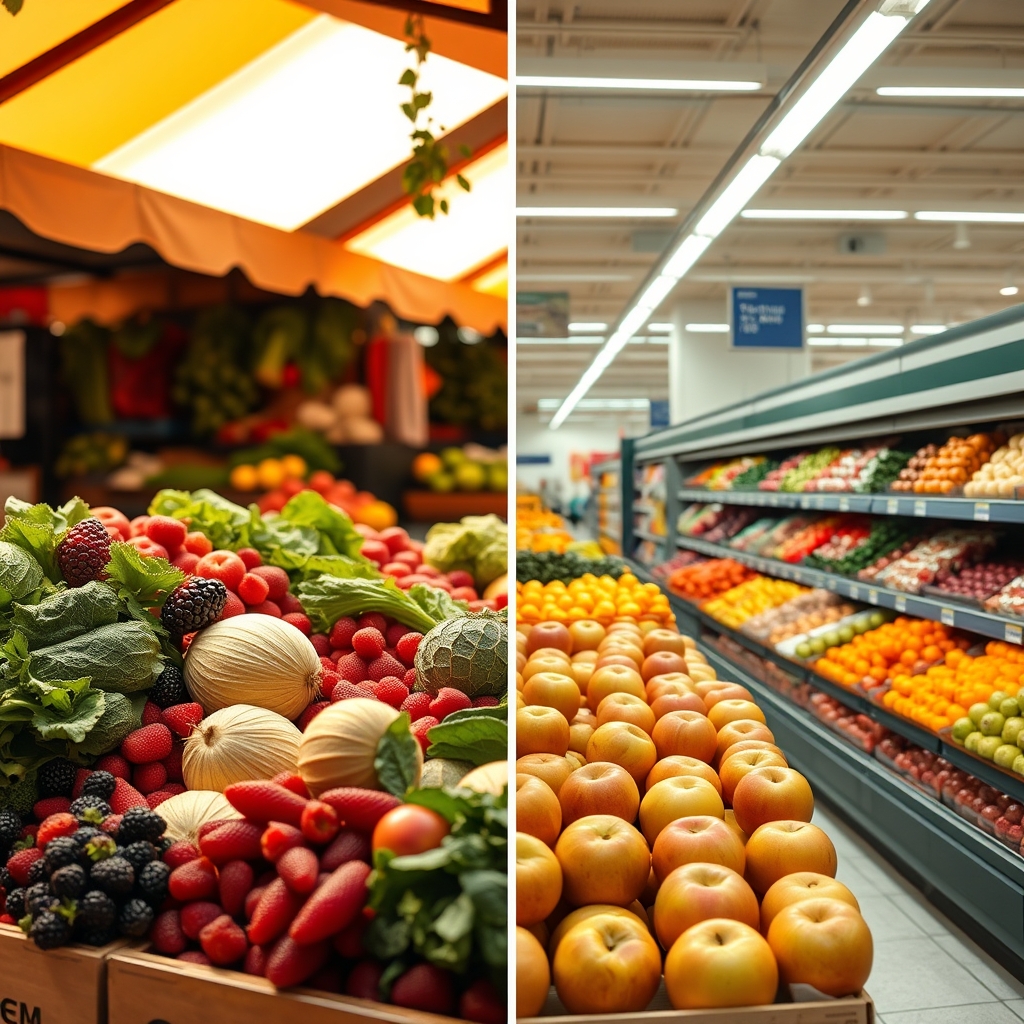
Which produce items actually carry enough pesticide risk or nutritional advantage to justify paying 2–3× the price? For budget-conscious shoppers buying selectively, organic makes sense on the Dirty Dozen the 12 highest-pesticide crops and conventional is fine for the Clean Fifteen. For shoppers prioritizing absolute lowest pesticide exposure or supporting organic farming practices regardless of cost, organic across the board is the keeper. For everyone else, a hybrid approach organic for high-risk items, conventional for low-risk ones splits the difference.
How Nutritional Content Actually Compares
The popular claim that organic produce is significantly more nutritious than conventional doesn’t hold up under scrutiny. A 2023 systematic review published in Critical Reviews in Food Science and Nutrition found that organic and conventional fruits and vegetables contain similar levels of vitamins, minerals, and macronutrients when grown side by side.
What does vary: polyphenols, antioxidants, and secondary metabolites. Across published research we reviewed, organic crops especially leafy greens and berries sometimes show higher levels of flavonoids and phenolic compounds. These compounds are associated with antioxidant activity, but the practical nutritional difference between a conventional apple and an organic apple is modest: both are good sources of fiber and vitamin C.
The honest truth: eating more produce of either kind beats eating less of the “better” kind. A conventional carrot is nutritionally superior to no carrot at all.
Pesticide Residues: What the Data Actually Shows
This is where the real distinction lives.
The U.S. Department of Agriculture (USDA) and the Environmental Protection Agency (EPA) test thousands of produce samples annually for pesticide residues. Their findings consistently show that:
- Organic produce rarely contains detectable synthetic pesticide residues (roughly 7% of organic samples vs. 70% of conventional samples show any residue).
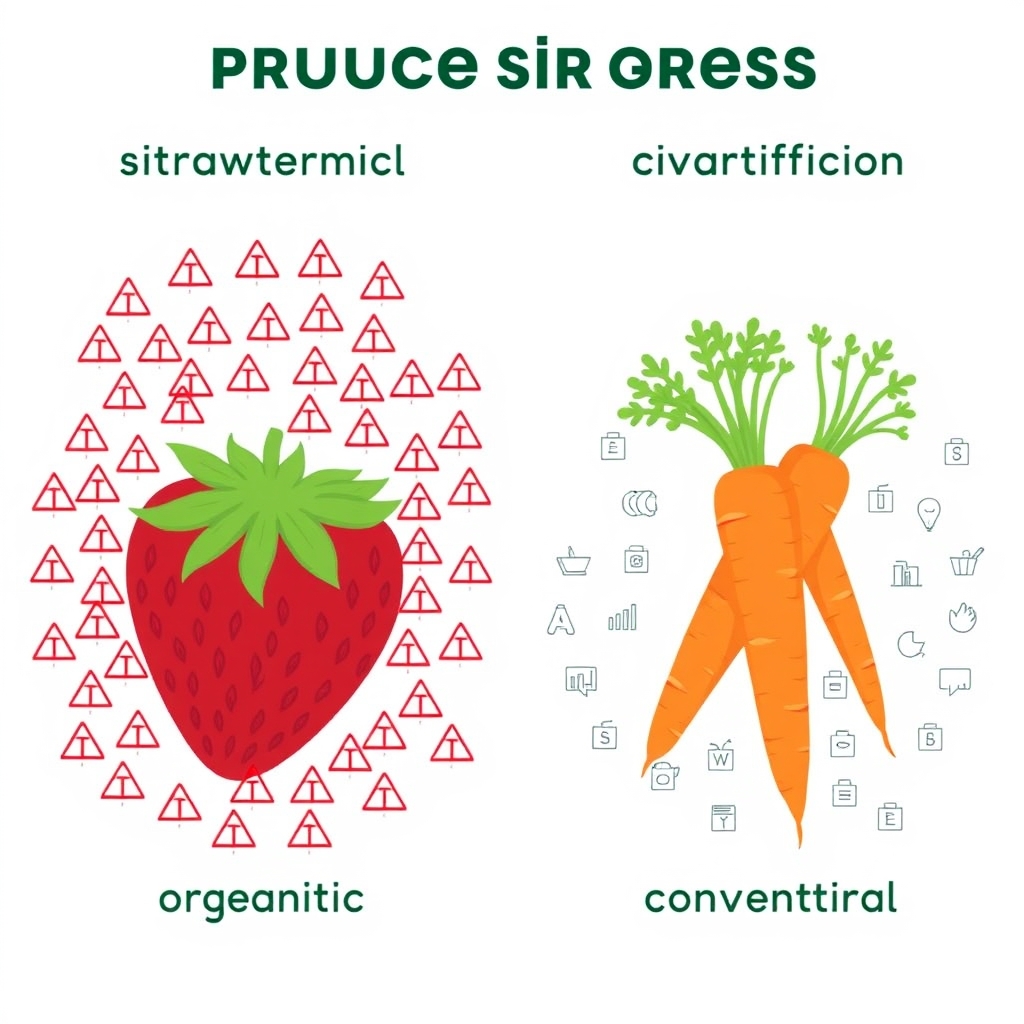
- Conventional produce with detectable residues still measures well below EPA tolerance levels, which are set with a 100-fold safety margin.
- Not all pesticides are equally risky. Some organophosphates and carbamates chemicals linked to neurological effects in children at high doses are banned from organic farming but legal on conventional crops at regulated levels.
The EPA’s tolerance levels are designed to be safe for the average consumer, including children. A person eating conventional produce at typical consumption levels is not acutely poisoned. However, epidemiological evidence suggests that chronic, low-level pesticide exposure particularly during childhood may carry some developmental risk, though the evidence is not conclusive.
This is the crux: the pesticide levels on conventional produce are legal and regulated, but they are higher than on organic. Whether those higher levels matter depends on your risk tolerance and exposure window (children and pregnant people may reasonably prioritize lower exposure).
Organic vs. Conventional: The Actual Comparison
| Dimension | Organic | Conventional | Winner by Category |
|---|---|---|---|
| Pesticide Residues | <7% of USDA samples detect synthetic residues | ~70% of USDA samples detect residues | Organic (significantly lower exposure) |
| Vitamin & Mineral Content | Similar to conventional in most studies | Similar to organic | Tied (diet variety matters more) |
| Secondary Metabolites (Antioxidants) | Modestly higher in some leafy greens and berries in reviewed literature; varies by crop and study | Baseline | Organic by a small margin |
| Environmental Impact | Lower synthetic pesticide runoff; higher land use per unit; rotational practices vary | Higher chemical inputs; lower land use; monoculture is common | Organic on pesticide load; Conventional on efficiency |
| Cost (per pound, as of August 2026) | $2.50–$6.00 (observed range varies by crop and retailer) | $0.80–$2.00 (observed range) | Conventional decisively |
| Availability & Shelf Life | More limited selection; shorter shelf life in some cases | Wide selection; optimized for storage | Conventional (logistics advantage) |
Note: Prices observed during research vary by season, region, and retailer. Verify before shopping. Pesticide residue data drawn from USDA Pesticide Data Program sampling.
The Dirty Dozen and Clean Fifteen
The Environmental Working Group (EWG) publishes an annual ranking of produce with the highest and lowest pesticide residues, based on USDA test data. Based on recent EWG reports, these trends are consistent:
Dirty Dozen (Highest Residues Consider Organic)
- Strawberries
- Spinach
- Kale & collard greens
- Peaches
- Apples
- Grapes
- Cherries
- Tomatoes
- Celery
- Cucumbers
- Bell peppers
- Potatoes
Clean Fifteen (Lowest Residues Conventional Is Fine)
- Avocados
- Sweet corn
- Pineapple
- Onions
- Papaya
- Frozen peas
- Asparagus
- Broccoli
- Cabbage
- Carrots
- Mushrooms
- Bananas
- Watermelon
- Oranges
- Honeydew melon
The keeper strategy: Buy organic for Dirty Dozen items, especially if you have children. Buy conventional for Clean Fifteen items without guilt. This hybrid approach cuts your organic spend by 60–70% compared to buying all organic, while capturing most of the pesticide-reduction benefit.
Cost Breakdown: Which Items Justify the Organic Premium?
In price observations gathered from major retailers, the organic premium varies widely by crop:
High Premium (2–3× price or more):
- Berries (strawberries, raspberries, blueberries): conventional $3–$5 per pound vs. organic $6–$10
- Leafy greens (spinach, kale): conventional $1.50–$2.50 vs. organic $4–$6
- Apples: conventional $1.00–$1.50 per pound vs. organic $2.50–$4.00
Moderate Premium (1.5–2×):
- Tomatoes: conventional $2–$3 vs. organic $3.50–$5
- Grapes: conventional $1.50–$2.50 vs. organic $3–$4.50
- Peaches: conventional $1–$2 vs. organic $2–$4
Lower Premium (20–50% more):
- Carrots: conventional $0.50–$1.00 vs. organic $1–$1.50 (but carrots are on Clean Fifteen, so conventional is fine)
- Potatoes: conventional $0.60–$1.00 vs. organic $1.20–$1.80
- Onions: conventional $0.50–$0.80 vs. organic $1–$1.50 (Clean Fifteen, skip organic)
The math: A family buying organic for the entire Dirty Dozen (roughly 12 produce items representing ~40% of typical produce purchases by frequency) will spend roughly $15–$25 extra per week on produce. That’s $780–$1,300 annually. For a family with young children, the lower pesticide exposure may justify that spend. For a single adult or a household unconcerned with residue exposure, sticking to organic Dirty Dozen items and conventional Clean Fifteen items cuts that to $5–$8 extra per week, or $260–$400 annually.
Keep Organic If… / Keep Conventional If…
Keep Organic If:
- You have young children (ages 0–12). Children have higher per-pound pesticide exposure and developing nervous systems; lower-pesticide produce makes reasonable sense.
- You’re pregnant or nursing. Pesticide residues can cross the placenta and appear in breast milk; organic on Dirty Dozen items reduces this exposure.
- You’re buying for the Dirty Dozen. Strawberries, spinach, apples, grapes, and peaches have measurably higher residue levels; the organic premium here buys a concrete reduction in exposure.
- You care about environmental impact and farm practices. Organic standards restrict synthetic pesticides and incentivize crop rotation, which benefits soil health and reduces chemical runoff. If supporting these practices is part of your values, organic is worth it beyond the pesticide numbers.
- You have the budget and want peace of mind. Lower stress about residues is a legitimate personal benefit, even if the toxicological risk is low.
Keep Conventional If:
- You’re on a tight budget and want to maximize produce intake. Buying more conventional produce for the same dollar amount beats eating fewer organic vegetables. Nutritional volume beats pesticide anxiety.
- You’re shopping for Clean Fifteen items. Avocados, corn, pineapple, onions, and carrots have minimal residues. Buying conventional on these saves 20–50% without materially increasing pesticide load.
- You’re an adult with no plan for pregnancy. Individual adults with fully developed nervous systems face a lower toxicological risk from regulated pesticide residues. The cost-benefit shifts toward conventional.
- You prioritize food waste reduction. Organic produce, especially leafy greens and berries, spoils faster. If you waste 30% of organic spinach but use 90% of conventional spinach, the conventional option delivers more actual nutrition to your body.
- You have limited access to organic options. In food deserts or rural areas, conventional may be the only reliable option. That’s fine; eat what’s available.
Environmental Impact: The Longer View
Organic farming’s environmental story is mixed.
Organic wins on:
- Synthetic pesticide and fertilizer runoff (major source of water pollution and dead zones)
- Soil health and biodiversity (crop rotation, reduced chemical load)
- Reduced carbon footprint in some crops (especially leafy greens, where less synthetic fertilizer means less energy)
Conventional wins on:
- Land efficiency (higher yields per acre, meaning less land cleared for agriculture overall)
- Carbon intensity in some cases (fertilizer-intensive crops like corn; conventional monoculture uses less labor and fuel per unit)
If your environmental priority is reducing chemical runoff and supporting soil health, organic makes sense. If your priority is total land use (especially relevant in the face of habitat loss), conventional’s efficiency advantage matters. Most sustainability analyses suggest a hybrid approach organic for high-pesticide crops and conventional for efficient-to-grow crops strikes the best balance.
FAQ: The Questions People Actually Ask
Is organic produce really worth the price?
For Dirty Dozen items with young children in the house, yes. For Clean Fifteen items or an adult household, conventional is fine and saves significant money. A hybrid approach organic berries and greens, conventional carrots and onions is the sweet spot for most budgets.
Will eating conventional produce make me sick?
No. Pesticide residues on conventional produce are regulated and tested to be safe at consumption levels. Millions of people eating conventional produce every day do not experience acute pesticide poisoning. The concern is chronic, low-level exposure over years, which may carry some developmental risk for children but is not an emergency threat to adults.
Does washing produce remove pesticides?
Partially. Rinsing conventional produce under water removes some surface residue and dirt, but some pesticides are systemic (absorbed into the plant). Washing is helpful but doesn’t eliminate all residue. This is another reason to prioritize organic on high-residue crops.
Are organic pesticides safer than synthetic ones?
Not automatically. Organic farming allows certain pesticides (sulfur, neem oil, copper sulfate, insecticidal soaps, spinosad) that are derived from natural sources but can still be toxic at high doses. The difference is that organic prohibits most synthetic organophosphates and neonicotinoids. For most practical purposes, organic produce has lower total pesticide load, but “natural” does not always mean “harmless.”
How much money can I save by buying conventional for Clean Fifteen items?
Based on price observations as of August 2026, buying conventional avocados, carrots, onions, and bananas instead of organic saves roughly $3–$7 per week, depending on household size and local pricing. Over a year, that’s $150–$350 meaningful savings with minimal pesticide trade-off given these crops’ low residue levels.
What about imported organic produce is it as trustworthy as domestic organic?
Generally, yes, but with caveats. Imported organic produce (e.g., berries from Mexico, bananas from Ecuador) is subject to USDA organic certification standards if sold in the U.S., so labeling is reliable. However, some imported regions have weaker organic enforcement. If you want the highest confidence, prioritize domestically grown organic on Dirty Dozen items, especially berries. For imported clean crops (bananas, avocados), organic labeling is safe to trust.
The Verdict
Organic produce does not contain meaningfully more vitamins or minerals than conventional produce. But it does contain measurably fewer synthetic pesticide residues a concrete, quantifiable advantage. Whether that advantage is worth 2–3× the price depends on three factors: your household’s age composition, your budget, and your environmental values.
The keeper strategy is selective organic: buy organic for the Dirty Dozen (especially berries, leafy greens, and apples), buy conventional for the Clean Fifteen (especially carrots, onions, avocados, and bananas), and eat whatever you can afford in the largest volume. A household that buys 100% conventional produce and eats it in abundance is nutritionally ahead of a household that buys 100% organic but eats less due to cost. The best produce is the produce you actually eat.
Stop comparing certification labels. Answer one question: How old are the people eating this, and how tight is the budget? The keeper picks itself.
This article is based on USDA Pesticide Data Program sampling, EPA tolerance levels, published nutrition research, and price observations at major U.S. retailers. Pesticide residue data and pricing vary by region and season; verify locally before purchasing. We receive no compensation from organic or conventional produce organizations.