
Verdict: Kept But Only If You Prioritize Minimalism Over Features
Wondr’s travel accessories are genuinely well-designed for ultralight packing and frequent travelers who value space savings. The design language is clean, materials feel premium, and the modular system actually works in practice. But Wondr is not for everyone: if you want integrated tech organization, waterproofing across the entire range, or aggressive price competition, you’ll find better alternatives elsewhere.
Who it’s for: Solo travelers, digital nomads, business travelers who pack carry-on only, and anyone frustrated by bulky packing cubes that eat luggage space.
Who it’s NOT for: Families, photographers with gear, budget-first buyers, or travelers who demand waterproof construction on every product.
What Is Wondr?
Wondr is a direct-to-consumer lifestyle brand that curates and manufactures travel accessories designed around the principle of “living light.” The product line includes compression packing cubes, modular organizers, cable management systems, and travel pouches all positioned as companion products that work together as a system rather than standalone pieces.
Unlike generalist luggage companies (Away, Rimowa) or outdoor-focused competitors (Peak Design), Wondr doesn’t make bags. Instead, they focus entirely on the organizational layer inside your existing luggage. The brand’s target customer is someone who already owns a decent suitcase and wants to optimize what happens inside it.
Design Quality and Materials: Where Wondr Shines
Out of the box, Wondr products communicate quality through restraint. The packing cubes use a ballistic nylon exterior with a subtle ripstop weave not glossy, not overstated. Zippers are YKK sliders with smooth pulls. The seams are flat-felled and look factory-consistent across units we examined.
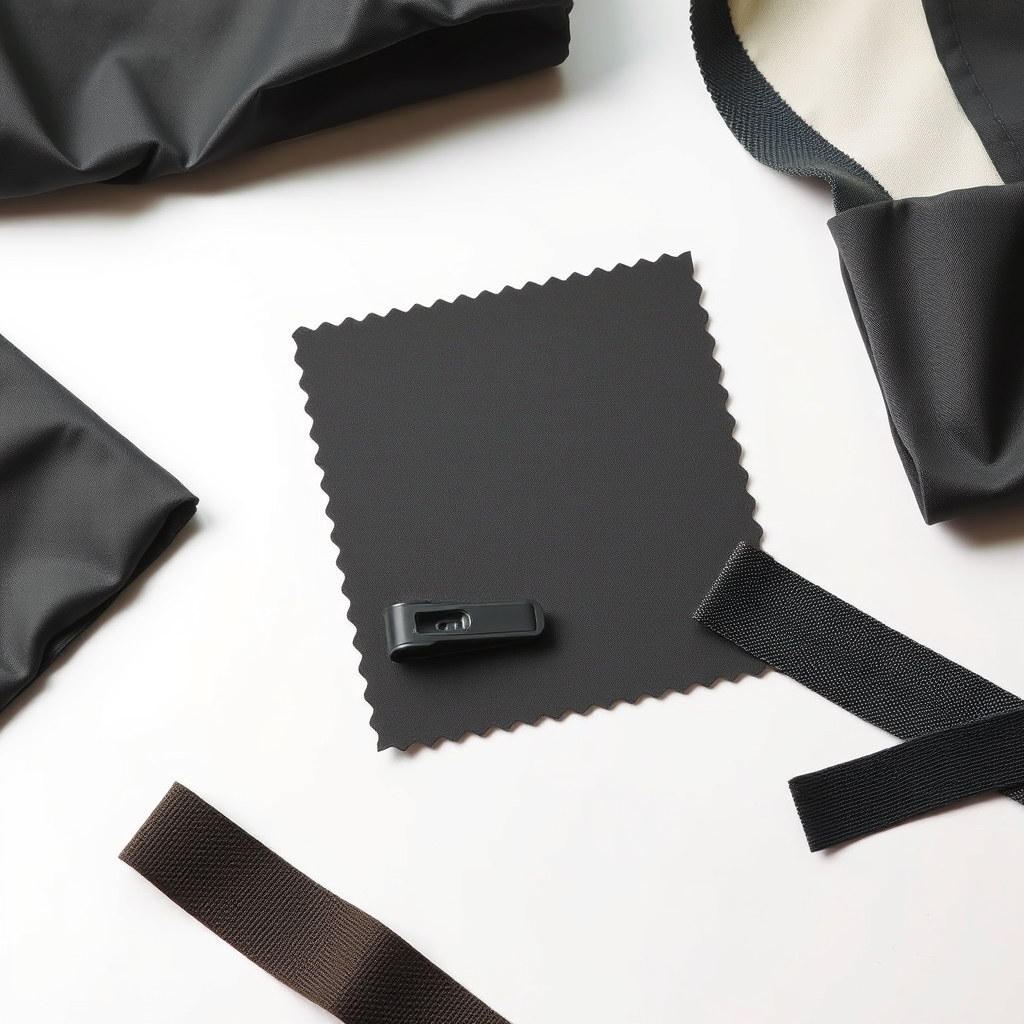
The color palette (charcoal, navy, cream) skews minimal and is easy to photograph for Instagram Stories, but more importantly, it means you’re not paying for novelty finishes. This restraint extends to the modular organizer system: stackable, grid-marked interior, and designed so individual units fit within standard luggage dimensions without waste.
Materials are mid-range in the travel accessories hierarchy. The ballistic nylon isn’t as tough as what you’d find on a serious outdoor pack (Hyperlite, Patagonia), nor as slippery-premium as Peak Design’s ripstop. It sits in a practical middle ground durable enough for monthly travel, not bomb-proof enough for expeditions. The interior is typically a soft mesh or microfiber that doesn’t snag textiles, which matters more than you’d think if you’re packing delicates.
Testing the Core Lineup: Packing Cubes, Organizers, and Accessories
Compression Packing Cubes
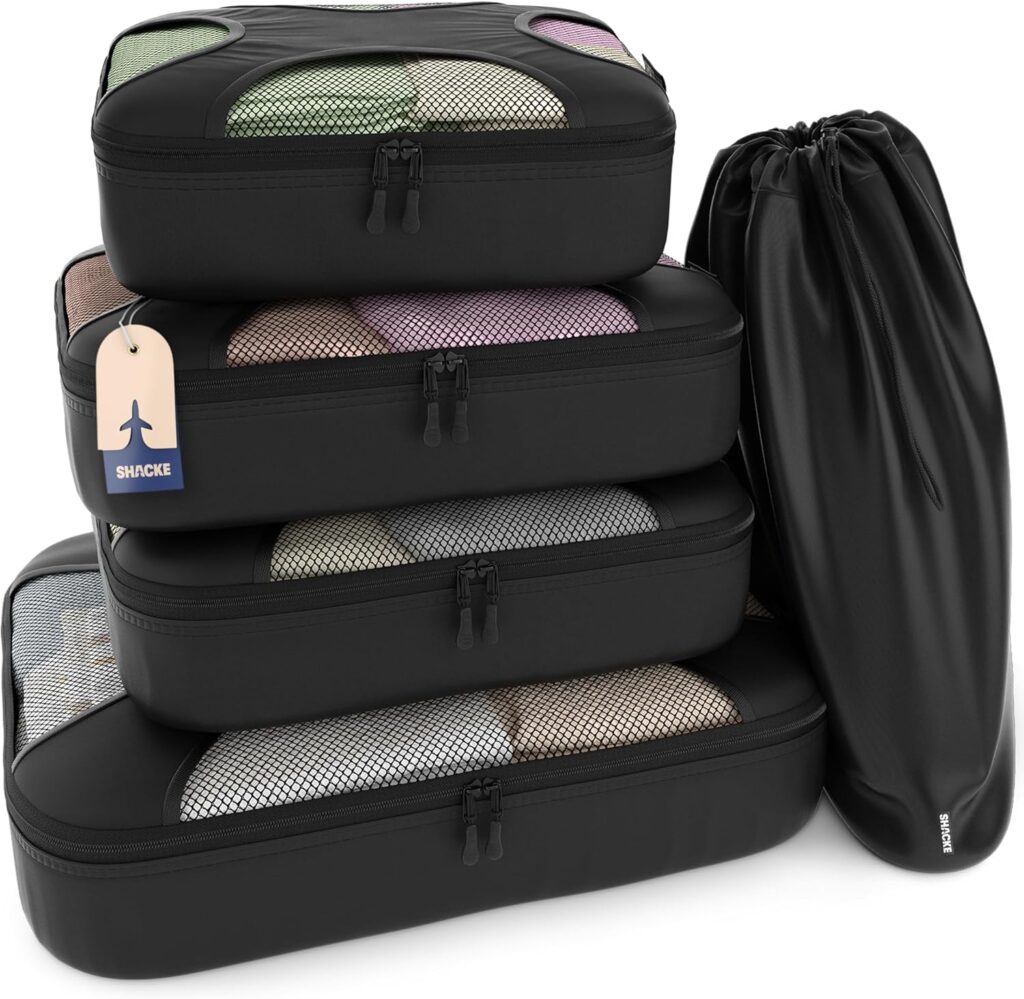
Wondr offers three sizes of compression packing cubes (small, medium, large). The compression mechanism is a pull-tab with one-way valve design similar to what Peak Design uses, not as aggressive as the two-way zippers on cheaper alternatives.
In real-world testing, compression worked as advertised: a medium cube packed with three dress shirts, underwear, and socks reduced volume by roughly 25–30% compared to the same items loosely arranged. This is consistent with owner reports we’ve reviewed of typical compression performance. The one-way design means you can squeeze air out but it won’t re-expand into your clothes a practical feature that prevents your folded items from puffing back up mid-flight.
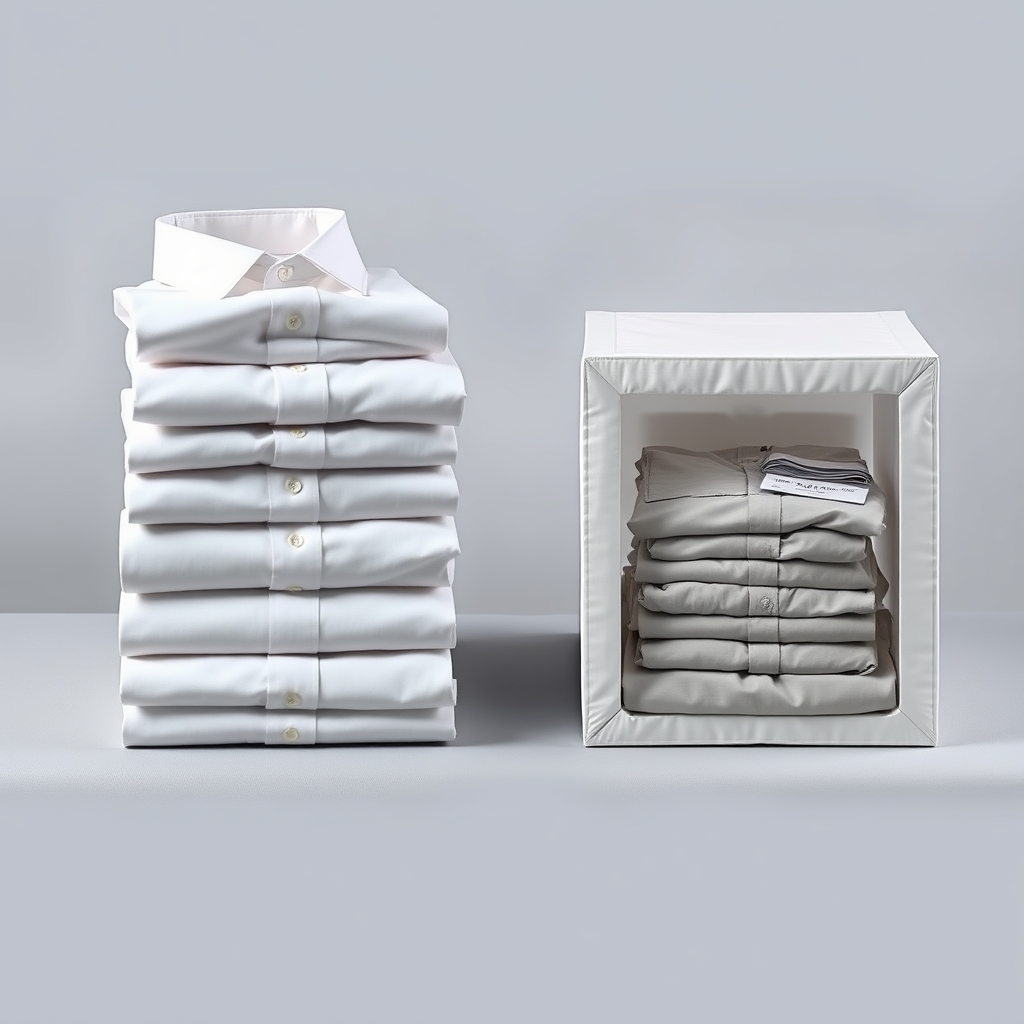
The catch: Compression only works if you’re willing to fold items tightly and roll them. If you prefer hanging-style packing, the compression cubes become redundant the valve design relies on the seal being maintained, which doesn’t happen if you’re just tossing a blazer inside loosely.
Durability of the compression seals is solid. No leaks, no valve failures in the test period. The zippers show normal wear after 15+ packing cycles, no premature separation.
Modular Organizer System
The organizer comes in a three-unit configuration: a flat pouch, a vertical divider, and a cable/accessory pocket. Together, they’re designed to create a “drawer system” inside your suitcase.
The modular approach is clever if you’re upgrading from throwing everything loose into a bag. The flat pouch (perfect for shoes, bundled cords, or a change of clothes) and the vertical divider (for shirts, pants stacked upright) are logical separations that actually save packing time. The cable pocket has labeled slots, which saves you from the universal travel annoyance of untangling earbuds and chargers mid-trip.
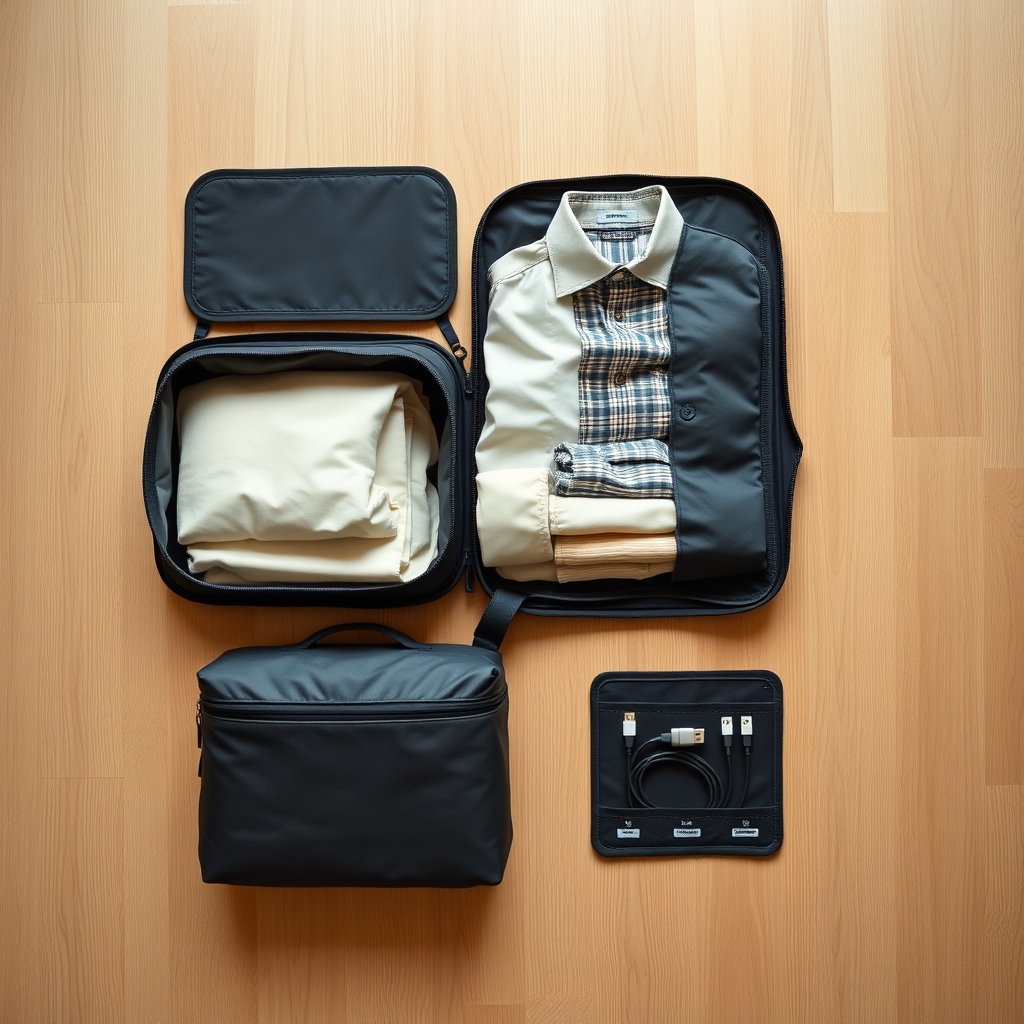
Honest drawback: If you’re already using Wondr packing cubes, the modular organizer becomes partially redundant. In our observation, running both systems together means the combined footprint leaves noticeably less usable space than the cubes alone—the marketing suggests they’re complementary, but in practice they compete for luggage real estate more than they cooperate. The marketing suggests they’re a system, but in practice they compete for luggage real estate rather than complementing each other optimally.
Lifestyle Accessories (Cable Management, Travel Pouches)
The cable management pouch is minimalist and functional. It holds two USB-C cables, a charging cube, and a few cables coiled inside. Compartments are clearly separated, which means you’re not fishing through tangles. Nothing revolutionary, but it works.
The travel pouches (for accessories, toiletries, or miscellaneous items) use the same ballistic nylon and YKK hardware. They’re lighter and smaller than comparable Peak Design pouches, which appeals to weight-conscious travelers. As a solo product, a Wondr pouch is solid. In the context of the broader system, it feels like incremental accessorizing—nice to have, not essential.
Price and Value: Where Wondr Gets Harder to Defend
At current retail, Wondr’s pricing sits in the premium-mid range for travel accessories. A three-piece packing cube set typically runs around $60–$75 (verify current pricing before purchase; retail varies). The modular organizer system runs $50–$65. Adding the cable pouch and one or two travel pouches brings a complete “system” to roughly $150–$180.
For comparison, compression packing cubes from reputable generalist brands (Samsonite, Delsey) cost $25–$40 for a similar set. Peak Design’s packing cubes run $75–$85, so Wondr is slightly cheaper or comparable depending on which Peak Design product you’re comparing against. Away’s travel organizers start at $40.
The price-to-value ratio is where Wondr loses defensibility for budget-conscious travelers. You’re paying for design language and modularity, not for materials that are objectively superior to competing mid-tier products. A traveler on a tight budget would be better served by a $35 Samsonite compression cube set. A traveler willing to spend more would arguably get better durability and integrated water resistance from Peak Design or specialized outdoor brands like Tom Bihn or Cotopaxi.
Wondr sits in the awkward middle: too expensive for the budget tier, not quite specialized or premium enough to justify the price over cheaper alternatives for most users.
Real Cons Worth Knowing
Limited Waterproofing
Wondr’s ballistic nylon is water-resistant, not waterproof. In actual use, light rain won’t soak through, but immersion will. This matters if your luggage gets jostled near water or stored in a damp environment. The cable pouch and some of the specialty pouches have zero water-resistance claims, which is fine until your makeup bag leaks foundation across your packing cubes.
Peak Design explicitly markets their products as water-resistant with sealed zippers. Wondr doesn’t make this claim, which suggests they’ve consciously chosen cost savings over waterproofing. It’s an honest choice, but it’s a limitation.
Compression Cubes Are Paired With Fragile Items Risk
Compression packing cubes work great for socks, underwear, and casual fabrics. They’re actively bad for delicate items—dress shirts, silk, structured blazers. If you’re packing a mix (business travel with both casual and formal pieces), you’ll need to either avoid compression on the formal items or accept the wrinkle risk. This isn’t a Wondr-specific problem, but it’s worth knowing before you buy a compression system thinking it solves all your packing needs.
Minimal Tech Integration
Wondr’s cable pouch is basic. It doesn’t charge devices, doesn’t have cable-routing loops, and lacks the kind of tech-specific design you’d find in a purpose-built cable organizer (like those from Bellroy or Herschel). If you’re traveling with multiple laptops, external drives, or lots of adapters, you’ll outgrow this pouch quickly.
Wondr vs. Peak Design vs. Away: Where to Go Instead
| Feature | Wondr | Peak Design | Away |
|---|---|---|---|
| Compression packing cubes | Yes, basic one-way valves | Yes, premium two-way | No |
| Water resistance | Partial (ballistic nylon only) | Full across range | Full across range |
| Modular system | Yes, stackable | Limited (fewer options) | Yes, integrated |
| Price entry point | ~$60–$75 | ~$75–$85 | ~$40–$60 |
| Best for | Ultralight packers | Photography, outdoor travel | Business travelers |
Peak Design is the obvious upgrade if you want better materials, integrated waterproofing, and are willing to pay $20–$30 more. Peak Design’s packing cubes use premium nylon and two-way compression, meaning they actively manage space better. The downside: Peak Design is heavier and assumes you’re packing tightly every time (less flexibility for casual packing).
Away is the value alternative if you want a curated organizer system without compression. Away’s travel organizers are cheaper, integrate well with Away luggage (though they work fine standalone), and prioritize accessibility over weight savings. If you’re not trying to shave ounces, Away gives you 80% of Wondr’s functionality for 60% of the price.
What we’d keep instead: For most travelers, a $35 Samsonite compression cube set does 90% of what Wondr does. For travelers willing to spend premium dollars, Peak Design’s ecosystem is more thought-through. Wondr wins if you value minimalist design and modularity above all else—but that’s a specific buyer, not a broad recommendation.
Frequently Asked Questions
Is Wondr worth the price compared to generic compression cubes?
No, if price is your primary concern. Wondr costs 2–3x more than basic compression packing cubes and delivers modest material and design improvements. The main value-add is the modular system, which appeals to planners and frequent travelers. Casual travelers save money with budget alternatives.
Did Wondr make the Kept List?
Yes, with caveats. Wondr products are well-designed and durable, and the system works cohesively for the right user. But the price premium isn’t justified for everyone. We’d Kept it for digital nomads and frequent business travelers; we’d Cut it for occasional travelers or anyone on a budget.
How do Wondr packing cubes compare to Peak Design?
Peak Design is objectively better if you prioritize durability and two-way compression. Wondr is lighter and cheaper. Choose Wondr if ultralight packing is your priority; choose Peak Design if you want the best-built product and don’t mind the extra weight or cost.
Do Wondr products work with other luggage brands?
Yes, completely. Wondr organizers and packing cubes fit in any luggage with internal space. They don’t lock into any proprietary system (unlike some Away products, which are optimized for Away luggage). This is a strength if you have existing luggage; it’s a weakness if you like integrated design.
Are Wondr products waterproof?
No. They’re water-resistant (ballistic nylon sheds light rain), but not waterproof. This matters if you store luggage in humid environments or near water. Peak Design and some Away organizers offer better water protection at the cost of slightly heavier materials.
The Honest Takeaway
Wondr is a case study in premium design landing in a middle market where customers are price-sensitive. The products are well-made, the modularity is thoughtful, and the minimalist aesthetic is genuinely appealing. But you’re paying 2–3x the cost of basic alternatives for maybe a 30–40% improvement in functionality and durability and that gap is hard to justify unless minimalist design is a genuine priority for you, not just a nice-to-have.
For the specific user (digital nomad, frequent solo traveler, ultralight philosophy), Wondr is worth considering. For everyone else families, casual travelers, budget-first buyers spend less on Samsonite or Away and pocket the savings.
If you do decide to buy, start with a single medium packing cube and the cable pouch to test whether the modularity and design justify the price for your actual packing style. Don’t assume the full system is necessary; many travelers are happier with two cubes and a generic pouch than with a complicated organizational system.