
Fresh Dog Food vs. Kibble: Your Complete Decision Guide
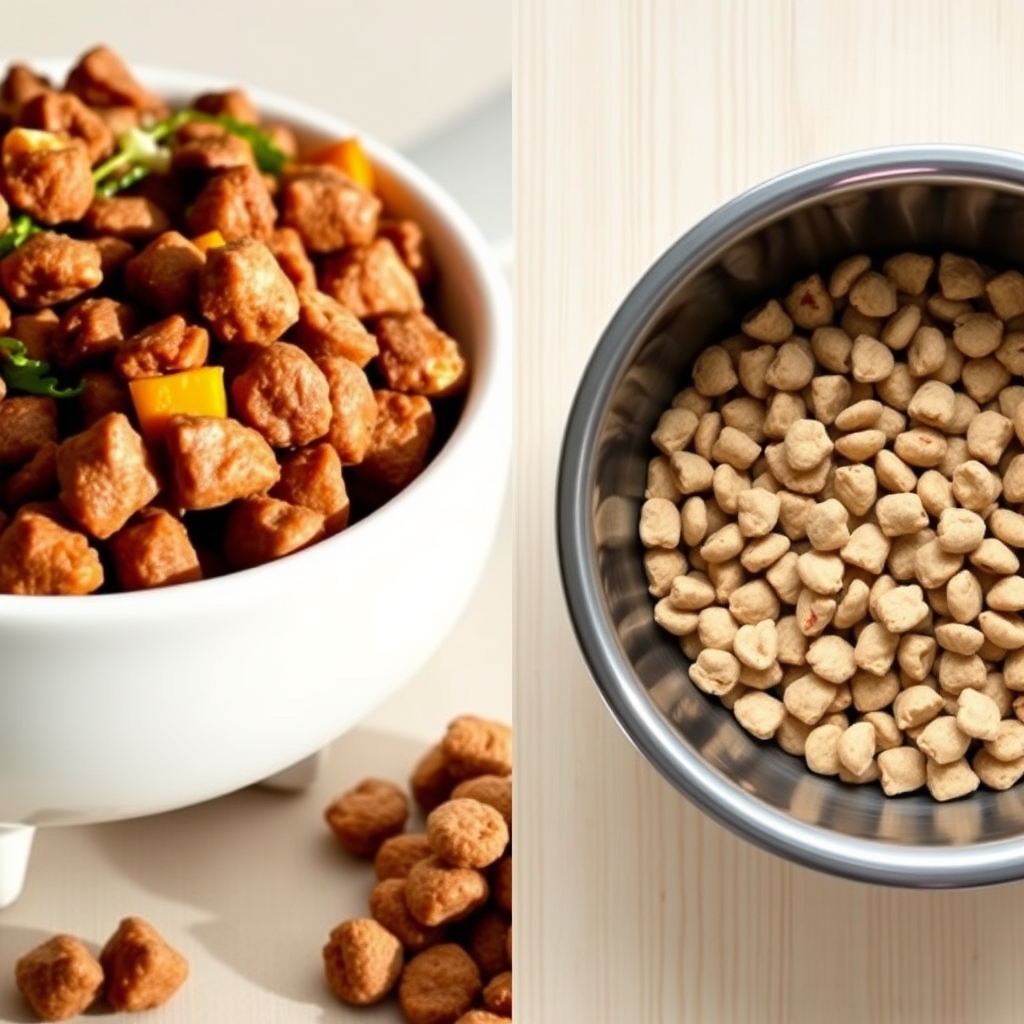
Fresh dog food is minimally processed, refrigerated or frozen food with high water content (commonly cited in the 60–75% range), while kibble is dry, shelf-stable food with moisture typically reduced to around 10–12%. The core choice comes down to your dog’s needs, budget, and lifestyle and the answer isn’t the same for every owner.
The Honest Trade-Off
Neither format is universally “better.” Fresh food often offers easier digestibility and fresher ingredients, but it costs 2–4× more than kibble and requires freezer space and planning. Kibble is convenient, affordable, and formulated to meet AAFCO (Association of American Feed Control Officials) standards, but some dogs struggle with digestion because of how the ingredients are processed.
Most vets recommend matching the format to your dog’s age, health status, and your household rhythm not guilt.
Is Fresh Dog Food Really Better for Digestion?
Fresh food is often easier for dogs to digest, but “better” depends on your dog.
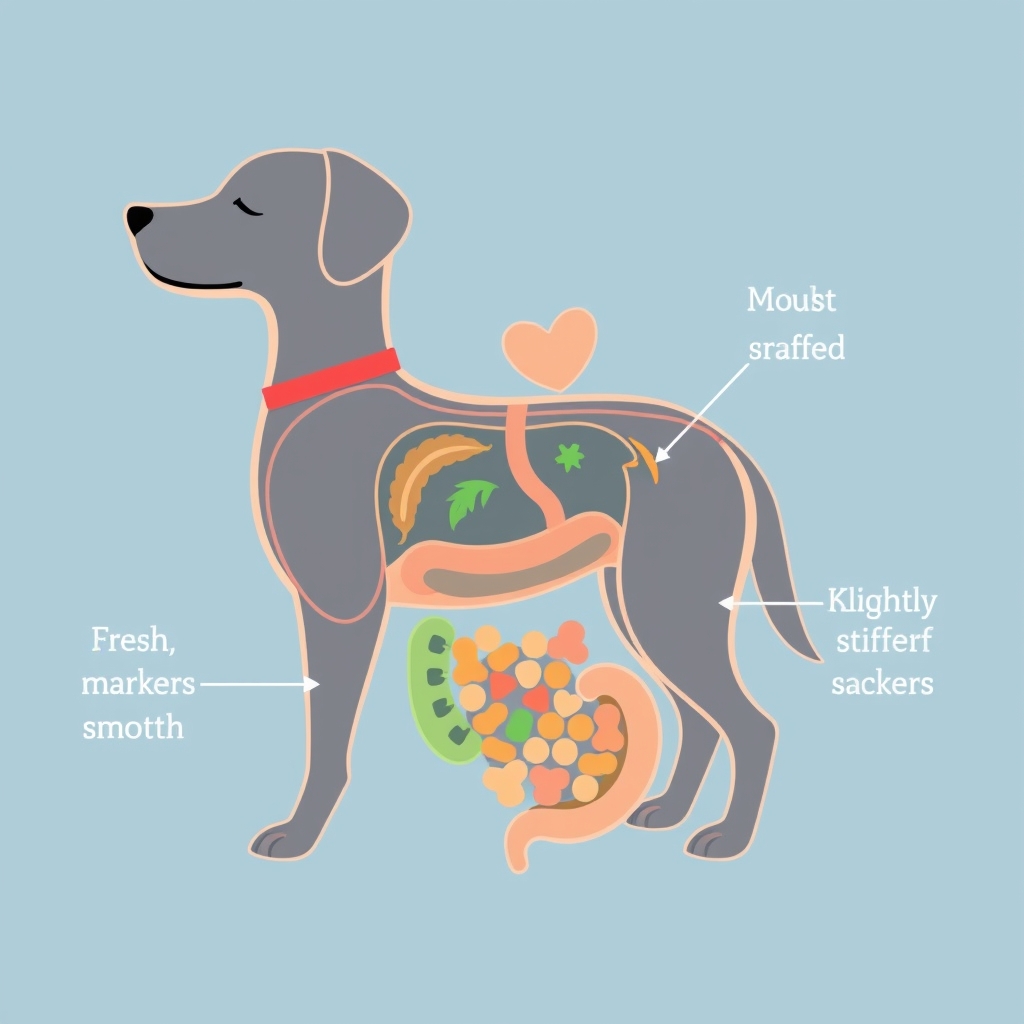
The high moisture content in fresh food mimics a dog’s ancestral diet more closely, and uncooked or lightly cooked ingredients haven’t lost as many enzymes during processing. Dogs with sensitive stomachs, allergies, or inflammatory bowel issues (IBD) frequently show improvement on fresh diets less gas, firmer stools, fewer digestive flare-ups.
However, kibble designed for digestive health (with added fiber, probiotics, or limited ingredients) works perfectly well for most dogs. Some kibble-fed dogs have zero digestive issues their entire lives.
The real factor: ingredient quality and protein source matter more than format alone. A premium, limited-ingredient kibble often outperforms a cheap fresh food heavy in fillers.
How Much Does Fresh Dog Food Actually Cost?
Based on commonly observed retail pricing, fresh dog food typically runs $3–$8 per pound, depending on the brand and ingredients. For a 50-pound dog eating 2–2.5 pounds per day, that works out to roughly $180–$500+ per month, or approximately $2,160–$6,000 per year (prices as of mid-2026; check current brand pricing before budgeting).
Kibble generally ranges from $0.50–$3 per pound, or $30–$150 per month for the same dog a meaningful difference of 10–40× less per pound.
Some owners bridge the gap by mixing: a base of affordable kibble with a fresh topper (10–20% fresh, 80–90% kibble). This approach typically costs roughly $60–$120 monthly and often improves digestion without breaking the budget.
Reality check: If your dog is healthy on kibble, switching to fresh costs thousands per year for benefits you may not see. If your dog has chronic digestive issues or food allergies, that same cost can mean fewer vet bills and better quality of life a genuine return on investment.
What Do Vets Actually Say About Fresh vs. Kibble?
Most veterinarians don’t strongly prefer one format over the other they prioritize complete, balanced nutrition and your dog’s individual response.
That said, here’s what vets commonly recommend:
- For healthy dogs: Kibble is nutritionally adequate and practical. No need to switch unless your dog has a specific issue.
- For dogs with digestive problems, allergies, or skin issues: A trial of fresh or limited-ingredient kibble is worth trying. Some vets suggest a 4–8 week elimination diet to identify triggers.
- For senior dogs or dogs with dental issues: Fresh food is softer and often easier to eat; kibble requires intact teeth and jaw strength.
- For weight management: Both formats work; portion control matters most. Fresh food’s higher water content can help a dog feel fuller on fewer calories.
- For raw/fresh brands with no AAFCO statement: Vets often caution that these aren’t tested for nutritional completeness. Ask your vet to review the label or request a nutrient analysis from the manufacturer.
A caveat: some fresh food brands are backed by peer-reviewed research on digestibility or health outcomes; others aren’t. Your vet knows which brands have supporting data.
Are There Safety Risks With Fresh or Raw Dog Food?
Both have different safety profiles.
Fresh (cooked) dog food: Minimal safety risk if sourced from a reputable manufacturer with AAFCO certification or a nutritionist’s formulation. Look for evidence of food-safety protocols, third-party testing, and recall history. Homemade fresh food poses a risk if not nutritionally balanced deficiencies in calcium, vitamins, or minerals can develop over months or years.
Raw dog food: Contains bacteria (E. coli, Salmonella) that are normal in raw meat but can cause illness in dogs or spread to humans via feces or contaminated surfaces. Immunocompromised dogs, puppies, and senior dogs are at higher risk. The AVMA (American Veterinary Medical Association) has stated it does not recommend raw diets due to these risks and lack of regulatory oversight check AVMA.org for their current policy. If you choose raw, sourcing from facilities with strict safety protocols and freezing at proper temperatures (below 0°F / -18°C) reduces but does not eliminate risk.
Kibble: Processed at high heat to kill pathogens. Salmonella outbreaks do occur but are rare. Kibble has a long shelf life when kept dry and cool.
What About Nutrient Absorption and AAFCO Standards?
Nutrient absorption how much of the protein, fat, and other nutrients your dog actually uses is where format can matter.
Kibble is processed at high temperatures (extrusion or baking), which can damage some amino acids and reduce enzyme activity. Fresh food avoids this damage, meaning some nutrients may be more bioavailable. In practice, though, kibble formulas account for processing losses; AAFCO-certified kibbles are nutritionally complete even after processing.
The AAFCO statement on the bag (or label online) signals the food meets minimum standards for protein, fat, fiber, vitamins, and minerals but this labeling pathway applies mainly to kibble and wet food. Fresh food brands often don’t carry an AAFCO statement because fresh food is regulated differently. Ask the brand whether they’ve completed AAFCO feeding trials or whether a veterinary nutritionist has formulated the diet.
In real terms: A healthy dog on AAFCO-certified kibble gets complete nutrition. A dog on fresh food formulated by a veterinary nutritionist also gets complete nutrition. The difference in nutrient availability is measurable in lab settings but rarely noticeable in most dogs’ day-to-day health.
Which Dogs Actually Benefit Most From Fresh Food?
Fresh food makes the biggest practical difference for:
- Dogs with food allergies or sensitivities: Fewer ingredients, no fillers, easier to identify and avoid triggers.
- Dogs with digestive disorders (IBD, chronic diarrhea, pancreatitis): Higher moisture, lower processing, easier digestion.
- Senior dogs with dental disease: Soft, easier to chew and swallow.
- Picky eaters: The aroma and texture of fresh food often appeal to dogs bored with kibble.
- Dogs recovering from illness: A digestible, nutrient-dense diet can support healing.
- Dogs on weight-management protocols: Higher water content helps them feel full on smaller portions.
For a young, healthy dog with a robust digestive system and no allergies? Fresh food is a luxury, not a necessity.
Can You Mix Fresh and Kibble?
Yes, mixing is safe if you do it thoughtfully.
A common ratio is 10–20% fresh and 80–90% kibble. This gives you some digestibility and ingredient benefits of fresh food without the full cost. Most dogs adjust well to a split diet.
How to introduce it: Add fresh food gradually over 7–10 days (10% fresh on day 1, 15% on day 3, 20% on day 7) to avoid digestive upset. If your dog has a sensitive stomach, go slower.
Storage and safety: Keep fresh food refrigerated or frozen according to the brand’s instructions. Once thawed, use fresh food within 24 hours. Don’t leave the mixed bowl out for more than 2 hours.
What About Homemade Fresh Dog Food?
Homemade fresh food can be great if it’s complete and balanced.
Here’s the trap: most homemade recipes (even those from well-meaning sources) are missing critical nutrients, particularly calcium, vitamin D, vitamin A, and iodine. Over months, a calcium-deficient diet can cause bone and joint problems; a taurine-deficient diet can damage the heart.
If you make homemade food:
- Work with a board-certified veterinary nutritionist (ACVN) to formulate the recipe. (Consultation fees typically run $200–$500 upfront but can prevent years of costly deficiency treatment confirm current rates with your provider.)
- Use a recipe calculator like BalanceIT’s supplement system or a similar tool to ensure micronutrient balance.
- Include a quality supplement designed for homemade diets to bridge nutrient gaps.
- Have your vet run bloodwork annually to monitor for deficiencies.
Without professional formulation, homemade food carries more risk than commercial kibble or fresh brands with AAFCO certification.
How Long Does Fresh Dog Food Stay Fresh?
Storage depends on the format:
- Refrigerated fresh food: 3–5 days after opening, per most brands’ instructions.
- Frozen fresh food: 6–12 months in a standard freezer, depending on the brand’s guidance. Thaw in the fridge overnight not at room temperature.
- Air-dried or freeze-dried fresh food: 1–2 years in an airtight container. These are less “fresh” than refrigerated formats but longer-lasting and travel-friendly.
- Kibble: 6 months to 2+ years in a sealed bag, stored in a cool, dry place. Once opened, aim to use it within 6–8 weeks exposure to air causes oxidation and can lead to rancidity.
Do Dogs on Kibble Need Supplements?
Most dogs on AAFCO-certified kibble don’t need supplements the food is formulated to be complete.
Exceptions:
- Fish oil or omega-3: Common for dogs with skin issues, joint problems, or cognitive aging. Not required by AAFCO standards but widely recommended by vets.
- Glucosamine/chondroitin: For joint health in older or large-breed dogs. Evidence is mixed, but it’s commonly used and low-risk.
- Probiotics: For digestive support in dogs with recurring stomach issues. Evidence varies by strain, but generally low-risk if used sensibly.
- Vitamin or mineral supplements: Only if recommended by your vet based on bloodwork or diet analysis.
If your dog is on fresh food formulated by a vet nutritionist, supplements are already accounted for. If on homemade food, supplements are essential.
Kibble vs. Fresh: A Quick Decision Framework
Use this to narrow down what makes sense for your dog:
| Factor | Choose Kibble If… | Consider Fresh Food If… |
|---|---|---|
| Budget | You need to keep food costs under ~$100/month | You can comfortably budget ~$150+/month |
| Digestive Health | Your dog has no ongoing digestive concerns | Your veterinarian recommends a specific diet for allergies or digestive issues |
| Convenience | You want a simple scoop-and-serve routine | You have freezer space and don’t mind planning meals |
| Teeth / Age | Your dog comfortably eats dry food | Your senior dog has dental problems and needs an easier-to-chew diet |
| Time | You’re busy and want minimal preparation | You have time to portion, store, and serve meals |
| Picky Eating | Your dog readily eats its regular food | Your dog frequently loses interest in its usual food and a veterinaria |
FAQ
Is fresh dog food worth the cost?
If your dog is healthy and eats kibble without issues, no it’s a luxury. If your dog has allergies, digestive problems, or age-related challenges, the reduced vet visits and improved quality of life often justify the cost.
Can I feed kibble one day and fresh food the next?
Yes, but a mixed approach (some kibble, some fresh daily) is easier on digestion than switching formats day to day. If you do alternate, transition gradually to avoid stomach upset.
What’s the best kibble for dogs with sensitive stomachs?
Look for limited-ingredient kibbles with single protein sources, added probiotics, and digestive enzymes. Kibbles marketed for “sensitive digestion” often specify these traits on the label. Your vet can recommend based on your dog’s specific sensitivities.
Should I switch my healthy dog to fresh food?
If your dog thrives on kibble, there’s no need to switch. Switching for health reasons (allergies, digestive issues) makes sense; switching purely for a sense of “wholeness” is an expensive change with no proven benefit for a healthy dog.
Is raw dog food safer than fresh cooked?
No. Raw food carries higher risks of bacterial contamination (Salmonella, E. coli). The AVMA has recommended against raw diets due to these risks consult AVMA.org for their current guidance. Cooked fresh food from a reputable manufacturer is the safer option.
Can puppies eat fresh dog food?
Yes, if the formula is complete and balanced for growth. Fresh food for puppies must include appropriate calcium-to-phosphorus ratios and calorie density for development. Work with a vet or veterinary nutritionist to ensure the recipe supports healthy growth.
The Bottom Line
Fresh dog food and kibble aren’t in direct competition they’re tools for different situations. Kibble works brilliantly for healthy dogs and busy households. Fresh food shines for dogs with digestive issues, allergies, or special needs.
The best food is the one your dog thrives on, that fits your budget and lifestyle, and that you’ll actually stick with long-term. If that’s kibble, your dog will be fine. If that’s fresh, the investment pays off in fewer vet visits and a happier dog.
Ask your vet to evaluate your dog’s current diet and individual needs that conversation will settle the question faster than any FAQ.