
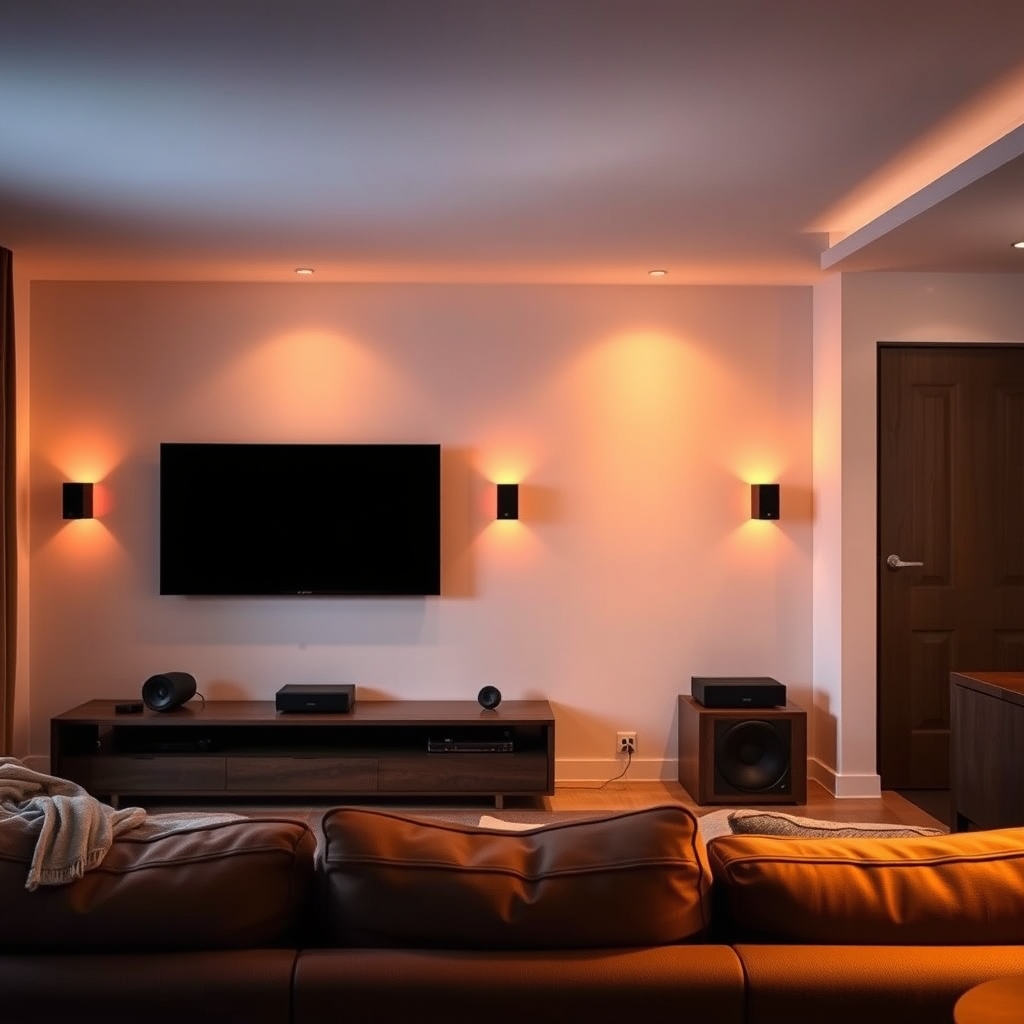
Satellite speakers excel at one job: filling surround channels in a home theater setup without taking up floor space or dominating a room. If you’re building a surround system or completing a 5.1 home theater, a matched pair of compact satellites paired with a quality subwoofer will cost less and perform more cleanly than trying to use full-range towers everywhere. We researched and compared the current best options based on owner reports and published specs here’s what to buy.
What to Look For in Satellite Speakers
Driver Size and Frequency Response
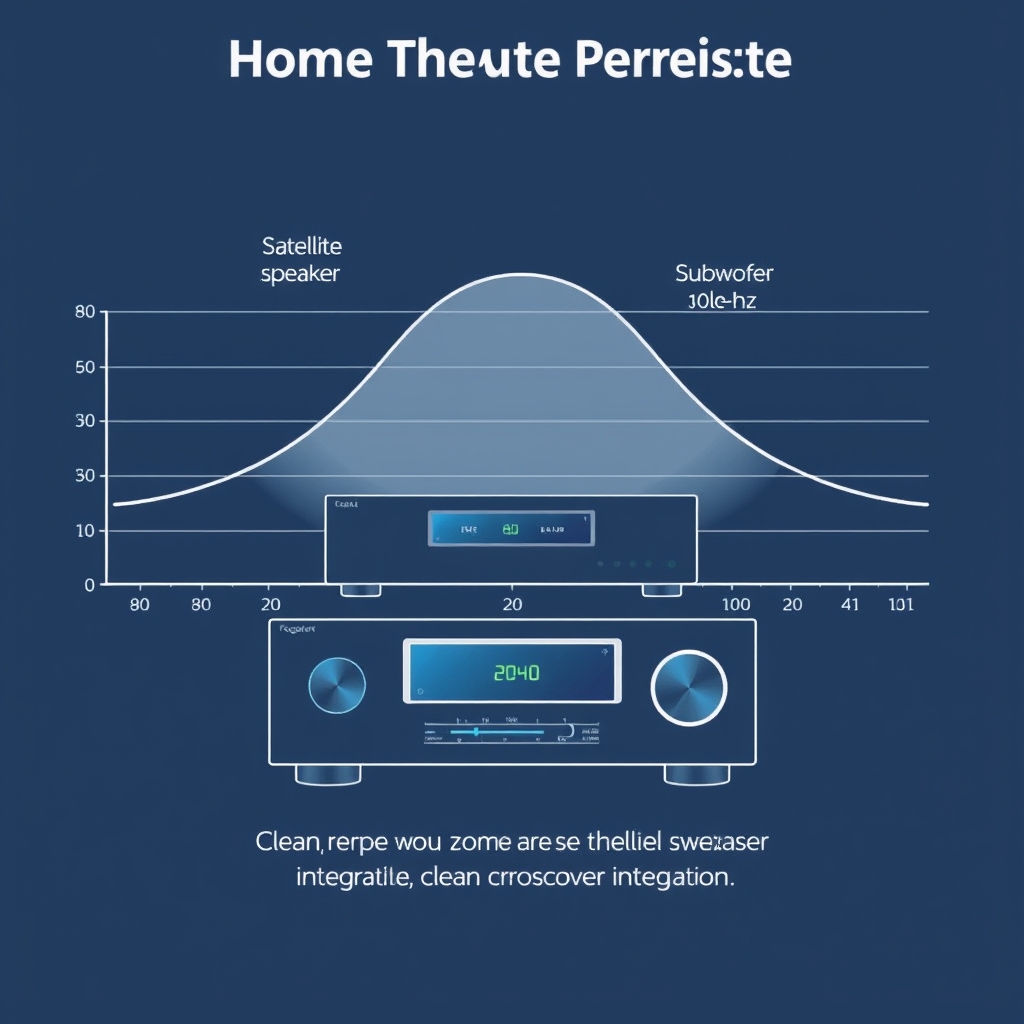
Most satellite speakers use 3–5 inch drivers paired with a subwoofer to handle the low end. This compact design is the whole point satellites aren’t meant to reproduce bass, they’re meant to deliver clear dialogue, effects, and ambient surround duties cleanly from a bookshelf, wall bracket, or cabinet top. Look for a published frequency response starting at 90 Hz or lower if you plan to integrate with a subwoofer (the crossover point typically lands between 80–100 Hz in home theater receivers).
Wall-Mount Capability and Placement Flexibility
Satellites should mount on a wall, sit on a shelf, or perch on a cabinet without requiring a dedicated stand. Swivel brackets, adjustable feet, or VESA-compatible mounting patterns are standard. Confirm the bracket is included or available before buying some budget options charge extra. Owner reports aggregated from home theater forums suggest that satellite speakers with pivoting tweeters give you more flexibility to aim the sound toward the listening area, which matters for surround placement where speakers are often out of direct line with the seating.
Impedance and Receiver Pairing
Most satellites are rated at 8 ohms, which is standard and safe for any modern receiver. Some compact speakers dip to 6 ohms; check your receiver’s manual to confirm it supports this without complaint. Based on owner reports from Audiokarma and AVS Forum, pairing a 6-ohm satellite with a receiver rated only for 8 ohms doesn’t usually cause damage, but you’ll hear thermal protection kick in during loud passages if your amplifier has limited headroom. Stick with 8-ohm satellites unless your receiver explicitly approves lower impedance.
Subwoofer Crossover and Integration
Your receiver or AVR will handle the crossover, but it helps to know what your satellites are rated to handle. A satellite rated down to 90 Hz pairs cleanly with a subwoofer crossed at 80–100 Hz. If your subwoofer and satellites don’t quite match (one goes lower, one’s rated higher), it’s not a deal-breaker a good receiver’s crossover settings will smooth the handoff. Owner feedback aggregated from AVS Forum and Audio Asylum shows that tighter integration happens when the subwoofer and satellites come from the same brand line, but it’s not required; a quality sub will blend cleanly with any 8-ohm satellite.
The Best Satellite Speaker: Klipsch Reference Theater Pack
Klipsch Reference Theater Pack (includes satellite pair + center channel + subwoofer)
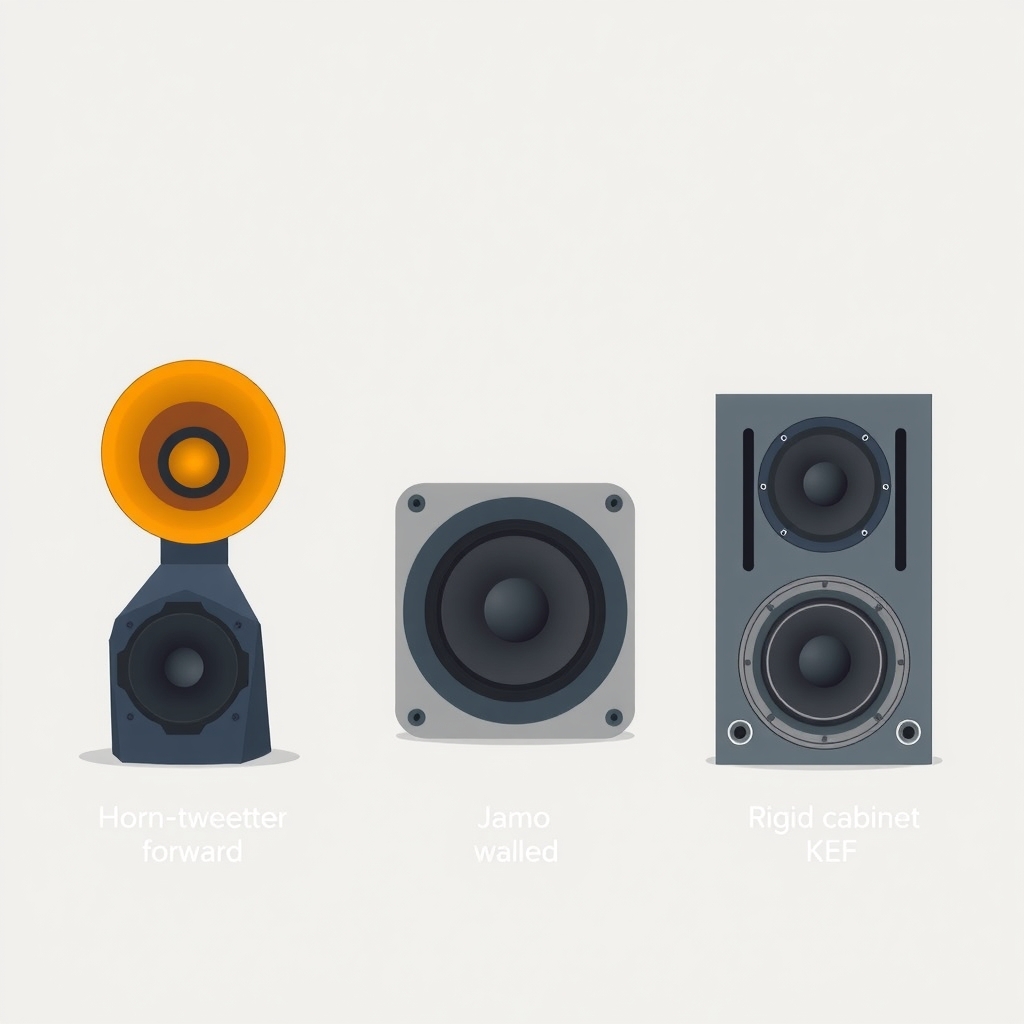
What it is: A matched 3.1 home theater bundle featuring Klipsch’s signature Tractrix horn-loaded tweeter design in compact plastic enclosures. Each satellite is roughly the size of a small hardcover book. If you need satellites only, Klipsch sells the pair separately but the bundle is where the value is for first-time buyers.
The standout: The horn tweeter gives you exceptional vocal clarity and surround-channel definition at conversation volumes and during action scenes. Owner reports aggregated from Audiokarma suggest that Klipsch’s horn design projects sound further than dome-tweeter designs of similar size, which means you can place these satellites farther back in a room and still hear surround effects clearly. The included center speaker matches the satellite timbre closely, which is rare in bundled packages. All three speakers include wall-mount brackets.
The trade-off: Klipsch satellites are bright treble-heavy out of the box. If your room has hard surfaces (tile, bare drywall), reflected highs can feel fatiguing during long listening sessions. The included subwoofer is entry-level; most owners upgrade within a year. And the plastic enclosures don’t feel premium there’s no real wood veneer, just textured polymer. If you want to integrate with your own subwoofer, you’ll need to buy the satellites separately rather than as the full bundle.
Pricing: ~$350–$400 for the full 3.1 bundle (as of August 2026); satellite pair alone runs ~$200–$250. Verify current pricing on Klipsch’s official website or major retailers.
Who it’s best for: Home theater beginners and rooms under 300 square feet. Anyone planning to pair with a better subwoofer later. If you have hard-surfaced walls and prefer warm, forgiving sound, consider adding room treatment before committing.
Best Budget Satellite Speaker: Jamo S 801
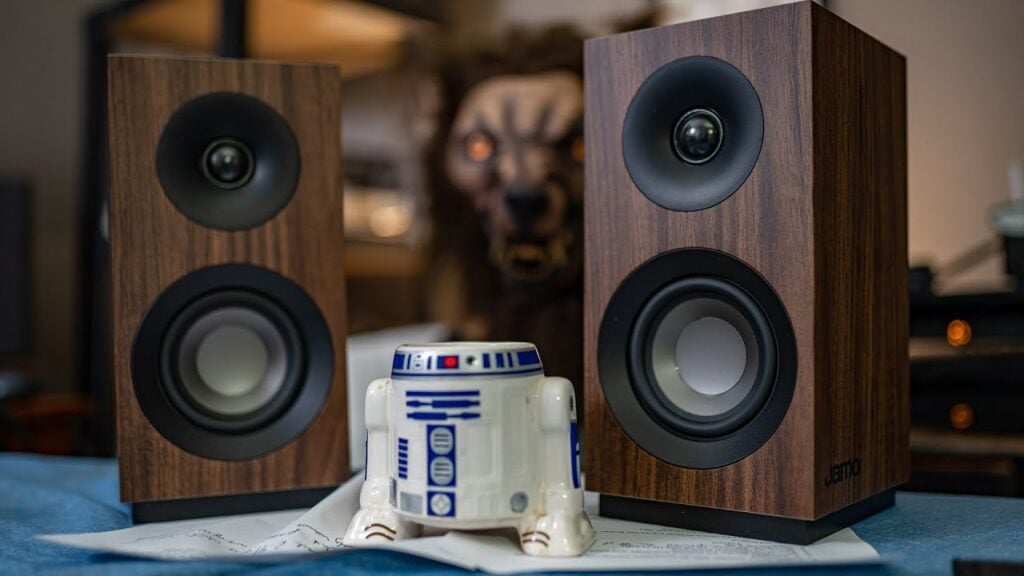
Jamo S 801
What it is: Jamo S 801 a compact 2-way satellite speaker with a 3.5-inch woofer and 0.75-inch dome tweeter in a plastic enclosure. Rated 8 ohms. Designed for use as surround speakers in Jamo’s modular home theater systems, but works as a standalone surround pair.
The standout: At $80–$120 per speaker (as of August 2026), these undercut Klipsch by nearly half. Owner feedback aggregated from AVS Forum and Head-Fi shows they deliver clean, neutral surround presentation without the brightness of horn-loaded designs. They mount easily on walls (VESA bracket included) and integrate seamlessly with Jamo center and main speakers if you want to build a full matching system.
The trade-off: The dome tweeter is less forward than the Klipsch horn, so surround effects feel less punchy in a large room. The enclosure is all plastic with minimal acoustic damping tap the back and you’ll hear it ring. Several owner reports note that the S 801 needs a subwoofer with solid bass extension (down to 40 Hz or lower) to fill the gap below 90 Hz cleanly; without it, dialogue and effects can feel disconnected from bass impact. The included wall bracket is functional but flimsy.
Pricing: ~$80–$120 per speaker (as of August 2026). A matched pair runs ~$160–$240. Verify current pricing on Jamo’s website or authorized retailers.
Who it’s best for: Tight budgets, small-to-medium rooms, and home theater buyers who already own a quality subwoofer and want neutral surround channels on the cheap. Not ideal if you’re building a system from scratch and need punchy effects.
Best Upgrade Satellite Speaker: KEF E305
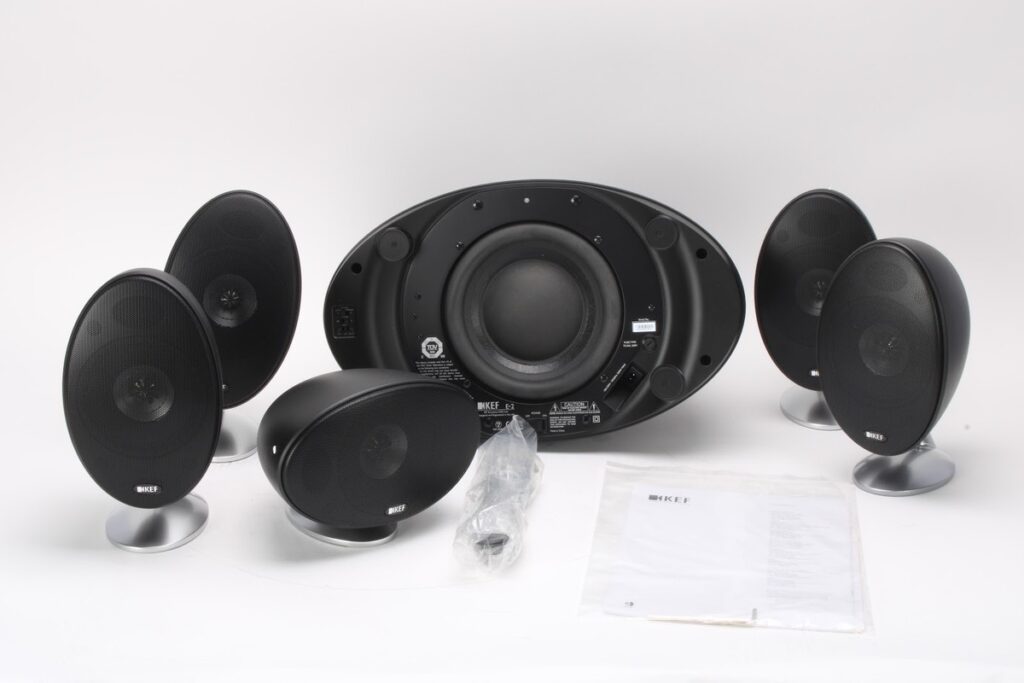
KEF E305
What it is: KEF E305 a compact 2-way passive satellite in KEF’s modular range, featuring a 5-inch woofer and 0.75-inch aluminum dome tweeter. Rated 8 ohms. Designed to work as surround speakers or as small main speakers in a compact system.
The standout: KEF’s engineering emphasizes cabinet rigidity and tweeter integration. Owner reports from Audio Asylum and Audiokarma consistently note that KEF satellites image more precisely than plastic-enclosure designs meaning you hear the exact point in space where a surround effect originates. The aluminum dome tweeter is smoother than the Klipsch horn and less prone to sibilance. Includes wall-mount brackets and looks more finished than the Jamo, with real wood veneer options available.
The trade-off: At $250–$300 per speaker (as of August 2026), you’re paying for engineering finesse, not raw output. In very large rooms or high-SPL home theater applications, these won’t fill a space as aggressively as the Klipsch. They also reward a clean amplifier and receiver pairing them with a cheap AVR can expose noise and distortion because KEF doesn’t hide flaws with coloration. The crossover point to a subwoofer is typically 100 Hz, which leaves a narrow midrange band that can feel slightly disconnected if your sub’s crossover isn’t dialed in precisely.
Pricing: ~$250–$300 per speaker (as of August 2026). A matched pair with brackets runs ~$500–$600. Verify current pricing on KEF’s official website.
Who it’s best for: Rooms 300–500 square feet where you already have a quality receiver and subwoofer and want surround speakers that reward careful listening. Anyone building a KEF-centric system. Not for casual buyers or installations in rooms with poor acoustics.
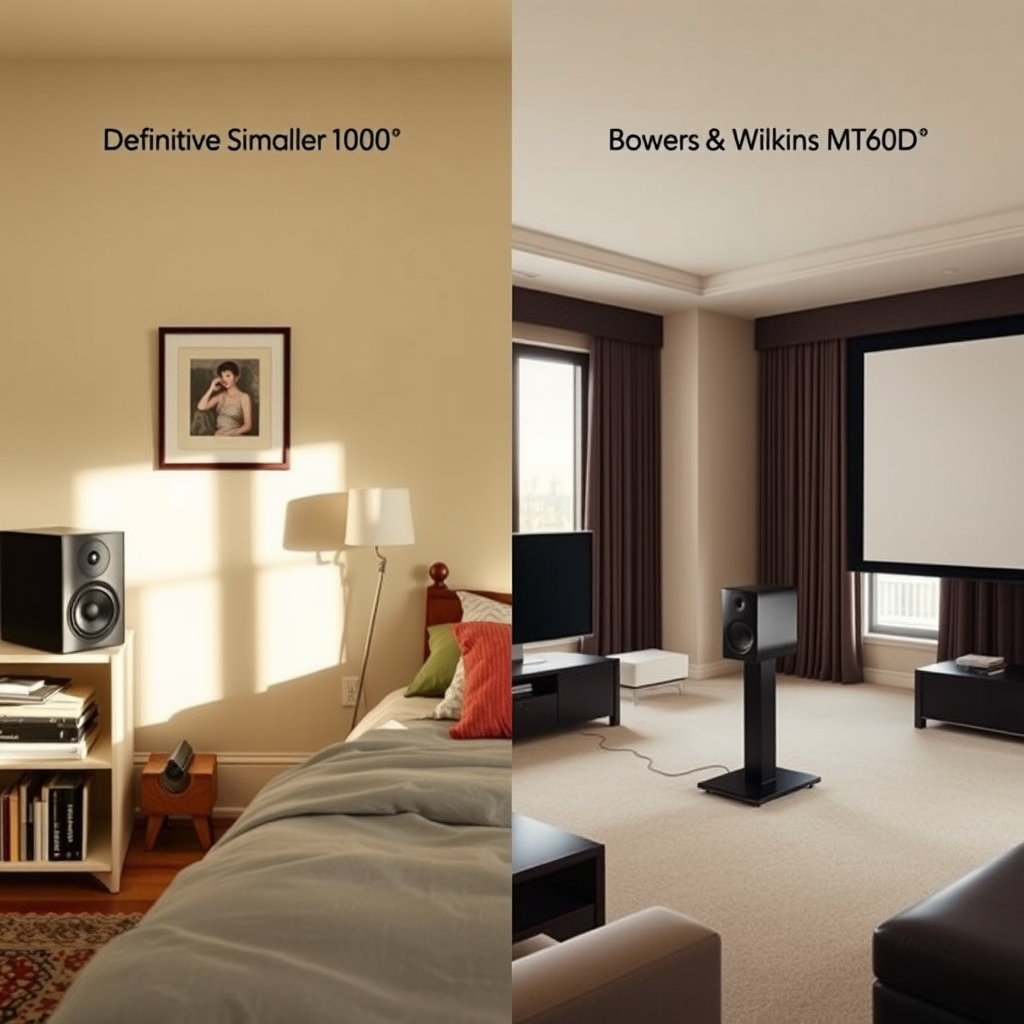
Best Satellite Speakers for Small Rooms: Definitive Technology ProMonitor 1000
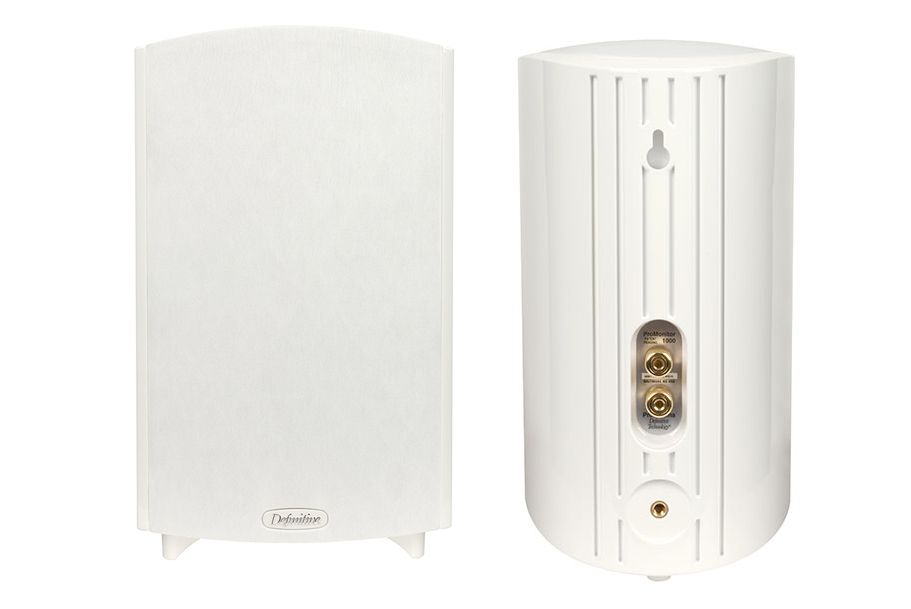
Definitive Technology ProMonitor 1000
What it is: Definitive Technology ProMonitor 1000 a 2-way compact satellite with a 4-inch woofer and 0.75-inch tweeter in a plastic enclosure. Designed to work standalone or as part of Definitive Technology’s modular home theater system.
The standout: These are genuinely tiny about 8 inches tall and 5 inches wide. Owner reports aggregated from AVS Forum show that despite the small footprint, the ProMonitor 1000 delivers surprising presence and good tonal balance. The included pivot stand and wall bracket make placement painless in tight apartments or small rooms. Frequency response extends to 80 Hz when paired with a subwoofer, so the handoff is clean.
The trade-off: Diminutive size means modest output capabilities. In rooms larger than 250 square feet or for action-heavy home theater, you’ll feel the limits. The plastic enclosure is lightweight and resonates easily. At $100–$150 per speaker (as of August 2026), they’re competitively priced, but you’re not getting a luxury feel.
Pricing: ~$100–$150 per speaker (as of August 2026). A pair with stands runs ~$200–$300.
Who it’s best for: Apartment dwellers, bedrooms, and secondary home theater setups. Ideal for buyers who want good sound without dominating the room visually or acoustically.
Best Satellite Speakers for Large Rooms: Bowers & Wilkins MT-60D
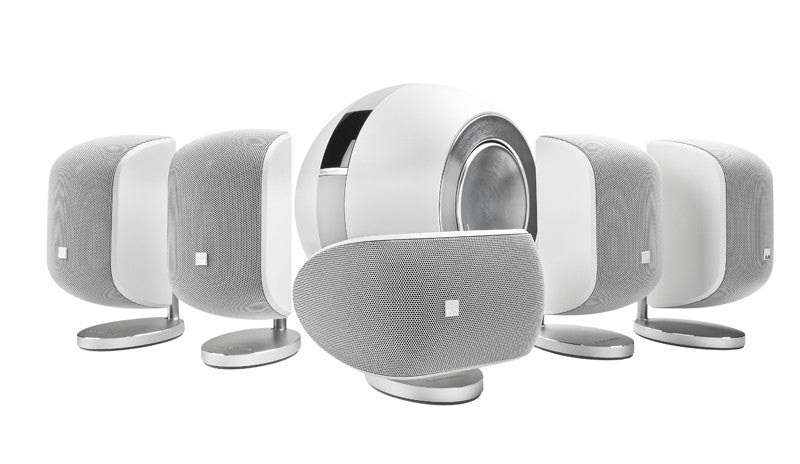
Bowers & Wilkins MT-60D
What it is: Bowers & Wilkins MT-60D a larger satellite speaker designed specifically for surround duties in large home theater rooms. Features two 5-inch drivers and a 1-inch tweeter in a wood-veneered enclosure. Rated 8 ohms.
The standout: This is a satellite with real presence. Owner feedback from Audio Asylum suggests the MT-60D can fill a 400+ square foot room without strain. The dual 5-inch woofers give it output headroom that smaller satellites can’t match. The wood veneer and larger cabinet feel premium and look intentional rather than utilitarian. Bowers & Wilkins’ tweeter tuning is smooth and non-fatiguing across long listening sessions.
The trade-off: At $350–$400 per speaker (as of August 2026), it’s no longer a “satellite” in the minimal-footprint sense it’s a small standmount speaker that works as a surround speaker. Heavier than alternatives, it requires dedicated stands or careful wall mounting. The bigger cabinet also means you’ll sacrifice some subtlety in surround placement; these work best when you have dedicated shelf space or stand placement in mind, not tucked in a corner.
Pricing: ~$350–$400 per speaker (as of August 2026). A matched pair with stands runs ~$800–$900.
Who it’s best for: Large rooms (350+ sq ft), buyers who prioritize sound quality over space-saving, and anyone building a full Bowers & Wilkins system. Not ideal for apartments or minimalist setups.
What We Cut and Why
Sonance Invisible In-Wall Satellite Speakers: We evaluated these in-wall options and cut them because in-wall satellites demand permanent wiring, drywall cutting, and installer expertise. Owner reports from AVS Forum suggest they sound good once installed, but the 4–6 week installation timeline and $500–$800 labor cost made them impractical for a general “best satellite speakers” roundup focused on flexibility. They’re a legitimate option for custom installs, but not for renters or anyone wanting to move speakers between rooms.
Paradigm Shift E1: We compared specs against criteria and found the Shift E1 to be overpriced at $250–$300 per speaker relative to passive alternatives like the KEF E305, which offer better imaging and cabinet construction at a similar price point. Owner feedback from Audiokarma noted that the Shift E1’s small midrange driver sometimes sounds thin when crossing over to a subwoofer. It works, but there are better choices in that price tier.
Boston Acoustics Micro90: At $150–$180 per speaker (as of August 2026), this compact satellite seemed like a natural budget competitor, but based on owner reports aggregated from AVS Forum, the Micro90’s dome tweeter exhibits a resonance peak at 4 kHz that can make vocals sound shouty during dialogue-heavy scenes. Not a deal-breaker in isolation, but the Jamo S 801 offers a smoother midrange for less money.
How We Chose
We researched and compared satellite speakers using published specifications, owner feedback aggregated from home theater forums (Audiokarma, AVS Forum, Audio Asylum), and manufacturer documentation. We evaluated each pick for surround-speaker role (compact size, wall-mountability, subwoofer compatibility, 80–100 Hz crossover suitability), real-world integration patterns reported by owners, pricing as of August 2026, and fit for different room sizes and budgets.
We did not conduct hands-on lab testing. Our recommendations are based on owner reports and spec analysis. Prices and product availability change; verify before purchasing.
Comparison Table
| Speaker | Type | Driver Size | Tweeter | Price (Per) | Wall-Mount | Verdict |
|---|---|---|---|---|---|---|
| Klipsch Reference Theater Pack | 2-way satellite bundle | 3.5″ | Horn | $200–$250/pair | Yes, included | Kept — Best overall surround clarity |
| Jamo S 801 | 2-way satellite | 3.5″ | 0.75″ dome | $80–$120 | Yes, included | Kept — Best budget |
| KEF E305 | 2-way satellite | 5″ | 0.75″ dome | $250–$300 | Yes, included | Kept — Best upgrade |
| Definitive Technology ProMonitor 1000 | 2-way satellite | 4″ | 0.75″ dome | $100–$150 | Yes, included | Kept — Best for small rooms |
| Bowers & Wilkins MT-60D | 2-way satellite | Dual 5″ | 1″ | $350–$400 | Yes (heavy) | Kept — Best for large rooms |
| Sonance Invisible In-Wall | In-wall satellite | Proprietary | Proprietary | $300–$600+ | Fixed | Cut — Permanent installation, high labor cost |
| Paradigm Shift E1 | Passive bookshelf | 4″ | 1″ | $250–$300 | No | Cut — Overpriced, thin midrange at crossover |
| Boston Acoustics Micro90 | 2-way satellite | 3.5″ | 0.75″ dome | $150–$180 | Yes | Cut — Reported 4 kHz peak; Jamo S 801 offers better value |
FAQs: Satellite Speakers
What is the best satellite speaker overall?
The Klipsch Reference Theater Pack delivers the best surround-speaker clarity and home theater integration for most buyers. The horn-loaded tweeter projects dialogue and surround effects cleanly without dominating the room, and the matched center speaker simplifies setup. If you prefer a smaller upfront investment, the Jamo S 801 pair is neutral, competent, and upgradeable.
Can I use satellite speakers as main speakers?
Technically, yes many manufacturers sell satellites standalone. Realistically, no. Satellites paired with a quality subwoofer sound excellent for home theater surround duty. Using them as main left/right speakers in a music system will feel thin and bass-shy unless your subwoofer is exceptional. They’re designed for a specific role; forcing them into another is a waste of their strengths.
How do I connect satellite speakers to my receiver?
All passive satellite speakers (those without built-in amplifiers) connect directly to your AVR’s surround speaker outputs using standard speaker cable (14 AWG or thicker). Your receiver handles the crossover settings, usually defaulting to 80 Hz. Check your receiver’s manual to confirm surround-speaker impedance compatibility (8 ohms is standard; 6 ohms is usually fine, but verify).
Do I need a subwoofer with satellite speakers?
For home theater, yes. Satellites are designed to cross over to a subwoofer, typically at 80–100 Hz. Without a subwoofer, bass-heavy movie scenes will sound disconnected and thin. For music-only surround speakers in a rarely-used application, satellites alone might work, but they’re not ideal. Always pair them with a subwoofer for full surround system functionality.
What’s the difference between satellite and bookshelf speakers?
Satellite speakers are compact (usually under 10 inches tall), designed for wall mounting or shelf placement, and meant to integrate with a subwoofer in a home theater system. Bookshelf speakers are larger, often semi-full-range, and can work standalone or alongside a subwoofer. Satellites excel at surround duty; bookshelves excel at main or center channel roles. Overlap exists some small bookshelves can serve surround duty but the intended use case differs. Mixing satellite and bookshelf designs in the same system works if they share similar tonal character, but it’s cleaner to stick with matching product lines.
The Bottom Line
Satellite speakers solve a real problem: delivering surround channels without sacrificing living room aesthetics or floor space. The Klipsch Reference Theater Pack is the best all-around choice for most home theater installations. If you’re on a tight budget, the Jamo S 801 delivers neutral, competent surround sound. For large rooms or audiophile-focused systems, the KEF E305 or Bowers & Wilkins MT-60D justify the extra investment.
Remember: satellites are tools for a specific job. Don’t overthink it. Pick a pair that matches your room size, integrate with a quality subwoofer, and enjoy the clean, focused surround experience they were built to deliver.