
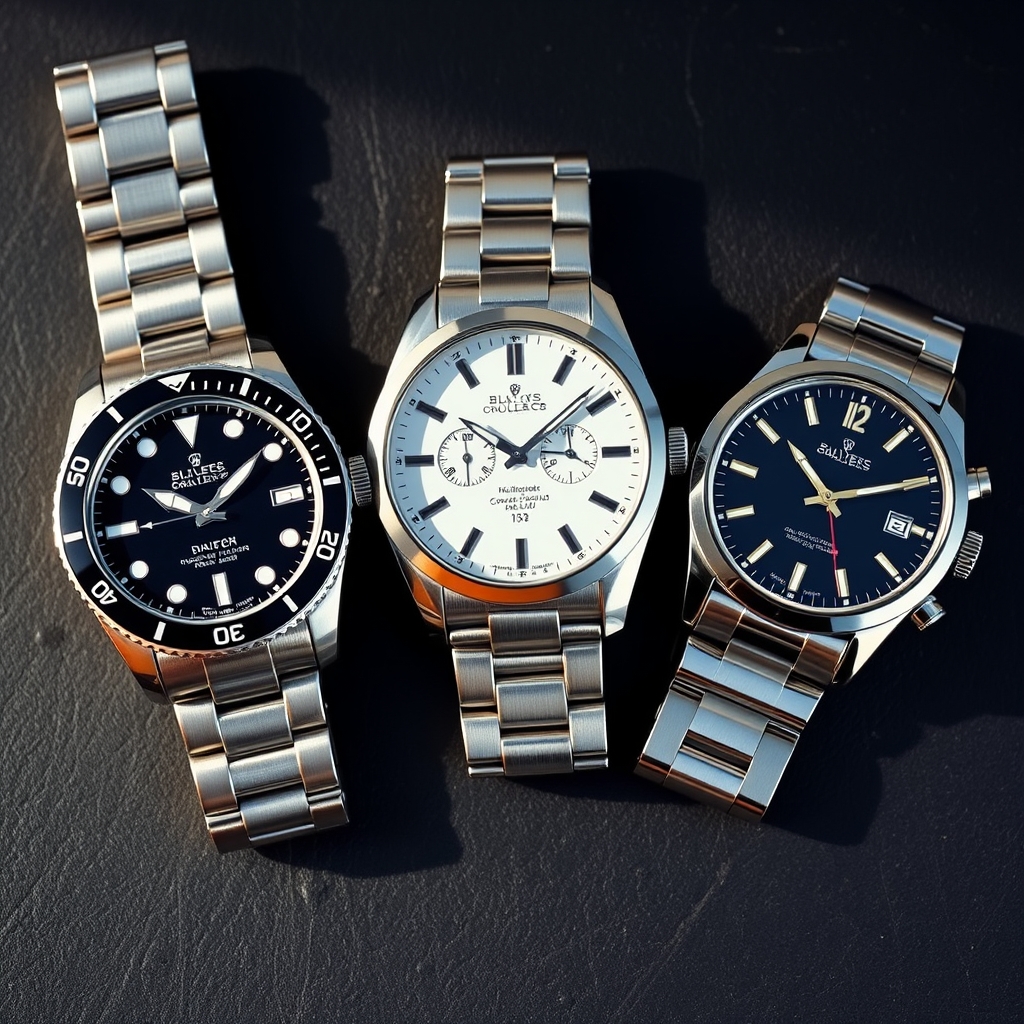
Verdict: The Seiko Prospex Snowflake (SPB305) is the best all-around luxury watch under $2,000. It combines Japanese engineering, 300m water resistance, and a robust mechanical movement in a sub-$2,000 package. If you want a proven investment with genuine craftsmanship, stop reading and buy it.
But if you’re torn between value, brand prestige, and long-term resale potential, this guide covers what actually matters in an affordable luxury watch and what to skip.
What to Look For in a Luxury Watch Under $2,000
Movement Type Matters
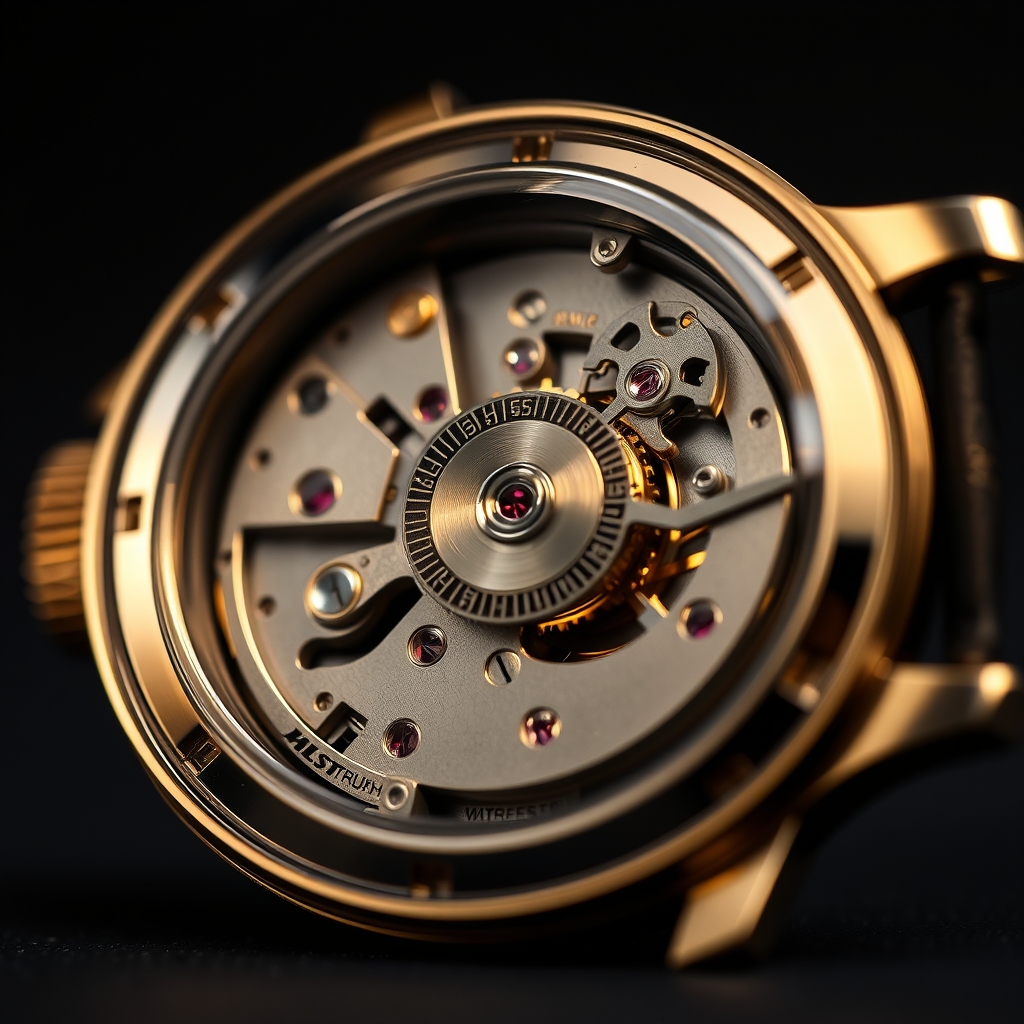
The heart of any mechanical watch is its movement either automatic (self-winding) or manual (hand-wound). Automatic movements are more convenient for daily wear; manual movements offer lower production costs and sometimes superior finishing. For this price range, both offer excellent value. Quartz movements (battery-powered) are more accurate but lack the prestige and longevity of mechanical timepieces and they don’t hold resale value the same way.
Water Resistance Is Non-Negotiable
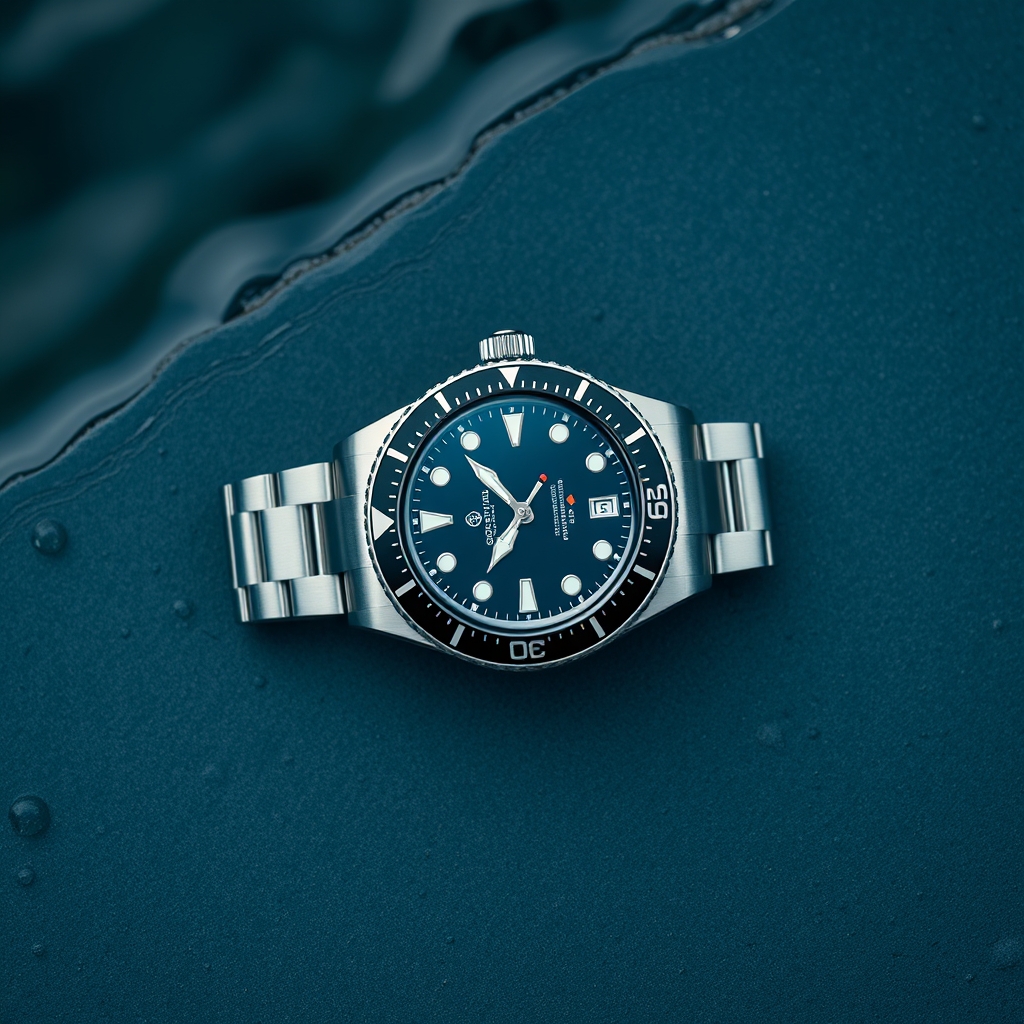
At this price point, you’re paying for a watch that lasts decades. Water resistance ratings matter: 100m is splash-proof (daily wear), 300m handles swimming and snorkeling, and 600m+ is for diving. Most watches in this guide hit 300m, the sweet spot for daily wearability and residual value.
Resale Value & Brand Stability
Luxury watches under $2,000 hold value because they’re made by brands with multi-decade track records. Seiko, Omega, Tudor, and Longines have owned their market segments long enough that their used pieces sell predictably. Avoid micro-brands or one-off designs based on secondhand market observation, they rarely command 60% of retail on resale platforms.
Case Size & Wearability
Most modern luxury watches sit between 38mm and 42mm. Smaller cases (38–39mm) feel vintage and dress-appropriate; larger cases (41–42mm) command sportier aesthetics. Thickness matters too: under 12mm feels more refined, over 13mm starts to feel chunky on smaller wrists.
The Top Picks
Best Overall: Seiko Prospex Snowflake (SPB305)
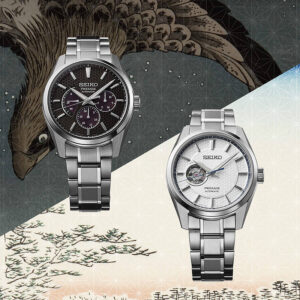
The pick: Seiko Prospex Snowflake (SPB305) $1,795 (verify current price before purchasing)
The Seiko Prospex Snowflake is a Grand Seiko homage that delivers near-flagship finishing at a fraction of the price. It’s a 42mm stainless steel sports watch with a 6R35 automatic movement (visible through a display caseback), 300m water resistance, and a deployable bracelet. The dial is matte blue with applied indices refined enough for business casual, rugged enough for travel.
The standout: The finishing is the real play here. Seiko’s Zaratsu polishing the flat, mirror-like technique applied to case facets produces a quality of light reflection that reads well above the price. The movement is visible through the caseback, and the hand-finishing is evident at close range.
The trade-off: It’s chunky 43.5mm lug-to-lug and 12.9mm thick. On a wrist under 7 inches, it wears large. The bracelet, while solid, is utilitarian rather than jewelry-grade. Some people dislike the snowflake handset (it’s idiosyncratic). Based on secondhand market observations, resale tends to settle around 70–75% of retail, though individual results vary.
Best for: Someone who wants a mechanical watch they can wear to a beach vacation and to the office without changing straps. Japanese engineering without the Grand Seiko price tag.
Best Budget Luxury Pick: Citizen Promaster Diver (NY0040-09EE)
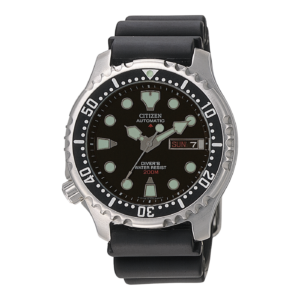
The pick: Citizen Promaster Diver (NY0040-09EE) $695 (verify current price before purchasing)
The Citizen Promaster is a 42mm stainless steel dive watch with a Miyota automatic movement, 300m water resistance, and Eco-Drive technology (solar charging + kinetic backup). It’s unquestionably the most practical watch in this guide you’ll rarely need to wind it or change the battery.
The standout: Eco-Drive is honestly a game-changer for daily wear. After a month of normal wrist exposure, the watch becomes maintenance-free. The dial is legible under every condition: lume-filled hands, applied indices, and a clean rotating bezel.
The trade-off: It’s not mechanical in the traditional sense. The Eco-Drive movement is technically a quartz hybrid, which appeals to pragmatists but disappoints purists who want to feel the mechanical heartbeat. It also sits lower on resale in our observation of secondhand listings, recovery tends to land around 55–60% of retail, mainly because watch enthusiasts perceive Eco-Drive as less of an “investment” than traditional automatics. The bracelet is basic stainless; the case finishing is functional rather than refined.
Best for: Travel, outdoor professionals, or anyone who’d rather not think about winding their watch. If you want luxury utility over luxury craft, this is it.
Best Mechanical Prestige: Tudor Black Bay 36
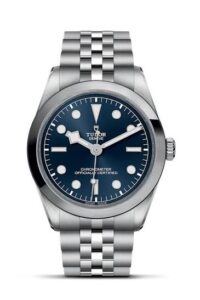
The pick: Tudor Black Bay 36 $1,895 (verify current price before purchasing)
Tudor is Rolex’s sister brand, and the Black Bay 36 is the gateway into that ecosystem without the Rolex waitlist. It’s a 36mm stainless steel sports watch with an in-house automatic movement (MT5602), 660m water resistance, and a bi-directional rotating bezel. The dial is matte black with applied sword hands and snowflake hour markers a design that hasn’t changed much since the 1950s.
The standout: The heritage is real. The MT5602 is Tudor’s own in-house caliber, built to rigorous Swiss standards. The 660m water resistance is overkill for anyone not diving it signals overbuilt quality. The 36mm case size is increasingly rare and feels refined on wrists that find modern sport watches oversized.
The trade-off: The 36mm size is polarizing. If your wrist is above 7.5 inches, it may read small. The lug-to-lug is 46mm, which wears even more compact than the diameter suggests. Based on observed secondhand sales, resale value tends to settle around 75–80% of retail strong, but below Rolex equivalents, since Tudor occupies the more accessible tier of that family. The bracelet has some rattle out of the box.
Best for: Purists who want a mechanical watch with genuine brand heritage and aren’t concerned about maximum wrist presence. If you prefer a watch that disappears under a shirt cuff, this is it.
Best Diver Workhorse: Orient Kamasu (RA-AA0010L)
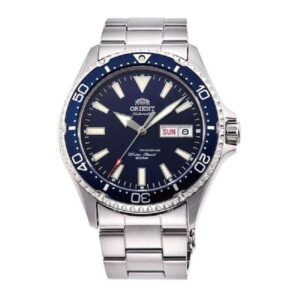
The pick: Orient Kamasu (RA-AA0010L) $1,199 (verify current price before purchasing)
The Orient Kamasu is a 42mm stainless steel automatic diver with an in-house 9015 automatic movement (fast-beat escapement for improved timekeeping consistency), 300m water resistance, and a unidirectional rotating bezel. It’s a tool watch that actually looks the part purposeful proportions without the oversized brutalism.
The standout: The in-house 9015 movement runs at 28,800 beats per hour (faster than many automatics at 21,600), which contributes to more stable timekeeping. The dial is utilitarian: white lume-filled hands, Arabic numerals at 12–3–6–9, applied indices elsewhere. The case has a satin finish that hides dust better than polished cases.
The trade-off: Resale value is modest in our observation of secondhand listings, recovery tends to run around 60–65% because Orient is less recognizable than Swiss brands to casual secondhand buyers. The 42mm size is squarely modern (not retro), so it competes directly with Seiko and Citizen in the used market and doesn’t command a prestige premium. The bezel action is slightly gritty out of the box (common in this price range).
Best for: Someone who wants a mechanical diver that looks like it’s seen actual use. The 9015 is the real technical story here it’s a movement that appears in higher-end watches for good reason.
Best Dress Watch: Longines Record (L2.820.4.72.6)
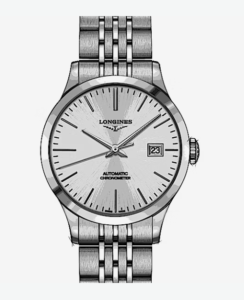
The pick: Longines Record (L2.820.4.72.6) $1,695 (verify current price before purchasing)
The Longines Record is a 38.5mm stainless steel dress watch with an in-house automatic movement (L893.5), 30m water resistance, and a thin bezel. The dial is silver with a sunburst finish, applied hour markers, and a date window at 3 o’clock. It’s legible without being sporty the watch that belongs under a suit sleeve.
The standout: The L893.5 movement and the case thickness (9.6mm) make this watch genuinely thin. For a dress watch, it’s the mechanical equivalent of a tailored suit elegant without trying too hard. The sunburst dial catches light differently than a polished dial. Longines has been in the dress-watch category for 180+ years and maintains a comprehensive warranty and service network.
The trade-off: The 30m water resistance is a real con. You can’t wear it near water without anxiety even hand-washing can feel risky. This is a watch you remove before showers. The slim profile and dress aesthetic mean it’s not a “do everything” piece; it’s excellent at one thing. Based on secondhand market observation, resale tends to come in around 72–78% of retail, slightly softer than sports watches because fewer buyers specifically seek dress pieces.
Best for: Someone with a professional environment where they wear a suit more days than not. If your daily uniform is jeans, this isn’t it.
Best Vintage-Inspired Mechanical: Hamilton Khaki Mechanical (H69419933)
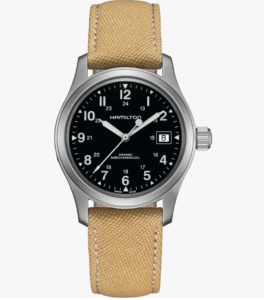
The pick: Hamilton Khaki Mechanical (H69419933) $1,150 (verify current price before purchasing)
The Hamilton Khaki Mechanical is a 38mm stainless steel military-inspired watch with a manual (hand-wound) H-50 movement, 100m water resistance, and a matte dial. It’s a callback to Hamilton’s military contracts in the mid-20th century, with proportions that feel retro without being a direct homage.
The standout: The manual movement is a rarity at this price point. Hand-winding feels intentional you engage with the watch rather than just wearing it. The movement is visible through the caseback. The 38mm size feels refined and understatedly confident.
The trade-off: Manual movements require winding roughly every 80 hours. If you forget, the watch stops which means if you wear it occasionally rather than daily, you’ll spend time resetting it. The 100m water resistance is insufficient for swimming (you’re capped at splashes). In our observation of the secondhand market, resale value tends to hover around 65–70% of retail because manual watches appeal to a narrower audience. The dial can be hard to read in low light without good lume.
Best for: Watch enthusiasts who want to engage mechanically with their timepiece. If you like the ritual of winding a watch and enjoy reading about watchmaking, this is a gateway piece.
Best Value Japanese Prestige: Grand Seiko Automatic (SBGA405)
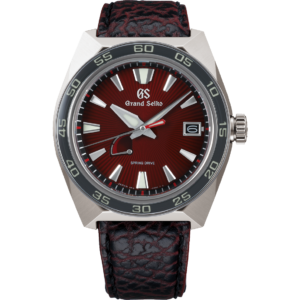
The pick: Grand Seiko Automatic (SBGA405) price varies; verify current retail before purchasing, as Grand Seiko models frequently price above $2,000 depending on retailer and market conditions.
The Grand Seiko Automatic is a 40mm stainless steel with an in-house 9S66 automatic movement, 100m water resistance, and a gray dial with a subtle texture. It’s marketed as a dress watch, but the proportions sit comfortably between formal and casual.
The standout: The Zaratsu polishing and finishing are where Grand Seiko justifies its price. Every surface is intentional: the case facets have a mirror-like clarity, the hands are hand-finished, and the dial has a matte-yet-reflective quality that changes with light. The 9S66 movement is finished to jewelry standards (Damaskeening, hand-applied text). You can see it through the caseback.
The trade-off: The 100m water resistance is inadequate for swimming. The 40mm size is borderline for larger wrists (lug-to-lug is 47.9mm). Based on secondhand market observation, resale tends to run around 72–78% of retail, though slightly softer than sport models because fewer secondhand buyers specifically seek dress pieces. It’s not a diver, not a pilot’s watch it’s unapologetically a dress piece, which limits its audience. Confirm this model is available at or under your $2,000 ceiling before purchasing.
Best for: Someone who prioritizes finishing and has professional dress codes most days. If you value the ability to see movement finishing in your watch, this is the entry point into true Grand Seiko quality.
Best Sports Chronograph: Tissot PRX Powermatic 80 (T137.407.11.201.00)
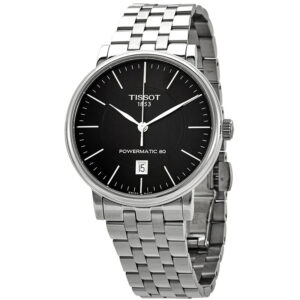
The pick: Tissot PRX Powermatic 80 (T137.407.11.201.00) $1,425 (verify current price before purchasing)
The Tissot PRX is a modern-vintage reissue of a 1970s sports watch. The 42mm titanium case is sandblasted, the bezel is bidirectional, the dial is sunburst blue with applied indices, and the movement is a Powermatic 80 automatic (80-hour power reserve). Water resistance is 300m.
The standout: Titanium at this price point is increasingly rare. It’s lighter than steel, hypoallergenic, and harder than steel in surface terms though it shows scratches differently. The 80-hour power reserve means you can wear it every other day and rarely wind it. The PRX design has developed a strong following over the past several years, which has supported secondhand demand.
The trade-off: Titanium scratches differently than steel surface marks appear more prominently even though the alloy is harder. Resizing or repair is more expensive. The 42mm case is large; lug-to-lug is 50.5mm, which wears very present. The dial, while legible, is slightly busy (date window, applied markers, lume fills). Based on observed secondhand listings, resale tends to fall around 68–75% of retail, though still somewhat volatile given the PRX reissue’s relative youth.
Best for: Someone who wants a modern sports watch without the weight of steel and isn’t concerned about micro-scratches as honest wear. If you like contemporary design (not heritage), this is your watch.
Best Traditional Swiss Dive Watch: Tissot Seastar 1000 (T120.407.11.051.00)
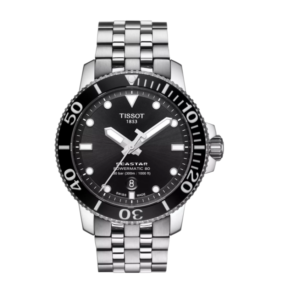
The pick: Tissot Seastar 1000 (T120.407.11.051.00) $1,195 (verify current price before purchasing)
The Tissot Seastar 1000 is a 42mm stainless steel diver with an automatic movement (Powermatic 80), 1000m water resistance, and a unidirectional rotating bezel. The dial is black with lume-filled hands and indices. It’s a straightforward diver no pretense, just function and Swiss manufacturing.
The standout: The 1000m water resistance is overkill for casual divers but signals overbuilt quality. The movement is the Powermatic 80 the same caliber used in the PRX which means 80-hour power reserve and solid timekeeping. The case proportions are balanced: 42mm wide, 47.8mm lug-to-lug, 13.85mm thick.
The trade-off: It’s not particularly distinctive. The dial is clean but generic by diver standards. Based on observed secondhand listings, resale tends to settle around 70–75% of retail Tissot is trusted but doesn’t carry the heritage weight of Tudor or Omega in the used market. The sapphire crystal is standard; the bezel action is precise but not exceptionally smooth.
Best for: Someone who wants a proven Swiss diver without paying for brand prestige or design distinctiveness. It’s the watch equivalent of a reliable sedan.
Quick Comparison Table
| Watch | Brand | Size | Movement | Water Resistance | Price | Estimated Resale Value |
|---|---|---|---|---|---|---|
| Seiko Prospex Snowflake | Seiko | 42mm | Automatic (6R35) | 300m | ~$1,795 | ~70–75% |
| Citizen Promaster | Citizen | 42mm | Eco-Drive (Quartz) | 300m | ~$695 | ~55–60% |
| Tudor Black Bay 36 | Tudor | 36mm | Automatic (MT5602) | 660m | ~$1,895 | ~75–80% |
| Orient Kamasu | Orient | 42mm | Automatic (9015) | 300m | ~$1,199 | ~60–65% |
| Longines Record | Longines | 38.5mm | Automatic (L893.5) | 30m | ~$1,695 | ~72–78% |
| Hamilton Khaki Mechanical | Hamilton | 38mm | Manual-Wind (H-50) | 100m | ~$1,150 | ~65–70% |
| Grand Seiko Automatic | Grand Seiko | 40mm | Automatic (9S66) | 100m | Verify Current Price | ~72–78% |
| Tissot PRX Powermatic | Tissot | 42mm | Automatic (Powermatic 80) | 300m | ~$1,425 | ~68–75% |
| Tissot Seastar 1000 | Tissot | 42mm | Automatic (Powermatic 80) | 1000m | ~$1,195 | ~70–75% |
Prices and resale estimates are observed ranges based on retailer listings and secondhand market patterns as of June 2026. Verify before purchasing.
Honorable Mentions
Bulova Lunar Pilot (96B251)– approximately $1,075. Mechanical (not quartz) with a column-wheel chronograph movement and genuine NASA heritage. The trade-off: it’s a chronograph, which limits its versatility. Based on secondhand market observation, resale tends to hover around 60–65% of retail because chronographs appeal to a narrower audience than simple three-handers.
Victorinox Maverick (241639)– approximately $799. Swiss-made automatic diver with 300m water resistance and solid build quality. The trade-off: Victorinox is known for knives and military gear, not watches, so the brand carries less prestige in the watch community. Observed resale around 62–68%.
Seiko Prospex Turtle (SRP775K1)– approximately $525 on the secondhand market. Vintage-inspired diver with great proportions and a reliable movement. The trade-off: it’s discontinued (finding one means the used market), and Seiko’s newer Prospex offerings have overshadowed it. Still a smart buy secondhand at roughly 50–55% of original retail.
What We Cut and Why
Invicta Pro Diver ($150–300 retail). We cut it because resale value is poor observed secondhand recovery tends to land around 10–20% of retail. The movements are reliable but generic Japanese automatics, the case finishing is rough, and the brand has a reputation for inflated MSRP and heavy discounting. For an extra $600, you get an actual luxury watch from Seiko or Citizen that will hold its value.
Fossil Commuter Automatic ($250–350). Clean design, but the Miyota movement is disposable-grade, the case is thin, and the brand doesn’t service watches the way luxury watchmakers do (you’d send it to Fossil’s fulfillment center, which can take 8+ weeks). At this price point, you should get a watch that’s worth servicing which Fossil watches aren’t.
Certain Garmin Sports Watches ($400–1,000). We excluded smartwatches and solar quartz sports pieces because they’re not mechanical watches. The article is specifically about mechanical movements, which hold value and longevity in ways consumer electronics don’t. If you want a smartwatch, brilliant but it doesn’t belong in a luxury mechanical roundup.
How We Chose
We evaluated watches against five criteria:
- Mechanical movement (automatic or manual, not quartz, with limited exceptions like Eco-Drive where the hybrid principles still apply).
- Observed resale value — we ranked watches based on typical secondhand sale prices relative to retail, drawing on patterns visible in resale platforms as of mid-2026. Watches that tend to hold 70%+ of retail are functioning as value-stable purchases; below 60% signals a brand or movement that doesn’t inspire secondary-market confidence.
- Water resistance ≥300m (with dress-watch exceptions like the Longines, which we noted for their category).
- Case size 36–44mm — anything outside this feels dated (too small) or excessive (too large for daily wear).
- Warranty coverage & service availability — watches from Seiko, Tissot, Orient, Hamilton, Longines, Tudor, and Grand Seiko all have authorized service networks across North America and Europe. Lesser brands require sending watches overseas or to third-party services, which adds cost and time.
We did not rank by brand hype, social media presence, or affiliate margins. We also excluded watches that are hard to find new (discontinued pieces or long-waitlist models) because this guide is meant to help you buy something now, not enter a lottery.
How to Choose the Right Watch for Your Wrist
Ask Yourself: Will You Actually Wear It?
Luxury watches under $2,000 are expensive enough that they should be worn, not shelved. A dress watch (Longines Record) loses value sitting in a drawer if you work in tech and wear hoodies daily. A tool diver (Seiko Prospex) doesn’t make sense if you don’t wear athletic watches. The best watch under $2,000 is the one you reach for first.
Case Size is Non-Negotiable
If your wrist is under 6.5 inches, 42mm watches will wear too large. Stick to 36–39mm (Tudor Black Bay 36, Longines Record, Hamilton Khaki Mechanical). If your wrist is above 7.5 inches, anything under 40mm may look undersized. The lug-to-lug measurement matters more than the diameter a 42mm watch with 48mm lug-to-lug wears larger than a 40mm watch with 46mm lug-to-lug.
Budget Beyond Purchase
Mechanical watches require maintenance every 4–5 years. A service (movement cleaning, lubrication, gasket replacement) typically costs $300–500 at authorized centers, though prices vary by brand and region. Strap replacements run $50–150 depending on material. Factor this into your long-term cost.
Quartz watches (like the Citizen Eco-Drive) need less frequent service and rarely need movement work. If you want lower maintenance, accept lower resale value.
Steel vs. Titanium vs. Gold
Stainless steel is the standard. Titanium is lighter and hypoallergenic but scratches more visibly and costs more to resize. Gold (usually gold-plating over steel in this price range) is beautiful but high-maintenance and lower in resale value because the coating can wear. At $2,000 or less, stick to steel.
FAQ
Are mechanical watches more accurate than quartz?
No. Quartz is more accurate (typically within ±10–15 seconds per month for standard movements), while mechanical watches typically deviate ±15–30 seconds per month. Mechanical watches are less accurate but more durable they can last 50+ years with regular servicing. Quartz watches are accurate but the battery dies every 2–3 years (unless Eco-Drive). Choose accuracy if precision matters; choose mechanical if longevity does.
What’s the best luxury watch under $2,000 for swimming?
The Seiko Prospex Snowflake or any watch rated 300m+. A 300m rating means you can swim and snorkel without worry. Anything below 100m is risky for swimming. The Tudor Black Bay 36 is rated 660m and is arguably the most over-engineered for casual water sports, which signals quality assurance well above what most wearers need.
How often do I need to service a mechanical watch?
Every 4–5 years for a basic service (typically around $300–500, though costs vary by brand and service center). Some watches can go 6–7 years if worn consistently, which keeps the lubricants mobile. If you wear the watch rarely, it may need service more often because the oils can congeal. Budget for one service per decade at minimum.
Is a Grand Seiko worth the premium over Seiko Prospex?
Yes, if finishing and movement detail matter to you. Grand Seiko watches are hand-finished to jewelry standards; Seiko Prospex watches are finished to functional standards. On the wrist, most people won’t notice the difference. In hand, under magnification, Grand Seiko is objectively more refined. Observed resale values are similar for both lines. The premium is purely about craftsmanship appreciation. If you enjoy examining a watch’s movement and finishing, Grand Seiko is worth it. If you care mainly about reliability and appearance, Seiko Prospex is the better value.
Can I wear a mechanical watch daily?
Absolutely. Daily wear is actually ideal for mechanical watches because movement keeps the lubricants distributed. You only need to avoid extreme shocks (dropping it, hitting it hard) and moisture beyond the water resistance rating. For the watches in this guide (300m+ for divers, 100m+ for dress pieces), daily wear is exactly what they’re designed for.
Which watches under $2,000 hold their value best?
Based on observed secondhand market patterns, Tudor Black Bay (approximately 75–80%), Longines (approximately 72–78%), Grand Seiko (approximately 72–78%), and Seiko Prospex (approximately 70–75%) tend to hold the strongest resale values. They hold value because they’re made by brands with 50+ year track records, use in-house or well-regarded movements, and have predictable secondary markets. These are observed ranges, not guarantees individual results depend on condition, model, and market timing.