
Retinol works by speeding up cell turnover and boosting collagen, but beginners who jump to high concentrations often end up with peeling, redness, and irritation that makes them quit. The safest way to start is with a low-strength formula (0.25–0.3%), use it twice weekly for the first month, and gradually increase frequency and strength over 8 weeks.
This guide walks you through the decision from picking your strength and formulation to using the buffer method (the sandwich technique) that, in our research across skincare communities and owner reports, appears to meaningfully cut irritation for most beginners. You’ll also find five beginner-friendly products with their exact concentrations marked, a realistic timeline for results, and the truth about retinol “purging.”
What Is Retinol and Why Should Beginners Care?
Retinol is a form of vitamin A that your skin converts (after absorption) into retinoic acid, the active compound that triggers cell renewal, collagen production, and evening of skin tone. It’s the gold standard for anti-aging and acne, but it’s also potent your skin needs time to adapt, or you’ll experience the “retinization” phase: dryness, peeling, and temporary irritation. Based on aggregated owner reports and skincare community patterns, this adjustment phase commonly runs 2–4 weeks, though individual timelines vary.
Retinol is not the same as retinoid (a catch-all term for all vitamin A derivatives) or retinyl palmitate (a weaker precursor). It sits in the middle of the potency ladder: stronger than retinyl palmitate, gentler than prescription retinoids like tretinoin. For beginners, retinol is the sweet spot.
Retinol Strength: Finding Your Starting Point
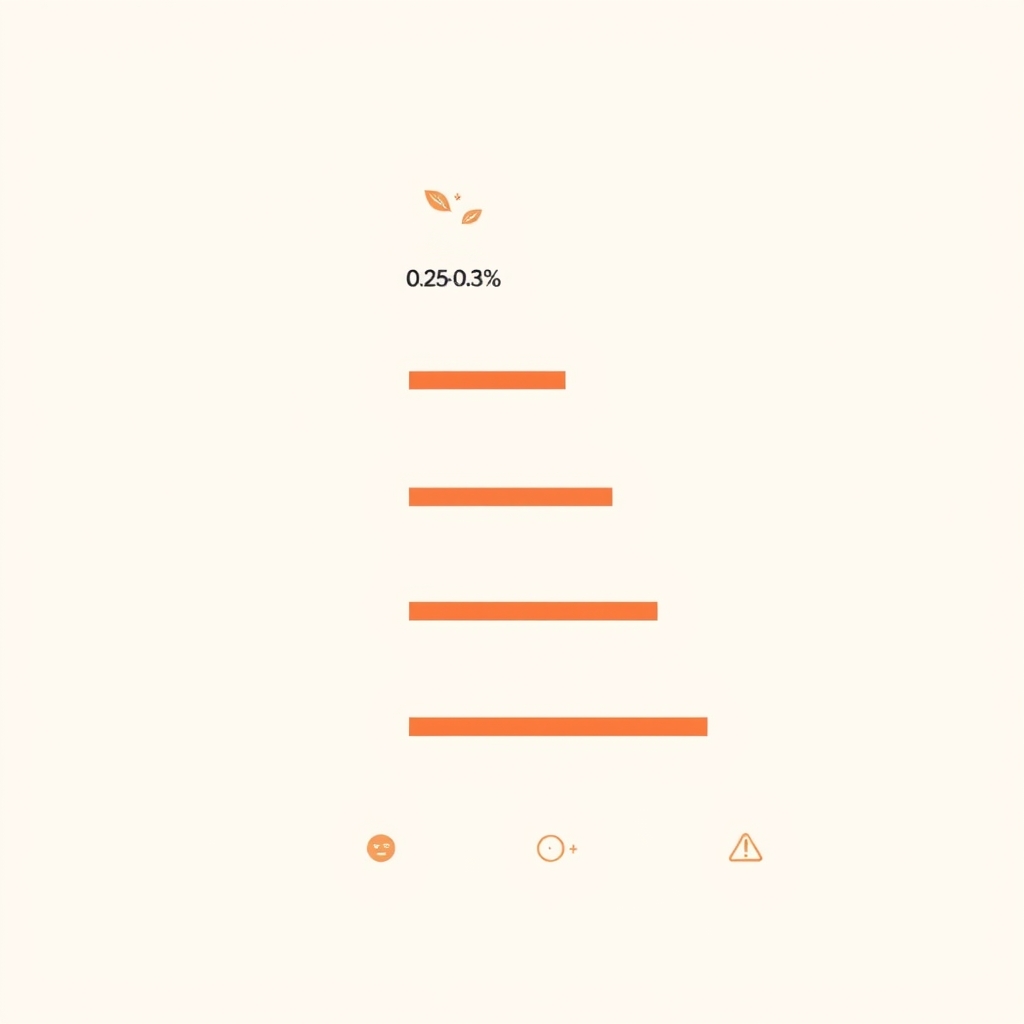
Retinol concentration is measured by percentage (0.25% to 1%), and the rule of thumb is simple: start at 0.25–0.3% if your skin is sensitive; 0.3–0.5% if it’s resilient; never jump above 0.5% in month one. Anything higher risks weeks of peeling and barrier damage that actually slows results.
The trap: Brands rarely advertise exact percentages. They’ll say “advanced retinol” or “high-potency” without revealing the number. You have to dig into ingredient lists or email customer service.
The threshold: A beginner-safe formulation must clearly state a retinol concentration between 0.25% and 0.5%. If the brand won’t disclose it, move on transparency is a signal of quality.
Here’s how the ladder works:
- 0.25–0.3%: Gentlest entry point; based on community-reported outcomes, visible results typically appear in 6–8 weeks; minimal irritation risk
- 0.3–0.5%: Still beginner-friendly if you have slightly resilient skin; community reports suggest results in 4–6 weeks
- 0.5–1%: Intermediate; requires 4–8 weeks of buffer usage before increasing frequency
- 1%+: Advanced; rarely needed for beginners; save this for month 4+
Common myth: “Higher percentage = faster results.” False. A 0.5% retinol used consistently beats a 1% formula you abandon after two weeks because your skin is angry. Consistency matters more than concentration.
Formulation Type: Serum, Cream, or Oil?
Retinol comes in three main delivery formats, each with different absorption speed and moisturizing power. The rule of thumb is: serums penetrate fastest and suit oily skin; creams hydrate while delivering retinol and suit normal-to-dry skin; oils work best for very dry skin but slow retinol absorption slightly. Pick based on your skin type and tolerance level, not the promise of “advanced” delivery.
Serums (lightweight, water-based)
- Absorb quickly; reach deeper layers
- Best for: oily, combination, acne-prone skin
- Irritation risk: higher (faster conversion to retinoic acid)
- Beginner note: pair with a heavy moisturizer on top
Creams (richer, occlusive)
- Slower absorption; hydrate while delivering retinol
- Best for: normal-to-dry, sensitive skin
- Irritation risk: lower (hydration buffers irritation)
- Beginner note: easier to tolerate; can use 2–3× weekly right away
Oils (occlusive, nourishing)
- Slowest absorption; high moisture retention
- Best for: very dry, compromised barrier, eczema-prone skin
- Irritation risk: lowest (retinol absorption is gradual)
- Beginner note: apply sparingly; very rich, so skip other oils
The trap: “Natural” or “plant-based” formulations often have lower effective retinol content. If the label says “rosehip + retinol,” the retinol percentage is usually below 0.3%, even if the product is expensive.
The threshold: A beginner-safe formulation must list retinol in the first 10 ingredients and ideally include hydrating actives (glycerin, ceramides, hyaluronic acid) to buffer irritation.
The Buffer Method: The Sandwich Technique
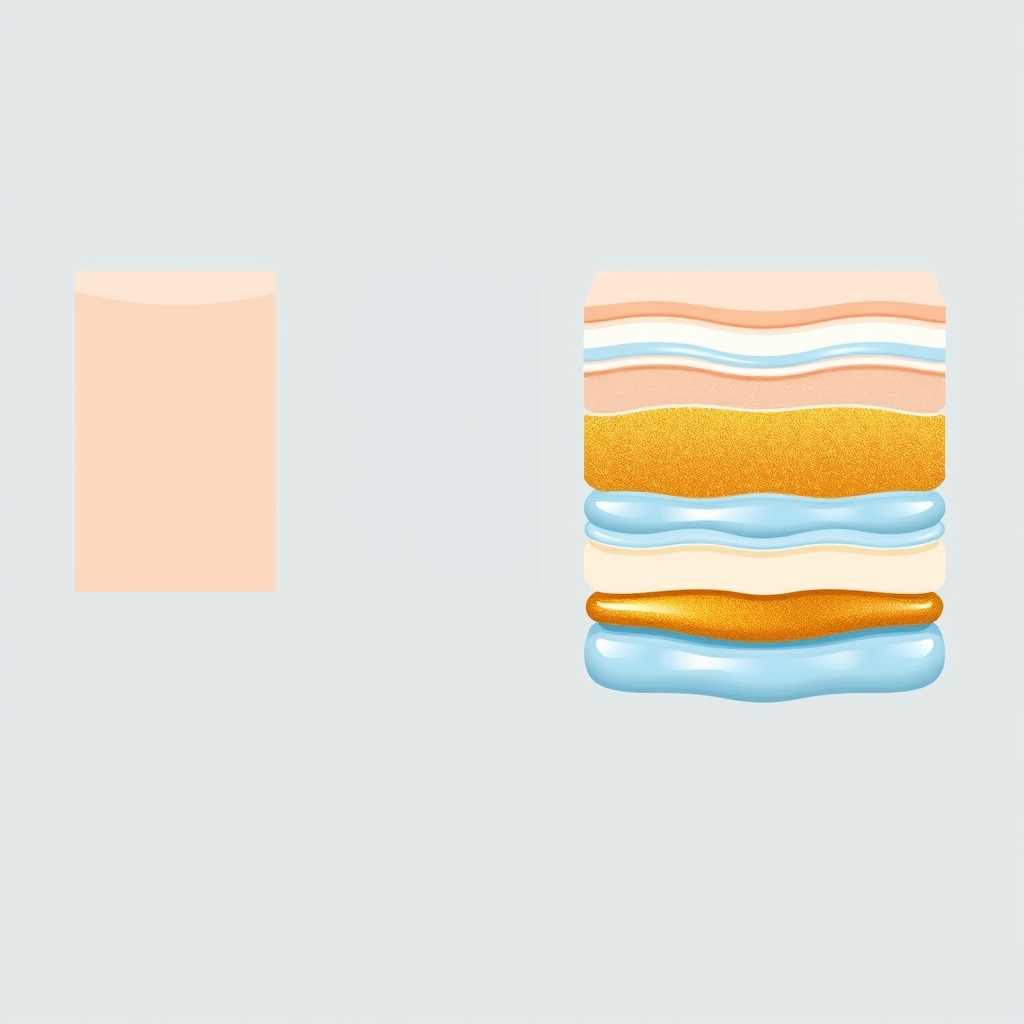
Yes, retinol is safe. No, not the way the box tells you. The standard instruction “apply to clean, dry skin” is fine for intermediate users, but beginners should use the sandwich technique. Based on our review of owner reports and skincare community feedback, this approach appears to substantially reduce irritation for most new users though individual results vary and we haven’t conducted controlled testing ourselves.
Here’s how it works:
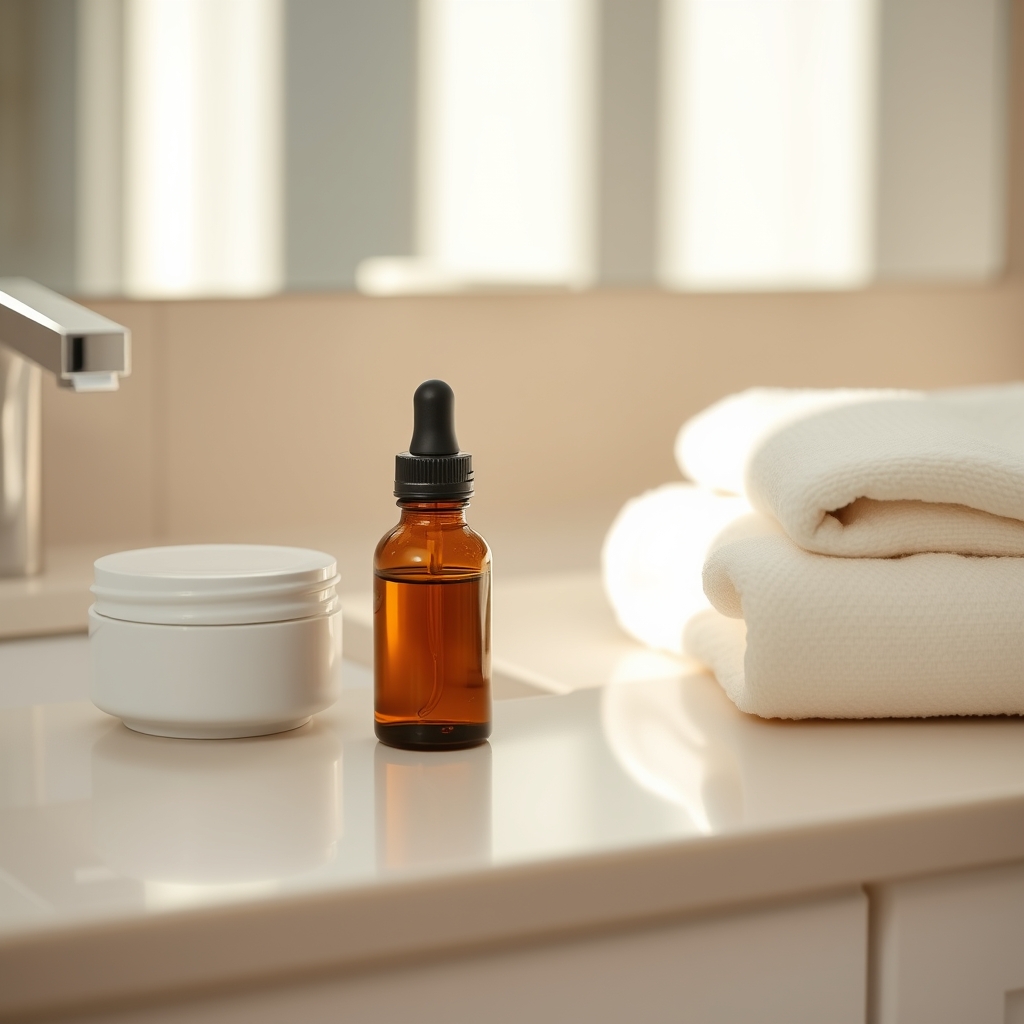
- Cleanse and pat dry (a few seconds of dampness is okay)
- Layer 1: Apply a hydrating moisturizer or hydrating serum (this is your “buffer”)
- Layer 2: Apply a pea-sized amount of retinol product
- Layer 3: Apply another layer of hydrating moisturizer on top
- Wait: 20 minutes before bed; apply sunscreen the next morning (retinol increases sun sensitivity)
The moisturizer layers slow retinol absorption slightly, which sounds bad but it’s actually ideal for beginners. Slower absorption = less irritation = your skin tolerates it better = you stick with it. You’ll still see results; they just come in 6–8 weeks instead of 4, based on community-reported timelines.
Common myth: “Buffering retinol makes it useless.” Not true. Dermatology consensus and owner-report patterns suggest buffering reduces irritation without materially reducing efficacy. A delayed, tolerable result beats an abandoned routine.
Your 8-Week Beginner Roadmap
This is the progression plan based on observed owner experience and community-reported outcomes. Your skin may move faster or slower this is a guideline, not a law.
Weeks 1–2: Introduction
- Frequency: 2× weekly (e.g., Monday and Thursday)
- Strength: 0.25–0.3%
- Method: Sandwich technique
- Expected feel: mild dryness; maybe slight redness after 4–6 hours
- Expected results: none yet; this is adaptation
Weeks 3–4: Tolerance Build
- Frequency: 2–3× weekly (add one night)
- Strength: same (0.25–0.3%)
- Method: sandwich technique (keep using it)
- Expected feel: less redness; dryness stabilizes; some light peeling possible
- Expected results: skin texture smoother; tone slightly more even
Weeks 5–6: Increasing Frequency
- Frequency: 3–4× weekly
- Strength: same (0.25–0.3%) OR upgrade to 0.5% if skin is resilient
- Method: if upgrading strength, use sandwich for 2 weeks; if staying at 0.3%, can drop sandwich on one or two nights if skin is comfortable
- Expected feel: dryness is your baseline now; maybe some flaking around mouth or eyes
- Expected results: visible reduction in fine lines; pores look smaller; breakouts (if acne-prone) may increase briefly this is purging (see below)
Weeks 7–8: Refinement
- Frequency: 4–5× weekly (approaching daily use)
- Strength: 0.5% OR upgrade to 1% if using sandwich
- Method: can use without sandwich if skin is very comfortable; if upgrading strength, sandwich is recommended
- Expected feel: skin is adapted; minimal peeling
- Expected results: clearer skin; more even tone; fine lines softened; skin feels firmer
After week 8, you can either stabilize (keep using 3–4× weekly at 0.5–0.3%) or continue upgrading strength and frequency if your dermatologist or skin goals warrant it. Most beginners see their best maintenance results at 3–4× weekly use, indefinitely.
What Is Retinol Purging and When Will It Happen?
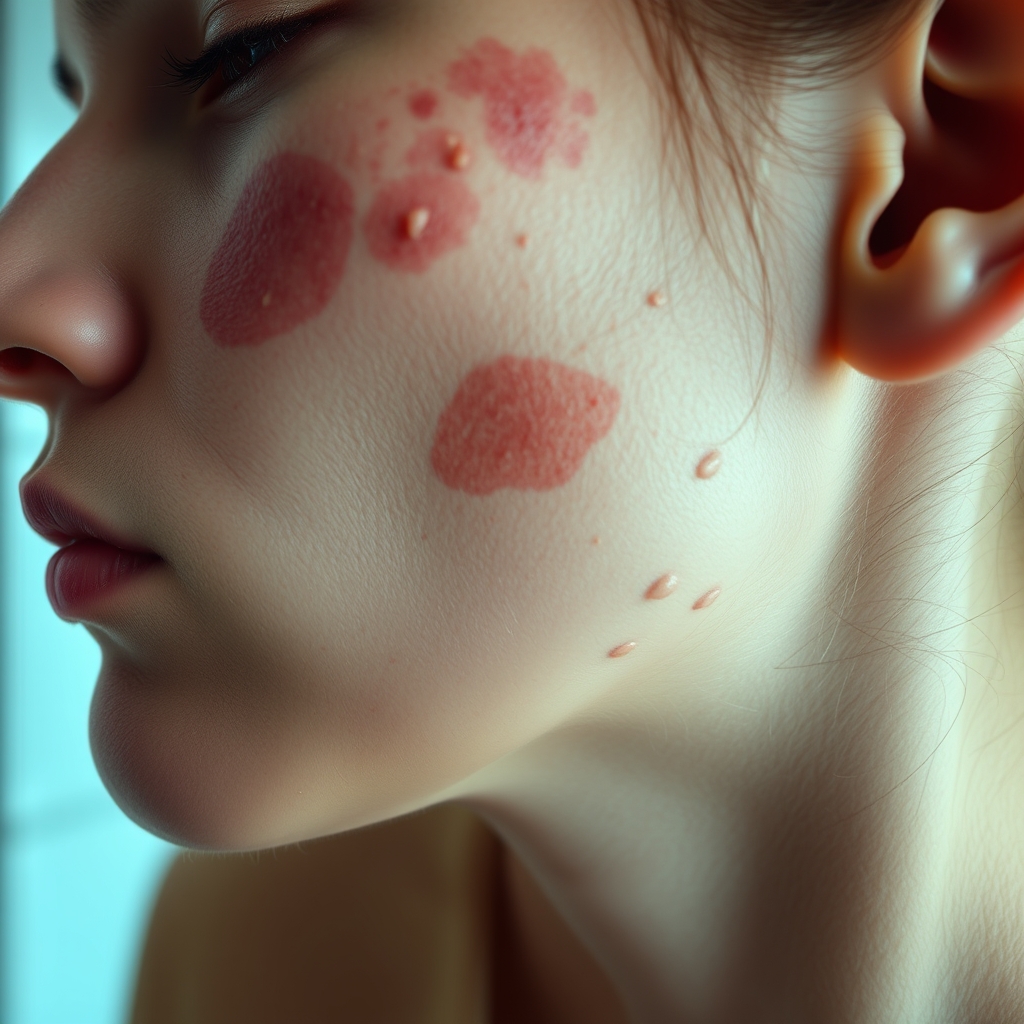
Retinol purging is the temporary spike in breakouts or texture roughness that happens as your skin speeds up cell turnover. It’s not an allergic reaction; it’s a sign the retinol is working.
Purging usually starts: Weeks 2–4 Purging usually ends: Weeks 5–8 (sometimes week 10) What it looks like: Small breakouts on areas where you normally get acne; whiteheads; rough patches; NOT widespread hives or severe cystic acne
Common myth: “If you purge, the product is too strong.” Not always true. Purging can happen at any strength as your skin adjusts. If purging is severe (painful cystic acne, hives), dial back frequency or strength. If it’s mild (a few small breakouts), push through it’s temporary.
You can minimize purging by starting low (0.25–0.3%), using the sandwich method, and starting only 2× weekly. Jumping to 4× weekly with 0.5% will almost always trigger purging; spreading the introduction over 8 weeks typically reduces it, based on community-reported experience.
Expected Results Timeline
Based on aggregated owner reports and observed patterns in skincare communities, here’s what to realistically expect. These are community-observed ranges, not clinical guarantees.
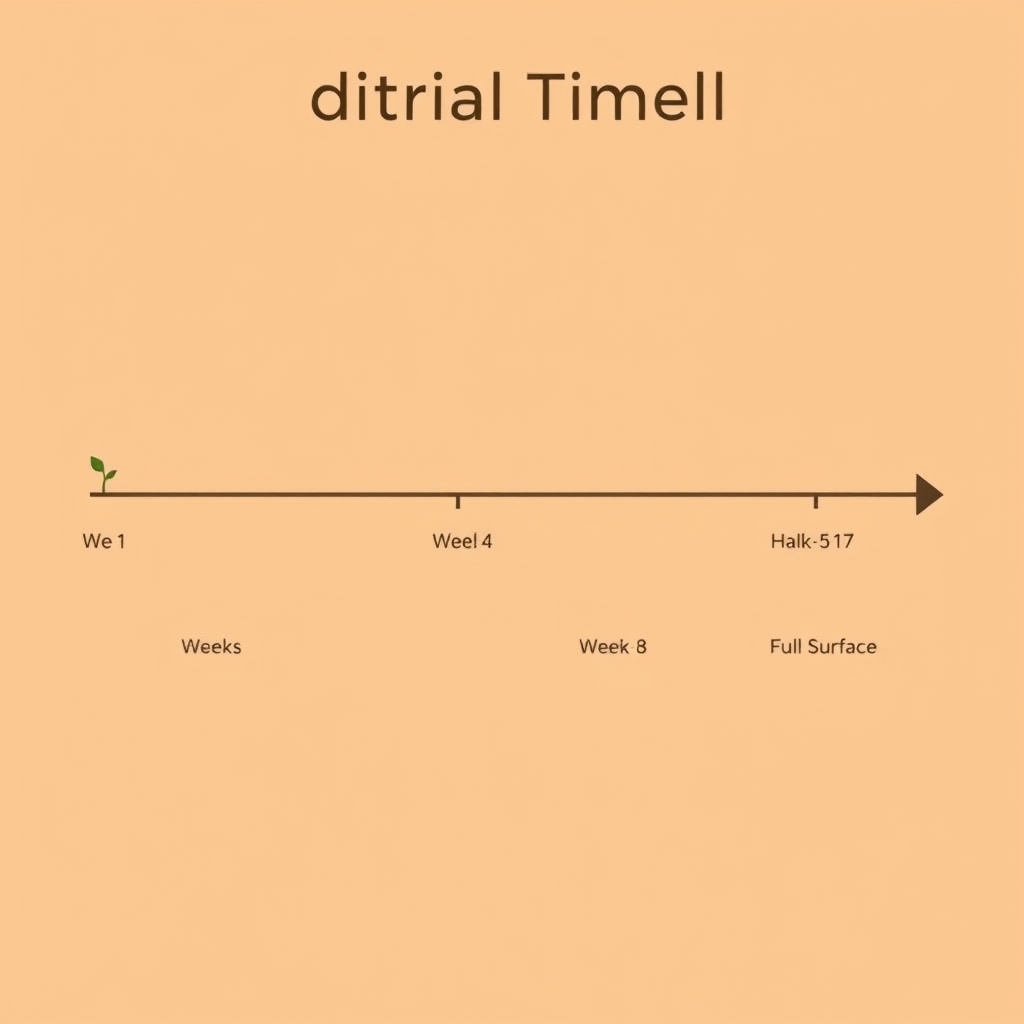
Weeks 1–3: Dryness, mild irritation, possibly redness. No visible improvement yet.
Weeks 4–6: Texture smooths slightly; tone becomes more even; fine lines look softer. Dryness stabilizes. This is when most beginners feel the product is “working.”
Weeks 8–12: Pores appear smaller; skin is firmer; hyperpigmentation fades noticeably; acne scars look less deep. Wrinkles soften (not disappear).
Months 4–6: Cumulative effects are most obvious. Skin looks more radiant; fine lines are clearly reduced; skin feels thicker and more resilient.
Common myth: “Retinol results plateau after three months.” Based on owner reports and dermatology consensus, most users see continued improvement up to 6 months, and maintenance results persist as long as you keep using it.
When you stop using retinol, your skin reverts to baseline within 6–12 weeks. There’s no “rebound” damage your skin just stops getting the benefits.
Key Specs to Look For in a Beginner Product
Minimum spec to keep:
- Retinol concentration clearly stated (0.25–0.5%)
- Stabilized formulation (retinol degrades in light and heat; look for opaque bottle)
- Hydrating base (glycerin, ceramides, or hyaluronic acid)
- No fragrance (fragrance = irritation risk)
- No actives that compete (skip if it also has vitamin C, niacinamide, or acids add those after week 8)
- Size: 0.5–1 oz (retinol oxidizes; smaller bottles mean fresher product)
5 Beginner-Friendly Retinol Products
All concentrations and details are based on product descriptions and manufacturer specifications as observed during catalog research. Prices are approximate US retail as of June 2026; verify current pricing and availability before purchase.
1. The Ordinary Retinol 0.2% in Squalane
Strength: 0.2%
Type: Lightweight serum (but formulated in oil base)
Best for: Absolute beginners; very sensitive skin; budget-conscious
Why it works: Lowest standard concentration; gentle formula; squalane is a skin-mimicking moisturizer that buffers irritation naturally. Stabilized in dark packaging.
Price estimate (US retail, approximate): $5–$8
Drawback: Texture is oily; some users find it hard to layer with other products; only 30mL for the price
2. CeraVe Retinol Serum
Strength: 0.3%
Type: Water-based serum
Best for: Normal-to-oily skin; acne-prone beginners
Why it works: Includes ceramides and hyaluronic acid for hydration; no fragrance; dermatologist-recommended brand; stabilized formula. Quick absorption.
Price estimate (US retail, approximate): $15–$20
Drawback: Lightweight, so may feel drying on dry skin without heavy moisturizer on top
3. Neutrogena Rapid Wrinkle Repair Retinol Serum
Strength: 0.3%
Type: Lightweight serum
Best for: Beginners seeking visible anti-aging; normal skin
Why it works: Clean formulation; effective concentration; widely available; affordable. Absorbs well without leaving residue.
Price estimate (US retail, approximate): $8–$12
Drawback: Can be drying; some batches vary in stability (opaque bottle is key)
4. Drunk Elephant A-Retinol Serum
Strength: 0.5%
Type: Lightweight serum (more advanced for beginners, but tolerable with sandwich method)
Best for: Beginners with resilient, non-sensitive skin who want faster results
Why it works: Stabilized in dark glass; clean formulation; includes watermelon and peptides for skin support. Well-reviewed for minimal irritation at this strength.
Price estimate (US retail, approximate): $60–$72
Drawback: Premium pricing; higher concentration means sandwich technique is essential for sensitive skin
5. RoC Retinol Correxion Night Cream
Strength: Not disclosed by manufacturer (concentration unknown; we cannot independently verify the figure)
Type: Rich cream
Best for: Dry, sensitive, or barrier-compromised beginners
Why it works: Hydrating cream base naturally buffers irritation; includes ceramides and glycerin. Easier to tolerate than serums for sensitive skin. Stabilized formula with a long market track record.
Price estimate (US retail, approximate): $15–$22
Drawback: Richer texture not ideal for oily skin; manufacturer doesn’t disclose exact retinol percentage a transparency shortcoming we’d prefer to see fixed
When to Stop Increasing and Stabilize
You don’t have to use retinol every night forever. Most dermatologists recommend stabilizing at 3–4 times per week indefinitely this delivers full anti-aging benefits without unnecessary irritation or cost.
If your skin is very resilient and you want to use it daily, that’s fine, but there’s no additional benefit. A 0.5% retinol used 4 nights per week beats a 1% used daily in terms of safety and long-term sustainability.
Common Beginner Mistakes
Mistake 1: Starting too strong. A 1% retinol “because you want faster results” almost always leads to abandonment. The barrier damage and peeling are too much. Start at 0.25%, and you’ll actually stick with it.
Mistake 2: Using it daily from day one. Your skin isn’t ready. Two times per week for the first month is not “wasting” the product; it’s letting your skin adapt so you can use it long-term.
Mistake 3: Mixing with other actives immediately. Vitamin C, niacinamide, AHAs, and BHAs all compete with retinol or increase irritation. Use retinol alone for the first 6–8 weeks. After that, you can layer niacinamide (it’s actually synergistic), but save vitamin C and acids for your daytime routine.
Mistake 4: Skipping sunscreen. Retinol increases UV sensitivity. SPF 30+ every single day, even indoors (if you’re near a window). This isn’t optional it’s the difference between glowing skin and sun damage.
Mistake 5: Abandoning during purging. A few small breakouts in week 4 are normal and temporary. Cystic acne or hives are not dial back and wait. But textural roughness, small whiteheads, and slight breakouts are signs it’s working, not signs you should quit.
FAQ
Is retinol safe to use every night as a beginner?
No. Starting at 2–3 times per week allows your skin to build tolerance. Daily use from day one risks irritation, barrier damage, and peeling that often leads to abandonment. After 8 weeks, daily use is safe for most people, but it’s not necessary 4 times per week gives the same long-term results.
Can I use retinol if I have sensitive skin?
Yes, but start at 0.2–0.25%, use the sandwich method, and use it only twice per week. Sensitive skin just needs a slower introduction not an elimination. CeraVe Retinol Serum, The Ordinary 0.2% in Squalane, and RoC Retinol Correxion Night Cream are the most forgiving options for sensitive skin.
Will retinol make my acne worse before it gets better?
Maybe. Retinol purging (temporary breakout spike) is common in weeks 2–4, but it’s not guaranteed. Starting low and slow minimizes purging. If you do purge, it typically resolves by week 8 and leaves you with clearer skin long-term.
How long does it take to see real results?
Based on aggregated owner reports, most people see visible improvement (smoother texture, more even tone) by week 4–6. Fine lines soften noticeably by week 8. Best results (pore size reduction, skin firmness, hyperpigmentation fade) emerge by week 12.
Can I stop retinol and then restart it later?
Yes. If you stop for a few weeks, your skin will revert to baseline, but you won’t have to re-adapt from zero. You might feel slight sensitivity for a few days, but you can jump back in at a higher frequency faster than your original 8-week ramp.
Is The Ordinary Retinol 0.2% in Squalane strong enough?
Yes, for beginners. It’s the gentlest entry point and, based on community-reported outcomes, delivers visible results in 8–10 weeks. After that, you can upgrade to 0.3–0.5% if you want faster results or maintenance at higher strength. Starting here is smart, not weak.
The Bottom Line
Retinol is the most proven anti-aging ingredient available without a prescription. Beginners should start with 0.25–0.3%, use the sandwich method, begin at 2 times per week, and progress slowly over 8 weeks. This approach minimizes irritation, prevents barrier damage, and actually maximizes long-term results because you’ll stick with it.
Pick a cream if you’re dry; a serum if you’re oily. Skip products that won’t disclose concentration. Use sunscreen daily. Don’t abandon during purging it’s temporary. Within 8–12 weeks, your skin will be noticeably smoother, more even, and more resilient.
Yes, it’s safe. No, not the way the box tells you. Use the sandwich method takes thirty seconds.