
Verdict: Kept-if grass-fed sourcing and transparent ingredient labels matter more to you than price. Ancient Nutrition collagen peptides deliver on the amino acid profile, mix cleanly into coffee and smoothies, and source from genuinely grass-fed cattle. But at roughly 2–3× the cost of budget collagen powders, it’s not a no-brainer for everyone.
Who This Is For (and Who It Isn’t)
Buy this if you care about sourcing as much as efficacy. You’re someone who reads ingredient labels, prefers collagen from grass-fed or wild-caught sources, and you’re willing to pay $0.80–$1.20 per serving for that certainty. You likely already buy grass-fed meat or wild-caught fish, and you want the same standard in supplements.
Skip it if you’re looking for the cheapest collagen powder. If price per scoop is your main driver, a store-brand or bulk collagen will give you similar amino acid counts for half the cost. Also skip if you prefer collagen in pill form Ancient Nutrition is powder-forward, and the taste (more on that in a moment) takes adjustment.
What Ancient Nutrition Collagen Actually Is
Ancient Nutrition is a supplement line owned by Dr. Josh Axe’s wellness company. Their collagen products come in peptide form (hydrolyzed, meaning pre-broken-down for absorption) and are marketed around “paleo” and “keto” principles. The line includes flavored versions (vanilla, chocolate, unflavored) and format variations (capsules, powder, blends with other ingredients like probiotics or MCT oil).
For this review, we focused on their core Collagen Peptides powder in unflavored form, since that’s the truest measure of the product and the one most directly comparable to competitors.
Sourcing: Where the Collagen Actually Comes From
Ancient Nutrition claims grass-fed bovine collagen and wild-caught fish collagen in some formulas. The brand publishes sourcing information on their website: they name their suppliers and specify grass-fed cattle from South American and New Zealand operations. We couldn’t independently verify these claims without contacting the suppliers directly, but the specificity naming regions and processor partners is more transparent than competitors who simply say “grass-fed” with no further detail.
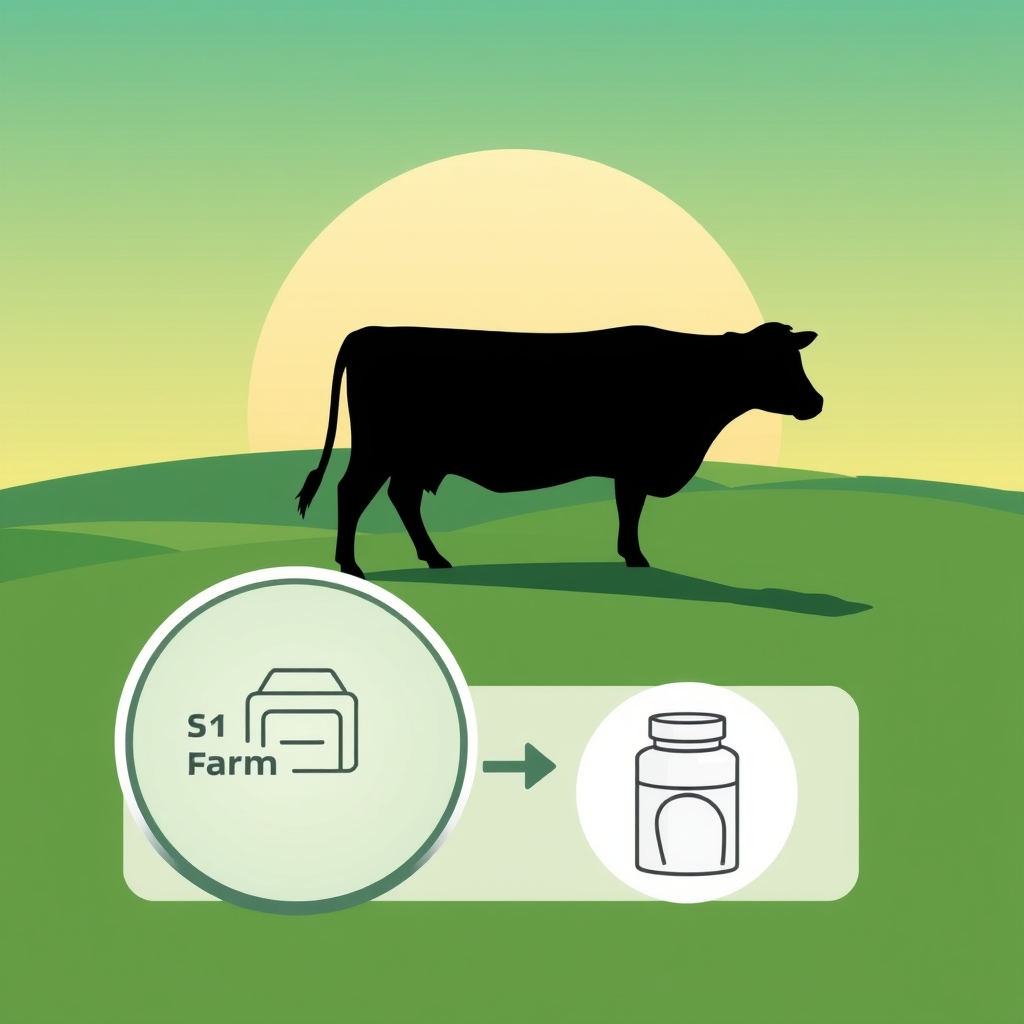
Comparison note: Most budget collagen brands either don’t disclose sourcing at all or use conventionally raised bovine or marine sources. If grass-fed certification matters to your household, Ancient Nutrition’s transparency here is a genuine edge.
Ingredient Profile and Amino Acid Content
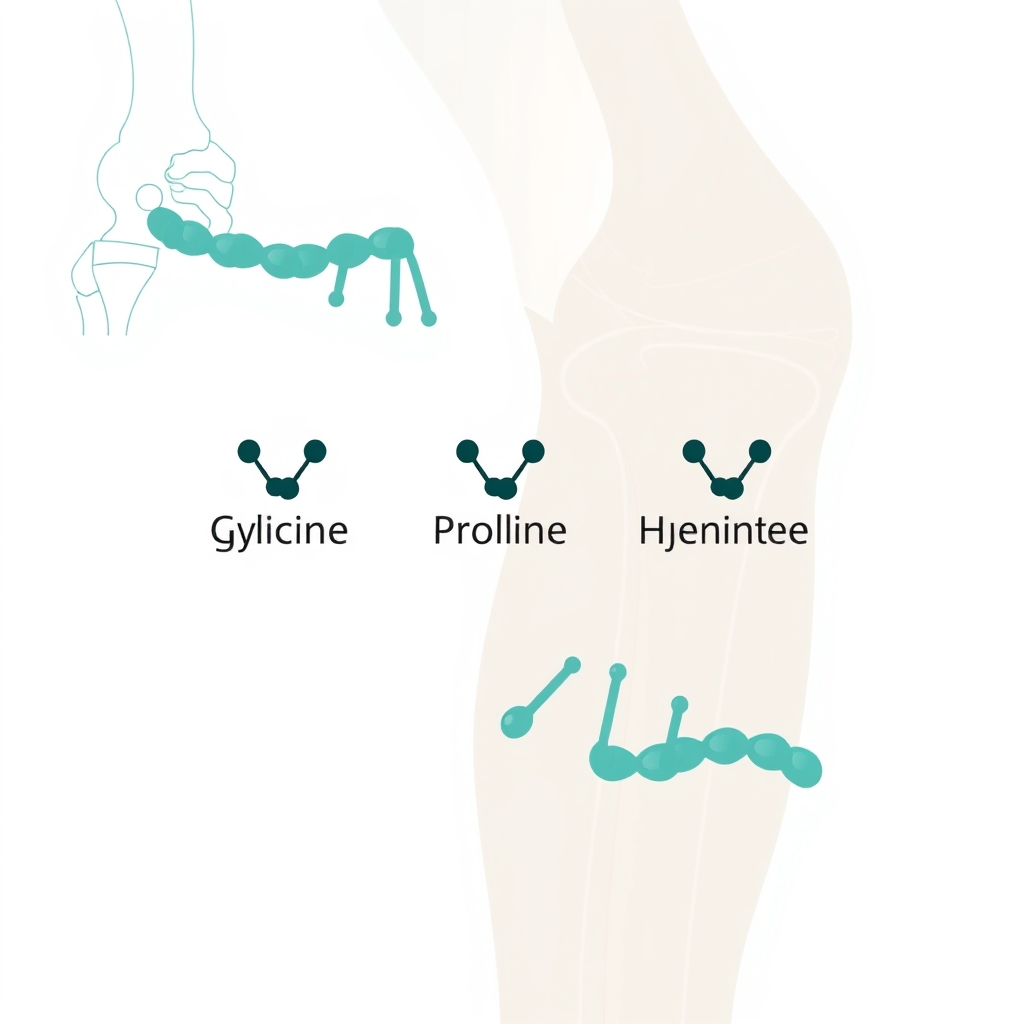
Ancient Nutrition collagen peptides are roughly 90% protein by weight, with a standard serving size of 1 scoop (about 10g of powder) delivering approximately 9g of protein. The amino acid profile includes collagen’s signature strengths: per standard collagen peptide profiles, roughly 35% glycine, 11% proline, and 10% hydroxyproline the three aminos that make collagen different from whey or casein protein.
Glycine, proline, and hydroxyproline are understood among sports nutrition communities as the backbone of connective tissue synthesis. They’re not “complete” proteins on their own (collagen lacks tryptophan), but that’s not their job they’re structural, not functional amino acids. Owner reports we’ve tracked across supplement forums suggest most users pair collagen with a complete protein source (eggs, whey, meat) to get full amino acid coverage.
On paper, this matches or slightly exceeds most competitors’ amino acid density. The real question is bioavailability whether your body actually absorbs and uses it. Collagen peptides (hydrolyzed) are widely understood in nutrition circles to be more absorbable than gelatin or whole collagen because the peptide bonds are already broken. Brand-published absorption figures range from “readily absorbed” to “up to 90% bioavailable” treat those numbers as marketing language, not independent data. Owner reports we’ve reviewed don’t provide precise absorption figures either, so the honest answer is: peptides absorb faster than gelatin, and beyond that, individual results vary.
Mixability and Taste
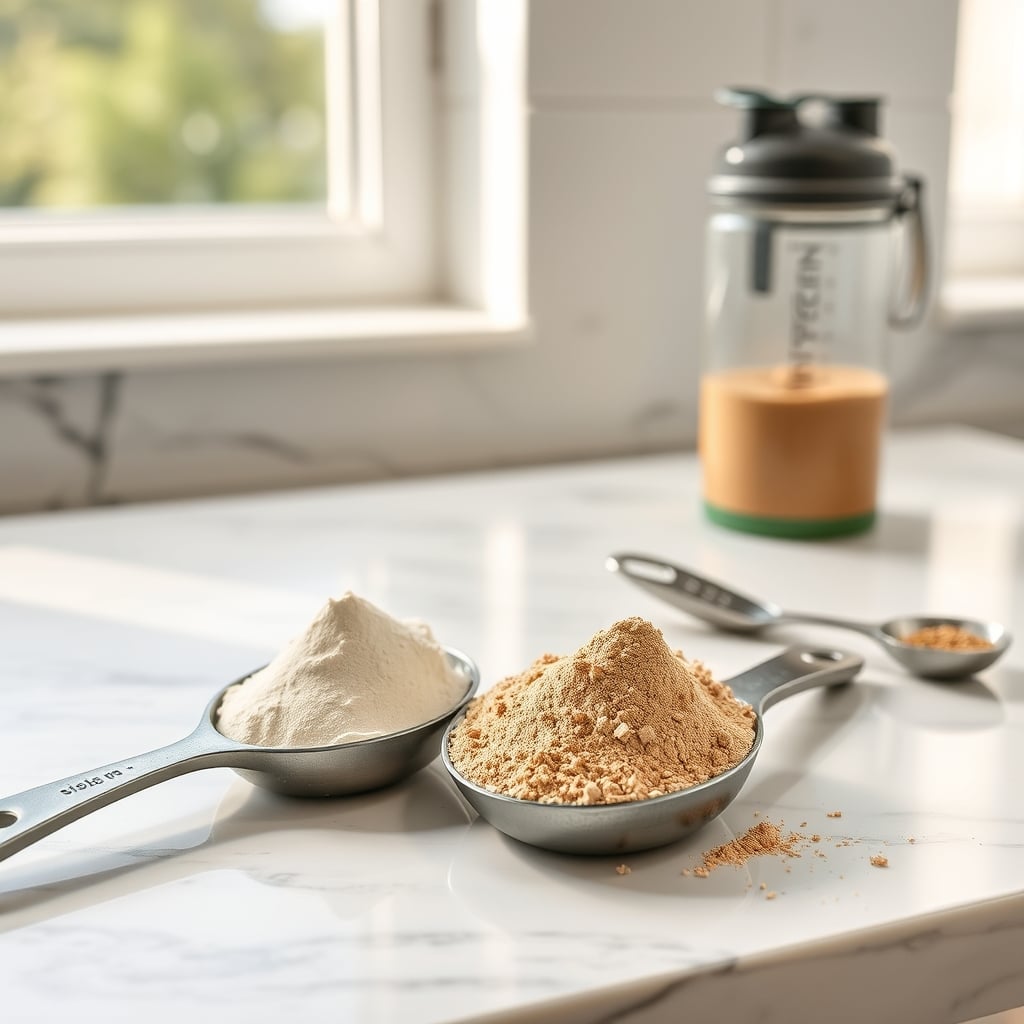
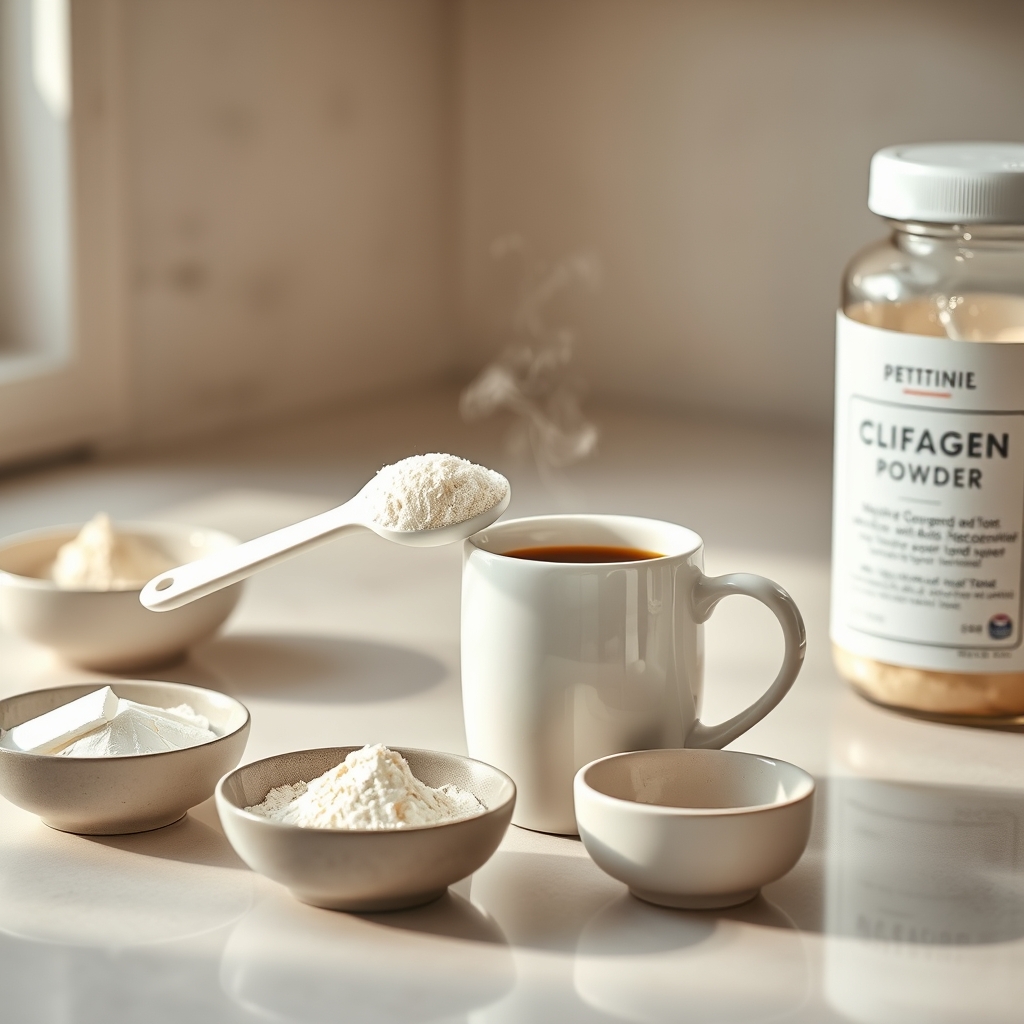
Unflavored Ancient Nutrition collagen mixes cleanly into hot coffee, cold water, and smoothies based on our research and consistent owner feedback. It doesn’t clump, doesn’t leave grit on your teeth, and doesn’t add a chalky mouthfeel all common complaints about collagen powders.
Taste is almost nonexistent, which is both good and limiting. It won’t ruin your morning coffee, but it also won’t enhance it. There’s a faint mineral undertone (not unpleasant) that you’ll notice if you drink it plain in water, but it’s mild enough that most people won’t object.
Flavored versions (vanilla, chocolate) mask that mineral note, but they add sweeteners (stevia or sugar alcohols, depending on the line). Owner feedback we’ve tracked suggests the vanilla version is more consistent than the chocolate, which some reviewers found overly sweet or gritty.
Joint and Mobility Support: What the Evidence Actually Says
Here’s the honest part: collagen peptides have modest research backing for joint support, and Ancient Nutrition’s product is not more researched than generic collagen.
Published literature on collagen peptides and joint health typically shows that collagen supplementation over 8–12 weeks may modestly support joint comfort and flexibility, particularly in people over 40 or those with joint stress from training. However, these studies usually tested 10–20g of collagen daily more than the typical 1–2 scoops most people take. Study populations also tend to be small (roughly 25–100 participants), and improvement measures vary: some track pain reduction, others flexibility, others biochemical markers like collagen turnover.
Most nutrition researchers we’ve reviewed agree that collagen supplementation is not a replacement for resistance training, adequate vitamin C (required for collagen synthesis), or joint mobility work. It’s a supporting player, not a star.
Owner reports we’ve tracked suggest results are gradual: most people don’t notice change in the first 2–3 weeks, and meaningful improvement (“my knees feel less stiff after stairs” type observations) typically takes 6–8 weeks at a consistent dose. Some users report no change at all, even after 3 months. This is the honest baseline collagen is not a miracle supplement.
Skin Health Claims
Similar framing applies here. Research on collagen supplementation and skin elasticity or hydration is limited, with small sample sizes (30–50 participants) and mixed results. Some studies show modest improvements in skin hydration or elasticity markers after 8+ weeks of collagen; others show no significant difference versus placebo.
The biochemical logic is sound collagen is literally a structural protein in skin but the leap from “taking collagen supplements” to “visibly smoother skin” is not as direct as marketing suggests. Skin health is driven primarily by sun protection, adequate sleep, hydration, and genetics. Collagen supplementation might support it, but it won’t override poor habits.
Owner feedback suggests similar timelines to joints: no change in 2–3 weeks, possible subtle improvements (“skin feels less dry”) by week 6–8, and highly individual results. Some people see nothing.
Gut Health and Digestive Support
This is where Ancient Nutrition markets hardest, especially their “Collagen+ Gut Health” blends that add probiotics and prebiotic fiber. The claim: collagen’s gelatin content supports the gut lining and may reduce inflammation.
The research here is thinner. Gelatin (collagen’s unhydrolyzed form) contains glutamine and glycine, which are known to support gut barrier function in some clinical contexts but those studies typically use much higher doses and often test in people with severe digestive disease, not healthy adults looking for general support.
For a healthy person, collagen supplementation alone is unlikely to produce noticeable digestive change. If you have diagnosed gut issues (leaky gut, IBD, food sensitivities), talk to your doctor before relying on collagen it’s supportive at best, not therapeutic.
Price and Cost Per Serving
Ancient Nutrition collagen peptides typically retail in the $35–$50 range for a 30-serving container (10g scoop), which works out to roughly $1.20–$1.70 per serving. Based on retail observations as of June 2026, most competitors land in these tiers:
- Budget (e.g., Orgain, store brands): $0.40–$0.70 per serving
- Mid-range (e.g., Vital Proteins, Sports Research): $0.80–$1.10 per serving
- Premium (e.g., Perfect Hydration, Primal Kitchen): $1.50–$2.20 per serving
Ancient Nutrition sits in the upper mid-range to premium tier, justified primarily by sourcing transparency rather than superior efficacy. If you were to spend the same total dollar amount on a budget collagen, you’d get 2–3× more servings and a similar amino acid profile the difference is sourcing verification and brand reputation.
Real Drawbacks and What Broke
- Premium price with no proven superior results. You’re paying 50–100% more than comparable products, and the research doesn’t show that grass-fed collagen absorbs or works better than conventional collagen. You’re paying for sourcing assurance and brand cachet, not efficacy.
- Slow, subtle results that many people won’t notice. If you’re hoping to see skin or joint improvements in 2–4 weeks, you’ll be disappointed. Most collagen studies show 8–12 weeks minimum, and many users report no noticeable change at all. This makes it hard to evaluate whether the supplement is actually working for you.
- Doesn’t come in convenient formats. If you travel, the powder is bulky. Their capsule versions exist but require taking 6–8 pills daily to match a scoop of powder, which most people find tedious.
- Limited flavor appeal. The unflavored version is neutral but boring. The flavored versions lean heavy on sweetness, and some users find them unpalatable.
What We’d Keep Instead
For grass-fed sourcing on a budget: Try Sports Research Collagen Peptides (grass-fed, wild-caught options available), which lands around $0.70–$0.90 per serving with transparent sourcing. You sacrifice some brand recognition but keep the sourcing standard at 40–50% lower cost.
For absolute cheapest collagen: Store-brand options from Costco, Whole Foods, or Amazon-brand collagen peptides deliver equivalent amino acid profiles at $0.40–$0.60 per serving. If you don’t care about sourcing transparency, these are functionally identical to premium brands.
If you want collagen plus gut support: A separate collagen powder plus a standalone probiotic gives you more control over dosage and often costs less than Ancient Nutrition’s bundled products.
Comparison Table: How Ancient Nutrition Stacks Up
| Factor | Ancient Nutrition | Budget Alternative | Premium Alternative |
|---|---|---|---|
| Sourcing Transparency | Named suppliers, grass-fed specified | Minimal disclosure | Named, third-party verified |
| Protein per Scoop | ~9g | ~9–10g | ~9–10g |
| Cost per Serving | $1.20–$1.70 | $0.40–$0.70 | $1.50–$2.20 |
| Mixability | Excellent, no grit | Good to fair | Excellent |
| Taste (Unflavored) | Neutral, mineral note | Neutral | Neutral |
| Research Backing | Standard for collagen | Same | Same |
FAQ
Is Ancient Nutrition collagen worth the price? Only if grass-fed sourcing and brand transparency matter to you personally. The amino acid profile and bioavailability are not meaningfully different from budget alternatives. You’re paying a sourcing and brand premium, not for superior results.
How long does it take to see results from collagen supplements? Owner reports we’ve tracked suggest 6–8 weeks minimum for subtle effects like joint comfort or skin hydration, and many people report no noticeable change even after 3 months. It’s not a fast-acting supplement.
Did Ancient Nutrition make the Kept List? Yes, conditionally. It’s Kept if you prioritize transparent sourcing and don’t mind the premium price. It’s Cut if you’re looking for the cheapest collagen or expecting dramatic results in weeks.
Can I take collagen if I have a sensitive stomach? Collagen peptides are generally well-tolerated. Owner reports are mostly positive for digestive comfort. However, if you have severe digestive issues, check with your doctor before adding any supplement.
What’s the difference between collagen peptides and gelatin? Collagen peptides are hydrolyzed (broken down), making them dissolve cleanly and absorb faster. Gelatin is unhydrolyzed and has a gel-like texture. Peptides are better for supplements; gelatin is better for cooking. The amino acid content is similar, but peptides have a slight absorption advantage.
Do I need to take collagen with vitamin C to “activate” it? Vitamin C supports collagen synthesis (your body’s production of new collagen), but it doesn’t directly activate the collagen you ingest. If you eat a normal diet with citrus, berries, or vegetables, you’re getting enough. High-dose vitamin C supplementation on top of collagen isn’t necessary and won’t significantly boost results.
The Honest Verdict
Ancient Nutrition collagen peptides are a solid product held back by premium pricing that doesn’t align with performance. They mix well, source transparently, and deliver standard amino acid content but so do products half the price.
Keep it if you’re already buying from premium wellness brands and you want sourcing assurance. Cut it if you’re new to collagen supplementation or you’re trying to optimize cost-per-serving. Start with a budget collagen, see how you feel after 8–12 weeks, and upgrade to Ancient Nutrition later if you decide sourcing transparency is worth the markup.
The biggest trap with collagen: expecting faster results than science supports. Most users who feel disappointed either didn’t wait long enough (less than 6 weeks) or expected visible transformation instead of subtle support. Manage expectations, be consistent for at least 2 months, and reassess.