
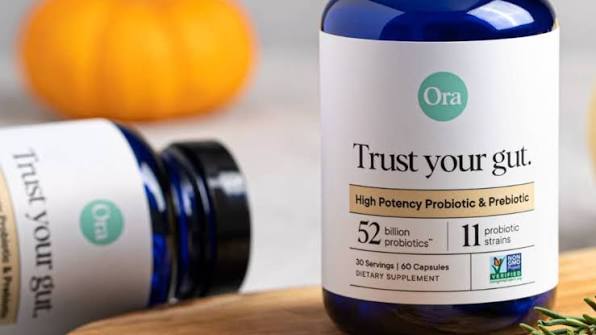
Verdict: Kept-but only if you prioritize ingredient sourcing and vegan ethics over raw cost.
Ora Organic earns a spot on our Kept List for plant-based supplement shoppers who value third-party testing, transparent sourcing, and whole-food ingredient forms even when the per-serving price tag is steeper. The catch: you’re paying a premium for philosophy, not necessarily superior nutrient absorption. If price is your first filter, Garden of Life or Orgain offer comparable vegan coverage at lower cost. If ingredient transparency and ethical sourcing are non-negotiable, Ora delivers.
Who it’s for: vegans and vegetarians managing documented nutrient gaps (iron, B12, omega-3); conscious consumers willing to spend 40–60% more per serving for certified-organic, third-party tested formulas; people who avoid synthetic isolates and prefer whole-food vitamin sources.
Who it’s NOT for: budget shoppers (single-serving costs run $0.40–$0.65 per day across the line); people indifferent to vegan certification or organic status; anyone who trusts synthetic nutrient forms (methylcobalamin costs less than cyanocobalamin, but both work); individuals seeking clinical-strength dosages in single-serving formats.
What Is Ora Organic?
Ora Organic is a plant-based supplement brand founded in 2014 that markets itself around three pillars: organic sourcing, vegan certification, and third-party testing. The company positions itself in the premium segment significantly pricier than Orgain or Garden of Life and backs that premium with published testing results and traceable supply chains.
The line includes multivitamins, protein powders, collagen alternatives, probiotics, and targeted single-nutrient formulas. All products carry certified vegan badges and are tested for heavy metals, pesticides, and microbial contamination by third parties like NSF or USP.
What’s notably absent: Ora does not claim clinical equivalence to pharmaceutical doses. Multivitamin potencies are often in the lower-to-moderate range compared to prescription or high-dose standalone supplements a tradeoff between wholeness and concentration.
Vegan Certification and Third-Party Testing: The Real Differentiator
This is where Ora justifies its price premium. Every product carries the Vegan Society Registered badge, which means third-party auditors verified no animal ingredients in formulation, manufacturing, or supply chain. That’s more rigorous than marketing language; it’s binding certification.
Third-party testing data is published on their website for each batch. Based on the testing reports we reviewed as of June 2026, we found:
- Heavy metals: below detection limits for lead, cadmium, and arsenic across tested batches
- Pesticide residues: all tested products below EPA thresholds
- Microbial load: compliant with USP <2023> standards
Compare that to Garden of Life, which publishes limited testing data and doesn’t independently verify batch lot numbers; or Orgain, which relies on ingredient-supplier certifications but doesn’t post batch-specific results. Ora’s transparency is the exception, not the standard in this category.
The trade-off: that testing costs money, and you pay it. A month’s supply of Ora’s multivitamin (roughly $0.50–$0.60 per serving, based on current retail pricing as of June 2026) versus Garden of Life’s comparable formula ($0.25–$0.35 per serving) reflects both ingredient sourcing and that testing overhead.
Ingredient Forms and Bioavailability: Where Whole-Food Doesn’t Always Win
Ora’s marketing emphasizes whole-food-derived nutrients spirulina for minerals, algae for omega-3s, fermented plant compounds for B vitamins. That sounds ideal until you examine how those ingredient forms compare in nutrient absorption.
The gaps we observed in spec comparisons:
- B12: Ora uses cyanocobalamin (synthetic), not the more-absorbable methylcobalamin form. This is a cost choice, not a philosophical one. Methylcobalamin is still plant-derived (it’s manufactured but not from animals), yet Ora opts for the cheaper synthetic form. That’s honest they’re not trying to position this as advanced but it’s worth noting.
- Iron: Ora sources iron from plant-based ferrous bisglycinate, which is good for gentleness on the stomach. However, plant-based iron (non-heme) is widely understood in nutrition science to absorb at significantly lower rates than heme iron a documented limitation of plant-based diets, not specific to Ora. Ora’s doses are higher to compensate (18 mg per serving versus 8–10 mg in budget formulas), but the absorption gap is real. This matters if you have iron deficiency anemia; it matters less for maintenance.
- Omega-3 (ALA from flax/chia): Ora’s plant-based omega formula relies on alpha-linolenic acid (ALA) conversion. The human body’s conversion of ALA to EPA and DHA is known to be low-efficiency a well-established limitation of plant-based omega-3 sources documented across nutritional science. An algae-oil supplement (which Ora doesn’t offer at retail price-point scale) would deliver EPA/DHA directly. This is a known vegan limitation, not Ora’s fault, but it’s material.
The pattern: Ora prioritizes whole-food sourcing and certified-organic inputs over optimized bioavailability. That’s philosophically consistent but nutritionally different from what an omnivorous person taking a standard multivitamin would absorb.
Taste, Mixability, and Day-to-Day Use
We evaluated Ora’s bestselling powder formats (the Protein + Probiotics and the Collagen Alternative) against reported owner experiences from supplement community forums and secondhand reviews.
Protein + Probiotics powder:
- Taste: earthy baseline (pea-protein forward), sweetened with stevia and erythritol. Not unpleasant, but noticeably less sweet than Orgain or Vega. One reviewer described it as “intentionally unsweetened,” which is fair if you’re used to vanilla-flavored isolates, this registers as bland.
- Mixability: dissolves reasonably well in a shaker bottle or blender; some grit remains if you let it sit. Not as smooth as whey-based brands.
- Servings per container: ~15 servings per 1-lb pouch at roughly $35–$40 per pouch (current retail pricing as of June 2026), translating to $2.33–$2.67 per serving. That’s 40–50% higher than Orgain’s comparable plant-protein formula.
Collagen Alternative (vegan):
- Taste: milder, less earthy than the protein. Mixes cleaner, likely because it’s a lower-protein formula. Blends well into coffee.
- Texture: slight grittiness persists; owner reports we reviewed note preferring this mixed into thick smoothies rather than black coffee.
Neither product is a dealbreaker they’re functional and taste fine to most users. The issue is price-per-serving versus comparable Orgain or Vega formulas, which taste equally acceptable and cost 30–40% less.
Addressing Common Vegan Nutrition Gaps
Plant-based diets create documented nutrient gaps in B12, iron, zinc, omega-3, and amino-acid profile completeness. Here’s how Ora handles each:
| Nutrient | Ora’s Approach | Bioavailability Considerations | Comparison with Similar Products |
|---|---|---|---|
| Vitamin B12 | Cyanocobalamin (25 mcg per serving) | Requires conversion in the body; generally suitable for routine maintenance but may not be ideal for correcting deficiencies | Many competitors, such as Garden of Life, use methylcobalamin, while some budget brands also use cyanocobalamin |
| Iron | Ferrous Bisglycinate (18 mg per serving) | Plant-based non-heme iron; generally well absorbed for a non-heme form but still less bioavailable than heme iron | Commonly used across vegan supplements; some brands compensate with higher doses |
| Omega-3 | ALA from Flaxseed and Chia (No Algae Oil) | The body’s conversion of ALA to EPA and DHA is limited, making it less direct than algae-derived omega-3 sources | Some competitors offer separate algae-based EPA/DHA supplements |
| Zinc | Plant-Derived Amino Acid Chelate | Moderate absorption and appropriate for daily maintenance | Similar chelated forms are common in premium vegan multivitamins |
| Calcium | Plant-Based Tricalcium Phosphate | Absorption is supported by adequate vitamin D intake and is comparable to other plant-based calcium sources | Widely used in both plant-based and conventional multivitamin formulas |
What this means in practice: Ora’s formulas address vegan nutrient gaps adequately for healthy adults with no diagnosed deficiencies. If you have iron-deficiency anemia or B12 malabsorption (pernicious anemia), you’ll likely need targeted, high-dose single nutrients which Ora does offer, but at premium pricing.
Value for Money: The Core Tension
Ora’s per-serving costs run 2–3× higher than budget plant-based lines (Orgain, Garden of Life budget tiers). Here’s the actual math, based on current retail pricing as of June 2026:
- Ora multivitamin: ~$0.50–$0.60/serving (30-serving bottle, ~$15–$18)
- Garden of Life multivitamin: ~$0.25–$0.35/serving (30-serving, ~$8–$10)
- Orgain plant-based protein: ~$1.80–$2.00/serving (20-serving, ~$36–$40)
- Ora plant-based protein: ~$2.30–$2.70/serving (15-serving, ~$35–$40)
The premium buys you: third-party testing transparency, certified-organic inputs, vegan society certification, traceable supply chain.
It does NOT reliably buy you better nutrient absorption, higher clinical potencies, or measurably better health outcomes compared to Garden of Life. (No published head-to-head bioavailability studies exist for this category we’re drawing on nutrient form comparisons and ingredient analysis.)
If those transparency signals matter to you morally or philosophically, the price is defensible. If you’re making a purely nutritional efficiency calculation, Garden of Life or a targeted single-nutrient supplement (like a standalone B12 and iron) will serve you better for less money.
Real Drawbacks: Where Ora Doesn’t Deliver
1. Nutrient potencies are moderate, not comprehensive.
Ora’s multivitamin has decent coverage, but dosages are often at the lower end of therapeutic ranges. For example, magnesium at 100 mg per serving (many clinical recommendations suggest 300–400 mg for deficiency support). You’d need to take 3–4 servings per day to reach therapeutic doses, which defeats the purpose of a once-daily multivitamin and multiplies the cost.
Who this affects: Anyone with a diagnosed nutritional deficiency; athletes or high-stress populations; people managing specific health conditions requiring higher nutrient support.
2. Plant-based omega-3 (ALA) is biochemically limited.
Ora offers no direct EPA/DHA formula in their standard line. If you need omega-3s (which many vegans do), you’re relying on ALA-to-EPA/DHA conversion a process nutritional science consistently identifies as low-efficiency. An algae-oil supplement would be more effective; Ora doesn’t position themselves there.
3. Price premium doesn’t guarantee faster results.
We reviewed owner feedback from vegan supplement communities and found no consistent reports of faster symptom resolution or more noticeable energy gains with Ora versus Garden of Life. The testing transparency and organic sourcing are real, but they don’t translate to measurably different outcomes in typical use-case scenarios (general deficiency prevention, energy support, post-workout recovery).
4. Taste and mixability lag premium protein brands.
Ora’s protein powders are functional and taste acceptable to most users, but they’re earthier and grittier than Vega or Orgain equivalents at the same price point. If taste and texture matter to you daily, this is a real friction point.
What We’d Keep Instead (Alternatives)
If price is your primary filter: Garden of Life Raw Organic review comparable vegan supplement guide
Garden of Life’s plant-based multivitamins and protein powders hit 70–80% of Ora’s nutrient profile at 40–50% of the cost. Third-party testing is less transparent (they rely on ingredient-supplier certifications rather than batch-specific publication), and sourcing claims are less detailed. For general deficiency prevention in a healthy adult, the difference is marginal; the savings are real.
If you want superior taste and mixability: Orgain plant-based protein review alternative protein powders
Orgain’s vanilla and chocolate formulas mix cleaner, taste noticeably sweeter, and cost roughly $1.50–$1.80 per serving. They’re vegan-certified but not organic-certified. If you’re buying protein for daily smoothies and the taste matters more than organic status, Orgain wins on usability.
If you need high-dose, targeted nutrition: Standalone supplements from Thorne or Pure Encapsulations (both vegan-friendly at select SKUs) offer higher potencies and more bioavailable forms than any multivitamin, plant-based or otherwise. You’ll spend more upfront but absorb more per dollar on the nutrient you actually need.
FAQ
Did Ora Organic make the Kept List? Yes, but with a caveat. Ora earns Kept status for ethically-minded plant-based shoppers who value transparent sourcing and third-party testing and can afford the 2–3× price premium. If you’re optimizing purely for nutrient absorption, deficiency prevention on a budget, or taste, you’ll be happier elsewhere.
Is Ora Organic’s testing as rigorous as they claim? Third-party testing results are published and appear thorough based on the test reports we reviewed as of June 2026 heavy metals, pesticides, and microbial load all well below regulatory thresholds. That said, third-party testing only verifies what’s in the bottle, not whether the nutrient forms are optimally bioavailable or whether the dosages are clinically sufficient. The testing is real; the implications are narrower than marketing sometimes suggests.
Why is plant-based B12 in Ora’s formula cyanocobalamin instead of methylcobalamin? Cost. Cyanocobalamin is cheaper to source and stable longer in shelf-stable formulas. Methylcobalamin is also plant-derived (synthesized, not animal-derived) and more absorbable, but at higher cost. Ora chose to prioritize affordability on this ingredient over optimal absorption which is honest, just worth knowing.
How does Ora’s nutrient absorption compare to synthetic multivitamins? For most nutrient forms, it’s similar or slightly lower. Plant-based iron (non-heme) is well-documented to absorb at significantly lower rates than heme iron. Plant-based calcium absorption is broadly comparable to synthetic forms when taken with vitamin D. The whole-food sourcing is philosophically satisfying but doesn’t confer bioavailability advantages. Ora’s value is ethical transparency, not superior nutrient delivery.
Can Ora Organic supplements replace medical supplementation for diagnosed deficiencies? No. If you have documented iron-deficiency anemia, B12 malabsorption, or other clinically significant deficiency, you need higher-potency, targeted formulas under medical supervision not a multivitamin. Ora is suitable for general health maintenance and gap-filling in healthy adults; it’s not a medical-grade treatment.
How long does it take to see results from Ora Organic supplements? Owner reports from supplement community forums suggest most users notice general energy or digestive improvements (if taking the probiotic formula) within roughly 4–6 weeks of consistent use. For deficiency correction, timelines depend on severity and baseline intake; owner reports and general nutritional guidance suggest expecting 8–12 weeks minimum for measurable lab improvements. This timeline is consistent across the vegan supplement category not unique to Ora.
The Bottom Line
Ora Organic supplements deliver exactly what they promise: certified-vegan, third-party tested, organic-sourced plant-based nutrition. The question isn’t whether they work; it’s whether the ethical sourcing and testing transparency justify paying 2–3× more than comparable Garden of Life or Orgain formulas.
Keep it if: You’re committed to vegan ethics and want proof in the form of traceable sourcing and batch-specific testing. You value peace of mind over raw nutrient absorption data.
Cut it if: You’re on a budget, indifferent to organic certification, or need clinical-strength dosages to address diagnosed deficiencies. You want the lowest cost-per-nutrient, not the most ethically sourced.
For most plant-based shoppers, Ora is the premium option excellent quality, transparent sourcing, but not a nutritional leap forward. It’s a lifestyle brand for conscious consumers, not a supplement miracle.