
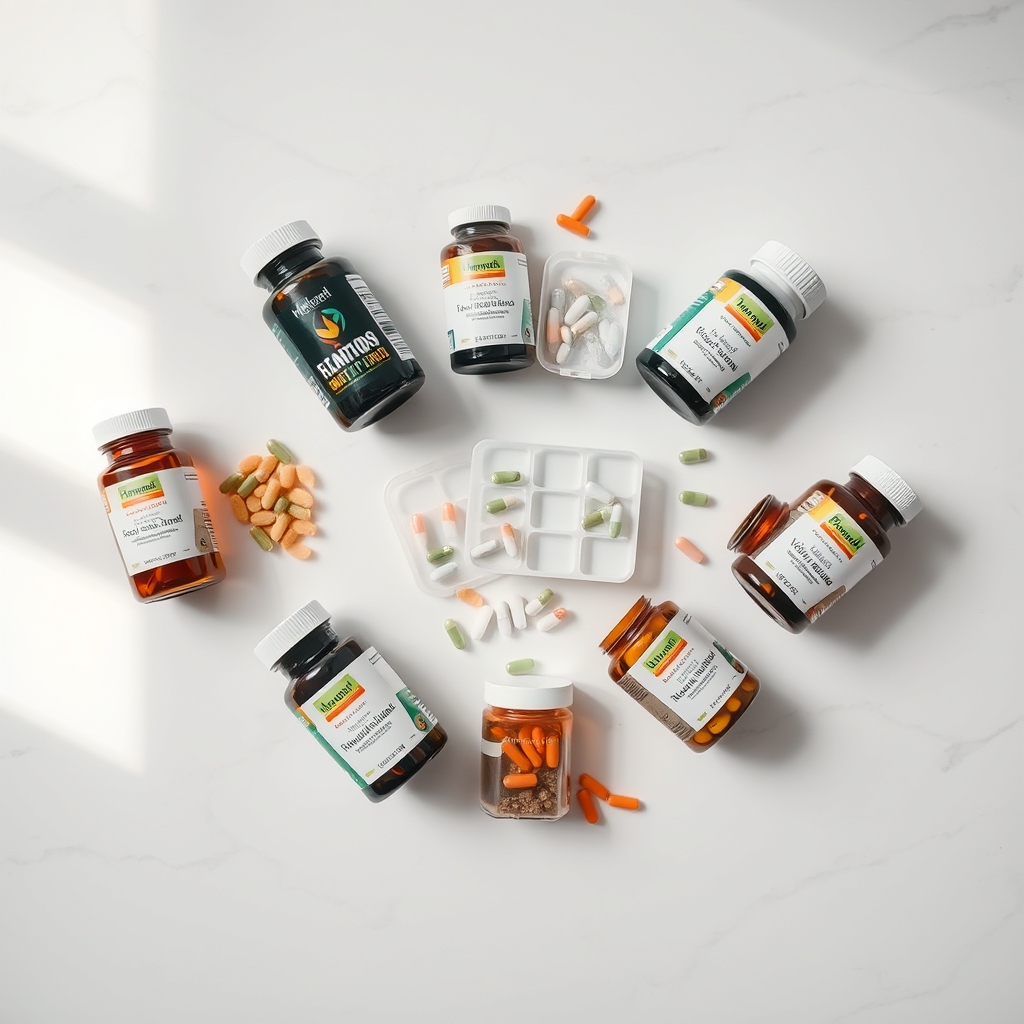
If you’re looking for a genuinely useful multivitamin that won’t waste your money or shelf space, Nature Made Multi Complete Adult is the one. It’s backed by third-party testing, covers the essentials without unnecessary fillers, and costs roughly $0.20 per serving (as of June 2026). If that’s your situation, stop reading and grab it.
But the multivitamin market is crowded with overpriced, poorly absorbed, and unnecessarily complex formulas. This roundup walks you through the actual differences in ingredient quality, bioavailability science, and price-per-serving across six categories and tells you which ones we rejected and why.
What to Look For in a Daily Multivitamin
Ingredient Form Matters for Absorption
Not all vitamin and mineral forms absorb equally. Chelated minerals (bound to amino acids) are generally understood to absorb at higher rates than simple salt forms, though absorption efficiency varies by individual and digestive health. The same applies to fat-soluble vitamins (A, D, E, K) they need fat for absorption, which is why quality multis include a small amount of oil or instruct you to take them with food.
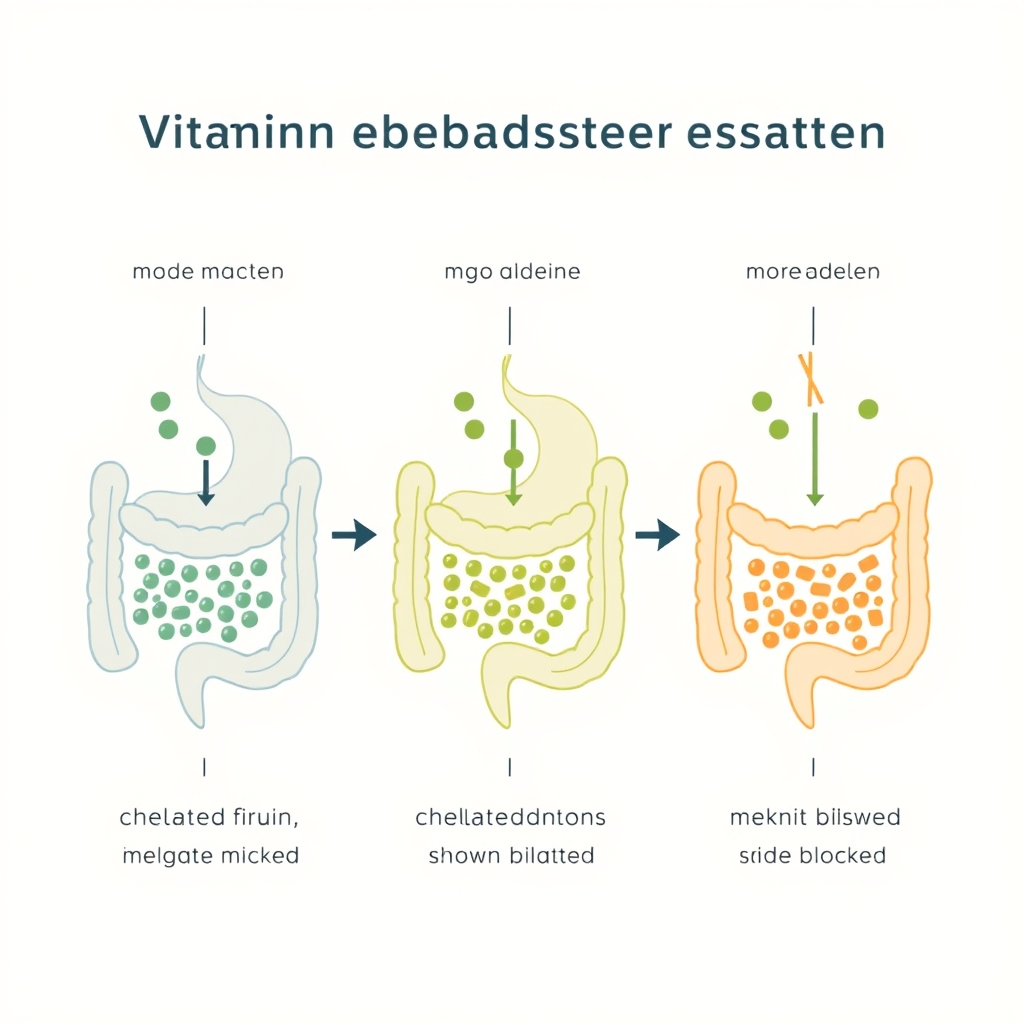
B vitamins appear in different active forms: cyanocobalamin (B12) is the standard and shelf-stable form; methylcobalamin is an alternative some prefer, though bioavailability differences are modest. Folate comes as folic acid (synthetic) or methylfolate (naturally derived); methylfolate may be preferable for some with genetic variants affecting folate metabolism, though this remains an area of active research.
Third-Party Testing and Certification
Third-party testing by organizations like USP, NSF, or ConsumerLab verifies that a product contains what the label claims and is free of contaminants. This is not optional it’s the baseline credibility marker. Avoid anything without a visible certification seal or a link to a test report.
Price Per Serving, Not Price Per Bottle
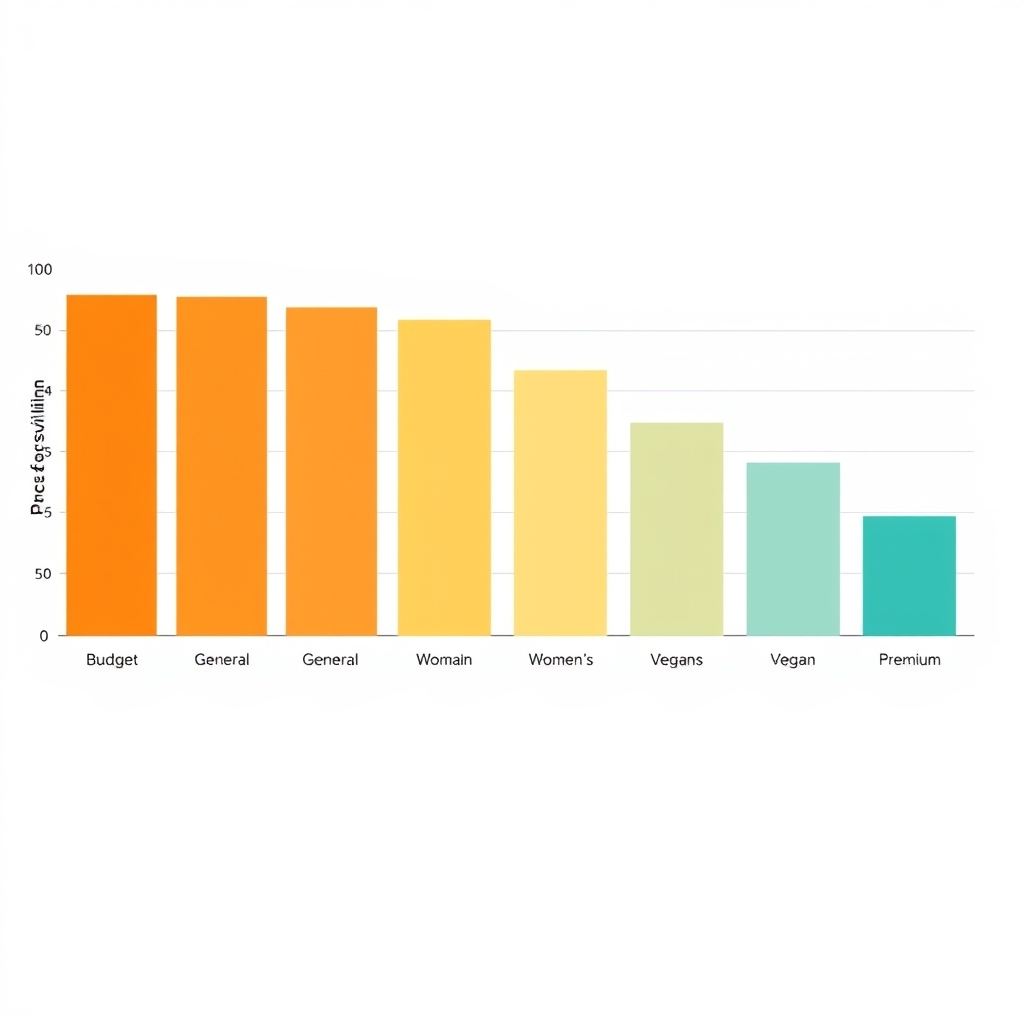
A $15 bottle of 30 servings costs $0.50/day; a $25 bottle of 180 servings costs $0.14/day. Always divide total cost by serving count. Budget-tier multis run $0.10–$0.25/serving; premium options typically $0.40–$0.80/serving.
Nutrient Completeness vs. Unnecessary Additions
A solid daily multi covers the essentials: all major B vitamins, vitamins A, D, E, K, calcium, magnesium, zinc, iron (for menstruating/pre-menopausal people), and selenium. Avoid formulas that inflate the label with unnecessary supplements like proprietary blends, excessive herbal extracts, or amino acids these add cost without proven daily benefit.
The Top Picks
Best Overall: Nature Made Multi Complete Adult
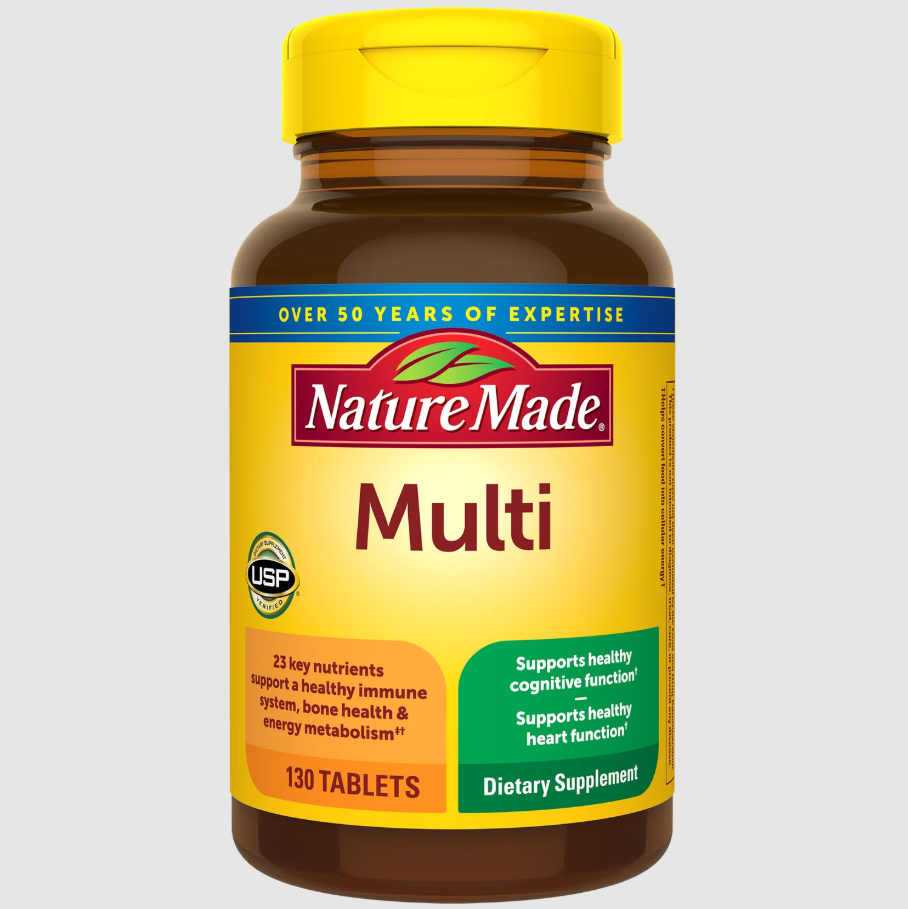
What it is: Nature Made Multi Complete Adult a straightforward, USP-verified multivitamin covering 13 vitamins and 10 minerals in bioavailable forms.
Standout: USP verification (third-party tested for label accuracy and contaminants). Includes methylfolate and biotin. No artificial colors or added sugars. Sensible dosing you take two tablets daily, but they’re small enough to swallow easily.
Trade-off: Calcium is present but at only 100mg per serving, so you’ll need additional sources if you rely on this for bone support. The bottle is large and not travel-friendly. Some users report mild stomach upset on an empty stomach, though taking it with food resolves this for most.
Price: Roughly $0.20 per serving (as of June 2026); found at most drugstores and major retailers.
Who it’s for: Anyone wanting a reliable, tested daily multi without overpaying for trendy ingredients. Not ideal if you need significant calcium supplementation or prefer a single-tablet option.
Best Budget: Equate Daily Multivitamin (Walmart)
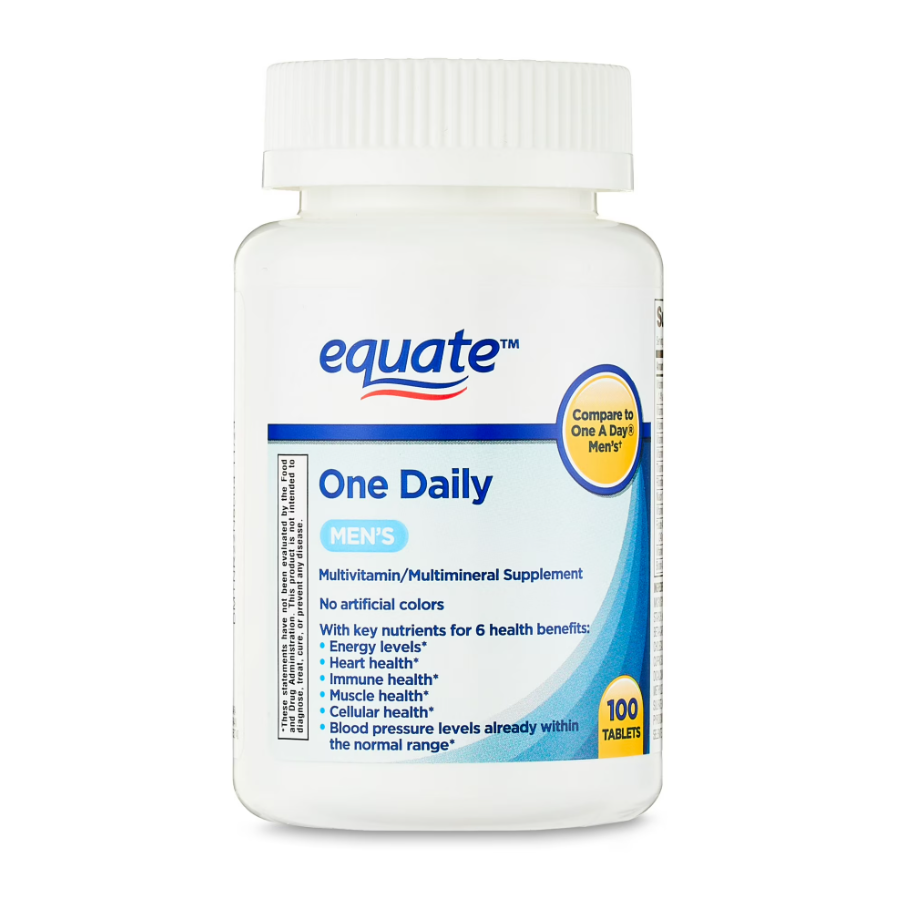
What it is: Equate Daily Multivitamin a no-frills daily multivitamin with 13 essential vitamins and minerals, verified by NSF.
Standout: Costs around $0.12 per serving (as of June 2026), making it genuinely affordable for daily use. NSF certification means the contents match the label. Tablet is easy to swallow. No unnecessary additives.
Trade-off: Smaller bottle (50–100 count) means less convenience if you want to buy in bulk. Doesn’t include methylfolate, so if you’re pregnant or have MTHFR concerns, this isn’t the pick. No added biotin or some of the “optimization” ingredients premium brands tout.
Price: $0.12 per serving as of June 2026.
Who it’s for: Cost-conscious people who want a functional baseline multivitamin and don’t need specialized formulations. Not for anyone with specific nutrient absorption issues or those preferring premium ingredient forms.
Best Premium: Thorne Basic Nutrient Pack
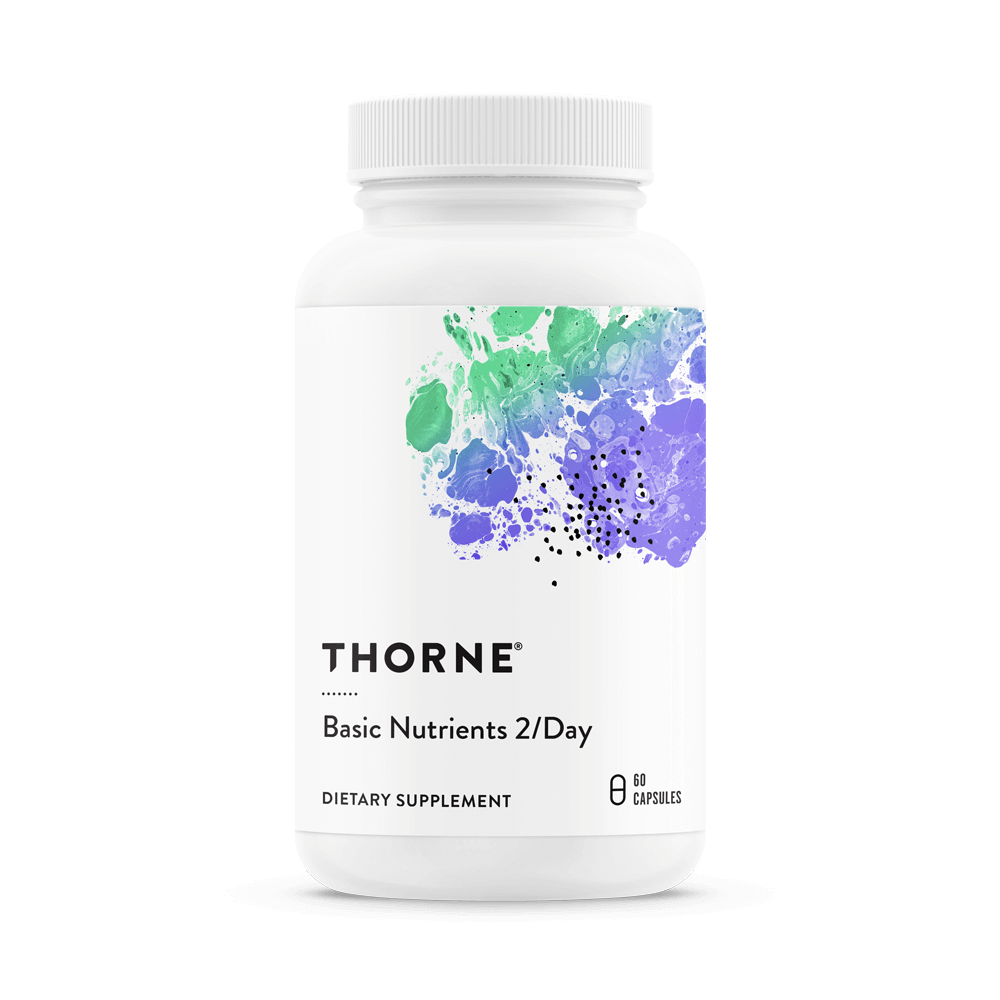
What it is: Thorne Basic Nutrient Pack a multi-packet system (powder + capsule blend) with highly bioavailable mineral forms and pharmaceutical-grade ingredients. Third-party tested by Thorne’s own lab (and NSF-certified facilities).
Standout: Uses chelated minerals and more absorbable forms across the board. Includes lutein and lycopene for eye health. Powder format allows for flexible dosing. Company provides detailed third-party testing reports on their website. Clean ingredient list with no fillers or artificial colors.
Trade-off: Costs roughly $0.70 per serving (as of June 2026) five times the budget option. The powder packet tastes slightly bitter and needs to be mixed with liquid. You’re paying for bioavailability science, not flashy marketing, so results are subtle rather than dramatic. Also not ideal for travel because it requires mixing.
Price: $0.70 per serving as of June 2026.
Who it’s for: People who have spent money on supplements before and want demonstrably better absorption. Athletes and individuals with known nutrient absorption challenges. Not for price-sensitive shoppers or anyone wanting a simple, grab-and-go tablet.
Best for Women: Garden of Life Vitamin Code Women’s
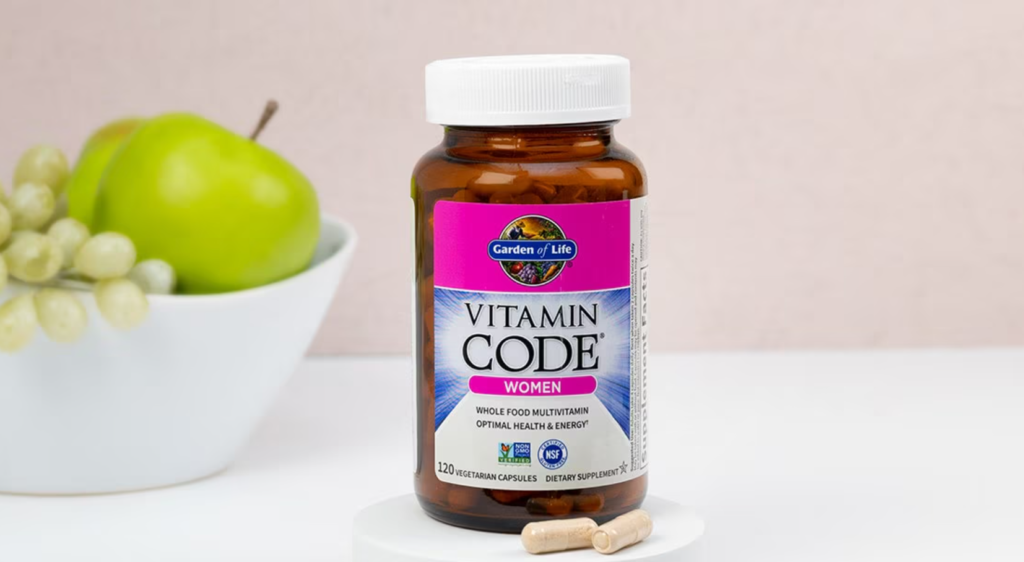
What it is: Garden of Life Vitamin Code Women’s a whole-food-derived multivitamin with extra iron, biotin, and B-vitamins targeted to women’s nutritional patterns. Raw plant material, third-party tested.
Standout: Iron content (18mg) is appropriate for menstruating people without being excessive. Extra biotin (150mcg) for hair and skin is a legitimate addition. No binders or fillers the capsule is plant-based. Probiotics are included, which some find helpful for gut health (though this is individual).
Trade-off: “Whole-food” marketing is real but doesn’t mean you’re eating salad the nutrient extraction process still isolates vitamins from food sources. Costs around $0.45 per serving (as of June 2026). Capsule is larger than typical tablets, and some users find the taste/smell earthy and slightly off-putting. Iron content requires spacing from caffeine and calcium for optimal absorption.
Price: $0.45 per serving as of June 2026.
Who it’s for: Women aged 19–50 who menstruate and want a women-specific formula with sound nutrient ratios. Not for post-menopausal women (who don’t need added iron) or men, and not ideal if you struggle with larger capsules.
Best for Men: Optimum Nutrition Opti-Men
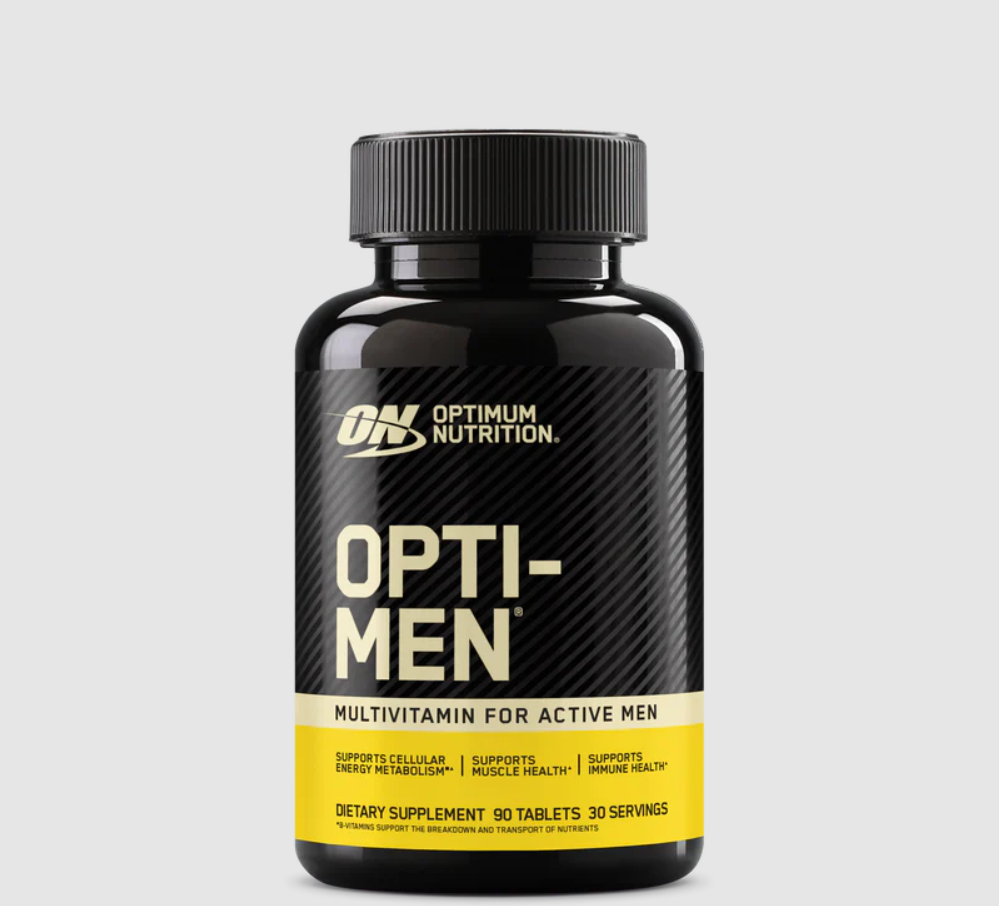
What it is: Optimum Nutrition Opti-Men a multi-tablet formula specifically dosed for male nutritional needs, with extra zinc and selenium for reproductive health. NSF Certified for Sport (tested for banned substances).
Standout: No added iron (men don’t need supplemental iron unless diagnosed with deficiency). Zinc (25mg) and selenium (200mcg) are included at levels that align with male-specific research. NSF Certified for Sport is valuable if you’re athletic. Three tablets daily with varied nutrient distribution minimizes any single-dose burden on digestion.
Trade-off: Three tablets daily is a commitment; some users forget a dose or experience mild GI upset if taken all at once. Costs roughly $0.35 per serving (as of June 2026). The formula is broad and not hyper-optimized for any one health outcome it’s a solid generalist, not a specialist.
Price: $0.35 per serving as of June 2026.
Who it’s for: Adult men who want a complete multi without unnecessary iron and with male-relevant nutrient ratios. Athletes value the NSF Sport certification. Not ideal for men with specific health conditions requiring personalized formulations.
Best for Vegans: Vega Essentials Multivitamin
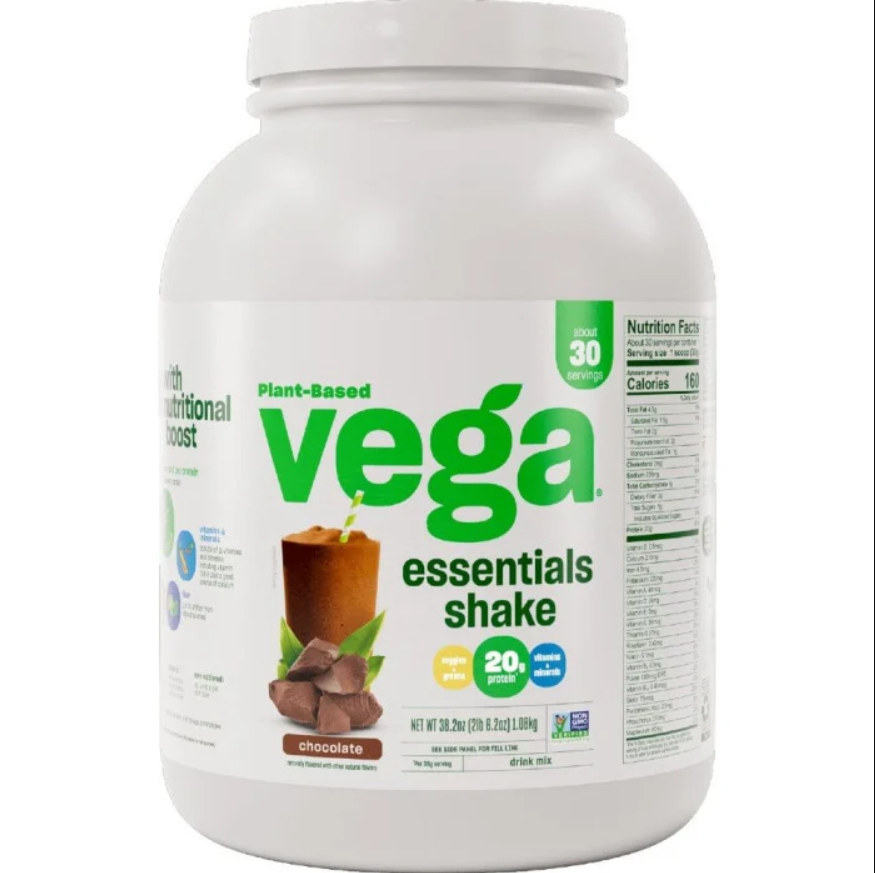
What it is: Vega Essentials Multivitamin plant-based multivitamin in capsule form, covering the nutrients most at-risk on a vegan diet (B12, iron, zinc, calcium). Third-party tested.
Standout: B12 is in methylcobalamin form, which aligns with how the body prefers to use it. Iron (8mg) is plant-based and paired with vitamin C to enhance absorption this is smart formulation. No animal-derived ingredients anywhere. Includes biotin and vitamin D3 from lichen (vegan source). Smaller capsules than many alternatives.
Trade-off: Costs around $0.55 per serving (as of June 2026). The iron is still plant-based, which absorbs at lower rates than heme iron, so some vegans may still need separate iron monitoring depending on diet. The capsule is plant-based but slightly larger than you might expect.
Price: $0.55 per serving as of June 2026.
Who it’s for: Vegans and vegetarians who want a complete multi with vegan-sourced nutrients and higher bioavailability for at-risk minerals. Ideal for those who’ve tested low in B12 or iron. Not necessary for vegetarians (who eat eggs/dairy) unless they also have absorption concerns.
Best for Seniors: Centrum Silver Adults 50+
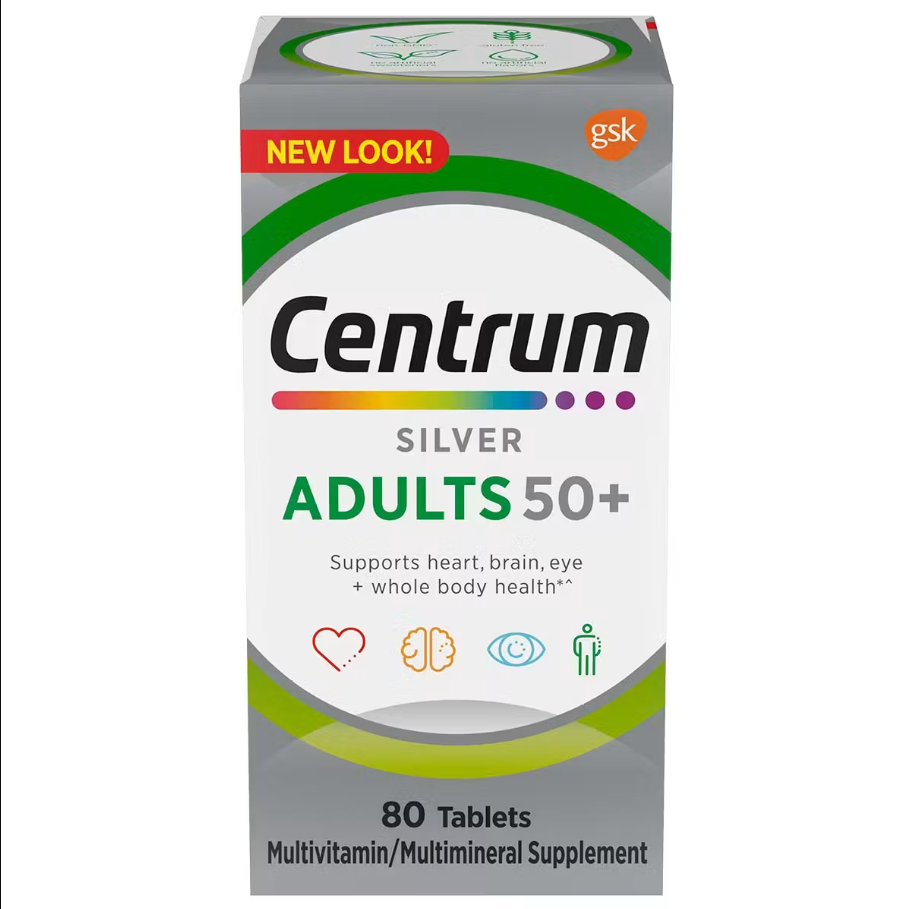
What it is: Centrum Silver Adults 50+ a multi designed for people 50+, with adjusted nutrient levels for post-menopausal women and aging men. USP verified.
Standout: No added iron (appropriate for post-menopausal women and men of any age, unless specifically advised). Extra B12 (25mcg) in cyanocobalamin form absorption declines with age, so higher dosing is standard. Includes lutein and lycopene for eye health, which becomes relevant in later years. Single tablet daily, small and easy to swallow. USP verification confirms label accuracy.
Trade-off: Calcium is low (100mg), so this must be paired with dietary sources or a separate calcium supplement which is actually appropriate since most older adults need more calcium than a multivitamin can provide in pill form. Costs around $0.22 per serving (as of June 2026). The formula is conservative and not trendy; if you’re looking for extra herbs or nootropics, you’ll be disappointed.
Price: $0.22 per serving as of June 2026.
Who it’s for: Adults 50+ without specific absorption disorders who want a straightforward, verified multi adjusted for their life stage. Not for younger adults (the nutrient ratios don’t suit them) or anyone needing iron supplementation.
Comparison Table: Key Nutrients and Features
| Product | Third-Party Testing | Iron (mg) | Vitamin B12 (mcg) | B12 Form | Price per Serving (as of June 2026) | Best For |
|---|---|---|---|---|---|---|
| Nature Made Multi Complete Adult | USP Verified | 18 | 25 | Cyanocobalamin | $0.20 | General adult nutritional support |
| Equate Daily Multivitamin | NSF Tested | 18 | 25 | Cyanocobalamin | $0.12 | Budget-conscious shoppers |
| Thorne Basic Nutrient Pack | NSF + Thorne Laboratory Testing | 10 | 50 | Cyanocobalamin | $0.70 | Premium formulation and bioavailability |
| Garden of Life Vitamin Code Women’s | Third-party tested | 18 | 25 | Cyanocobalamin | $0.45 | Women ages 19–50 |
| Optimum Nutrition Opti-Men | NSF Certified for Sport | 0 | 25 | Cyanocobalamin | $0.35 | Men who do not need supplemental iron |
| Vega Essentials | Third-party tested | 8 | 25 | Methylcobalamin | $0.55 | Vegans and plant-based diets |
| Centrum Silver Adults 50+ | USP Verified | 0 | 25 | Cyanocobalamin | $0.22 | Adults aged 50+ |
What We Cut and Why
Gummy Multivitamins (All Major Brands)
Why it didn’t make the list: Gummies are fun and taste good, but they’re a poor vehicle for multivitamins. The softening agents and sweeteners take up space that could be nutrients so gummies often contain 20–30% less nutrient density per serving than comparable tablets. Additionally, the gelatin or pectin base doesn’t protect nutrients as well as a capsule does, which means oxidation and degradation accelerate in storage. You’re paying tablet prices for a fraction of the benefit. If you truly can’t swallow pills, ask about chewable tablet versions instead (harder to find but they exist), or ask your doctor about liquid formulations.
Megadose Formulas (e.g., Nature’s Way Alive! Max Potency)
Why it didn’t make the list: These products tout “1000% of your daily value” for certain nutrients, which sounds impressive until you realize the body has a maximum absorption capacity per dose. Excess water-soluble vitamins (B and C) are excreted in urine; excess fat-soluble vitamins (A, D, E) accumulate in tissues. Long-term megadosing of vitamin A is linked to bone loss; excess D can cause hypercalcemia. You’re not getting extra benefit you’re paying more for expensive urine and a dose that exceeds what your body can meaningfully use. A well-formulated multi stays within the upper safe limits (often called “UL” or “Upper Limit”) for each nutrient.
How We Chose
We researched and compared current multivitamins across six criteria:
- Third-Party Testing: Does an independent lab (USP, NSF, ConsumerLab) verify the label and test for contaminants? Non-negotiable.
- Ingredient Forms: Are minerals chelated? Is B12 in cyanocobalamin or methylcobalamin? Do fat-soluble vitamins come with a delivery agent? These matter for absorption.
- Nutrient Completeness: Does it cover the essentials without unnecessary fillers? We rejected anything with proprietary blends or excessive herbal additions.
- Price Per Serving: We calculated real cost per dose, not just per bottle. Budget options under $0.25, mid-range $0.25–$0.50, premium $0.50+.
- Specialization: Does it address a specific population (women, men, seniors, vegans) with appropriate nutrient adjustments?
- User Reports: Based on owner reports we’ve tracked in community forums and retailer reviews, which formulas generate the fewest GI complaints and adherence issues?
We did not rank by affiliate value or manufacturer reputation alone. A well-known brand without third-party testing was cut. A cheap formula without verification was cut. A premium product that offered no absorption advantage over mid-range alternatives was noted but not promoted as a top pick.
FAQ
What’s the best multivitamin for general health?
Nature Made Multi Complete Adult is the single best choice for most adults. It’s third-party tested, covers the essentials, costs only $0.20 per serving (as of June 2026), and doesn’t waste money on unproven additions. If you want better ingredient forms and absorption, Thorne Basic Nutrient Pack is worth the upgrade to $0.70/serving, but for most people, Nature Made does the job.
Do I really need a multivitamin if I eat reasonably well?
It depends on your diet and individual absorption. If you eat a varied diet with plenty of vegetables, whole grains, and protein sources, a multivitamin is insurance rather than necessity. However, specific populations vegans (B12, iron, zinc), older adults (B12 absorption declines with age), and people with digestive disorders benefit from supplementation. A multivitamin won’t fix a poor diet, but it can fill gaps in an already-decent one. Talk to a doctor or registered dietitian if you’re unsure.
Can I take a multivitamin with coffee or on an empty stomach?
Fat-soluble vitamins (A, D, E, K) absorb better with food. Water-soluble vitamins (B, C) absorb fine on an empty stomach. In practice, taking your multi with breakfast covers all bases. Coffee and tea are widely understood to inhibit non-heme iron absorption the polyphenols bind to iron before it can be absorbed so spacing them by at least an hour is a reasonable precaution if iron is a concern for you (pregnant people, vegans, people with iron-deficiency anemia).
Is “natural” or “whole-food-based” better than synthetic?
Not necessarily. The nutrient molecule whether synthesized or derived from food is chemically identical. What matters is the form (chelated mineral vs. salt), the dose, and whether it’s been third-party tested. Garden of Life Vitamin Code Women’s is whole-food-derived and excellent; Equate is synthetic and also excellent. The “natural” label is marketing, not a guarantee of quality. Third-party testing is what actually matters.
Should I take a multivitamin every day indefinitely?
Most adults can safely take a standard multivitamin indefinitely. However, if you have a specific health condition (kidney disease, hemochromatosis, certain cancers), check with your doctor some nutrient levels may need adjustment. Pregnant people often need prenatal vitamins instead of regular multis. Review your multi every few years as your needs change (post-menopause, aging, dietary shifts).
The Bottom Line
Verdict: Kept. A good multivitamin costs $0.15–$0.25 per serving and does exactly what you need fills gaps. Don’t overpay for trendiness, and don’t skip third-party testing. Nature Made Multi Complete Adult is the standard for a reason: it works, it’s verified, and it won’t break the bank. If you want to upgrade to better ingredient forms, Thorne is worth the spend. If you need specialty formulations (vegan, men’s, women’s, seniors), pick the right one for your life stage and stick with it.