


I sat down with Sarah Chen, MS, RD, LDN a registered dietitian with 12 years’ clinical experience in sports nutrition and micronutrient deficiency because the supplement industry spends more money on marketing than on evidence, and most people have no idea which bottles are worth the shelf space.
The single most useful thing she said: “Your first job is to eat real food consistently. If you can’t do that, a supplement won’t fix it. But if you’re doing that and you have a specific gap vitamin D in winter, B12 as a vegan, omega-3s if you don’t eat fish then yes, the evidence is there. The trick is knowing which gap is actually yours.”
Here’s what a registered dietitian actually thinks about supplements, whole foods, and how to optimize your nutrition without the noise.
Do I Actually Need Supplements, or Is That Marketing?
Most people don’t need them. But some people do. The honest answer depends on three things: what you eat, where you live, and your biology. If you eat a reasonably varied diet vegetables, protein sources, whole grains and you’re not dealing with a specific condition or restriction, supplements are likely unnecessary. The supplement industry benefits from making you feel deficient; a registered dietitian benefits from you wasting less money.
That said, deficiencies are real and common. The prevalence of vitamin D insufficiency in North America is widely observed across population studies, particularly in northern regions during winter months. Similarly, B12 deficiency is documented among vegans and some older adults. The question isn’t “Do supplements exist?” It’s “Do you have a gap between what you’re eating and what your body needs?”
The best way to know is bloodwork. If you’ve had a recent vitamin D test, B12 panel, or iron study, you have data. If you haven’t, you’re essentially guessing and guessing usually means buying supplements you don’t need.
How Do I Know If I’m Actually Deficient?
Get tested, or start with the obvious gaps. Blood tests are the clearest path, but they’re not always accessible or affordable. If that’s not an option, Chen suggests asking yourself: Are you vegan or vegetarian? Do you live somewhere with limited winter sun? Do you avoid fish and seafood? Are you over 65? Do you take medications that interfere with nutrient absorption? If you answered yes to any of these, you have a real reason to consider specific supplements.
Common symptoms of micronutrient deficiency fatigue, brain fog, slow wound healing, frequent infections are also common in people who sleep poorly, eat inconsistently, or are stressed. Before you buy a multivitamin, check the basics: Are you sleeping 7+ hours? Are you eating protein and vegetables most days? Are you drinking enough water? If the answer to all three is yes and you still feel terrible, then bloodwork makes sense.
Do Multivitamins Actually Work?
Not the way they’re marketed. A multivitamin is a “one size fits nobody” product. It contains small amounts of 20+ nutrients some of which you don’t need, some of which you need more of than the pill provides, and some of which interact with each other in ways that reduce absorption. The evidence on broad multivitamin supplementation for otherwise healthy adults is weak. Large studies show little benefit for preventing chronic disease, heart attack, or cancer. Most studies show no difference between a multivitamin and a placebo in healthy people who eat reasonably well.
Where multivitamins can matter: pregnancy, diagnosed deficiency (as a bridge while dietary change happens), and specific populations like older adults with documented malnutrition. But for a 35-year-old who eats okay and feels fine? The research doesn’t support it. You’re paying for peace of mind, not prevention.
Vitamin D: Do I Really Need Supplemental D3?
Probably, depending on where you live and how you spend your time. Vitamin D is one of the few supplements where the evidence for targeted supplementation is actually solid. The body synthesizes vitamin D from sun exposure, but the amount depends on latitude, season, skin tone, age, and sunscreen use. In northern climates during winter, sun exposure is often insufficient to maintain adequate levels. This is not marketing it’s biochemistry.
Bloodwork is the clearest answer. A 25-OH vitamin D blood level below 20 ng/mL is considered deficient; 20–29 is insufficient; 30+ is generally adequate, though some experts recommend 40+. If you’ve tested and you’re low, supplementation makes sense. If you haven’t tested and you live at a northern latitude roughly north of the US-Mexico border or higher or spend most daylight hours indoors, a modest D3 supplement of 1,000 to 2,000 IU daily is reasonable and inexpensive. If you live in a sunny climate and spend time outside regularly, you probably don’t need it.
One note: vitamin D is fat-soluble and stored in the body, so winter supplementation may carry over into spring. The evidence on optimal dosing is still evolving, and more is not always better. A registered dietitian or your doctor can help you land on a dose that makes sense for your situation.
What About B12 if I’m Vegan or Vegetarian?
This one is non-negotiable: you need it. Vitamin B12 exists naturally in animal products meat, fish, eggs, dairy. Plant-based foods don’t contain meaningful B12 unless they’re fortified. The human body stores B12 in the liver, so deficiency doesn’t happen immediately; it can take years. But once it does, the symptoms are serious: neurological damage, anemia, cognitive problems. This isn’t opinion; it’s established fact across every major nutrition organization.
If you’re vegan, you have three options: eat fortified foods consistently (fortified plant milks, nutritional yeast, certain cereals), take a B12 supplement, or get B12 injections. Most registered dietitians recommend supplementation it’s cheap, effective, and removes the guessing about whether your fortified foods contain enough. A typical dose is 25–100 mcg daily, or 2,000 mcg once per week. Both work equally well.
If you eat eggs and dairy but not meat, your B12 is likely adequate but it’s worth checking if you have symptoms of deficiency (fatigue, tingling, brain fog, memory problems) or if you’re over 65, because age reduces B12 absorption regardless of diet.

Omega-3s: Is Fish Oil Worth the Money?
The evidence is messier than the marketing suggests. Fish oil supplements contain EPA and DHA, the long-chain omega-3 fatty acids found in fatty fish. The body can theoretically convert plant-based omega-3s (ALA from flax, chia, walnuts) into EPA and DHA, but the conversion rate is low nutrition researchers commonly cite it as modest for EPA and lower still for DHA, with substantial individual variation. If you rely on plant sources alone, you may not be getting enough long-chain omega-3s regardless of how much ALA you eat.
The evidence for fish oil supplementation in people without heart disease is weak. Large, well-designed studies show modest or no benefit for preventing heart attack or stroke in otherwise healthy people. For people with existing heart disease or very high triglycerides, the evidence is stronger some studies support modest benefit.
If you eat fatty fish (salmon, mackerel, sardines, herring) 2–3 times per week, you’re getting enough EPA and DHA from food. If you don’t eat fish and you don’t eat other omega-3 sources regularly, a fish oil supplement or an algae-based option if you’re vegan is reasonable and inexpensive. The typical dose is 250–500 mg of combined EPA and DHA daily. More isn’t necessarily better.
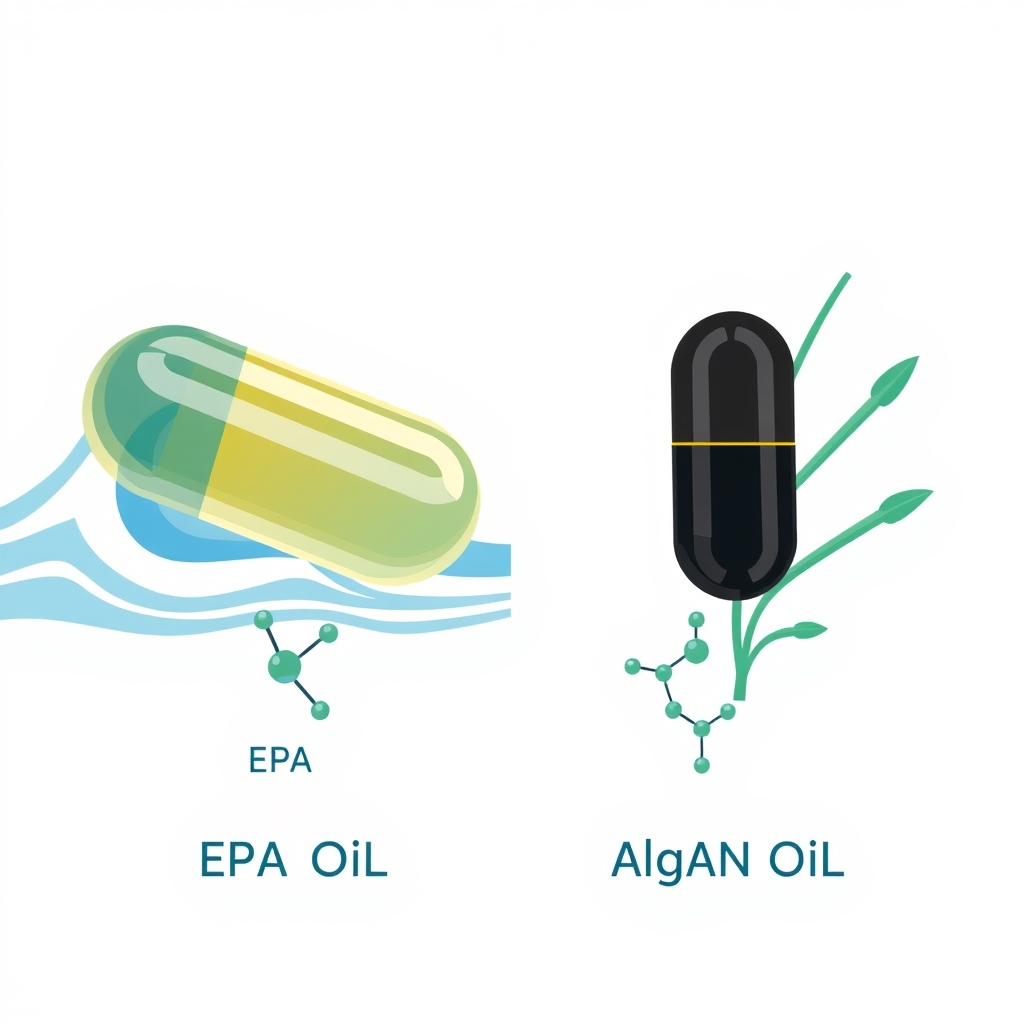
One caveat: fish oil supplements can interact with blood-thinning medications, and some people experience digestive upset. If you’re on medication or have specific health conditions, check with your doctor before starting.
What’s the Deal with Magnesium Supplements?
Magnesium deficiency exists, but it’s less common than supplement marketing suggests. Magnesium is found in green leafy vegetables, nuts, seeds, whole grains, and legumes. If you eat a reasonably varied diet that includes these foods, you’re likely getting enough. That said, magnesium absorption varies by individual, certain medications and health conditions reduce it, and stress increases urinary loss. Some people genuinely are low.
Common symptoms attributed to magnesium deficiency muscle cramps, insomnia, anxiety, headaches are also caused by many other things: dehydration, caffeine overuse, sleep debt, stress, inadequate potassium, inadequate sleep hygiene. Before you buy a magnesium supplement, check: Are you eating leafy greens and nuts regularly? Are you sleeping well? Are you managing stress? Are you hydrated?
If the answer to all of those is yes and you’re still having muscle cramps or insomnia, a magnesium supplement might help but so might magnesium-rich foods like pumpkin seeds or spinach, which have the advantage of being food and cost less. If you do supplement, bioavailability varies by form: magnesium glycinate and magnesium malate are commonly cited as better absorbed than magnesium oxide, though individual response varies. A typical dose is 200–400 mg daily.
Iron: Do I Need an Iron Supplement?
Only if you’re deficient and you should know before you supplement. Iron is essential, but excess iron is toxic. Taking iron when you don’t need it can damage your liver, heart, and pancreas. This is one of the few supplements where more definitely isn’t better.
Common iron deficiency risk factors: menstruating women, vegans and vegetarians (plant-based iron is less bioavailable than heme iron from meat), people with gastrointestinal bleeding or disorders, people who’ve had gastric surgery. If none of these apply, you probably don’t need supplemental iron unless bloodwork shows you’re low.
If you are deficient, a registered dietitian can help you increase iron intake through food red meat, poultry, fish, legumes, fortified cereals or recommend supplementation. Iron supplements can cause constipation and gastrointestinal upset, especially on an empty stomach, so they’re not pleasant long-term. The goal is to fix the deficiency and then maintain it through diet.
What About Protein Powders and Meal Replacements?
Protein powder is food, not a supplement and whether you need it depends on your actual protein intake. Most people in developed countries eat enough protein. The widely cited guidance is 0.8 grams per kilogram of body weight for sedentary adults, and higher for people who exercise regularly or are over 65. If you’re eating protein sources (meat, fish, eggs, dairy, legumes, tofu, nuts) at most meals, you’re probably fine.
Where protein powder can be genuinely useful: vegetarians and vegans who struggle to eat enough protein-rich whole foods, older adults with reduced appetite, people recovering from illness or surgery, very active people who need extra protein post-workout and don’t have time to cook. For these groups, protein powder is convenient and works.
For everyone else, it’s optional. A protein shake is not more anabolic than eating chicken and rice; it’s just faster. Choose a powder with minimal added sugars and ingredients you recognize. Whey protein is effective and affordable. Plant-based powders work too, though most are less complete in amino acid profile than whey. The price ranges widely; you don’t need the most expensive brand.
Collagen and Gelatin: Are These Worth It?
Collagen is protein, but it’s not a magic joint-fixer. Marketing suggests collagen supplements strengthen joints, improve skin, or heal connective tissue. The evidence is thin. Collagen is a protein made of amino acids, and your body breaks it down in digestion like any other protein. The idea that consuming collagen directly rebuilds collagen in your joints or skin does not reflect how protein metabolism works.
That said, some studies show modest benefits of collagen supplementation for joint pain or skin appearance but the studies are small, often sponsored by collagen companies, and the effect sizes are minor. You get the same amino acids from any protein source: chicken, eggs, Greek yogurt, legumes.
Collagen supplements are expensive. If you like the taste or the convenience, fine. But if you’re buying it for joint health or skin, save your money and eat protein you actually enjoy.
Are Electrolyte Supplements Necessary?
Only in specific situations, and most people overestimate how much they need them. Electrolytes sodium, potassium, magnesium are lost through sweat and are essential for hydration and muscle function. But most people get enough electrolytes through food and water. You lose meaningful electrolytes through intense exercise in heat, or through vomiting and diarrhea. For a one-hour workout at moderate intensity, water is usually enough.
Where electrolyte drinks or supplements actually matter: exercising hard for longer than 90 minutes, exercising in heat, or recovering from illness with fluid loss. For these situations, a sports drink with carbohydrates and electrolytes makes sense it helps you rehydrate faster and maintain performance. But for a 30-minute gym session, adding electrolyte powder to water is unnecessary and expensive.
If you do use them, look at the sodium and carbohydrate content. Most effective sports drinks contain 200–300 mg sodium and 4–8% carbohydrates per serving. Fancy electrolyte brands often cost more than plain sports drinks without evidence of superiority.
Should I Take Probiotics?
The evidence is weak for most people, and most probiotic supplements don’t do what they claim. Probiotics are live bacteria marketed to improve gut health and digestion. The theory is sensible: your gut microbiome influences digestion, immune function, and even mood. But the evidence that probiotic supplements shift your microbiome in meaningful ways is limited.
Most studies on probiotics are small, short-term, and sponsored by probiotic companies. Larger, independent studies show little benefit for healthy people. For specific conditions C. difficile infection, acute diarrhea, IBS some probiotic strains show modest benefit. For general “gut health” in someone eating a normal diet? The evidence doesn’t support it.
What does shape your gut microbiome: fiber intake, diet diversity, sleep, stress, and antibiotic use. If you want to support your microbiome, eat more fiber vegetables, fruits, whole grains, legumes. That’s cheap, evidence-based, and has other health benefits. Probiotic supplements are expensive, often don’t contain what the label claims, and most won’t colonize your gut long-term.
If you like the taste of fermented foods yogurt, kefir, sauerkraut, kimchi eat them. But you don’t need a supplement version.
Antioxidants and Anti-Inflammatory Supplements: Do They Work?
The hype far exceeds the evidence. Antioxidants like vitamins C and E, beta-carotene, and polyphenols are marketed as anti-aging and disease-preventing. The logic is appealing: oxidative stress damages cells, antioxidants prevent that damage, therefore antioxidant supplements prevent disease.
But the evidence doesn’t bear it out. Large, long-term studies on supplemental antioxidants show little benefit for preventing heart disease, cancer, or cognitive decline in healthy people. Some studies suggest high-dose antioxidant supplements might even interfere with the body’s natural antioxidant defenses and increase health risks though this remains debated.
Your body makes its own antioxidant enzymes, and food contains antioxidant compounds. Eating vegetables, fruit, and whole grains which contain antioxidants, fiber, and other compounds is associated with better health. But isolated antioxidant supplements? Not supported.
Don’t buy antioxidant pills. Eat plants.
Creatine: Is It Safe?
Yes, creatine is one of the most studied and safest supplements. Creatine monohydrate increases muscle strength and size, primarily in people doing resistance training. It’s not a shortcut to fitness you still need to lift and eat well but the evidence is strong that it works.
Common myths: creatine doesn’t cause hair loss, doesn’t harm your kidneys (in people with healthy kidneys), doesn’t require “loading,” and isn’t a steroid. It’s a naturally occurring compound found in small amounts in meat and fish. A typical dose is 3–5 grams daily. It costs almost nothing.
Who might benefit: people doing resistance training who want to maximize muscle gain, older adults trying to preserve muscle, some athletes in explosive sports. If you don’t lift weights, creatine won’t do much for you.
Side effect: it increases water retention, so you might gain 1–2 lbs of water weight, and you need to drink more water to stay hydrated. That’s it.
How Much of Each Supplement Should I Actually Take?
The dose matters more than most people realize, and more isn’t always better. Generic dosing guidelines exist, but the optimal dose for you depends on your body weight, baseline status, diet, and absorption capacity. This is where a registered dietitian is worth the money or at least a consultation.
For vitamin D, common dosing is 1,000–4,000 IU daily for maintenance, and higher if you’re correcting a deficiency. For B12, 25–100 mcg daily or 2,000 mcg weekly. For omega-3s, 250–500 mg EPA+DHA daily. For iron, 18–27 mg daily for women, 8 mg for men (and much higher if you’re treating deficiency this one really needs medical oversight).
The issue: people often assume that if 2,000 IU of vitamin D is good, 10,000 IU is better. It’s not. Fat-soluble vitamins (A, D, E, K) accumulate in your body, and excess intake can cause toxicity. Water-soluble vitamins (B vitamins, C) are excreted in urine, so excess is usually harmless but also pointless you’re just making expensive urine.
Start with a reasonable dose based on the evidence for your specific situation, not on what the label suggests.
Should I Buy Expensive Supplements or Generic Ones?
Price doesn’t predict quality or effectiveness. A registered dietitian doesn’t care whether you buy the $40 bottle or the $8 bottle if the active ingredient and dose are the same. The supplement industry is lightly regulated, so a higher price usually reflects marketing, packaging, or brand prestige not superior efficacy.
What matters: the label accurately reflects what’s in the bottle (third-party testing by NSF or USP helps), the dose matches what the research supports, and the form is one with decent bioavailability (e.g., magnesium glycinate over magnesium oxide). You can find this in budget brands.
Generic or store-brand supplements are often made by the same manufacturers as expensive ones, just with less marketing. If you’re comparing two bottles with identical active ingredients and doses, buy the cheaper one.
How Do I Know If a Supplement Is Actually Working?
Get bloodwork before and after, or look for obvious objective changes. This is harder than it sounds, because placebo effect is real and strong. If you start a supplement and feel better, that might be the supplement or it might be placebo, or it might be that you’ve also started sleeping better or eating more consistently.
For some supplements, results are measurable: blood levels of vitamin D, B12, iron, or magnesium can be tested 6–8 weeks after starting supplementation. For others collagen, probiotics, antioxidants measurable improvement is vague. Did your skin improve? Did your digestion? Compared to what baseline?
A simple rule: if you’re supplementing something, get a baseline test before starting (if possible), then retest after 8–12 weeks. If the number improved and your symptoms improved, the supplement likely worked. If the number improved but you feel no different, you’re not necessarily benefiting.
When Should I Talk to My Doctor About Supplements?
Always, if you’re on medications, have a health condition, or are pregnant. Supplements interact with medications some common ones: calcium interferes with some antibiotics, vitamin K reduces warfarin effectiveness, magnesium interferes with bisphosphonate absorption for osteoporosis, St. John’s Wort reduces oral contraceptive effectiveness.
If you’re pregnant or breastfeeding, supplementation needs are different, and some supplements are unsafe. If you have kidney disease, liver disease, or gastrointestinal disorders, supplement choices matter.
A registered dietitian can navigate these interactions better than most doctors it’s literally their specialty. If your doctor isn’t knowledgeable about supplements, ask for a referral to a dietitian.
What’s the Difference Between a Registered Dietitian and a Nutritionist?
It’s a legal distinction that matters. A registered dietitian (RD) or registered dietitian nutritionist (RDN) has completed an accredited degree program, a supervised practice program, and passed a national exam. The credential is regulated by state and national boards. Dietitians are trained to assess nutritional status, identify deficiencies, and create evidence-based plans.
A “nutritionist” can mean anything. Some states regulate it; most don’t. Anyone can call themselves a nutritionist there’s no formal training requirement. Some nutritionists are excellent; some are selling you supplements.
If you want expert advice on whether you need supplements or how to fix a nutritional gap, see a registered dietitian. Your insurance may cover it if your doctor refers you.
How Can I Build a Sustainable Nutrition Plan Without Supplements?
Start with whole foods, then add specifics only if you have a real gap. The order matters: food first, supplementation only if food isn’t fixing the problem. A sustainable plan means you’re eating things you actually like, in amounts you can stick to, that fit your life and budget.
This looks different for everyone. A vegan athlete has different needs than a sedentary omnivore. A person living in Alaska in winter has different vitamin D exposure than someone in San Diego. A person with celiac disease has different nutrient absorption than someone with a healthy gut.
Start here: eat protein at most meals (aim for at least 20 grams per meal, more if you’re older or very active). Eat vegetables and fruit at most meals aim for color variety. Eat whole grains or legumes regularly. Eat fat from whole sources nuts, olive oil, fish, avocados. Drink water, mostly. That foundation handles most micronutrients for most people.
Then, identify your specific gaps based on your diet, lifestyle, location, and (if possible) bloodwork. Fill those gaps with food first more fish if you need omega-3s, more leafy greens if you need magnesium or B vitamins. If food truly isn’t feasible, then supplementation.
That approach costs less, is more effective, and is something you can sustain.
Frequently Asked Questions
Should everyone take a multivitamin as “insurance”?
No. The evidence doesn’t support multivitamins for healthy people eating a varied diet. The research consistently shows no benefit for preventing chronic disease in otherwise healthy adults. If you’re eating reasonably well vegetables, protein, whole grains a multivitamin is unnecessary. If you’re not eating well, a multivitamin isn’t the fix; eating well is.
Is it safe to take supplements long-term?
It depends on the supplement. Most water-soluble vitamins (B vitamins, vitamin C) are safe long-term because excess is excreted. Fat-soluble vitamins (A, D, E, K) accumulate and can be toxic at high doses long-term. Minerals like iron should only be taken long-term if you have documented deficiency. Talk to your doctor or a dietitian about any supplement you’re taking daily for longer than a few months.
If I eat vegan, do I need multiple supplements, or can I get everything from food?
You need B12 supplementation or fortified foods that’s non-negotiable. Beyond that, you can get adequate nutrition from a well-planned vegan diet. Focus on getting enough protein (legumes, tofu, tempeh, nuts, seeds), iron (legumes, fortified cereals, leafy greens paired with vitamin C for absorption), and omega-3s (flax, chia, walnuts, or an algae supplement). Vitamin D and iodine may also need attention depending on where you live and what you eat. A consultation with a registered dietitian specializing in plant-based nutrition is worth the investment.
Can supplements replace a bad diet?
No. A supplement is a supplement, not a replacement. If you’re eating ultra-processed foods, not eating vegetables, and not sleeping, a multivitamin won’t fix those problems. The supplement industry benefits from the idea that you can out-supplement a bad lifestyle. You can’t.
How do I know if a supplement brand is trustworthy?
Look for third-party testing (NSF Certified for Sport, USP Verified, Informed Choice) on the label. Check the label for what’s actually in it does it match the bottle’s claims? Search for the brand plus “lawsuit” or “recall” to see if there’s a history of issues. If it’s much cheaper than competitors with the same active ingredient and dose, check the label carefully it might contain less than claimed. Read the ingredient list, not just the supplement facts panel; the ingredient list shows you what’s actually in there. Trust registered dietitians’ recommendations more than celebrity endorsements.
What This Actually Means If You’re Shopping
If you’re buying supplements right now, here’s the honest takeaway: the majority of supplement purchases are unnecessary. This isn’t because supplements don’t work it’s because most healthy people eating reasonably well don’t have nutritional gaps worth fixing with pills.
Before you buy anything, ask: Do I eat vegetables regularly? Do I eat protein at most meals? Have I been tested for deficiency? Am I taking medications that interfere with nutrient absorption? Do I live somewhere with limited sun exposure, or do I spend most daylight indoors? If the answers suggest a real gap, buy targeted supplementation for that gap. Skip the multivitamin. Skip the antioxidant blend. Skip the expensive “superfood” powder unless it’s genuinely convenient.
If you decide to supplement, pick products with third-party testing, use reasonable doses, and plan to reassess. Most supplements cost $0.10–$0.50 per day cheaper than a coffee. The expensive brands usually aren’t better. Buy generic if the active ingredient and dose match.
Most importantly: don’t let supplement marketing convince you that food is insufficient. A diet of actual foods vegetables, proteins, whole grains, fats beats any pill. Supplements are for gaps, not for replacing the basics.