
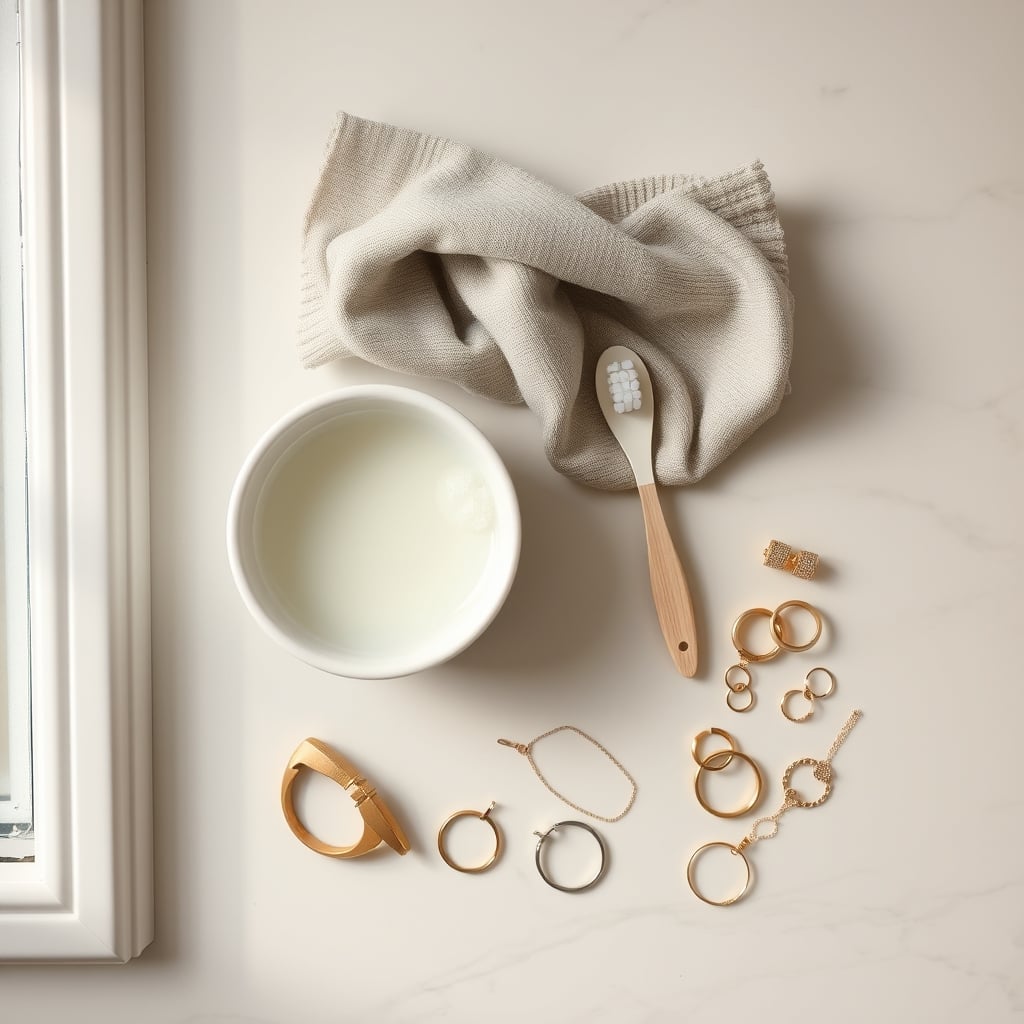
You can safely clean most jewelry at home using warm water, mild soap, and a soft cloth it takes about 15 minutes and costs nearly nothing. The key is matching your cleaning method to the material: gold, silver, diamonds, and gemstones each have different tolerance levels for water, heat, and chemicals. This guide walks you through DIY cleaning techniques that actually work, storage methods that prevent tarnish and scratches, and the red flags that mean it’s time to call a professional jeweler instead.
What You’ll Need to Clean Jewelry at Home
Most home jewelry cleaning requires items you already own:
- Warm (not hot) water
- Mild dish soap (unscented, phosphate-free)
- Soft cloths (microfiber, lint-free cotton, or flannel)
- Soft-bristled toothbrush (optional, for textured pieces)
- Small bowl or cup
- Paper towels
Optional upgrades (not required for basic cleaning):
- Distilled water (eliminates mineral deposits)
- Jewelry cleaning solution formulated for your metal type
- Jeweler’s polishing cloth with built-in cleaning agent
- Ultrasonic cleaner (only safe for certain materials see caveats below)
Do NOT use: harsh chemicals (bleach, ammonia, acetone), abrasive scrubbers, toothpaste, baking soda on delicate stones, or boiling water on any jewelry.
How to Clean Gold Jewelry: The Basic Method
Step 1: Fill a bowl with warm water and add one drop of mild dish soap.
Use water warm enough to be comfortable on your wrist not hot. Too much heat can loosen stones or crack certain gemstones. One drop of soap is enough; excess soap is hard to rinse and leaves residue.
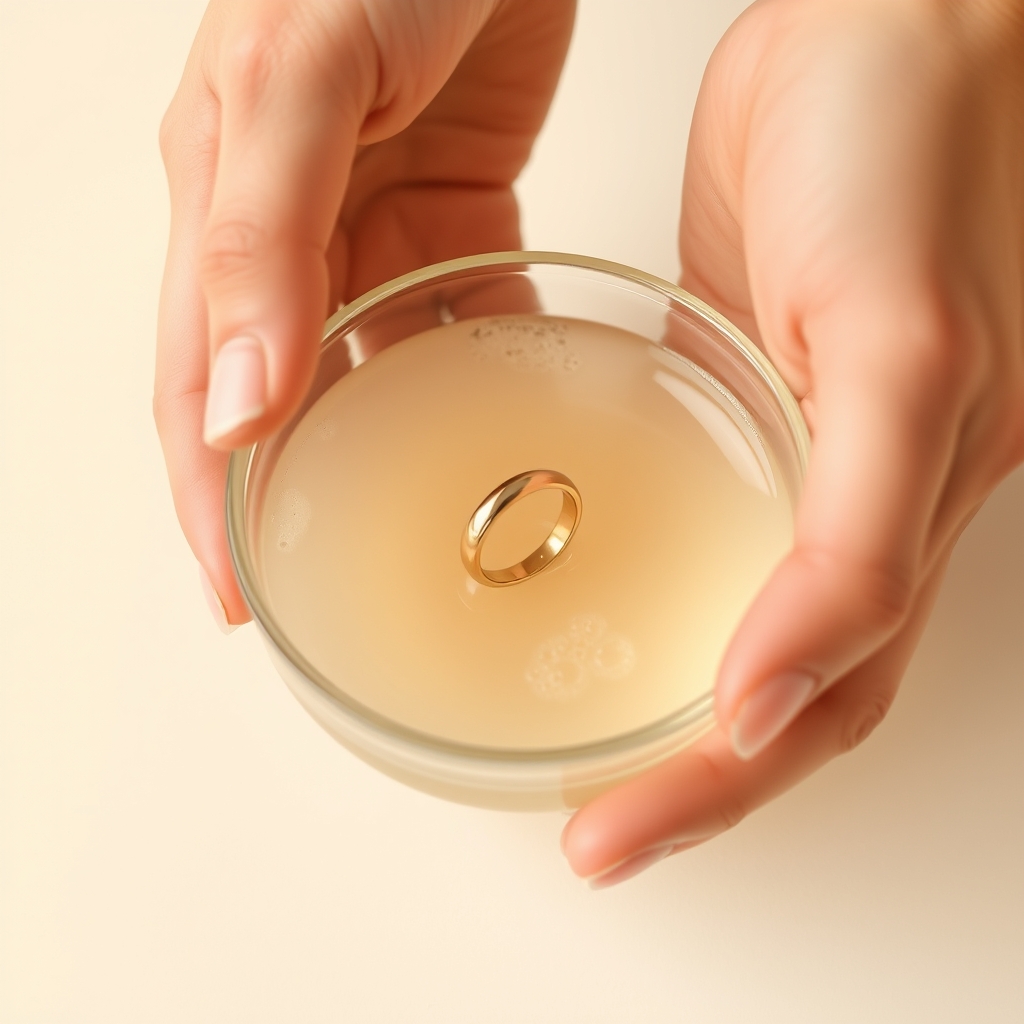
Step 2: Submerge the gold piece for 5–10 minutes.
This soaking loosens dirt and oils without scrubbing. If the piece is particularly dirty, let it sit a bit longer. Do not soak delicate gemstones (pearls, opals, emeralds) for more than 2–3 minutes.
Step 3: Gently rub the gold with a soft cloth while submerged.
Use your fingertip or a microfiber cloth to wipe away loosened grime. Pay special attention to crevices, settings, and textured areas where dirt hides. Gentle circular motions work better than scrubbing.
Step 4: Use a soft-bristled toothbrush on detailed areas (optional).
If the piece has engravings, filigree, or decorative edges, a soft toothbrush can clean into grooves. Use very light pressure you’re brushing away soap residue and loose particles, not scrubbing.
Step 5: Rinse thoroughly under cool running water.
Rinse for at least 30 seconds to remove all soap. Any remaining soap will dull the finish and may trap moisture near stones.
Step 6: Pat dry immediately with a lint-free cloth.
Water spots form if you let the piece air-dry. Dry the top surface and the back, and use the edge of your cloth to absorb moisture around settings and tight seams where water can hide.
Step 7: Buff with a soft cloth to restore shine (optional).
Once fully dry, a light buffing with a clean microfiber or jeweler’s polishing cloth brings back the luster. A jeweler’s cloth often has a built-in mild polishing agent that requires no extra products.
Pro tip: Gold plating is durable but thin. Frequent aggressive polishing can wear it away. For plated gold, skip the buff step and just pat it dry.
How to Clean Silver Jewelry Safely
Silver tarnishes faster than gold because it oxidizes when exposed to air and moisture. The same gentle soak method works, but the aftermath is different.
Step 1: Prepare the same warm soapy water (one drop of mild dish soap in warm water).
Step 2: Soak the silver piece for 5–10 minutes.
If tarnish is heavy, soak it longer up to 15 minutes. The soak softens tarnish, making it easier to remove without harsh scrubbing.
Step 3: Gently rub with a soft cloth or a soft toothbrush.
For light tarnish, a microfiber cloth is enough. For stubborn dark spots, use a soft toothbrush with very light pressure. Do not use steel wool, scouring pads, or commercial metal polishes they scratch silver and remove the finish.
Step 4: Rinse thoroughly under cool running water and pat dry immediately.
The common mistake everyone makes: Silver tarnishes because moisture and air react with the metal’s surface. If you leave silver wet or damp, it will tarnish faster next time. Dry it completely within a few minutes of rinsing.
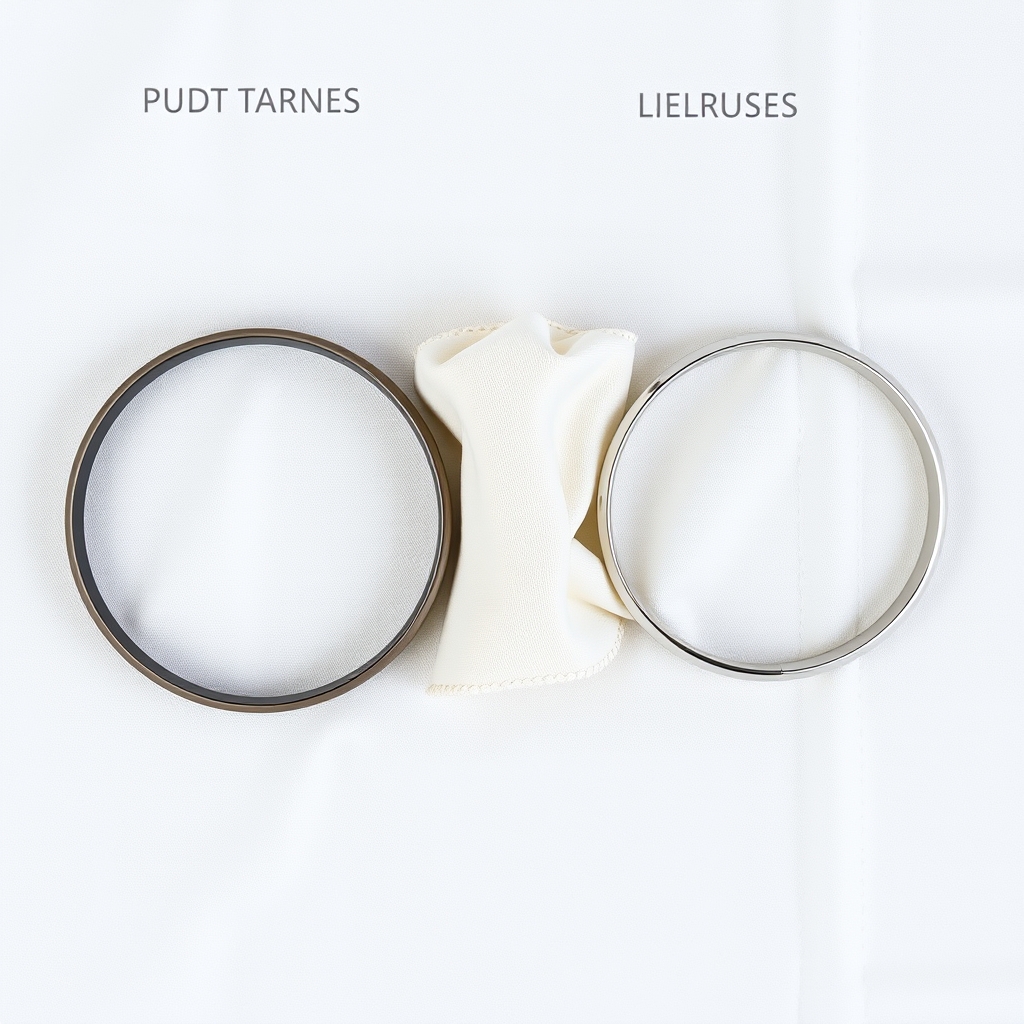
Option: Using a silver polishing cloth for stubborn tarnish.
A jeweler’s silver polishing cloth (often called a “tarnish cloth”) has a light abrasive and mild chemical that removes tarnish without water. Rub gently in one direction, not in circles. This method is faster for existing tarnish but should not be your first approach reserve it for heavy tarnish after the soap-and-water method hasn’t fully cleared it.
Safety caveat: Some commercial silver polishes contain harsh chemicals. Stick to jeweler-formulated products or skip this step entirely and rely on soap, water, and a soft cloth. If your silver is plated or vintage, avoid polishing cloths altogether they can strip the plating or damage delicate finishes.
How to Clean Diamonds and Diamond Jewelry
Diamonds are extremely hard and resistant to scratching, which makes them forgiving to clean. The challenge is the setting and any surrounding gemstones, which are usually softer.
Step 1: Use the same warm soapy water method (one drop dish soap in warm water).
Step 2: Soak the diamond piece for 5–10 minutes.
Diamonds don’t mind extended soaking. The warmth helps dislodge oils and dust that dim the sparkle.
Step 3: Gently scrub around the stone and setting with a soft toothbrush.
The dirt-accumulation zone is often around the sides and back of the diamond, where dust and skin oils collect. A soft toothbrush can clean these areas without damaging the stone itself. Avoid scrubbing the prong or setting if it contains delicate metalwork.
Step 4: Rinse thoroughly and pat dry immediately.
Step 5: Polish the diamond with a microfiber cloth (optional).
A clean, dry microfiber cloth buffed gently over the diamond restores sparkle and removes any water spots.
Key distinction: A diamond’s brilliance depends on light passing through it clearly. Oils, dust, and soap film all reduce sparkle. Frequent gentle cleaning (weekly, if you wear it daily) maintains clarity far better than occasional deep cleans.
Non-obvious caveat: If your diamond is set in white gold with rhodium plating which keeps white gold looking bright be aware that in our observation, prolonged contact with aggressive polishing compounds tends to wear the plating down over time, causing the underlying white gold to yellow. Stick to the soap-and-water method and use a soft cloth for buffing to reduce that risk.
How to Clean Other Gemstones Safely
Not all gemstones tolerate water, heat, or soaking. Here’s the safest approach for common stones:
Emeralds, opals, and pearls:
These are porous or delicate and absorb water, which causes cracking or clouding over time. Do not soak them. Instead, wipe gently with a barely damp microfiber cloth and dry immediately. For pearls, wipe only the surface do not submerge. Opals and emeralds are best cleaned professionally every few years.
Rubies, sapphires, and topaz:
These are hard stones and can tolerate the warm soapy-water soak method, but avoid thermal shock (do not rinse with very cold water after a warm soak). Use the same 5–10 minute soak, gentle cloth rubbing, and thorough drying as you would for diamonds.
Tanzanite, tourmaline, and kunzite:
These stones are sensitive to heat and prolonged moisture. Use only cool or room-temperature water, soak for no more than 2–3 minutes, and dry immediately. Skip the soft toothbrush; stick to a gentle cloth.
When in doubt: If you’re unsure about a gemstone’s hardness or water tolerance, treat it as if it were fragile. A gentle wipe with a barely damp cloth is always safer than soaking.
How to Store Jewelry to Prevent Tarnish and Damage
Proper storage extends the time between cleanings and prevents scratches, tarnish, and loose settings.
Keep gold and silver separate.
If gold and silver touch over time, they can mark each other. Use separate compartments, drawers, or boxes for each metal type.
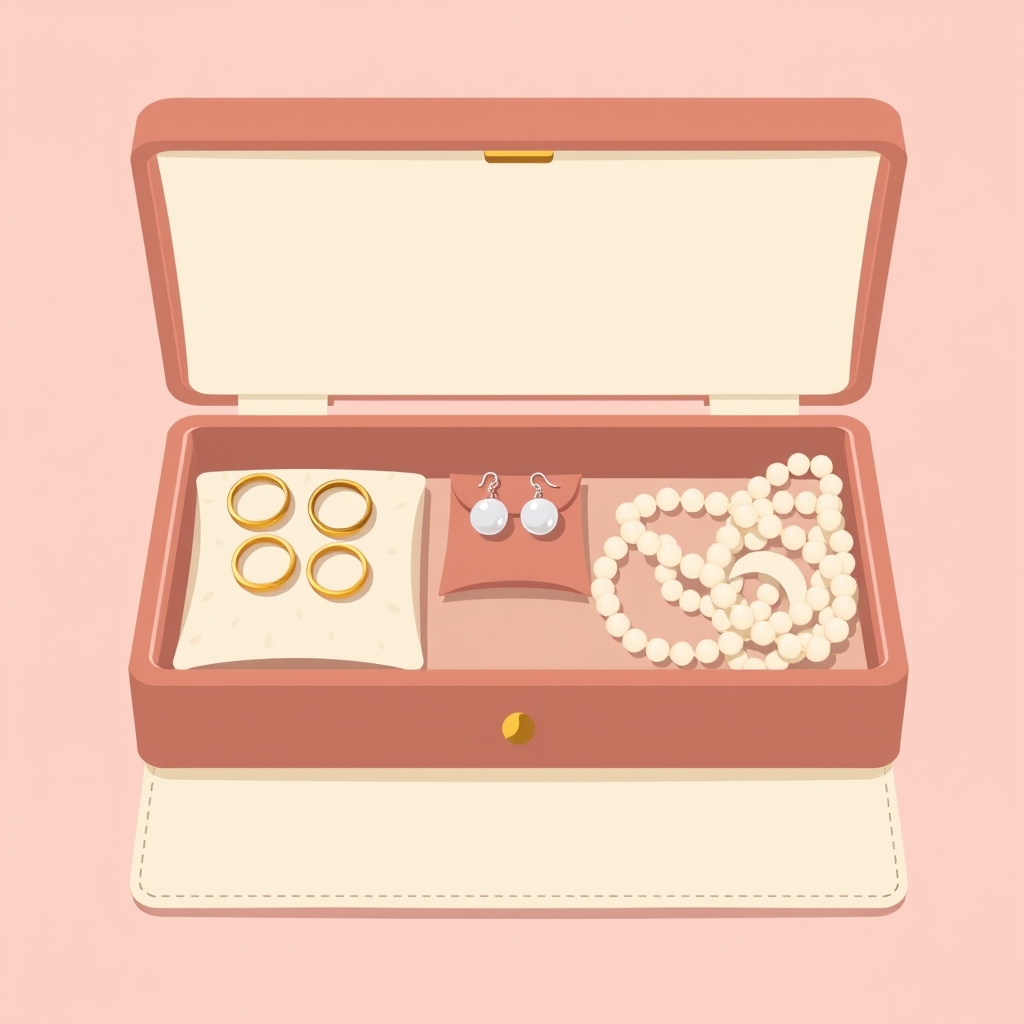
Store jewelry in a cool, dry place away from sunlight.
Heat, humidity, and light all accelerate tarnish. Avoid storing jewelry in bathrooms (too much moisture) or on windowsills (too much light). A dresser drawer or closet shelf is ideal.
Use individual pouches or compartments.
Jewelry stored loose in a box can tangle, scratch, and press against other pieces. Soft pouches, divided jewelry boxes, or individual compartments prevent this. Zip-top plastic bags work temporarily but aren’t ideal long-term they trap moisture.
Line storage areas with anti-tarnish cloth or paper.
Anti-tarnish cloth and paper (often treated with a mild sulfite compound) slow oxidation on silver and other metals. Line your jewelry box or individual pouches with it. Replace it typically every 6–12 months, as it loses effectiveness over time.
Store gemstones separately from harder metals if delicate.
Pearls, opals, and emeralds should be isolated from harder stones like diamonds and rubies to prevent scratching. Never store delicate stones loose; wrap each piece individually in soft cloth.
Do not store jewelry in sealed plastic containers without ventilation.
Plastic can trap moisture and off-gas chemicals that tarnish metal. Use breathable fabric pouches instead.
Remove jewelry before bathing, swimming, or exercising.
Chlorine, saltwater, sweat, and soap residue all accelerate tarnish and can loosen settings. Establish a habit of removing jewelry when you shower or go to the gym.
When to Take Jewelry to a Professional Cleaner
DIY cleaning works for routine maintenance, but some situations call for professional help:
Your jewelry has a loose stone or setting.
If you see movement in a stone or the prong looks bent, do not clean it yourself. Water pressure or gentle scrubbing can dislodge a stone completely. A jeweler will tighten the setting first.
The clasp, hinge, or metal work is damaged or corroded.
Professional repair and polishing can restore structural integrity. DIY cleaning won’t fix these issues.
Your jewelry contains delicate antique work or mixed metals.
Vintage pieces often have finishes or adhesives that don’t tolerate water. A jeweler experienced with antique jewelry should evaluate it first.
Heavy tarnish won’t come off with soap and water.
If silver tarnish is thick or black, professional polishing services use equipment and compounds that safely remove it without damaging the finish. Most jewelers can clean a tarnished piece in 15–30 minutes.
You’re unsure about the materials or gemstones.
If you’ve inherited jewelry or are uncertain about stone types, a professional appraisal or cleaning can identify materials and determine safe cleaning methods. This is worth the cost once, especially for jewelry you wear frequently.
Rough cost: As of June 2026, professional jewelry cleaning typically runs $15–$50 per piece depending on complexity though prices vary by region and jeweler. For pieces you wear daily, this is worth the investment every 6–12 months.
Common Mistakes and How to Avoid Them
Mistake 1: Using too much soap or not rinsing fully.
Soap residue builds up on jewelry, dulling the finish and trapping moisture. Use one drop of soap per small bowl of water, and rinse for at least 30 seconds under running water. If you see bubbles during drying, you haven’t rinsed enough.
Mistake 2: Cleaning jewelry while it’s still wet or damp.
Water left on jewelry promotes tarnish and corrosion. Always pat dry completely before storing, and wait a few minutes after rinsing to ensure all hidden moisture is gone.
Mistake 3: Using hot water or boiling.
Hot water can crack gemstones, loosen glued stones, and damage certain metals. Always use warm water (comfortable to touch, not hot).
Mistake 4: Scrubbing delicate gemstones or plated metals aggressively.
Gemstone surfaces and metal plating are thin and can scratch or flake off with hard scrubbing. Use light, gentle pressure at all times.
Mistake 5: Storing jewelry in sealed plastic or damp environments.
Plastic bags and humid bathrooms accelerate tarnish and can trap moisture against the jewelry. Use breathable storage and keep jewelry in a dry room.
Frequently Asked Questions
Can I use an ultrasonic cleaner on all my jewelry?
No. Ultrasonic cleaners work well for sturdy pieces like diamonds and sapphires, but they can damage pearls, opals, emeralds, and delicate settings. The vibration can crack porous stones or shake loose an already-weak stone. Avoid ultrasonic cleaning unless you’re certain your piece can tolerate it when in doubt, stick to the soap-and-water method.
How often should I clean my jewelry?
It depends on how often you wear it. Jewelry worn daily should be cleaned weekly with the soap-and-water method to maintain sparkle and prevent heavy tarnish buildup. Pieces worn occasionally can be cleaned every few months. Formal jewelry stored most of the time needs cleaning only before you wear it.
Is it safe to use rubbing alcohol or vinegar on jewelry?
Rubbing alcohol can damage some gemstones and finishes, and vinegar is acidic, which can corrode certain metals over time. Stick to mild dish soap and water it’s gentler and just as effective for routine cleaning. Save specialty solutions (like silver polish) for occasional deep cleans if needed.
My jewelry has lost its shine even after cleaning. What should I do?
If soap and water don’t restore shine, the finish may have worn off (especially on plated jewelry), or mineral deposits have built up. Try using distilled water instead of tap water for a final rinse minerals in tap water can cloud jewelry. If that doesn’t help, a professional polishing is the next step. A jeweler can also re-plate gold or silver if the finish has worn through completely.
Can I clean costume jewelry or fashion jewelry the same way?
Most costume jewelry uses lower-quality metals and glued stones, so it’s less tolerant of water and soaking. Wipe costume pieces gently with a barely damp cloth and dry immediately. Avoid soaking them or using any cleaning solution. If the finish is peeling or stones are loose, replacement is usually cheaper than repair.
Why does my silver jewelry tarnish so quickly even after cleaning?
Silver tarnishes because it oxidizes when exposed to air and moisture. Humidity, sweat, perfume, and even certain foods (like eggs and onions, which contain sulfur) accelerate tarnish. Proper storage in a cool, dry place with anti-tarnish cloth slows it down. If your silver tarnishes very quickly, the air quality or humidity in your home may be unusually high; a jeweler-grade anti-tarnish pouch can help.