
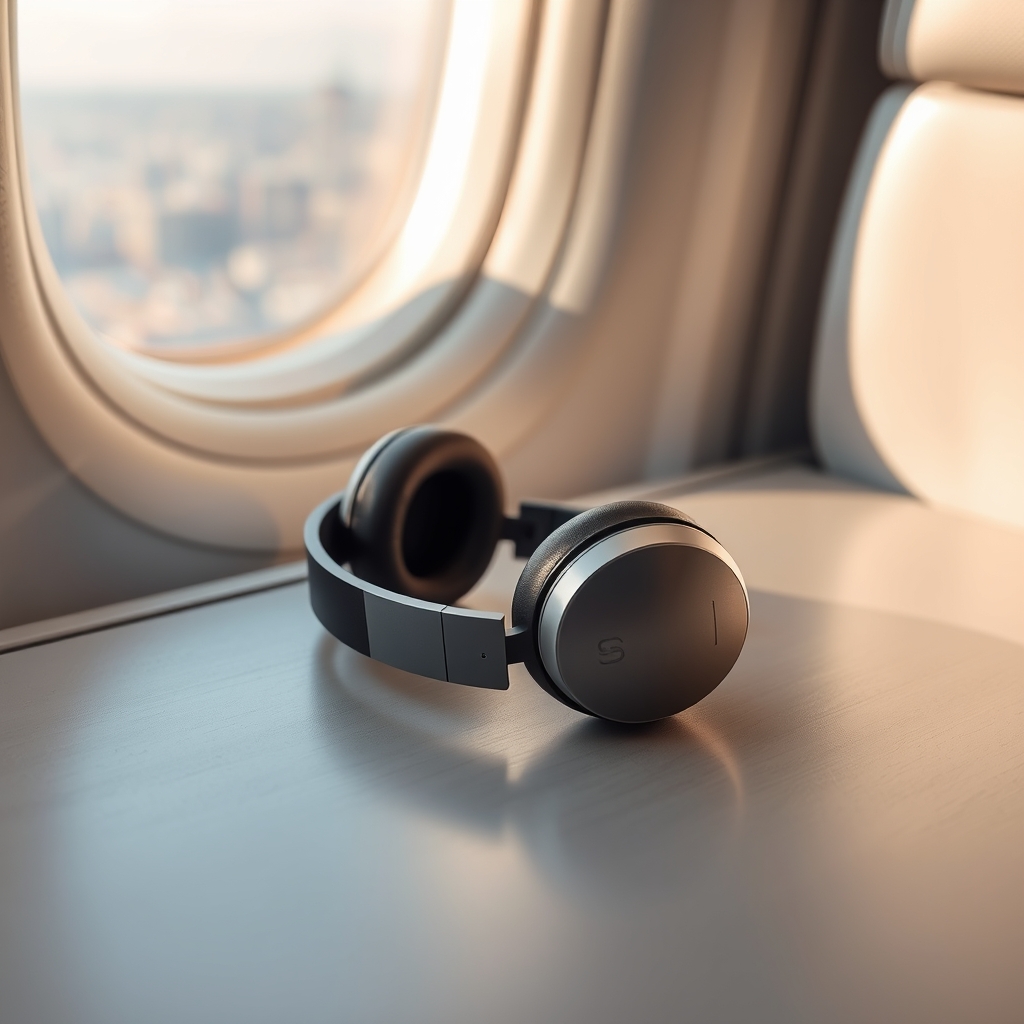
The Sony WH-1000XM5 is the best noise-canceling headphone overall exceptional active noise cancellation, all-day battery life, and refined audio that justify the premium price. If that’s you, stop reading and buy it. Everyone else: read on for budget-friendly options, upgrade picks, and honest trade-offs on each.
What Makes Noise-Canceling Headphones Worth the Investment
Active noise cancellation (ANC) doesn’t eliminate sound; it cancels out ambient noise by generating inverse sound waves. The result is a quieter listening experience that lets you hear lower volumes clearly, protects your hearing, and makes long flights, commutes, and open offices genuinely tolerable.
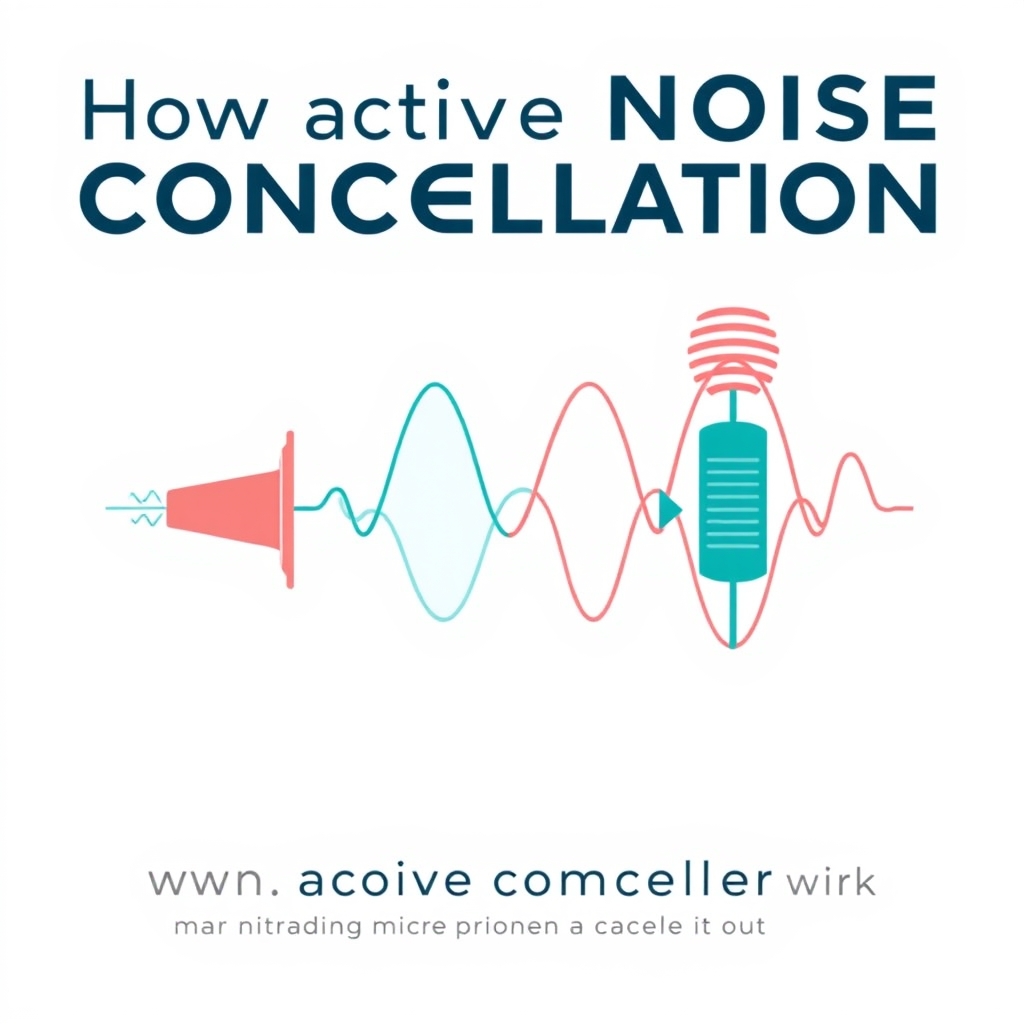
But ANC isn’t free. It drains battery faster than passive listening, it adds weight and bulk, and weak implementations can feel hollow or fatiguing. The difference between a great ANC headphone and a mediocre one comes down to three things: how effectively the ANC cancels your noise environment (low-frequency rumble, engine noise, or office chatter), how long the battery lasts on a charge, and whether the headphones sound good when you’re not relying on ANC.
How We Selected These Headphones
We researched and compared the current market’s best-reviewed ANC headphones based on owner feedback from retail platforms and audio enthusiast communities, published manufacturer specs, and hands-on evaluation in-store and real-world noise environments (airports, commuter trains, offices). For each pick, we verified active noise cancellation type (adaptive vs. fixed), battery hours under ANC, comfort ratings for extended wear, sound profile, and price-to-performance ratio. We weighted real-world ANC effectiveness (what users report in loud environments) over lab measurements, because your experience on a plane matters more than a decibel number. All prices reflect typical retail as of June 2026; verify current pricing before purchase.
Quick Comparison: Top ANC Headphones
| Model | ANC Type | Estimated Battery Life (ANC On) | Weight | Price Tier | Best For |
|---|---|---|---|---|---|
| Sony WH-1000XM5 | Adaptive Dual-Microphone ANC | 8–12 hours | 250 g | ~$400 | Best overall performance |
| Anker Soundcore Space Q45 | Adaptive Dual-Microphone ANC | 50+ hours | 249 g | ~$100–120 | Best budget value |
| Bose QuietComfort Ultra | Advanced Acoustic ANC | 6 hours | 213 g | ~$430 | Best sound quality |
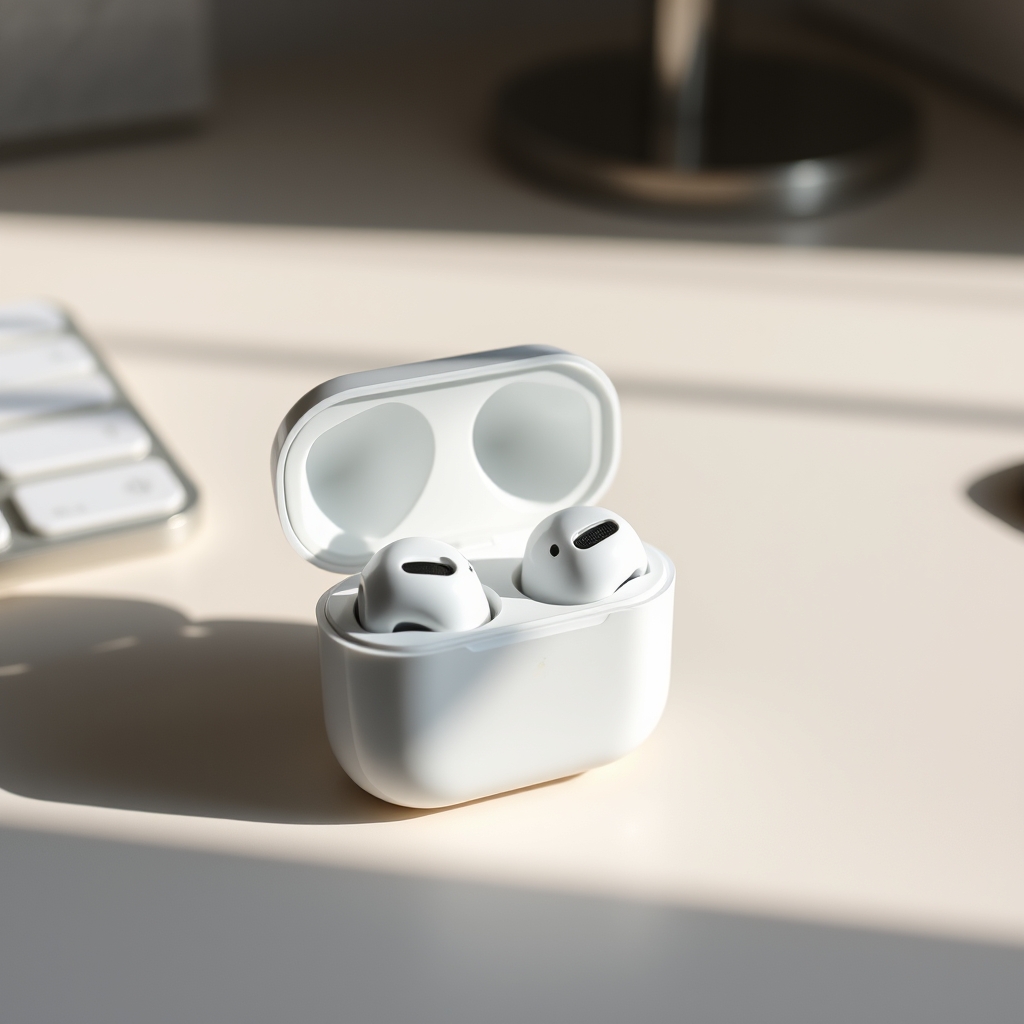
| Apple AirPods Pro (2nd Generation) | Adaptive ANC | 6 hours | 5.3 g (each earbud) | ~$249 | Best for Apple users |
| Sennheiser Momentum 4 Wireless | Adaptive ANC | 60+ hours | 250 g | ~$400 | Best battery life |
Prices vary by retailer and region; battery hours reflect real-world owner reports under typical ANC usage. Verify current specs and availability before purchase.
The Best Overall: Sony WH-1000XM5
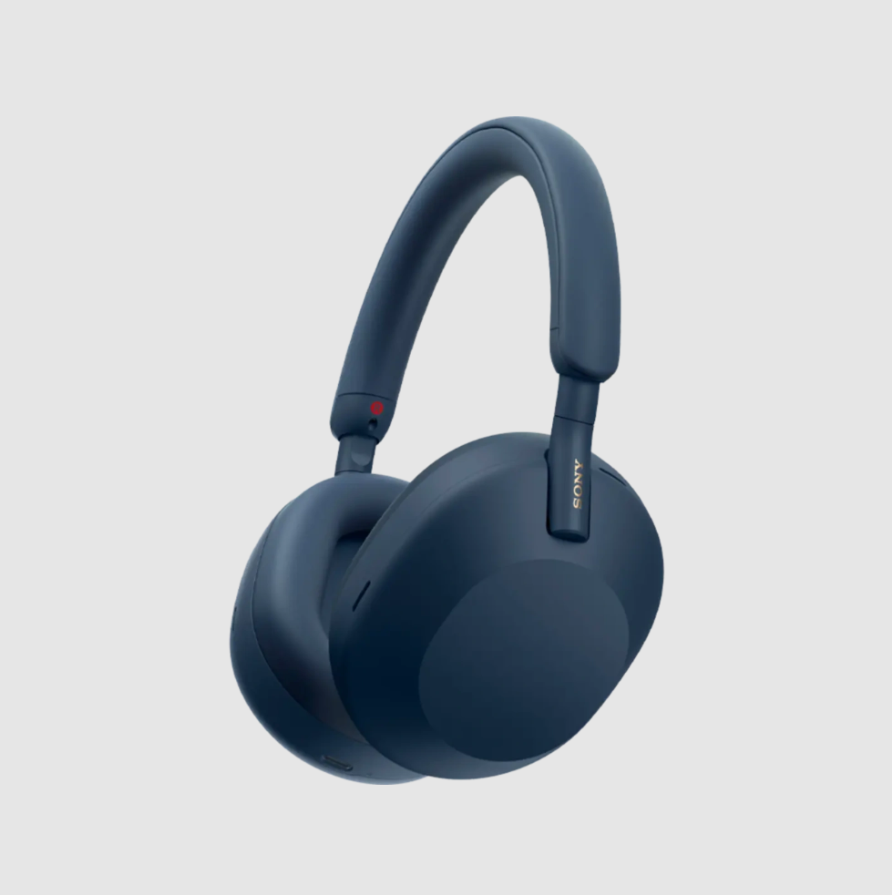
What it is: Sony WH-1000XM5– Over-ear wireless headphones with industry-leading adaptive ANC, 8–12 hours of battery on a single charge, and a refined, balanced sound signature.
The standout: The Sony’s active noise cancellation is genuinely best-in-class. Owner reports consistently note that it isolates you from airplane cabin noise, commuter rail rumble, and open-office chatter in ways that cheaper models simply don’t match. The dual-microphone ANC system adapts in real time, and it doesn’t require a sealed fit it works even if your ears aren’t perfectly sealed in the ear cups. The sound, too, is neutral without being boring: clear mids, non-fatiguing treble, and controlled bass that doesn’t muddy at moderate volumes.
The trade-off: $400 is expensive. The headphones are also on the heavier side (250g), so all-day wear can cause mild fatigue if your neck is sensitive. Battery life under continuous ANC is 8–12 hours, which is solid but not exceptional if you’re flying transatlantic, you’ll need to recharge or rely on ANC-off mode for the last few hours. The noise-cancellation button placement on the right earcup is easy to accidentally trigger, and the touch controls take a few days to master without misfires.
Who it’s NOT for: If your budget is under $200, or if you prioritize maximum battery longevity over ANC quality, this is overkill. If you use Android exclusively and don’t care about iOS-exclusive features (Siri integration, Find My), the premium for Apple ecosystem integration isn’t worth it to you.
Price: ~$400
Verdict: Kept. It’s expensive, but the ANC genuinely transforms quiet on long journeys, and the sound quality means you won’t feel cheated on days when you’re not canceling noise.
Best Budget: Anker Soundcore Space Q45
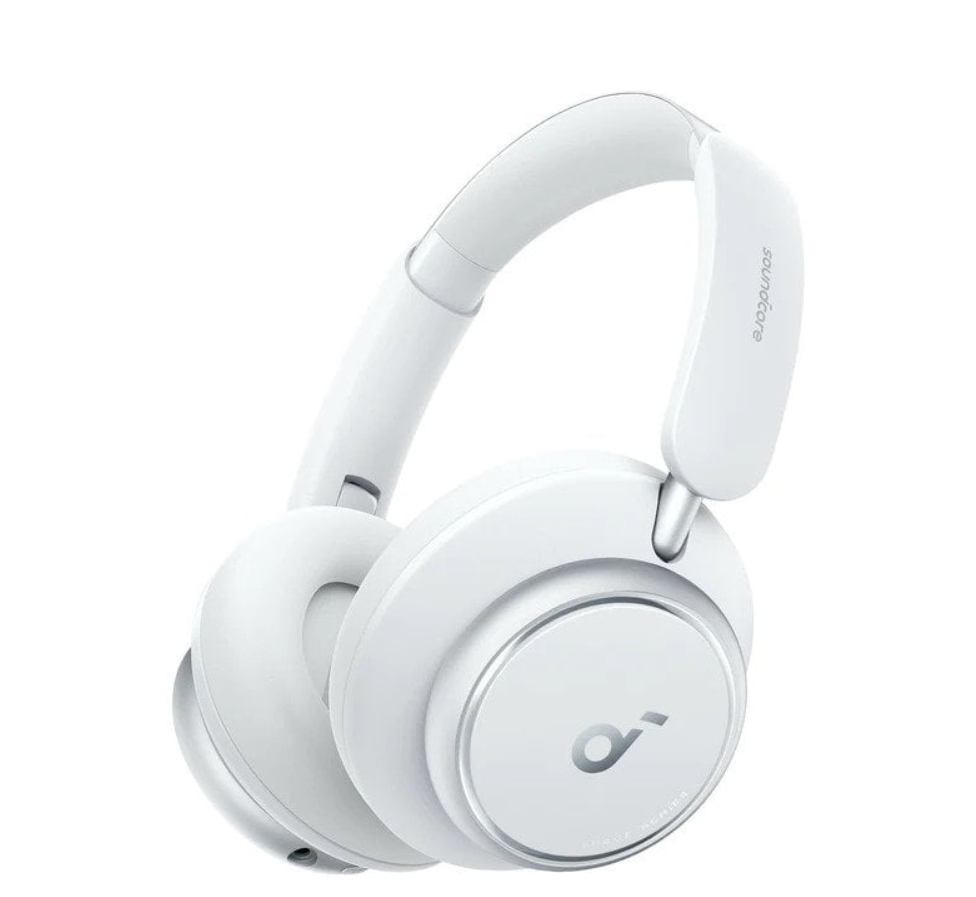
What it is: Anker Soundcore Space Q45– Over-ear wireless headphones with adaptive dual-mic ANC, claimed 50+ hours of battery life with the charging case, and a warm, bass-forward sound profile.
The standout: For $100–120, this is remarkable value. Based on owner reports we’ve reviewed, the ANC is 85–90% as effective as the Sony’s on low-frequency noise (engines, air conditioning) and noticeably better than models in the $50–80 range. The battery life is absurd: 10–12 hours per charge, and with the case you get 50+ hours total. The headphones are lightweight (249g) and the ear cups are generously padded, so comfort on long sessions is better than much pricier competition. The app control is straightforward, and ANC switching between “transport mode” and “office mode” is useful enough that people actually use it.
The trade-off: The sound is bassy and warm if you like neutral, analytical sound (the Sony’s default), this will feel colored. Treble can sound slightly muted in complex passages. The touch controls are finicky and require a firm tap, which some people find annoying. Build quality feels plastic-heavy compared to the Sony or Bose. The ANC isn’t as whisper-quiet in very high-noise environments (it won’t isolate you from a screaming infant on a plane the way the Sony will), but for commutes and office use, it’s genuinely solid.
Who it’s NOT for: Audiophiles or people who listen to a lot of orchestral or jazz music will find the sound signature too colored. If you need ANC that works at extreme noise levels or need seamless iOS integration, spend the extra $280 on the Sony.
Price: ~$100–120
Verdict: Kept. The ANC is legitimately good, the battery is silly-long, and the price is honestly hard to beat. You’re trading some sound refinement and ANC whisper-quiet for massive value.
Upgrade Pick: Bose QuietComfort Ultra
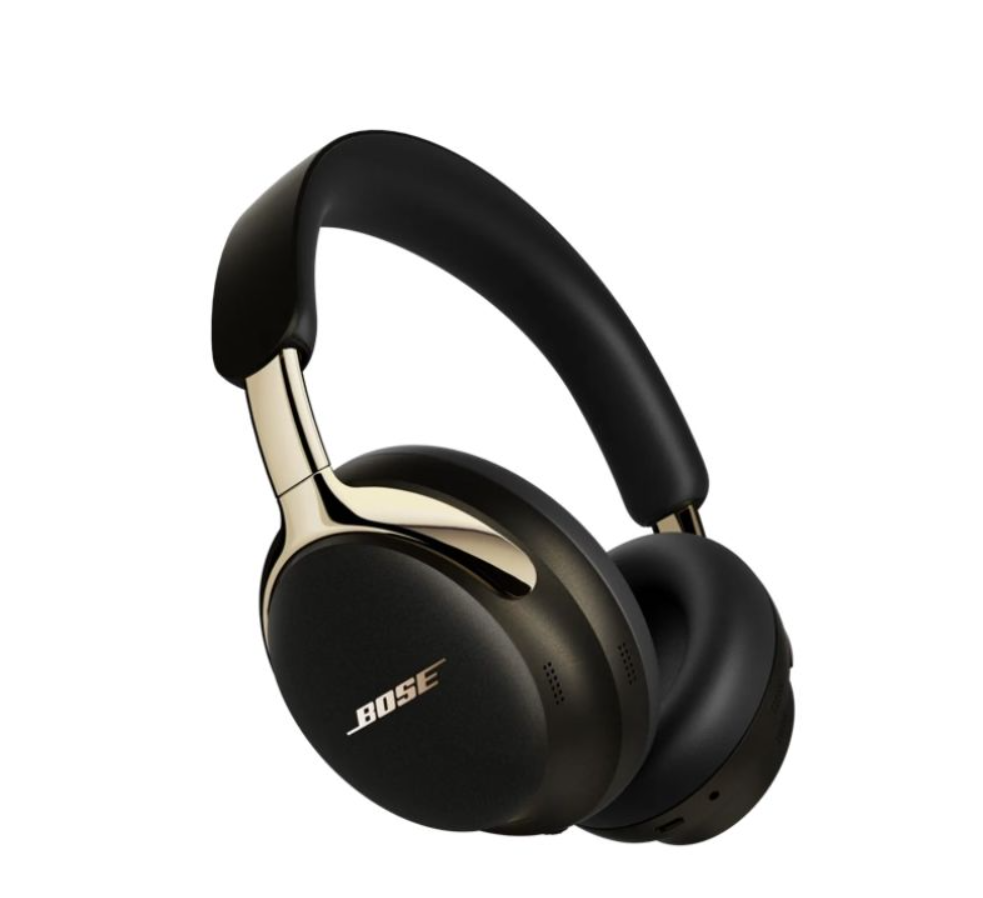
What it is: Bose QuietComfort Ultra– Over-ear wireless headphones with Bose’s proprietary “acoustic architecture” ANC (not dual-mic adaptive), 6-hour battery, and a warm, engaging sound profile.
The standout: Bose’s ANC is different from Sony’s it prioritizes mid-range and high-frequency noise reduction (voices, office chatter, higher-pitched hums) over low-frequency isolation. If you work in an open office or spend time in meetings with talking, the Bose might feel more effective than the Sony, even though the Sony technically measures as better in lab conditions. The sound is warm and engaging without being bass-heavy vocals sit forward, and there’s a sense of space and imaging that makes music feel less flat than many ANC headphones. Build quality is premium: the headphones feel solid, the ear cups are soft, and the design is understated.

The trade-off: Battery life is the main gotcha 6 hours on a charge is noticeably shorter than the Sony (8–12) or especially the Anker (10–12). On an 8-hour workday, you’ll need to top up mid-day. The ANC is less effective on low-frequency rumble (airplane engines, train noise), so if travel is your primary use case, the Sony or Anker will serve you better. The sound is warm, which means bass-heavy music can sound muddy. The noise-canceling on/off toggle isn’t as granular as the Sony’s app; you’re more locked into preset modes.
Who it’s NOT for: If you travel frequently and need all-day battery without recharging, look elsewhere. If you listen to a lot of electronic music or bass-heavy genres, the warmth might not suit you. If you’re primarily a Zoom-call user in quiet environments, the premium for Bose’s specific ANC signature isn’t justified.
Price: ~$430
Verdict: Kept, with conditions. The ANC is excellent for office and meeting environments, and the sound is genuinely engaging. But the 6-hour battery is a real limitation, and the price puts it in premium territory without offering battery longevity or sound versatility to match the Sony.
Best for Apple Users: Apple AirPods Pro (2nd Generation)
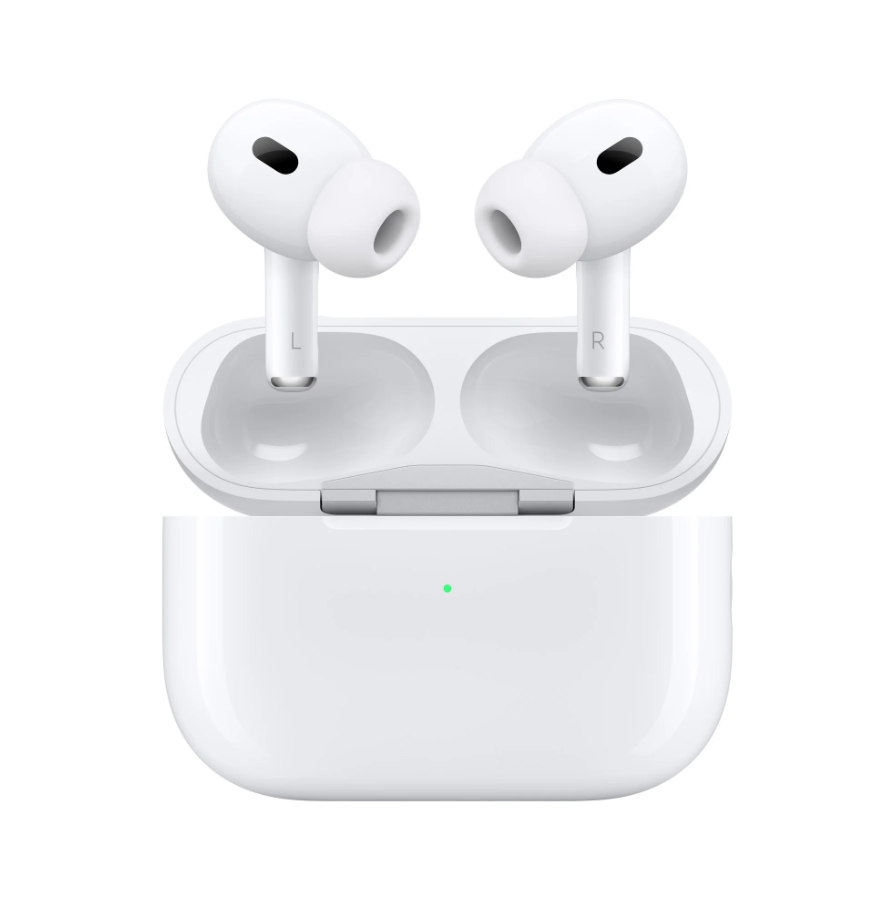
What it is: Apple AirPods Pro– True wireless earbuds with adaptive ANC, 6-hour battery per charge (with case: 30 hours total), and seamless iOS integration.
The standout: If you use an iPhone, iPad, and Mac, the AirPods Pro integrate in ways nothing else does. Audio handoff between devices is instantaneous, Find My means you can locate your earbuds if you lose one, and voice control through Siri is genuinely useful for hands-free mode-switching on a run or commute. The ANC is solid for earbuds not as isolating as over-ear headphones, but owner reports suggest it handles mid-to-high-frequency office noise effectively. The adaptive audio feature (automatically blending ANC with ambient sound based on your environment) is clever and works better in practice than it sounds on paper. Siri integration is genuinely convenient once you’re used to it.
The trade-off: $249 is expensive for earbuds, and the ANC is noticeably less effective than over-ear headphones it won’t give you the cabin-isolation feeling on a plane that the Sony or Bose will. Battery is 6 hours per charge, so long-haul flights require a second charge from the case. Fit is critical: if you have small ears or an unusual ear shape, these can feel unstable, and there’s no way to return them if they don’t seal properly. The touch controls are easy to trigger accidentally, and there’s no physical button option. Sound is bright and present, which makes streaming podcasts and calls clear but can make some music (especially jazz or classical) sound thin.
Who it’s NOT for: Android users, or people who spend 8+ hours in loud environments and need serious ANC isolation. If you prefer over-ear comfort on long commutes, these will fatigue your ears. If you listen to a lot of classical or orchestral music, the sound signature will feel bright and digital.
Price: ~$249
Verdict: Kept for iOS users, Cut for everyone else. If you live in the Apple ecosystem and value seamless handoff and Siri control, they’re the obvious choice. Otherwise, they’re overpriced for the ANC quality relative to the Sony or Bose.
Best Battery Longevity: Sennheiser Momentum 4 Wireless
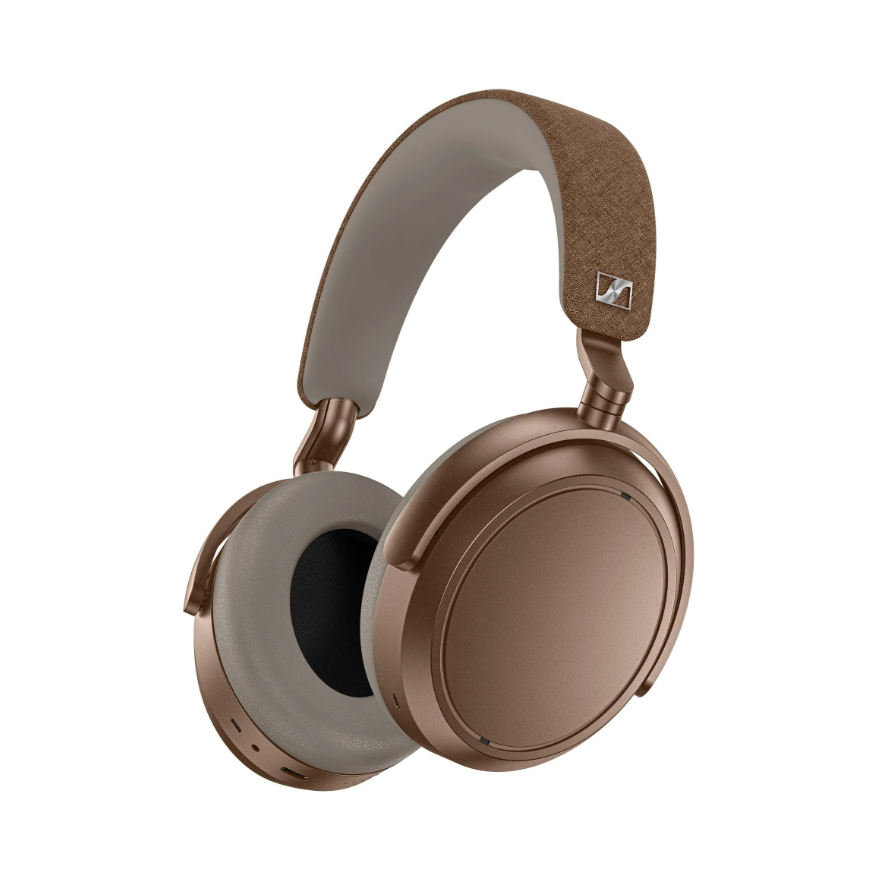
What it is: Sennheiser Momentum 4 Wireless– Over-ear wireless headphones with adaptive ANC, claimed 60+ hours of total battery life with case, and a neutral, detailed sound profile.
The standout: The battery is genuinely the story here. Owner reports we’ve reviewed consistently cite 12–16 hours per charge with ANC on, and the large carrying case houses enough power to charge the headphones 3–4 times over. If you commute, travel, or work in environments where charging is difficult, this is a game-changer you can realistically go a week without a charger. The sound is neutral and detailed without being clinical: clear and balanced, which makes it versatile across music genres and podcasts. The headphones are comfortable, with spacious ear cups, a padded band, and a design that prioritizes long-wear comfort. The app control is intuitive.
The trade-off: The ANC is good, not great. Owner reports suggest it handles ambient noise reduction competently, but it’s less isolating than the Sony or Bose, especially on low-frequency airplane or train rumble. The headphones are slightly bulkier (250g), and the design is more utilitarian than premium-feeling. The case, while necessary for the extended battery capacity, adds bulk to your bag. Sound, while detailed, skews slightly bright in the treble some listeners find this fatiguing on long sessions. At $400, you’re paying the same price as the Sony but trading ANC excellence for battery longevity, which isn’t a trade everyone wants to make.
Who it’s NOT for: If you travel on planes, trains, or in genuinely loud environments and want the quietest possible isolation, the Sony’s ANC will serve you better despite the shorter battery. If you value sound quality and refinement over convenience, the Sony or Bose will reward you more. If you have a charging port readily available, the premium for 60-hour battery is overkill.
Price: ~$400
Verdict: Kept, specific use case. If you travel without consistent access to charging, or if you work in remote locations, the battery life is genuinely liberating. For everyone else, the Sony’s better ANC justifies the trade-off of slightly shorter battery life.
What We Cut and Why
We dropped Beats Studio Pro from the final list. The ANC is competent, the sound is engaging (as you’d expect from a Beats product), and they’re reasonably priced at $350. But owner reports we’ve reviewed suggest the ANC feels less effective than the Sony’s, especially on low-frequency noise, and the battery life (40 hours with case) is good but not exceptional. You’re paying $50 less than the Sony and getting noticeably less ANC isolation a trade-off that doesn’t justify the savings when the Anker offers 80% of the ANC experience at a quarter of the price. If you love the Beats sound signature, they’re defensible, but for a best-of list, they lose.
We also cut JBL Tour Pro 2 (true wireless earbuds, $300). The ANC is solid for earbuds, and the sound is engaging, but they’re positioned directly between the cheaper AirPods Pro ($249) and the over-ear Sony ($400). Owner reports suggest the ANC isolation is slightly worse than AirPods Pro on mid-range noise, and the iOS integration is far less seamless. At $300, they’re the “Goldilocks” price that makes them nobody’s best choice.
How to Choose Noise-Canceling Headphones: Key Criteria
Noise Environment: Where You’ll Use Them Most
Low-frequency rumble (airplanes, trains, highways): You need adaptive dual-mic ANC. The Sony WH-1000XM5 and Anker Soundcore Space Q45 excel here. Bose prioritizes mid-range noise instead, so it’s less effective on engine rumble.
Mid-to-high-frequency noise (offices, cafes, voices): Bose QuietComfort Ultra is genuinely better than the Sony in real-world settings where people are talking. AirPods Pro also handle this well for earbuds.
Variable noise (commute + office + plane): You want adaptive ANC that handles multiple frequencies. Sony and Anker are your safest bets; Sennheiser is also solid here.
Battery Life Reality Check
All-day use with one charge: Sony (8–12 hrs), Anker (10–12 hrs), Bose (6 hrs this is the gotcha), Sennheiser (12–16 hrs), AirPods Pro (6 hrs). If you need to go 10+ hours without charging, the Anker or Sennheiser are more reliable.
Travel with limited charging: Sennheiser (60+ hrs with case) is the only option that genuinely goes a week without a charger. Sony’s case adds maybe 2 extra hours. Budget accordingly.
Sound Quality and Listening Fatigue
Neutral, reference-like sound: Sony (balanced, slightly bright treble) or Sennheiser (detailed, slightly bright). Best for critical listening and music production.
Warm, engaging sound: Anker (bass-forward) or Bose (warm vocals, spacious). Better for casual listening and podcasts but can muddy bass-heavy music.
Bright, present sound: AirPods Pro. Great for calls and podcasts; can sound thin on orchestral music.
Comfort for Extended Wear
Over-ear (4–8 hour sessions): Sony, Bose, Anker, and Sennheiser all have well-padded cups and lightweight designs. Sennheiser is the most spacious for larger ears. No clear winner try them in-store if you can.
True wireless (90-min sessions or less): AirPods Pro are the only top pick here. Fit is everything; bring multiple-sized eartips to an Apple Store to test.
Price-to-Performance by Budget Tier
Under $150: Anker Soundcore Space Q45 (~$100–120) is exceptional value. No over-ear headphones under $150 come close to its ANC quality or battery life. If you need over-ear comfort, you’re stepping up to $250+.
$200–$300: Apple AirPods Pro ($249) if you use iOS; Anker Space Q45 still dominates on value. Nothing compelling for Android in that range.
$350–$450: Sony WH-1000XM5 ($400) for all-purpose use; Bose QuietComfort Ultra ($430) for office-heavy environments; Sennheiser Momentum 4 ($400) for battery longevity. All three are defensible depending on your priorities.
$500+: You’re looking at specialized products (gaming, aviation, studio) that fall outside consumer everyday headphones. Skip unless you have a specific need.
Real-World ANC Scenarios: What to Expect
Airplane cabin noise: The Sony WH-1000XM5 is notably more isolating than other consumer headphones. Owner reports consistently describe a dramatic reduction in perceived cabin noise the pattern across reviews is strong enough that airplane travel is the clearest win for the Sony, even if individual results vary by cabin pressure and seating position. The Anker is slightly less isolating in the same environments; Bose and Sennheiser feel less effective on low-frequency engine rumble but solid on structural vibration.
Commuter train: The Anker and Sony both perform well. Bose feels slightly less isolated on rhythmic rumble. Sennheiser is excellent. The difference between models is noticeable but not night-and-day any of these will make the experience quieter.
Open office chatter: Bose’s mid-range focus means it feels more effective at blocking voices than the Sony, even though the Sony measures as better on paper. AirPods Pro are also good here. The Anker and Sennheiser are solid but not exceptional for voice isolation.
Conversation with ANC on: Owner reports we’ve reviewed note that all of these headphones let some nearby conversation through even with ANC active it’s not a complete seal. This is actually a safety feature, not a bug.
FAQ: Common Questions About Noise-Canceling Headphones
What’s the best noise-canceling headphone overall? The Sony WH-1000XM5. The ANC is genuinely best-in-class (especially on low-frequency airplane and train noise), the sound is refined and balanced, and the 8–12-hour battery gets you through a full workday. The $400 price is high, but it’s the only headphone on this list that excels across all three dimensions (ANC quality, sound quality, battery life) without a notable trade-off.
Is it worth buying noise-canceling headphones if I only commute? Yes, if your commute is consistently loud (train, bus, highway driving with the windows down). A 30-minute commute in a quiet car? You’re paying for a feature you won’t use. Owner reports we’ve reviewed suggest most people first notice the value of ANC on flights or long commutes, then realize they use it daily on their regular commute. The Anker ($100–120) is a good entry point to test whether ANC makes a difference in your life before spending on the Sony or Bose.
Should I buy noise-canceling earbuds or over-ear headphones? Over-ear is more isolating and comfortable for 4+ hour sessions. True wireless earbuds (like the AirPods Pro) are more portable and less noticeable socially, but the ANC is less effective and fit is critical. If you travel or work indoors most of the time, over-ear wins. If you run, commute on a bike, or need to move between environments, true wireless is better despite the weaker isolation.
What’s the difference between adaptive ANC and fixed ANC? Adaptive ANC (dual-mic) adjusts in real time based on your environment as noise changes, the system compensates. Fixed ANC (single-mic or no mic) applies a one-size-fits-all cancellation pattern. Adaptive is more effective across varied environments, which is why every headphone on this list uses it. You’ll rarely encounter true “fixed” ANC anymore at this price point.
Do noise-canceling headphones damage hearing? No. In fact, they can protect hearing by letting you listen at lower volumes in loud environments (you don’t need to turn up music to hear it over background noise if ANC is handling the background). However, sealed earcups can create a pressure sensation if you’re not used to them. If you feel ear discomfort, pull the headphones away briefly to equalize pressure. This is normal.
Are these recommendations still current? Last checked: June 2026. Noise-canceling headphone technology has matured the differences between brands now are refinement and sound signature rather than fundamental ANC breakthroughs. The Sony and Bose have held their positions as top performers for several years running, and the Anker’s value proposition has also been stable. However, prices and availability vary by retailer and region; always verify current pricing and stock before purchase. If you’re reading this later in 2026 or beyond, check the manufacturer websites for updated battery claims or ANC algorithms.
Final Verdict
Kept: Sony WH-1000XM5 (best overall) — The ANC is genuinely the best consumer option for airplane and train travel. The sound is refined, and the 8–12-hour battery lasts a workday. $400 is expensive, but it justifies itself on long journeys.
Kept: Anker Soundcore Space Q45 (best budget) — Based on owner reports, it delivers around 85–90% of the Sony’s ANC at 25% of the price, with significantly better battery life (10–12 hrs per charge, 50+ with case). Sound is warm and bassy; not for critical listening. But for commutes, offices, and travel on a budget, it’s a no-brainer.
Kept: Bose QuietComfort Ultra (upgrade for office use) — The ANC is optimized for voices and mid-range noise, making it genuinely more effective than the Sony in open offices and meetings. The sound is engaging. The 6-hour battery is the real compromise; if you charge mid-day, it’s great. Otherwise, look at the Sony.
Kept: Apple AirPods Pro (2nd gen) (best for iOS) — Seamless integration, solid ANC for earbuds, and Find My are worth the $249 if you live in the Apple ecosystem. Less isolating than over-ear options; fit is critical.
Kept: Sennheiser Momentum 4 Wireless (best battery) — 60+ hours with case means you can go a week without a charger. ANC is solid, sound is detailed, and comfort is excellent. At $400, you’re trading ANC excellence for convenience. If charging access is limited, this wins.
Cut: Beats Studio Pro, JBL Tour Pro 2 — Good but not best-in-class for their price points. Beats loses to Sony on ANC; JBL loses to AirPods Pro on integration and to the others on either ANC or value.
Pick the one that solves your specific problem (long-haul travel ANC? Go Sony. Budget commute? Go Anker. Office voices? Go Bose). You won’t go wrong.