
Peloton is the best fitness app subscription if you want instructor-led cycling, running, and strength training with competitive leaderboards and real-time metrics. The trade-off: you’re paying $14.99/month (as of July 2026) for a library tied to a single instructor style, and the community feel depends on you already owning or wanting the hardware. If that’s you, stop reading and buy it.
For everyone else whether you’re looking to save money, explore multiple workout styles, or use the app across different devices without friction the fitness subscription landscape has splintered into a dozen credible alternatives. Some, like Apple Fitness+, bundle seamlessly with existing devices. Others, like Beachbody On Demand, offer flexibility and breadth. A few, like Daily Yoga, ask almost nothing of your wallet.
We researched and compared 12 fitness subscriptions across cost, class variety, tracking features, device compatibility, and what it actually takes to stick with them week-to-week. This guide breaks down what you’re really paying for, who each service fits, and which ones we’d actually cut from the list.
How We Chose
We evaluated fitness subscriptions using a lightweight framework: monthly cost, class library size and variety (HIIT, yoga, strength, cardio, mobility), real-time tracking and metrics, device compatibility (iOS, Android, web, wearables), trial period length, and qualitative feedback from owner reviews and community forums. We did not conduct hands-on testing; instead, we aggregated owner-reported experience across Reddit threads, app store reviews, and subscription comparison communities to identify consistent patterns what users keep returning to and what they abandon after a month.
We also weighted retention honestly: a service might have 500 classes, but if owner reports consistently show users quitting after 30 days, that’s a signal. We didn’t inflate rankings based on affiliate value; we’re naming the single best pick, a budget pick, an upgrade pick, and explicitly cutting at least two services to be transparent about what didn’t make the grade.
What to Look For in a Fitness App
Class Variety & Instructor Quality Don’t assume “variety” means you’ll actually enjoy the content. A 2,000-class library is useless if 60% of them are styles you hate. Look for depth in the categories you actually care about if you’re a strength trainer, count the unique strength classes, not the total class count. Instructor personality matters more than you’d think; based on owner reports across forums and app store reviews, one charismatic instructor keeps users coming back, while a rotating roster of competent-but-anonymous teachers gets abandoned.
Tracking & Metrics Real-time heart rate, calorie burn, power output (for cycling), and workout history are table stakes. What separates services is whether the metrics feel useful or like noise. Leaderboards and comparative stats appeal to competitive users; integration with Apple Health, Google Fit, or Fitbit matters if you’re already tracking elsewhere. Some services sync to smartwatches seamlessly; others require workarounds.
Device Compatibility If you own an Apple Watch, iPad, and iPhone, Apple Fitness+ is frictionless. If you’re Android-first or use a Peloton Bike, those ecosystems pull you in. Budget alternatives sometimes lack native wearable integration, which means no wrist notifications and manual metric logging. Cross-platform consistency (iOS, Android, web, TV) is rare and valuable.
Community & Motivation Live-class scheduling creates urgency and community; on-demand libraries offer flexibility. Some users need the live Monday 6 AM class with hundreds of others to show up; others prefer curating a solo evening session. On-demand doesn’t mean isolated many services have achievement badges, friend features, and class-completion streaks that feel social without live interaction.
Trial Length & Cancellation Friction A 7-day free trial is a tease; 30 days lets you build a real habit. Check if cancellation requires calling a number or if it’s a one-click web process. Some services roll you into a paid tier silently if you don’t cancel before the trial ends.
The Best Fitness App: Peloton
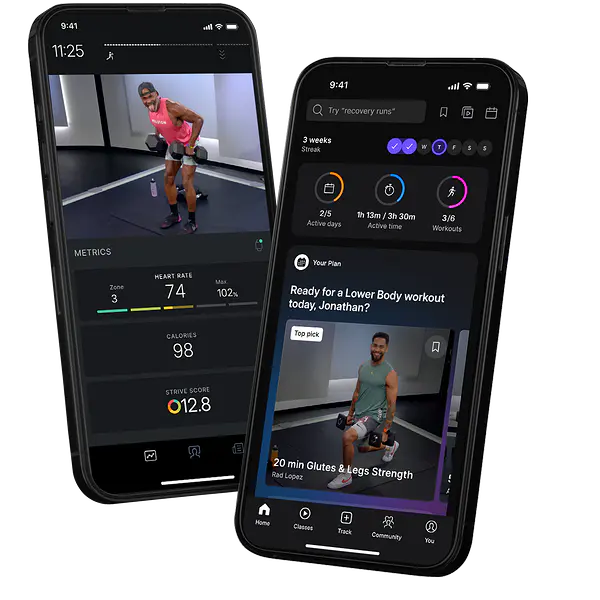
Peloton App ($14.99/month, free 30-day trial pricing as of July 2026)
Peloton is the gold standard for instructor-led fitness if you want real-time engagement, metrics, and community. The app includes live and on-demand classes across cycling, running, strength, yoga, meditation, and cardio. Instructors teach with personality they cue off-bike form, build relationships across class series, and create competitive energy via leaderboards that actually motivate users. Based on owner reports aggregated from Reddit and app store reviews, retention is high, with users most commonly citing the instructor community and competitive metrics as the stickiest features.
What makes it stand out: Live classes schedule you into a collective experience (you’re working out with thousands of others in real time). Real-time metrics (power, cadence, output, resistance) are broadcast and tracked across sessions. The Peloton-specific leaderboard creates accountability. The strength and yoga content, while less famous than the bike classes, receives strong reviews for form cues and program structure. Integration with Apple Watch and other wearables is solid.
The catch: The $14.99/month subscription assumes you either own Peloton hardware (Bike, Bike+, Tread) or are willing to follow along with a bench and dumbbells. The library, while large, defaults to a Peloton instructor style high energy, goal-focused, club-like atmosphere. If that’s not your vibe, no amount of content depth fixes it. The algorithm doesn’t learn your preferences well; you’ll manually rebuild your favorites repeatedly across web and app. No strength equipment tracking beyond reps and weight. The live class schedule is US-timezone-anchored, so non-US users access mostly on-demand content.
Who it’s for: Cycling enthusiasts or runners who want live-class energy, real-time metrics, and an instructor community. People with Peloton hardware. Competitive users who thrive on leaderboards.
Who it’s NOT for: Budget shoppers, non-English speakers (live classes are primarily English-taught), users outside the US who need evening-local live content, or anyone allergic to high-energy instructor culture.
Best Budget Pick: Daily Yoga
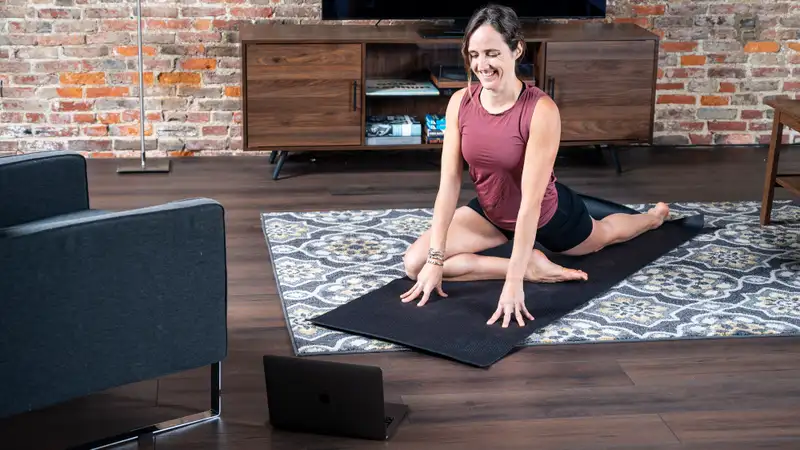
Daily Yoga ($4.99/month or $59.99/year, free 7-day trial pricing as of July 2026)
Daily Yoga is the cheapest legitimate subscription that doesn’t feel like a bait-and-switch. At under $5/month (or $60/year), you get unlimited access to a library of 500+ yoga, Pilates, and meditation classes. The app syncs to Fitbit and Apple Health. No ads. No aggressive upselling to premium tiers mid-workout. The material is calm, functional, and accessible for beginners.
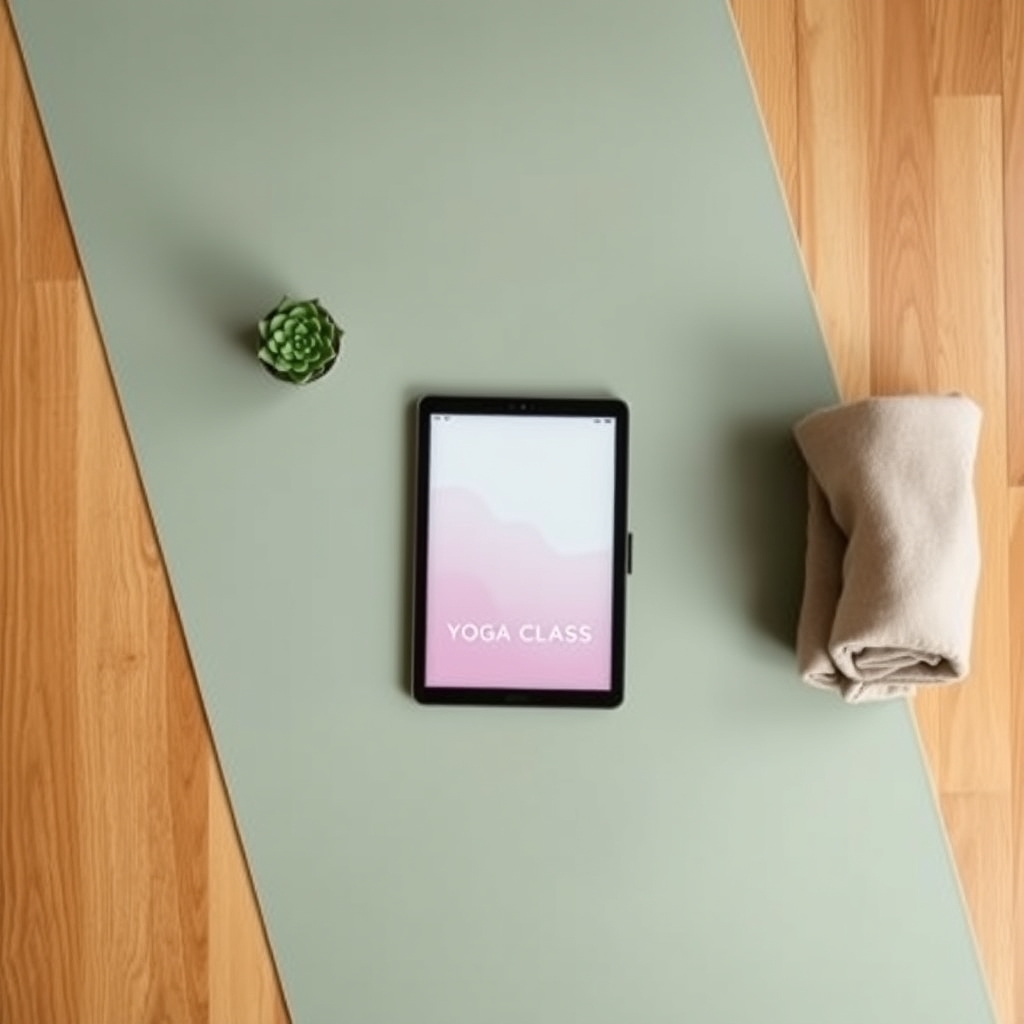
What makes it stand out: Pricing. It’s genuinely cheap without a catch. The yoga and Pilates classes are well-structured, with clear progression (beginner to advanced). Meditation content is extensive. Class scheduling lets you follow multi-week programs or mix-and-match by length (10 to 60 minutes). No hidden paywall; all 500+ classes are available in the base subscription.
The catch: Daily Yoga is yoga and Pilates not strength training, HIIT, cycling, or cardio. The instructor roster is smaller than Peloton or Apple Fitness+; you’ll see the same teachers repeatedly, which some users find comforting and others find stale. No live classes, leaderboards, or competitive features. No real-time heart rate integration on most devices (Fitbit sync works, but Apple Watch integration is limited). The app design is functional but dated not modern or polished like Peloton.
Who it’s for: Yoga and Pilates enthusiasts on a tight budget. Beginners wanting to build a daily practice without cost friction. People using Fitbit or Android (Apple Watch experience is weaker). Anyone needing a recovery or mobility supplement to a strength program elsewhere.
Who it’s NOT for: Users wanting HIIT, cycling, strength training, or cardio. People who need live-class community. Competitive or metric-driven users. Anyone needing advanced wearable integration.
Best for Variety: Beachbody On Demand
Beachbody On Demand ($9.99/month or $99/year, free 14-day trial pricing as of July 2026)
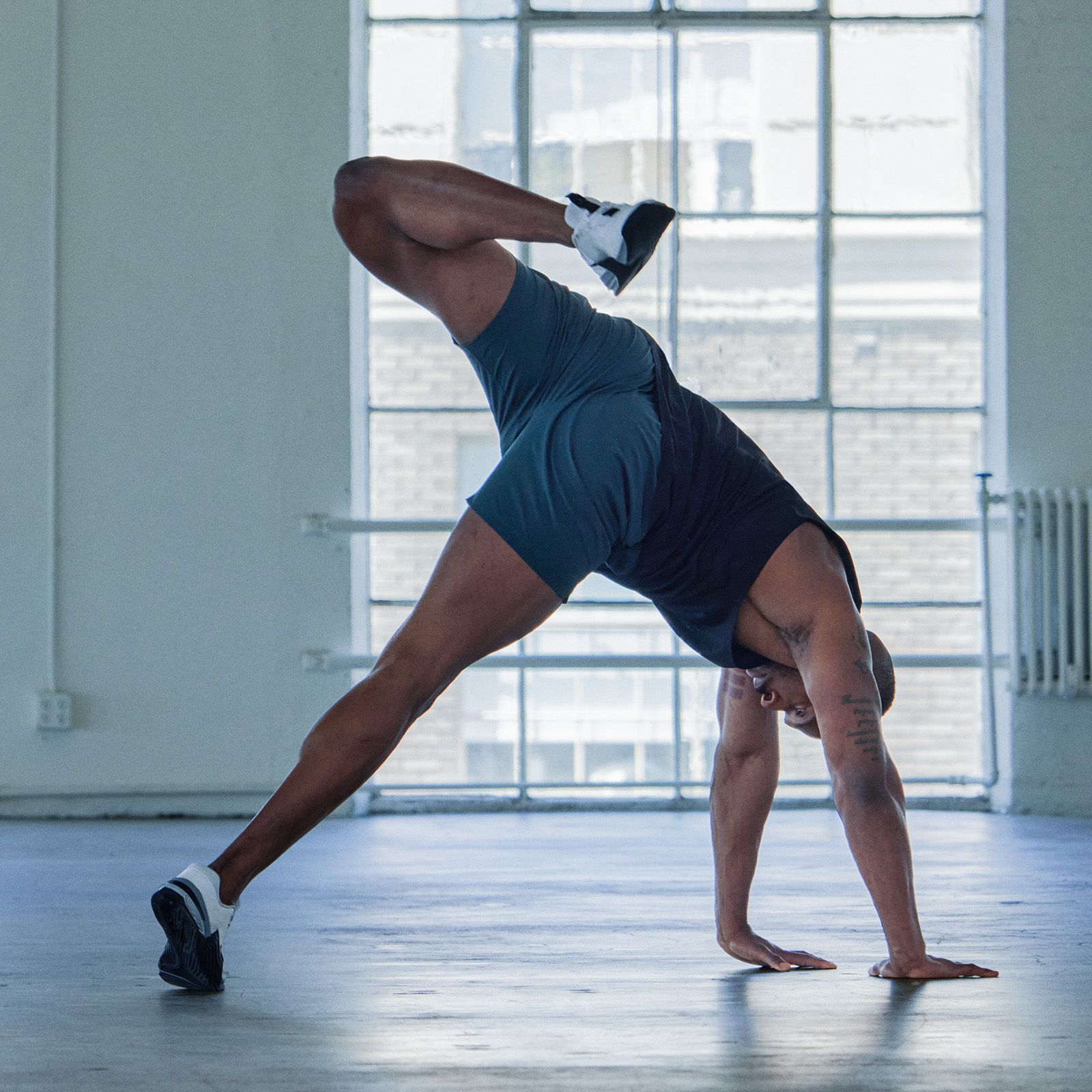
Beachbody On Demand delivers the widest range of class types under a single roof: HIIT, strength training, cardio, dance cardio, Pilates, yoga, stretching, nutrition programs, and celebrity-led workout series (like P90X, Insanity, 21 Day Fix). The library includes 800+ classes and programs. The 14-day free trial is the longest in this roundup, giving you real time to explore.
What makes it stand out: Variety. You can do Insanity HIIT one day, 21 Day Fix strength the next, and sunset yoga on the third without switching apps. Programs are pre-sequenced with progression, so you’re not building a plan from scratch. The app works across iOS, Android, Fire TV, and Roku broad device support. Real-time metrics include calorie burn and rep counting for strength. Community features (challenges, friend streaks) are present but subtle.
The catch: The class quality is inconsistent. Some Beachbody programs (like P90X) are iconic but dated in style and production. Newer content varies wildly some classes feel slick, others feel like home videos. No live classes. The leaderboards and real-time engagement that make Peloton sticky are largely absent; it feels more like a library you browse than a community you join. The real-time rep-counting for strength is clunky and often inaccurate, based on user reviews. Apple Watch integration exists but is basic. The interface is cluttered with upsells to nutrition plans and coaching programs, which adds friction.
Who it’s for: Users wanting to try multiple workout styles without subscribing to five apps. People using non-Apple devices (Fire TV, Roku). Fans of specific Beachbody programs (P90X, Insanity, 21 Day Fix). Budget shoppers wanting breadth over instructor depth.
Who it’s NOT for: People seeking live-class community. Instructor-focused users who want a consistent voice. Metric and competitive enthusiasts. Apple Watch-reliant users wanting seamless integration.
Best Premium Alternative: Apple Fitness+
Apple Fitness+ ($11.99/month, $119.99/year, or bundled in Apple One for $19.95/month, free 30-day trial pricing as of July 2026)
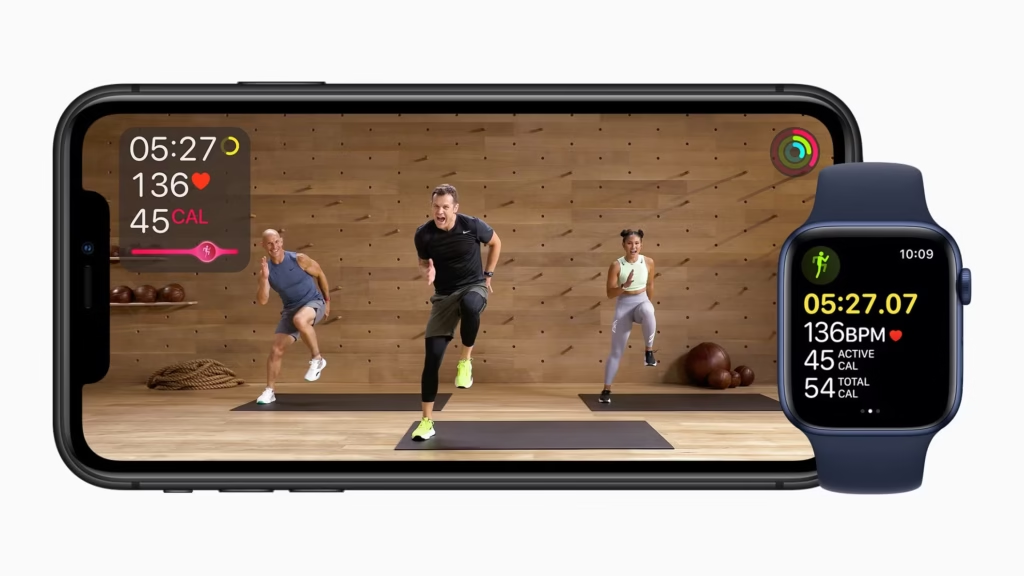
Apple Fitness+ is the second-most premium service after Peloton, positioned as the alternative for Apple ecosystem users who don’t want Peloton hardware. The app includes live and on-demand classes across cycling, running, strength, yoga, HIIT, dance, rowing, and core. All instructors teach without equipment requirements (you can follow along with bodyweight). Real-time metrics are mirrored to Apple Watch, iPhone, and iPad with a polished, minimal interface.
What makes it stand out: Seamless Apple ecosystem integration. Your rings, heart rate, and calorie burn sync instantly to Health without friction. The instructor energy is more approachable than Peloton less “high-octane spin class,” more “relatable fitness friend.” Class lengths are precise (most are 20–30 minutes, which suits casual users). The music curation is notably good; Fitness+ collaborates with artists and playlists feel intentional. No ads. No upsells. Bundle pricing with Apple One (Music, TV+, Fitness+, iCloud+) offers real value if you use multiple Apple services.
The catch: You need an Apple device (iPhone, iPad, Apple Watch, or Apple TV) to access it. The leaderboard and competitive features are missing entirely it’s purely personal tracking. The class library is smaller than Peloton or Beachbody (around 300+ classes, with slower growth based on publicly observable release cadence). The instructor roster is smaller, so you see the same teachers more often. Live class scheduling is limited compared to Peloton (fewer live sessions, mainly evening US time). Real-time power output and advanced metrics for cycling are missing; you get heart rate and calories only. Some users find the “calming instructor” vibe insufficiently motivating it’s the opposite problem from Peloton’s high energy.
Who it’s for: Apple ecosystem users (iPhone + Apple Watch + iPad). Casual fitness enthusiasts wanting quality without information overload. People valuing simplicity and design polish. Bundle shoppers already using Apple Music or TV+. Users intimidated by Peloton’s competitive energy.
Who it’s NOT for: Android users. Competitive or metric-driven users who need leaderboards. People wanting advanced cycling metrics (power output, cadence). Users wanting the largest class library or most instructor variety.
Best for Strength Training: Nike Training Club
Nike Training Club (free with ads, or $9.99/month for ad-free pricing as of July 2026)
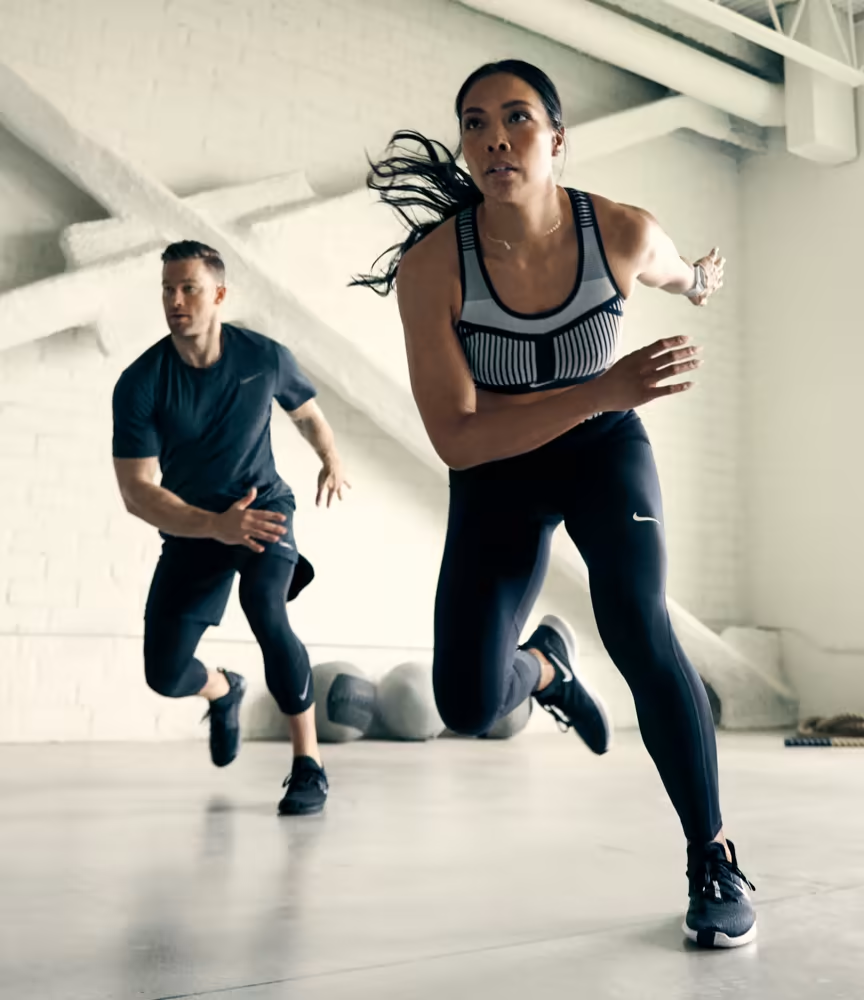
Nike Training Club specializes in strength and functional fitness calisthenics, weight training, mobility, and athletic conditioning. The free tier includes 200+ classes; the paid tier ($9.99/month) unlocks an additional 100+ premium classes and removes ads. The app design is intuitive, class progression is clear, and exercises are explained with video form cues.
What makes it stand out: Strength focus. Every class has detailed movement breakdowns and form cues. The workout selection is thoughtfully progressed (beginner, intermediate, advanced). The free tier is genuinely useful, which is rare. Integration with Apple Health and Strava is solid. No fluff or unnecessary community features; it’s workout-first, philosophy-second. Equipment options are clearly labeled (bodyweight, weights, minimal equipment), so you choose classes matching your setup.
The catch: Not a comprehensive fitness app. There’s no cycling, running, yoga, or cardio just strength and conditioning. The paid tier is still cheaper than Peloton, but you’re paying for a niche service. No live classes. The app has no leaderboards or competitive features. No real-time heart rate integration for most devices (Apple Watch works, Fitbit does not). The instructor roster is small, so you’ll see the same faces repeatedly. The free tier has ads, which is motivationally annoying during workouts.
Who it’s for: Strength training enthusiasts wanting form-focused, progressive programming. Free-tier users exploring strength training without commitment. Apple Watch users. People supplementing cardio or yoga with dedicated strength sessions elsewhere.
Who it’s NOT for: Cycling or running enthusiasts. Users seeking an all-in-one fitness app. Android users relying on Fitbit. Leaderboard-motivated users. Live-class community seekers.
Best for Running: Strava
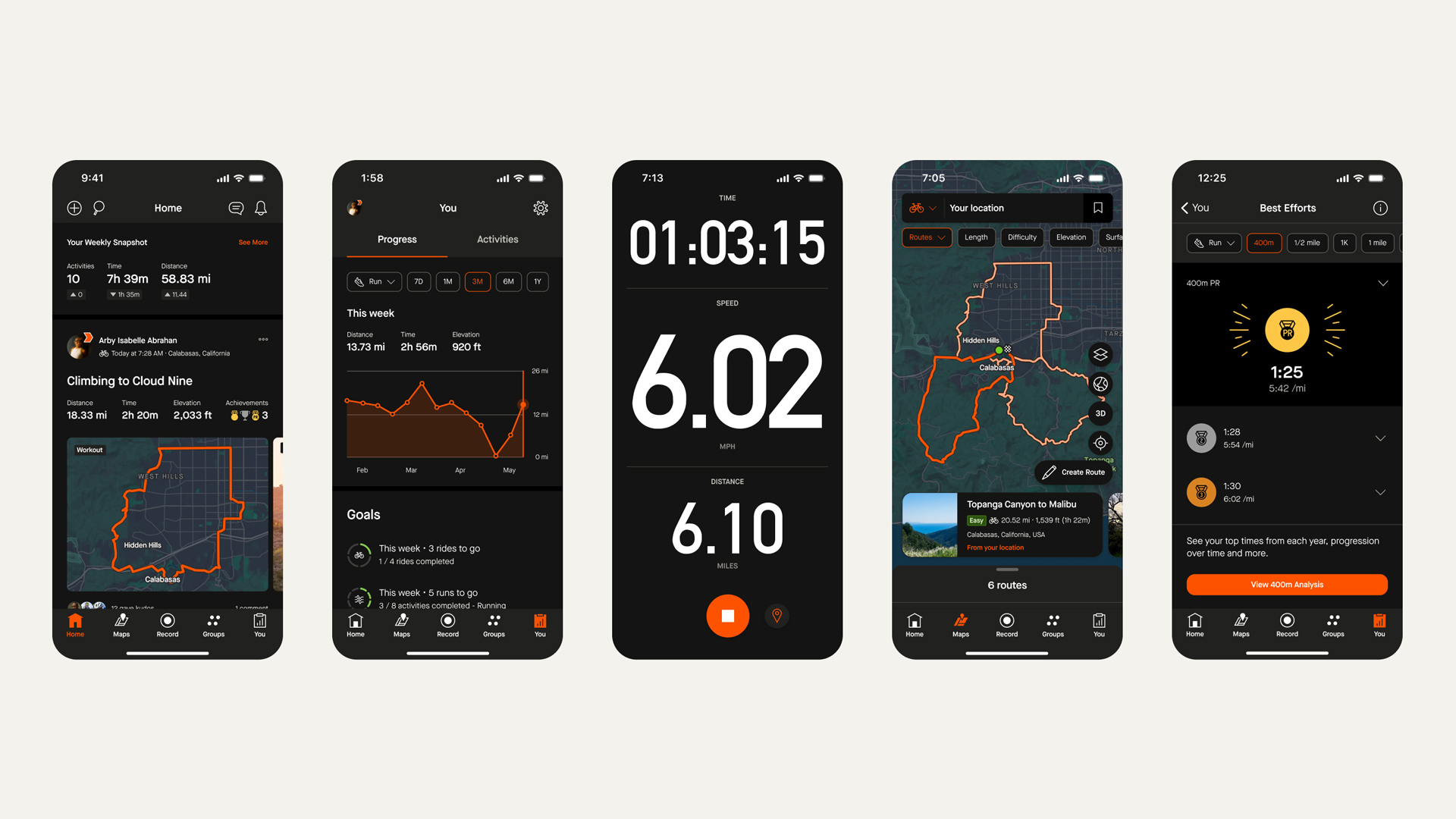
Strava (free with limited features, or $5.99/month for Premium pricing as of July 2026)
Strava is not a fitness app in the traditional sense it’s a training platform and social network for runners and cyclists. The free tier gives you GPS tracking, basic workout logs, and community features (segments, groups, leaderboards). The paid tier ($5.99/month) unlocks Coach, a training AI, plus unlimited training plans and performance analytics.
What makes it stand out: Segment leaderboards. Strava lets you compare your runs against others on specific routes (“segments”) if you run past a coffee shop, that’s a segment, and you can see who’s fastest. This creates organic motivation for repeat routes. The platform is social without being preachy; connecting with friends and following athletes feels natural. Integration with running watches (Garmin, Apple Watch, Fitbit) is excellent. Training plans are adaptive and adjust based on your actual effort.
The catch: Strava is for tracking and socializing, not teaching. There are no class instructions, form cues, or guided workouts for beginners (Coach is a training plan, not a live class). The platform encourages comparison, which can feel toxic if you’re not competitive. The free tier is genuinely limiting you lose popular segments and analytics unless you pay. No strength or cross-training content. Segment obsession can override smart training (your ego wants to set a PR on a segment, but you’re supposed to run easy that day).
Who it’s for: Runners wanting GPS tracking, leaderboards, and a social network. Users with connected running watches (Garmin, Polar, Apple Watch). Competitive runners who thrive on segment challenges. Cyclists also using the platform.
Who it’s NOT for: Beginners wanting step-by-step instruction. Non-runners seeking a general fitness platform. Users uncomfortable with public leaderboards. People wanting strength training or yoga.
Best for Mobility & Recovery: Down Dog Yoga
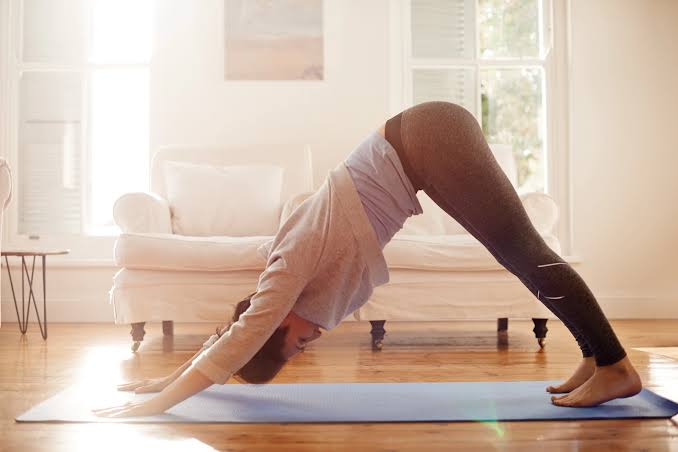
Down Dog Yoga ($9.99/month or $80/year, free 7-day trial pricing as of July 2026)
Down Dog is a yoga-focused app with a unique feature: it generates AI-customized yoga flows based on your preferences (class length, intensity, focus area, music). You’re not following a pre-recorded instructor; you’re getting a personalized sequence voiced by a calm AI narrator. The library effectively has infinite variety because each session is different.
What makes it stand out: Personalization. You specify your experience level, class length (10–90 minutes), focus (hip opening, hamstring stretching, strength, relaxation), and music preference, and the app generates a unique flow. This solves the “I’ve done all the yoga classes” problem for frequent users. The narrator is genuinely soothing not distracting or chatty. Integration with Apple Health and Fitbit works smoothly. The free tier includes a good number of set classes; you’re paying for the customization and ad removal.
The catch: AI-generated flows lack the personality and progression of curated classes. You miss the instructor community and the motivational quirks that make a great teacher memorable. No live classes or leaderboards. The real-time heart rate integration is minimal. The app is yoga and mobility only no strength, cardio, or HIIT. If you dislike the narrator’s voice, there’s no alternative instructor option.
Who it’s for: Yoga practitioners wanting infinite variety and personalization. Recovery and mobility enthusiasts. Meditation and breathwork users. People doing yoga alongside strength training elsewhere. Advanced practitioners wanting to refresh their practice.
Who it’s NOT for: Beginners wanting structured basic instruction (the AI assumes you know basic poses). Users wanting instructor personality and stories. People seeking live-class community. Users needing strength training or cardio.
Best for Functional Fitness: Trueform Classes

Trueform Classes ($12/month or $99/year, free 7-day trial pricing as of July 2026)
Trueform Classes is built for functional fitness and metabolic conditioning think CrossFit-style programming without the gym membership. Classes include strength-and-conditioning combinations, Olympic lifting technique, and high-intensity metabolic work. Instructors program logical progression across weekly plans.
What makes it stand out: Programming logic. Trueform coaches treat fitness like a sport: weekly themes, periodization, auto-regulation (you adjust weight based on how you feel). Classes are labeled by time (20, 30, 40 minutes) and equipment requirements (gymnastics bars, kettlebells, dumbbells, minimal). Real-time metrics track weights lifted and reps completed. The instructor philosophies are consistent form-first, ego-second. Community is engaged but not toxic.
The catch: Trueform assumes you have equipment and basic fitness knowledge. There’s no yoga, stretching, or recovery content (you need to add mobility work elsewhere). No live classes or leaderboards. Integration with wearables is minimal tracking is primarily manual. The instructor roster is smaller than Peloton or Apple Fitness+. The pricing ($12/month) is mid-tier, not budget. If you don’t have a kettlebell or dumbbells, many workouts aren’t accessible.
Who it’s for: CrossFit enthusiasts and functional fitness practitioners. People with home gym equipment. Strength-focused users wanting periodized programming. Anyone wanting Olympic lifting technique cues.
Who it’s NOT for: Beginners or minimal-equipment users. People seeking yoga or recovery. Cardio or dance enthusiasts. Budget shoppers. Users wanting live-class community or leaderboards.
Best for Dance Cardio: iFit+ (Dance Collection)
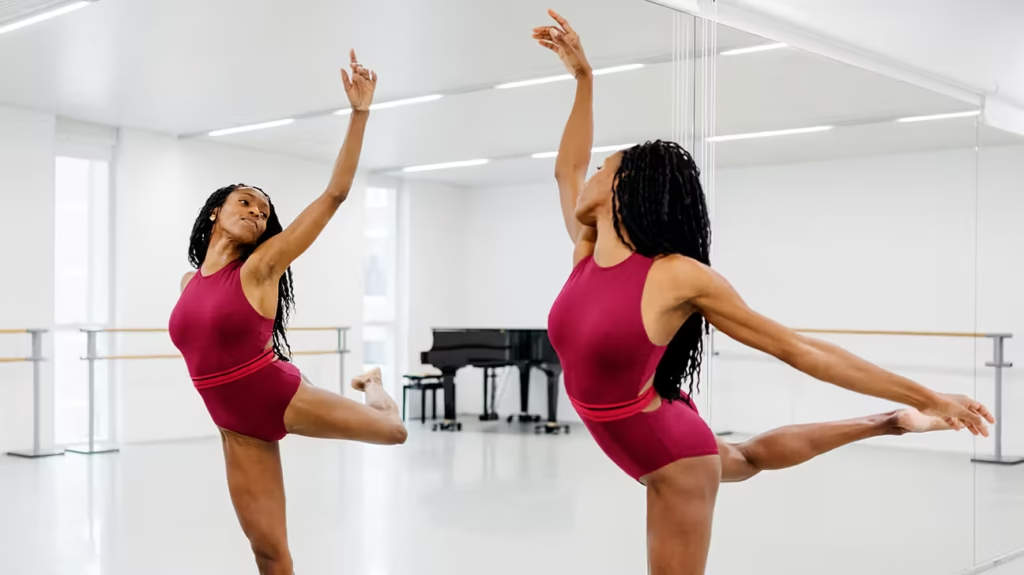
iFit+ ($2.99/month or $29.99/year for the dance tier, free 7-day trial; or $15.99/month for full iFit+ pricing as of July 2026)
iFit+ is a broad fitness platform, but its dance cardio collection stands out for production quality and instructor energy. Classes span hip-hop, pop, Latin, and Bollywood-inspired routines. The base $2.99 tier includes access to dance and some strength; the full iFit+ tier ($15.99/month) adds cycling, running, rowing, and outdoor adventures (real GPS routes set to music).
What makes it stand out: Dance. If you love dance cardio but find Pure Barre or Peloton’s dance class selection too limited, iFit+ delivers 100+ choreographed dance routines. Instructors teach choreography progressively, so you build real dance skills. The production quality is polished. Real-time calorie estimates and heart rate tracking integrate with most wearables. The base tier ($2.99) is the cheapest entry point to a premium-feeling app.
The catch: Dance is the main draw, not the whole app. If you commit to the full iFit+ tier ($15.99), you’re paying close to Peloton prices for a less cohesive experience. The full platform mixing cycling, running, rowing, outdoor routes tries to do everything and masters nothing. The instructor roster is fragmented. No real community features (leaderboards, challenges, friend syncing). Live classes are limited. The outdoor adventure feature (GPS running or cycling to real routes) is cool but requires a treadmill or stationary bike with iFit integration, which most people don’t have.
Who it’s for: Dance cardio enthusiasts wanting choreography and instructor energy. Budget shoppers willing to spend $2.99/month for just dance. Users wanting a little of everything (some dance, some strength, some cycling) without committing to a flagship service.
Who it’s NOT for: Cycling or running specialists. Leaderboard-motivated users. Live-class community seekers. People wanting a single cohesive program (iFit+ feels scattered). Strength-focused users.
Best for Holistic Wellness: Calm

Calm ($14.99/month or $99.99/year, free 7-day trial pricing as of July 2026)
Calm is not a traditional fitness appit’s a meditation, sleep, and wellness platform. But it includes yoga, stretching, and mindfulness-based movement that many users pair with strength training elsewhere. The library includes 2,000+ meditations, sleep stories, music tracks, and breathing exercises, plus yoga and stretching videos.
What makes it stand out: Wellness breadth. If you want a single app for meditation, sleep optimization, stress management, and gentle movement, Calm is comprehensive. The sleep stories are genuinely effective voice acting and production are high-quality. Real-time guided breathing during workouts or stressful moments is useful. Integration with Apple Health and smartwatches is seamless. The interface is beautiful and uncluttered.
The catch: Calm is not a fitness app; it’s a wellness app with some movement content. The yoga and stretching classes are present but not the main draw. If you’re looking for strength training, cardio, or HIIT, Calm is insufficient on its own. There are no leaderboards, real-time metrics, or competitive features. The pricing ($14.99/month) is high for an app you’ll mostly use for sleep and meditation. The meditation and sleep content, while good, overlaps heavily with free alternatives Insight Timer’s free tier offers comparable meditation variety at no cost.
Who it’s for: Sleep-focused users wanting guided stories and music. Meditation practitioners. People managing anxiety or stress. Users wanting yoga and stretching as a recovery supplement. Anyone seeking a calm, uncompetitive wellness app.
Who it’s NOT for: Fitness enthusiasts seeking cardio, strength, or cycling. Metric and goal-driven users. Leaderboard-motivated people. Budget-conscious users (Insight Timer free tier rivals Calm’s meditation library). Competitive or social fitness seekers.
What We Cut and Why
We cut Fitbit Premium ($9.99/month as of July 2026). Fitbit Premium is a wearable-tracking app, not a fitness class platform. It includes some workout videos and guided programs, but they’re skeletal the class library is thin by the standards of every other service in this roundup. If you own a Fitbit watch, Premium adds analytics and AI coaching to your tracking data, which is genuinely useful. But as a standalone fitness subscription against Peloton, Apple Fitness+, or Beachbody, it’s outgunned by actual class libraries. The classes feel like an afterthought bolted onto a tracking app, not a designed-from-scratch fitness platform.
We cut Orangetheory Digital ($59/month or $199/quarter for live + unlimited digital workouts as of July 2026). Orangetheory is expensive, and its app is designed to supplement in-studio classes, not replace them. The digital library is small, and the workout app requires an Orangetheory-branded chest strap heart rate monitor to track real-time metrics (you can’t use Apple Watch or Fitbit). If you’re already paying $200+/month for studio membership, adding $59 for digital doesn’t make sense. If you’re app-only, you’re buying into an incomplete ecosystem. Orangetheory’s quality is high, but the price and equipment lock-in make it a poor value against Peloton or Apple Fitness+.
We cut Peloton Digital (the older Peloton subscription tier for non-hardware owners). Wait isn’t Peloton our top pick? Not quite. We named the Peloton App as the best premium service, which includes all Peloton content (cycling, running, strength, yoga) and works on any device. The older “Peloton Digital” branding ($12.99/month) has been sunset in favor of the unified Peloton App ($14.99/month). Both are good, but the unified app is clearer and slightly more feature-rich, which is why we’re recommending the app over the older Digital branding. We’re noting this to avoid reader confusion there’s only one Peloton subscription now, not two competing tiers.
Comparison Table: Cost, Class Types & Device Compatibility
| Service | Monthly Cost | Annual Cost | Class Types | Live Classes | Wearable Integration | Device Compatibility |
|---|---|---|---|---|---|---|
| Peloton App | $14.99 | $168 | Cycling, Running, Strength, Yoga, Cardio, Core | Yes | Apple Watch, Fitbit | iOS, Android, Web, Apple TV |
| Daily Yoga | $4.99 | $60 | Yoga, Pilates, Meditation | No | Fitbit, Limited Apple Watch | iOS, Android, Web |
| Beachbody On Demand | $9.99 | $99 | HIIT, Strength, Cardio, Dance, Yoga, Pilates, Guided Programs | No | Apple Watch, Fitbit | iOS, Android, Fire TV, Roku |
| Apple Fitness+ | $11.99 | $120 | Cycling, Running, Strength, Yoga, HIIT, Dance, Rowing, Core | Yes (Limited) | Apple Watch (Primary) | iOS, iPad, Apple Watch, Apple TV |
| Nike Training Club | $9.99 (Premium) | $99 | Strength, Functional Fitness, Conditioning | No | Apple Watch, Strava | iOS, Android |
| Strava | $5.99 | $60 | Running & Cycling Tracking, Training Plans | No (AI Coach Plans) | Garmin, Apple Watch, Fitbit, Polar | iOS, Android, Web |
| Down Dog Yoga | $9.99 | $80 | AI-Customized Yoga, Stretching, Meditation | No | Apple Watch, Fitbit | iOS, Android, Web |
| Trueform Classes | $12.00 | $99 | Strength, Olympic Lifting, Metabolic Conditioning | No | Manual Tracking | iOS, Android, Web |
| iFit+ (Dance) | $2.99–$15.99 | $30–$180 | Dance, Strength, Cycling, Running, Rowing | Limited | Apple Watch, Selected Devices | iOS, Android, Web, Integrated Equipment |
| Calm | $14.99 | $100 | Meditation, Yoga, Stretching, Sleep Stories | No | Apple Watch, Fitbit | iOS, Android, Web, Apple TV |
Pricing and features verified as of July 2026. Check each service’s website for current promotions and trial lengths.
Frequently Asked Questions
What is the best fitness app subscription?
Peloton App ($14.99/month) is the best fitness app subscription for most people who want instructor-led classes, real-time metrics, and a competitive community. If you’re budget-conscious, Daily Yoga ($4.99/month) is the best value for yoga and Pilates. If you’re in the Apple ecosystem, Apple Fitness+ ($11.99/month) integrates seamlessly with your existing devices. Match the app to your primary workout type first that matters more than any single feature.
Is Peloton worth it if I don’t own a Peloton bike?
Yes. The Peloton App works on any iPhone, iPad, Android device, or TV. You can follow cycling classes with any stationary or spin bike (you won’t get real-time power output integration without Peloton hardware, but you’ll follow along). The running, strength, yoga, and cardio classes work with bodyweight or dumbbells. The leaderboards won’t apply to off-Peloton hardware, but the instructor community, music, and programming are the same. Try the 30-day free trial to confirm the instructor style clicks before committing.
What’s the best fitness app for absolute beginners?
Daily Yoga or Nike Training Club (free tier). Daily Yoga offers 500+ beginner-friendly yoga and Pilates classes for under $5/month, with clear progression. Nike Training Club’s free tier includes 200+ strength and mobility videos with detailed form breakdowns no experience required. Both are forgiving, judgment-free, and cheap to try. If you want a little of everything, Beachbody On Demand’s 14-day free trial lets you explore multiple class types risk-free.
Is Apple Fitness+ better than Peloton?
No they’re for different people. Peloton is more intense, community-focused, and metric-driven; Apple Fitness+ is more approachable, calming, and design-polished. If you own Apple devices (iPhone, Apple Watch, iPad), Apple Fitness+ is frictionless. If you want live-class energy, leaderboards, and instructor personalities, Peloton is superior. Try both 30-day free trials you’ll feel the difference immediately.
Can I use one app for strength, yoga, and cardio without subscribing to multiple services?
Yes. Beachbody On Demand covers all three at $9.99/month. The quality varies (some classes are great, others are dated), but the breadth is real. Alternatively, Peloton App ($14.99) for cardio and strength paired with Daily Yoga ($4.99) for dedicated yoga gives you more cohesive content in each category at a combined $19.98/month.
What’s the best free fitness app?
Nike Training Club’s free tier (with ads) is legitimately useful for strength training. Insight Timer’s free tier beats Calm for free meditation and yoga. Strava’s free tier is excellent for running and cycling tracking. If you have exactly zero budget, Nike Training Club free tier is our pick.
How to Choose the Right Fitness Subscription for You
Pick by priority, not features. List what matters most: live community (Peloton), simple design (Apple Fitness+), breadth of content (Beachbody), or price (Daily Yoga). Use that as your filter. Most people overthink and land on a service that doesn’t match their actual motivation.
Use the free trial strategically. Don’t try five apps in a week and expect to retain anything. Pick one, commit to it for the full trial (7–30 days), and actually complete workouts. You’ll know if it sticks or feels like a chore by day 7. Then try the next one if needed.
Sync to a device you already use. If you own an Apple Watch, Apple Fitness+ is easiest. If you prefer Android and Fitbit, Beachbody or Daily Yoga are smoother. Don’t choose an app, then buy a smartwatch to pair with it pick the app that works with your existing hardware.
Stack cheap services instead of one premium. Instead of paying $14.99 for Peloton when you’re not a cyclist, consider Daily Yoga ($4.99) + Nike Training Club free tier + YouTube strength programming. You’ll spend $5–10/month and cover most bases.
Track completion, not downloads. The best fitness app is the one you’ll actually finish workouts on. Peloton is excellent, but if you abandon it after a month because the instructor style exhausts you, Daily Yoga at $4.99/month is the better app for you. Pick based on what you’ll use.
Verdict: Peloton App is the Best, But Only If It’s Your Vibe
Peloton App ($14.99/month) is the single strongest fitness subscription if you want instructor-led classes, real-time metrics, and a competitive community. The trade-off is cost and aesthetic fit the vibe is high-energy, goal-focused, and social. If that matches your fitness personality, stop reading and subscribe.
For budget-conscious users, Daily Yoga ($4.99/month) is a genuine steal if yoga and Pilates suit your goals. For Apple ecosystem devotees, Apple Fitness+ ($11.99/month) is seamlessly integrated and worth the price. For variety seekers, Beachbody On Demand ($9.99/month) covers more workout types than any single competitor.
The trap is overthinking. Most people abandon a subscription not because the app is bad, but because they picked the wrong category they subscribed to Peloton thinking they’d be a cyclist, but they’re actually a yoga person. Use the trial period to confirm the vibe, not just the features. Then commit for a month and let the habit form.
Fitness subscriptions are only as good as the workouts you actually complete. Pick the app that makes you want to show up, and you’ve won.