

Budget Family Vacation Planning: How to Save 30–50% Without Sacrificing Quality
Based on typical family spending patterns, you can cut vacation expenses by 30–50% by booking off-season, choosing underrated destinations, traveling midweek, and bundling accommodations with free or cheap activities. Most families overspend on vacations not because quality is expensive, but because they book at peak times, miss cheaper regions, or overlook the dozens of free experiences every destination offers. This guide breaks down the strategy step by step, with real destination options, cost benchmarks by category, and the booking timelines that tend to unlock the biggest discounts.
What You Need Before You Start
Before diving into destination research, gather these pieces:
- A flexible travel window at least 2–3 months of flexibility matters more than any other factor. Peak-season family vacations (summer break, Christmas, spring break) typically cost 40–60% more than off-season alternatives.
- A travel budget spreadsheet you’ll track flights, lodging, food, activities, and hidden costs (parking, tolls, tips, pet sitter fees). Most families skip this and wonder where the money went.
- A calendar marking school breaks and local holidays in both your state and your destination. Traveling during a local holiday (even if it’s not yours) raises prices.
- Credit card bonus points or miles, if you have them. One premium credit card with travel bonuses can subsidize 1–2 flights per year if you carry no balance.
When to Book: The Timeline That Saves the Most Money
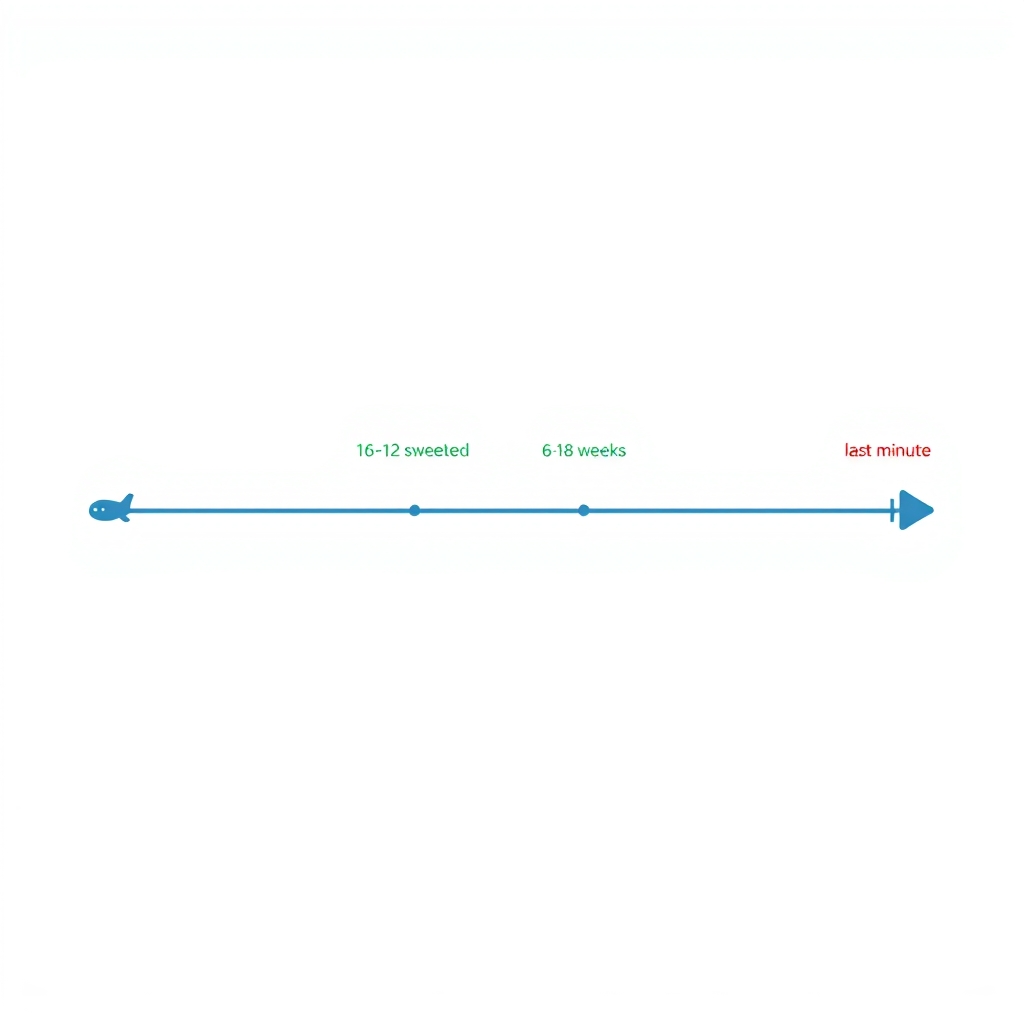
Domestic flights booked 6–8 weeks in advance and international flights booked 10–12 weeks ahead tend to yield the lowest published fares. Book lodging 2–3 months out for off-season dates, earlier if traveling during school breaks. These windows have consistently delivered lower fares across major carriers and hotel chains based on widely observed booking patterns.
Domestic Flights: 6–8 Weeks Out
Flights booked 6–8 weeks before departure typically run 15–25% cheaper than last-minute fares or bookings made more than 12 weeks out. Set up price alerts on Google Flights, Hopper, or Kayak for your route, then book when you see the drop. If you have schedule flexibility, flying Tuesday through Thursday tends to save an additional 10–15% compared to weekend departures though results vary by route and season.
Why not earlier? Airlines release fares in waves, and ultra-early bookings (16+ weeks out) often price higher because fewer competitors have posted yet. Why not last-minute? Budget carriers fill seats quickly during peak seasons, and standby discounts rarely apply to families with kids.
International Flights: 10–12 Weeks Out
International routes have longer lead times. Foreign airlines and consolidators typically release competitive seats 10–12 weeks in advance, and this window tends to undercut both ultra-early and last-minute pricing. If you’re flying during a school break (summer, winter, spring break), book at 12 weeks to lock in inventory before peak demand hits.
Lodging: 2–3 Months Out (Off-Season) or 4–5 Months (Peak Season)
Hotels and vacation rentals release blocks 60–90 days in advance. For off-season travel (September–November, January–February, April–May), booking 2–3 months out typically captures early-bird discounts. For peak seasons, book 4–5 months ahead to ensure inventory and avoid surge pricing.
Pro tip: Avoid booking lodging through the hotel’s own website. Third-party sites (Booking.com, Expedia, Hotels.com, Vrbo) often offer lower base rates or additional coupon codes. Check the hotel’s loyalty program discount separately and compare both before booking.
The 5 Cost Categories: Where Your Money Actually Goes
Most families budget for flights and hotels, then get surprised by activities, food, and transport. Here’s a realistic breakdown based on common family trip profiles:
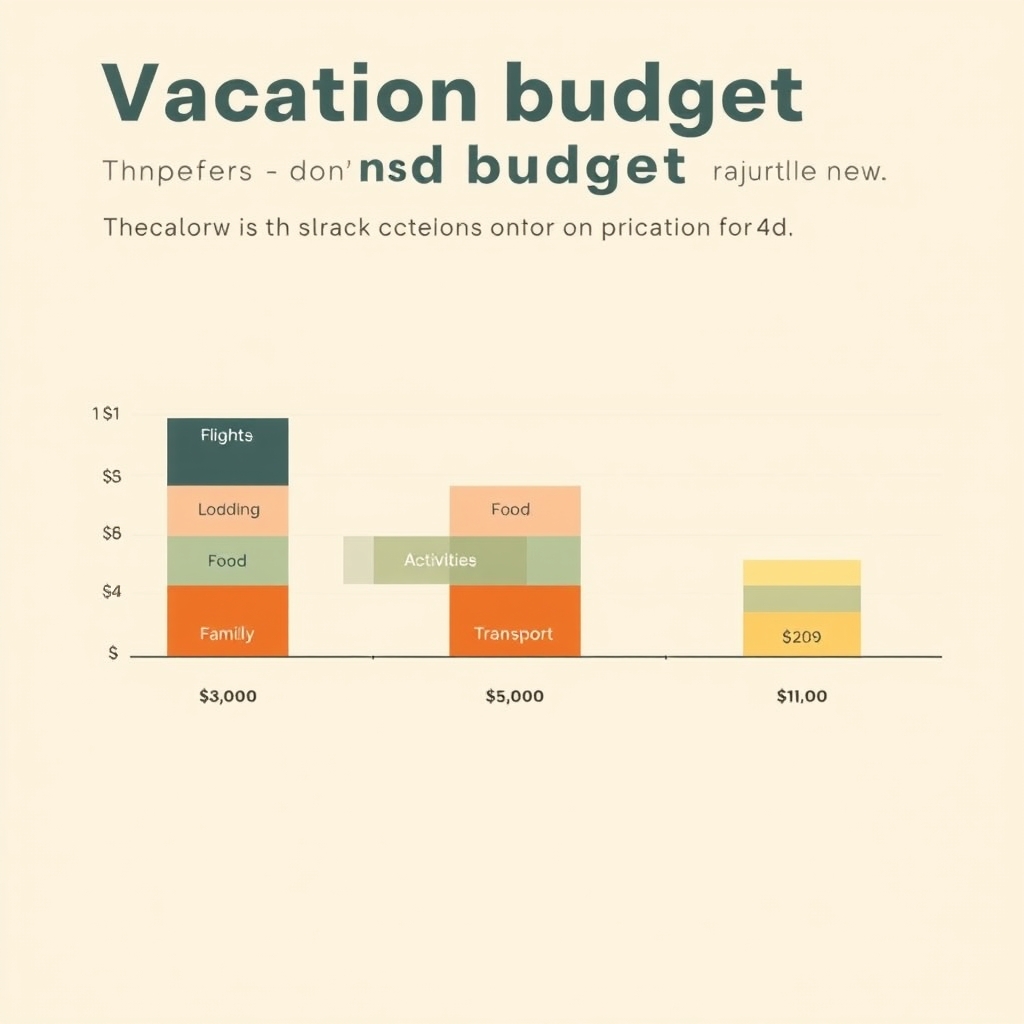
Sample Budget Breakdown (Family of Four, 5-Night Trip)
| Category | Budget Vacation | Mid-Range Vacation | Splurge Vacation |
|---|---|---|---|
| Flights (4 Passengers) | $600–$900 | $1,000–$1,500 | $1,500–$2,400 |
| Lodging (5 Nights) | $500–$800 | $1,000–$1,500 | $1,500–$2,500 |
| Food (All Meals) | $400–$600 | $700–$1,000 | $1,000–$1,500 |
| Activities (Tickets, Guides & Entrance Fees) | $200–$400 | $500–$800 | $1,000–$1,500 |
| Transportation (Car Rental, Taxis & Parking) | $150–$250 | $250–$400 | $400–$600 |
| Miscellaneous (Tips, Snacks, Souvenirs & Emergencies) | $100–$200 | $200–$300 | $300–$500 |
| Estimated Total (Per Family) | $1,950–$3,150 | $3,650–$5,600 | $5,700–$8,900 |
Price ranges are illustrative estimates as of July 2026; verify current fares and rates before booking.
The hidden-cost warning: The miscellaneous line is where most families blow their budget. Park fees ($15–$30/day), valet parking ($25–$40/night in cities), resort fees ($20–$45/night), parking tickets, attraction parking, rental car insurance upgrades, and daily tips add up to $200–$500 easily. Budget 10–15% extra for these.
Off-Season vs. Peak Season: When to Travel for Maximum Savings
The single biggest lever on your budget is when you travel, not where. Traveling during off-season in a mid-tier destination often costs less than peak-season travel in a cheap destination.
Off-Season Months (Best Prices)
- September–October: Post-summer, pre-holiday. Hotels typically drop 20–35% below peak. Weather is still warm in most U.S. destinations. Many families are back in school, so crowds are light.
- January–February: After New Year’s holidays. Domestic ski resorts and warm-weather beach towns offer discounts. Expect crowds in warm destinations (Florida, Caribbean), but prices tend to run 25–40% lower than December.
- April–May: Post-Easter, pre-summer. Spring is shoulder season everywhere. Prices are generally 15–25% below summer, and most destinations have good weather.
- November: Thanksgiving week is peak, but pre-Thanksgiving and the weeks after often offer 20–30% discounts.
Peak Season Months (Highest Prices)
- June–August: Summer school break. Hotels charge 40–60% premiums. Flights typically run 30–50% higher.
- December 20–January 2: Winter holidays. Peak pricing across all categories. Add 50–80% to typical costs.
- Spring Break (March): Typically 2 weeks depending on your school district. Expect 25–40% premiums at warm-weather destinations.
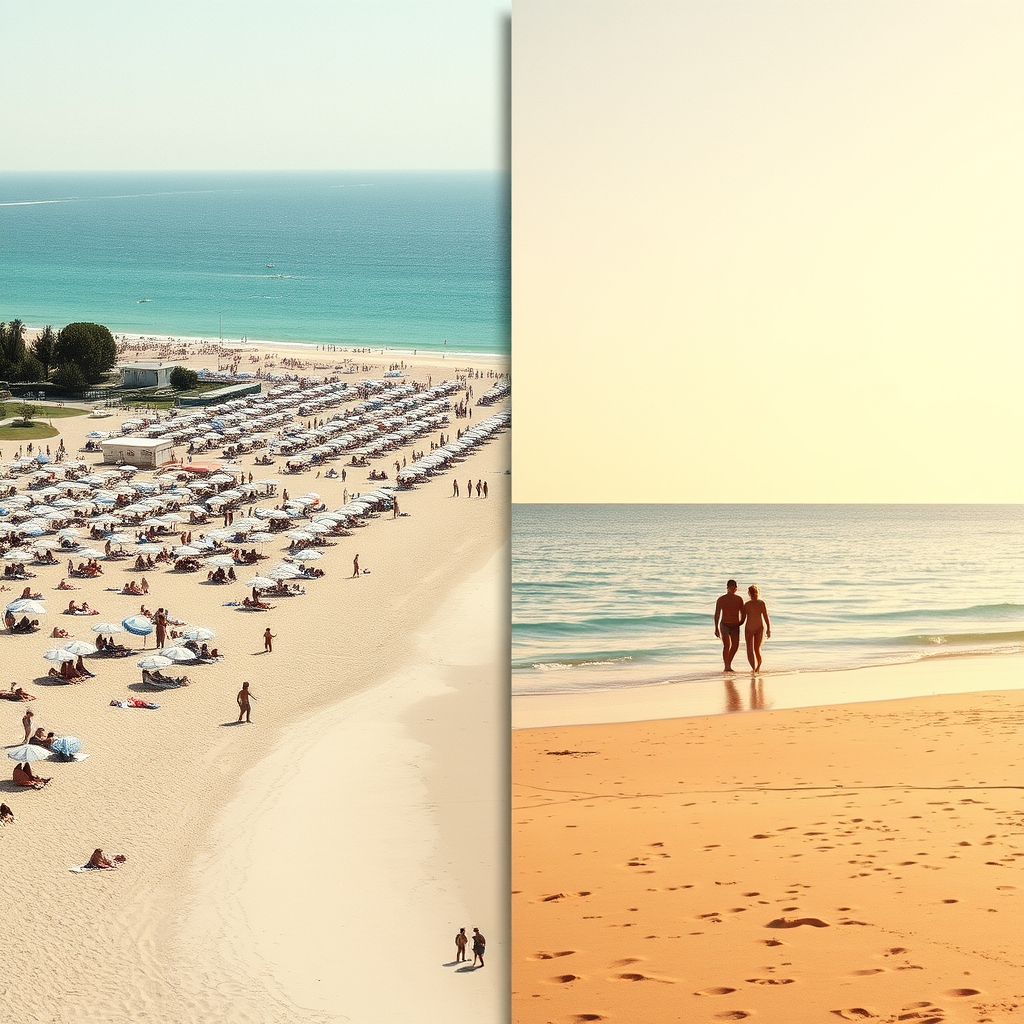
The off-season arbitrage: Flying to a beach town in September typically costs roughly half what it costs in July, even though the weather is nearly identical. Most families don’t book September vacations because school hasn’t started but the cost difference can easily run $2,000–$4,000 per family.
6 Affordable Destination Picks (Domestic and International)
These destinations offer quality family experiences at lower total costs than typical peak-season alternatives. Prices are estimates as of July 2026; verify before booking.
1. Asheville, North Carolina (Budget: $1,800–$2,600 for family of four, 5 nights)
Mountain town with free hiking, waterfalls, and nature. Affordable lodging ($80–$120/night for family vacation rentals), cheap or free attractions (Blue Ridge Parkway, Pisgah National Forest), and moderately priced restaurants.
Best time: May–June or September–October (mild weather, low crowds). Money-saver: Free attractions dominate. Hike Laurel Falls, explore downtown art galleries, and picnic on Blue Ridge Parkway. Food budget: $60–$90/day (mix of casual dining and grocery store meals). Local breweries often allow kids and serve affordable food.
2. Gulf Shores, Alabama (Budget: $2,000–$2,800 for family of four, 5 nights)
Beach vacation without Florida or Caribbean prices. Affordable beachfront condos ($100–$140/night), free beach access, and cheap seafood restaurants.
Best time: April–May or September–October. Avoid July–August (peak pricing and heat). Money-saver: Book a condo with a kitchen; cook breakfast and pack lunches. Free attractions: beach, pier walks, nature trails at Gulf State Park. Food budget: $50–$80/day if you cook some meals.
3. Portland, Oregon (Budget: $2,200–$3,000 for family of four, 5 nights)
City break with gardens, museums, and nature nearby. Affordable hotels ($90–$130/night), many free museums (first Thursday of each month), and cheap public transit.
Best time: July–August (guaranteed weather) or May–June (spring, lower crowds). Money-saver: Free attractions include Portland Art Museum (first Thursday), Powell’s Books, waterfront parks, and Hoyt Arboretum. Public transit day pass covers the family for around $20. Food budget: $70–$100/day. Food cart pods offer cheap, quality meals.
4. Oaxaca, Mexico (Budget: $2,200–$3,200 for family of four, 7 nights)
International option with strong dollar value. Flights typically run $150–$250/person if booked 10–12 weeks in advance; lodging is $40–$80/night; food is $30–$50/day for a family.
Best time: November–April (dry season, mild weather, pre-Christmas is cheaper than December). Money-saver: Street food is safe, delicious, and remarkably cheap ($1–$3 per meal). Markets and archaeological sites cost $3–$10 to enter. Cooking classes, hikes, and local tours run $20–$40. Food budget: $30–$50/day (breakfast $3–$5, lunch $5–$8, dinner $8–$12 per person at casual restaurants). Logistics: Direct flights from major U.S. hubs; friendly to English speakers; excellent pharmacies and medical care if needed.
5. Bozeman, Montana (Budget: $2,000–$2,800 for family of four, 5 nights, summer)
Mountain town with hiking, fly-fishing, and wildlife. Affordable lodging ($85–$120/night), free or cheap outdoor activities, and farm-to-table restaurants at reasonable prices.
Best time: June–August (hiking and outdoor season). September is shoulder season with lower prices and fewer crowds. Money-saver: Free activities dominate. Paved trails, fly-fishing lessons at community centers, hiking access on public lands. Museum of the Rockies runs $15–$18/person. Food budget: $60–$90/day. Grocery stores and picnic lunches save money; eat out for dinner (craft pizza, burgers, tacos: $12–$18/person).
6. Costa Rica (Budget: $2,800–$4,000 for family of four, 7 nights)
International family favorite with zip-lines, rainforests, and beaches. Flights typically run $250–$400/person (book 10–12 weeks out); lodging in eco-lodges or rentals runs $50–$90/night; food is affordable.
Best time: September–October (green season, lowest prices and fewest crowds). Avoid December–February (peak pricing). Money-saver: Many eco-lodges include hikes, wildlife watching, and water access. Zip-line tours and guided adventures run $30–$60 compared to $100+ at U.S. adventure parks. Food is $30–$50/day. Food budget: $25–$45/day. Comida típica (local rice-and-bean meals) cost $3–$5; seafood is affordable in coastal towns. Logistics: No passport card required for U.S. citizens (passport book is). Family-friendly infrastructure.
Money-Saving Hacks: 30–50% Cuts in Real Categories
1: Pack a Cooler at Your Destination
Savings: 20–30% on food.
Buy a $15–$20 cooler at a local Target or grocery store when you arrive. Fill it with breakfast items (cereal, yogurt, fruit, juice), sandwich fixings, and snacks. Pack lunches and two breakfasts per day at your rental or hotel.
- Breakfast at a restaurant: $10–$15/person. Packed: $2–$3/person.
- Lunch at a restaurant: $12–$18/person. Packed: $4–$6/person.
- Family savings on food alone: $600–$1,000 over a 5-night trip.
Most tourist destinations have at least one grocery store within a short drive. Pro tip: Shop at local chains (not tourist-facing markets) for the best prices.
2: Book a Vacation Rental with a Kitchen
Savings: 15–25% on food, potential additional savings on lodging.
Vacation rentals (Vrbo, Airbnb) are often the same price as hotels but include a kitchen, washer, and more space. Cooking some meals drops your food bill significantly, and families consistently report lower stress with more space and laundry access.
- Hotel for family of 4 with restaurant meals: $2,200–$2,800 (lodging + food).
- Vacation rental with kitchen: $1,800–$2,400 (lodging + mixed meals).
3: Use Grocery Store Rewards Programs and Gas Station Discounts
Savings: 5–10% on lodging or activities.
Chain grocery stores (Kroger, Safeway, Publix) often offer fuel points or hotel discounts that transfer to Expedia or other partners. Gas stations like Costco or Murphy USA offer discounted hotel bookings via loyalty programs.
If you have a Costco membership, check its travel portal before booking lodging discounts can run 10–25% off published rates.
4: Travel Midweek and Stay 1–2 Extra Days Off-Peak
Savings: 15–25% on lodging, 10–15% on flights.
Fly out Tuesday and return Thursday or Friday instead of the weekend. Hotels typically drop rates midweek by 10–20%. If you have the flexibility, travel for 6–7 nights straddling a shoulder season (early September, early May) rather than 5 nights in peak season.
Example: 5 nights in July (peak) at a Gulf Shores condo = $700–$900. Same condo for 6 nights in May (shoulder) = $600–$750.
5: Eat Like Locals, Not Tourists
Savings: 20–40% on food.
Eat breakfast at a cafe (not a restaurant), lunch at a food truck or market, and dinner at a sit-down restaurant. Avoid tourist-district restaurants; head 2–3 blocks away from main attractions.
- Tourist restaurant: $15–$25/person.
- Local spot: $8–$12/person.
- Street food/casual: $3–$6/person.
Ask your hotel concierge where locals eat. They’ll point you to hidden gems that cost half as much and often taste better.
6: Skip the Paid Tourist Attractions; Stack Free and Cheap Ones
Savings: 40–60% on activities if you plan right.
Every destination has free hikes, parks, beaches, and public museums (often free on specific days). Research these before you go. Paid attractions (theme parks, fancy tours) are expensive; focus on 1–2 splurges and fill the rest with free activities.
Free family activities at most destinations:
- Hikes and nature walks
- Public beaches and parks
- Downtown exploring and street markets
- Waterfront walks
- Farmers markets
- Museum free days (many cities offer “free Thursday” or “free first Tuesday”)
- Picnics
Sample activity budget (5-day trip):
- Splurge: 1 paid activity ($50–$80/family)
- Middle tier: 1 moderate-cost outing ($25–$40/family)
- Free: 3 outdoor/exploration days
Total: $100–$150/family instead of $400–$600.
7: Fly into a Secondary Airport, Not the Major Hub
Savings: 10–25% on flights.
Flying into Oakland instead of San Francisco, Fort Myers instead of Miami, or Austin instead of Dallas often costs significantly less, with a short drive added. Secondary airports have less competition and lower landing fees, which carriers typically pass along as lower fares.
Check both options in your flight search and factor in the rental car cost for the longer drive.
Common Mistakes and How to Avoid Them
1: Booking Without Price Alerts
Flight prices shift frequently sometimes multiple times a day. Set up alerts on Google Flights, Hopper, or Kayak for your route, then review them weekly. You’ll catch unexpected drops and develop a feel for whether to book now or wait.
2: Ignoring Resort Fees and Hidden Charges
Hotels often tack on $20–$45/night in “resort fees” that aren’t shown in the base price. Always read the fine print before booking. Vacation rentals may charge cleaning fees ($100–$300), so calculate the total cost per night, not just the nightly rate.
3: Not Checking School Break Dates for Your Destination
If your destination has a local school break during your travel window (even if your school doesn’t), prices spike. Avoid major holidays and spring-break weeks in your target region.
4: Underbudgeting for Food
Families often plan $40–$50/day for food for four people, which doesn’t account for snacks, coffee, and restaurants. Budget $60–$100/day if you eat out frequently, $50–$70 if you cook half your meals.
5: Overcomplicating the Destination Search
Paralysis by analysis is real. Pick a destination based on three factors: (1) Your off-season window, (2) family interests (beach, mountains, culture), (3) flight cost from your hub. Book it. Over-researching delays booking and costs you early-bird discounts.
Free and Cheap Activities at Every Destination
No matter where you go, these activities cost $0–$10/family:
- Hikes and nature walks (most state and national parks charge $0–$15 entry)
- Public beaches and lakefront walks
- Waterfall spotting and scenic drives
- Downtown walking tours (find free or pay-what-you-wish options on Eventbrite)
- Farmers markets and street festivals
- Picnics in parks
- Free museum days (many cities offer these; research ahead)
- Public kayaking and swimming spots
- Playgrounds and splash pads
- Ghost tours or walking tours with local guides (on Airbnb Experiences or Viator: $20–$40/family)
Plan 60–70% of your activities from this list and 30–40% as paid splurges. You’ll cut activity costs in half.
The Hidden-Cost Checklist: What Most Families Forget
Before finalizing your budget, verify these charges:
- Resort/lodging fees: $20–$45/night
- Parking (hotel): $15–$40/night (ask if included)
- Parking (attractions): $10–$25 per visit
- Rental car insurance upgrade: $15–$25/day (check your credit card coverage first)
- Tolls and highway fees: $10–$50 depending on route
- Pet sitter or dog boarding: $30–$60/day
- Tips: 15–20% of restaurant bills, $2–$5/day for housekeeping, etc.
- Attraction parking: Often separate from entry fees
- Food delivery fees and convenience markups at hotels/resorts
- Travel insurance: Optional but worth considering if you’re not flexible on dates
Add 10–15% to your budget as a buffer for these items.
FAQ
What’s the best month for a budget family vacation? A: September, late April, and early November tend to offer the lowest prices and decent weather across most U.S. destinations. International destinations like Mexico and Costa Rica are typically cheapest in November–April (outside of holiday weeks). Avoid June–August (summer break) and December (holidays) unless you have no choice.
Can we really save 30–50% by planning ahead? A: Yes, based on typical family spending patterns. Early booking (6–12 weeks out), off-season travel, and smart meal planning can easily cut 30–40% from peak-season totals. Add free activities and vacation rental cooking, and 50% savings become realistic for families willing to shift their travel window.
Is booking a vacation rental cheaper than a hotel? A: Usually yes, because you save on meals and have more space. A vacation rental at $100/night with a kitchen often costs less overall than a $120/night hotel where you eat out three times a day.
Should we book a travel package or book separately? A: Book separately. Travel packages sound convenient but rarely offer real discounts you’re paying for the convenience. Flight + hotel booked independently almost always costs less.
What if we can’t travel during off-season? A: Focus on the other hacks: cheaper destination, vacation rental with kitchen, midweek departure, free activities, and secondary airport. You can still cut 20–30% even if you’re locked into peak-season dates.