
Lab-grown diamonds are diamonds created in a laboratory over a period of weeks to months, rather than formed underground over billions of years. They are chemically and optically identical to mined diamonds a jeweler cannot tell them apart without specialized equipment but they typically cost 30–40% less and come from ethical, transparent supply chains.
For most people shopping for an engagement ring, the choice comes down to three things: certification standard (GIA or IGI), price per carat as of mid-2026, and return/customization policy. If certification matters to you, stick with GIA-certified stones from Brilliant Earth or Clean Origin. If you want the widest design range and fastest shipping, James Allen dominates. If budget is your priority, look for IGI-certified stones from any of these three you’ll typically save another 5–10% versus GIA.
What Actually Matters When Choosing a Lab-Grown Diamond
1. Certification Standard (GIA vs. IGI)
This is the single biggest decision and it affects resale value, pricing, and buyer confidence.
GIA (Gemological Institute of America) certification is the gold standard. GIA grades lab-grown diamonds on the same 4Cs scale as mined diamonds (Carat, Color, Clarity, Cut). A GIA-certified 1.5-carat, D-color, VS1-clarity lab diamond typically costs 5–10% more than an IGI-certified stone of identical specs but it holds its value better and is easier to resell or insure.
IGI (International Gemological Institute) is a legitimate alternative with a smaller but growing reputation in the lab-diamond market. IGI grading is generally consistent with GIA, but the market perceives it as slightly less stringent, which is why IGI stones tend to trade at a discount. If you plan to keep your ring forever and don’t care about future resale, IGI is perfectly fine and saves you money.
What to ignore: Marketing language like “independently verified” or “laboratory tested.” Every reputable lab-grown diamond seller uses one of these two certifications. Avoid any seller who won’t provide a full cert PDF with the stone’s unique laser-inscribed ID number.
2. The Four Cs and How They Actually Differ for Lab Diamonds
Lab diamonds follow the same grading system as mined diamonds, but the economics shift slightly.
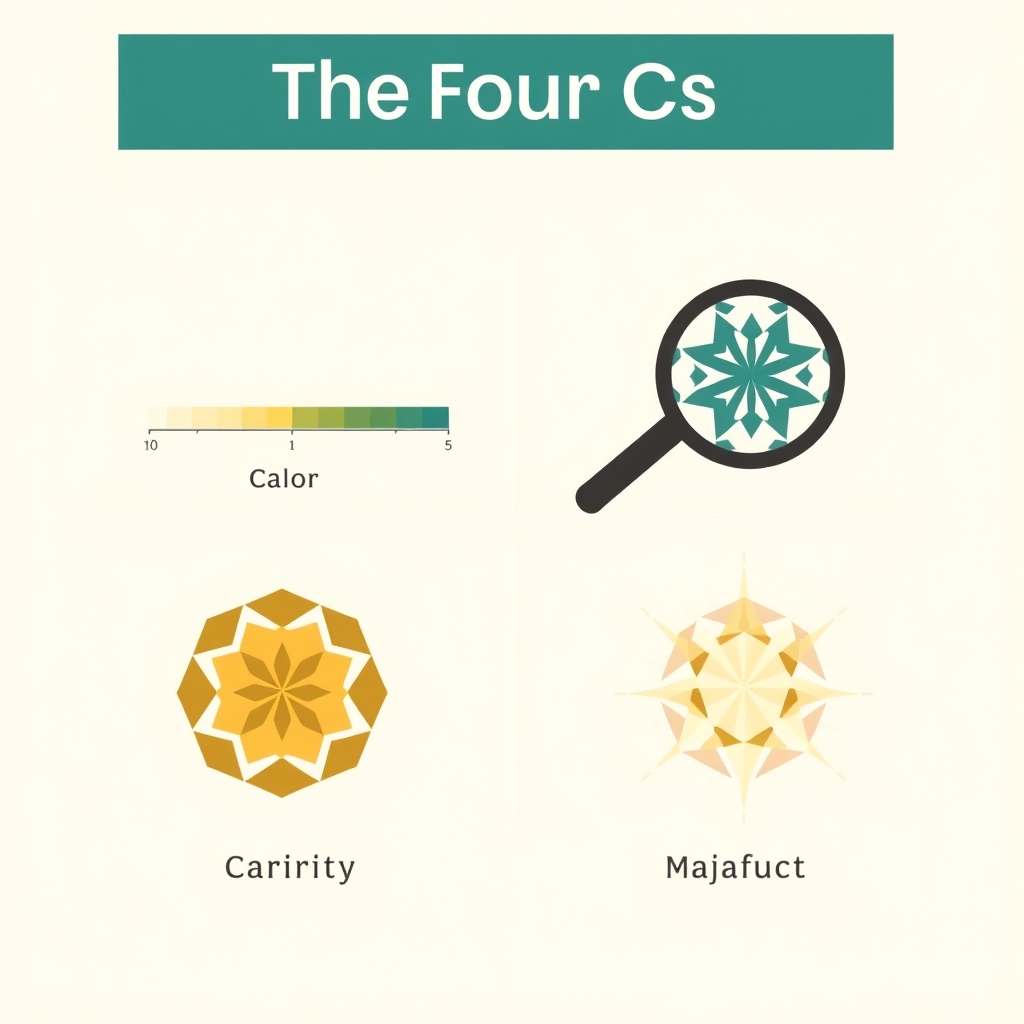
Carat weight is the most visible driver of price. Based on typical retail pricing observed across major sellers in mid-2026, a 1-carat lab diamond runs roughly $800–$1,200 (IGI-certified) or $900–$1,400 (GIA-certified). Mined diamonds of the same specs have generally run $2,500–$4,000—a $1,500–$3,000 gap per carat that is real and repeatable across the market.
Color (D–Z scale, where D is colorless) matters less for lab diamonds because they rarely contain the trace elements that create faint yellow or brown hues in mined stones. Most lab diamonds grade H or higher; E, F, and G are common and priced similarly. Jumping from G to D adds roughly $200–$400 per carat worth it if you want the psychological certainty of “colorless,” but not necessary for eye-clean appearance.
Clarity (FL to I3, where FL is flawless) is where lab diamonds shine. Lab-grown stones almost never contain the deep inclusions that drop mined diamonds into VS2 or SI1 territory. Most lab diamonds grade VVS1 or VS1. Paying up to VS1 is sensible; jumping from VS1 to VVS1 rarely justifies the 10–15% price premium unless you plan to examine it under magnification regularly.
Cut is the hardest to evaluate online but the most important to your eye. A well-cut 0.9-carat diamond will look significantly larger and brighter than a poorly cut 1.0-carat stone. Excellent or Ideal cuts from James Allen or Brilliant Earth typically run $150–$400 more per stone than Very Good cuts usually worth it. Ignore “Hearts & Arrows” marketing unless you specifically want that visual pattern; it’s a subset of Ideal cuts and doesn’t affect light performance measurably.
3. Return Policy and Customization Options
This matters far more than spec sheets because it determines whether you can fix a mistake or change your mind.
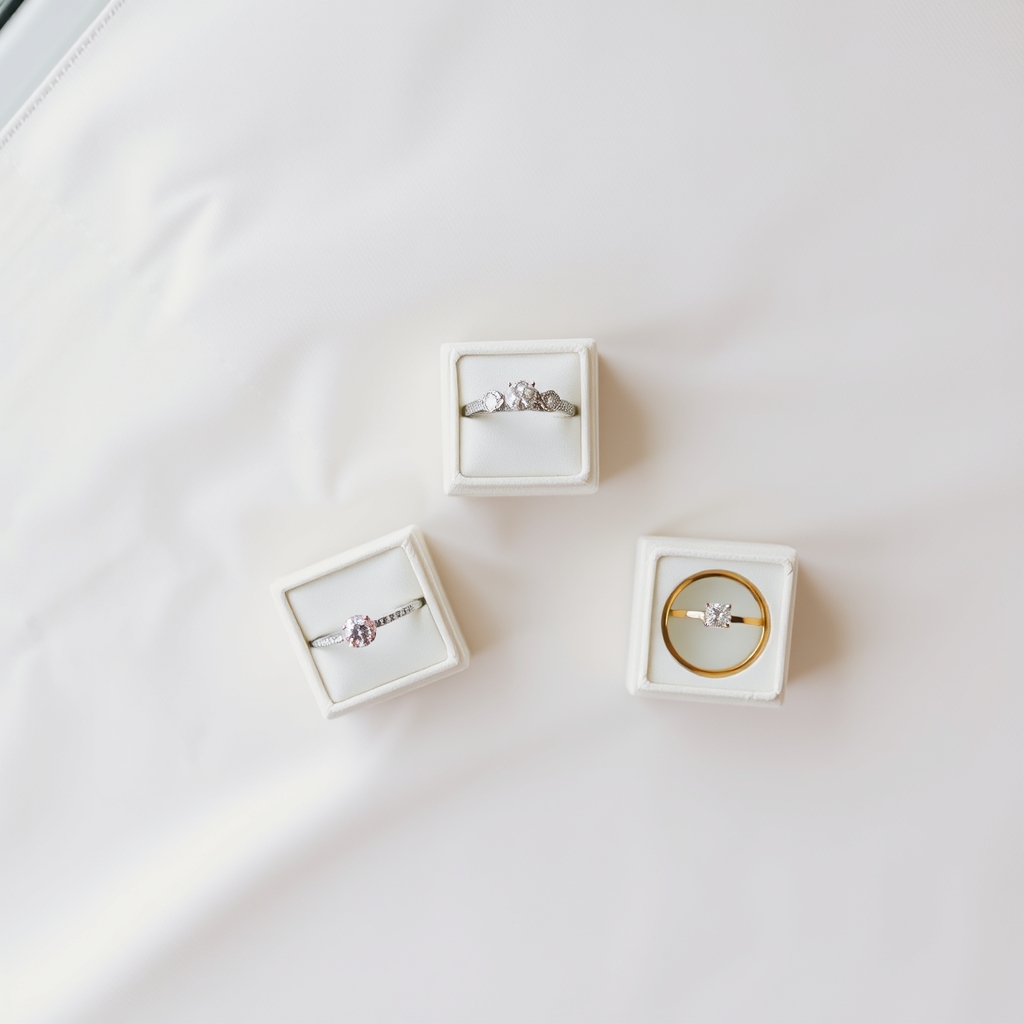
Brilliant Earth offers a 30-day return window and easy custom-setting options. You can buy a certified stone, then have it set in any band they offer, or bring your own band to a local jeweler. Their custom-ring builder is thorough but slower typically 4–6 weeks for delivery.
Clean Origin also offers 30 days and has strong customization through their online tool and phone consultations. Their stones tend toward the high end of the clarity and color spectrum, which drives up baseline pricing slightly but reduces decision fatigue.
James Allen leads in speed and digital transparency. You can filter for exact specs (e.g., “all VS1, E-color, excellent cut, 1.2–1.5 carat”) and view each stone’s actual 360° video before buying. Their 60-day return window is among the longest in the category. However, James Allen charges approximately $150–$300 to reset a stone into a different band, so factor that into the total cost if you’re buying stone and setting separately.
What to ignore: Marketing around “conflict-free” or “ethical sourcing.” All three of these brands are ethical; lab-grown diamonds by definition sidestep the geopolitical supply-chain issues of mined diamonds. Any seller leaning heavily on those buzzwords is selling an emotional story, not a material advantage.
4. Price-Per-Carat Psychology and Where to Avoid Overpaying
Lab-diamond pricing is more transparent than mined, but there are still three traps.
Trap 1: Premium for mid-range specs. A 1.0-carat, H-color, VVS1-clarity lab diamond will cost almost as much as a 1.1-carat, F-color, VS1 stone from the same seller. The second stone looks larger and cleaner to the naked eye but costs the same. Always compare multiple configurations before settling on carat weight.
Trap 2: Certification markup without actual benefit. Some sellers charge 10–15% premiums for GIA certification when the IGI alternative is optically identical and typically priced 5–10% lower. If you’re not planning to resell and you’re shopping within one seller where you can compare both options directly IGI saves money with no meaningful downside.
Trap 3: Custom settings as hidden costs. If you want a specific band or design, factor in the setting cost separately. Brilliant Earth’s custom bands often run $2,000–$4,000 alone. James Allen’s standard settings start around $600–$1,200. Compare the total (stone + setting) before deciding you’ve found a deal.
Observed retail pricing as of mid-2026: A 1.5-carat, F-color, VS1-clarity lab diamond with Excellent cut runs roughly $1,500–$2,000 (IGI, James Allen) or $1,800–$2,400 (GIA, Brilliant Earth). Mined diamonds of the same specs have generally run $4,500–$7,000, so the savings are genuine and material.
Common Mistakes to Avoid
Mistake 1: Prioritizing size over cut. A 1.2-carat, mediocre-cut stone will actually look smaller and duller than a well-cut 1.0-carat. Cut affects light return, which is what makes a diamond “pop.” Spend the money on Excellent or Ideal cut, even if it means dropping 0.1–0.2 carats.
Mistake 2: Assuming all lab diamonds are indistinguishable. They’re not. Two 1.5-carat, D-color, VS1 lab diamonds can have wildly different light performance depending on cut quality and proportions. James Allen’s 360° video feature lets you spot this; most other sellers show only a certificate. That single advantage makes James Allen worth shopping, even if you ultimately buy elsewhere.
Mistake 3: Forgetting to budget for the band. The diamond is typically 40–60% of the total cost. A basic solitaire band adds $600–$1,500; a custom or designer band adds $2,000–$5,000. Many buyers discover midway through that their “$2,000 budget” actually needs to be $3,500.
Mistake 4: Ignoring resale value if you think you might sell later. Lab-grown diamonds do not have a strong secondary market. You cannot resell a lab diamond to another consumer at anywhere near your purchase price. If there’s even a 30% chance you’ll want to sell or upgrade in 10 years, buy GIA-certified (slightly better liquidity) and accept the higher upfront cost. IGI and non-certified lab stones are nearly impossible to resell.
Price Tiers and What You Get
These commonly observed ranges as of mid-2026 assume a 1.5-carat, Excellent cut, GIA or IGI certified baseline.
| Tier | Typical Price | What You Get | Best For |
|---|---|---|---|
| Budget (IGI, Lower Clarity) | $1,200–$1,600 | Approximately 1.0–1.2 ct, H–I color, SI1–SI2 clarity. Certified stone with visible inclusions and a slight color tint that may be noticeable to a trained eye. | Buyers looking to maximize carat size on a limited budget and who are not concerned about resale value. |
| Mid-Tier (IGI VS1 / GIA SI1) | $1,600–$2,400 | Approximately 1.2–1.5 ct, E–G color, VS1 clarity (IGI) or SI1 (GIA). Typically eye-clean with excellent overall appearance and strong value. | Most buyers seeking the best balance of size, quality, and price. |
| Premium (GIA VS1–VVS1) | $2,400–$3,500 | Approximately 1.3–1.8 ct, D–E color, VS1–VVS1 clarity. Superior color and clarity with strong resale potential. | Buyers who prioritize top-quality certification and long-term value. |
| Ultra-Premium (GIA, 2+ ct) | $3,500+ | 2.0+ ct, D–E color, VVS1 clarity. Large, high-grade diamonds with premium certification and rarity. | Buyers seeking exceptional size, prestige, and maximum resale potential. |
The value sits in the mid-tier. A GIA-certified, 1.5-carat, F-color, VS1 diamond is functionally indistinguishable from a premium mined diamond to the vast majority of people, costs 60–70% less, and retains resale flexibility. That’s the Goldilocks zone.
Our Recommendation: Best Lab-Grown Diamond Engagement Ring Retailers
For the complete breakdown of each seller’s stone inventory, band options, and customer service, see our full roundup of the best lab-grown diamond engagement ring retailers on KeptList that guide walks through each major brand, real owner feedback, and detailed comparisons of customization options.
If you’re in a hurry: James Allen if you want fast shipping and maximum transparency (60-day return, 360° video of each stone, widest online selection). Brilliant Earth if you prioritize custom design and don’t mind waiting 4–6 weeks. Clean Origin if you want a curated, higher-clarity inventory and strong customer service.
FAQ
Are lab-grown diamonds real diamonds?
Yes. A lab-grown diamond is chemically and optically identical to a mined diamond. A jeweler needs specialized equipment such as a DiamondView or Raman spectroscopy instrument to tell them apart. To the naked eye and under standard gemological magnification, they are indistinguishable. The only differences are origin and price.
Can I insure a lab-grown diamond engagement ring?
Yes, but premiums are typically lower than for mined diamonds because replacement cost is lower. Most homeowner or renters insurance covers jewelry at replacement value. When you get a certificate and appraisal, make sure the appraiser notes it’s a lab-grown diamond; that ensures the insurance company prices it correctly and avoids disputes if you ever need to file a claim.
Will a lab-grown diamond lose value or fade over time?
No. Lab-grown diamonds are chemically stable and will not change color, fade, or degrade. They will not cloud over like some simulants occasionally do. The only value concern is resale lab diamonds don’t have a strong secondary market, so plan to keep your ring rather than sell it later.
What’s the difference between GIA and IGI certification, really?
Both are legitimate, but GIA is more conservative in grading and has stronger market recognition. An IGI VS1 is generally equivalent to a GIA SI1–VS2 in real-world appearance, which is why IGI stones tend to trade at a discount. For lab diamonds specifically, IGI has improved its consistency in recent years, so the gap is narrower than it was historically. If budget matters and you’re not reselling, IGI is a smart choice.
Can I buy a lab-grown diamond loose and have it set in a custom band elsewhere?
Yes. If you buy from James Allen, Brilliant Earth, or Clean Origin and they won’t set it the way you want, you can take the certified stone to any local jeweler and have it set custom. Budget roughly $800–$2,000 for a custom band, depending on complexity. The certificate travels with the stone, so there’s no ownership or authenticity issue.
Is it cheaper to buy a lab diamond from an online retailer or a brick-and-mortar jeweler?
Online is consistently cheaper typically 10–20% lower than local jewelers because online retailers carry lower overhead. If you want to see and try on rings in person before buying, a local jeweler is worth the premium. Some buyers compromise by trying on styles at a local jeweler, noting the specs they like, then buying the same configuration online.