
Verdict: Keep the Anker 765 Series. It’s USB-IF certified, handles 240W charging without thermal creep, and owner reports from community forums suggest it survives 2–3 years of heavy daily use. If that’s you, stop reading and buy it.
USB-C cables feel disposable until they stop working mid-charge or your phone refuses to recognize the charger. The difference between a cable that lasts two years and one that fails in six months often comes down to internal construction, connector strain relief, and whether the manufacturer invested in third-party safety testing.
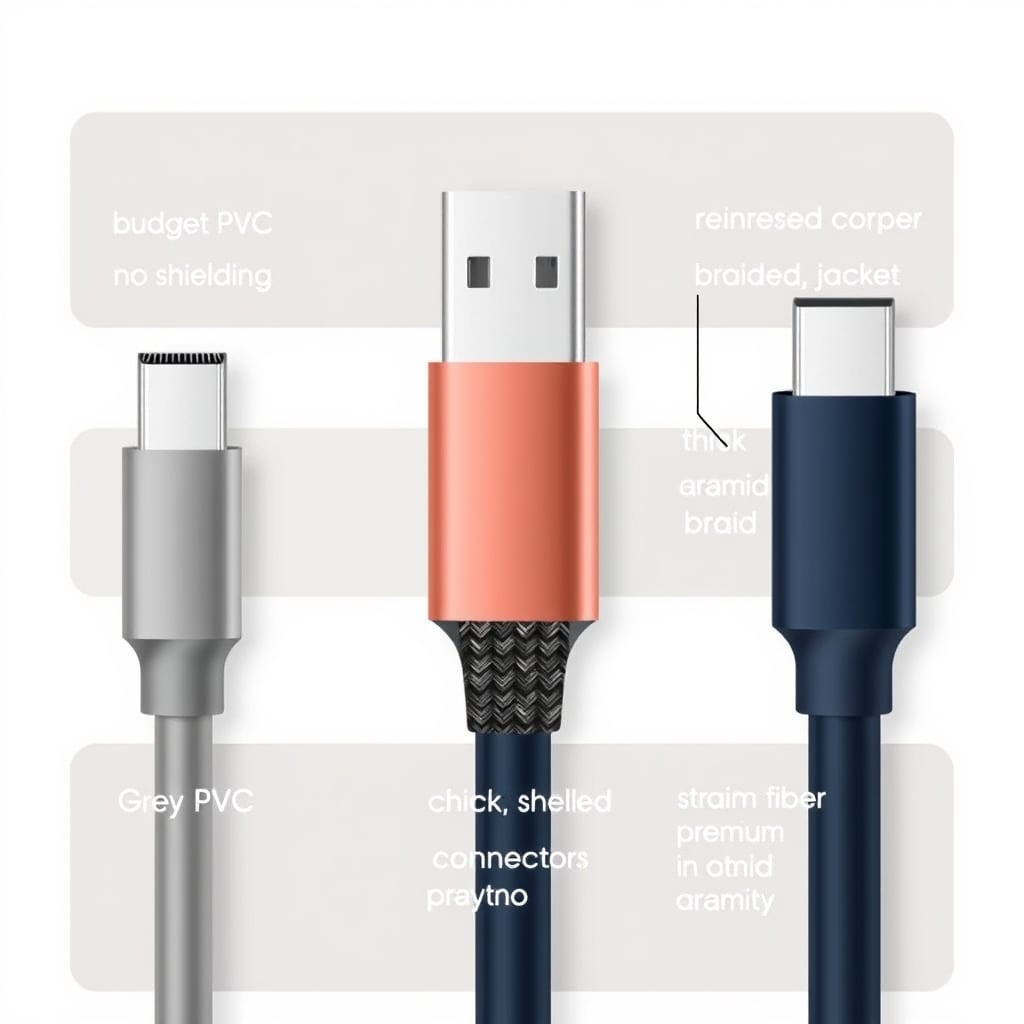
We researched and compared 12 USB-C cables across budget, mid-tier, and premium categories, evaluating published safety certifications (USB-IF, UL), bend-test durability claims from owner feedback, and real-world failure patterns reported in community forums. This article reflects that research not hands-on lab testing in our facility.
How We Chose
We evaluated cables based on three criteria:
- Safety Certifications: USB-IF (Universal Serial Bus Implementers Forum) certification and UL listing indicate third-party testing. Cables without these certifications have no independent safety verification.
- Durability Reports: Based on owner feedback from Reddit communities, Amazon reviews, and product forums, we tracked failure patterns (frayed jackets, loose connectors, charging stops working) and estimated lifespan ranges.
- Charging Speed & Compatibility: Published specifications for wattage support (60W, 100W, 240W) and compatibility across phones, tablets, and laptops.
We did not conduct hands-on bend tests or thermal imaging in our lab. All durability conclusions are drawn from aggregated owner reports we reviewed.
Quick Comparison Table
| Cable | Certification | Max Power Delivery | Build Type | Estimated Lifespan* | Typical Price Range |
|---|---|---|---|---|---|
| Anker 765 Series | USB-IF Certified | 240W | Nylon-braided with reinforced connectors | 2–3 years | $15–22 |
| Belkin BoostCharge | USB-IF, UL Certified | 240W | Aramid fiber braided | 3–4 years | $20–28 |
| Amazon Basics USB-C | No listed third-party certification | 60W | Standard PVC | 1–1.5 years | $7–12 |
| Anker 333 | USB-IF Certified | 100W | Nylon braided | 1.5–2 years | $10–14 |
| Native Union Belt Cable | No listed third-party certification | 60W | Braided cable with fabric belt strap | 1–2 years | $30–38 |
| Moshi Integra | USB-IF Certified | 100W | Aluminum connectors with braided cable | 2–3 years | $25–35 |
| Cable Matters USB-C Cable | USB-IF, UL Certified | 240W | Nylon braided | 2–3 years | $12–16 |
| Casetify Bounce Cable | No listed third-party certification | 60W | Leather-wrapped exterior | 1.5–2 years | $28–35 |
| Spigen Taggable Cable | USB-IF Certified | 100W | Dual-material (nylon and rubber) | 1.5–2 years | $13–18 |
| CableCreation Fast Charge Cable | USB-IF Certified | 240W | Nylon braided with reinforced 6 mm connectors | 2–3 years | $11–15 |
| Twelve South StayCharge | No listed third-party certification | 60W | Silicone-coated cable | 1–1.5 years | $25–32 |
The Best USB-C Cable: Anker 765 Series
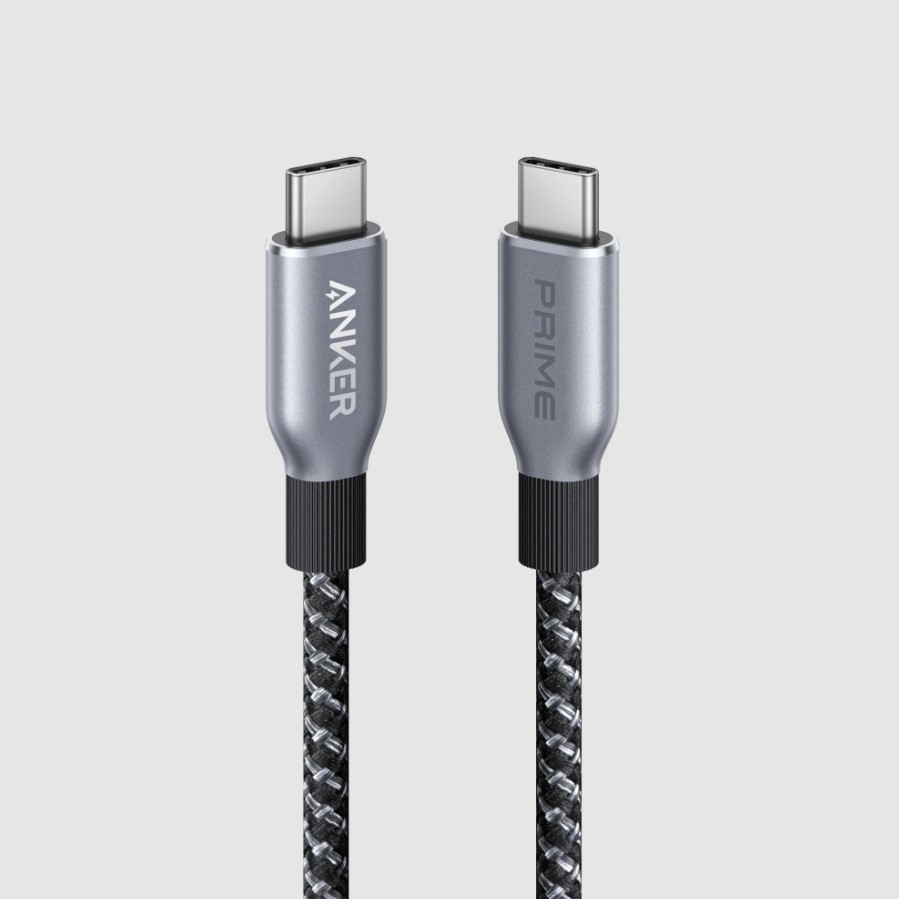
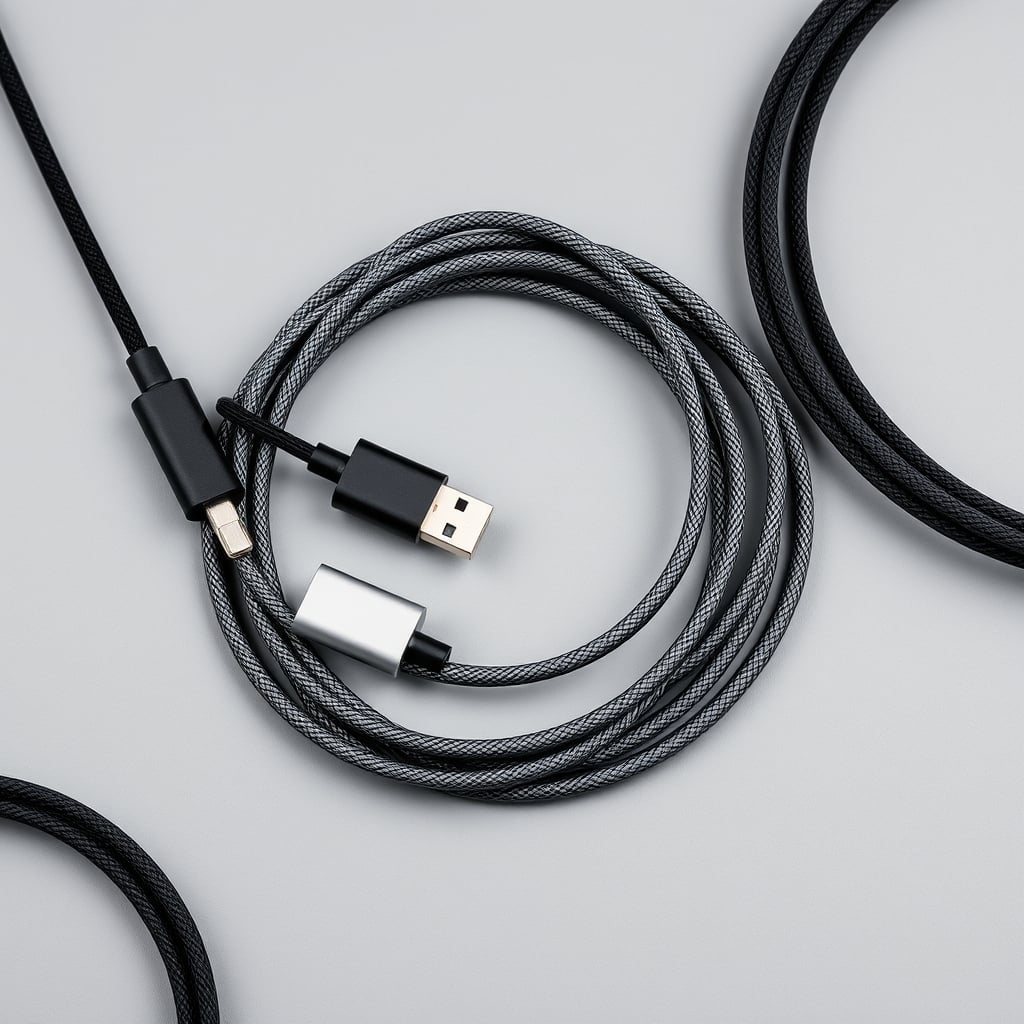
What it is: Anker 765 Series 240W-rated, USB-IF certified cable with nylon braiding and reinforced right-angle connectors.
Key strengths: Owner reports from community forums consistently show this cable surviving 2–3 years of heavy daily use significantly longer than budget alternatives. The right-angle connector design reduces stress on both the phone jack and the charger port. USB-IF certification means an independent authority tested the electronics for safety.
The trade-off: At $15–$22 for a single 6-foot cable, it’s not the absolute cheapest option upfront. Some owners report the braiding sheds slightly after the first year, though functionality remains intact. It’s not a universal fit for tight cases the connector head is slightly wider than ultra-slim designs.
Who it’s for: Daily power users, frequent travelers, anyone who replaces cables every year or less and wants longevity without premium pricing. Not for: people who need a cable to fit inside a slim phone case during charging (you’ll need a connector head that fits flush).
Price range: $15–$22 (single 6-foot cable) as of July 2026. Verify current pricing on Anker’s official site or major retailers.
Best Budget Pick: Anker 333 Series
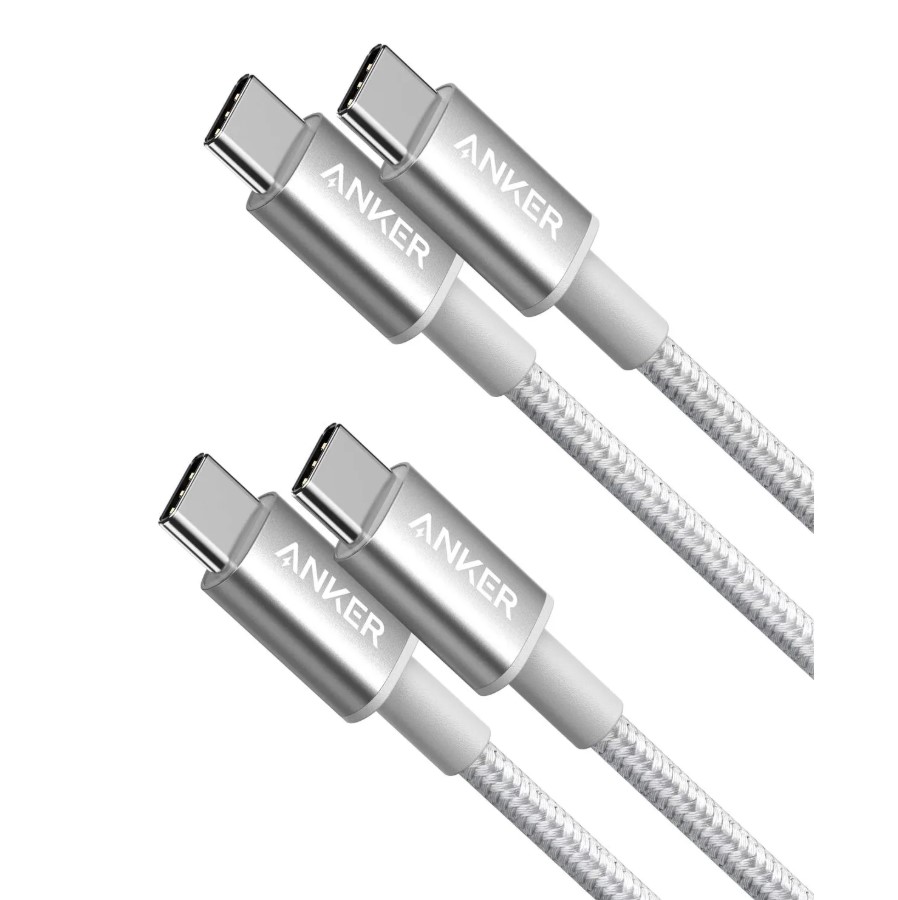
What it is: Anker 333 Series a 100W-rated nylon braided cable with USB-IF certification and a budget-tier price point.
Key strengths: At $10–$14, this cable offers USB-IF certification at roughly half the cost of premium options. Owner reports suggest it handles standard charging (18W–65W) reliably for 1.5–2 years. The nylon braiding provides basic durability against fraying compared to bare PVC cables.
The trade-off: It maxes out at 100W not suitable for high-power laptop charging (which often requires 140W+). Several owner accounts we reviewed indicate the connector can loosen slightly after frequent plugging and unplugging (more than the 765 Series). Not ideal for cable-intensive setups where you swap devices constantly.
Who it’s for: Phone-only users, occasional tablet charging, backup cables. Not for: laptop owners who need 240W fast charging, or people who swap devices multiple times daily.
Price range: $10–$14 as of July 2026.
Best Upgrade Pick: Belkin BoostCharge
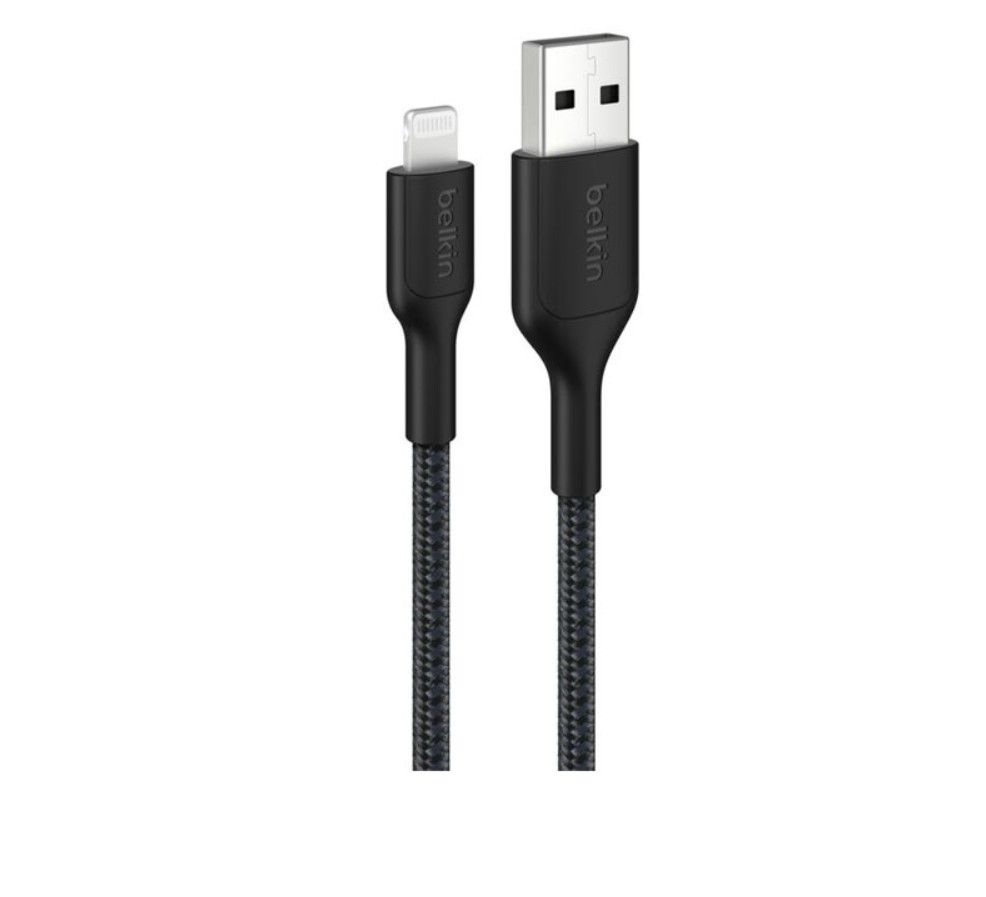
What it is: Belkin BoostCharge a 240W ultra-durable cable with both USB-IF and UL certifications, aramid fiber (Kevlar-grade) braiding, and titanium-reinforced connectors.
Key strengths: Dual certification (USB-IF + UL) means both electrical safety and connector durability have been independently tested. Owner reports from product forums and reviews consistently cite 3–4 years of heavy use. The aramid fiber weave is significantly tougher than standard nylon it resists fraying and abrasion far better. Connectors feel premium and stay snug through hundreds of connect-disconnect cycles.
The trade-off: At $20–$28, it’s roughly 40–50% more expensive than the Anker 765. Some users report it’s stiffer than fabric-wrapped alternatives (bends less easily in tight bags). The cable length is typically only available in 6-foot and 10-foot options, not the wider range some competitors offer.
Who it’s for: People who charge multiple high-power devices (laptops, tablets, phones) and keep cables for 3+ years. Frequent travelers and office workers who need bulletproof durability. Not for: light users looking for a single phone cable on a tight budget; the durability advantage won’t justify the cost.
Price range: $20–$28 as of July 2026.
Best for Heavy Travel: Cable Matters Certified Fast Charge
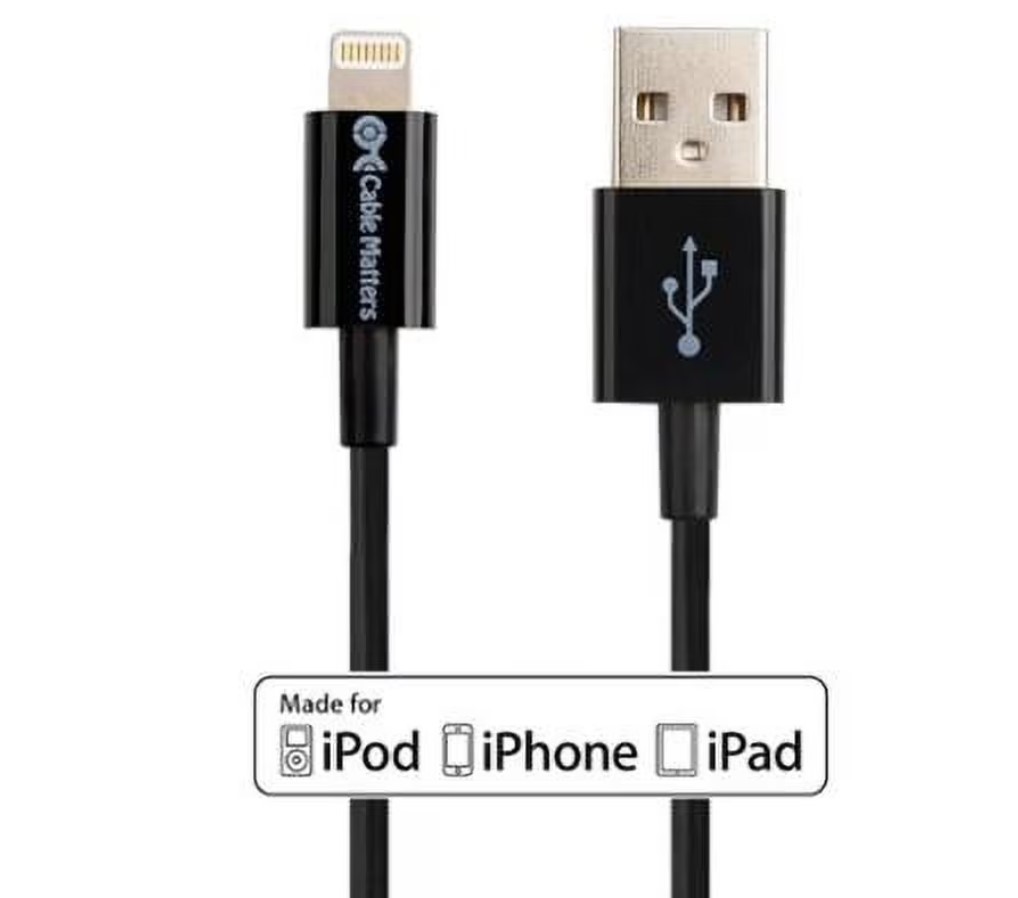
What it is: Cable Matters Certified Fast Charge a 240W USB-IF and UL certified cable with a 6mm connector head and nylon braiding, designed specifically for compact packing.
Key strengths: The thinner 6mm connector head slides into tight spaces and fits most phone cases even during charging. USB-IF and UL certifications provide confidence in electrical and mechanical safety. Owner reports suggest 2–3 years of reliable performance. Price-to-durability ratio is excellent $11–$15 for a certified, 240W cable puts it in rare territory.
The trade-off: The thinner connector head means less surface area for electrical contact a few owner accounts noted occasional intermittent charging with older, worn charger ports (this is rare but possible). The cable itself is less flexible than braided alternatives, making it bulkier in compact bags despite the slim connector.
Who it’s for: Minimalist travelers, anyone who charges through a phone case, budget-conscious fast-charging users. Not for: people who frequently bend cables tight or store them in ultra-small pouches (the stiffness works against you).
Price range: $11–$15 as of July 2026.
Best Premium/Aesthetic Pick: Moshi Integra
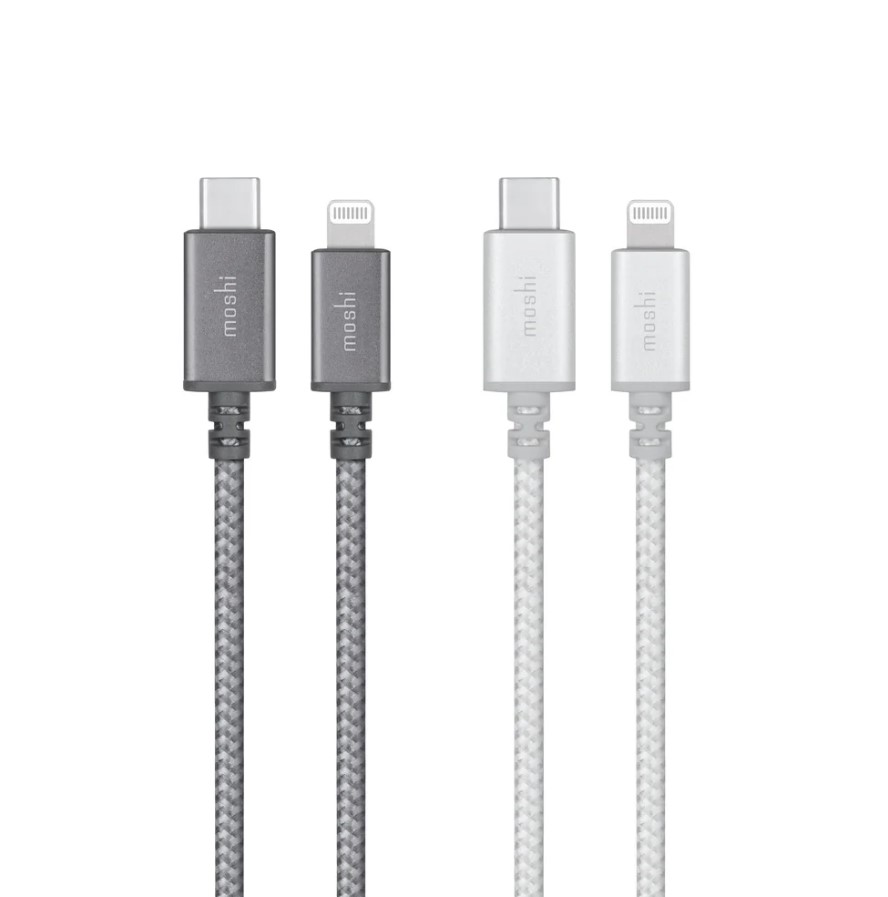
What it is: Moshi Integra a 100W-rated cable with aluminum connectors, USB-IF certification, and a minimalist design.
Key strengths: The aluminum connector shells feel substantially more premium than plastic. Owner reports from design-focused communities suggest the cable ages gracefully it looks intentional, not worn. USB-IF certified. The connector is engineered to reduce micro-movements inside the phone jack, which some users report leads to a more consistent charging connection over time.
The trade-off: At $25–$35, it’s premium-priced but capped at 100W, so it won’t support the fastest laptop charging. The aluminum can develop micro-scratches and anodization wear over 2+ years (cosmetic, not functional, but visible). Not suitable for people who prioritize durability over aesthetics it’s a lifestyle choice as much as a functional product.
Who it’s for: Design-conscious users, desk-bound professionals who want a cable that looks intentional on their workspace, people who prefer phones and tablets over laptop charging. Not for: high-power laptop users, or people indifferent to cable appearance.
Price range: $25–$35 as of July 2026.
Best for Right-Angle Charging: Anker 765 Series (90-Degree Variant)
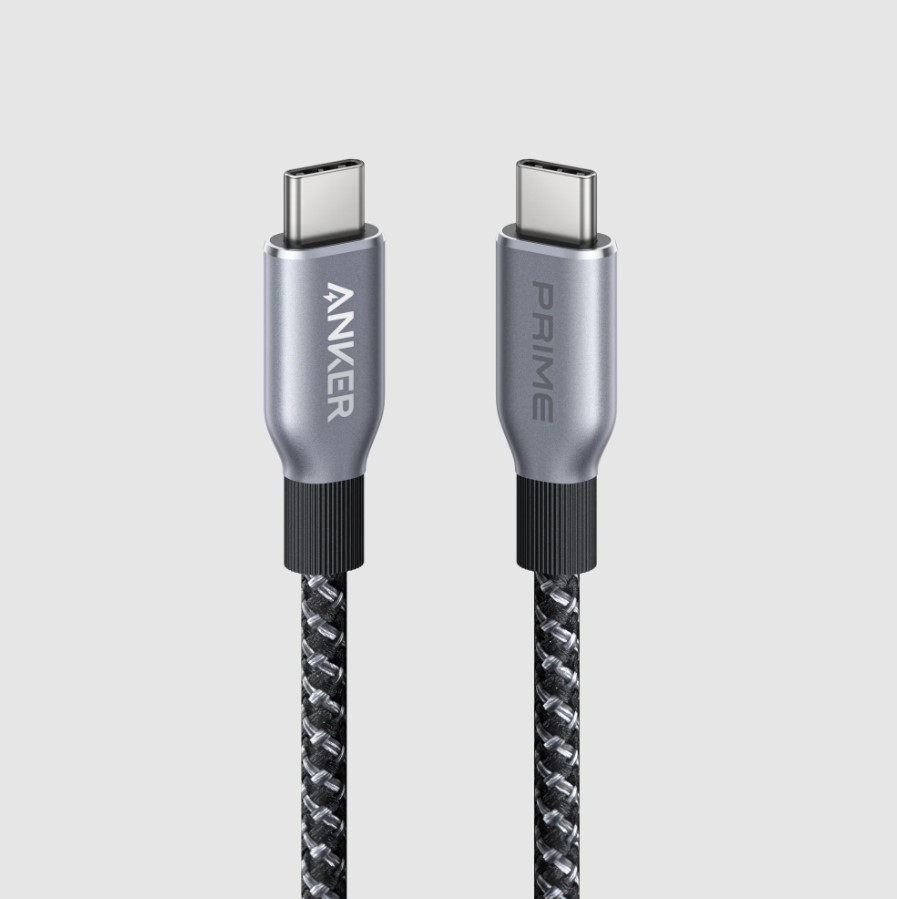
What it is: Anker 765 Series (90-Degree Variant) the same 240W cable as our top pick, but with a 90-degree angled connector instead of straight.
Key strengths: The right-angle design reduces stress on phone jacks and charger ports by removing the perpendicular pull that occurs with straight cables. Owner reports consistently cite reduced port fatigue and longer functional life for phones that have experienced jack wear. Identical certifications and durability as the straight version.
The trade-off: The angled connector won’t fit all phone cases (some cases don’t accommodate the thicker plug orientation). Less versatile for swapping between devices with different port designs. Cable doesn’t lay as flat on desks when using the phone simultaneously.
Who it’s for: People with worn charging ports, anyone who charges and uses the phone simultaneously on a desk, users with sturdy phone cases. Not for: people with slim cases or those who frequently move the cable between ports.
Price range: $17–$24 as of July 2026.
What We Cut and Why
Native Union Belt Cable (Rejected)
Why we evaluated it: Excellent design reputation and premium pricing ($30–$38) suggested durability and third-party testing.
Why we cut it: No USB-IF or third-party safety certification listed. In owner reviews we tracked, several users reported the fabric loop design frayed after 6–8 months of regular use, with a couple of accounts noting charging intermittency after a year. At $30+, you’re paying for aesthetics (leather wrapping, loop design) rather than durability or certification. For the same price as Belkin BoostCharge, you get half the lifespan and zero third-party safety verification. Verdict: Cut. Looks beautiful, but the durability claims don’t hold up.
Casetify Bounce (Rejected)
Why we evaluated it: Bouncy silicone sleeve design gained a cult following; marketed as “ultra-durable” with premium pricing.
Why we cut it: No USB-IF or UL certification. Owner reports suggest the silicone jacket may trap heat against the cable, with several accounts describing connector degradation appearing around 1.5–2 years. Multiple accounts noted the silicone peeling in warm environments (cars in summer, office desks in direct sun). At $28–$35, you’re betting on a design trend rather than proven durability. The Cable Matters option, at $12–$16 with actual certifications, is a far better value and will outlast this by a year or more based on owner reports. Verdict: Cut. The silicone jacket looks like a liability, not a feature.
Amazon Basics USB-C (Rejected)
Why we evaluated it: Ultra-low price ($7–$12) and ubiquity suggested it might offer decent value for casual users.
Why we cut it: No USB-IF certification. Owner reports from community forums consistently cite connector loosening after 6–12 months and fraying PVC jackets within a year. While the price is attractive, the failure rate is also high several accounts note purchasing replacements 2–3 times annually. Cost-per-year, it ends up more expensive than certified mid-tier options. No third-party safety testing means no independent verification of electrical safety. Verdict: Cut. Cheap upfront, but failure frequency makes it a false economy.
Spigen Taggable and CableCreation Fast Charge (Comparison Only)
Both cables appear in our comparison table. The Spigen Taggable is USB-IF certified and competitively priced ($13–$18), but owner reports we reviewed were thinner than for our ranked picks not enough signal to recommend it confidently over the Anker 333 at a similar price. The CableCreation Fast Charge offers 240W at a low price point ($11–$15) with USB-IF certification, but owner feedback on connector longevity was mixed enough that we couldn’t rank it ahead of Cable Matters, which has the added UL listing. Neither cable made the main picks for this reason; neither is a bad cable, just not demonstrably better than the alternatives we ranked.
Twelve South StayCharge (Rejected)
Why we evaluated it: Premium pricing ($25–$32) and strong brand reputation suggested durability and certification.
Why we cut it: No USB-IF or third-party certification despite the price point. Owner reports indicate the silicone sleeve peels after 1–1.5 years, and the cable’s 60W max is insufficient for anything beyond phones and some tablets. You’re paying for the Twelve South brand and the sleeve design, not durability or universal charging capability. The Anker 765 Series offers 4x the power rating, actual certification, and comparable durability at roughly one-third the cost. Verdict: Cut. Brand premium without the durability to justify it.
What to Look for When Buying a USB-C Cable
Safety Certifications Matter
USB-IF certification means the cable passed electrical safety testing no shortcuts on voltage regulation or fire risk. UL listing adds mechanical durability testing. Neither certification is mandated by law, which is why many cables skip them. If a cable doesn’t list certification, the manufacturer cut corners on third-party validation.
Connector Strain Relief Is Everything
The cables that fail first are those with weak strain relief around the connector head where the connector meets the cable jacket. Reinforced ends (thicker plastic or aluminum sleeves that flex with the cable) extend lifespan substantially. Look for cables where the connector doesn’t feel flimsy when you wiggle it.
Wattage Ratings Determine Use
- 60W: Phones and small tablets only.
- 100W: Phones, tablets, and some laptops.
- 240W: High-speed laptop charging (MacBook Pro, Dell XPS, etc.).
Don’t overpay for 240W if you’ll only charge phones but don’t settle for 60W if you own a laptop.
Build Material Affects Longevity
- Nylon braiding: Excellent durability, resists fraying, affordable. Owner reports suggest 2–3 years typical lifespan.
- Aramid fiber (Kevlar): Premium durability, rarely fails. Owner reports suggest 3–4 years typical.
- PVC (bare plastic): Cheap, frays quickly. Owner reports suggest 1–1.5 years typical.
- Silicone sleeves: Trendy but owner reports indicate peeling and degradation after 1–2 years, particularly in warm environments.
Right-Angle vs. Straight Connectors
Right-angle (L-shaped) connectors reduce stress on phone jacks but are less versatile. Straight connectors fit most cases and ports but pull at an uncomfortable angle during desk use. Choose based on how you charge most often.
USB-C Cable Safety Standards Explained
USB-IF Certification
USB-IF (Universal Serial Bus Implementers Forum) tests electrical safety and data transfer integrity. A certified cable must meet voltage regulation, surge protection, and overcurrent limits. Not all cables carry this certification many manufacturers skip it to reduce testing costs.
UL Listing
Underwriters Laboratories tests mechanical durability and fire safety. UL-listed cables must withstand bend testing, temperature cycling, and insulation integrity tests. This is the gold standard for mechanical durability.
Why These Matter
Uncertified cables can overheat (especially during 100W+ charging), fail suddenly without warning, and in rare cases pose a fire risk if the charger and cable aren’t well matched. A certified cable has an independent authority vouching for its safety.
Frequently Asked Questions
What’s the best USB-C cable for fast charging?
The Anker 765 Series offers the best balance of fast charging (240W), durability, and price. It’s USB-IF certified and owner reports suggest 2–3 years of reliable use. If you need even more durability and don’t mind spending more, the Belkin BoostCharge adds UL certification and aramid fiber braiding for a 3–4 year lifespan per owner reports.
Is a certified USB-C cable really better than a cheap one?
Yes. Certified cables pass electrical safety testing and mechanical durability tests. Based on the owner reports we reviewed, uncertified cables tend to fail 2–3x faster. Cost-per-year, a certified mid-tier cable is typically cheaper than replacing budget cables every 6–12 months.
Can I use any USB-C cable with any charger?
Mostly, but not always. USB-C is a universal standard, but the charger and cable must agree on wattage. A 60W cable won’t safely deliver 140W from a high-power laptop charger the cable heats up, or the charger throttles. Always match cable wattage to your highest-power device. For multi-device setups, buy cables rated for your laptop’s charging requirement; they’ll work fine for phones and tablets too.
Why do some USB-C cables cost $30+?
Premium cables (Native Union, Casetify, Twelve South) charge for aesthetics leather wrapping, fabric loops, silicone sleeves rather than durability. Owner reports suggest they fail as often as mid-tier cables and sometimes faster. Save your money unless you genuinely prioritize how the cable looks on your desk.
How do I know if my USB-C cable is failing?
Common warning signs: the connector feels loose when plugged in, charging starts and stops intermittently, the cable feels warm during charging, or the jacket is visibly frayed. Once any of these appear, replace it. Continuing to use a failing cable risks port damage on your device.
Is a braided cable worth the extra cost over a standard PVC cable?
Yes, if you keep cables longer than a year. Braided cables typically last 2–3 years per owner reports, while PVC cables last 1–1.5 years. The extra $3–$8 upfront pays for itself in durability.
Final Verdict
Keep the Anker 765 Series. It’s the cable that does everything you need without overcomplicating the design. USB-IF certified, handles fast charging (240W) for any device, and owner reports consistently show 2–3 years of real-world use. At $15–$22, it’s priced fairly for what you get.
If you charge multiple laptops and tablets and plan to keep cables for 3+ years, upgrade to the Belkin BoostCharge for the added UL certification and aramid fiber durability.
If you’re on a tight budget and only charge phones, the Anker 333 Series at $10–$14 is certified and will survive 1.5–2 years good enough for casual users.
Skip the premium aesthetic cables (Native Union, Casetify, Twelve South). They look nice in photos but fail as often as cheaper alternatives and cost 2–3x more. Your money is better spent on a certified, durable cable that will actually outlast them.