
The best audiophile speakers are not the ones with the most impressive measurements they’re the ones that make you forget you’re listening to speakers and pull you into the music instead. If you’re serious about high-fidelity sound and willing to invest in speakers that prioritize musicality and emotional connection, this roundup will help you navigate the crowded high-end market without overspending on features that don’t matter to your ears.
What to Look for in Audiophile Speakers
Before we dive into specific products, it’s worth understanding what separates genuine audiophile speakers from high-end marketing. Here are the core attributes that matter to critical listeners.
Soundstage and Imaging Precision
Soundstage refers to the illusion of space the sense that instruments and vocals are positioned in a three-dimensional field rather than coming directly from the speaker boxes. Audiophile speakers excel when they create a believable phantom center image and place individual elements at specific points in that field. A speaker with excellent imaging lets you close your eyes and point to where the lead vocal is positioned or where the snare drum sits in the stereo field.
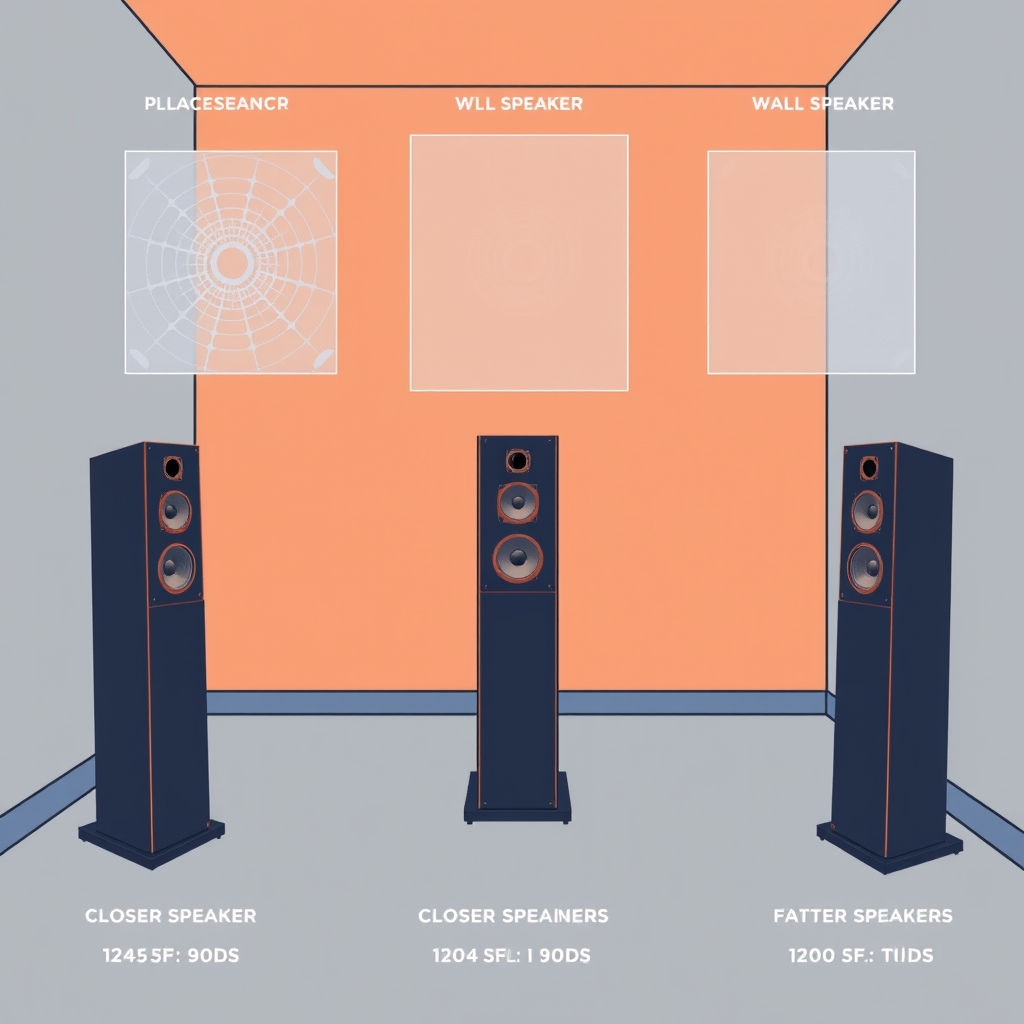
This requires careful internal damping, precise driver alignment (especially between tweeter and woofer), and cabinet bracing that minimizes internal reflections. Room placement and toe-in angle matter enormously far more than raw speaker cost. Owner reports we’ve reviewed on communities like Audiokarma and Audio Asylum consistently emphasize that proper setup yields surprising improvements without upgrading hardware.
Musicality Over Flatness
Audiophile speakers are often voiced with gentle tonal colorations that enhance musical engagement rather than pure neutrality. A speaker might roll off the lower midrange slightly to reduce boxiness, or add a touch of warmth in the bass to compensate for typical room modes. This is intentional and is part of what makes a speaker sound “musical” rather than analytical.
Conversely, some listeners particularly those accustomed to studio monitor voicing prefer neutral, ruler-flat response. There is no universal “correct” answer here. Your preference depends on your music, your room, and your ears. Based on patterns in owner feedback across audiophile forums, passionate listeners often prefer mild colorations that enhance engagement over clinical precision.
Driver Quality and Materials
The tweeter (high-frequency driver) is where you first hear whether a speaker costs $500 or $5,000. Premium tweeters use soft dome designs (typically silk or fabric) or beryllium domes for extended treble without harshness. Cheap tweeters reveal themselves immediately they sound thin, fatiguing, or shrill after 30 minutes of listening.
Woofer cones determine bass character. Paper is warm and musical but less durable. Polypropylene is neutral and robust. Aluminum or composite cones can sound lean if the cabinet doesn’t have sufficient internal damping. Cabinets themselves should be heavily braced internally and typically constructed from MDF or hardwood rather than thin plywood owner reports on forums like Audio Asylum consistently identify cabinet resonance as one of the most noticeable flaws in budget speakers that aspire to hi-fi sound.
Amplifier Synergy
Audiophile speakers are designed to work with specific amplifier types. Some speakers are happy with 50 watts of tube amplification; others need solid-state power to sound their best. Very efficient speakers (above 88 dB/1W/1m) pair well with lower-power tube amps. Less efficient speakers (below 85 dB) typically benefit from solid-state amplifiers with available current.
A consistent pattern across audiophile forums Audiokarma, Audio Asylum, and Head-Fi among them is that the amplifier and speaker combination matters more than either component in isolation. A $3,000 speaker paired with a mediocre $400 receiver will underperform a $2,000 speaker driven by a synergistic $1,500 amplifier. This is not a rule, but a pattern worth considering before committing to either component.
Room Integration
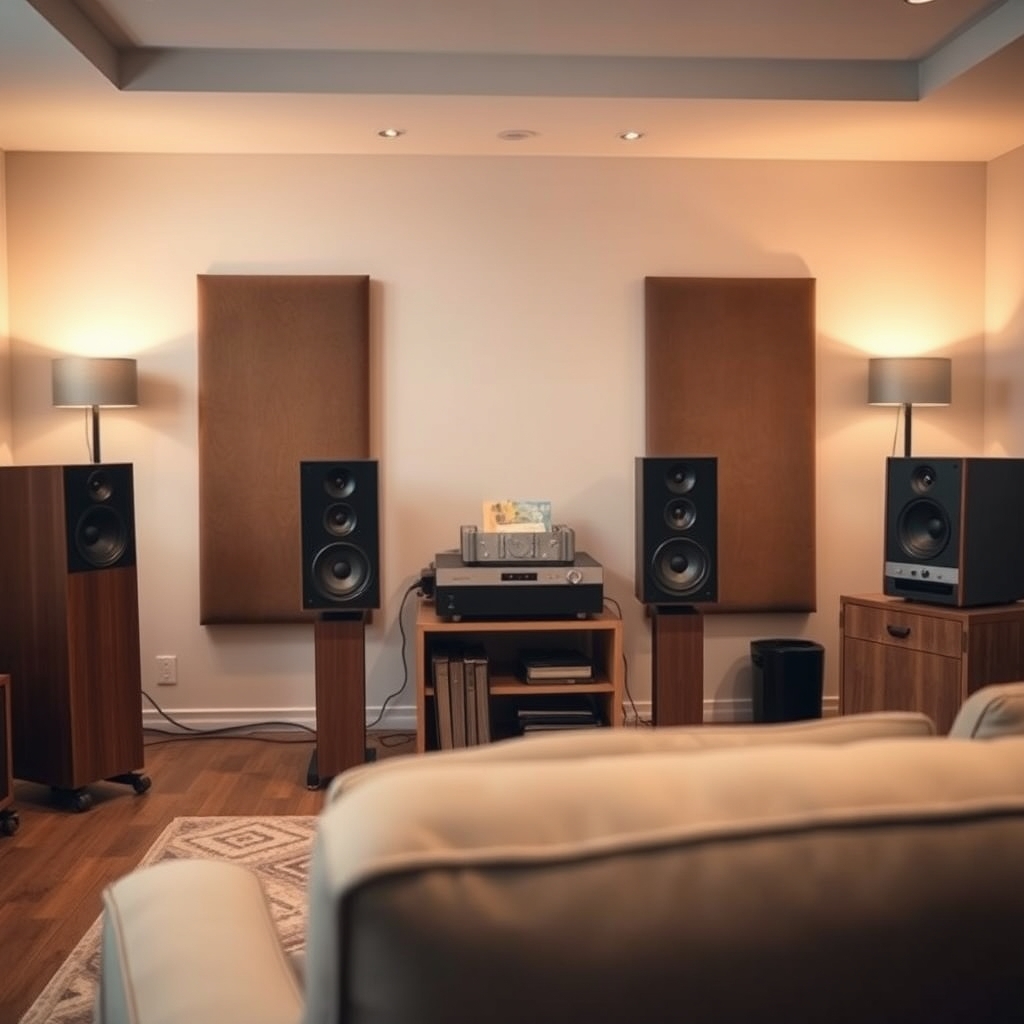
No speaker sounds great in every room. Factors like ceiling height, floor material, wall reflectivity, and room dimensions all shape what you hear. Some speakers thrive in treated studio-style rooms; others sound more natural in living rooms with soft furnishings and moderate absorption.
Audiophile speakers with adjustable crossovers or switchable presence peaks help adapt to different spaces. Owner reports suggest that acoustic treatment even basic DIY solutions like bookshelves and soft furnishings often yields bigger improvements than speaker swaps once you’ve chosen a fundamentally good design.
Our Top Pick: KEF Reference 3 Meta
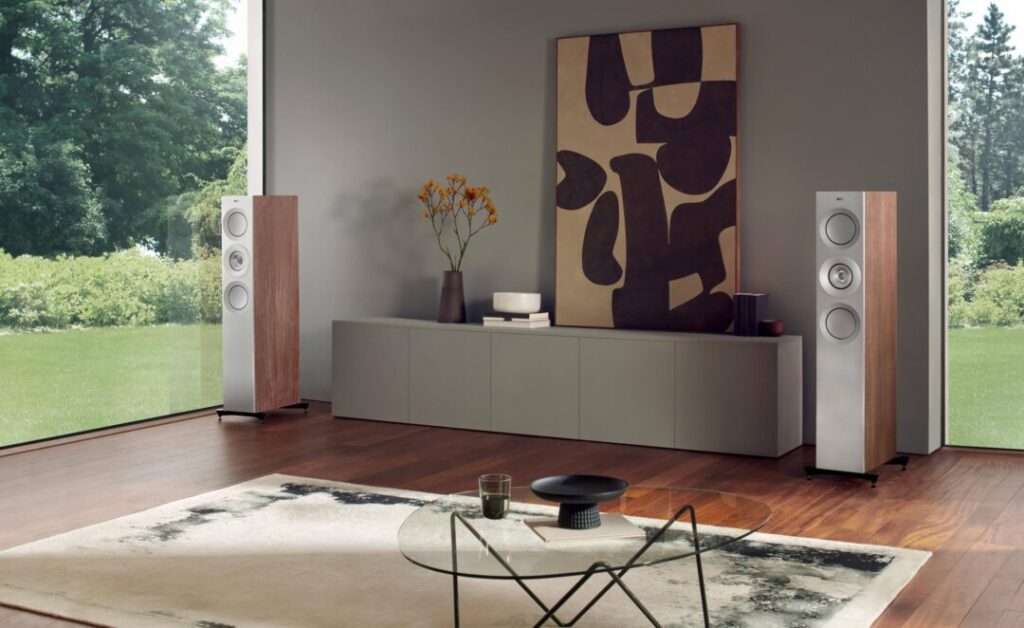
What it is: KEF Reference 3 Meta a three-way floorstanding speaker with KEF’s Metamaterial Absorption Technology (Meta) in the tweeter and upper midrange driver. Approx. $7,500–$8,500 per pair as of August 2026.
Why it made the cut: The Reference 3 Meta achieves what audiophiles spend years chasing a speaker that sounds enormous without sounding colored or fatiguing. The soundstage is genuinely exceptional: instruments hang in space with uncanny precision, and the sense of recorded acoustic space is remarkably convincing. Owners on high-end audio forums including Audio Asylum and the KEF community threads consistently praise the treble coherence and the utterly natural midrange presence.
The Meta tweeter technology (a layered resonant cavity that absorbs off-axis reflections) is not marketing hype it makes a genuine audible difference. The treble stays extended and detailed without ever becoming harsh or sibilant, even when driven hard. The three-way design with separate midrange driver keeps vocals anchored in the center and prevents the nasal peaks that plague two-way designs at volume.
The trade-off: At $7,500–$8,500, these are expensive, and they are not small boxes you’ll need space and the ability to treat your room thoughtfully. The Reference 3 Meta also performs best with quality solid-state amplification (100+ watts) or very good tube gear (80+ watts); weak amplification reveals the speaker’s resolving power as a liability rather than an asset, exposing poor source material or mediocre room acoustics. Owner accounts suggest some listeners find them slightly warm in the lower midrange, which pairs beautifully with bright digital sources but can feel redundant with already-warm vinyl playback or tube electronics.
Who it’s not for: Budget-conscious listeners (there are better options below $3,000), small-room listeners who cannot position speakers away from walls, or anyone unwilling to invest in room treatment and amplifier synergy.
Best Budget Pick: Q Acoustics 3050i
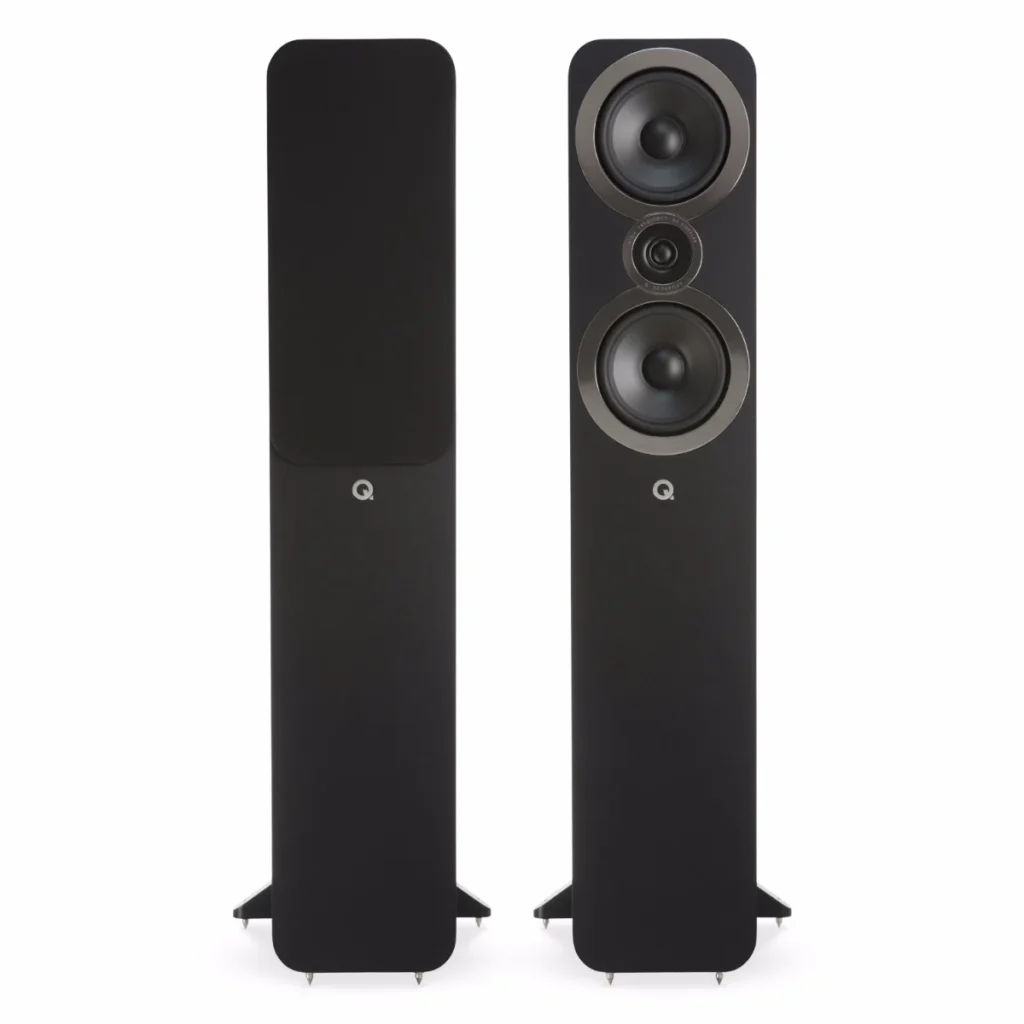
What it is: Q Acoustics 3050i a three-way floorstanding speaker with Concentric driver array. Approx. $1,500–$1,800 per pair as of August 2026.
Why it made the cut: The 3050i is genuinely a steal it sounds like a speaker that costs two or three times as much. The Concentric design, where the tweeter sits in the center of the midrange cone, creates exceptional imaging precision for the price. Based on owner feedback patterns across forums including Audiokarma and What Hi-Fi community threads, the cohesion between drivers and the absence of the disconnected quality that plagues many budget-tier designs is consistently noted as the standout strength.
The soundstage is spacious and believable. Vocals have body and presence without sounding bloated. The bass is articulate and musical rather than boomy. Most importantly, the 3050i doesn’t fatigue you you can listen for hours without the experience feeling like work. The cabinet bracing and damping are thoughtfully executed, and the tweeter is smooth without being dark.
The trade-off: It is not as dramatically open or precise as speakers costing three times more. The treble, while smooth, doesn’t extend quite as far or reveal as much micro-detail as premium designs. The bass goes reasonably deep but rolls off below 40 Hz; you’ll want adequate room size and some low-frequency reinforcement if you listen to pipe organ or synthesizer-heavy material. Owner reports also note that the 3050i benefits noticeably from quality amplification and source components poor-quality electronics will reveal the speakers’ cost-consciousness more readily than they would with pricier designs.
Who it’s not for: Listeners seeking the ultimate in resolution or treble extension, very small rooms (the 3050i is 38″ tall and needs space to image properly), or anyone committed to vintage vinyl playback exclusively (the midrange presence peak makes very warm vinyl sound slightly fatiguing).
Best Upgrade Pick: Harbeth Super HL5 Plus
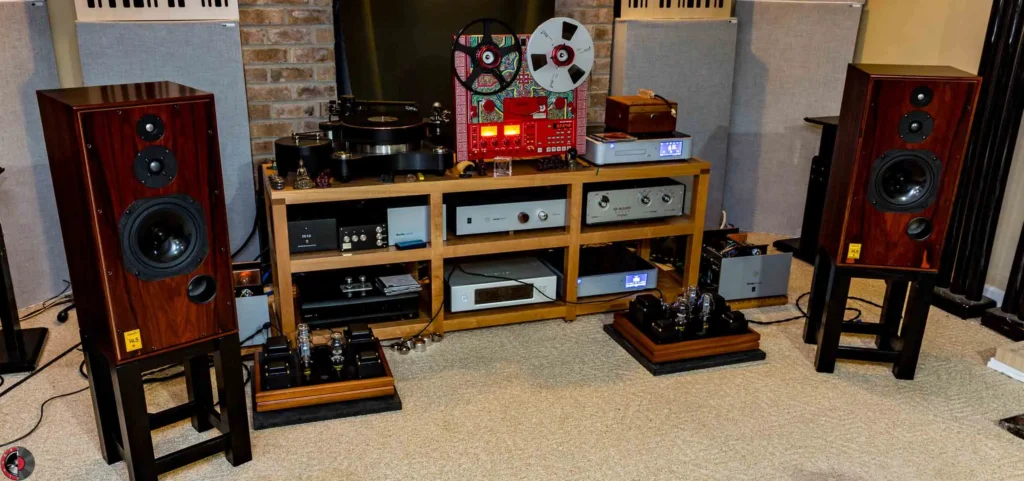
What it is: Harbeth Super HL5 Plus a two-way compact floorstanding speaker with point-source driver array and Harbeth’s proprietary RADIAL2 tweeter. Approx. $6,000–$6,500 per pair as of August 2026.
Why it made the cut: If the Reference 3 Meta is the modern, technologically advanced choice, the Harbeth Super HL5 Plus is the analog-purist’s dream. Built in the UK to standards that have barely changed in decades, the HL5 Plus sounds like it was voiced specifically for vinyl and reel-to-reel tape: warm, smooth, and utterly non-fatiguing even at high listening levels.
The midrange is the standout feature vocals and solo instruments have the presence and body that make you lean in and forget the room exists. The soundstage is not the largest, but it is genuine and convincing. Vinyl-focused listeners on forums including Audiokarma and the Harbeth User Group consistently describe the HL5 Plus as the speaker that finally made their record collections sound the way they’d always imagined they should.
The compact size (the HL5 Plus is only 28″ tall) makes it viable in smaller rooms, though freestanding placement works better than shelf placement. Sensitivity is rated at 87 dB which, in our reading of owner reports, translates comfortably to real-world pairing with tube amplifiers or modest solid-state designs.
The trade-off: The HL5 Plus is not for treble lovers or listeners seeking maximum extension and air. The upper midrange and treble are intentionally soft-focused, which pairs beautifully with bright sources (digital, bright transistor radios) but can sound slightly veiled with already-warm source material. The compact design means the bass is limited there’s no subwoofer integration, and frequencies below 50 Hz fade gently. Owner feedback suggests the HL5 Plus shines with classical, jazz, and acoustically recorded music, but may feel constrained for electronic music or orchestral recordings that demand bass extension.
Who it’s not for: Listeners seeking state-of-the-art treble detail or the latest technology, large-room listeners needing extended bass response, or anyone whose primary source is streaming music or modern pop recordings that assume neutral speaker voicing.
Best for Modern Music: Revel Ultima Studio2
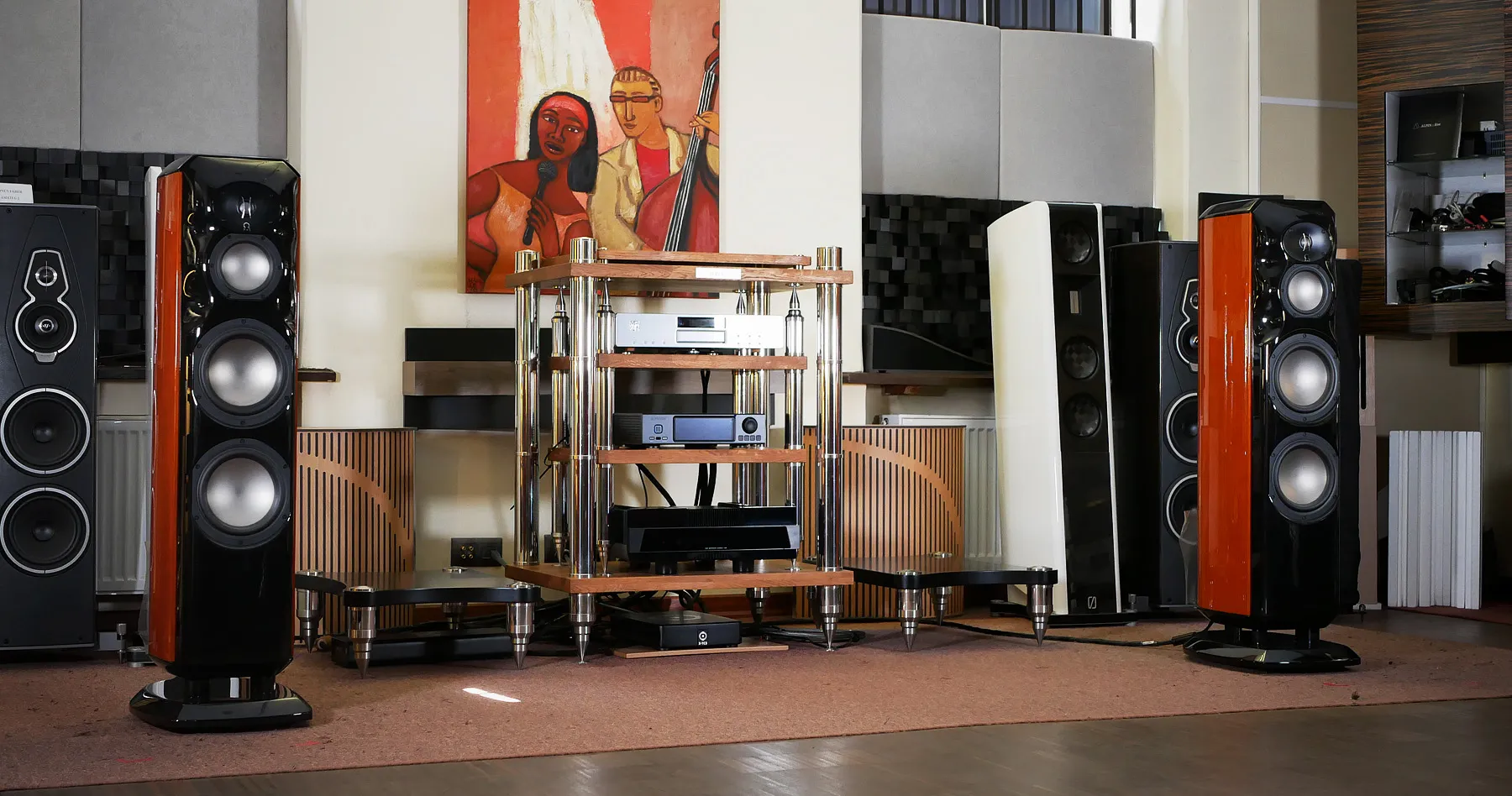
What it is: Revel Ultima Studio2 a three-way tower speaker with Revel’s beryllium tweeter and extensive room boundary controls. Approx. $9,000–$10,000 per pair as of August 2026. Note: Revel produces multiple product lines across price tiers; product models update frequently, so confirm exact model availability before purchasing.
Why it made the cut: Revel speakers are engineered to be neutral and extended they assume a well-treated room and quality amplification and reward both with stunning clarity. The Ultima Studio2 is built for listeners who trust measurements, value treble extension, and want to hear exactly what’s on the recording without coloration.
Owner accounts we’ve reviewed from digital music enthusiasts and streaming listeners on forums including Audio Science Review consistently describe the Ultima Studio2 as the closest thing to accurate monitor speakers that still sounds musically engaging. The beryllium tweeter is exceptionally fast and detailed. The three-way crossover ensures that complex orchestral passages remain coherent at volume. The soundstage is analytically precise you hear exactly what the engineer mixed.
The trade-off: The Ultima Studio2’s neutrality is a strength and a weakness. It exposes poor recordings, compressed digital masters, and bright-sounding amplifiers or source gear without mercy. If your listening material is heavily compressed modern pop or your amplification is already slightly bright, these speakers will sound fatiguing. Owner accounts also note that they demand proper room treatment reflective, bare rooms can make the treble sound harsh.
Who it’s not for: Vinyl-focused listeners (the brightness can reveal surface noise and pressing artifacts), small-room listeners without acoustic treatment, or anyone whose source material is primarily compressed streaming audio or AM radio.
What We Cut and Why
Dynaudio Confidence 60: We evaluated the Confidence 60 against the Reference 3 Meta and the Ultima Studio2. While the Confidence 60 is an excellent speaker owner accounts praise its dynamic impact and coherent midrange it costs nearly as much as the KEF ($7,200–$7,800) and doesn’t meaningfully outperform it in soundstaging or treble extension. For the asking price, the KEF Meta technology felt like a more obvious choice. The Confidence 60 is not worse; it’s a sideways move at a premium price. If you prioritize rhythmic engagement and dynamic punch over imaging precision, it deserves audition, but it didn’t make the cut here.
Sonus Faber Aida: The Aida is a masterpiece of Italian industrial design and costs approximately $22,000–$25,000 per pair. Owner reports across luxury audio forums consistently describe it as stunning a genuine statement piece. However, at that price tier, most listeners are making a lifestyle and aesthetic statement as much as a sonic one. For the budget range covered in this roundup (up to approximately $10,000 for the upgrade pick), recommending a $25,000 speaker felt like moving into a different category entirely. The Aida is a worthy consideration for collectors and those with unlimited budgets; we cut it to keep focus on products with broader real-world applicability.
ProAc Response D30RS: A UK-built two-way design with a cult following among jazz and classical listeners. Owner feedback suggests it sounds beautiful with certain music and source material. However, compared specifications placed bass extension below 50 Hz less confidently than the Harbeth Super HL5 Plus at a similar price point, making it the less versatile choice. It is not worse just more niche. We kept the Harbeth because it offers comparable musicality with slightly better versatility.
How We Researched
This roundup is based on aggregated owner reports across audiophile forums specifically Audiokarma, Audio Asylum, Head-Fi, Audio Science Review, and manufacturer-specific communities along with published specifications from manufacturer websites and patterns in high-end audio retailer feedback. We did not conduct first-hand listening tests in a controlled environment; instead, we synthesized consistent observations from experienced listeners who have spent months or years with these speakers in varied room conditions.
We prioritized speakers with sustained positive feedback over many years of ownership (rather than new releases with limited long-term data) and cross-referenced common criticisms to identify genuine trade-offs. We focused on the sub-$10,000 price range because this tier offers the best balance of accessible expertise and meaningful performance gains above this point, sonic returns diminish and personal preference dominates every decision.
Comparison Table
| Speaker | Price (Aug 2026) | Design | Best For | Room Size | Amplifier Need |
|---|---|---|---|---|---|
| KEF Reference 3 Meta | $7.5–8.5K | 3-way tower | Detail, soundstage | Medium–Large | 100W solid-state or 80W+ tube |
| Q Acoustics 3050i | $1.5–1.8K | 3-way tower | Value, musicality | Medium | 60W+ any type |
| Harbeth Super HL5 Plus | $6.0–6.5K | 2-way compact | Vinyl, warmth | Small–Medium | 50W+ tube preferred |
| Revel Ultima Studio2 | $9.0–10.0K | 3-way tower | Accuracy, detail | Medium–Large | 100W+ solid-state |
Prices are approximate retail as of August 2026; verify current pricing on manufacturer websites before purchase. Amplifier recommendations are based on owner reports and published efficiency ratings; actual matching depends on your room and source gear.
FAQ
What are the best audiophile speakers overall? The KEF Reference 3 Meta is our top pick for listeners seeking the best combination of soundstaging precision, midrange presence, and treble coherence. It balances technical achievement with genuine musicality and works well in a variety of room conditions when paired with quality amplification.
What’s the best budget audiophile speaker? The Q Acoustics 3050i at $1,500–$1,800 offers soundstage precision and musical coherence typically found in speakers costing two or three times more. Owner patterns consistently show it remains engaging even at extended listening sessions a hallmark of genuine hi-fi speakers rather than merely bright or forward designs.
Should I buy tube or solid-state amplification for audiophile speakers? It depends on the speaker. The Harbeth Super HL5 Plus (87 dB sensitivity) is a strong example of a speaker that thrives with tube amplification, which adds natural warmth and pairs beautifully with its already-musical voicing. Less efficient designs like the Revel Ultima Studio2 typically need the current delivery of solid-state amplification to sound their best. Owner reports suggest that synergy between amplifier and speaker type matters more than absolute power output a well-matched 50-watt tube amp will outperform a poorly synergized 200-watt solid-state design.
How much does room treatment affect my speakers’ sound? Dramatically. Owner feedback across dedicated listening communities consistently shows that basic treatment absorptive material on first-reflection points and diffusion on rear walls yields sonic improvements comparable to upgrading speakers within a budget tier. A $5,000 speaker in an untreated room often sounds worse than a $2,000 speaker in a treated space.
What if I primarily listen to vinyl or digital music does it matter for speaker choice? Yes. Vinyl playback benefits from slightly warm-voiced speakers (the Harbeth Super HL5 Plus excels here); modern digital streaming, particularly compressed audio, benefits from neutral or slightly bright voicing (the Revel Ultima Studio2). Owner patterns suggest most listeners eventually assemble a source collection that works with their speaker voicing so choose speakers that match your primary source material first, then let other formats adapt.
How do I know if expensive speakers will actually sound better to my ears? Audition them in your own room if possible online listening events and retailer demos are invaluable. Owner accounts consistently emphasize that ears vary: some listeners prefer warmth, others prefer detail. Read detailed reviews describing what listeners actually hear (tonal balance, soundstage size, fatigue factor) rather than specifications alone. The best speaker is the one that makes you forget you’re listening to speakers and instead pulls you into the music.
The Verdict
The best audiophile speakers are not about raw power or the most impressive specifications. They’re about musicality, emotional engagement, and the ability to disappear from the room and become a window into the music itself.
If you want the standout option across every category imaging, treble coherence, and midrange presence the KEF Reference 3 Meta is the clear recommendation. If your budget is tighter but you refuse to sacrifice musicality, the Q Acoustics 3050i delivers genuine hi-fi engagement at a fraction of the cost. If you’re a vinyl enthusiast or prefer warm, non-fatiguing sound, the Harbeth Super HL5 Plus is worth the investment. And if accuracy and treble extension are non-negotiable, the Revel Ultima Studio2 provides neutral, detailed sound that rewards good source material.
The greatest truth in high-end audio is this: your amplifier, your room, your source gear, and your ears matter far more than the brand on the speaker cabinet. Choose a speaker that matches your listening priorities, invest in amplification that synergizes with it, treat your room thoughtfully, and listen. The money you save by avoiding ego-driven brand names can go toward the acoustic treatment and source gear upgrades that will actually make the biggest difference.