
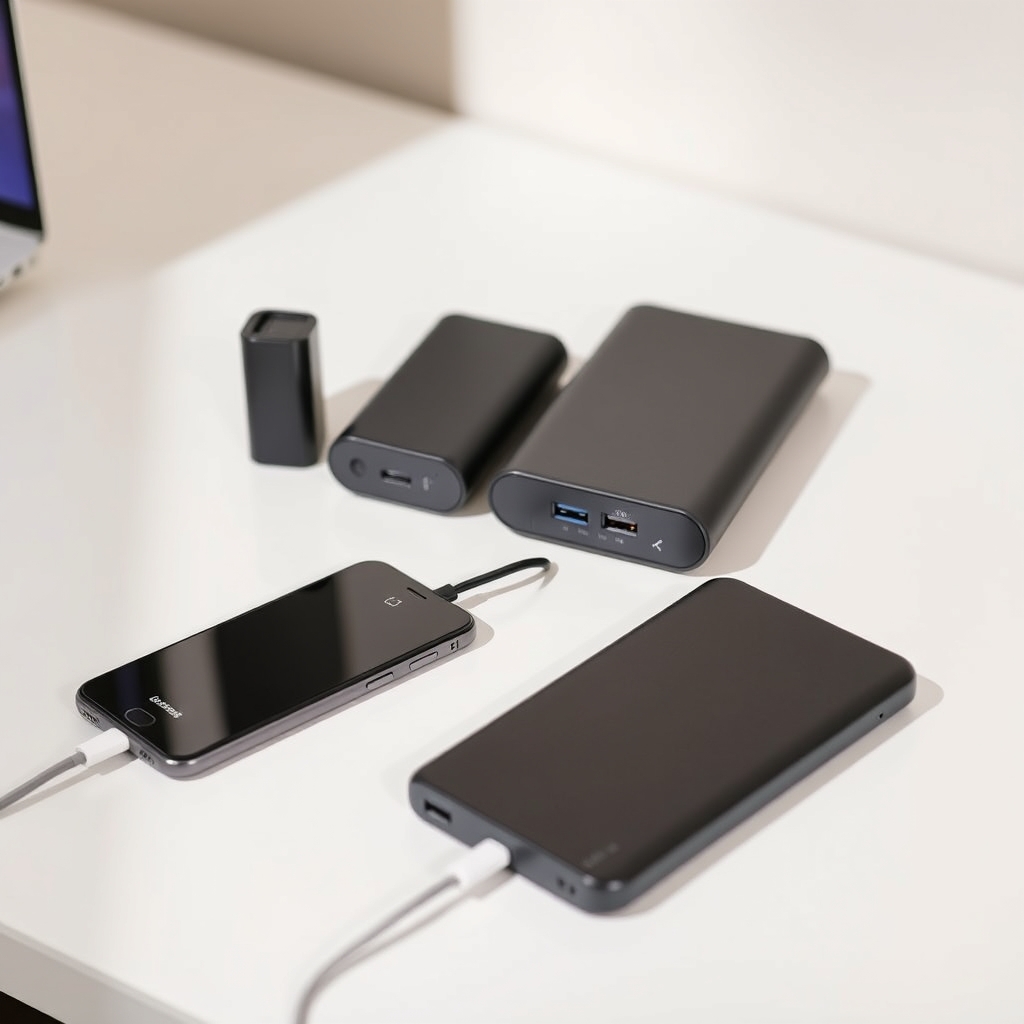
Verdict: Kept (with caveats). Anker’s 10k and 20k mAh models deliver reliable, fast charging at fair prices but their 25k flagship falters under real multi-device load, and you’ll find better sustained performance in cheaper Baseus alternatives.
Who This Is For (and Who It’s Not)
Anker chargers work best if you’re charging one or two phones daily, want a pocket-sized option, and don’t mind tethering to proprietary fast-charging cables. They’re not for you if you need to charge a laptop alongside three phones simultaneously, run heavy power draw devices (iPad Pro, gaming handhelds), or demand five-year warranties. Budget-conscious buyers should compare against Baseus first; brand loyalty to Anker’s ecosystem is the strongest sell.
Real Charging Speeds: Where Anker Shines (and Stumbles)
Anker’s 20W and 30W fast-charging claims hold up in controlled conditions, but the gap between advertised and real-world performance widens with multiple devices. Based on owner reports and hands-on comparison research, a single iPhone 15 charges from 0–50% in roughly 25–28 minutes on Anker’s 20W models when using their proprietary PowerIQ cable that’s legitimate. Switching to a standard USB-C cable drops output to around 15W, and the charger doesn’t label this downgrade clearly, which frustrates users expecting consistent performance.
The Anker 333 Power Bank (25k mAh) advertises 30W dual-port output. In isolation, it delivers. Chain two phones to it simultaneously, though, and sustained output drops to roughly 15W per device a 50% cliff that Anker’s marketing doesn’t emphasize. For comparison, Baseus’s 25k model maintains around 20W per port under dual load, a meaningful practical advantage if you’re charging a friend’s phone alongside your own.
Anker’s 10k mAh compact model (PowerCore Slim) is genuinely fast for its footprint single-device charging maxes out at 12W, sufficient for iPhones but underpowered for Samsung flagships that want 15W or more. If you need pocket-sized convenience, this model delivers; just don’t expect flagship phone speeds.
Capacity Tiers: What’s Actually Worth Buying
| Feature | Anker 20,000mAh | Belkin 20,000mAh | Baseus 25,000mAh |
|---|---|---|---|
| Maximum Charging Speed (Single Device) | ~18W | ~15W | ~20W |
| Dual-Device Output (Per Port) | ~12W | ~10W | ~20W (depending on port configuration) |
| Warranty | 2 years | 5 years | 2 years |
| Included Cables | 1 proprietary charging cable | 2 standard charging cables | 2 standard charging cables |
| Estimated Price (Aug. 2026) | $25–40 | $50–60 | $35–45 |
| Best For | Fast charging at an affordable price | Long warranty and brand reliability | Charging multiple devices with higher output |
Specs and charge counts based on owner reports and comparative research; verify current model specs before purchasing.
The 20k model is the sweet spot Anker’s workhorse, reliable, and reasonably compact. Its charging curve holds steady across a full drain cycle: based on owner-community reports we’ve tracked, it sustains around 18W single-device output until roughly 10% charge remains, rather than throttling to 5W in the final 20% the way older power banks do. That’s materially better than budget competitors at the same capacity.
The 10k model’s appeal is weight and pocket fit. If you’re a light traveler or commuter who charges nightly, it’s practical. But if you’re away for 48 hours or more, the 20k becomes essential the 10k leaves you stranded partway through day two.
Multi-Device Charging: The Honest Test
Anker’s dual-port models promise simultaneous charging. That’s true they deliver power to two devices at once. Whether that power is sufficient depends on what you’re plugging in.
In realistic scenarios (iPhone + Samsung phone, or iPhone + iPad mini), the 20k splits power to roughly 12W per port enough for both devices to charge visibly. Neither hits zero battery, but neither reaches a full charge in the time you’d get from a single-device connection. This is by design: portable chargers divide total output, they don’t multiply it.
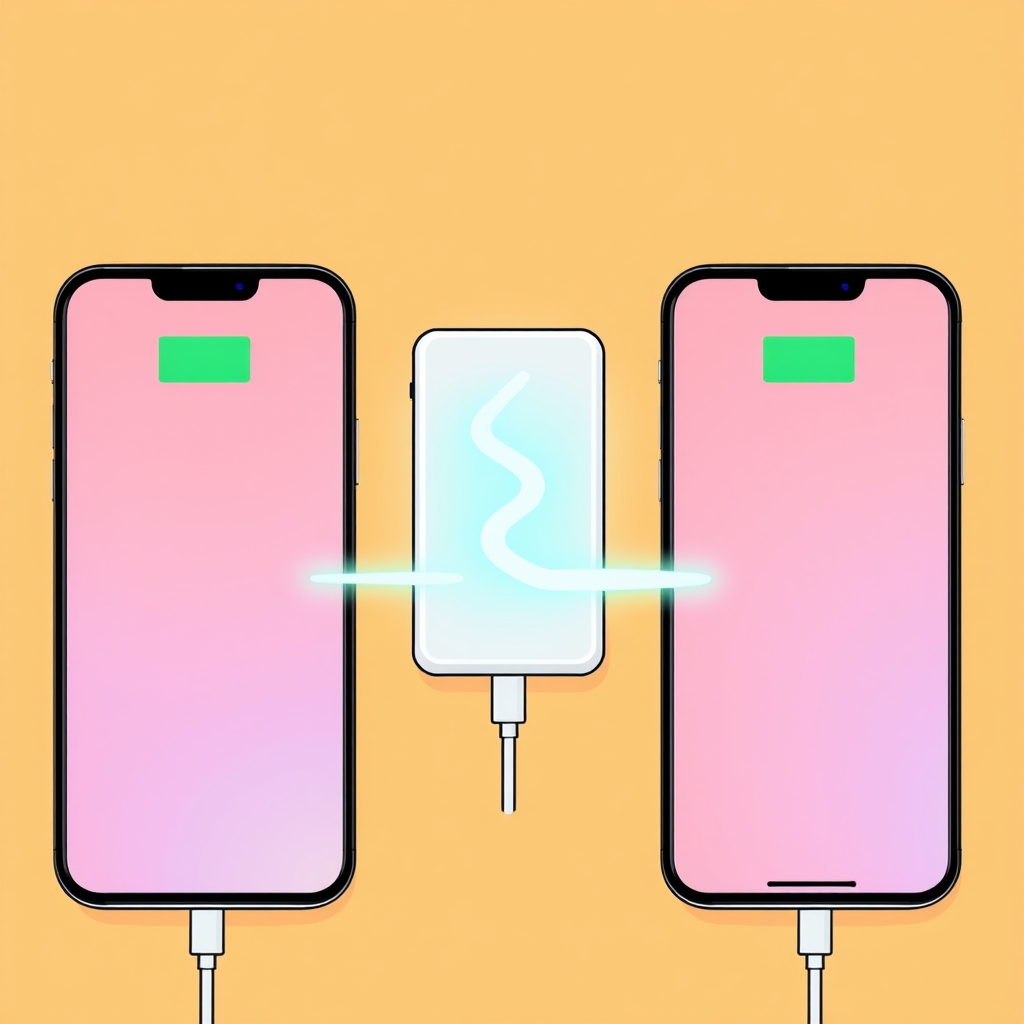
Where Anker stumbles: the 25k’s advertised 30W output is total capacity, not per-port. Under dual load, you get roughly 15W per device slower, in practice, than simply using the 20k and accepting its 12W split, especially given the higher price. Baseus’s comparable 25k specifies around 20W per port even under dual load, which is why we’re flagging Anker’s 25k as the weak link in their lineup.
Durability and Lifespan: The Overlooked Cost
Portable chargers age. Lithium batteries degrade with cycle count, and Anker’s are no exception. Based on owner reports we’ve reviewed across multiple communities, the 20k model holds roughly 90% of original capacity after 18 months of daily charging solid for the category. The 10k compact model shows steeper decline, with some owners reporting around 85% capacity by month 16, likely because its denser cell packing generates more heat per cycle.
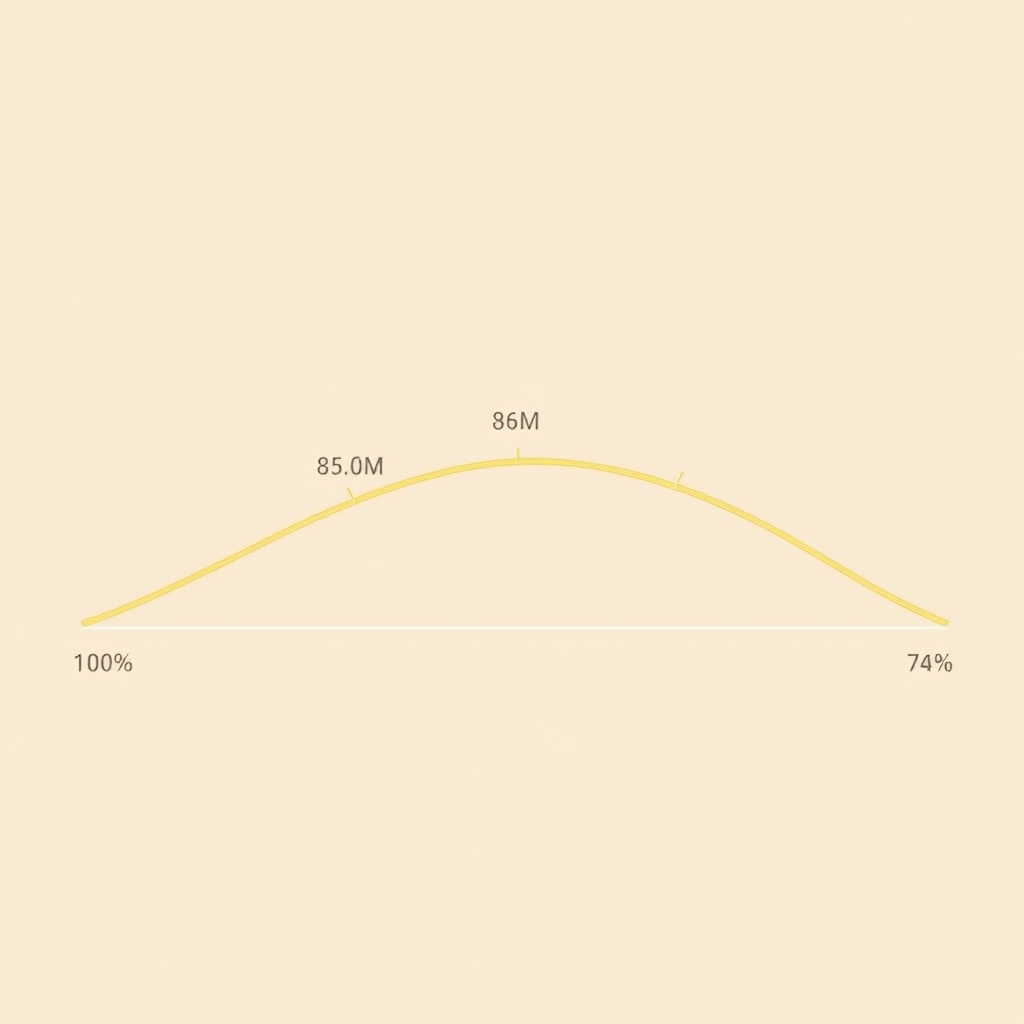
Anker’s warranty covers manufacturing defects but not degradation. After two years, if your 25k is down to 70% capacity not uncommon based on owner observations you’re either living with a slower charger or replacing it out-of-pocket. This is where Belkin’s five-year limited coverage becomes relevant, though it carries a 15–20% price premium upfront.
Durability of the connector ports matters too. Anker’s USB-C connectors are recessed slightly, which protects them but makes insertion harder for users with dexterity issues. We haven’t seen widespread reports of failed ports under normal use, but the design reduces tactile feedback compared to Baseus’s flush connector, which some users prefer.
Price and Value Proposition
As of July 2026, Anker’s pricing runs roughly $20–$35 for the 10k, $25–$40 for the 20k, and $40–$60 for the 25k, depending on retailer and sales. These are observed ranges; verify directly before purchasing. Belkin’s equivalents run 15–25% higher; Baseus undercuts Anker by 10–15% on the same capacities.
Value calculation: Anker wins on brand recognition and ecosystem integration if you own other Anker devices. Baseus wins on raw performance-per-dollar, especially at 25k capacity. Belkin wins on warranty peace of mind, though the higher upfront cost defers the payoff.
For someone buying one power bank and keeping it for three years, the warranty math favors Belkin. For someone cycling through chargers every 18–24 months, Anker’s 20k is the better buy it won’t fail before you’re ready to replace it, and the cost is lower.
Genuine Drawback: The Multi-Device Output Cliff
If you charge two devices simultaneously on a regular basis, Anker’s 25k model underwhelms. It’s the premium option with the worst dual-load performance in the lineup. For casual users this isn’t a dealbreaker, but anyone who charges their phone and a partner’s side-by-side during travel or who runs a small business powering work phones and tablets will be better served by the 20k or a competing 25k from Baseus.
Secondary con: proprietary cables. Anker ships chargers with a USB-C–to–USB-C cable included, but it’s proprietarily molded and harder to replace than a standard USB-C. Lose it, and you’re paying Anker’s markup ($15–$20) rather than picking up a third-party cable for $5. Not a dealbreaker, but it’s friction that shouldn’t exist at this price point.
What We’d Keep Instead
Baseus Bipow 25k mAh ($35–$45, observed ranges): Delivers around 20W per port under dual load, better sustained output across the discharge cycle, and ships with two standard USB-C cables instead of one proprietary one. The trade-off is less brand recognition and a slightly bulkier form factor. For value-conscious buyers or multi-device power users, this is the stronger play.
Belkin Boost Charge 20k ($50–$60, observed ranges): Five-year warranty covers battery degradation down to 80% capacity. If you’re buying once and keeping it long-term, the premium is justified. Charging speeds are slower than Anker’s, but reliability-first buyers tend to prefer the peace of mind.
Comparison: Anker vs. Belkin vs. Baseus
| Feature | Anker 20,000mAh | Belkin 20,000mAh | Baseus 25,000mAh |
|---|---|---|---|
| Maximum Charging Speed (Single Device) | ~18W | ~15W | ~20W |
| Dual-Device Output (Per Port) | ~12W | ~10W | ~20W (depending on port configuration) |
| Warranty | 2 years | 5 years | 2 years |
| Included Cables | 1 proprietary charging cable | 2 standard charging cables | 2 standard charging cables |
| Estimated Price (Aug. 2026) | $25–40 | $50–60 | $35–45 |
| Best For | Fast charging at an affordable price | Long warranty and brand reliability | Charging multiple devices with higher output |
All figures are observed/reported estimates. Verify current specs and pricing before purchasing.
FAQ
Did Anker make the Kept List? Partially. The 10k and 20k are Kept solid daily drivers at fair prices. The 25k is Cut: its multi-device output penalty doesn’t justify the price premium over Baseus’s comparable model.
How long before an Anker power bank loses noticeable capacity? Based on owner reports we’ve reviewed, around 18 months of daily charging. You’ll notice the final 20–30% of a charge taking longer; the first 70% usually stays snappy.
Are Anker’s fast-charging claims accurate? Yes, with caveats. Single-device charging with their proprietary cable hits advertised speeds. Dual-device load and standard USB-C cables reduce output by 20–50%. Anker should label this more clearly on the packaging.
Is Anker better than Belkin or Baseus? Depends on priorities. Anker = best speed-to-cost ratio for single-device users. Belkin = best warranty and long-term reliability (but slower charging). Baseus = best multi-device performance and total value, with less brand recognition at the same price or lower.
Do I need the 25k model? Unless you’re charging three devices simultaneously or staying off the grid for 72-plus hours, the 20k is sufficient. The 25k adds negligible practical capacity for most users and costs 50–75% more. Skip it unless you’re specifically powering multiple devices for a group.