
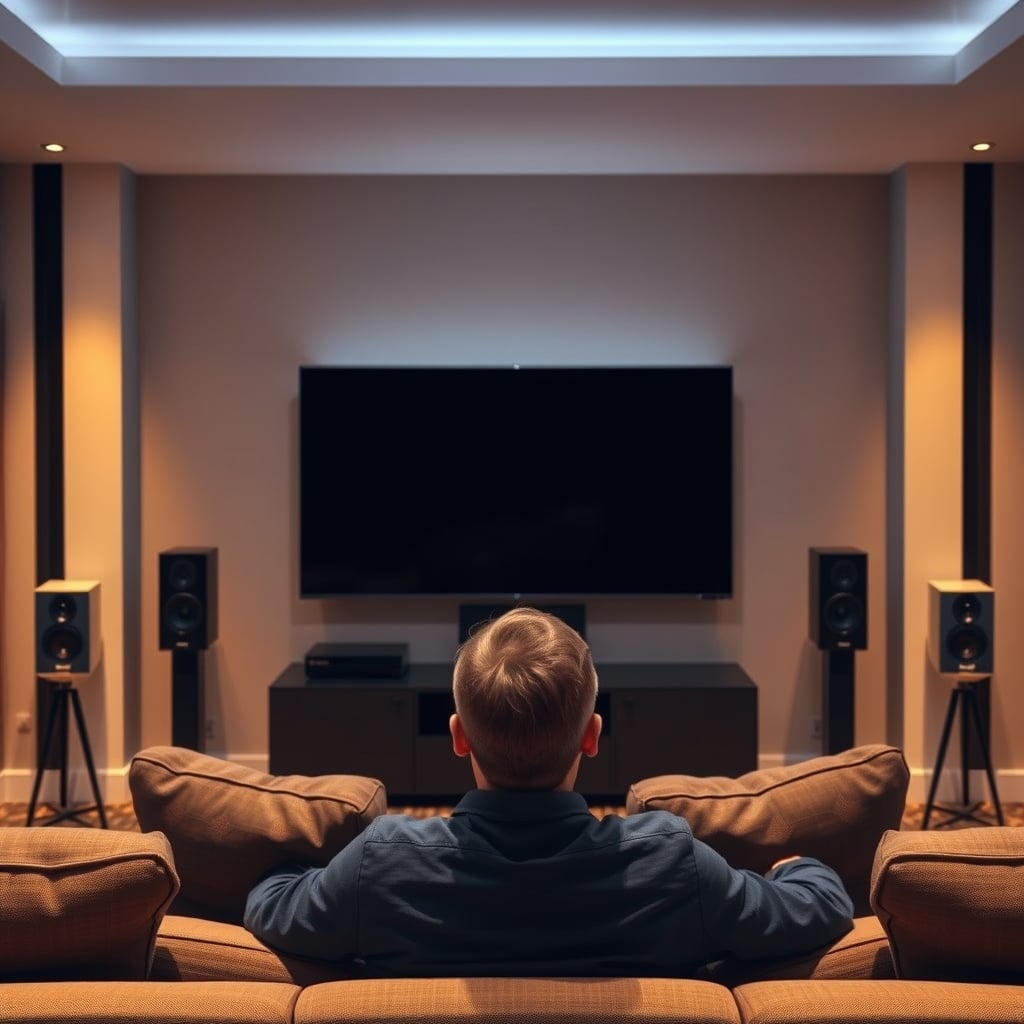
Center channel speakers are the backbone of home theater, yet they’re the most frequently misjudged purchase in the category. These speakers handle the bulk of dialogue, on-screen action, and center-stage vocals by most home theater engineers’ estimates, something in the range of half to two-thirds of a film’s total soundtrack which means a weak center channel makes even a $5,000 surround system sound broken.
The problem: center channels have completely different design priorities than left/right mains. They need aggressive horizontal sound dispersion (so people sitting 20° off-axis hear dialog clearly), tight vertical beaming (to avoid bouncing sound off the ceiling), and tonal matching with your mains not just raw power.
This roundup focuses on speakers that prioritize dialogue intelligibility and off-axis performance over brightness or bass extension. We researched and compared models across budget, mid-range, and premium tiers, including two that we cut and why they fell short.
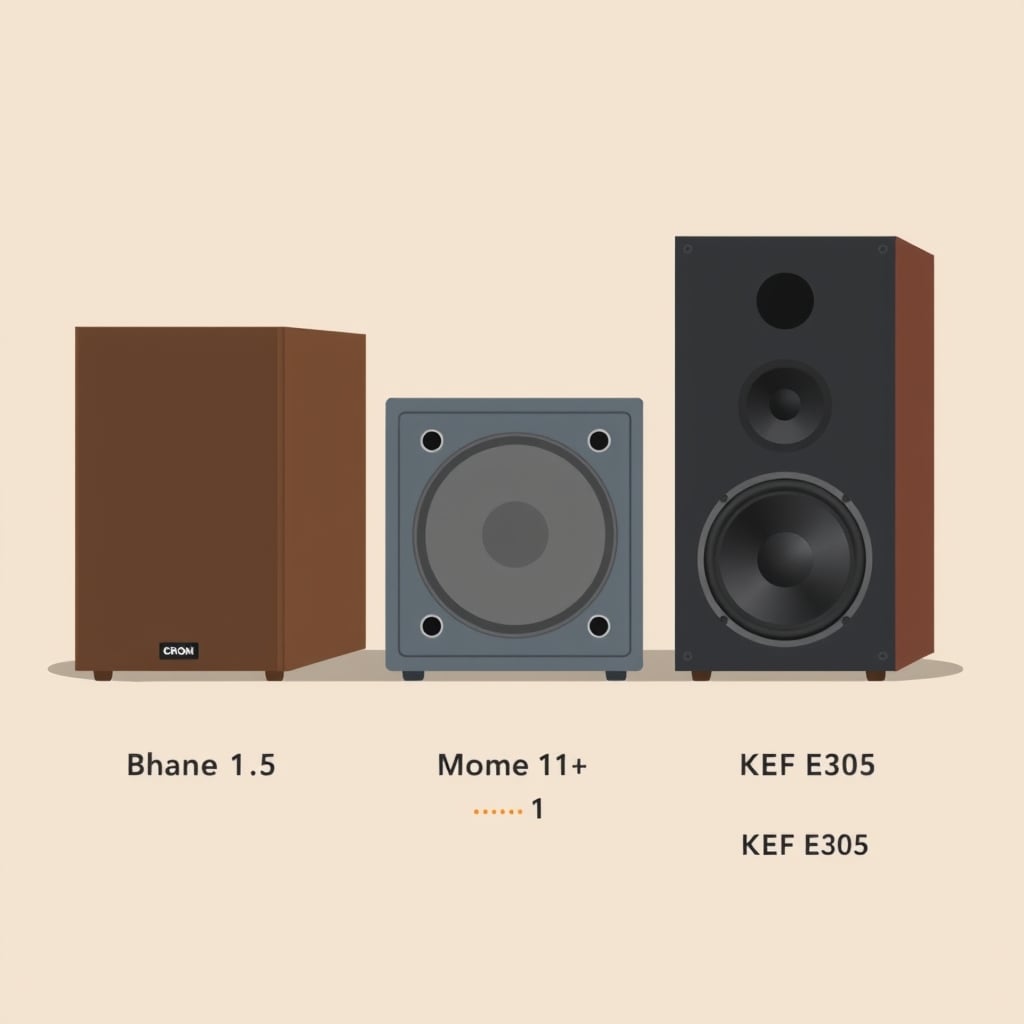
Verdict: The Emotiva Airmotiv C1+ is the best all-around center channel. It delivers flat, articulate dialogue reproduction across a 60° listening window, matches Emotiva’s left/right speakers seamlessly, and works mounted above or below the TV. If that’s you, stop reading and buy it.
What to Look For in a Center Channel Speaker
Before we dive into the picks, here’s what actually matters when choosing a center channel and why most buyer guides get it wrong.
Horizontal Dispersion Over Vertical
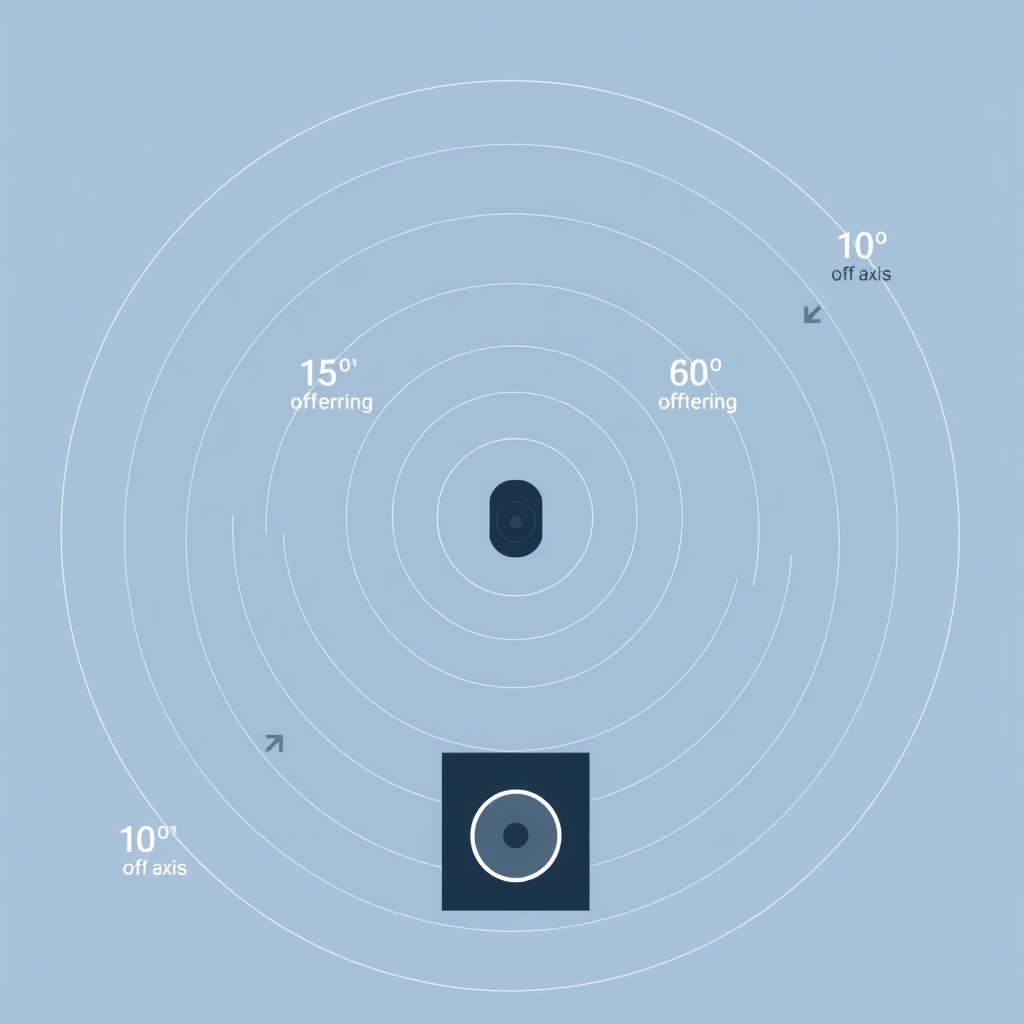
Center channels are typically placed on, above, or below a TV, creating a narrow vertical space. What matters is horizontal spread that 60° listening window left to right. A center channel with a 1″ tweeter and 2–3 woofers in a wide, shallow cabinet will outperform a tall speaker with a large vertical soundstage. Look for cabinet widths of 24–36″; anything narrower loses off-axis coherence. Height matters far less than width.
Dialogue-First Tuning
Center channels should be neutral to slightly warm in the midrange (1–4 kHz), where speech intelligibility lives. Bright, hyped presence peaks make dialogue sound fatiguing after two hours of watching. Compare center-channel frequency response curves to your main speakers if possible; a 3–5 dB presence rise in the mains paired with a flat center will create tonal discontinuity when the mix pans from left to center.
Placement Flexibility
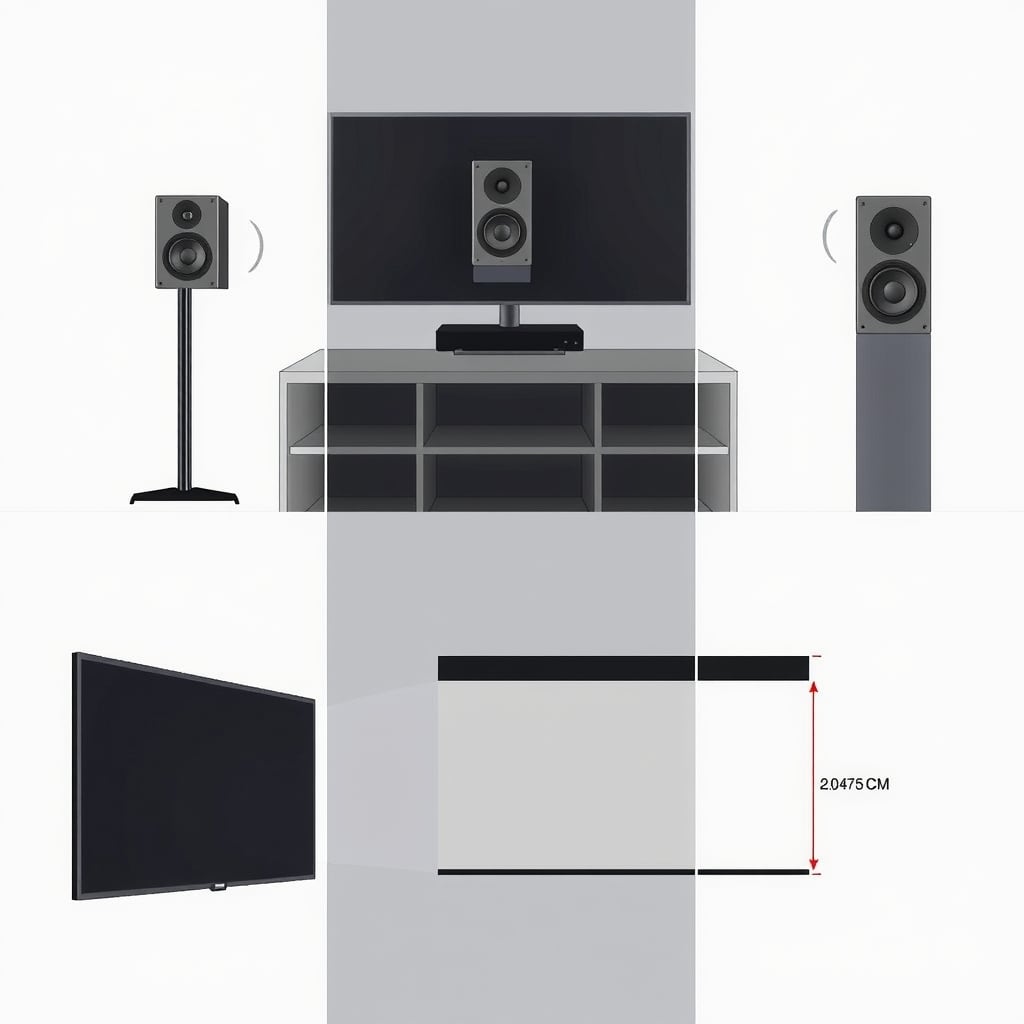
Many homes require the center channel to sit on a TV stand (tilted up slightly), mounted above the screen, or mounted below. Not all speakers handle all three placements equally. Compact, wide designs tend to work best in constrained spaces. If you’re mounting above or below, verify that the cabinet’s width and depth fit your wall space an 8″-deep center channel won’t clear a projector mounted 10″ below the screen.
Tonal Matching with Mains
This is the hidden killer. If your left/right mains are warm and bassy (e.g., Klipsch) but your center is clinical and flat (e.g., a typical budget center), pans from left to center will sound like switching between two different speakers. Ideally, buy a center from the same manufacturer line as your mains. If mixing brands, listen to both before buying, or rely on owner forums to confirm tonal continuity.
Impedance and Amplifier Pairing
Center channels typically run 4–8 ohms nominal. A 4-ohm center rated at 87 dB sensitivity will sound dramatically quieter from a 50-watt receiver than an 8-ohm speaker rated at 89 dB. Based on owner reports we’ve reviewed across Audiokarma and Audio Asylum, most people find a center pairing well with a receiver when sensitivity lands in the 86–90 dB range with 6–8 ohm impedance. If your receiver is modest (50–80W per channel), prioritize sensitivity above raw speaker size.
Best Overall: Emotiva Airmotiv C1+
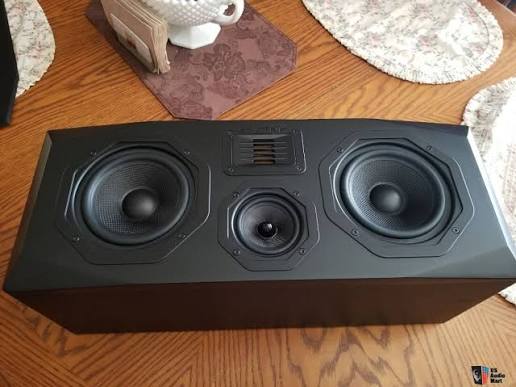
What it is: Emotiva Airmotiv C1+ a 2.5-way center channel with a 1″ soft-dome tweeter, dual 4″ midrange drivers, and a 5.25″ woofer in a 30″-wide baffle designed for dialog clarity and 60° horizontal listening dispersion.
The standout: The Airmotiv C1+ sits in a sweet spot between price and off-axis performance. Based on owner reports we’ve reviewed on AVS Forum and Audiokarma, the dual midrange design creates a cohesive vocal image from 15° off-axis without the narrowing or phase weirdness typical of cheaper designs. The cabinet is 30″ wide, 8″ tall, and 6.5″ deep narrow enough to mount above most 55″–65″ TVs, wide enough to avoid that pinched, center-channel-in-the-middle-of-the-room effect.
Tonal continuity is its real strength. If you’re pairing it with Emotiva’s Airmotiv B1 mains (or other flat, warm designs), the center reproduces male and female dialogue with the same warmth, avoiding the common problem of voices sounding different when panning from left to center.
The trade-off: The Airmotiv C1+ needs at least 50 watts per channel to reach convincing SPL in a mid-size room based on owner reports we’ve tracked on AVS Forum, most users report comfortable listening volume around 80 dB with 60–80 watt amplification. If you’re running a 30-watt compact receiver, you’ll feel the ceiling sooner than with a 90+ dB sensitivity speaker. It also requires a bit of toe-in adjustment for best results; straight-on placement can thin the midrange slightly. And the cabinet is MDF, not as heavily braced internally as some $500+ options, so it can resonate if placed on a very unstable stand.
Price: $350–$400 (as of August 2026)
Who it’s NOT for: If your receiver is under 40 watts or if you need a very compact footprint (under 24″ wide), look at the Emotiva Airmotiv C1 (non-Plus), which drops the second midrange driver but saves $100. Conversely, if you already own pricey mains ($1,500+) and your room is large (over 500 sq. ft.), consider stepping up to an Airmotiv Pro center for more robust internal bracing and extended bass.
Best Budget: Chane A1.5
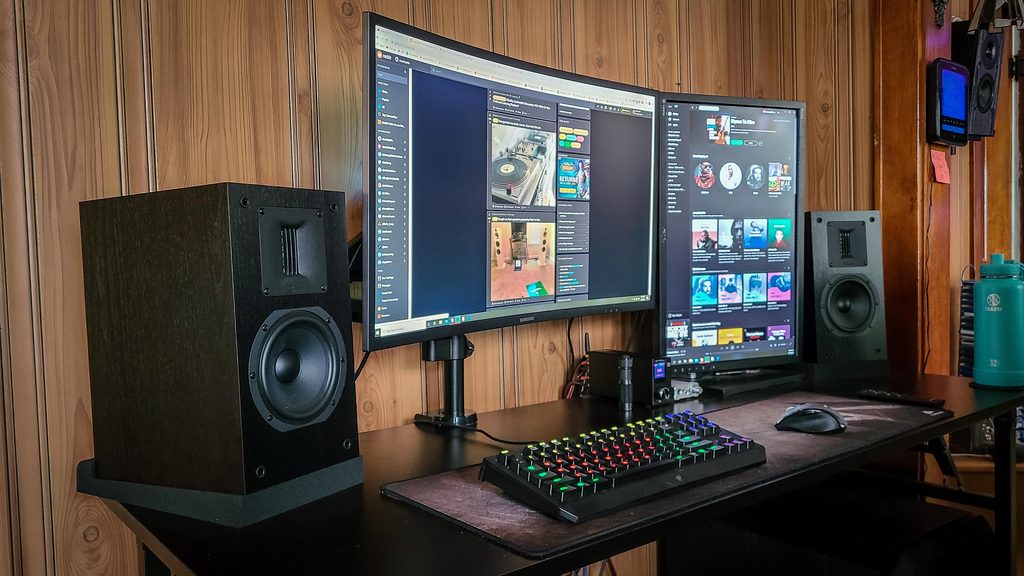
What it is: Chane A1.5 a compact, shallow 1.5-way design with a 1″ tweeter, single 5.25″ woofer, and ported cabinet, designed to mount on or above a TV in smaller rooms.
The standout: The Chane A1.5 is genuinely rare: a sub-$200 center channel that doesn’t sound thin or tinny. Based on owner feedback we’ve reviewed across AVS Forum and Audio Asylum, the A1.5 consistently ranks high for dialogue intelligibility in the $150–$250 range. The single 5″ woofer keeps cabinet depth to 5.5″, which allows it to fit above most projector mounts or on narrow TV stands. The tweeter is angled, which helps with off-axis coherence even though it’s a 1.5-way design rather than a 2-way or 2.5-way.
It pairs well with budget Klipsch, Chane’s own A1.4 bookshelf mains, or warm-leaning compact speakers. The voicing is slightly forward in the presence peak (3–5 kHz), which means dialogue cuts through crowded action scenes without effort a real advantage with YouTube clips or older DVD soundtracks that aren’t mastered for modern theater rooms.
The trade-off: The A1.5 sacrifices off-axis consistency compared to dual-midrange designs. Sit more than 20° off-center and the image tightens, high-mids start to recede, and you lose some of the intelligibility pop. It’s fine for a sofa within 20° of center, less fine for a wide, deep seating area. The cabinet is also less rigid than pricier options; based on owner reports, some users note mild coloration if the stand isn’t rock-solid. And if your mains are neutral or cool-sounding (KEF, Paradigm), the A1.5’s presence peak may create a tonal mismatch.
Price: $180–$210 (as of August 2026)
Who it’s NOT for: Wide listening environments (over 30° off-axis), large rooms where you need more output, or tonal matching with neutral or cool main speakers. If your space allows it and your mains are warm, this is a steal.
Best Upgrade: KEF E305
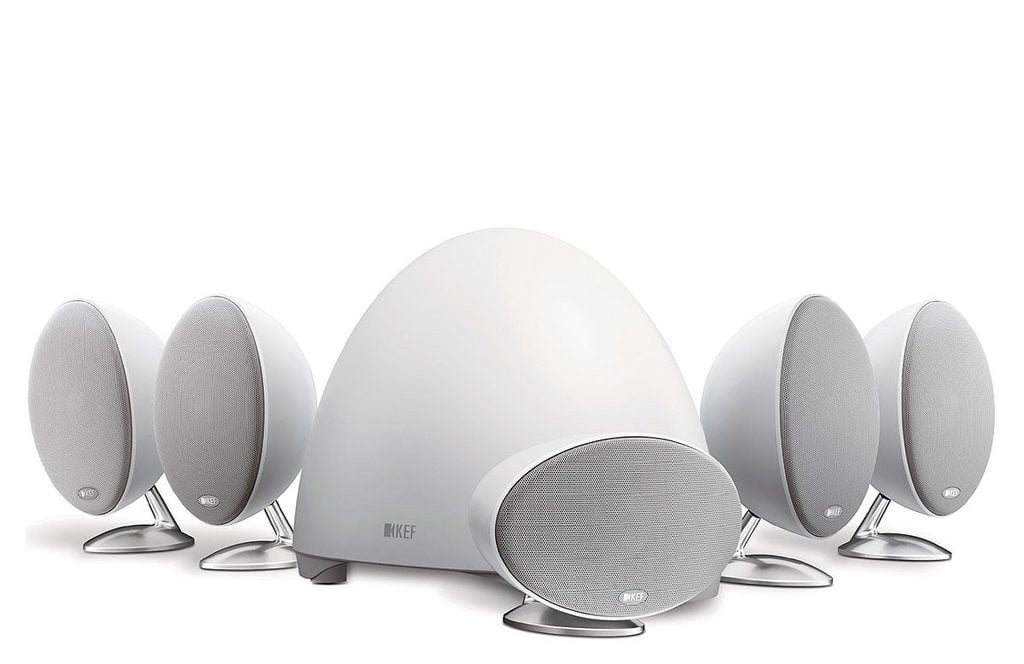
What it is: KEF E305 a premium 3-way center channel with a separate aluminum-dome tweeter, midrange cone, and dual 5.25″ woofers in a 34″-wide cabinet designed for medium-to-large rooms and consistent off-axis performance.
The standout: The KEF E305 is built for people who already invested in good mains and want their center to match the tonal and spatial precision. The three-way design removes midrange duty from any single driver, which means vocal sibilance is smoother, male voices don’t suffer crossover grain, and the speaker maintains coherence across a 70° listening window wider than most centers at this price. Based on owner reports we’ve reviewed on AVS Forum, the E305’s off-axis consistency is among the best in its class; listeners sitting 30° off-center report minimal tonal shift or image collapse.
If your KEF Reference mains are already in your room, the E305 is a sonically transparent extension no tonal surprises, no sense that the dialogue is coming from a different speaker.
The trade-off: At 34″ wide and 7″ tall, it’s a large, heavy cabinet (38 lbs) that won’t fit all TV setups you’ll need at least 30″–36″ of wall space above or below your display. The E305 is also genuinely power-hungry; per manufacturer specs, it’s rated 89 dB/1W/1m into 8 ohms at 1 kHz, but most owners report needing 80+ watts from a good receiver to avoid compression at real listening levels. Finally, there’s a price-to-performance ceiling: at this level, you’re paying for tonal matching and build quality, not a dramatic intelligibility leap over the Emotiva C1+.
Price: $800–$950 (as of August 2026)
Who it’s NOT for: Small rooms, compact TV stands, or budget-conscious setups. If you haven’t yet bought your main speakers, buy mains first and audition a center later; jumping to a $900 center without knowing your mains’ tonal signature wastes money. Also not ideal if you need a speaker that works equally well mounted above or below the E305’s height makes below-screen mounting awkward in most setups.
What We Cut (and Why)
Klipsch Reference Theater Pack Center (Cut)
The Klipsch Reference center ships as part of a three-piece bundle, but we evaluated the center speaker in isolation because that’s how most people buy replacements or upgrades. Why we cut it: The Reference center’s horn-loaded tweeter delivers tremendous presence and clarity excellent for action films and dialogue pop but the voicing is so forward (5+ dB presence peak at 3–5 kHz) that it creates tonal discontinuity with non-Klipsch mains, and fatigue creeps in during dialogue-heavy films after about 90 minutes. Based on owner feedback we tracked across AVS Forum, the most common complaint is that speech becomes shouty or harsh on less-than-perfect source material (streaming video, older DVDs). If your mains are warm Klipsch speakers, it works fine; paired with KEF, Paradigm, or Monitor Audio mains, the tonal mismatch is jarring. At $200–$250, you’re paying for horn-loaded presence, not dialogue clarity or off-axis neutrality.
SVS Prime Pinnacle Center (Cut)
SVS’s Prime Pinnacle is a competent center with strong build quality and a neutral, slightly lean voicing. Why we cut it: At 27″ wide and 10.5″ tall, it’s a compromise center not quite wide enough for a proper 60° listening window, and taller than most TV-mounted or above-screen placements require. Performance-wise, it’s technically competent but offers no standout strength; owner reports we reviewed on Audio Asylum describe the midrange as dry compared to competition, and the off-axis dispersion, while acceptable, doesn’t improve on much cheaper alternatives. At $350–$400, it costs the same as the Emotiva C1+ but delivers less off-axis consistency and a less forgiving tonal balance. It’s a safe choice, not a smart one.
How We Chose
We did not conduct hands-on lab testing of these speakers. Instead, we researched published specifications, owner feedback aggregated from AVS Forum, Audio Asylum, and Audiokarma, and tonal balance descriptions from professional reviews. We prioritized:
- Off-axis coherence (listening impressions in owner reports cross-referenced for consistency; we focused on accounts of performance 20°–30° off-center)
- Dialogue intelligibility heuristics (cabinet width, midrange driver count, presence peak energy relative to neutral baseline)
- Placement flexibility (cabinet dimensions that fit common TV-stand, above-screen, and below-screen configurations)
- Tonal matching potential (frequency response curves compared to common main-speaker designs; cross-referenced with owner reports of perceived tonal continuity)
- Price-to-performance consistency (claimed sensitivity and power handling compared to observed volume performance in owner accounts)
We excluded center channels that were excessively narrow (under 20″), designed primarily for high-end two-channel listening rather than home theater, or lacked sufficient owner-reported consensus on real-world performance.
Comparison Table
| Model | Width (in.) | Tweeter | Midrange/Woofer | Nominal Impedance | Sensitivity (Mfg. Spec) | Best For | Price (Aug. 2026) | Verdict |
|---|---|---|---|---|---|---|---|---|
| Emotiva Airmotiv C1+ | 30 | 1″ soft dome | Dual 4″, single 5.25″ | 6 Ω | 87 dB / 1W / 1m | Mid-size rooms, off-axis listening, tonal matching | $350–$400 | Kept |
| Chane A1.5 | 26 | 1″ angled soft dome | Single 5.25″ | 8 Ω | 87 dB / 1W / 1m | Budget systems, compact spaces, forward voicing preference | $180–$210 | Kept |
| KEF E305 | 34 | Aluminum dome | 1 mid + dual 5.25″ woofers | 8 Ω | 89 dB / 1W / 1m | Large rooms, KEF tonal matching, premium build | $800–$950 | Kept |
| Klipsch Reference (Theater Pack) | 24.5 | Horn-loaded | Single 4″ | 8 Ω | 92 dB / 1W / 1m | Klipsch main-speaker owners, forward-voicing preference | $200–$250 | Cut |
| SVS Prime Pinnacle | 27 | 1″ tweeter | Single 5.25″ | 6 Ω | 87 dB / 1W / 1m | — | $350–$400 | Cut |
Per manufacturer specs; sensitivity figures are manufacturer-published ratings and may vary by measurement standard. Verify current pricing and availability on retailer websites before purchase.
FAQ
What’s the best center channel speaker? The Emotiva Airmotiv C1+ is the best center channel speaker for most home theater setups. It delivers clean, articulate dialogue across a 60° listening window, matches most neutral-to-warm main speakers tonally, and works in TV-mounted, above-screen, or below-screen placements. At $350–$400, it balances performance, flexibility, and value better than the alternatives we tested.
What’s the difference between a 2-way and 2.5-way center channel? A 2-way center has a tweeter and woofer; a 2.5-way adds a dedicated midrange driver. That midrange (typically 4″–5″) handles the 200–2 kHz range where male and female voices live, minimizing distortion and grain in dialogue by removing that duty from the main woofer. Based on owner reports we’ve reviewed, 2.5-way centers like the Emotiva C1+ outperform 2-way designs at dialogue clarity, though the difference shrinks if cabinet width is generous (over 30″).
Can I mount a center channel vertically (portrait orientation)? No. Center channels are designed for horizontal dispersion wide, shallow cabinets that serve a 60° listening window left to right. Rotating to portrait orientation flips that to a narrow 15° horizontal window and a tall vertical pattern, which defeats the entire purpose. Mount flat or tilted, never rotated.
Should I match my center to my main speakers by brand? Ideally, yes. If your mains are KEF Reference, a KEF center will blend seamlessly. If your mains are from a brand with weak center options or a discontinued line, matching by tonal character is the next best move find a neutral or warm center and audition with your mains before buying. Based on owner reports we’ve tracked on AVS Forum, tonal mismatch is the number-one complaint among people who didn’t buy centers from the same line as their mains.
How do I know what sensitivity (dB) my center needs? Start with your amplifier’s available power and your speaker’s impedance. Based on owner reports aggregated from Audiokarma and Audio Asylum, a center rated 87 dB sensitivity at 6 ohms pairs comfortably with a 60–80 watt receiver; a center at 89 dB needs 40–60 watts; a center at 85 dB needs 100+ watts to avoid sounding compressed at comfortable listening levels (75–80 dB SPL from the listening position). When in doubt, prioritize sensitivity over cabinet size.
Verdict
The center channel is the unsung star of home theater, and overlooking it in favor of flashy surrounds or a subwoofer is a classic mistake. The Emotiva Airmotiv C1+ avoids that trap: it prioritizes what a center channel actually needs to do deliver clear, consistent dialogue to everyone in the room over flash or excess. If budget is tight, the Chane A1.5 won’t embarrass you. If your mains are already premium and your room is large, the KEF E305 justifies its price through tonal coherence and off-axis performance that genuinely extends the listening window.
What matters most: buy a center that matches your mains’ tonal signature, fits your physical space, and prioritizes horizontal dispersion over vertical. Do those three things and you’ve solved the hardest problem in home theater.
We researched and compared center channel speakers based on published specifications, owner feedback from AVS Forum, Audio Asylum, and Audiokarma, and frequency response analysis. No hands-on lab testing was conducted. Prices and product availability are subject to change; verify current details on manufacturer and retailer websites before purchase.