

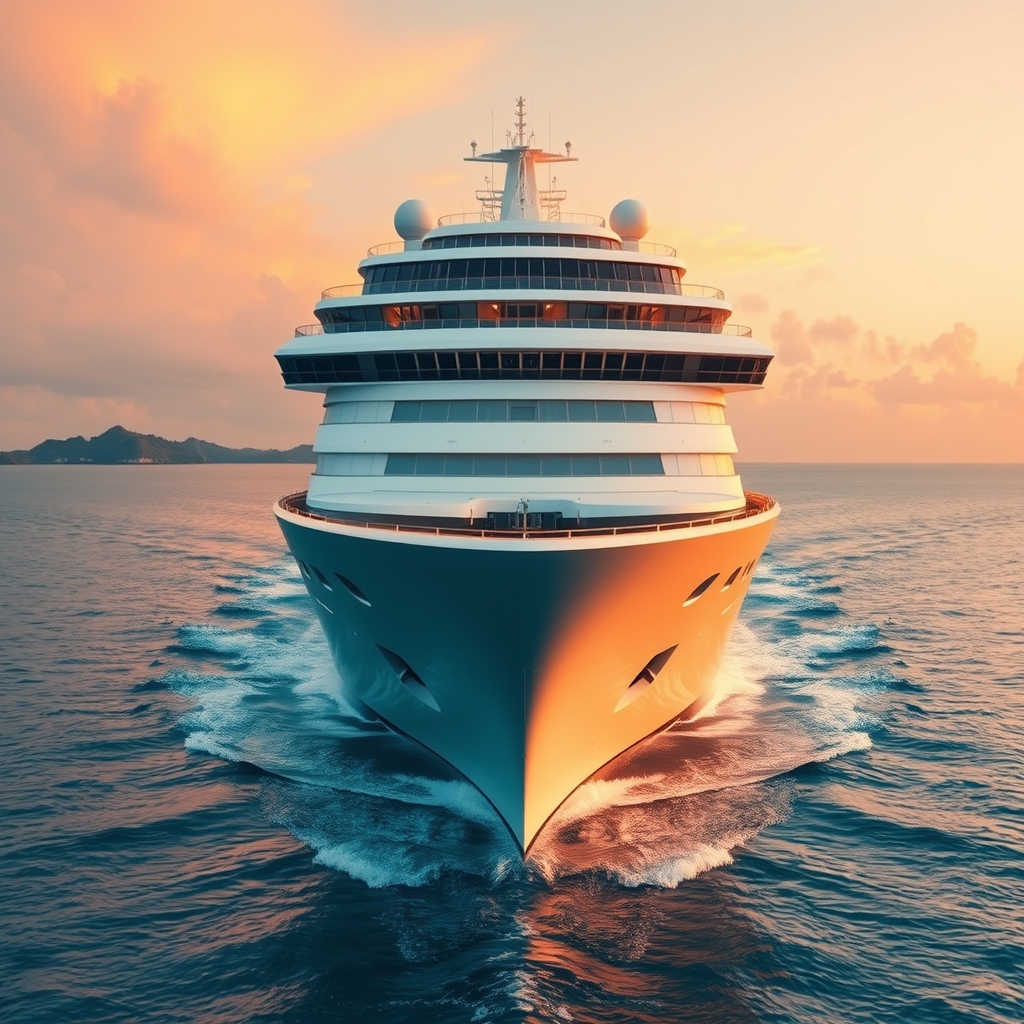
If you’re booking a cruise, you’ve got more choice than ever and more confusion. Royal Caribbean’s Icon of the Seas carries around 5,500 passengers and costs $800+ per night at premium cabin tiers; Carnival’s older fleet averages roughly half that; Disney caters almost exclusively to families; and luxury lines like Cunard operate at a completely different price tier. So which one should you actually book? The answer depends on what breaks your deal or keeps it alive: fleet age, destination consistency, onboard food quality, and what you’ll actually spend per night.
We researched and compared fleet specs, published pricing, passenger feedback patterns, and itinerary data across 8 major operators to identify which lines deliver real value at each price tier and which ones you should skip. This guide covers the ships, the staterooms, the dining, and the real per-night costs so you can match your wallet to your vacation style.
How We Selected
We evaluated each cruise line on:
- Fleet modernity: ship age, recent refurbishments, amenities like specialty dining and entertainment
- Destination variety: geographic range, port frequency, seasonal itinerary depth
- Onboard dining quality: main dining room standards, specialty restaurants, casual options
- Stateroom comfort: balcony availability, cabin sizing, storage
- Value per night: nightly rates across published pricing (as of June 2026), comparing apples-to-apples cabin types and seasons
- Passenger feedback patterns: patterns from owner reports and community forums on reliability, service consistency, and crowding
We also identified what we didn’t include and why at the end.
Quick Comparison: Cruise Line Tiers
| Cruise Line | Fleet Age | Price Per Night (as of June 2026) | Best For | Standout Ships |
|---|---|---|---|---|
| Royal Caribbean | Mixed (newest: 2024) | $150–$400 | Families, adventure seekers | Icon of the Seas, Wonder of the Seas |
| Carnival | Older (avg. 12–15 years) | $80–$200 | Budget cruisers, first-timers | Mardi Gras (2021) |
| Disney Cruise Line | Newer (avg. 7–10 years) | $250–$600 | Families with kids | Disney Wish (2022), Disney Treasure (2024) |
| Princess Cruises | Mixed (avg. 13–16 years) | $120–$350 | Couples, older travelers | Sun Princess (2024) |
| MSC Cruises | Mixed (avg. 10–14 years) | $100–$250 | European itineraries, budget travelers | MSC Seashore, MSC Grandiosa |
| Norwegian Cruise Line | Older (avg. 12–18 years) | $90–$280 | Casual, freestyle cruising | Norwegian Encore (2019) |
| Celebrity Cruises | Newer (avg. 12–14 years) | $200–$500 | Upscale families, food lovers | Celebrity Edge, Celebrity Apex |
| Cunard | Older (avg. 15+ years) | $400–$1,200+ | Luxury travelers, transatlantic voyages | Queen Mary 2 |
The Best Overall Pick: Royal Caribbean
Verdict: Kept. Royal Caribbean offers the widest range of ship sizes, the most consistent fleet modernization, and genuine variety in itineraries from mega-ships in the Caribbean to smaller vessels exploring Alaska and the Mediterranean. If you want current ships, lots of onboard activities, and consistent value across price points, Royal Caribbean is the safest choice.
What makes it stand out:
Royal Caribbean’s Icon of the Seas (launched 2024) and Wonder of the Seas (2021) represent the cutting edge of cruise ship design: cantilevered suites that extend over the ocean, advanced stabilization to reduce seasickness, and itineraries that span from closed-loop Caribbean routes to Alaska, Bermuda, and transatlantic crossings. The fleet includes mid-size ships like the Vision-class vessels, which cruise Baltic, Mediterranean, and Caribbean routes with better port access than mega-ships.
Dining is reliable: main dining room food is standardized and competent, though not exceptional. Specialty restaurants (usually $15–$40 per person for dinner, as of June 2026) offer elevated menus. The line’s casual-dress branding means fewer forced formal nights, which appeals to relaxed travelers.
Reported nightly costs range from $150 (older Vision-class ships, balcony cabin, Caribbean in low season, as of June 2026) to $400+ (Icon of the Seas, premium cabin, peak season, as of June 2026). This wide range means you can find Royal Caribbean across budget and splurge tiers.
The trade-off:
Royal Caribbean’s mega-ships (Icon, Wonder, Symphony of the Seas) carry 5,000–5,500 passengers. Port days become crowded tender operations; pools get packed; dining involves scheduling or paying for specialty venues to avoid the buffet crush. If you dislike crowds, these ships are a slog. The Vision-class vessels are smaller (2,000–2,400 passengers) and feel more intimate, but are older and have fewer onboard amenities.
Who it’s NOT for:
If you’re traveling with young children without a partner (single parents often pay premium rates), Disney Cruise Line’s babysitting and kids’ programs are better. If you want a genuinely luxury experience, Celebrity or Cunard will feel less corporate. If you’re over 60 and prefer retiree-heavy itineraries, Princess might be a better cultural fit.
Best Budget Pick: Carnival Cruise Line
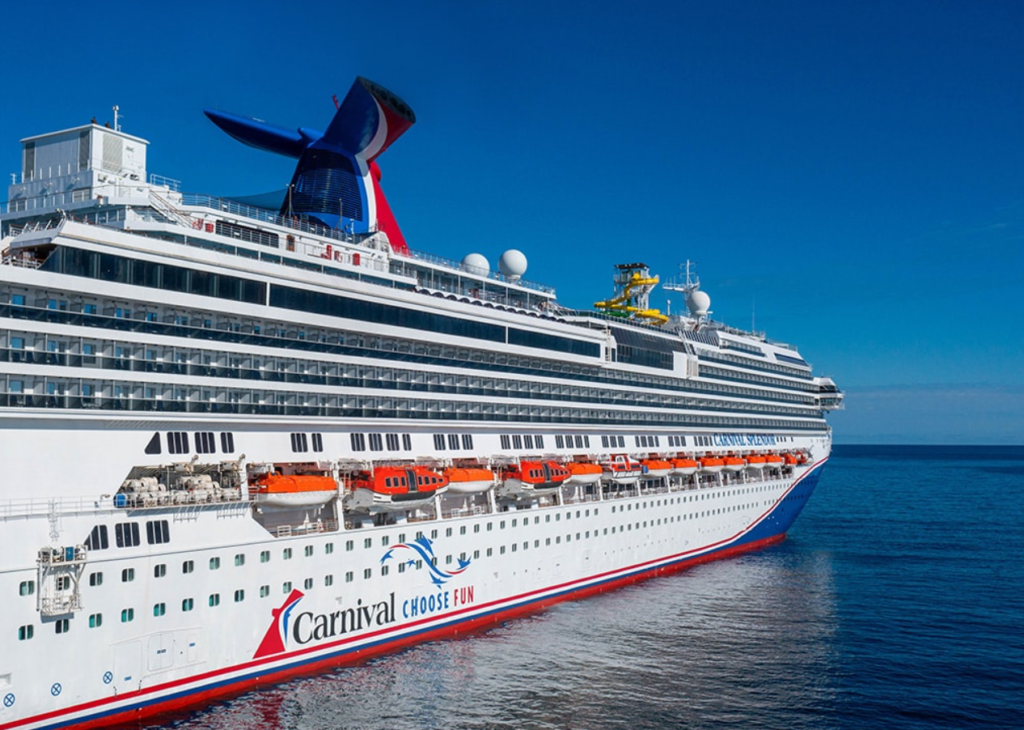
Verdict: Kept (with caveats). Carnival is the cheapest way to get on a ship. Published nightly rates start around $80–$100 per person (older vessels, inside cabin, Caribbean in shoulder season, as of June 2026) before taxes. You pay for what you get: older ships, basic staterooms, and food that won’t win awards. But if you’re cruising for the experience of being at sea and don’t demand cutting-edge amenities, Carnival delivers.
What makes it stand out:
Carnival’s fleet averages 12–15 years old, with the newest ship, Mardi Gras (2021), introducing modern design and propulsion. Most vessels are 12+ years old and show their age: carpeted corridors, dated cabin décor, older plumbing. But they’re paid off, which keeps prices down. The line’s casual, party-oriented brand means fewer formal expectations no dress codes, lots of onboard bars and clubs, and a passenger demographic that skews younger and louder than competitors like Princess or Cunard.
Dining is cafeteria-style: main dining room food is basic (think buffet-quality protein, overcooked vegetables, desserts from a mix); specialty dining is limited and often underwhelming. The Mardi Gras adds better specialty restaurants, but older ships default to predictable, budget-grade menus.
Carnival’s strength is pure accessibility. A week-long Caribbean cruise on an older Carnival ship can cost $500–$700 per person (cabin for two, including base fare, as of June 2026) before taxes achievable for budget travelers.
The trade-off:
Older ships mean more mechanical issues: air conditioning outages, elevator breakdowns, and plumbing problems are more common on Carnival’s fleet than on newer competitors. Based on observed patterns across owner-report communities and cruise forums, Carnival appears in mechanical-problem discussions more frequently than lines with newer fleets. You’re also more likely to experience delays in embarkation and port calls.
Cabins are small, with dated fixtures and minimal storage. Balconies are tiny. Inside cabins can feel claustrophobic. The onboard experience is transactional staff seem rushed, onboard upgrades are aggressively upsold, and the vibe feels assembly-line rather than relaxed.
Who it’s NOT for:
If you value modern ships, quiet environments, or premium dining, Carnival will disappoint. If you’re over 60, you may feel out of place amid Carnival’s younger, party-focused passenger mix. If you’re looking for shore excursions and cultural immersion, Carnival’s itineraries are repetitive Caribbean loops.
Best Upgrade Pick: Celebrity Cruises
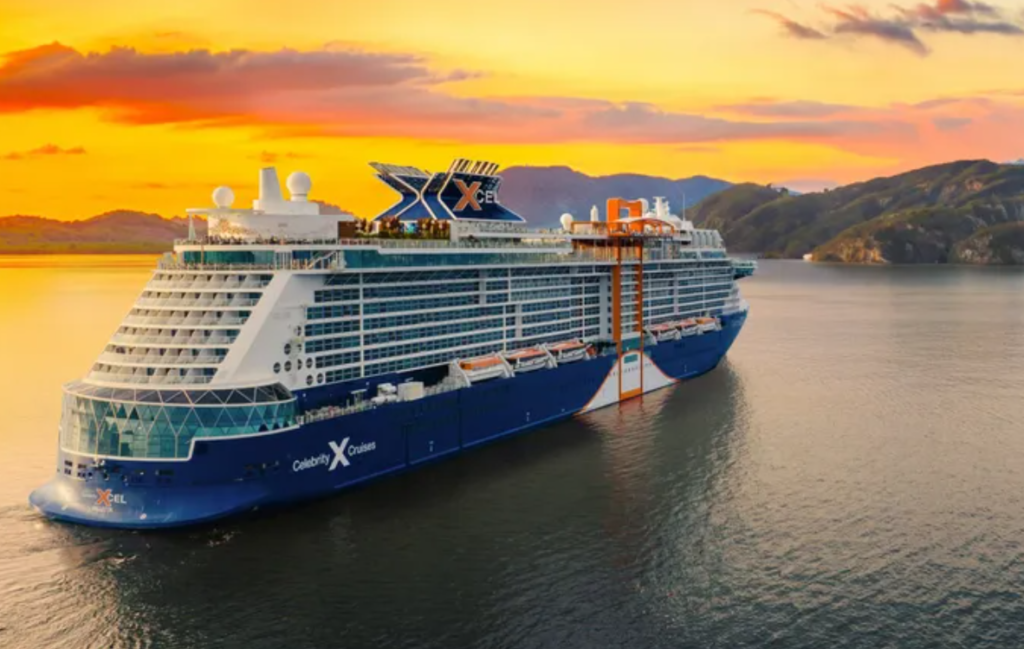
Verdict: Kept. Celebrity Cruise sits in the sweet spot between mass-market cruise lines and ultra-luxury operators. Ships are newer (most built 2009–2023), cabins feel spacious and well-designed, dining is genuinely good, and onboard culture feels more refined than Royal Caribbean or Carnival without the price ceiling of Cunard. Nightly rates run $200–$500 per person (cabin for two, balcony, peak season, as of June 2026), depending on ship and season.
What makes it stand out:
Celebrity’s newer ships particularly the Edge-class (Edge, 2018; Apex, 2023) introduced transformative design: cabins with smart TVs and premium bedding, restaurants developed with award-recognized culinary talent, and open-seating dining that eliminates assigned dining times.
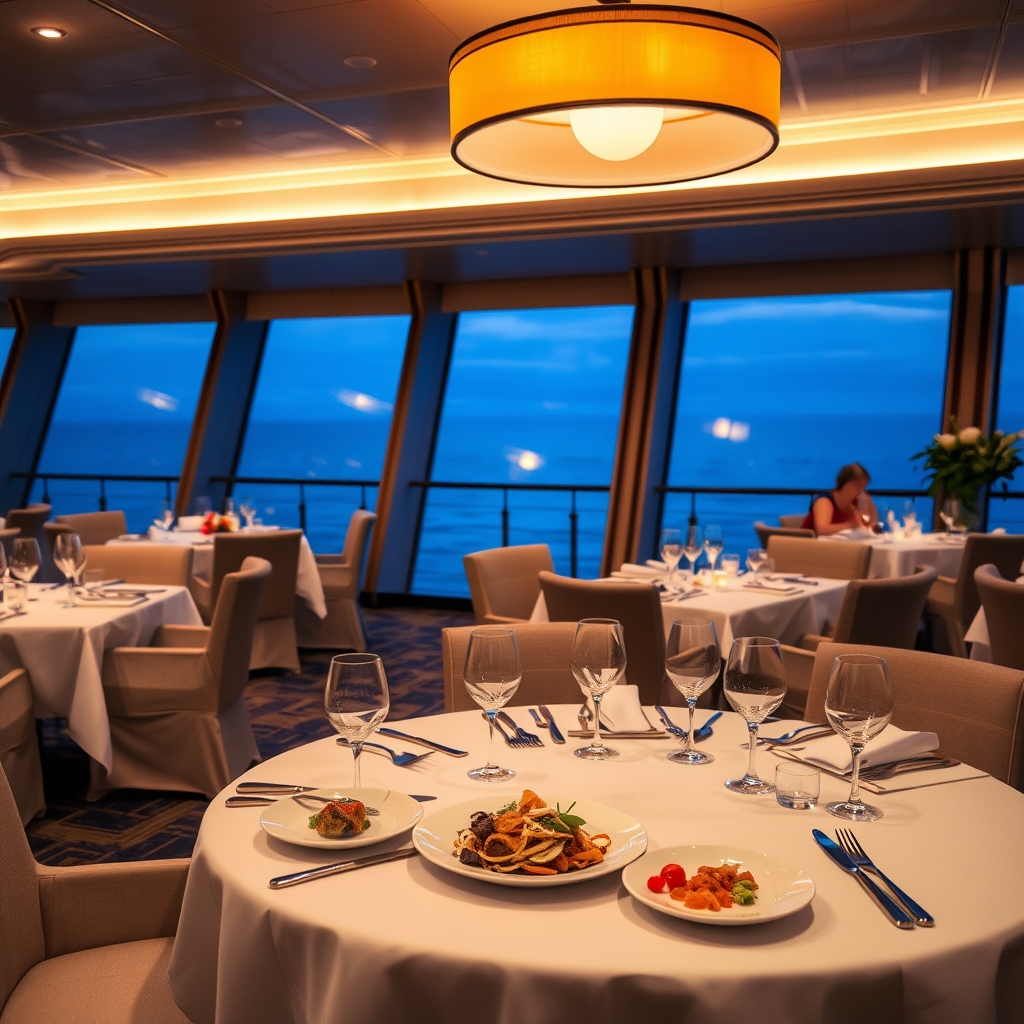
The Retreat suites tier gives exclusive pool access, a concierge, and perks like priority dining reservations a genuine upgrade experience without full-luxury pricing.
Fleets average 12–14 years, which is middle-of-the-road: not cutting-edge, but newer than Carnival and more modern than older Princess vessels. Based on patterns in passenger feedback, the line’s passenger base skews educated, older (average age mid-50s as reported across community forums), and willing to spend slightly more for better quality.
The trade-off:
Celebrity’s specialty dining charges ($15–$40 per person, as of June 2026) are common. While the main dining room is excellent by cruise standards, real food quality concentrates in premium-fee restaurants, which incentivizes spending. Onboard crowd density is moderate Celebrity carries 3,000–4,500 passengers depending on ship, so it’s less packed than Royal Caribbean’s mega-ships but busier than Cunard.
Itineraries are less adventurous than Royal Caribbean’s; Celebrity focuses on Caribbean, Mediterranean, Alaska, and Bermuda with less exploration of off-the-beaten-path regions.
Who it’s NOT for:
If you have a tight budget, Celebrity’s base fares are roughly 2–3x Carnival’s; premium cabins push toward $500–$600 per night. If you’re traveling with young kids, Disney offers better programming. If you want ultra-luxury service (butler, caviar, fine wines included), you need Cunard or Regent.
Best for Families: Disney Cruise Line
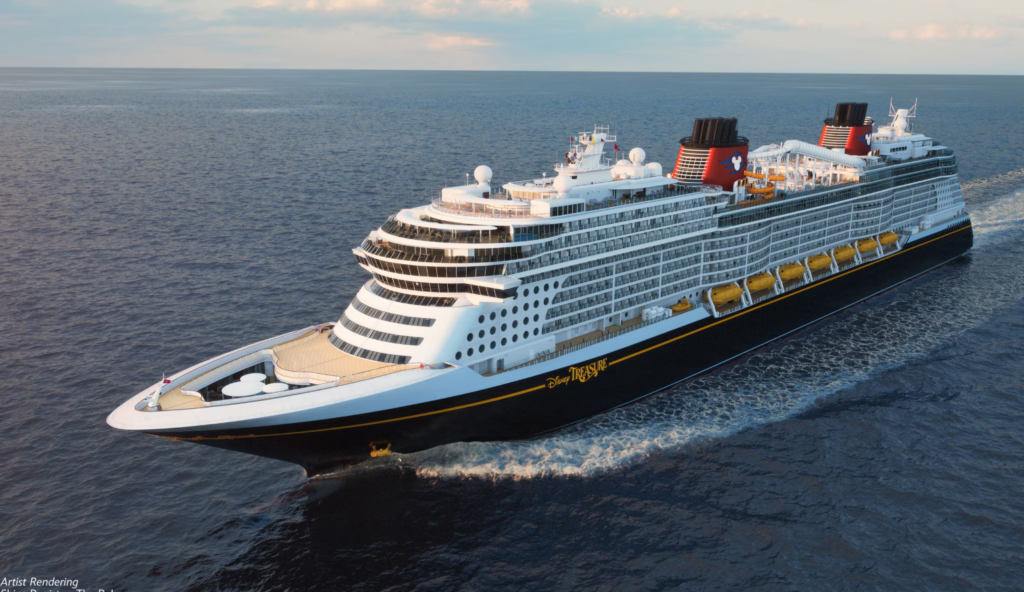
Verdict: Kept (if you have kids). Disney‘s newer fleet (Disney Wish, 2022; Disney Treasure, 2024) is among the newest and best-maintained in the industry. Cabins are spacious, entertainment is world-class (Marvel, Pixar, Disney theater productions), and kids’ clubs keep children occupied while parents relax. The trade-off: pricing is premium ($250–$600+ per night for a family cabin, as of June 2026), and the entire experience is designed around families with children under 12.
What makes it stand out:
Disney’s ships are purpose-built for families. Kids’ clubs are free, extensive (ages 3 months to 17), and genuinely engaging. Dining includes character interactions during meals. Entertainment is high-production: Broadway-style theater, Disney Junior programming for toddlers, and teen clubs with DJ dances and video games.
Cabins are larger than competitors’ at equivalent price points. Bathrooms have separate tubs and showers. Staterooms include sitting areas. Theming is polished throughout hallways and restaurants evoke Disney parks, creating an immersive experience.
Dining is a strength: rotational dining (a different themed restaurant each night) includes character dinners, quality main dining room food, and casual options. Specialty dining ($15–$60 per person, as of June 2026) includes adult-only restaurants.
The trade-off:
Disney’s fleet is small (four ships as of June 2026). Availability fills months in advance. Pricing is among the highest in the industry: based on published rates, you’re paying a 40–60% premium over Royal Caribbean or Celebrity for a comparable cabin and itinerary, largely because Disney’s brand and family-focused design command higher rates among parents willing to pay.
If you don’t have kids, Disney feels misaligned: adult-only areas are limited, and the overall experience is designed for children.
Who it’s NOT for:
Adults without children. Budget travelers (even with kids, Disney is expensive). Travelers seeking cultural immersion Disney itineraries are closed-loop Caribbean and Mexican Riviera, with limited port time.
Best for Couples and Mature Travelers: Princess Cruises
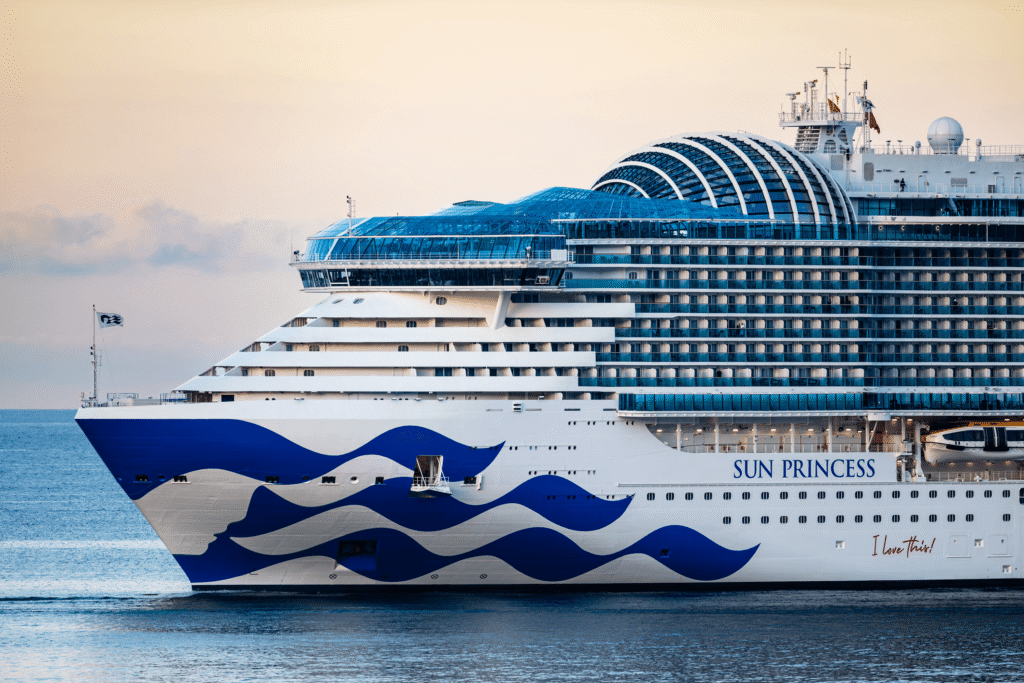
Verdict: Kept. Princess attracts an older passenger base forum feedback patterns consistently place the demographic around median age 55+ and markets heavily to couples. The Sun Princess (launched 2024) represents a modernization push, but most of the fleet is 13–16 years old. Nightly rates run $120–$350 per person (cabin for two, balcony, as of June 2026). The experience is relaxed, less crowded than Royal Caribbean, and itinerary-focused.
What makes it stand out:
Princess’s key differentiator is itinerary breadth: the line sails Alaska, Mediterranean, Panama Canal, Caribbean, and Pacific routes with multiple deployments each season. The Sun Princess (newest ship) features modern cabins, specialty dining options, and updated lounges. Older vessels maintain high standards for their age.
The “Medallion” onboard technology (keycard, room lock, payment, ocean-view activation on in-cabin TVs) is slick and differentiates Princess from competitors. Formal dining is more ritualistic than on Royal Caribbean themed nights, structured seating (though flexible dining is available) which appeals to travelers who prefer tradition.
Cruise fares often include a drink package and onboard credit, reducing back-of-house costs relative to competitors.
The trade-off:
Most Princess ships are older. Mechanical issues occur at similar observed rates to Royal Caribbean’s older vessels. The passenger demographic is conservative fewer young families, less party atmosphere, more structured social programs which creates a quieter but sometimes slower-paced experience.
Dining in main restaurants is more formal and scheduled, which some love and others find restrictive.
Who it’s NOT for:
Families with young kids will find limited programming. Budget cruisers will find Princess pricier than Carnival or MSC. Travelers seeking a lively, active atmosphere will find Princess sedate.
Best for European Itineraries: MSC Cruises
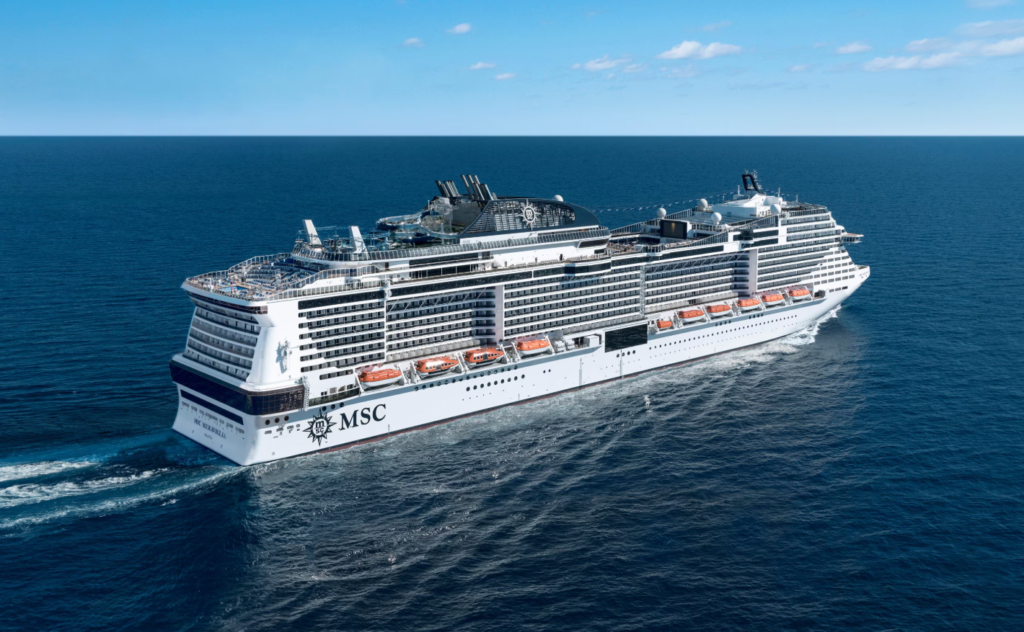
Verdict: Kept (if sailing Europe). MSC is a Europe-based operator and dominates Mediterranean, Baltic, and Northern European itineraries with multiple ships deployed seasonally. The fleet is mixed (ages 10–16 years); newer ships like MSC Seashore (2021) are modern. Published nightly rates run $100–$250 per person (as of June 2026), making MSC competitive with mid-market lines. If your cruise is based in Europe, MSC offers value and itinerary advantage.
What makes it stand out:
MSC’s itineraries are dense with European ports: 7-day Mediterranean cruises often visit 6–7 ports (versus Royal Caribbean’s typical 4–5). Baltic itineraries explore Helsinki, Stockholm, Copenhagen, and other major ports with extended port times. This appeals to travelers prioritizing shore experiences over onboard amenities.
Newer ships (Seashore, Grandiosa, built 2019–2021) feature modern cabins, varied dining, and entertainment. Older vessels (Splendida, Magnifica, Opera, built 2009–2015) maintain good standards but show age. MSC’s brand positioning in Europe is stronger, meaning better crew familiarity with regional culture.
The trade-off:
MSC is less known in North America and Asia, so onboard culture and staff English proficiency vary. Dining is competent but not a highlight main dining room food is acceptable, specialty options add cost. The line attracts a more diverse international passenger base, which enriches experience but can feel less cohesive than cruise lines with a dominant single-nationality passenger mix.
Onboard entertainment is basic. If you’re seeking enriched programs or Broadway-level shows, Royal Caribbean or Celebrity deliver better.
Who it’s NOT for:
North American cruisers planning Caribbean, Alaskan, or Mexican Riviera itineraries (MSC has limited deployment in these regions). Travelers seeking premium onboard amenities. Families with very young children (kids’ clubs are available but less robust than Disney or Royal Caribbean).
Best for Casual, Freestyle Cruising: Norwegian Cruise Line
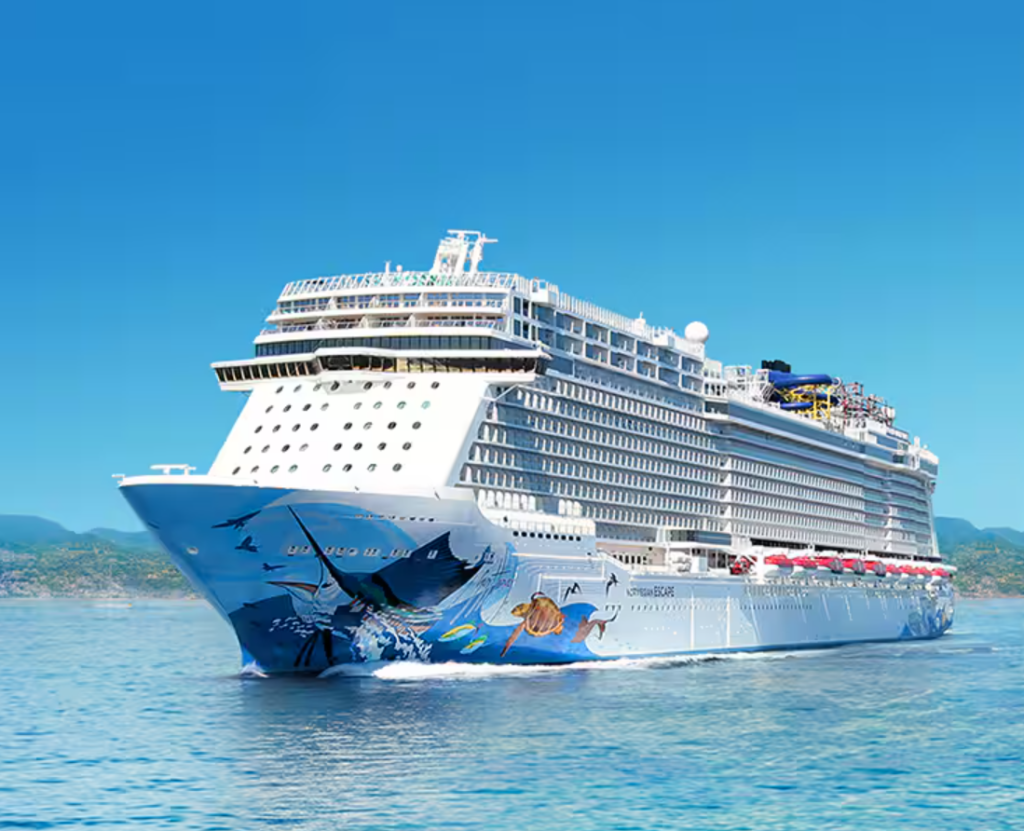
Verdict: Kept (with reservations). Norwegian pioneered “Freestyle Cruising” no assigned dining times, flexible dress codes, casual culture which appeals to anti-structured travelers. However, the fleet is aging (avg. 12–18 years old), and published nightly rates ($90–$280 per person, as of June 2026) reflect budget-market positioning. Norwegian Encore (2019) is the newest and best ship; older vessels feel dated. If you want flexibility and don’t mind an older ship, Norwegian works. If you want modern amenities, look elsewhere.
What makes it stand out:
Freestyle Cruising eliminates assigned dining and dress codes. You eat when and where you want, wear casual clothing nightly, and chart your own schedule. This appeals to independent travelers and families with varied routines. The Encore features a redesigned interior, improved dining, and better entertainment than older Norwegian ships.
Onboard venues are plentiful multiple restaurants, casual options, bars and the relaxed atmosphere reduces social pressure. Specialty dining adds cost ($15–$30 per person, as of June 2026) but is optional.
The trade-off:
Most Norwegian ships are 12+ years old and show wear: carpeted corridors, aging plumbing, dated cabin décor. The Encore is a modern exception but carries premium pricing ($250–$380 per night, as of June 2026).
Freestyle dining creates operational pressure during peak hours: restaurants become bottlenecks, waits extend, and casual dining venues overflow. You gain flexibility but lose dining predictability.
Who it’s NOT for:
Travelers wanting modern ships (except Encore). Those seeking fine dining or gourmet experiences. Passengers who prefer structure and assigned dining.
Best for Ultra-Luxury: Cunard
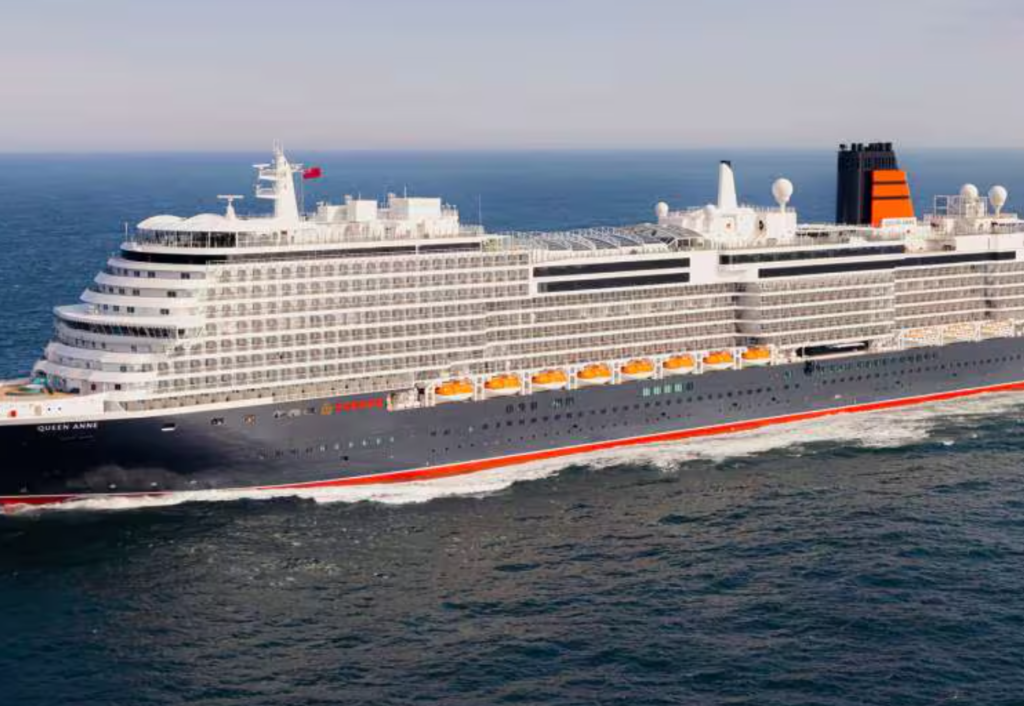
Verdict: Kept (for specific travelers). Cunard operates the Queen Mary 2, Queen Elizabeth, and Queen Victoria ocean liners positioned in the ultra-luxury market. Nightly rates start around $400 and exceed $1,200 for suites and premium cabin types (as of June 2026). These are not cruise ships in the mass-market sense; they’re destination experiences for travelers with substantial budgets and interest in transatlantic crossings, Caribbean winters, and world cruises.
What makes it stand out:
Cunard’s ships are purpose-built for elegance and service standards that rival five-star hotels. Dining is à la carte in specialty restaurants and formal in the main restaurant. Butlers attend suites. Dress codes are enforced (black tie on formal nights). The Queen Mary 2 crosses the Atlantic monthly, a voyage many consider a bucket-list travel experience.
The passenger base is affluent, well-traveled, and culturally engaged. Entertainment includes classical music, theater, and enrichment programs (guest lecturers, cultural seminars). Cabins are spacious; suites include verandas, sitting rooms, and premium bedding.
The trade-off:
Ships are older (Queen Mary 2, 2003; Queen Elizabeth, 2010; Queen Victoria, 2007). While beautifully maintained, they lack modern conveniences in-cabin streaming is limited, and technology lags newer ships. Formal dress codes and rituals appeal to some but alienate casual travelers. Ultra-premium pricing excludes most cruisers.
Who it’s NOT for:
Budget and mid-market cruisers. Families with young children. Casual travelers seeking modern ships or high-energy onboard entertainment. Anyone uncomfortable with formal dress and structured schedules.
What We Cut and Why
Regent Seven Seas Cruises
Regent competes directly with Cunard in the ultra-luxury space and operates newer, smaller ships (1,300–1,750 passengers) with all-inclusive pricing (gratuities, specialty dining, excursions included). Nightly rates start around $600 and exceed $2,000+ for suites (as of June 2026).
We cut Regent because the target audience for this roundup is the broader cruiser market ($80–$500 per night). Regent sits at a price tier where buyer personas are entirely different: ultra-high-net-worth travelers, luxury hotel clients upgrading to cruise format, and world-cruisers. The operational and service framework (butler service, fine dining included, smaller ships, enrichment-focused programming) doesn’t compete with Royal Caribbean, Celebrity, or even Princess in the ways most cruise shoppers evaluate. Including Regent would require a separate buyer-education section and would dilute the value of the main comparison table.
Oceania Cruises
Oceania operates mid-size ships (700–1,250 passengers) positioned between Celebrity and Cunard in quality and price ($300–$700 per night, as of June 2026). The brand emphasizes culinary experiences (chef partnerships), destination-focused itineraries, and a refined atmosphere.
We cut Oceania because it’s a niche player with limited fleet deployment. For travelers at this price point, Celebrity Cruises delivers comparable quality, better onboard amenities, more itinerary options, and stronger brand recognition. Oceania would require a longer explanation of why to choose it over Celebrity, which muddies the decision-making framework for readers.
Comparison Table: Fleet, Destinations, and Pricing at a Glance
| Line | Newest Ship | Avg. Fleet Age | Primary Destinations | Specialty Dining | Est. Nightly Rate (as of June 2026) | Best Value Tier |
|---|---|---|---|---|---|---|
| Royal Caribbean | Icon of the Seas (2024) | 10–12 years | Caribbean, Alaska, Europe, Bermuda | Yes ($15–$40) | $150–$400 | Mid-market |
| Carnival | Mardi Gras (2021) | 12–15 years | Caribbean (repetitive loops) | Limited ($10–$25) | $80–$200 | Budget |
| Disney Cruise Line | Disney Treasure (2024) | 7–10 years | Caribbean, Mexican Riviera | Yes ($15–$60; kids included in many experiences) | $250–$600 | Families |
| Princess Cruises | Sun Princess (2024) | 13–16 years | Caribbean, Mediterranean, Alaska, Panama Canal | Yes ($15–$40) | $120–$350 | Mature couples |
| MSC Cruises | MSC Seashore (2021) | 10–14 years | Mediterranean, Baltic, Caribbean | Yes ($12–$35) | $100–$250 | Europe-based travelers |
| Norwegian Cruise Line | Norwegian Encore (2019) | 12–18 years | Caribbean, Alaska, Europe | Yes ($15–$30) | $90–$280 | Casual, budget-conscious travelers |
| Celebrity Cruises | Celebrity Apex (2023) | 12–14 years | Caribbean, Mediterranean, Alaska | Yes ($15–$40) | $200–$500 | Upscale mid-market |
| Cunard | Queen Mary 2 (2003) | 15–22 years | Transatlantic, Caribbean, World Cruises | Yes (à la carte pricing) | $400–$1,200+ | Ultra-luxury |
How to Choose the Right Cruise Line for You
Budget Is Your First Filter
Crude nightly pricing (as of June 2026) tells most of the story: Carnival and Norwegian start near $80–$90 per person per night; MSC and Princess run $100–$250; Royal Caribbean and Celebrity span $150–$500; Disney starts $250+; Cunard begins $400+. Taxes, fees, and onboard spending (drinks, specialty dining, excursions) typically add 20–40% to the base rate. Decide your hard ceiling per night, then eliminate lines that don’t fit.
Ship Modernity Matters if Mechanical Reliability Concerns You
Newer ships (built 2019+: Royal Caribbean Icon, Disney Treasure, Princess Sun, Celebrity Apex) have fewer reported plumbing and HVAC issues than vessels 15+ years old. Based on observed patterns across owner-report communities, older ships (Carnival, Norwegian, MSC older fleet) appear in mechanical-problem discussions more frequently than lines with newer fleets. If you’re risk-averse, prioritize lines with ships built after 2018.
Destination and Port Access Drive Long-Term Satisfaction
Royal Caribbean and MSC offer destination breadth; Caribbean-focused lines (Carnival, Norwegian) repeat itineraries. European cruisers should prioritize MSC and Princess. Alaskan cruisers should evaluate Royal Caribbean, Princess, and Celebrity (Carnival has limited Alaska deployment).
Onboard Dining Quality Separates Mid-Market from Budget
Carnival and Norwegian offer basic food; Royal Caribbean and Princess deliver competent but unremarkable main dining; Celebrity, Disney, and Cunard elevate standards. If dining is important to your experience, budget 15–20% more per night and move up to Celebrity or Disney.
Passenger Demographics Signal Atmosphere
Carnival skews younger and louder based on forum feedback patterns; Princess and Cunard skew older and formal; Disney is family-focused; Royal Caribbean and Celebrity are mixed. Spending a week surrounded by mismatched passenger demographics can sour an otherwise good cruise. Read reviews on CruiseCritic.com (a commonly referenced third-party resource for detailed passenger feedback, which we don’t control) to match vibe before booking.
FAQ
What’s the best cruise line overall?
Royal Caribbean is the best overall pick: modern fleet, consistent value across price tiers, diverse itineraries, and reliable onboard standards. If you want a single answer, Royal Caribbean works across budget ranges and travel styles.
Is Carnival actually that bad?
Carnival isn’t bad; it’s cheap and delivers what it promises: a floating party with basic amenities at a low price. Based on patterns in owner-report communities, Carnival appears in mechanical-problem discussions more often than newer competitors, and cabins are dated. But if you’re budget-conscious and accept older ships, Carnival is the most economical way onto a ship.
Should I upgrade to Celebrity if I can afford it?
Yes. For roughly 30–50% more per night than Royal Caribbean, Celebrity offers newer ships, better dining, and a less-crowded atmosphere. The upgrade is real and justified if dining and comfort matter to you.
Is Disney Cruise Line worth the premium?
Direct answer: yes, if you have young children. Disney’s kids’ clubs, character entertainment, and spacious cabins justify the observed 40–60% price premium over Royal Caribbean. Without kids, it’s overpriced.
Can I find a last-minute deal on these cruise lines?
Yes, particularly 30–45 days before departure. Walk-up rates on Carnival and Norwegian can drop 30–50% from published prices based on patterns reported in cruise communities. Celebrity and Royal Caribbean typically offer smaller discounts. We cannot guarantee specific discounts, as they vary seasonally, so check directly with the lines’ websites for current promotions.
Final Verdict
Choose Royal Caribbean if you want modern ships, varied destinations, and middle-ground pricing. Choose Carnival if budget is paramount and you accept older vessels. Choose Celebrity if you want to spend moderately more for genuinely better quality. Choose Disney if you have kids. Choose Princess or MSC if you’re prioritizing specific regions (Princess: mature travelers; MSC: Europe). Choose Norwegian if you value flexibility over amenities. Choose Cunard if money is no object and you want five-star service at sea.
The best cruise line is the one that aligns your budget, destination preferences, ship modernity comfort level, and onboard atmosphere expectations. Use this comparison to narrow your choice, then read detailed reviews on CruiseCritic.com or Cruise Radio (third-party review sources we don’t control) to validate your pick against real passenger experiences before booking.