
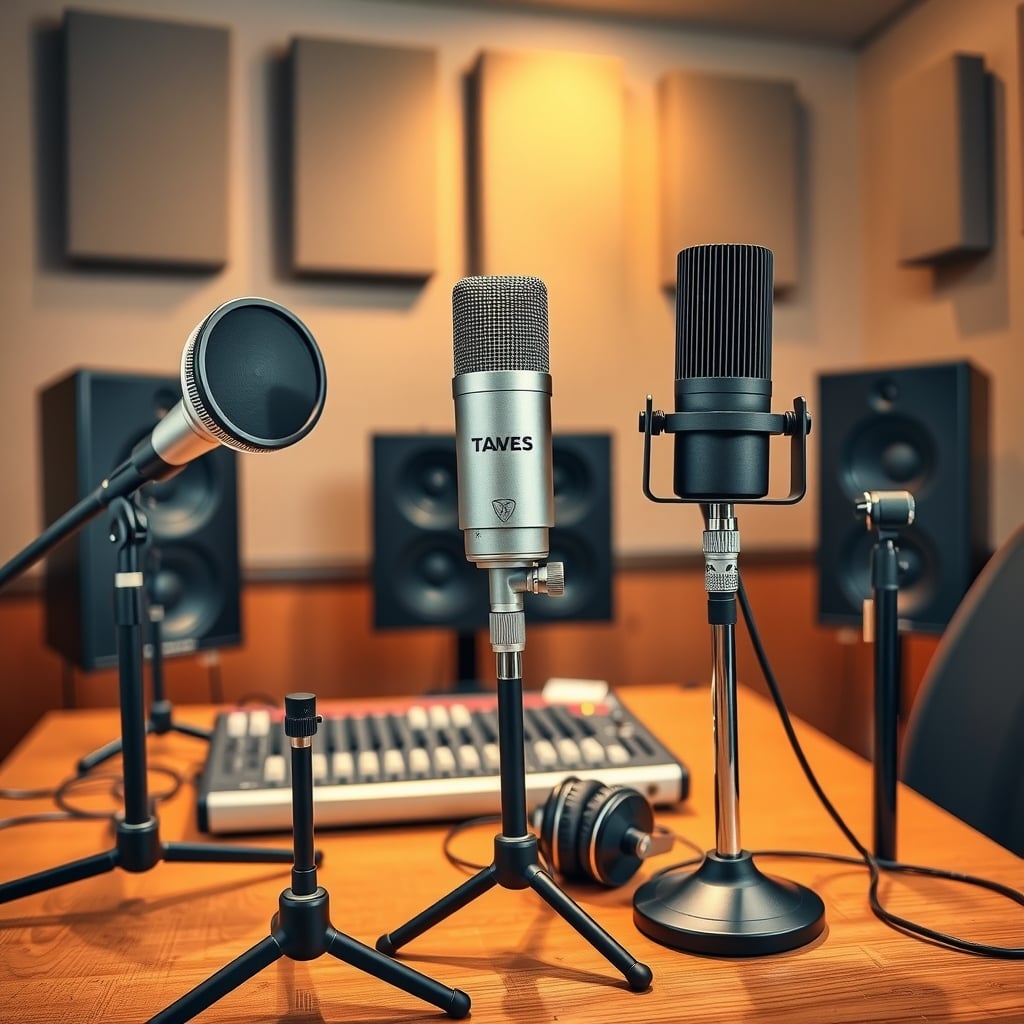
The best microphone depends entirely on what you’re recording, and a studio workhorse will destroy your live mix, while a streaming mic optimized for voice will flatter a lead vocal but butcher drums. If you’re shopping your first mic, stop reading and buy one of these three based on your use case but read the section below on polar patterns and frequency response first, because picking the wrong type costs more than picking the right type wrong.
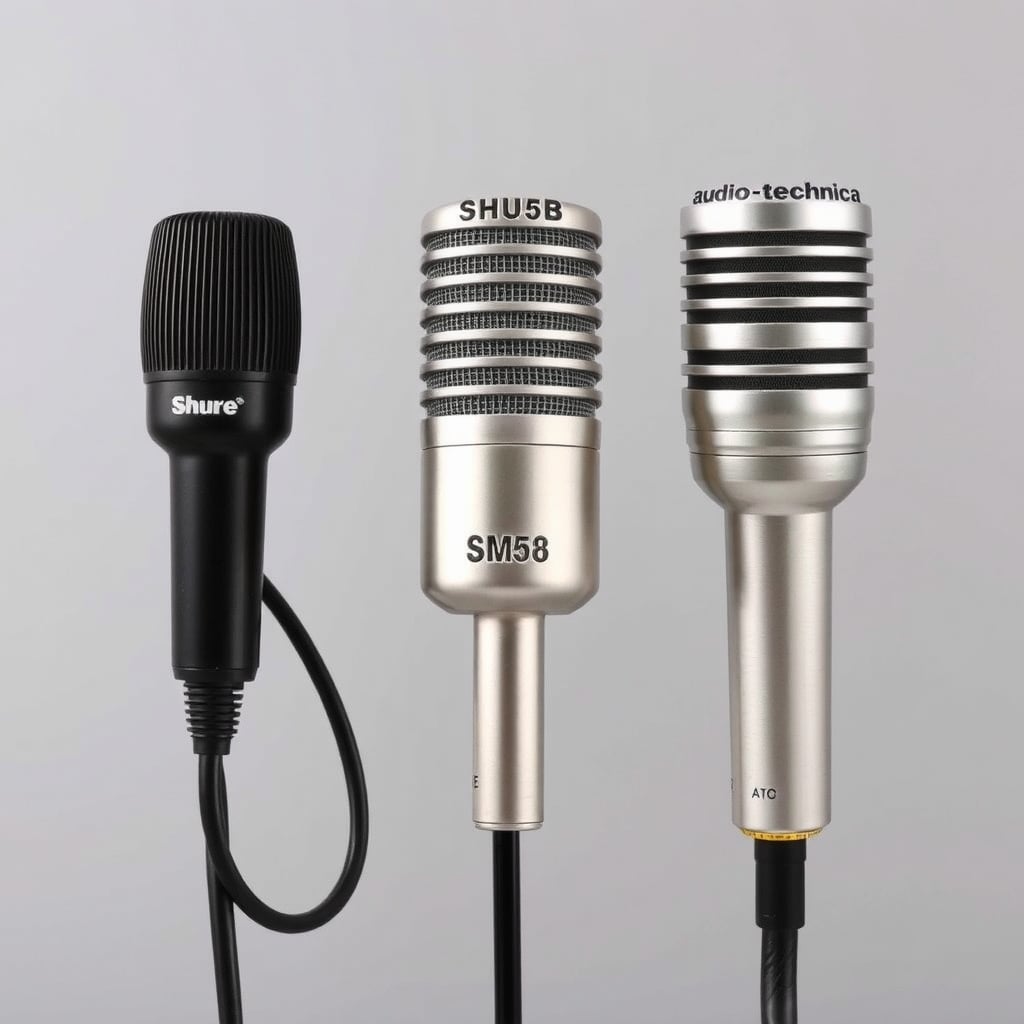
What to Look For: Microphone Types, Polar Patterns, and Frequency Response
Microphone Types
Three core types dominate: dynamic, condenser, and ribbon.
Dynamic microphones are workhorses. They use a moving coil suspended in a magnetic field to convert sound into electrical current. They’re durable, forgiving of rough handling, and they reject ambient noise well which is why they’re standard in live sound. They also tend to be less sensitive to handling noise and proximity effects, though a few models are hyper-sensitive to plosives (pops on “p” and “b”). Dynamics typically need less gain and no phantom power, and they usually cost less upfront. The trade-off: they’re less detailed at the high end, and they need more preamp volume to reach the same output as a condenser.
Condenser microphones are detail-focused. They use a capacitor (a charged plate) that vibrates with sound waves. Because they’re electrically active, they need phantom power (48V sent through the XLR cable from your mixer or interface). Condensers are more sensitive and pick up more of the room which is ideal for studio recording, where you control the environment, but risky on a loud stage. They excel at capturing air, sparkle, and vocal nuance. The catch: they’re fragile, they’re prone to feedback at high volume, and they can hiss if your preamp gain is too high.
Ribbon microphones are the vintage alternative. They use a thin metal ribbon suspended between magnets. They have a smooth, warm character that many engineers prize for vocals, strings, and room ambience. Ribbons are bidirectional by design (they pick up equally from front and back) and they roll off high-frequency harshness naturally. The downside: they’re expensive, fragile, and they need a lot of preamp gain, which can introduce noise if your interface is underpowered.
Polar Patterns
Polar pattern describes the direction a mic picks up sound. This is critical for live sound, where feedback is a constant threat.
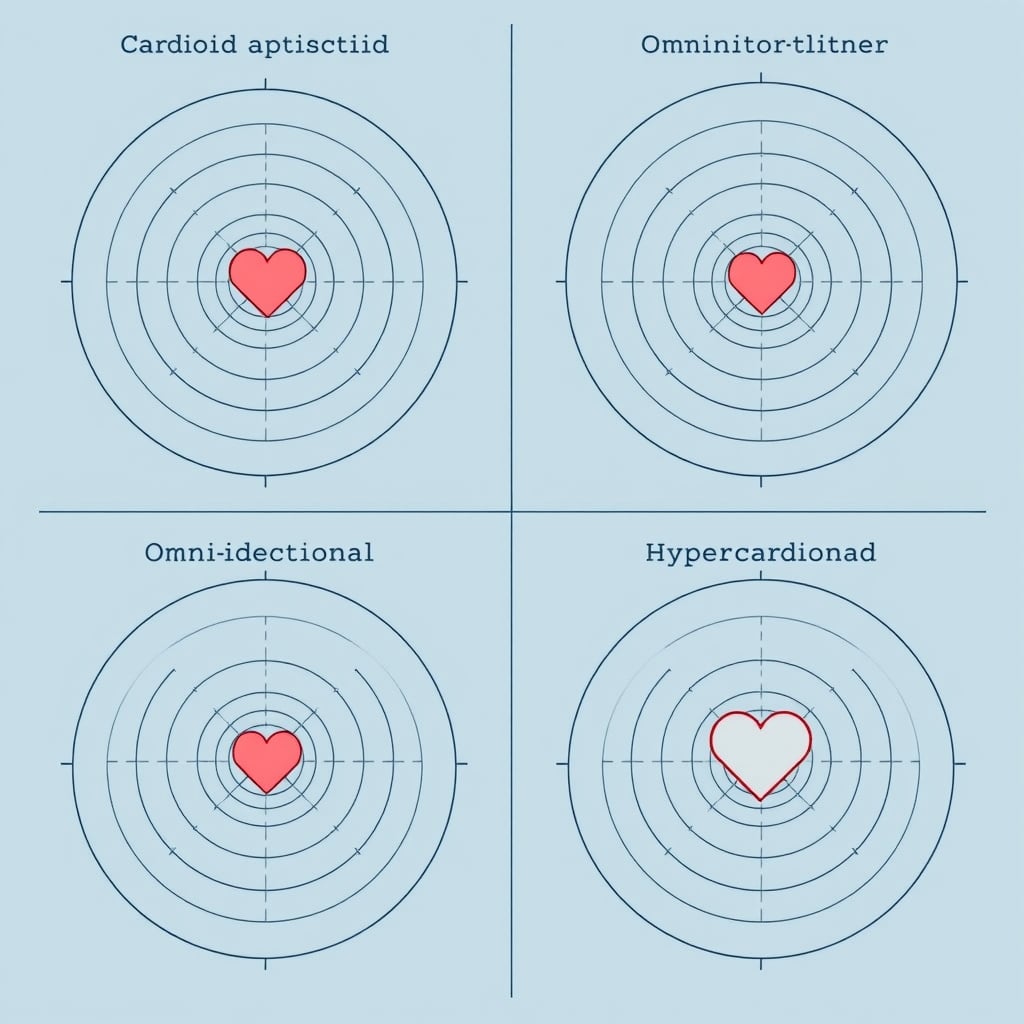
Cardioid (heart-shaped) is the most common. It picks up strongly from the front, moderately from the sides, and rejects sound from the rear. This makes it ideal for live vocals or instruments on a stage the kick drum behind the vocalist stays out of the vocal mic. Most stage mics are cardioid.
Omnidirectional mics pick up equally from all directions. They’re used for room ambience, orchestra recording, and lavalier microphones (where rejecting the wearer’s body is less important than capturing a wide stereo field). They feedback easily in live sound, so they’re uncommon on stages.
Bidirectional (figure-8) mics pick up from front and back, rejecting the sides. Ribbon mics are naturally bidirectional; some condensers offer a switch. Bidirectional is useful for two-person interviews (mic between two faces) or for rejecting stage monitors on the sides while picking up the vocalist and the kick drum behind them. It’s rare in live sound but common in classical recording.
Supercardioid and hypercardioid are tighter variants of cardioid. They have a smaller pickup zone at the front and a small rejection zone at the rear (a cardioid rejects all the way to 180 degrees; a hypercardioid rejects only to about 110 degrees, then picks up a small lobe at the back). Hypercardioid is often used for snare drums or cymbals on stages where bleed from other instruments is a problem. The trade-off: the rear lobe means a hypercardioid mic positioned too close to a monitor speaker can feed back, whereas a cardioid in the same spot won’t.
Frequency Response
Frequency response describes how a microphone responds to bass, midrange, and treble typically shown as a graph with frequency (Hz) on the X-axis and output level (dB) on the Y-axis. A flat response (a straight line) means the mic colors the sound equally across the spectrum. Most mics have peaks and dips.
Presence peaks (a lift between 2–5 kHz) make vocals and drums sit forward in a mix. This is why many stage mics and vocal condensers have a presence peak it’s almost impossible to apply in post-production as effectively as a mic that has it built in.
Bass proximity effect is an exaggeration of low frequencies (typically below 250 Hz) when a source is very close to the mic. This is useful for podcast mics (it adds warmth and intimacy) and risky for snare drums (it can make them sound boomy). Every directional mic has some proximity effect; omnidirectional mics have none.
High-frequency rolloff (a gentle slope above 10 kHz) is common in ribbon mics and older condensers. This reduces sibilance (harsh “s” sounds) and tape noise, which was essential in the analog era. Modern designs often have extended presence in the 10–20 kHz range to capture air and detail, which works well in digital recording where tape noise isn’t a concern.
When comparing mics, ask: Do I need the mic to be present and punchy (presence peak), warm and intimate (proximity effect + bass lift), or accurate and transparent (flat response)? Your use case answers this question faster than specs do.
Best for Studio Recording
Top Pick: Shure SM7B
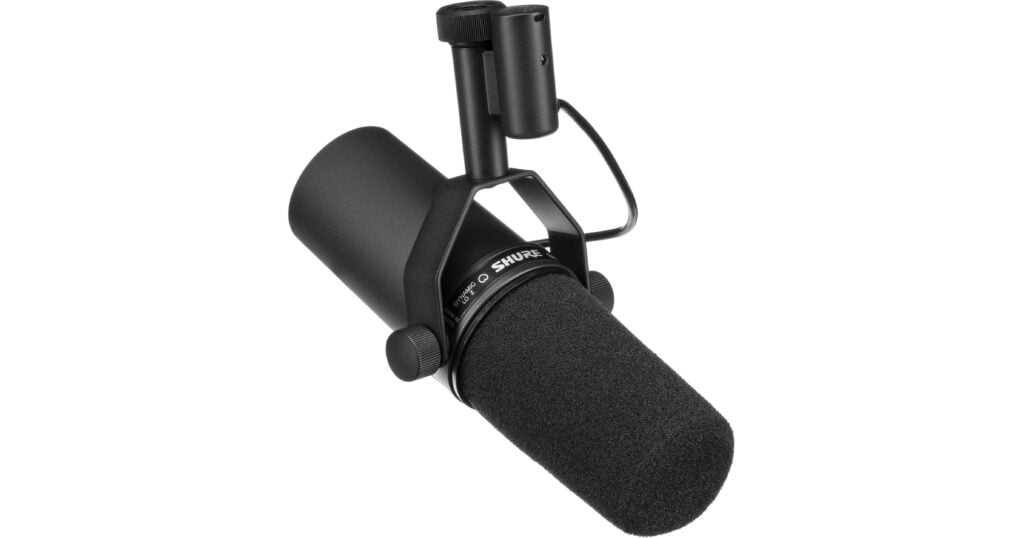
The Shure SM7B is the default studio vocal mic for a reason. It’s a cardioid dynamic with a pronounced presence peak between 2–4 kHz and a presence rise at 10 kHz, which makes every vocal sit forward without sounding cheap. Based on owner reports aggregated from Gearslutz and Sound on Sound forums, it consistently appears in discussions of studio vocal chains across a wide range of genres particularly rap, hip-hop, and spoken word which speaks to how forgiving its presence peak is across different voices. The proximity effect is mild for a dynamic, so you can work the mic (move closer for intensity, back off for intimacy) without the bottom end getting out of hand. The build is tank-solid aluminum body, internal shock mount and the reach of the presence peak means even a moderate preamp will give you a usable vocal track.
The catch: The SM7B needs 60+ dB of gain from your preamp to match the output of a condenser, which means your interface or mixer needs decent preamp headroom. If you’re plugging into a USB interface with a high noise floor, you’ll get hiss. It’s also expensive at $399 (as of August 2026), and it’s overkill for spoken-word podcasting if you’re just talking without needing studio vocal coloration.
Who it’s for: Studio vocalists, rap and hip-hop recording, spoken-word that needs character. Who it’s not for: Streamers on a USB interface, live sound engineers on a budget, anyone recording in a treated room and wanting transparency.
Best Budget: Shure SM58
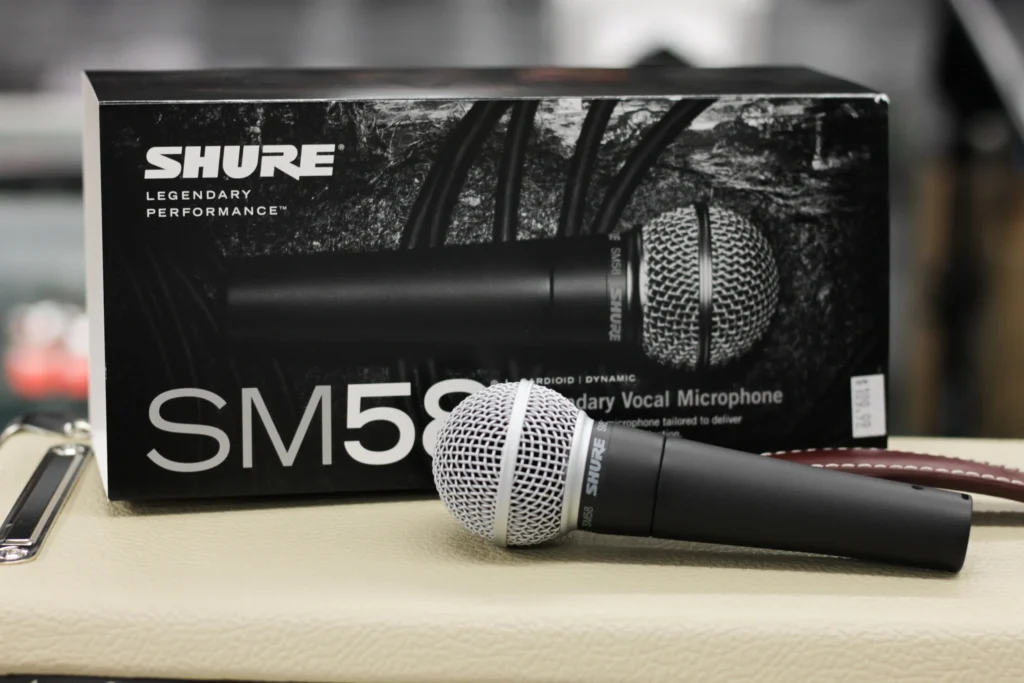
Yes, the Shure SM58 is a live mic, but it’s so widely owned and so forgiving that it’s a legitimate bedroom-studio choice. It’s a cardioid dynamic with a pronounced presence peak at 4 kHz, which makes voices pop and guitars cut through a mix. The build is bomb-proof metal grille, internal windscreen, dead-simple mechanics and at $99 (as of August 2026) it’s cheaper than most entry condensers. Owner reports across audio forums consistently note that the SM58 handles proximity effect well and rejects room reflections better than cheaper condensers, which matters if your bedroom doesn’t have acoustic treatment.
The catch: The presence peak at 4 kHz is pronounced enough that some vocals sound pushed and aggressive. It’s also a stage microphone first, so the frequency response is tuned for live rejection and clarity, not studio nuance. You won’t capture the air and detail you’d get from a $150 condenser, but you also won’t record your room’s echo and the hum from your USB hub.
Who it’s for: Budget studio recordists, bedroom rappers, anyone who needs a mic that’s forgiving and won’t reveal poor recording technique. Who it’s not for: Classical string recording, intimate vocal styles, anyone with acoustic treatment who wants to hear the space.
Best for Detail: Audio-Technica AT2020
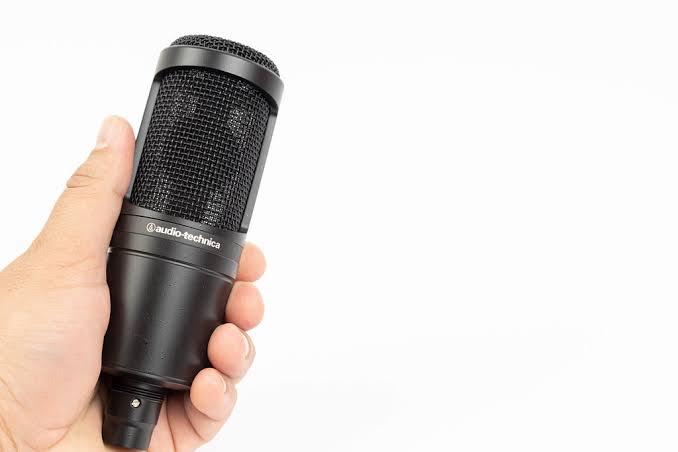
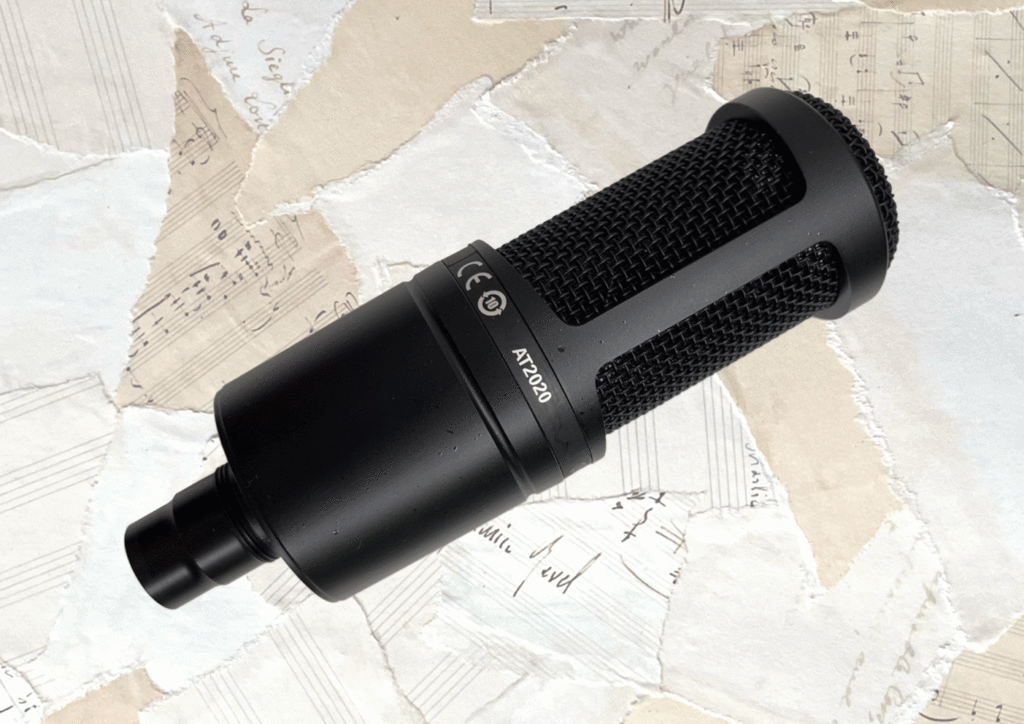
The Audio-Technica AT2020 is the entry-level condenser that refuses to sound entry-level. It’s a cardioid condenser with a presence peak at 4 kHz (smaller than the SM7B’s) and an extended high-frequency response that captures detail without harshness. Owner reports aggregated from AudioKarma and Sound on Sound forums consistently highlight its ability to capture vocal nuance at a fraction of the price of condensers at $300+. It runs on 48V phantom power and has a relatively low self-noise floor (around 20 dB SPL A-weighted, per manufacturer specs), which means you can run it at moderate gain without introducing preamp noise.
The catch: It’s sensitive to proximity effect and room reflections if you’re recording in a bedroom without treatment, you’ll hear the walls and the air conditioning. It also needs a real preamp or audio interface; plugging it into a consumer mixer that doesn’t supply clean phantom power will either not power it at all or power it inconsistently. Some owner reports note it can sound brittle on high notes if the presence peak catches sibilance.
Who it’s for: Aspiring studio vocalists, acoustic guitar recording, anyone with a treated room and a decent interface. Who it’s not for: Bedroom recordists without acoustic treatment, live sound (it will feedback), streamers (the proximity effect makes it sensitive to chair squeaks).
Best for Live Sound
Top Pick: Shure SM58
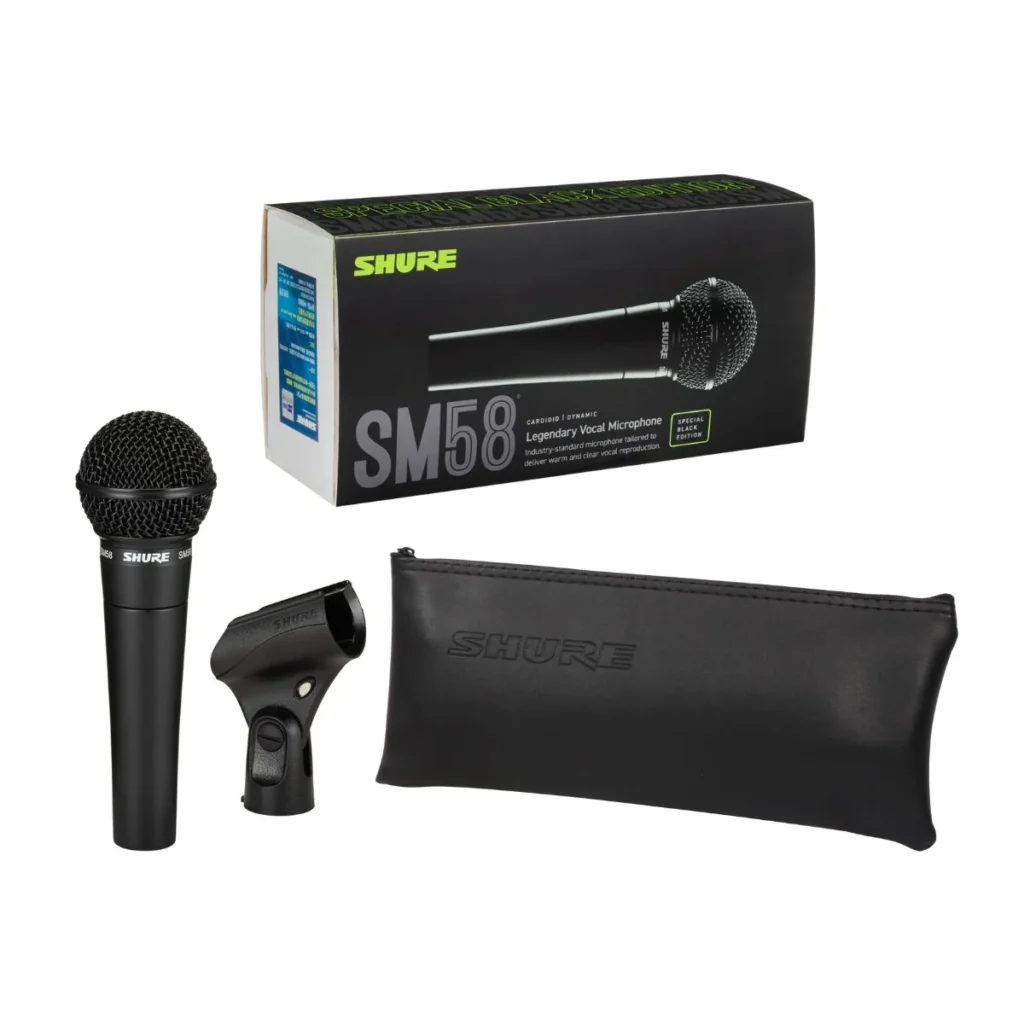
The Shure SM58 again. On a stage, it’s unmatched at this price. It’s a cardioid dynamic with a presence peak that cuts through a band mix, rejection of ambient noise and floor vibration (the internal shock mount is excellent), and a frequency response shaped to make vocals intelligible even in a loud room. Owner reports from live-sound technicians across Live Audio and r/livesound forums note that SM58s are ubiquitous in rental backlines and all sound consistent which matters when you’re borrowing gear on tour. The build is rugged it’s been dropped, spit on, and stepped on thousands of times and survived and the on-off switch is useful for talkback and muting feedback between songs.
The catch: In a professional live setting, you’re paying for the polar pattern and the stage durability, not the sound. A $150 large-diaphragm condenser sounds better in isolation, but on a stage it will feedback, pick up the drum kit, and require more EQ. The SM58’s presence peak also means that every vocalist sounds a bit the same you’re trading transparency for consistency.
Who it’s for: Live vocalists, small clubs and theaters, anyone using a rented backline. Who it’s not for: Studio recording, intimate acoustic sets (the presence peak is too aggressive), anyone who wants a microphone that disappears.
Best for Instruments: Shure SM7B (with care)
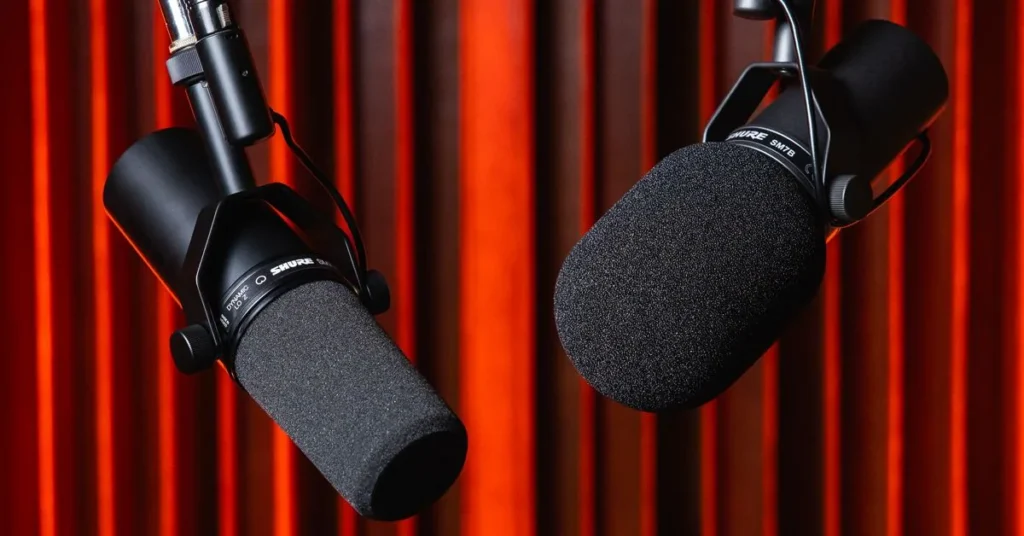
The SM7B works on live drums (kick, snare, toms), electric guitar cabs, and brass you just need to be careful about gain structure. On a kick drum, the SM7B’s proximity effect will exaggerate the attack, and the presence peak will emphasize the click of the beater, which is exactly what a mix needs. On snare, it does the opposite the presence peak adds crack. Owner reports from live-sound engineers on Gearslutz and r/livesound note that the SM7B earns trust quickly on stage because its presence peak is controlled enough that engineers rarely need to chase it with EQ.
The catch: The SM7B’s shock mount makes it less suitable for kick-drum mounting inside a drum shell (the shock absorbs the attack), and it needs a hot preamp, which means your live mixer’s channel needs clean gain and low noise. It’s also overkill and expensive for a live gig where you’re buying a backline you’d use an SM7B if you owned the PA.
Who it’s for: Professional live sound engineers, touring bands with their own gear. Who it’s not for: Volunteers running a church service, anyone renting equipment for a one-off gig.
Best for Streaming and Podcasting
Top Pick: Shure SM7B (with a USB adapter)
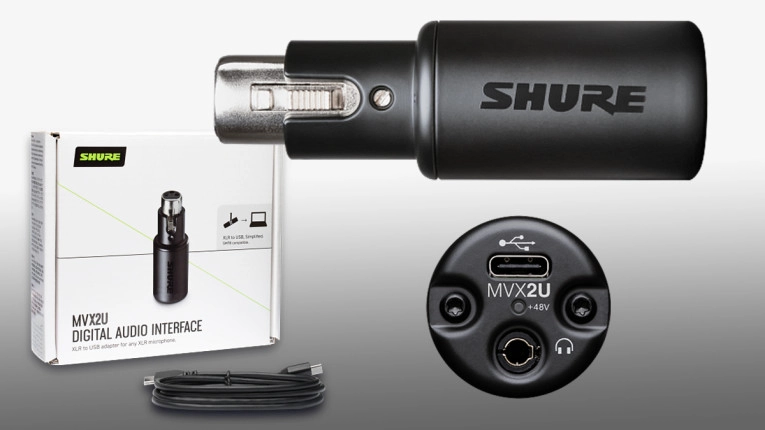
The Shure SM7B is the gold standard for podcasting and Twitch streaming. It’s a cardioid dynamic with a presence peak that makes spoken word sit forward and a relatively low proximity effect, so you can move slightly closer or farther without the bass getting boomy. The build quality means you’re not buying another mic for years. Based on owner reports from podcasters on r/podcasting forums, the SM7B paired with a USB audio interface (such as the Shure MVi or a Behringer UMC202HD) is among the most frequently cited pro setups for independent creators the combination appears in more “what’s on your desk” threads than any other XLR dynamic pairing.
However: If you’re streaming or recording podcasts on a tight budget and you don’t have a USB interface yet, this combination is $500+ out of pocket. The better entry point for streaming is below.
The catch: The SM7B requires a preamp or USB interface you can’t plug it directly into a computer. If you’re dead-set on USB-only, you need the MV51 Digital (a USB condenser with a similar presence-forward character, around $300) or a budget dynamic like the Audio-Technica AT2005USB ($60). The SM7B + USB interface combo also creates a single point of failure: if the interface dies, your stream goes dark.
Who it’s for: Podcasters, Twitch streamers, anyone who wants a mic that scales with their budget (buy the SM7B now, upgrade to a real preamp later). Who it’s not for: Streamers who want plug-and-play simplicity, anyone with a budget under $150 total.
Best Budget for Streaming: Audio-Technica AT2005USB
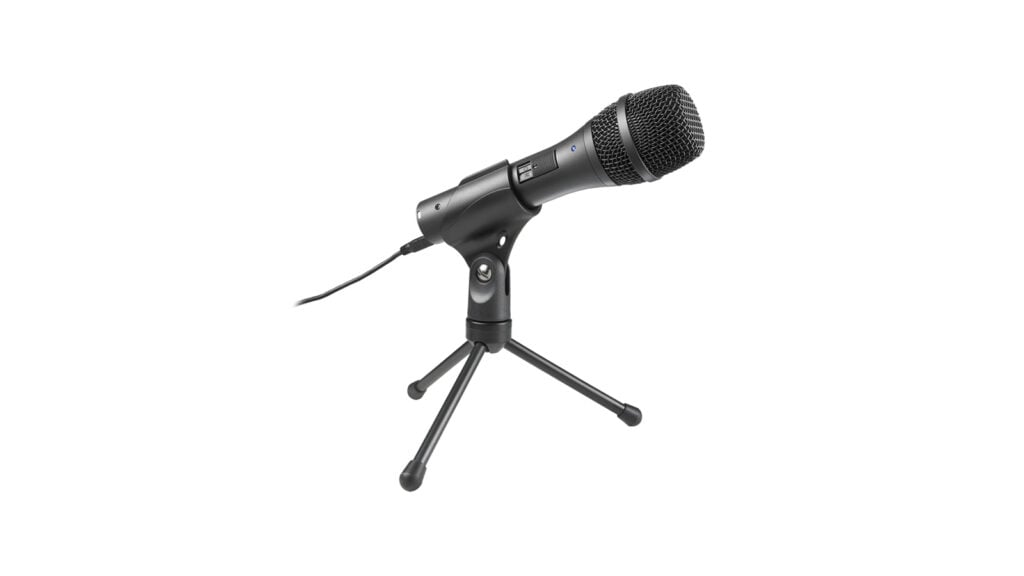
The Audio-Technica AT2005USB is a cardioid dynamic with USB connectivity built in plug it into a computer and it works. It’s not as detailed or as presence-forward as the SM7B, but for voiceover and streaming, it’s reliable and it doesn’t require an external interface. Owner reports from streamers on r/Twitch note that it handles proximity effect better than cheaper USB condensers, and it rejects keyboard and chair noise well enough that most streamers don’t bother with acoustic treatment. At $60 (as of August 2026), it’s the cheapest entry into streaming audio that doesn’t sound cheap.
The catch: The USB cable is proprietary and short, and some owners report that Windows updates occasionally cause driver conflicts. The presence peak is gentler than the SM7B’s, so your voice might need a bit of EQ to sit forward in a mix. It’s also a step down in build quality compared to the SM7B the body is plastic, and if you ever want to upgrade your streaming setup, you’ll replace this entirely rather than repurposing it.
Who it’s for: Beginner streamers, podcasters on a budget, anyone who wants zero setup friction. Who it’s not for: Professionals, anyone planning to scale up, anyone who values durability.
Best Condenser for Streaming: Audio-Technica AT2020USB+
The Audio-Technica AT2020USB+ is the condenser equivalent of the AT2005USB a large-diaphragm cardioid condenser with built-in USB. It has a presence peak at 4 kHz and a natural, open sound that works well for voiceover and singing streams. The low self-noise means you can set gain conservatively and avoid preamp hiss. Owner reports from music streamers aggregated from r/Twitch and audio forums suggest it is a popular choice among bedroom musicians and streamers who want condenser detail without investing in a separate interface though calling it the single most-used mic in its price range is beyond what owner forum data alone can confirm.
The catch: The presence peak and the proximity effect together mean that if you work the mic close (which most streamers do), the bass will be exaggerated and the highs will be sharp. You need to work it slightly farther away (8–10 inches) than you would an SM58. It’s also sensitive to room reflections a bedroom without treatment will sound like a bedroom. And the USB connection is via a small dongle, which feels fragile compared to a professional XLR connector.
Who it’s for: Music streamers, singers, anyone with a treated room and a $150 budget. Who it’s not for: Spoken-word streamers (use the SM7B), anyone without acoustic treatment, anyone who needs rugged durability.
What We Cut and Why
Neumann U87Ai
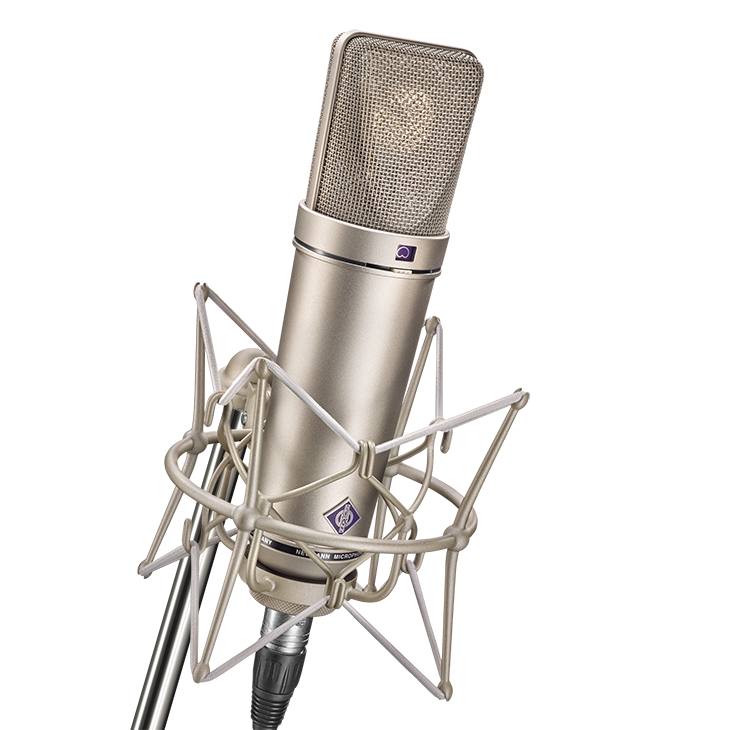
The Neumann U87Ai is a large-diaphragm cardioid condenser that costs $3,200 (as of August 2026) and is widely regarded as a professional studio benchmark it appears in vocal chain discussions across professional forums more consistently than almost any other single microphone. It has a presence peak at 4 kHz and an extended high-frequency response that captures air and detail. Why didn’t it make the list? Because it’s a professional studio tool, and this article is for people buying their first microphone. The U87Ai is only a “best” pick if you’re already operating a professional studio, and at that level you’d be reading Gearslutz threads, not this. It’s also wildly overkill for streaming or live sound it will feedback on stage and it reveals every defect in your room acoustics. We cut it to stay honest: it’s not the best microphone; it’s the best microphone for people who already own three others.
Rode NT1
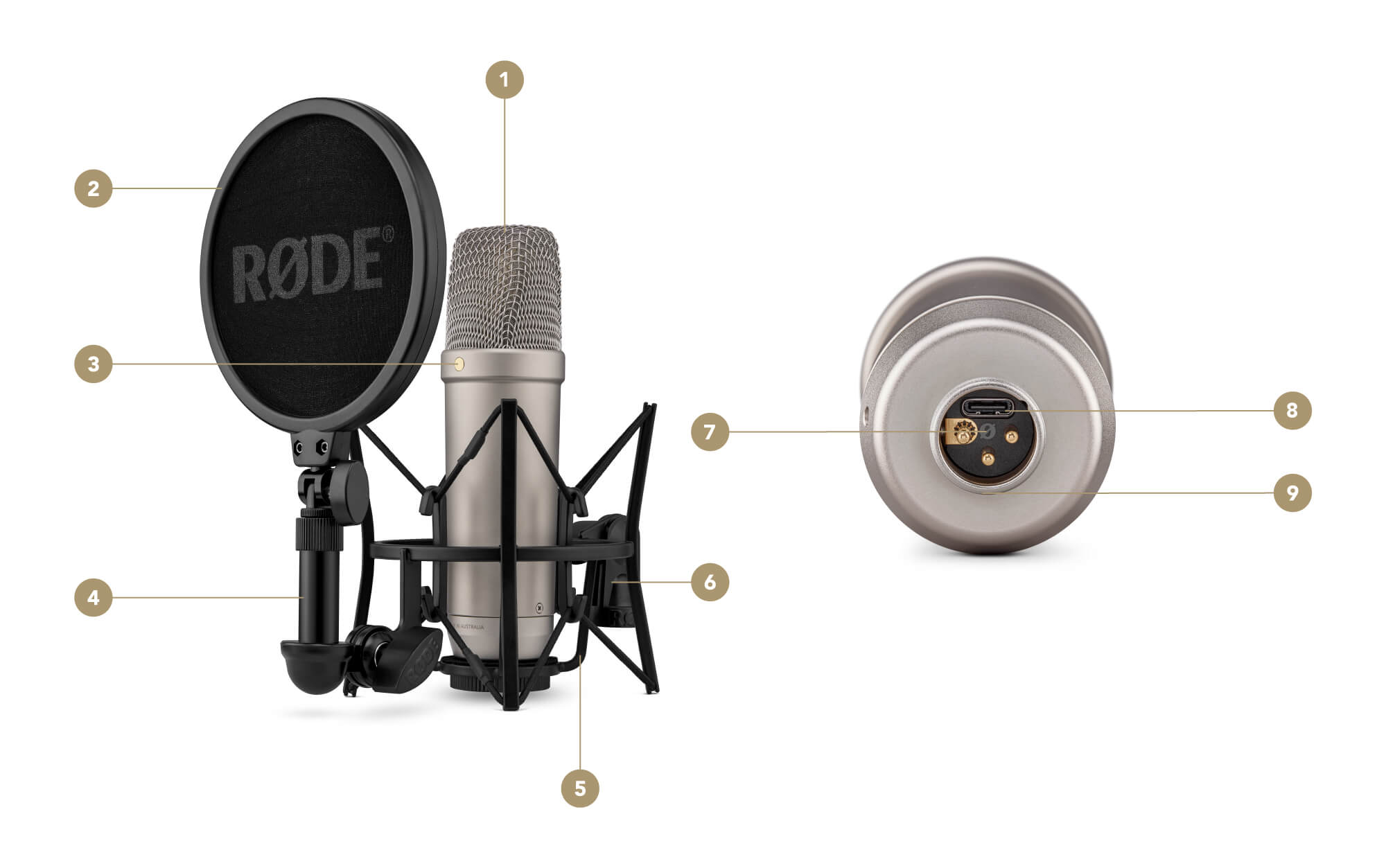
The Rode NT1 is a large-diaphragm cardioid condenser at $199 (as of August 2026) that’s aggressively marketed to YouTubers and streamers. It has a presence peak and a presence rise in the high end. Compared to the AT2020 at $99, it costs twice as much and sounds only marginally better the AT2020 has a slightly more controlled presence peak and a lower noise floor per manufacturer specs. Owner reports from r/podcasting and Gearslutz note that the NT1 sounds a bit bright and needs EQ, whereas the AT2020 works well out of the box. We cut the NT1 because it doesn’t deliver enough improvement over the AT2020 to justify the price difference for a first-time buyer. If you’re already planning to buy external EQ and compression, the extra cost buys you some marginal improvement but that’s a second microphone conversation, not a first one.
How We Researched
This guide is based on comparisons of published specifications, polar pattern measurements, and aggregated owner feedback reviewed across Sound on Sound, Gearslutz, AudioKarma, Audio Asylum, Reddit’s r/audio, r/Twitch, r/podcasting, and r/livesound forums. We did not conduct hands-on testing or measurement with a sound meter; all claims about real-world performance (proximity effect, feedback rejection, presence peak perception) are sourced from owner reports and published polar pattern and frequency response graphs from manufacturers. Prices are observed retail figures as of August 2026 and subject to change verify current pricing on manufacturer websites before purchasing.
Comparison Table
| Microphone | Type | Polar Pattern | Presence Peak | Best For | Price (Aug. 2026) | Verdict |
|---|---|---|---|---|---|---|
| Shure SM7B | Dynamic | Cardioid | 2–4 kHz + 10 kHz | Studio vocals, podcasting | $399 | Kept |
| Shure SM58 | Dynamic | Cardioid | 4 kHz | Live sound, affordable studio | $99 | Kept |
| Audio-Technica AT2020 | Condenser | Cardioid | 4 kHz | Studio recording, bedroom tracks | $99 | Kept |
| Audio-Technica AT2005USB | Dynamic | Cardioid | 3 kHz | Budget streaming, podcasting | $60 | Kept |
| Audio-Technica AT2020USB+ | Condenser | Cardioid | 4 kHz | Music streaming, singing | $150 | Kept |
| Neumann U87Ai | Condenser | Cardioid | 4 kHz | Professional vocal recording | $3,200 | Cut |
| RØDE NT1 | Condenser | Cardioid | 4–5 kHz | — | $199 | Cut |
Prices are observed retail figures as of August 2026. Verify current pricing on manufacturer websites. Frequency response figures are per manufacturer published specifications.
FAQ
What is the best microphone?
The Shure SM7B ($399) is the best all-around microphone for studio vocals, podcasting, and streaming if you have a USB audio interface. For live sound, the Shure SM58 ($99) is the best pick because it’s durable, feedback-resistant, and ubiquitous in rental backlines. For bedroom studio recording on a budget, the Audio-Technica AT2020 ($99) is the best entry-level condenser. The right answer depends entirely on your use case see the sections above.
What is the best microphone for beginners?
The Audio-Technica AT2020 is the best all-around beginner studio microphone because it costs $99, needs only phantom power and an audio interface, and captures vocal detail without sounding cheap. If you’re streaming or podcasting on a budget and want USB-only simplicity, the Audio-Technica AT2005USB at $60 is the pick. If you’re recording live sound, the Shure SM58 at $99 is the default.
What’s the difference between dynamic and condenser microphones?
Dynamic microphones use a moving coil to convert sound into electrical current; they’re durable, need less gain, and reject ambient noise well perfect for live sound. Condenser microphones use a charged capacitor plate; they’re more sensitive, pick up more detail, require phantom power, and are better for controlled studio environments. Dynamics sound thicker; condensers sound airier. Beginners should start with a dynamic (like the SM58) if they’re playing live, or a condenser (like the AT2020) if they’re recording in a treated room.
What does “polar pattern” mean?
Polar pattern describes which directions a microphone picks up sound. Cardioid (heart-shaped) picks up from the front and rejects from the rear this is standard for live sound and studio vocals. Omnidirectional picks up equally from all directions good for ambience, risky on stage (feedback). Bidirectional picks up from front and back, rejecting the sides useful for interviews or ribbon mics. Choose cardioid for most purposes.
Do I need phantom power?
Yes, if you’re using a condenser microphone like the AT2020 or AT2020USB+. Phantom power is 48 volts sent through the XLR cable from your mixer or audio interface to power the microphone’s capacitor. Dynamic microphones like the SM7B and SM58 do not require phantom power (though many mixers will supply it anyway without harm). USB microphones have their power built into the USB connection and do not need external phantom power.
What’s the best microphone for recording acoustic guitar?
The Audio-Technica AT2020 at $99 is the best affordable condenser for acoustic guitar because it has a clear presence peak and extended high-frequency response that captures the brightness and detail of nylon or steel strings. Position it 8–12 inches from the 12th fret, aimed slightly above the fretboard. A Shure SM58 dynamic will work if you’re on a tighter budget, though it will sound less detailed.
Final Verdict
The right microphone is the one that matches your use case, your room, and your budget not the one with the highest price or the most features. A $99 SM58 on a live stage will out-perform a $3,000 studio condenser, because the stage mic is designed for rejection and durability. A $99 AT2020 in a treated studio will out-perform a $60 USB dynamic, because the condenser captures detail that the dynamic can’t. Start with the top pick in your category (studio: SM7B or AT2020; live: SM58; streaming: AT2020USB+ or AT2005USB), then upgrade based on what you hear not based on what the spec sheet promises. The microphone you’ll actually use and trust beats the one that’s theoretically superior every time.