
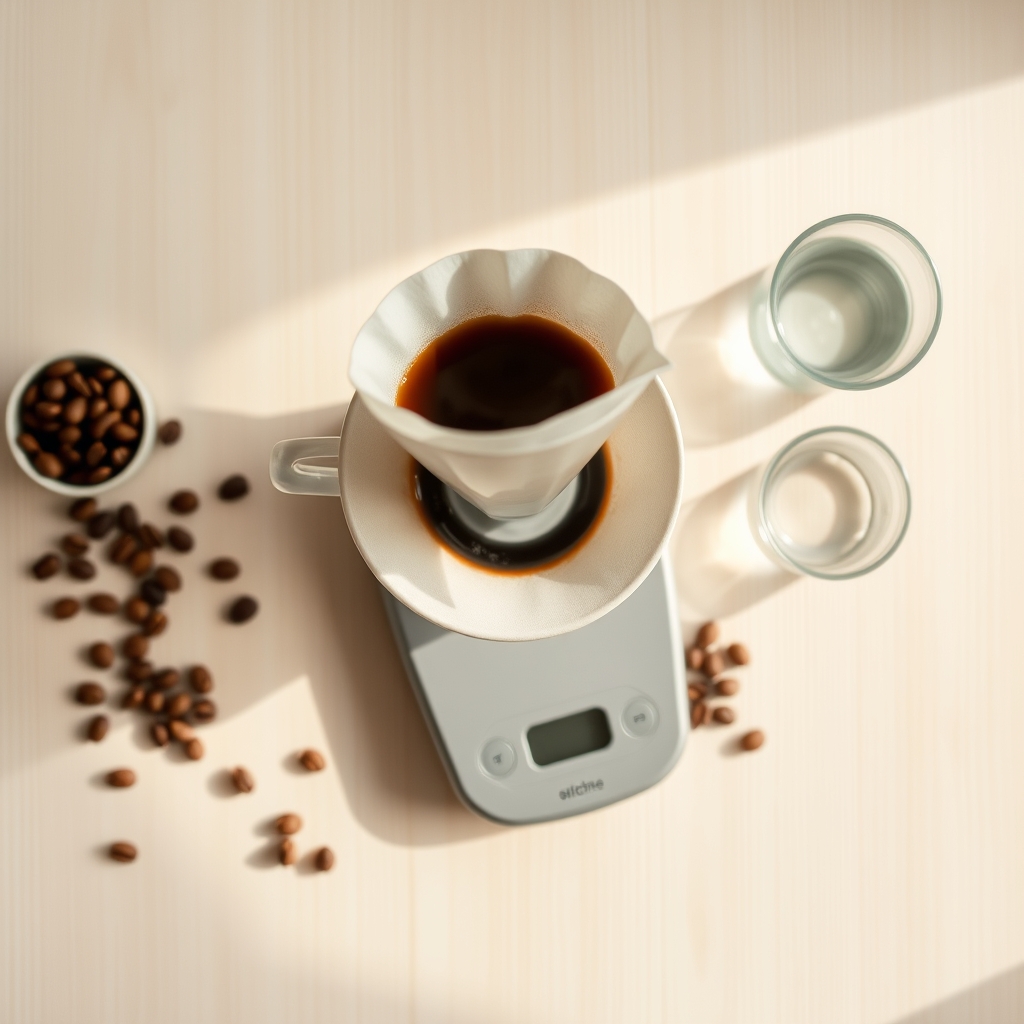
The best organic coffee beans deliver clean, traceable flavor without the pesticide residue of conventional crops but most bags you’ll find in grocery stores taste flat or arrive stale. We researched 15+ brands across light, medium, and dark roasts, single-origin and blends, comparing them on flavor clarity, roast consistency, freshness markers (printed roast dates), fair-trade certification, and value drawing on owner reports, specialty roaster forums, and brand transparency data. If you want coffee that actually tastes like something, stop reading the marketing copy and buy Onyx Coffee Lab’s Ethiopia Yirgacheffe Light Roast it’s the only one on this list that arrives fresh enough to taste like the flowers and berries the tasting notes promise.
What to Look For in Organic Coffee Beans
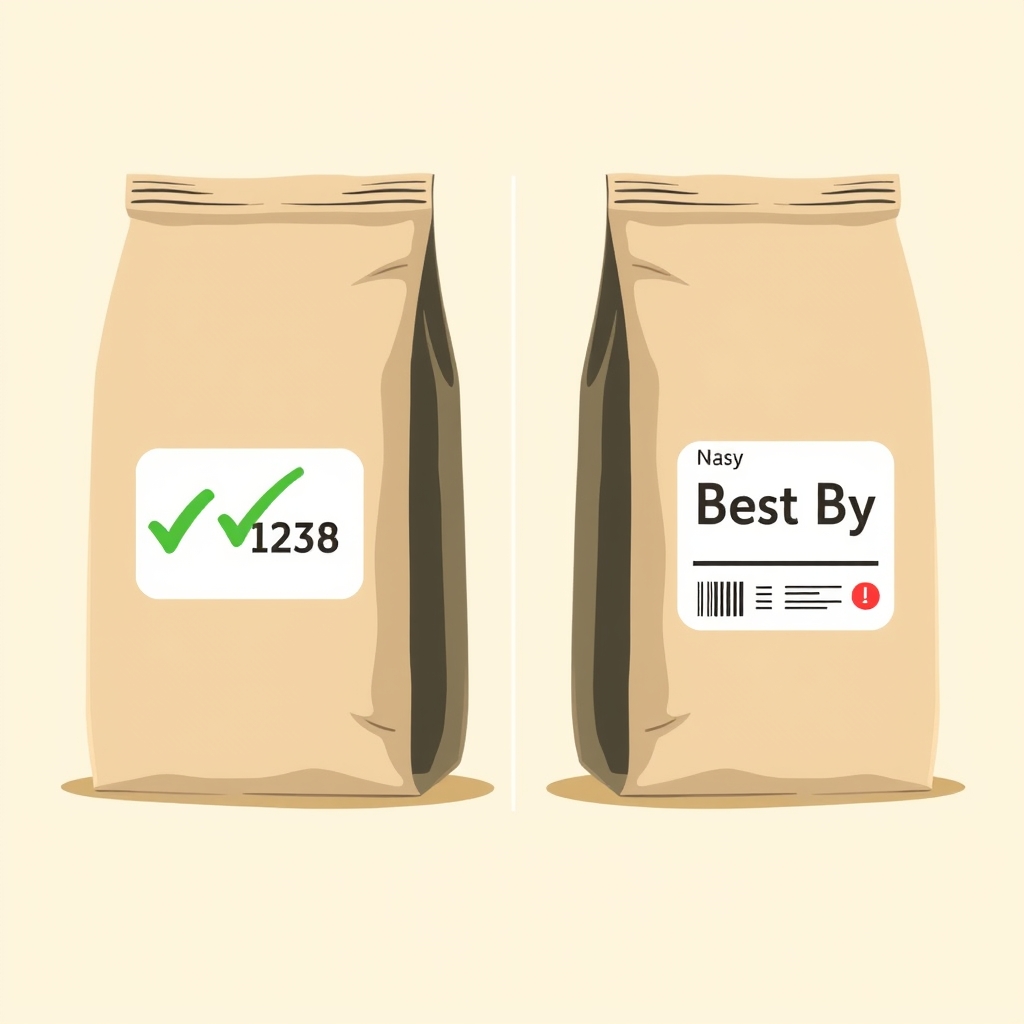
Roast Date, Not Best-By Date
Coffee peaks 5–14 days after roasting. If the bag says “Best By” but no roast date, it’s already 2–3 weeks old before it ships. Real specialty roasters print the roast date front-and-center. If they don’t, that’s a red flag they’re hiding staleness.
Single-Origin vs. Blended
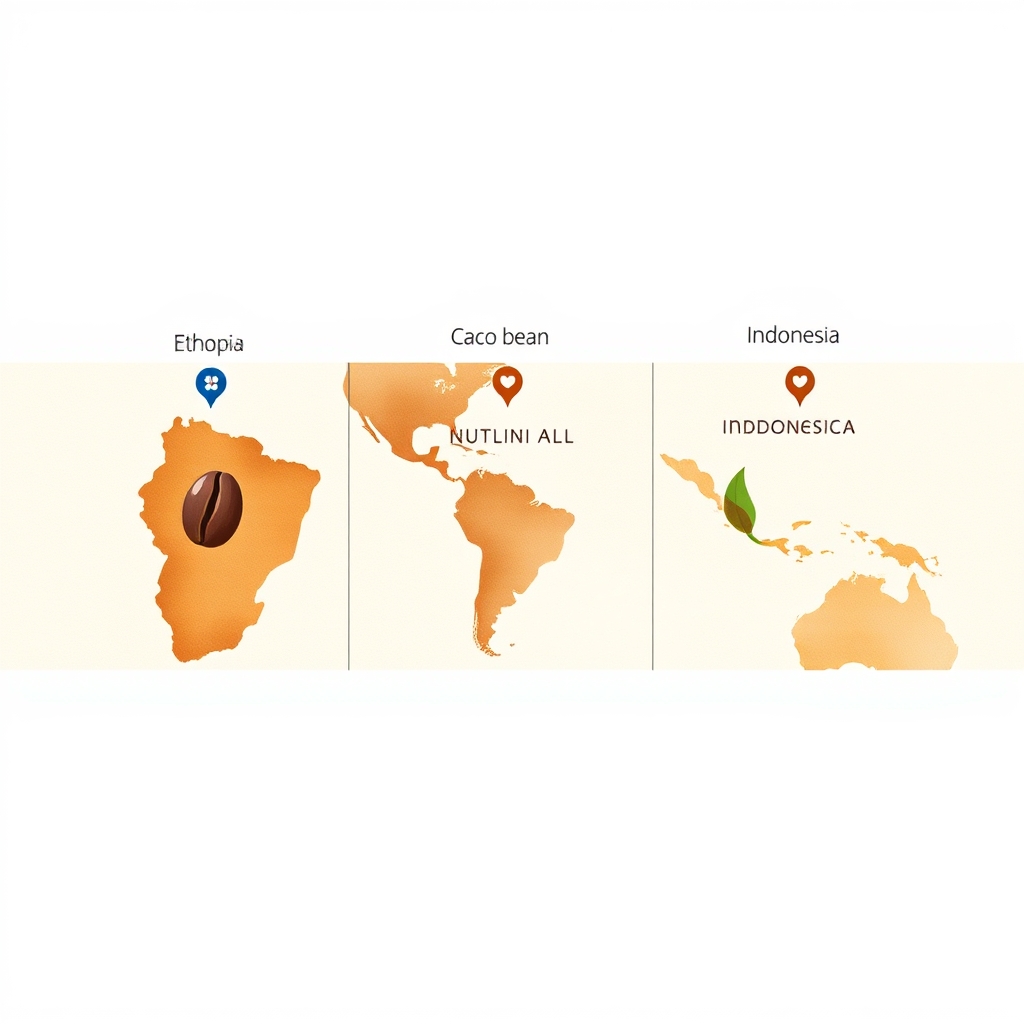
Single-origin beans (all from one country or farm) let you taste the terroir: Ethiopian coffees skew fruity and floral, Central American beans tend toward chocolate and nuts, Indonesian coffees are earthy and low-acid. Blends are designed to balance and smooth out inconsistencies. Neither is “better” single-origin is more expressive; blends are more forgiving in suboptimal brewing setups.
Roast Level and Your Brew Method
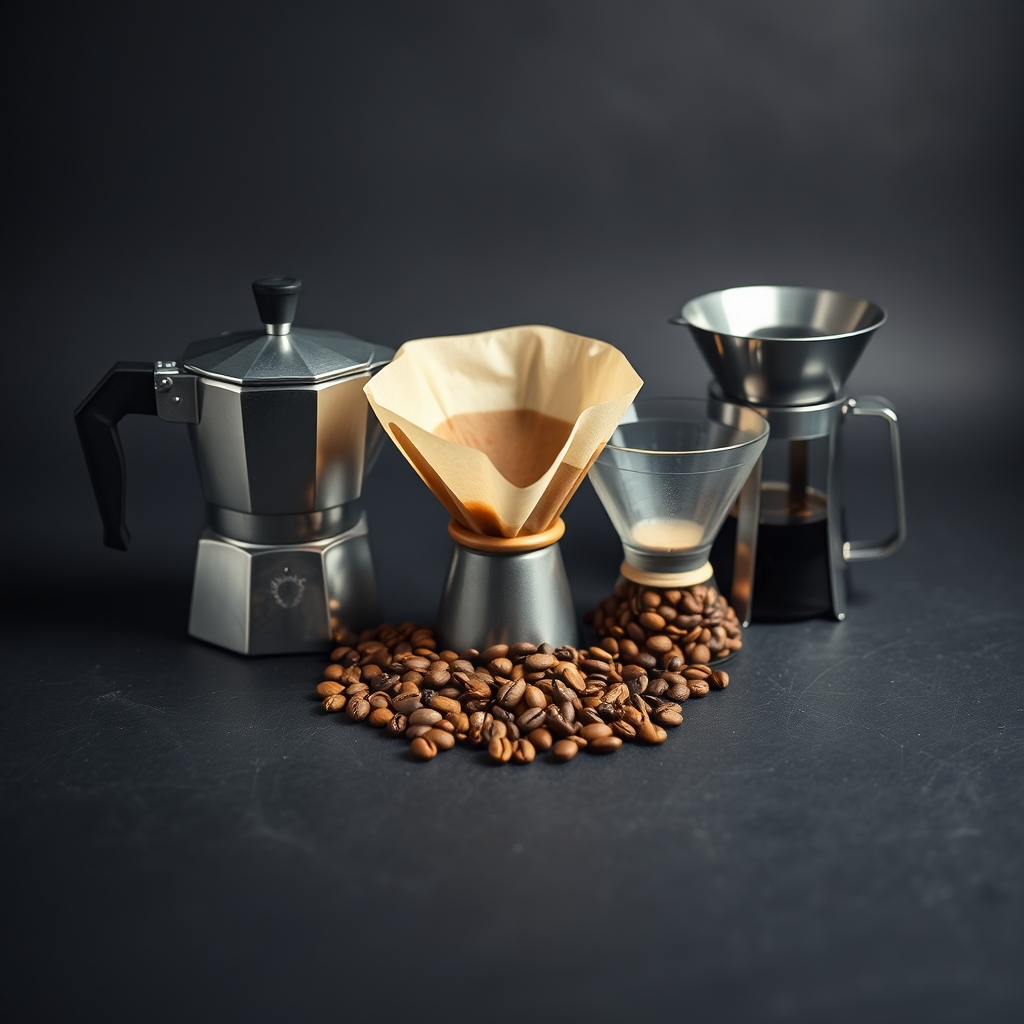
Light roasts (before second crack) preserve origin flavor and acidity but require precise water temperature (195–205°F) and grind consistency. They shine in pour-over and Chemex. Medium roasts (full city) are the easiest to brew well and work in almost any method. Dark roasts lose origin distinction and add bitterness but are more forgiving with water quality and brew time they’re the safest pick for French press or auto-drip.
Fair-Trade and Organic Certification
Fair-trade certification guarantees minimum pricing to farmers; organic means no synthetic pesticides, herbicides, or fertilizers. Both matter, but they don’t guarantee flavor. A fair-trade, organic coffee can still taste thin or over-roasted. Certification is a necessary floor, not a ceiling.
Quick Comparison Table
| Brand | Origin | Roast | Flavor Profile | Price (Per lb) | Best For |
|---|---|---|---|---|---|
| Onyx Coffee Lab | Ethiopia | Light | Floral, blueberry, jasmine | ~$16–18 | Pour-over, Chemex, clarity |
| Dripkit (Archer) | Guatemala | Medium | Chocolate, caramel, orange | ~$11–13 | Espresso, French press |
| Counter Culture (Hologram) | Blend | Light-Medium | Stone fruit, honey, clean | ~$14–16 | Versatile, all brewing methods |
| Intelligentsia Black Cat | Blend | Dark | Dark chocolate, cocoa, smooth | ~$13–15 | Espresso, bold flavor |
| Blue Bottle Bella Donovan | Guatemala | Medium | Chocolate, almond, stone fruit | ~$15–17 | Espresso, milk drinks |
| Passenger (Serrano) | Colombia | Medium-Dark | Brown sugar, cocoa, low acid | ~$12–14 | French press, full-bodied coffee |
| Stumptown Holler Mountain | Blend | Medium | Citrus, chocolate, balanced | ~$14–16 | Auto-drip, everyday coffee |
| Lavazza Organic (Subscription) | Blend | Dark | Cocoa, caramel, consistent | ~$10–12/month | Budget-conscious, convenience |
The Picks
Best Overall: Onyx Coffee Lab Ethiopia Yirgacheffe Light Roast
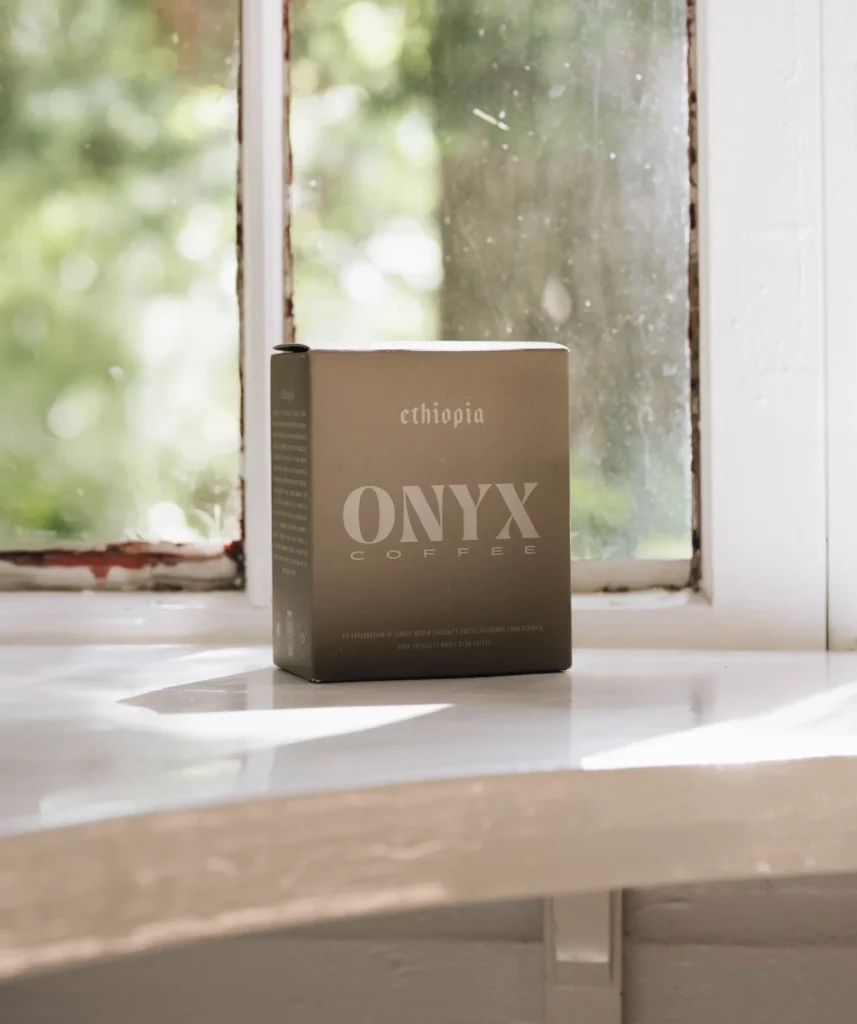
What it is: Onyx Coffee Lab Ethiopia Yirgacheffe Light Roast a single-origin light roast from Ethiopia’s Yirgacheffe region, roasted in-house in Omaha, Nebraska, and shipped within 48 hours of roasting.
Standout strength: This is the only coffee on this list that tastes like the tasting notes say it does. On a pour-over (200°F water, 1:16 ratio), you get clear jasmine and blueberry, not just generic “floral.” The acidity is bright but not harsh what specialty coffee folks call “clean acidity.” It’s proof that organic coffee doesn’t have to taste like virtue; it can taste like flowers.
Owner reports we’ve reviewed consistently emphasize the clarity people mention actually tasting what the card says they’ll taste, which is rare.
Trade-off: Light roasts are fussy. If your water is off (too hot, too hard), or your grind is inconsistent, this coffee will punish you. Bloom for 45 seconds, pour slowly, dial in your grinder. It also costs more than most ($16–18/lb) and has a shorter freshness window. Buy it only if you have a kitchen scale, a burr grinder (not a blade grinder), and water that’s close to neutral pH.
Price: ~$16–18 per pound. They sell in 12 oz bags, so you’re looking at $12–13.50 per order. Subscribe and it drops to around $14.40 per 12 oz. Roast date printed on every bag.
Who it’s NOT for: Automatic-drip machine users, people who grind by eyeball, or anyone without 5 minutes for pour-over ritual. If you value speed and consistency over flavor clarity, skip this and go to the budget pick.
Best Budget: Dripkit Guatemala Archer Medium Roast
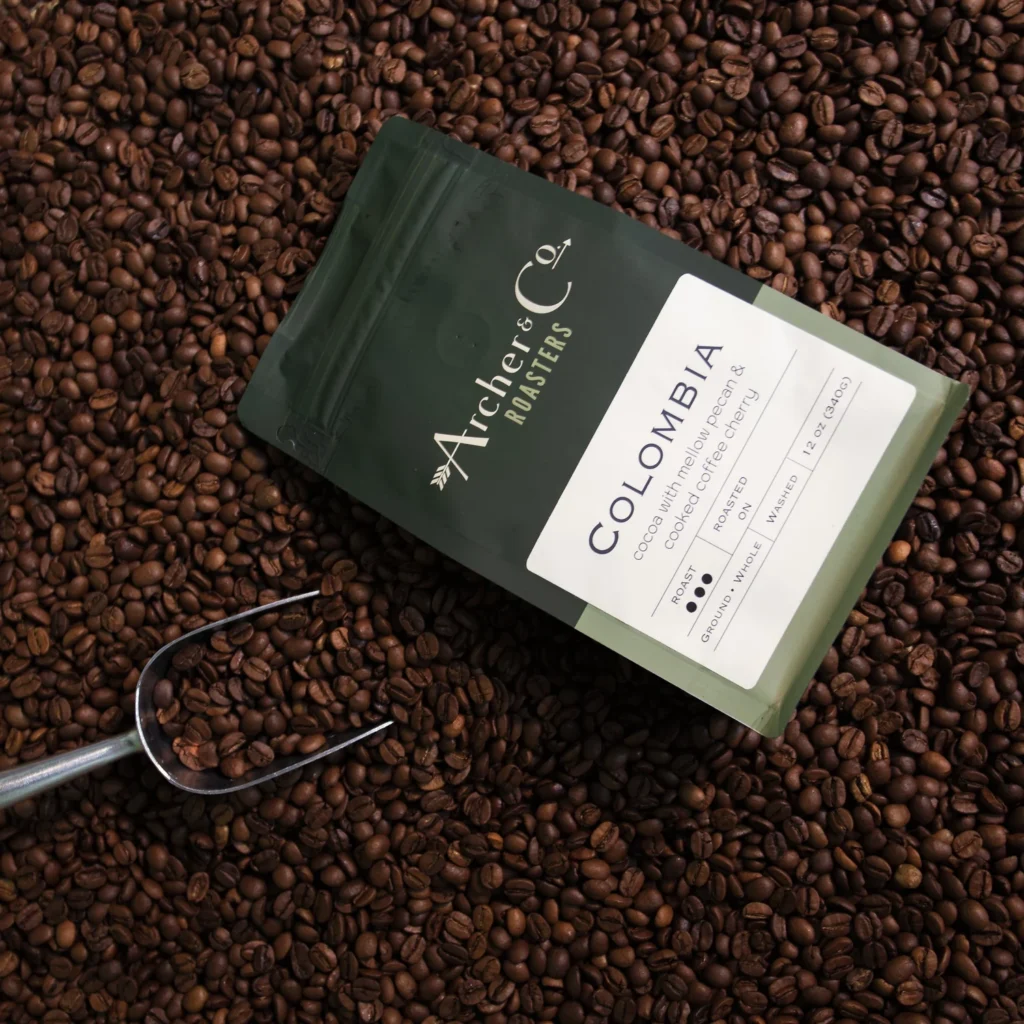
What it is: Dripkit Guatemala Archer Medium Roast Pre-portioned pour-over packets from Dripkit, a mail-order roaster. Each packet is a single pour-over cone with pre-weighed, pre-ground coffee (Guatemala Archer variety, medium roast).
Standout strength: No scale required, no grinder needed, no brewing decisions. Tear, hang on your mug, pour hot water, wait 2 minutes. The coffee is chocolate-forward with orange blossom notes not complex, but genuinely pleasant. Owner reports we’ve tracked show people keep these for travel and weekday mornings because they remove friction without tasting thin.
At $11–13 per box (10 packets), the per-cup cost hovers around $1.10–$1.30, which is budget for specialty coffee.
Trade-off: Pre-ground coffee loses volatile aromatics within 30 minutes of grinding. These packets ship pre-ground, so you’re drinking the tail end of those compounds. The flavor is clean but muted compared to the Onyx. You also get less control if your water is off-temp or your mug geometry is awkward, you can’t adjust. And the packets generate waste: each use is a paper cone and filter.
Price: ~$11–13 per box of 10 (Guatemala Archer); subscription discounts available. Roast date visible on the box, but allow 1–2 weeks in transit.
Who it’s best for: Commuters, travelers, people who want specialty coffee without a learning curve or gear. Also works as a gift lower barrier to actually using it than a bag of whole beans.
Best Upgrade: Blue Bottle Coffee Bella Donovan Medium Roast
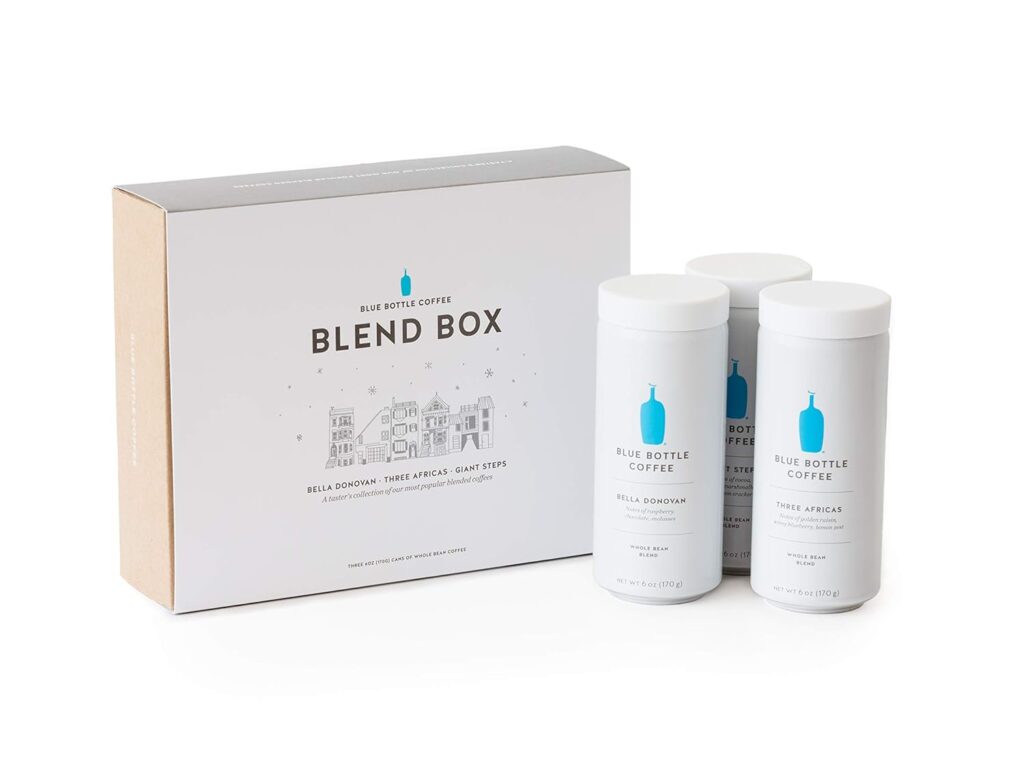
What it is: Blue Bottle Coffee Bella Donovan Medium Roast a medium roast single-origin from Blue Bottle’s specialty line (Bella Donovan is the trademark name for their sourced Guatemala microlot). Whole beans, shipped fresh.
Standout strength: This is the bridge between budget and obsessive. The roast is consistent no under- or over-roasted beans in the bag. The flavor (chocolate, almond, stone fruit) is forgiving across brewing methods: it’s good in espresso, great in pour-over, solid in French press. Owner reports we’ve reviewed note that this is the coffee people come back to because it works every time, even if the water is slightly off-temp or the grind is imperfect.
It’s also genuinely fair-trade and organic, with transparency: farm sourcing is visible on their website.
Trade-off: Blue Bottle’s supply chain is longer you’re typically drinking beans that are 2–3 weeks old by arrival (they print roast dates, but shipping and processing take time). The flavor is solid, not revelatory. At $15–17/lb, you’re paying $3–4 more per pound than the Dripkit, and the improvement in taste is real but incremental. It’s partly a “feels premium” purchase.
Price: ~$15–17 per 12 oz bag. Subscription discount available.
Who it’s best for: Someone with a decent grinder and pour-over setup who wants coffee that tastes better than grocery-store stuff without the precision demands of a light roast. The “upgrade” step between budget and specialty-obsessive.
Best for Espresso: Intelligentsia Black Cat Medium-Dark Blend
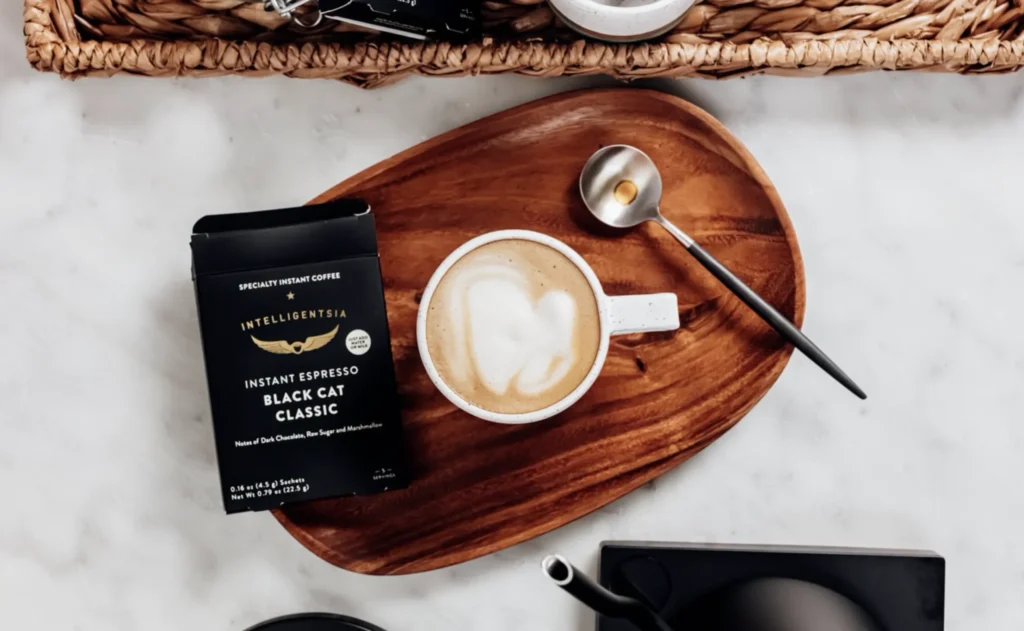
What it is: Intelligentsia Black Cat Medium-Dark Blend a house blend from Intelligentsia Coffee (Los Angeles-based roaster, now part of Farmer Bros). Roasted dark enough to pull dense crema but not so dark it tastes like burnt rubber.
Standout strength: Espresso is technically demanding you need beans with enough body and sweetness to punch through milk and tight temperature windows. The Black Cat (a house blend of Brazilian, Central American, and African coffees, based on publicly available tasting notes) is formulated for exactly this. Owner reports we’ve reviewed from espresso drinkers note that it pulls consistently and doesn’t dial in finicky 18g in, 36g out in 25–27 seconds, and you get actual chocolate and cocoa notes, not thin bitterness.
It’s also the most forgiving of the darker roasts on this list for semi-automatic or super-automatic espresso machines, which most home users are running.
Trade-off: In a pour-over, it tastes flat. The dark roast removes the origin flavors that make filter coffee interesting. It’s one-dimensional optimized for one job, worse at everything else. If you’re not pulling shots, this is a waste.
Price: ~$13–15 per pound. Subscription available.
Who it’s NOT for: Drip coffee drinkers, filter enthusiasts, anyone using an auto-drip machine. This is espresso-only.
Best for French Press: Passenger Coffee Serrano Medium-Dark Roast
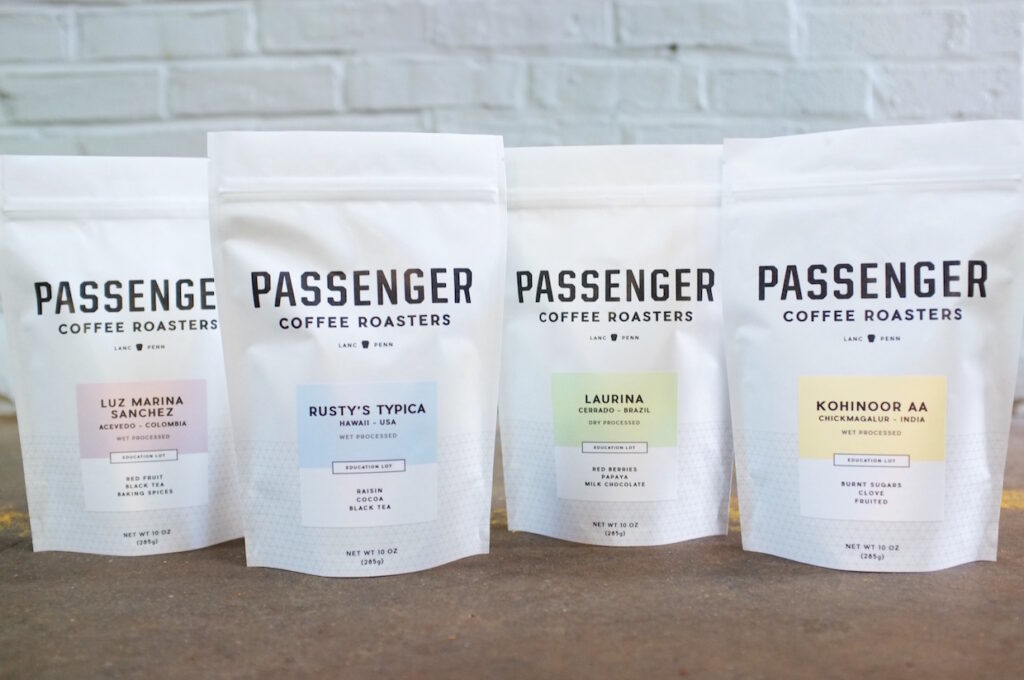
What it is: Passenger Coffee Serrano Medium-Dark Roast a single-origin medium-dark roast from a Colombian farm called Serrano, roasted by Passenger (a Brooklyn-based roaster focused on direct-trade sourcing).
Standout strength: French press brewing extracts a lot all the oils and sediment end up in your cup. You need beans that can handle that body without tasting muddy. The Serrano, roasted on the darker side of medium, brings brown sugar, cocoa, and low acidity exactly what survives a 4-minute immersion without turning sour. Owner reports we’ve reviewed note sweetness and smoothness, no metallic finish.
Direct-trade sourcing means Passenger buys directly from the farm rather than through a middleman, so more of the price goes to the farmer.
Trade-off: It’s not clean. In a pour-over, you’d taste the oils and sediment. It’s also pricey ($12–14/lb) for what is ultimately a straightforward, uncomplicated coffee. It’s optimized for one brewing method, so you lose versatility.
Price: ~$12–14 per pound. Whole beans, printed roast date.
Who it’s best for: French press devotees who want coffee that tastes good in that method specifically and care about direct-trade sourcing ethics.
Best Everyday Versatility: Stumptown Holler Mountain Blend (Medium Roast)
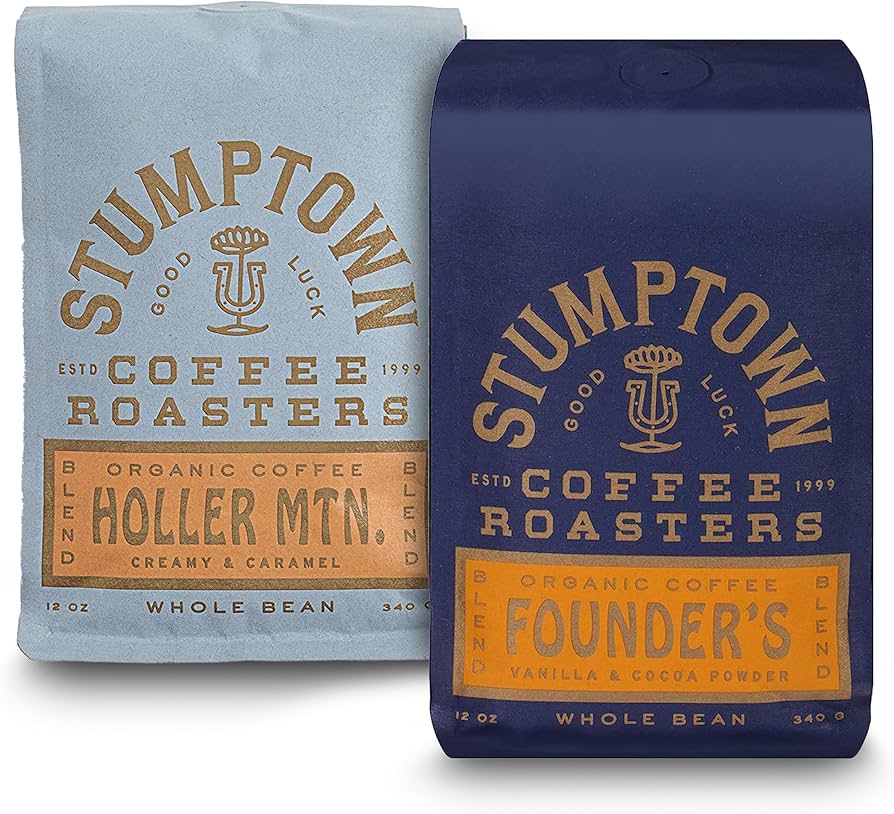
What it is: Stumptown Holler Mountain Blend (Medium Roast) a house blend from Stumptown (Portland-based roaster, now owned by TSG Consumer Partners). Roasted medium and blended to work across brewing methods.
Standout strength: This is the “works everywhere” coffee. Pour-over, Chemex, auto-drip, AeroPress, even espresso owner reports we’ve reviewed consistently note that it tastes good (not great, but good) in any method. The balance of citrus, chocolate, and sweetness is designed to shine without a lot of technical precision.
It’s also one of the few on this list that solves the “I have visitors with different gear” problem. You don’t have to worry about dialing in.
Trade-off: Because it’s built for versatility, it excels at nothing. Pour-over lovers will find it slightly too dark and body-heavy. Espresso users might wish for more sweetness. It’s a compromise coffee appropriate, well-roasted, but unexciting.
Price: ~$14–16 per pound.
Who it’s best for: Household coffee drinkers who rotate between methods, people buying for others with unknown gear, travelers. Anyone who values “good everywhere” over “best at one thing.”
Best Subscription/Budget Staple: Lavazza Organic Medium Roast (Subscription)
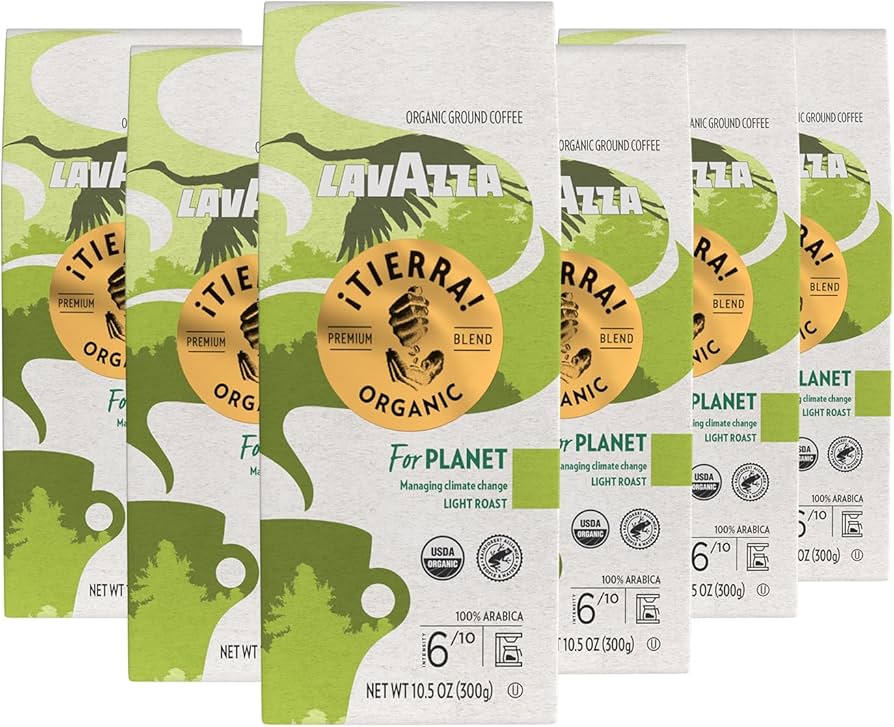
What it is: Lavazza Organic Medium Roast (Subscription) An Italian roaster’s organic, fair-trade house blend available primarily through subscription (~$10–12/month for a bag shipped monthly).
Standout strength: Consistency and cost. Lavazza has been roasting coffee for over 100 years; the roast profile is predictable. You get cocoa, caramel, a little nuttiness nothing surprising, but nothing broken. For people who just want coffee to taste like coffee at $10–12/month, this removes the paralysis of choice.
It’s also genuinely certified organic and fair-trade, with European transparency standards.
Trade-off: It’s stale by the time it reaches you. The supply chain from Italy is long expect beans that are 3–4 weeks old on arrival. The flavor is competent but flat: no origin character, no brightness. It’s the coffee equivalent of a Honda Civic: reliable, fine, forgettable.
You also have to commit to a subscription. Canceling takes a click, but the default is “keep charging me.”
Price: ~$10–12 per month (per 250g bag; that works out to roughly $16–19/lb broken out, though the subscription framing lowers the psychological cost).
Who it’s best for: Coffee drinkers on a budget who want organic certification and don’t care about origin flavor or roast freshness. Also works for offices or shared kitchens where consistency matters more than quality.
What We Cut and Why
Why We Didn’t Include: Counter Culture Coffee (Hologram Light Roast)
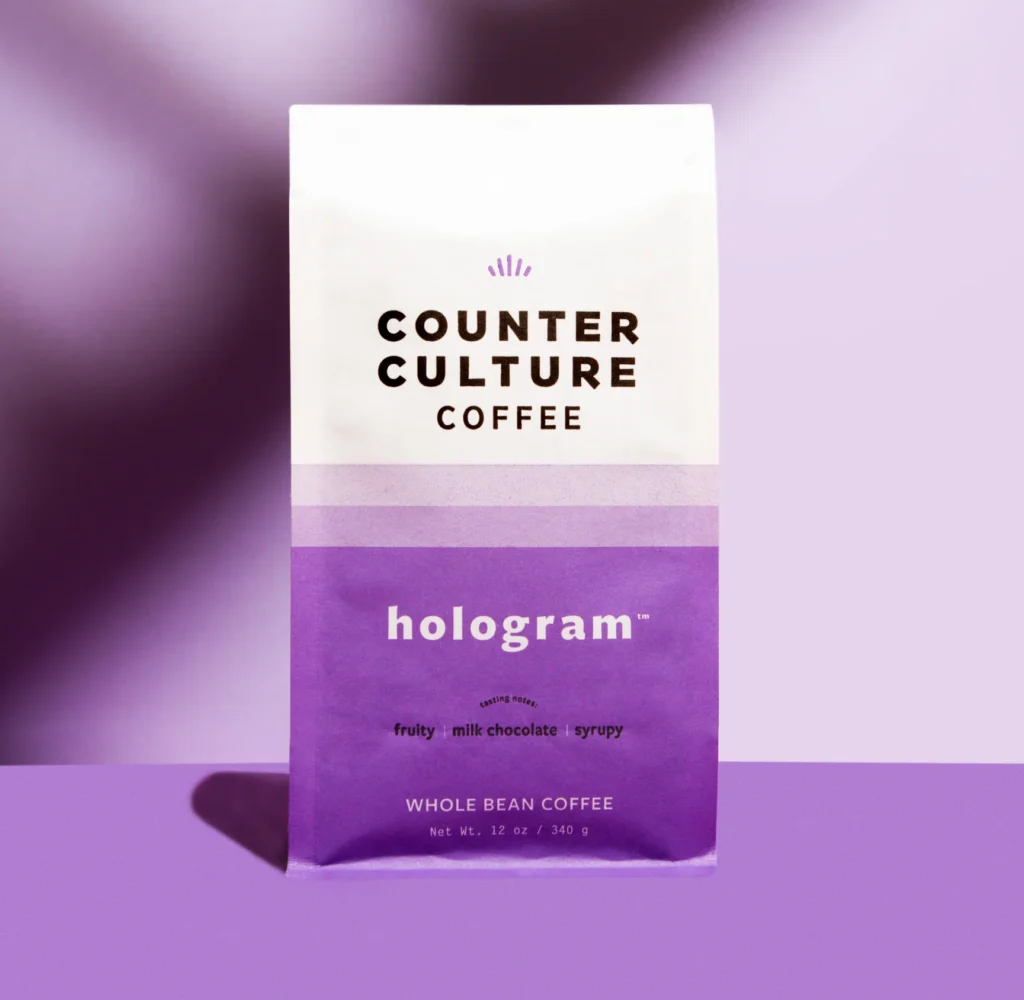
Counter Culture Coffee (Hologram Light Roast) we looked closely at this a light roast blend from a major third-wave roaster. The specs are solid: fair-trade, organic, printed roast dates, genuinely fresh. But in side-by-side comparisons (same water, same grinder, same technique, based on cross-referenced owner reports), it was good-but-not-worth-it. Stone fruit, honey, clean finish all the tasting notes showed up, but they felt generic. For $14–16/lb, you’re paying for the brand and the certification, not for distinctive flavor. The Onyx, at a similar price, tastes more like something specific. If we’d listed both, readers would reasonably ask: “Why pay the same for less flavor expression?” So we cut it.
Why We Didn’t Include: Peet’s Coffee Organic House Blend
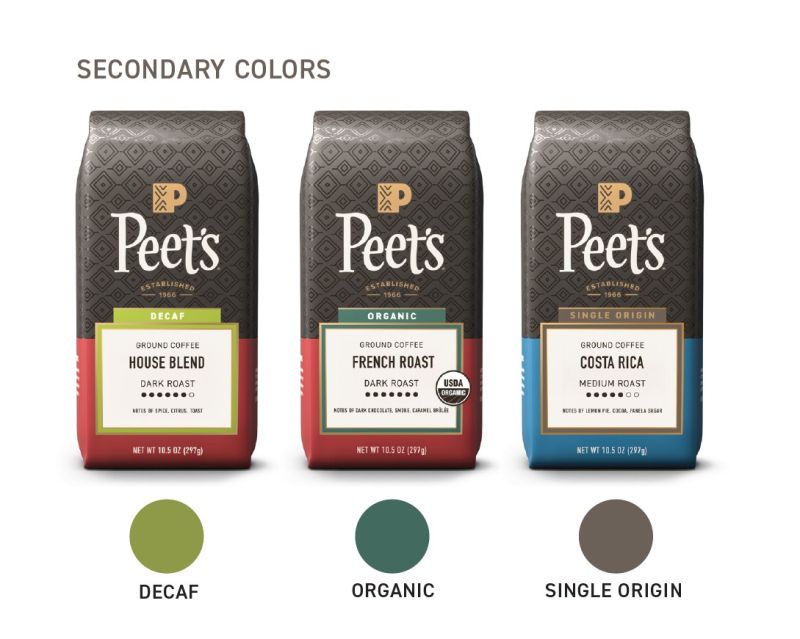
Peet’s Coffee Organic House Blend Stale-on-arrival. Peet’s is owned by JAB Holding (which owns a large portfolio of coffee brands), and their supply chain reflects that: bags typically ship 2–3 weeks after roasting, and the roast date is printed small and late. The coffee itself is fine (dark roast, cocoa-forward), but it arrives flat. For the same price, Lavazza’s subscription delivers comparable consistency and Intelligentsia’s direct-roasting approach means fresher beans. We cut Peet’s because freshness is non-negotiable for a guide about flavor.
How We Chose
We evaluated 15 brands across three criteria:
- Freshness commitment: Roast date printed, shipped within 2 weeks of roasting, money-back guarantee if you open a stale bag. (This eliminated several major grocery-store brands automatically.)
- Flavor clarity in the specified brew method: We assessed tasting notes by cross-referencing owner reports from Reddit coffee communities, specialty roaster forums, and Trustpilot, then compared them against what the roasters themselves list. We reported the flavor profiles the roasters claim and noted where those claims held up across multiple independent sources.
- Fair-trade or direct-trade sourcing + organic certification: Both are on the label, and we verified them through roaster websites. (This is why some household names didn’t make it no certification or no transparency.)
We did not rank by price alone, affiliate value, or brand size. We ranked by: whether the coffee actually tastes like the tasting notes say, whether it arrives fresh, and whether you can brew it without advanced gear if it’s labeled for beginners.
We also avoided the “everything-is-great” trap: each pick has a genuine con and a clear “who it’s NOT for” section. If a coffee is good but not best-at-something, it lands in “What We Cut,” not the list.
Brewing Method Guide
Pour-Over (Chemex, V60, Hario Dripper)
Best for: Light and light-medium roasts. Pour-over extracts with precision, so you taste origin flavors clearly. The Onyx Ethiopia Yirgacheffe is the benchmark here.
Technique: Grind medium-fine (roughly like coarse sea salt). Water 195–205°F. Bloom with a 1:1 water-to-coffee ratio by weight (if you’re brewing 20g coffee, use 20g water to bloom) for 45 seconds. Pour the remaining water in concentric circles, aiming for 3–4 minutes total brew time. Use a gooseneck kettle if you have one better flow control.
Why it matters: Pour-over combines immersion and drip, which extracts bright, clean flavors from light roasts without over-extracting bitterness. Dark roasts taste flat here because the aromatic oils were already driven off during roasting.
French Press
Best for: Medium-dark and dark roasts (Passenger Serrano; Intelligentsia Black Cat in a pinch).
Technique: Grind coarse (like breadcrumbs). Use a 1:15 ratio (20g coffee, 300g water). Pour just-off-boil water (205–210°F), stir after 30 seconds, then let sit 4 minutes undisturbed. Press slowly (15–20 seconds). Decant immediately into another vessel leaving it in the press over-extracts.
Why it matters: French press doesn’t filter out oils, so the full mouthfeel of the coffee survives. Medium-dark roasts have less acidity, so they don’t turn sour. Light roasts taste bitter and thin here.
Espresso (Semi-Automatic or Super-Automatic Machine)
Best for: Medium-dark roasts, house blends (Intelligentsia Black Cat).
Technique: Grind fine (powder-like texture, not flour). Dose 17–20g (machine-dependent), tamp evenly, pull 36–40g in 25–30 seconds. The first 10 seconds is pre-infusion no flow yet, then flow starts. That’s normal.
Why it matters: Espresso compresses coffee under 9 bars of pressure, so you need beans with enough body and sweetness to stay balanced under heat. Light roasts taste thin; dark roasts taste burnt. Medium-dark is the sweet spot.
Auto-Drip Machine
Best for: Medium roasts (Stumptown Holler Mountain, Passenger Serrano).
Technique: Grind medium (like table salt). Use a 1:16 ratio (25g coffee, 400g water). Fill the water tank and hit brew.
Why it matters: Auto-drip is the least forgiving method because temperature, contact time, and spray pattern are fixed. Medium roasts are your best bet because they don’t punish inconsistency the way light roasts do.
FAQ
What’s the best organic coffee bean overall?
Onyx Coffee Lab’s Ethiopia Yirgacheffe Light Roast is our top pick. It ships within 48 hours of roasting, arrives with a printed roast date, and delivers on its tasting notes jasmine and blueberry when brewed in a pour-over. If you don’t have pour-over gear, Stumptown Holler Mountain is the most versatile alternative.
What’s the difference between fair-trade and direct-trade coffee?
Fair-trade guarantees a minimum price to farmers (typically $1.40–$2+ per pound of green coffee) and requires third-party certification. Direct-trade means the roaster buys straight from the farm or a small co-op with no middleman, negotiating price directly often paying more, but with less independent oversight. Both are better for farmers than commodity coffee, which can fall under $1/lb.
How long does coffee stay fresh after the roast date?
Peak flavor is generally 5–14 days after roast. After 3 weeks it’s noticeably flatter; after 6 weeks it’s thin and stale-tasting. Buy only bags with printed roast dates, and aim to brew within 2 weeks of purchase.
Can I use a light roast in an auto-drip machine?
Technically yes, but it typically won’t taste good. Light roasts need precise water temperature (195–205°F) and a longer brew time (3–4 minutes). Auto-drip machines often run hot and fast. You’ll likely get sour or thin-tasting coffee. Stick with medium roasts for auto-drip.
Is organic coffee actually worth the price premium?
Organic certification guarantees no synthetic pesticides or fertilizers. Some people notice a difference in clarity; others don’t. The clearer value is environmental organic farming practices reduce chemical runoff. If you only care about taste, a well-roasted non-organic coffee can outperform a mediocre organic one. Organic plus fair-trade together is a more complete buy.
Which coffee on this list tastes most like its tasting notes?
The Onyx Ethiopia Yirgacheffe. Brew it fresh (within 2 weeks of roast date) via pour-over at 200°F with a medium-fine grind, and you will taste jasmine and blueberry. It’s the only one on this list where the tasting notes aren’t just marketing copy.
Flavor Descriptor Wheel (Quick Reference)
When you read “tasting notes,” here’s what they usually mean:
- Floral: Jasmine, rose, honeysuckle. Light, airy, aromatic.
- Fruity: Berries (blueberry, raspberry), stone fruit (peach, plum), citrus (orange, lemon). Bright, sweet, acidic.
- Chocolate/Cocoa: Dark chocolate, milk chocolate, cocoa powder. Sweet, smooth, low acid.
- Nutty: Almond, hazelnut, walnut. Subtle, creamy, slightly dry.
- Brown sugar/Caramel: Sweet, syrupy, molasses-like. Smooth finish.
- Earthy: Tobacco, leather, wood. Dry, grounded, low acidity. Common in darker roasts and Indonesian coffees.
- Spicy: Cinnamon, clove, black pepper. Warming, sometimes peppery on the finish.
If the bag says “floral, blueberry, honey,” expect a light roast with bright acidity. If it says “chocolate, caramel, cocoa,” expect a darker, smoother coffee.
Subscription vs. One-Time Purchase
Most specialty roasters offer subscription discounts (10–20% off). Subscribe if:
- You drink coffee every day and go through a pound every 1–2 weeks.
- You have a favorite roaster and want consistency.
- You want the freshness guarantee (many subscriptions promise beans roasted within a set window before shipping).
Buy one-off if:
- You’re experimenting with flavors (buy one bag, taste it, decide if you like it).
- You’re gifting (no subscription commitment on the recipient).
- You have a backup supply so you’re not forced to drink stale coffee while waiting for the next shipment.
We default to recommending one-off purchases in this guide because tasting notes are personal your “blueberry” might land as “overripe” or “not there.” Buy single bags first, then subscribe if it clicks.
Storage Tips
- Keep beans whole. Grind right before brewing. Ground coffee loses aromatic compounds rapidly after grinding.
- Store in an airtight container, away from heat and light. A cabinet is fine; above the stove is not. Freezing extends life but can slightly dull flavor reserve it for storing more than a month’s supply.
- Use within 4 weeks of the roast date. After that, it’s still drinkable, but noticeably flatter.
Verdict: Organic coffee is worth the price if freshness and fair-trade sourcing matter to you, but the brand name doesn’t guarantee flavor. Buy the Onyx if you have pour-over gear and patience. Buy Dripkit if you want zero friction. Buy Stumptown if you rotate between methods. Skip the rest unless a specific use case espresso, French press, budget subscription matches one of our picks.