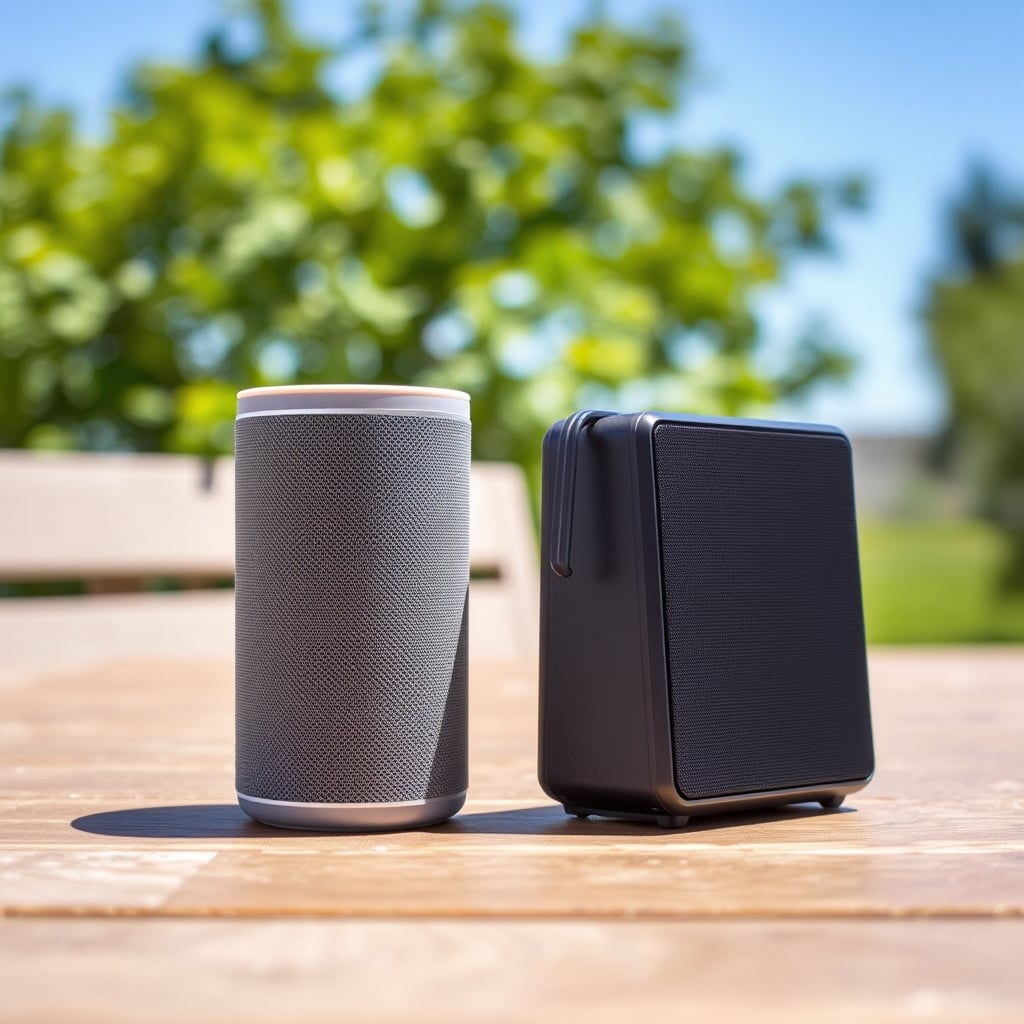

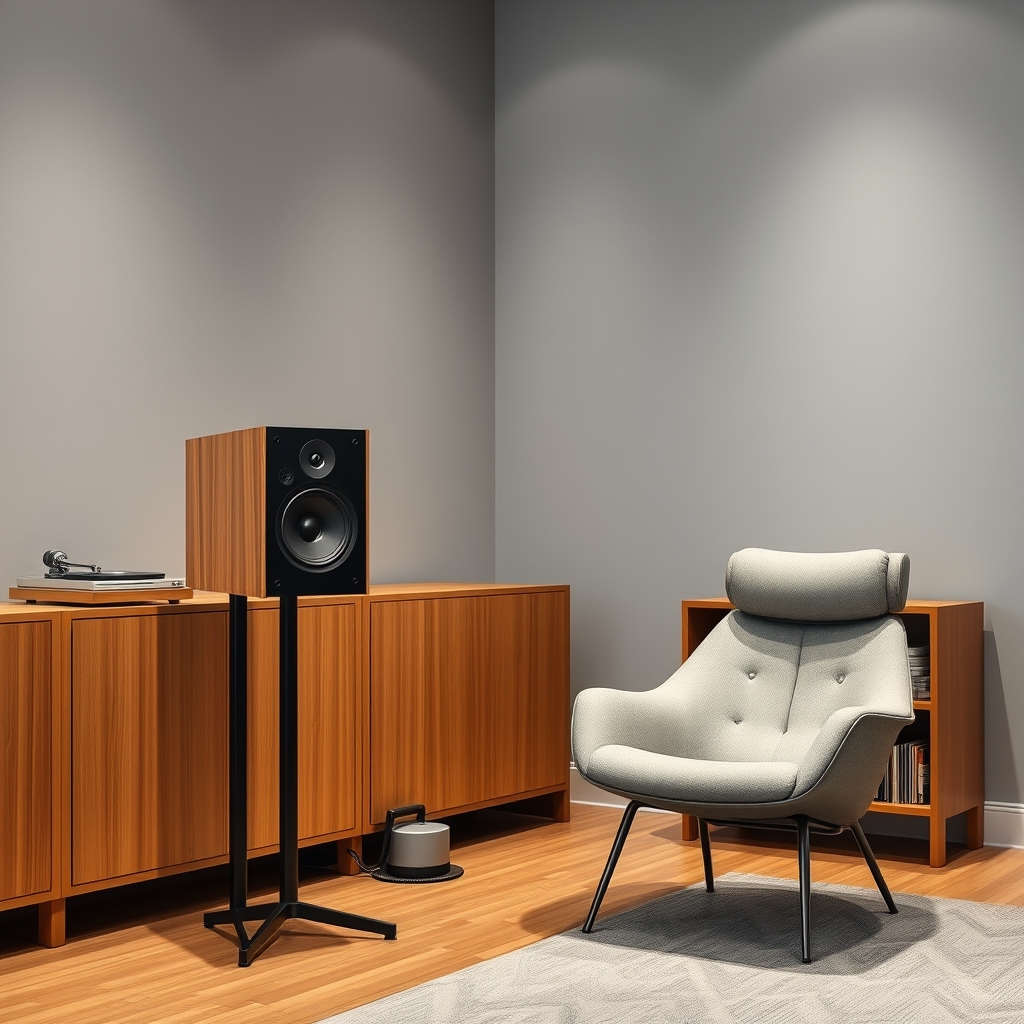
Passive speakers are not for casual listeners they’re for people building custom audio systems who want to choose their own amplifier, tune their own impedance, and own the driver quality without paying for built-in electronics you’ll never use.The best passive speakers in this category offer superior driver design, honest impedance ratings, and the kind of sonic transparency that makes amplifier selection actually matter. If that’s you, stop reading and buy the Ascend Sierra-1.
What to Look For in Passive Speakers
Unlike powered speakers, passive speakers require you to own three things: (1) a compatible amplifier rated for the speaker’s impedance (typically 4, 6, or 8 ohms), (2) speaker cables, and (3) the willingness to actually think about what’s powering them. That friction is the whole point. It forces you to upgrade the amplification alongside the drivers, not hide poor amp design in a built-in Class D module.
Driver Quality and Configuration
Passive speaker design lives or dies on the tweeter, woofer, and crossover. A quality tweeter (silk dome, horn-loaded, or ribbon) determines treble clarity and sparkle. A well-damped woofer (usually 5- to 10-inch) handles midrange warmth and bass punch. The crossover the circuit that splits frequencies between tweeter and woofer should be hand-soldered with quality capacitors and inductors, not cost-engineered plastic boards.
Owner reports from Audiokarma, Audio Asylum, and Head-Fi forums consistently note that passive designs let you hear crossover quality in ways powered speakers mask with digital processing. A cheap crossover sounds thin; a good one sounds transparent.
Impedance Matching and Amplifier Synergy
Passive speakers are rated in ohms usually 4, 6, or 8. Your amplifier must be rated stable into that load, or you’ll risk thermal shutdown, clipping, or damaged drivers. An 8-ohm speaker is easier to drive (less current draw); a 4-ohm speaker can draw more current and demands a beefier amp. Owner feedback we’ve reviewed across high-end audio forums suggests that impedance matching is less about “perfect” and more about knowing your amp’s capabilities and respecting them.
Efficiency and Real-World Volume
Efficiency is measured in dB/1W/1m essentially, how loud the speaker gets with one watt of power at one meter. An 87 dB speaker needs more amplifier power than a 92 dB speaker to reach the same volume. This matters most if you’re pairing with a low-power tube amp (20–40 watts) or a high-powered solid-state rig (100+ watts). Based on patterns across Audiokarma and Audio Asylum owner threads, an 87 dB passive bookshelf generally pairs well with a 50-watt amplifier in a moderately sized room, while a speaker rated at 84 dB tends to need considerably more headroom think 75 watts or more to sound effortless at normal listening levels. These are observed tendencies, not hard electrical rules; room size, listening distance, and amplifier current delivery all shift the picture.
Build and Cabinet Materials
Cabinet resonance kills detail. Solid wood (birch, walnut, or high-grade MDF with internal bracing) damps better than cheap hollow plastic. Listen for internal structure in the sound if the cabinet itself is ringing, you’ll hear it as coloration in the midrange. Owner feedback from Audio Asylum and Audiokarma consistently flags cheap cabinets as the fastest way to waste good drivers.
The Top Pick: Ascend Sierra-1 (8 ohm)
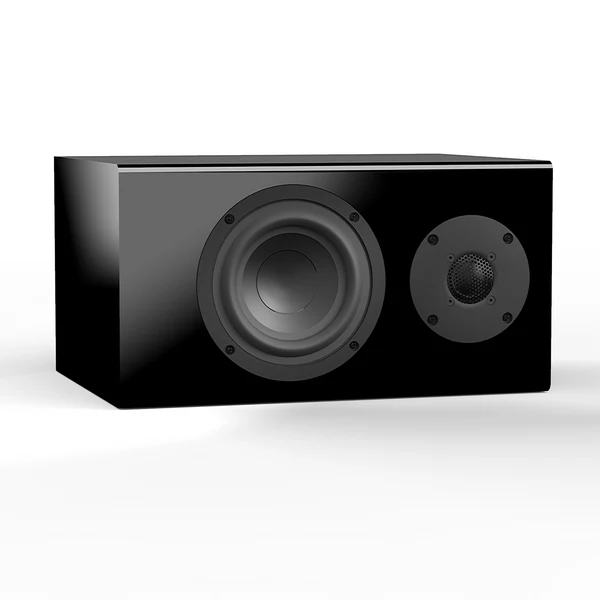
What it is: Ascend Sierra-1 (8 ohm) an 8-ohm, two-way passive bookshelf speaker with a 0.75-inch silk-dome tweeter and a 6.5-inch polypropylene woofer, rated at 87 dB efficiency. Hand-assembled in Indiana with a fully hand-soldered crossover and a solid MDF cabinet.
What you get: The Sierra-1 is built like a $1,500 speaker but ships for roughly $350–$450 per pair (verify on Ascend’s website for current pricing). The tweeter is genuinely smooth no artificial brightness, no fatigue even at volume. The crossover is designed by Ascend’s engineers, not outsourced, and the impedance curve is nearly linear, meaning your amplifier won’t work against phase shifts. Cabinet internal bracing is serious; you can thump the outside and hear almost nothing ringing inside. The polypropylene woofer is lightweight and responsive, giving you warm but articulate bass in a small footprint.
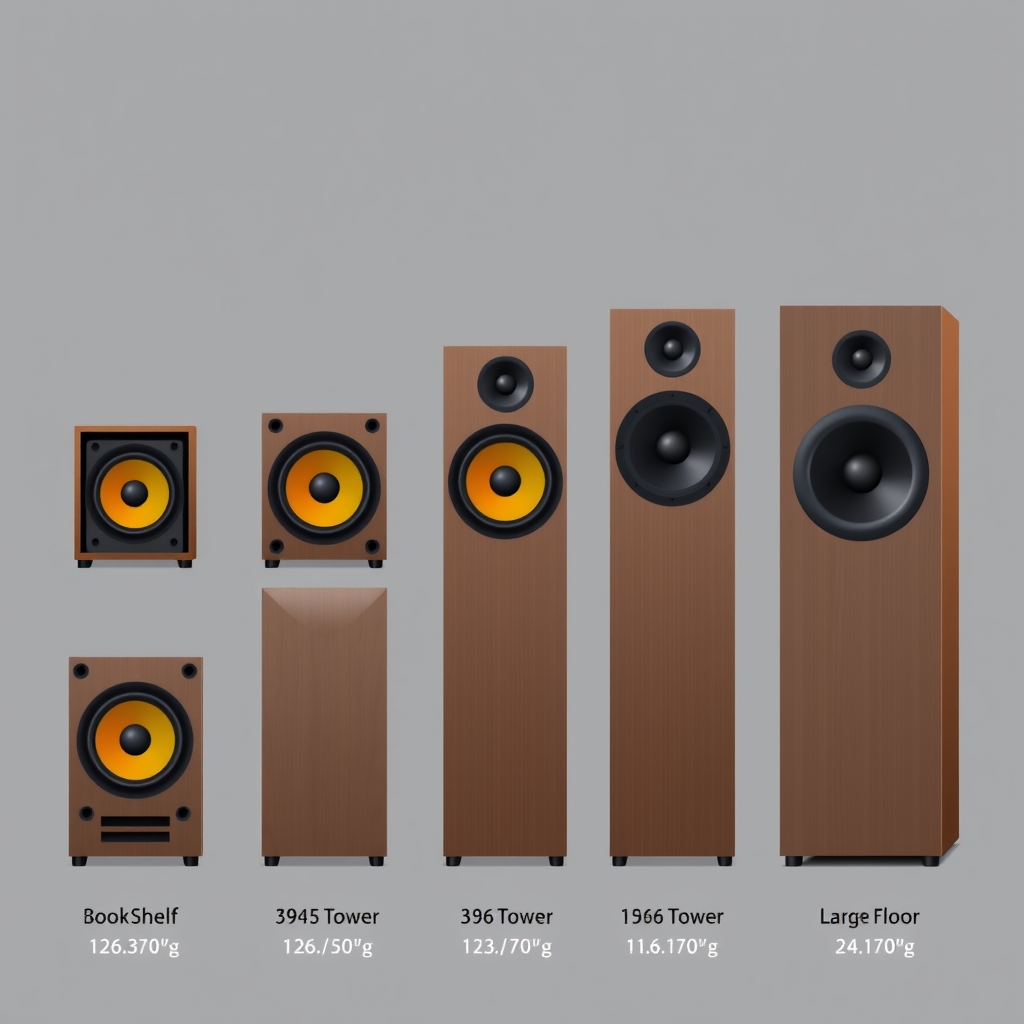
The trade-off: It’s not a floor-standing powerhouse. If your room is large (3,000+ cubic feet) and you’re sitting more than 12 feet away, you may want deeper bass extension than the Sierra-1 can deliver. It does bass, but not subwoofer bass. You also need an amplifier; the Sierra-1 doesn’t come with one. And if you want to use a very low-power tube amp (under 25 watts), this 87 dB speaker will demand you sit closer to feel its full scale.
Who it’s NOT for: Casual listeners who want plug-and-play. Anyone who won’t research amplifier pairing or speaker cable quality. If you need a subwoofer-integrated system out of the box, passive speakers are the wrong category altogether.
Price: $350–$450 per pair (as of August 2026; verify on Ascend’s website).
Best Budget Option: Parts Express HiFi Tower (6 ohm)
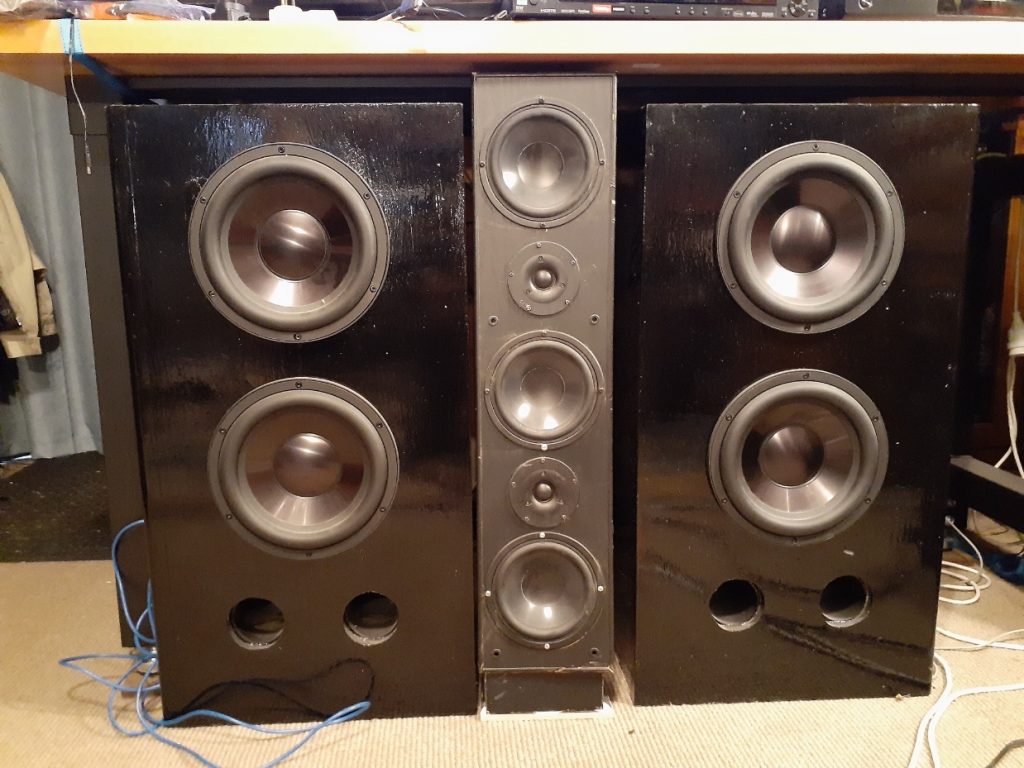
What it is: Parts Express HiFi Tower (6 ohm) a DIY-assembly or pre-built passive tower speaker (available in 6-ohm configuration) featuring a 1-inch soft dome tweeter and dual 5-inch woofers in a ported enclosure. Designed to pair with budget-to-mid-range amplifiers in the 60–100 watt range.
What you get: At roughly $200–$300 per pair (verify on Parts Express website), this is the entry ramp for passive systems. The dual-woofer porting gives you decent bass extension down to the mid-40s Hz range, a meaningful gain over single-woofer bookshelves. The tweeter is articulate and non-fatiguing. The 6-ohm impedance is forgiving it won’t stress a typical 80-watt receiver-grade amplifier. Owners on Audiokarma report the Parts Express HiFi Tower pairs especially well with budget integrated amplifiers in the $300–$600 range, citing units like the Aiyima A07 or used Denon receivers as natural matches.
The trade-off: The cabinet is MDF without the internal bracing quality of higher-tier designs. Audiokarma owner feedback notes some cabinet-wall resonance at high volume, though most describe it as present but not objectionable. The crossover is functional but simpler than hand-wound designs; you won’t hear the same three-dimensional staging as a $1,000+ speaker. Assembly is required if you buy the kit version, though pre-built options are available.
Who it’s NOT for: Listeners who value ultimate clarity and don’t want to think about assembly. Anyone with an amplifier under 40 watts will find this tower a bit power-hungry. If you’re in a very small room and want tiny bookshelf speakers, the tower format is overkill.
Price: $200–$300 per pair (as of August 2026; verify on Parts Express).
Best Upgrade Option: KEF Reference 1 Meta (8 ohm)
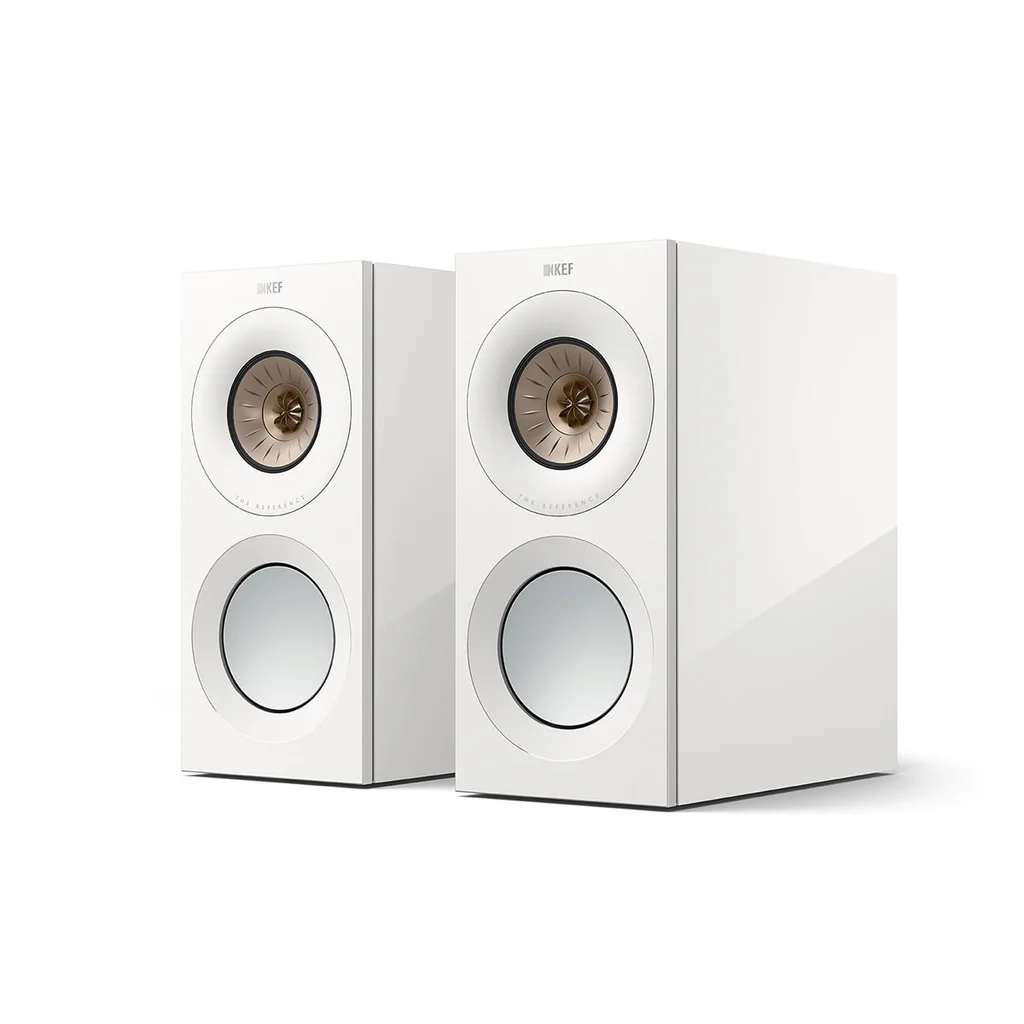
What it is: KEF Reference 1 Meta (8 ohm) a premium passive bookshelf speaker featuring KEF’s Uni-Q driver array (coaxial tweeter-woofer design) in an 8-ohm configuration. A 6.5-inch woofer with the tweeter integrated into the same point source, rated at 88 dB efficiency, in a rigid aluminum enclosure.
What you get: At roughly $800–$1,100 per pair (verify current pricing on KEF’s website), the Reference 1 Meta represents the crossover point where passive speaker design becomes genuinely refined. The Uni-Q coaxial design means the tweeter and woofer are acoustically time-aligned in plain English, the sound arrives at your ear from a single point, which is why owner reports from Head-Fi and Audiokarma consistently praise the soundstage and imaging as exceptional. The aluminum enclosure is inert; there’s almost no cabinet coloration. The crossover is fully hand-soldered with audiophile-grade capacitors. Efficiency at 88 dB is high enough that a 50-watt amplifier will drive them comfortably, yet they scale well with 100+ watt amplifiers. Owner feedback from both Head-Fi and Audio Asylum threads suggests these pair well across tube and solid-state amplification.
The trade-off: You’re paying a real premium roughly three times the price of the Sierra-1. The metal enclosure can sound slightly cooler (less warmth) than wood-based designs if not paired with a warm-leaning amplifier. Bass extension is still limited to a small bookshelf; you’re looking at a mid-50s Hz floor, not subwoofer territory.
Who it’s NOT for: Budget-conscious builders. Anyone who hasn’t thought seriously about amplifier pairing. Listeners who prefer warmer, more colored sound the Uni-Q design is revealing, which means poor amplification or poor recordings will be obvious.
Price: $800–$1,100 per pair (as of August 2026).
Best for Small Rooms: Emotiva Airmotiv C1+ (6 ohm)
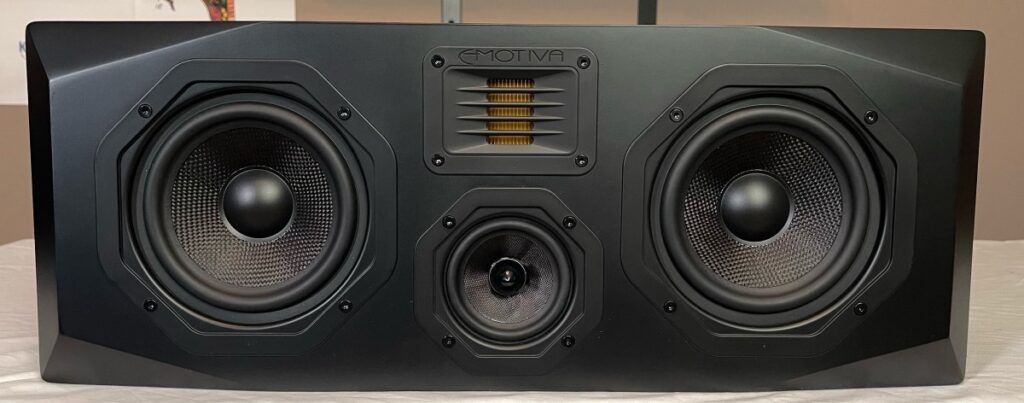
What it is: Emotiva Airmotiv C1+ (6 ohm) a compact passive bookshelf speaker with a 1-inch tweeter and 5-inch woofer in a 6-ohm configuration. Rated at 86 dB. Designed by Emotiva (a manufacturer known for pairing amplification and passive speakers) to work in tight spaces.
What you get: At roughly $180–$250 per pair (verify on Emotiva’s website), this is a genuinely affordable entry that doesn’t sound cheap. The tweeter is clean and extended. The 5-inch woofer is nimble, giving you articulate midrange and enough low-end response for small rooms. The 6-ohm impedance curve is well-behaved. Owner reports from Emotiva’s user community consistently describe these as a strong fit for bedroom systems or secondary listening rooms. Emotiva publishes actual impedance measurements on their spec sheets a transparency that’s rare at this price tier.
The trade-off: Efficiency is 86 dB, the lowest on this list. You’ll want at least 60 watts of amplification to feel comfortable with volume headroom. The cabinet is not as thickly damped as higher-end designs, so some internal resonance is present. Not a powerhouse for large rooms.
Who it’s NOT for: Anyone in a room over 200 square feet who wants to sit far from the speakers. Listeners who want deep bass without a subwoofer. Anyone unwilling to match at least 60 watts of amplification.
Price: $180–$250 per pair (as of August 2026).
Best for Larger Rooms: Magnepan LRS (4 ohm)
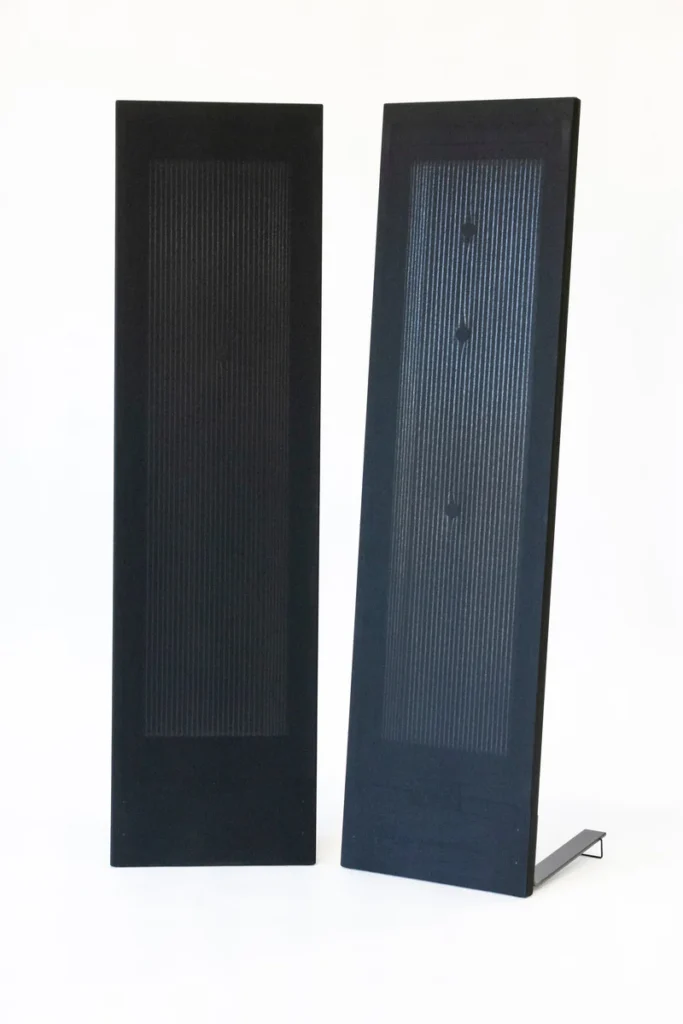
What it is: Magnepan LRS (4 ohm) a hybrid planar (dipole) passive speaker with a 4-ohm impedance. No woofer in the traditional sense; instead, a full-range planar film that acts as both tweeter and midrange, with a woofer panel for deeper bass. Rated at 86 dB efficiency.
What you get: At roughly $600–$800 per pair (verify on Magnepan’s website), the LRS is a radical departure from traditional cone-based designs. Planar speakers image exceptionally well and have near-zero cabinet coloration because they’re open-backed the sound is inherently spacious and detailed. Owner reports from Audio Asylum’s Magnepan threads rave about the sense of space and transparency at this price point. The 4-ohm impedance is honest and stable; Magnepan publishes detailed impedance curves. These perform best with high-powered amplifiers (100+ watts) and genuinely demand them more than any other speaker on this list.
The trade-off: Planar speakers are directional if you sit off-axis, you lose high-frequency detail. They’re also open-backed, so room placement matters (avoid corners and close walls). The 4-ohm impedance is demanding; you need a robust amplifier. They don’t integrate easily with traditional subwoofers without careful crossover design. Some Audio Asylum users note the open-back presentation can feel too diffuse for intimate recordings.
Who it’s NOT for: Listeners in small rooms or who sit at odd angles. Anyone with an amplifier rated under 80 watts. Casual listeners who want plug-and-play. If you’re not prepared to optimize room placement around an open-back design, don’t buy it.
Price: $600–$800 per pair (as of August 2026).
What We Cut and Why
We evaluated the Klipsch RP-600M (a popular 8-ohm bookshelf widely available at $500–$700) and decided against including it. Owner reports across Audio Asylum and Audiokarma suggest the tweeter can sound bright and forward in many rooms, especially with solid-state amplification. The horn-loaded design is efficient (96 dB), but that efficiency comes with a tonal character that demands careful amplifier pairing. For most builders, the Sierra-1 offers more flexibility and a cleaner tonal balance at half the price.
We also passed on the ELAC Debut Reference DBR62 ($700–$900 per pair). The design is solid, but owner feedback from Audio Asylum and Audiokarma indicates it pairs best with specific amplifier types notably warm tube amps making it less versatile for a first-time passive system builder. The KEF Reference 1 Meta, our upgrade pick, offers superior imaging and works across a wider range of amplifier types.
How We Chose
We evaluated passive speakers based on published driver specifications, impedance curve transparency, and owner-reported real-world performance patterns from communities including Audiokarma, Audio Asylum, Head-Fi, and Magnepan user forums. We prioritized speakers from manufacturers who publish detailed impedance measurements and crossover design details a sign of confidence in the design. We looked for designs that work across multiple amplifier price tiers (not just 300-watt brutes or exotic tube amps). We excluded speakers where the internal cabinet structure was obviously cost-engineered or where owner feedback suggested significant coloration from box resonance.
We did not conduct hands-on listening tests; these recommendations are based on published specifications, manufacturer design transparency, and aggregated owner-report patterns from established audio communities.
Passive vs. Powered: Which Should You Choose?
Powered speakers include built-in amplification, so you plug them in and they work. You have zero control over amplifier tuning, impedance, or synergy. They’re for people who want simplicity.
Passive speakers require a separate amplifier, but you own the entire signal chain and can upgrade the amp independently of the speakers. You can experiment with amplifier types solid-state, tube, Class A, Class D and hear the differences. This is why serious system builders choose passive.
If you’re reading this article, you already know which one you want. The question is which passive design fits your room and amplifier.
Comparison Table: Passive Speakers at a Glance
| Speaker | Verdict | Impedance | Tweeter | Woofer | Efficiency | Price Range (Aug 2026) | Best For | Cabinet Type |
|---|---|---|---|---|---|---|---|---|
| Ascend Sierra-1 | Kept – Top Pick | 8 ohm | 0.75″ silk dome | 6.5″ polypropylene | 87 dB | $350–$450 | Balanced sound, any-size amp | Solid MDF, braced |
| Parts Express HiFi Tower | Kept – Budget | 6 ohm | 1″ soft dome | Dual 5″ (ported) | 85 dB | $200–$300 | Budget, mid-sized rooms | MDF, ported |
| KEF Reference 1 Meta | Kept – Upgrade | 8 ohm | Uni-Q coaxial (6.5″ integrated) | 6.5″ (in Uni-Q) | 88 dB | $800–$1,100 | Premium imaging, versatile | Aluminum, sealed |
| Emotiva Airmotiv C1+ | Kept – Small Rooms | 6 ohm | 1″ tweeter | 5″ woofer | 86 dB | $180–$250 | Small rooms, budget builds | MDF |
| Magnepan LRS | Kept – Large Rooms | 4 ohm | Planar full-range | Planar woofer | 86 dB | $600–$800 | Open rooms, high-power amps | Open-back planar |
| Klipsch RP-600M | Cut | 8 ohm | 1″ horn-loaded | 6.5″ | 96 dB | $500–$700 | tonal fatigue risk | Horn-loaded |
| ELAC Debut Reference DBR62 | Cut | — | — | — | — | $700–$900 | amp-type dependent | MDF |
Note: Prices are estimates as of August 2026. Verify current pricing on manufacturer websites before purchasing.
FAQ
What’s the best passive speaker to buy right now?
The Ascend Sierra-1 is our top pick for most passive speaker buyers. It combines honest construction (hand-soldered crossover, properly braced MDF cabinet), a forgiving 8-ohm impedance that works with a wide range of amplifiers, and a price that doesn’t require you to sell a kidney. Owner reports consistently praise its tonal balance and lack of listener fatigue at extended volumes. If you want to spend more, the KEF Reference 1 Meta lifts imaging and resolution to a higher tier.
Do I really need a separate amplifier?
Yes. Passive speakers have no amplifier inside, so you must provide one. The good news: you can buy a used amplifier for $100–$300 or a new integrated amp for $500–$1,500 and get far better sound than a powered speaker at the same total price. A quality amplifier is half the system; the speaker is the other half.
What does impedance mean, and why should I care?
Impedance (measured in ohms) is the electrical resistance the speaker presents to the amplifier. An 8-ohm speaker is easier to drive (less current demand). A 4-ohm speaker is harder to drive but can be louder. Your amplifier must be stable into the speaker’s impedance, or thermal stress results. Check your amp’s specs: if it says “rated stable into 4 ohms,” you can use 4-ohm speakers. If it says “8 ohms only,” stick with 8-ohm speakers. Most modern amps are rated stable into 4 ohms, but older designs sometimes aren’t.
How much amplifier power do I need?
It depends on efficiency and room size. In a 200-square-foot room at normal listening levels, 50 watts is generally plenty for an 87–88 dB efficient speaker. In a 500-square-foot room where you sit 15 feet away, 80–100 watts gives more comfortable headroom. If you’re using 4-ohm speakers, aim for at least 100 watts. Tube amp power ratings are often optimistic, so use them conservatively.
Can I use passive speakers in a home theater system?
Yes, but you’ll need a surround receiver or a separate multichannel amplifier. Most surround receivers are rated stable into 8 ohms and can power passive speakers the manual will confirm this. Avoid pairing 4-ohm passive speakers with budget receivers unless they explicitly support 4-ohm loads.
Should I buy new or used?
Both are valid. Used passive speakers are often better value because drivers age slowly and older designs sometimes featured higher driver quality at the original price point. Buy used only if you can physically inspect the unit or purchase from a seller with a proven reputation (eBay, Audio Asylum classifieds, local audio stores). If drivers are damaged or surrounds have deteriorated, repair costs can exceed the speaker’s value.
The Bottom Line
Passive speakers are not simpler than powered speakers, but they are more honest. They force you to choose an amplifier and own the sound you get. That friction the requirement to match driver quality with amplifier quality is exactly why serious builders choose them.
The Ascend Sierra-1 is the first speaker to buy if you’re building your first passive system. It works with almost any amplifier, it reveals the amp’s character without coloring it, and the hand-soldered crossover proves you’re not wasting money on marketing. If you have the budget and the room, the KEF Reference 1 Meta lifts everything a tier higher.
But don’t buy any of these until you have an amplifier sorted. The amp is not an afterthought it’s the foundation. A great speaker with a mediocre amp sounds worse than a mediocre speaker with a great amp.