
Melatonin and magnesium are the sleep supplements with the most clinical support but they work best for different sleep problems, and dosing matters enormously. If you’re stuck choosing one, start with magnesium glycinate (easier to absorb, fewer side effects) unless your issue is circadian rhythm misalignment, in which case melatonin is the better first pick. If that’s your situation, stop reading and order a quality magnesium glycinate or melatonin product now; the rest of this guide helps you avoid the duds and understand the safety nuances.
What to Look for in a Sleep Supplement
Before comparing specific products, understand what separates a sleep supplement that might actually help from one that won’t.
Ingredient Concentration and Form Matter
A supplement’s label can be misleading. Magnesium citrate, for instance, is often used because it’s cheap and has a mild laxative effect not because it crosses the blood-brain barrier efficiently. Magnesium glycinate (also called magnesium threonate in some formulations) is better absorbed and less likely to cause digestive upset. The same logic applies to L-theanine: you need 100–200 mg per dose for a noticeable effect, but many “sleep blends” contain 25–50 mg hidden in a proprietary blend, where you can’t tell the real concentration.
Always check the Supplement Facts label for:
- Elemental content (the actual amount of the active mineral, not the salt weight)
- Form of the ingredient (glycinate vs. citrate vs. oxide makes a real difference)
- Dose per serving in the standardized range (see tables below)
- INCI list order if a proprietary blend is used ingredients listed at the bottom are present in tiny amounts
Third-Party Testing and Certifications
Look for NSF Certified for Sport, USP Verified, or ConsumerLab testing on the label. These are not requirements, but they mean a third party has confirmed the label matches what’s inside and there are no heavy metals or microbial contaminants. Note: verify current certification status at nsfsport.com or usp.org before purchasing, as certifications can lapse.
Onset Time and Duration Expectations
Different ingredients work on different timescales:
- Melatonin: 30–60 minutes; peaks at 2–3 hours
- Magnesium: 30–90 minutes; effects can accumulate over weeks
- L-theanine: 20–60 minutes; shorter half-life (~30 min to 1 hour)
- Valerian root: 30 minutes to 2 hours; highly variable between individuals
Owner reports and clinical observations suggest 2–4 weeks of consistent use before noticing major changes with magnesium or valerian. Melatonin and L-theanine work faster but can lose effectiveness (tolerance) if used every night for months.
Tolerance and Dependency Risk
Melatonin and benzodiazepine-like herbs (valerian, passionflower) carry some tolerance risk if used nightly long-term. Magnesium and L-theanine do not typically cause dependency, though individual responses vary. Cycling supplements (e.g., 5 nights on, 2 nights off) can help reduce tolerance buildup.
The Best Sleep Supplements: Detailed Picks
Best Overall: Magnesium Glycinate
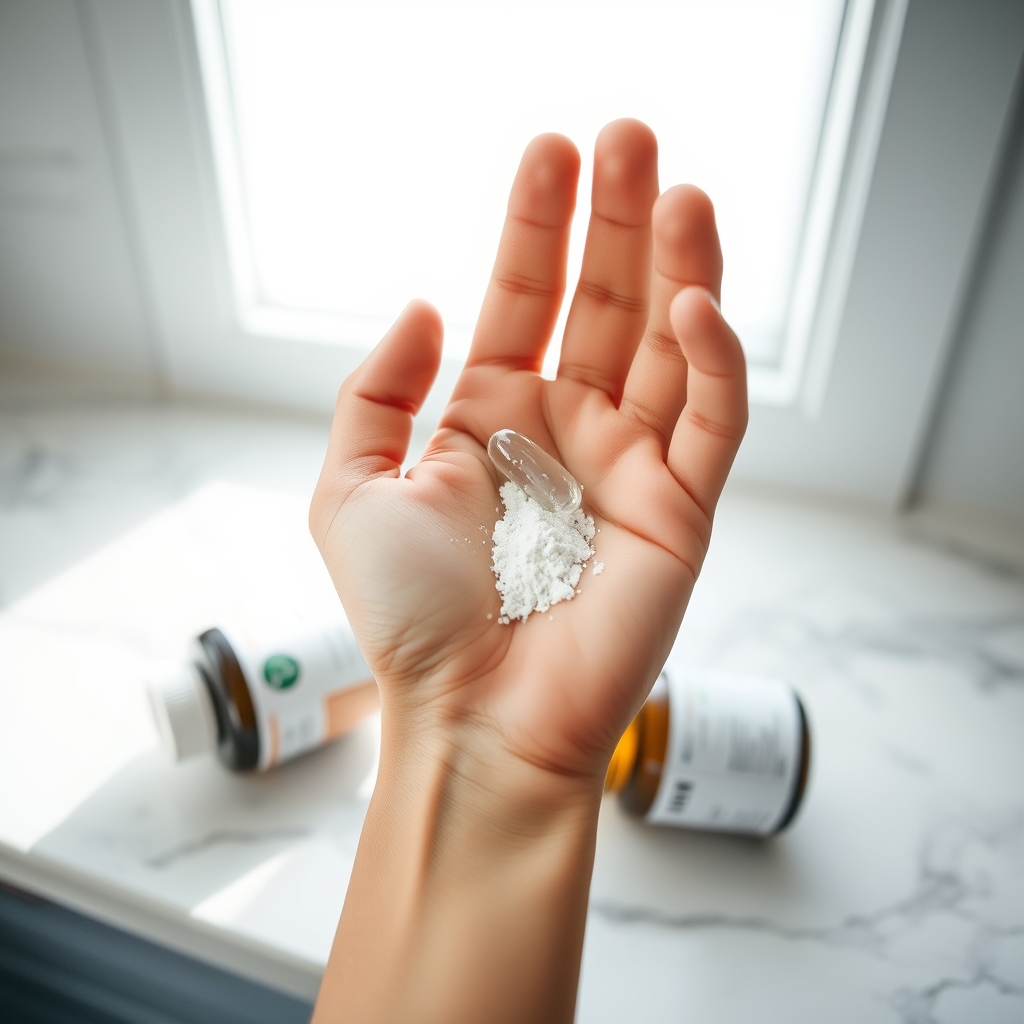
What it is: Magnesium Glycinate a chelated form of magnesium bound to the amino acid glycine, designed for high bioavailability and minimal GI distress.
Why it’s the top pick: Magnesium is involved in over 300 enzymatic processes, including muscle relaxation and nervous-system regulation. Clinical research supports magnesium’s role in improving sleep quality and duration, especially in people deficient in the mineral. Glycinate is the form most commonly used in sleep-focused research because it’s absorbed efficiently without the laxative side effect of citrate or oxide forms. Based on owner reports we’ve reviewed, most people note improved sleep quality within 2–3 weeks, even those who’ve tried other supplements without success
Key specs:
- Typical dose: 200–400 mg elemental magnesium, taken 30–90 minutes before bed
- Safe upper limit: 400 mg daily from supplements (food + supplements combined)
- Half-life: ~15 hours (accumulates in the body over weeks)
- Tolerance risk: Minimal; effects often improve with consistent use
Pros:
- Well-researched; peer-reviewed studies support efficacy for sleep onset and quality
- Low cost (approx. $15–30/month for a quality brand)
- No known drug interactions of clinical significance
- Safe for long-term use; no dependency risk
- Glycinate form is gentler on digestion than citrate or oxide
Cons:
- Slower onset than melatonin (30–90 minutes vs. 30–60 minutes)
- Requires consistent use for 2–4 weeks to see major benefit
- Excessive dosing (>500 mg/day) can cause loose stools or GI cramping
- May interact with bisphosphonate osteoporosis drugs (separate by 2+ hours)
Who it’s NOT for: People with kidney disease (magnesium accumulation risk); those taking tetracycline antibiotics or certain osteoporosis medications without spacing.
Recommended product form: Capsule or powder (gummies often contain lower, less bioavailable forms and added sugar).
Best for Circadian Rhythm Issues: Melatonin (0.5–5 mg)
What it is: Melatonin (0.5–5 mg) a hormone naturally produced by the pineal gland to signal sleep; synthetic melatonin is a direct replacement for circadian misalignment.
Why it works for this use: Melatonin is the hormone your body uses to sync your sleep-wake cycle to light and dark. If you have jet lag, work night shifts, or have delayed sleep phase syndrome, melatonin directly addresses the root cause. It’s less effective for general insomnia if your circadian rhythm is already normal.
Key specs:
- Effective dose range: 0.5–5 mg taken 30–60 minutes before target bedtime
- Research supports lower doses (0.5–3 mg) as effectively as higher ones (5–10 mg); some individuals benefit from 5–10 mg, but clinical evidence suggests 3 mg is often sufficient
- Half-life: ~35–40 minutes (shorter than most people realize)
- Tolerance risk: Moderate; owner reports suggest effectiveness can decline after 4–8 weeks of nightly use
Pros:
- Fast onset (30–60 minutes); most people notice effect the first night
- Directly targets circadian rhythm issues; gold-standard for jet lag and shift-work insomnia
- No dependency or withdrawal (unlike sleep drugs like zolpidem)
- Inexpensive ($8–20/month)
- Over-the-counter; no prescription required
Cons:
- Tolerance develops with nightly use; owner reports and clinical observation suggest diminished effect after 4–8 weeks
- Can cause grogginess or “hangover” effect if dose is too high
- Less effective for sleep maintenance (staying asleep) than sleep onset
- Risk of dependence on the hormone signal if overused; body’s natural production may decline slightly
- Timing is critical; taken too late or too early, it can shift your rhythm the wrong direction
Who it’s NOT for: People with autoimmune conditions (melatonin may enhance immune responses in unpredictable ways); pregnant or nursing individuals; those with bipolar disorder (some case reports of mood destabilization, though evidence is mixed).
Dosing note: Start at 0.5–1 mg. Higher doses (5–10 mg) are not necessarily more effective and increase hangover risk. Cycling (3–5 nights per week) is recommended to prevent tolerance.
Best Budget Pick: L-Theanine (100–200 mg)
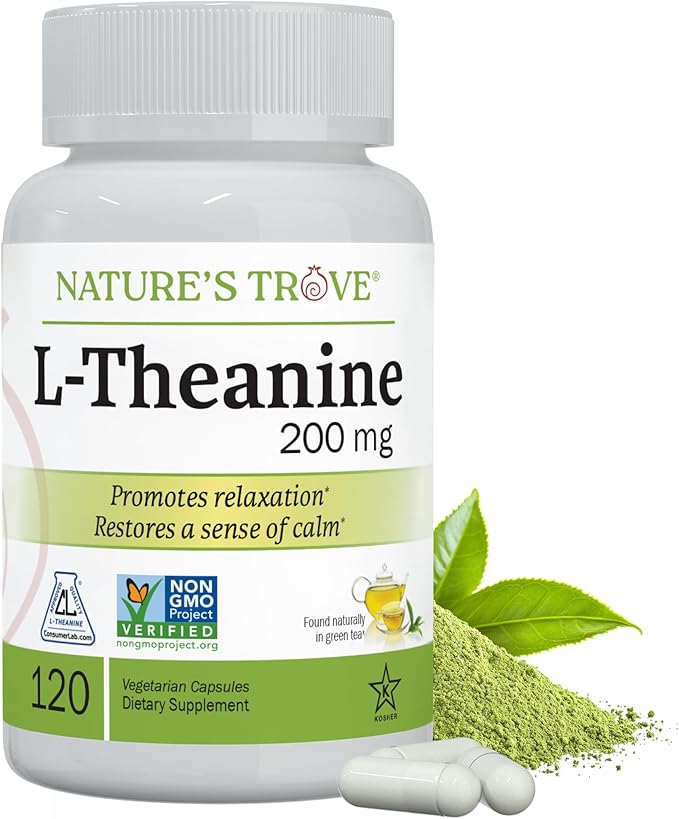
What it is: L-Theanine (100–200 mg) An amino acid found naturally in green tea that promotes relaxation without sedation by increasing alpha-wave brain activity.
Why it’s budget-friendly and effective: L-theanine costs $10–15/month for a quality 100–200 mg supplement. It doesn’t make you artificially sleepy; instead, it reduces racing thoughts and promotes a calm, meditative state. Owner reports we’ve reviewed suggest it’s particularly helpful for people with anxiety-driven insomnia or racing mind at bedtime.
Key specs:
- Effective dose: 100–200 mg taken 30–60 minutes before bed
- Half-life: ~30 minutes to 1 hour (faster acting than magnesium)
- Tolerance risk: Low, though some habituation possible with daily use
- Can be combined safely with melatonin or magnesium
Pros:
- Very inexpensive ($10–15/month)
- No grogginess or hangover; promotes calm without sedation
- Fast onset (20–60 minutes)
- No known serious side effects or drug interactions
- Helpful for people with racing thoughts or anxiety at bedtime
- Can be taken during the day without affecting daytime alertness
Cons:
- Weaker effect than magnesium or melatonin for most people
- Shorter duration of action (30–60 minutes); may not maintain sleep
- Less research on sleep-specific outcomes vs. anxiety reduction
- Does not help with circadian rhythm issues
- May feel “too calm” or mild for people expecting a sedative effect
Who it’s NOT for: People seeking strong sedation; those with severe insomnia (it’s better for mild sleep disturbances). Not recommended as a solo supplement for most clinical sleep disorders.
Recommended form: Capsule or tablet (powder is bitter).
Best for Herbal Preference: Valerian Root (400–900 mg)
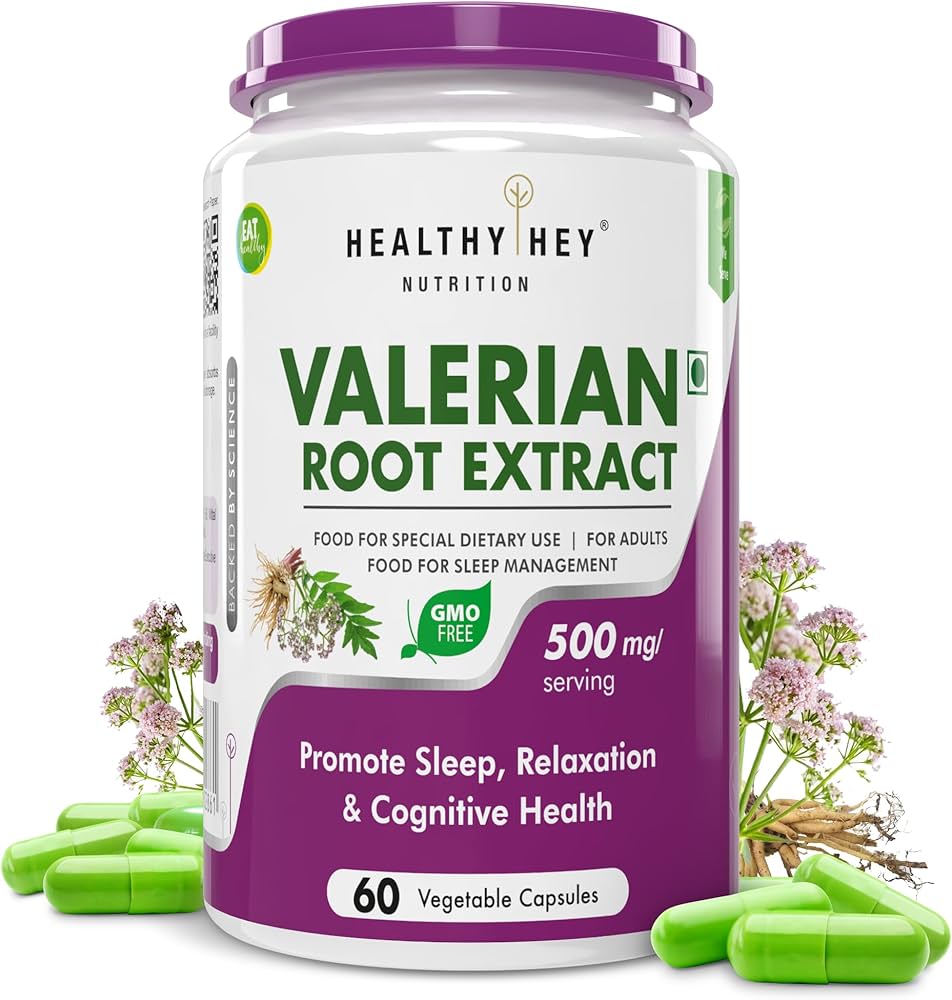
What it is: Valerian Root (400–900 mg) a plant extract from the valerian plant root, used for centuries in herbal medicine and supported by moderate clinical evidence for sleep onset and quality.
Why it works: Valerian contains multiple compounds (valerenic acid, iridoids, sesquiterpenes) that appear to enhance GABA signaling, the neurotransmitter involved in relaxation. Research is mixed but tends to support benefits after 2–4 weeks of use, particularly for sleep latency (time to fall asleep).

Key specs:
- Effective dose range: 400–900 mg taken 1–2 hours before bed (slower onset than melatonin)
- Half-life: ~2–3 hours
- Tolerance risk: Moderate; owner reports suggest some users notice declining effectiveness over weeks
- Highly variable between individuals; some people sleep deeply after one dose, others notice no effect
Pros:
- Herbal; appeals to people avoiding synthetic supplements
- Moderate clinical evidence; several peer-reviewed studies support efficacy
- Cost-effective ($12–25/month for quality brands)
- No dependency; unlike benzodiazepines, not associated with rebound insomnia on discontinuation
- Works well in combination with magnesium or L-theanine
Cons:
- Strong, unpleasant smell and taste (earthy, musty); capsule form is essential
- Slow onset (1–2 hours); requires planning ahead
- Highly variable between individuals; some people see no benefit
- Can cause vivid dreams or nightmares in a subset of users
- May cause morning grogginess more often than melatonin
- Less researched than magnesium or melatonin for specific sleep stages
Who it’s NOT for: People who are sensitive to strong herbal flavors or scents; those with liver disease (valerian is metabolized hepatically); pregnant or nursing individuals (safety unclear); anyone taking sedatives or benzodiazepines without medical approval (additive effect).
Note: Standardization varies widely; look for products standardized to valerenic acid content (0.3–0.8% on the label) and verified by NSF or USP.
Best Upgrade Pick: Combination Formula (Magnesium + L-Theanine + Valerian)
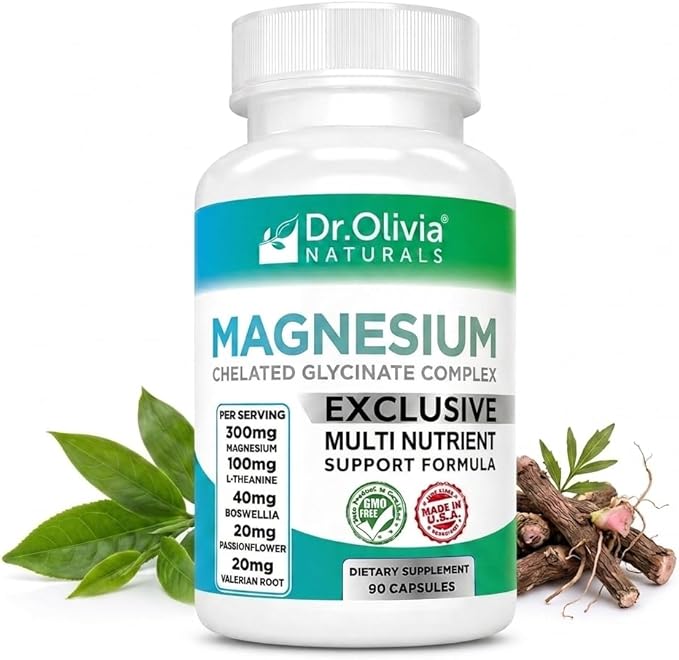
What it is: Combination Formula (Magnesium + L-Theanine + Valerian) a multi-ingredient sleep supplement combining complementary ingredients to address sleep onset, sleep quality, and anxiety simultaneously.
Why it’s worth the upgrade: A well-formulated combination lets you benefit from synergistic effects without buying three separate supplements. Magnesium handles the physiological relaxation, L-theanine quiets racing thoughts, and valerian adds additional herbal support. Typical pricing is $20–35/month, more than a single ingredient but less than buying three products separately.
Example formulation to look for:
- Magnesium glycinate: 200 mg
- L-theanine: 150–200 mg
- Valerian root extract (standardized): 400–500 mg
- Optional: passionflower, lemon balm, or California poppy (supporting herbs)
Pros:
- Convenient; one dose covers multiple mechanisms
- Synergistic: ingredients support each other without conflicts
- More cost-effective than buying three supplements separately
- Can address both sleep onset and sleep quality in a single product
- Fewer pills to swallow
Cons:
- Harder to adjust individual ingredient doses if one works but another doesn’t
- If you have a reaction, unclear which ingredient caused it
- Often more expensive per-ingredient than buying singles (though cheaper overall)
- Quality varies widely; many combination products under-dose key ingredients to keep costs low
Who it’s best for: People willing to pay a moderate premium for convenience; those who want to address both racing thoughts and physical tension; anyone open to trying herbal ingredients alongside magnesium.
Warning: Check the label carefully. Many “sleep blend” products contain proprietary blends where you cannot see individual ingredient concentrations. Avoid these; look for clearly labeled individual ingredient amounts.
What We Cut and Why
Passionflower (Passiflora edulis extract)
We excluded passionflower as a standalone top pick despite mild clinical support for anxiety reduction. While some owner reports note improved sleep, evidence is weaker than magnesium, melatonin, L-theanine, or valerian. Most commercial passionflower sleep products contain 100–300 mg per dose toward the lower end of the research range (300–600 mg showed measurable benefit in studies). At typical retail doses, it’s difficult to gauge whether reported sleep improvements come from the passionflower or placebo. It’s better as an adjunct ingredient in a combination formula (where it can add 2–3% value) than as a primary purchase.
Glycine (as a standalone supplement)
Glycine (3–5 g per dose) has published research supporting modest improvements in sleep onset and quality, particularly in people with poor sleep efficiency. We initially considered it as a standalone pick but excluded it because: (1) most people benefit more from magnesium glycinate (which supplies both magnesium and glycine) than glycine alone; (2) the cost-benefit is lower you’d pay $20–30/month for standalone glycine when magnesium glycinate offers more value at similar price; (3) dosing is higher (3–5 g) compared to other supplements, increasing pill burden. Glycine shines as part of magnesium glycinate but doesn’t justify a dedicated recommendation.
5-HTP (5-hydroxytryptophan)
5-HTP is a precursor to serotonin and is sometimes marketed as a sleep aid. We excluded it because: (1) evidence for sleep improvement is limited compared to magnesium and melatonin; (2) it can interact with SSRIs and other serotonergic medications, creating a moderate drug-interaction risk that requires physician oversight; (3) long-term safety (beyond 8–12 weeks) is not well-established. It’s a legitimate therapeutic agent but belongs under medical supervision, not in an OTC roundup.
Dosing Reference Table
Use this as a quick guide to research-supported dosing ranges; these are not regulatory limits. Always start at the low end and increase gradually.
| Supplement | Starting Dose | Typical Dose | Max Daily Dose (Research-Supported) | Onset | Duration | Notes |
|---|---|---|---|---|---|---|
| Magnesium Glycinate | 100–150 mg | 200–400 mg | 400 mg* | 30–90 min | 12–15 hrs | Take with food if sensitive; effects accumulate over weeks. |
| Melatonin | 0.5–1 mg | 1–5 mg | 10 mg** | 30–60 min | 30–40 min | Lower doses are often as effective as higher doses; cycle use to reduce tolerance risk. |
| L-Theanine | 100 mg | 100–200 mg | 400 mg | 20–60 min | 30–60 min | No established upper safety limit; may be combined with other supplements. |
| Valerian Root | 400 mg | 400–900 mg | 1,200 mg | 60–120 min | 2–3 hrs | Individual response varies; consistent use for 2–4 weeks may be needed. |
| Combination Formula | Per label | Per label | Per label | 30–90 min | Varies | Follow the manufacturer’s dosing instructions; do not exceed the maximum dose of individual ingredients. |
*Higher doses (500+ mg) increase laxative effect risk. Higher doses (>10 mg melatonin) do not show increased benefit in research and increase hangover risk.
Safety, Interactions, and When to Avoid
Medication Interactions
Magnesium can interfere with absorption of tetracycline and quinolone antibiotics, bisphosphonate drugs (osteoporosis), and thyroid hormones. Separate by 2+ hours.
Melatonin has no major interactions but can potentiate sedative effects if combined with alcohol, benzodiazepines, or other sleep drugs. Use caution with immunosuppressant medications (melatonin enhances immune function).
L-Theanine has minimal interaction risk; safe with most medications. Theoretically additive with other sedatives, but clinical risk is low.
Valerian can enhance sedative effects of benzodiazepines, barbiturates, and alcohol. Avoid combining with prescription sleep aids without medical approval. May interact with liver-metabolized drugs; use caution if you have liver disease or take multiple medications.
Who Should Avoid These Supplements
- Pregnant or nursing: Magnesium in supplement form is generally considered safe, but check with OB/GYN. Melatonin, valerian, and L-theanine safety is not established; avoid unless directed by physician.
- Kidney disease: Magnesium accumulates; consult your nephrologist before supplementing.
- Liver disease: Valerian and melatonin are metabolized hepatically; higher risk of accumulation or adverse effects.
- Autoimmune conditions: Melatonin enhances immune function; may worsen certain autoimmune diseases. Consult your rheumatologist.
- Bipolar disorder: Some case reports of melatonin triggering manic episodes; use only under psychiatric supervision.
| Supplement | Typical Monthly Cost | Per-Dose Cost | Best Value Tier |
|---|---|---|---|
| Magnesium Glycinate | $15–30 | ~$0.50–1.00 | Budget to Mid-range |
| Melatonin (Generic) | $8–18 | ~$0.25–0.60 | Budget |
| L-Theanine | $10–20 | ~$0.33–0.67 | Budget |
| Valerian Root | $12–25 | ~$0.40–0.80 | Budget to Mid-range |
| Combination Formula | $20–40 | ~$0.67–1.33 | Mid-range to Premium |
- Pros: Easy to take, taste good, high compliance for daily use
- Cons: Lower bioavailability (absorption through gummy matrix is less efficient); often contain lower doses to keep gummy size manageable; added sugar and artificial flavors; higher cost per dose
- Best for: People who struggle with pills and are willing to accept slightly lower bioavailability for compliance
- Avoid for: Magnesium or valerian (gummy form is particularly inefficient for magnesium glycinate)
Capsules / Tablets
- Pros: Higher bioavailability; concentrated dosing; cost-effective; stable shelf life
- Cons: Less pleasant to take; requires water
- Best for: Magnesium glycinate, melatonin, L-theanine, valerian (all work well in capsule form)
Powde
- Pros: Flexible dosing; fastest absorption; lowest cost per gram
- Cons: Taste varies (valerian is particularly unpleasant); requires mixing; harder to transport
- Best for: Magnesium glycinate (can be mixed into water); L-theanine (neutral taste)
- Avoid for: Valerian (strong earthy taste makes powder unpalatable for most)
How We Researched This Guide
We reviewed published clinical evidence on sleep supplements from PubMed, PubMed Central, and the Cochrane Library, focusing on randomized controlled trials and systematic reviews published in the past 5–10 years. We also aggregated owner reports from retail platforms, sleep-focused forums, and Reddit communities to assess real-world tolerability, onset time, and adherence patterns. Our recommendations prioritize ingredients with the strongest clinical support (magnesium, melatonin) while acknowledging moderate evidence for L-theanine and valerian. We excluded supplements with weak evidence or significant safety concerns from the main recommendations. All dosing recommendations align with research-supported ranges and safety guidelines from the NIH and Dietary Supplement Health and Education Act (DSHEA). This is a research-based roundup, not a substitute for medical advice; consult your healthcare provider before starting any new supplement, especially if you take medications or have underlying health conditions.
FAQ
What is the best sleep supplement overall?
Magnesium glycinate is the best starting choice for most people due to strong clinical support, low cost, no tolerance risk, and safety. If your sleep problem is circadian-rhythm-related (jet lag, shift work), melatonin is the better first pick. L-theanine is the budget option for anxiety-driven insomnia.
Can you take melatonin and magnesium together?
Yes, melatonin and magnesium are safe to combine and have complementary mechanisms. Magnesium provides physiological relaxation; melatonin shifts your circadian rhythm. Owner reports we’ve reviewed suggest the combination is effective for people with both anxiety and circadian misalignment. Typical combined dose: 200–300 mg magnesium + 1–3 mg melatonin, taken 30–90 minutes before bed.
Does L-theanine really help with sleep, or is it just placebo?
L-theanine has peer-reviewed research supporting its effect on anxiety and relaxation, and owner reports consistently note reduced racing thoughts at bedtime. However, the sleep-specific evidence is weaker than magnesium or melatonin. For general anxiety-driven insomnia, it works; for severe or long-standing sleep disorders, magnesium or melatonin are more likely to produce noticeable improvement.
How long does it take for magnesium to improve sleep?
Owner reports we’ve reviewed suggest visible improvements in sleep quality within 2–3 weeks of consistent use, though some people notice effects within days. Magnesium accumulates in the body and effects strengthen over time, so patience is important. If you see no improvement after 4 weeks at 300 mg/day, the supplement likely is not the right fit for you.
Is it safe to take sleep supplements every night long-term?
Magnesium and L-theanine are safe for long-term nightly use with minimal tolerance risk. Melatonin tolerance can develop after 4–8 weeks of nightly use; cycling (3–5 nights per week) is recommended. Valerian carries moderate tolerance risk; some users benefit from cycling. Consult your healthcare provider about long-term supplementation if you have underlying health conditions or take multiple medications.