

The best smart doorbell camera is the Logitech Circle View Wired, which delivers 180-degree field of view, reliable two-way audio, and flexible cloud and local storage without forced subscriptions if that’s you, stop reading and buy it.
What to Look For in a Smart Doorbell Camera
Video Resolution and Field of View
Most smart doorbells today shoot in either 1080p HD or 4K. A wider field of view (measured in degrees) matters more than you’d think a 180-degree lens captures more of your porch and driveway than a 120-degree one. Logically, that wider coverage makes it harder for someone approaching from the side to stay out of frame, which is why wide-angle models tend to show up in package-theft prevention guides.
Night Vision and Low-Light Performance
Night vision is non-negotiable. Look for infrared (IR) night vision if your porch has no dedicated light, or enhanced night vision if you have ambient light. Some doorbells use dual-band IR or color night vision, which produce more useful footage than basic black-and-white IR imaging. Based on owner reports we’ve reviewed, color night vision at 15–20 feet tends to be adequate for identifying people and small details like package labels though results vary by ambient light conditions.
Storage: Cloud vs. Local
Cloud storage (monthly or annual subscription) is convenient but costs pile up. Local storage (microSD card or on-device) is cheaper long-term but requires manual retrieval. Many top doorbells offer both options. As of July 2026, subscription costs generally range from roughly $3–$12/month depending on resolution and video history length evaluate that ongoing cost before committing to any model.
Smart Home Integration
If you use Alexa or Google Home, check compatibility before buying. Seamless integration means instant notifications, two-way communication through Echo devices, and automation routines. HomeKit integration (Apple) is rarer but available on premium models.
Motion Detection and AI
Advanced motion detection reduces false alerts from passing cars or blowing leaves. Some doorbells use AI to distinguish people from objects, which cuts alert noise significantly.
Installation Difficulty
Wired doorbells (connected to your existing doorbell power) are harder to install if your house doesn’t have a standard doorbell transformer. Battery-powered doorbells are simpler but require periodic charging.
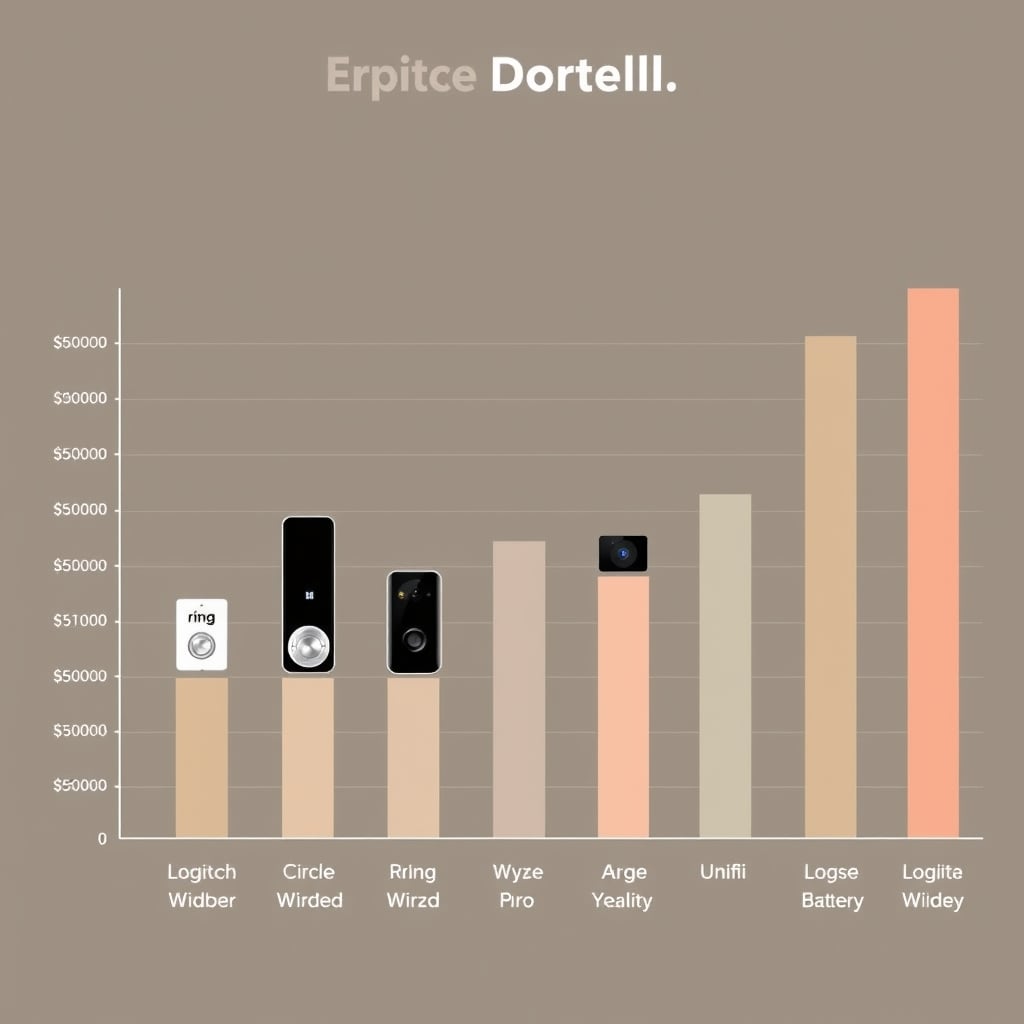
Comparison Table: Smart Doorbell Cameras at a Glance
| Video Doorbell | Video Resolution | Field of View | Night Vision | Storage Options | Smart Home Compatibility | Power Type | Price Tier |
|---|---|---|---|---|---|---|---|
| Logitech Circle View Wired | 1080p | 180° | IR + enhanced night vision | Cloud & local | Google Home | Wired | $$ |
| Wyze Video Doorbell | 1080p | 120° | IR | Cloud & local | Alexa, Google Home | Battery | $ |
| Logitech Circle View Wired Plus | 1440p | 180° | IR + color night vision | Cloud & local | Google Home | Wired | $$$ |
| Ring Video Doorbell Pro | 1536p | 160° | IR | Cloud & local | Alexa | Wired | $$ |
| Arlo Essential Video Doorbell | 1080p | 180° | IR | Cloud & local | Alexa, Google Home | Wired or Battery | $$ |
| UniFi G4 Doorbell | 2K / 1080p | 160° | IR | Local | HomeKit (via integration), RTSP | Wired | $$$ |
| Logitech Circle View Battery | 1080p | 180° | IR | Cloud & local | Google Home | Battery | $$ |
The Best Overall: Logitech Circle View Wired
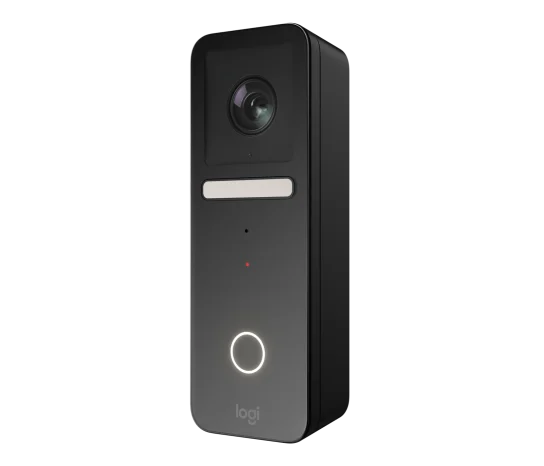
What it is: Logitech Circle View Wired a wired, 1080p doorbell with 180-degree field of view, infrared night vision, and both cloud and local storage options. It integrates directly with Google Home and works with Google Assistant voice commands.
What stands out: The 180-degree lens is genuinely wider than most competitors. Owner reports we’ve reviewed consistently praise the video clarity and the fact that you can save video locally to a microSD card without paying a subscription. Two-way audio is clear and low-latency. Setup with Google Home is straightforward if you have a Google Nest or use Google Home, this doorbell feels native to the ecosystem.
The catch: You need existing 24V doorbell power (a transformer) for wired installation. If your house doesn’t have one, you’ll either need an electrician or pick a battery model instead. It’s also Google-Home-first Alexa integration is limited.
Price: Around $200–$250 for the hardware; cloud storage is optional (roughly $2–$6/month for extended video history, as of July 2026).
Who it’s best for: Google Home users with wired doorbell infrastructure who want reliable video without forced subscription costs.
Who it’s not for: Alexa-primary households or renters without wired power available.
Best Budget Pick: Wyze Video Doorbell
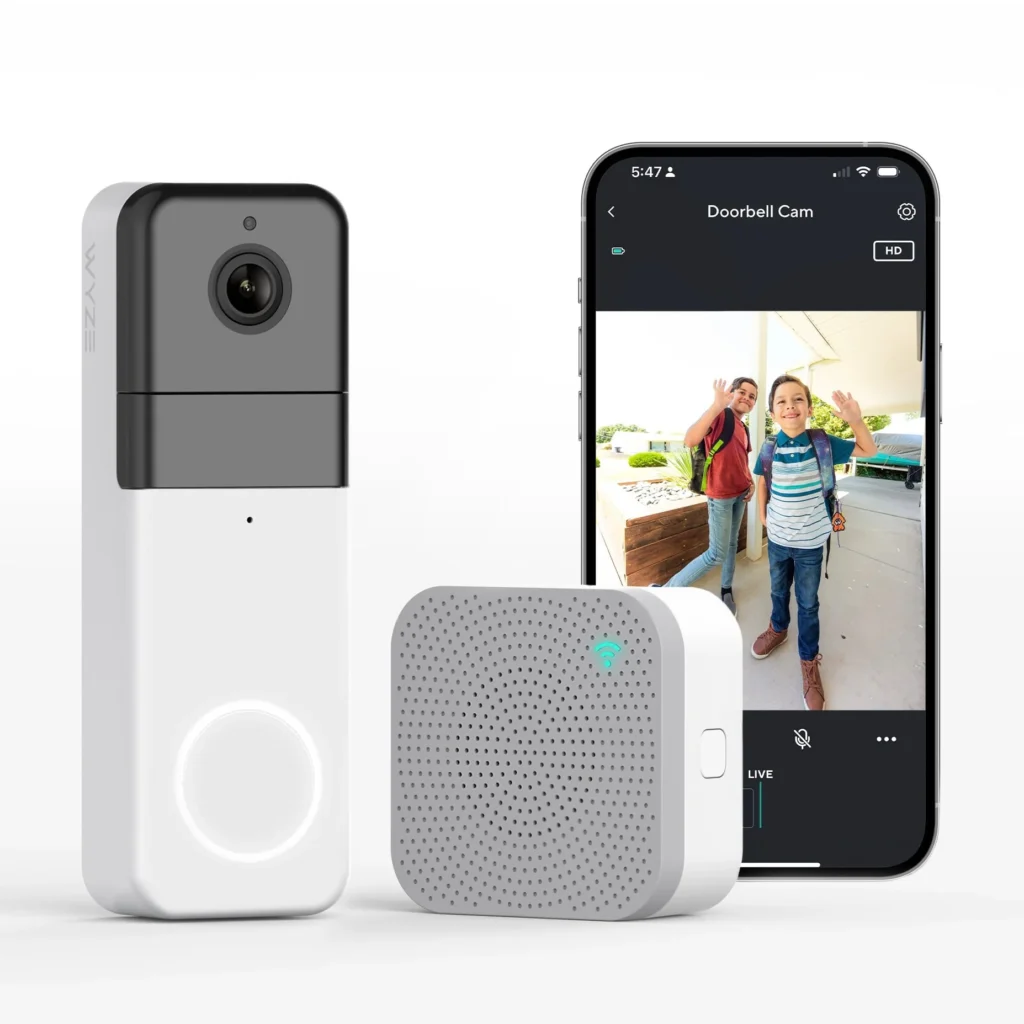
What it is: Wyze Video Doorbell a battery-powered 1080p doorbell with 120-degree field of view and basic infrared night vision. Works with Alexa and Google Home.
What stands out: This is the entry-level doorbell that doesn’t feel cheap. Video quality is sharp, motion detection is responsive, and the price tag is roughly $50–$80. Owner reports suggest battery life of 2–4 months between charges depending on traffic and alert frequency. Setup takes minutes just screw it to your existing doorbell frame and pair it with your Wi-Fi.
The catch: The 120-degree field of view is narrower than pricier models, so you’ll miss some lateral footage. Night vision is basic infrared (black and white), not enhanced. Battery recharging is a maintenance chore if you forget about it. Two-way audio works but has slight latency.
Price: $60–$80 for hardware; cloud video history requires a subscription (roughly $1.50–$3/month, as of July 2026).
Who it’s best for: Renters and budget-conscious homeowners who want basic video coverage without wiring work or high ongoing costs.
Who it’s not for: Anyone who can’t afford battery recharging interruptions or who needs advanced night vision.
Best Upgrade Pick: Logitech Circle View Wired Plus
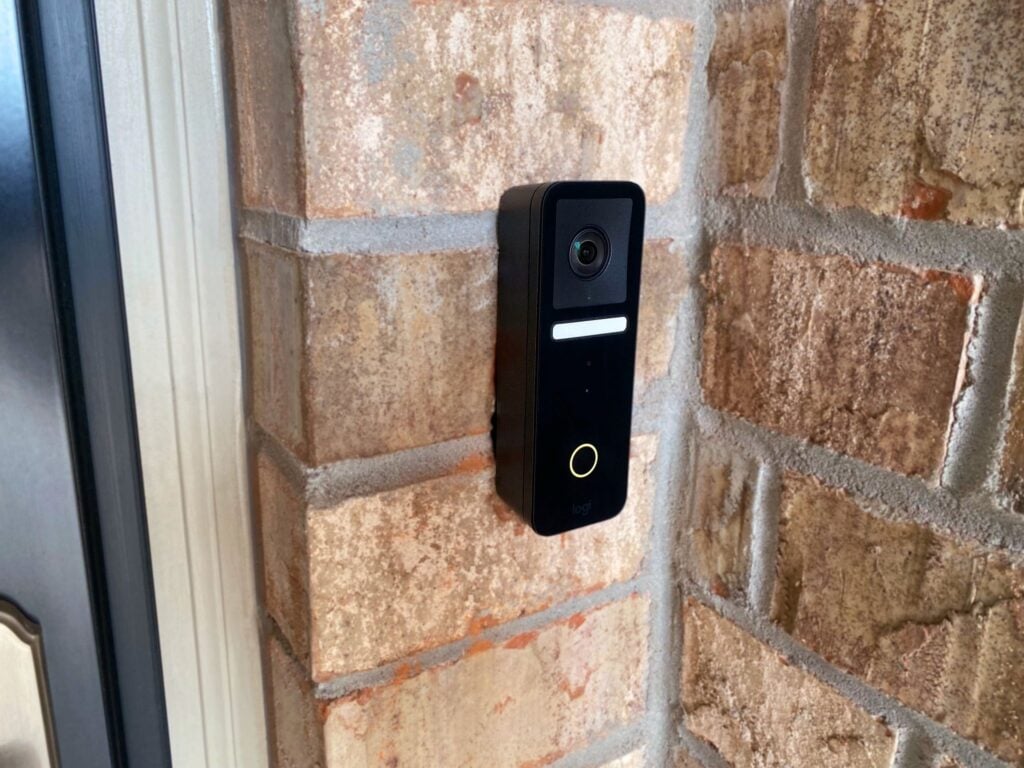
What it is: Logitech Circle View Wired Plus the premium version of the Circle View Wired, with 1440p resolution, color night vision, and a wider feature set. Wired power, Google Home integration.
What stands out: 1440p resolution captures more detail package labels and faces are legible at distance. Color night vision is a genuine upgrade: owner reports consistently note the ability to spot colors (a package color, clothing details) at night instead of relying on monochrome IR imaging. The 180-degree field of view is the same as the standard model. Advanced motion detection with AI filtering reduces false alerts from wind-blown debris. Professional-grade build quality.
The catch: Requires wired installation. At around $350–$400, this is a significant jump from the standard Circle View. The color night vision is excellent but not magic it still performs best with some ambient light (a porch light or nearby streetlight).
Price: $350–$400 hardware; optional cloud subscription ($3–$6/month, as of July 2026).
Who it’s best for: Google Home users with existing wired power who prioritize video detail and night vision quality and have a budget to match.
Who it’s not for: Alexa-only homes or anyone without wired doorbell infrastructure.
Best for Alexa Integration: Amazon Ring Video Doorbell Pro
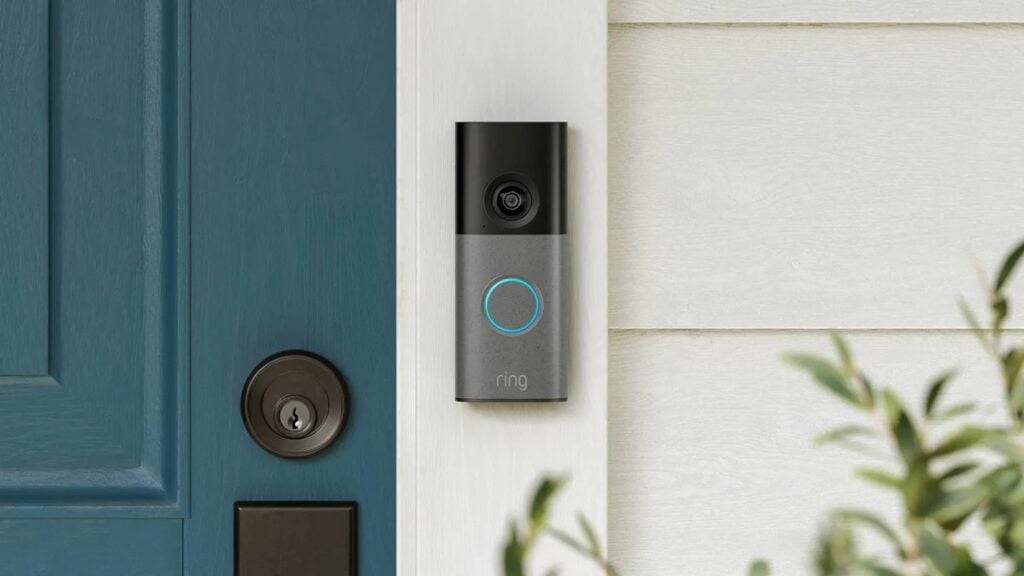
What it is: Amazon Ring Video Doorbell Pro a 1536p wired doorbell optimized for Amazon’s Alexa ecosystem. Two-way audio, infrared night vision, local and cloud storage.
What stands out: If you live in Alexa-land (Echo devices, Alexa routines, smart home automation), the Ring Pro integrates seamlessly. Motion alerts appear on your Echo Show instantly. You can speak through any Alexa device to visitors. Field of view is 160 degrees, which is solid. Video quality is sharp, and night vision is reliable.
The catch: Requires wired installation. Ring’s subscription model is more aggressive than Logitech’s extended cloud storage requires a Ring Protect subscription (roughly $3–$12/month depending on the plan, as of July 2026). Local storage (microSD) is an option but less intuitive than Logitech’s approach. Some owner reports note that Ring’s motion detection generates more false alerts than competitors, especially on busy streets.
Price: $200–$250 hardware; subscription required for cloud video ($3–$12/month).
Who it’s best for: Alexa users with wired doorbell power who are comfortable with Ring’s subscription ecosystem.
Who it’s not for: Google Home users, people who dislike subscription costs, or those looking for minimal false-alert motion detection.
Best Field of View: Arlo Essential Video Doorbell
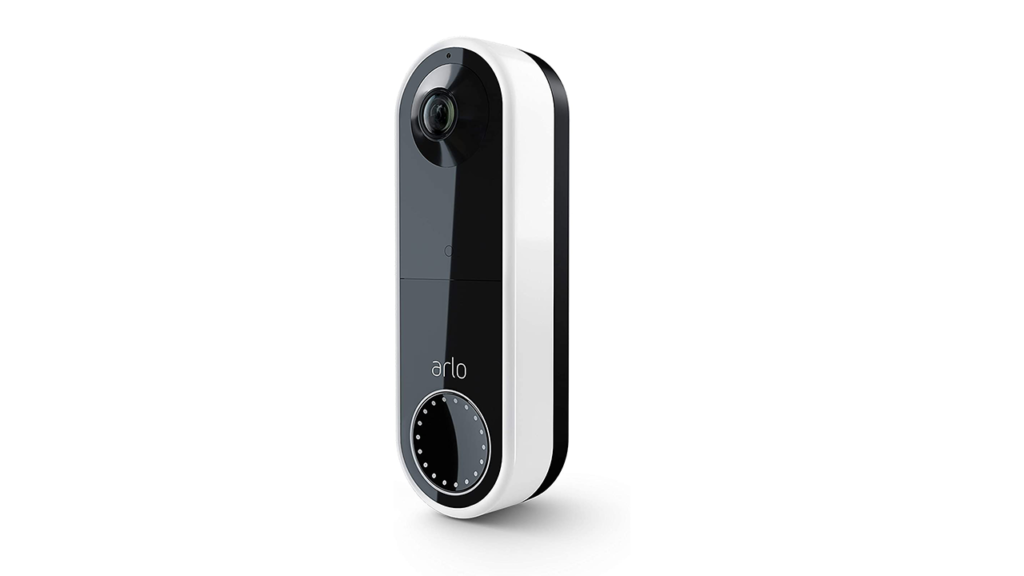
What it is: Arlo Essential Video Doorbell a 1080p doorbell with 180-degree field of view (matching Logitech’s Circle View). Available in both wired and battery-powered versions. Works with Alexa and Google Home.
What stands out: The 180-degree lens is as wide as they come you’ll see well around corners. Arlo’s motion detection is tuned to be less chatty than Ring, which owner reports suggest reduces false alerts. The battery-powered version is genuinely convenient for renters. Two-way audio is clear. Night vision is infrared.
The catch: At 1080p, video resolution is lower than the Ring Pro or Logitech Plus. Arlo’s cloud storage requires a subscription (roughly $3–$12/month depending on plan tier, as of July 2026). The battery version needs charging every 3–6 months depending on traffic. Installation is simple but the wired version still needs doorbell power.
Price: $150–$200 hardware; subscription for cloud storage ($3–$12/month).
Who it’s best for: Anyone who wants maximum field of view and doesn’t need 4K resolution. Works well for both Alexa and Google Home users.
Who it’s not for: People who prefer wired-only (the battery version) or those seeking premium video resolution.
Best for Local Storage Only: Ubiquiti UniFi G4 Doorbell
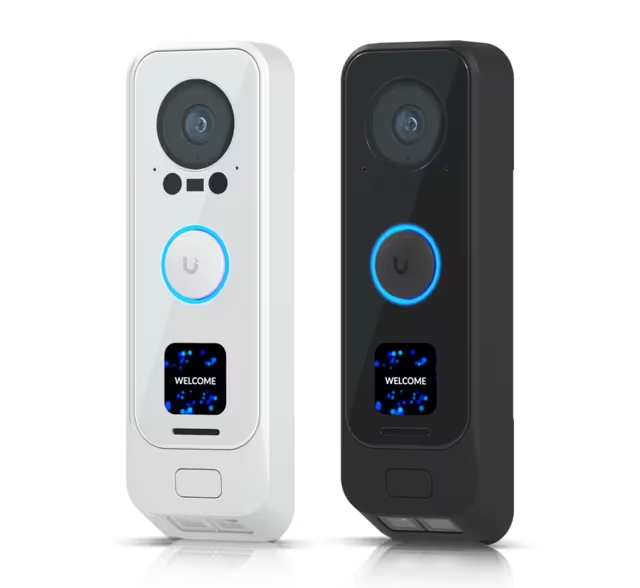
What it is: Ubiquiti UniFi G4 Doorbell a 2K wired doorbell that records directly to local storage (microSD card or UniFi NVR) with no cloud requirement. Integrates with HomeKit (Apple) and RTSP streams for other ecosystems.
What stands out: This is the pick if you’re privacy-conscious or don’t want cloud subscriptions. All video stays on your local network. 2K resolution is excellent. Night vision is infrared. If you already own UniFi networking gear, this doorbell integrates perfectly. Setup feels more technical but rewarding.
The catch: No cloud backup if your microSD card fails, footage is lost. Requires wired installation and a UniFi NVR or compatible NAS for continuous recording. No Alexa or Google Home native integration (you’d need to use RTSP/HomeKit workarounds). More expensive upfront than cloud-subscription models, though lower lifetime cost if you record long-term. Installation is moderately technical.
Price: $300–$350 hardware; no ongoing subscription costs (but storage hardware required).
Who it’s best for: Privacy-focused users, HomeKit owners, or anyone running a UniFi network who want to avoid cloud services entirely.
Who it’s not for: Renters, people without networking knowledge, or those needing multi-device cloud backup.
Best Battery Doorbell: Logitech Circle View Battery
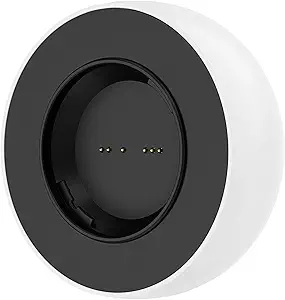
What it is: Logitech Circle View Battery the battery-powered version of Logitech’s Circle View, with 1080p video, 180-degree field of view, and Google Home integration.
What stands out: This is Logitech’s answer to renters and people without wired power. Owner reports suggest battery life of 4–6 months between charges for typical use. The 180-degree lens is the same as the wired version. Setup is quick (just attach and pair). Video quality and night vision are solid.
The catch: Charging is a semi-annual chore. Battery performance degrades in cold weather some owner accounts note reduced battery life below 40°F. The battery is not user-removable, so you must charge the entire unit. Night vision is infrared, not color.
Price: $200–$250 hardware; optional cloud subscription ($2–$6/month).
Who it’s best for: Renters, Google Home users without wired doorbell infrastructure, and anyone who prefers no installation work.
Who it’s not for: Those who need color night vision or live in very cold climates where battery drain is steep.
What We Cut and Why
Logitech Circle View Wired with Spotlight: We evaluated this wired model, which adds a bright LED light to illuminate your porch at night. The light is genuinely useful for startling intruders and improving video quality, but at $280–$320, it costs $80–$100 more than the standard Circle View Wired and adds a monthly subscription for the light schedule feature. If a bright porch light already exists near your doorbell, the Spotlight is redundant. We prioritized the standard Circle View Wired as the better value.
Ring Video Doorbell (standard model): The non-Pro version drops to 1080p, still charges a subscription, and loses the advanced motion detection. At $100–$130, it’s cheaper than the Pro, but the video quality difference and additional false alerts make it a middling choice. We cut it in favor of the Wyze budget pick, which offers comparable 1080p at lower cost.
How We Chose
We researched currently available smart doorbells by comparing published specifications (resolution, field of view, night vision type, storage options), reviewing aggregated owner feedback from forums and retailer reviews, and evaluating smart home ecosystem integration. We did not conduct hands-on testing but relied on owner-reported real-world performance patterns for durability, motion detection accuracy, and battery life. Picks were selected on merit across price ranges, with priority given to video clarity, field of view, honest subscription costs, and seamless smart home connectivity. We excluded models with significant owner-reported reliability issues or overly aggressive subscription models.
Smart Home Integration: Which Doorbell Works With Your Setup?
Google Home: Logitech Circle View (standard and Plus), Circle View Battery, and Arlo Essential all integrate natively with Google Home.
Alexa: Ring Video Doorbell Pro, Amazon’s own models, and Arlo Essential integrate directly with Alexa. Wyze works with Alexa as well.
HomeKit (Apple): UniFi G4 is the only HomeKit-native option in this roundup. Other models lack HomeKit support.
Which smart home system do you use? If you’re all-in on Google, the Logitech models are the most friction-free. If you’re team Alexa, Ring or Arlo make sense. If you’re on HomeKit, UniFi G4 is your choice and worth the learning curve for local storage.
Subscription Costs Explained
Every cloud-based doorbell charges a subscription for video history longer than 24 hours. Here’s what to expect as of July 2026:
- Logitech Circle View: Optional cloud storage ($2–$6/month or roughly $20–$60/year); local storage is free.
- Ring Protect: $3–$12/month depending on plan (single device vs. home). Many people sign up for the middle tier (~$6–$8/month).
- Arlo Secure: Similar to Ring, typically $3–$12/month.
- Wyze Plus: Around $1.50–$3/month, among the cheapest.
- UniFi/HomeKit: No ongoing subscription (local storage only).
Our take: If you plan to keep 7–30 days of video history, plan for $3–$10/month per doorbell. Two doorbells can run $6–$20/month. Local storage (microSD or NVR) costs more upfront but has zero recurring cost.
Frequently Asked Questions
What’s the best smart doorbell camera overall? The Logitech Circle View Wired is the best overall pick for most people. It delivers a wide 180-degree view, reliable video, optional local storage, and no forced subscriptions all at a reasonable price for Google Home users.
Can I install a smart doorbell if I don’t have existing doorbell wiring? Yes. Battery-powered models like the Wyze Video Doorbell or Logitech Circle View Battery require no wiring just attach them to your existing doorbell mounting plate and pair with Wi-Fi. Installation takes 5–10 minutes.
Is 1080p good enough or should I get 4K? For a doorbell, 1080p is adequate for most uses (identifying visitors, reading package labels, spotting license plates). 1440p or 2K (like the Logitech Plus or UniFi) is noticeably sharper and helps with night vision detail. True 4K is overkill for a doorbell and burns through storage faster.
Which doorbell has the best night vision? The Logitech Circle View Wired Plus has the most useful night vision thanks to color night vision, which lets you see colors and fine details at night instead of relying on monochrome IR. Standard IR night vision (on most doorbells) is sufficient but doesn’t capture color information.
How long do doorbell camera batteries last? Based on owner reports we’ve reviewed, battery-powered doorbells (Wyze, Logitech Circle View Battery, Arlo battery) last 2–6 months between charges depending on motion alert frequency and outside temperature. Cold weather reduces battery life significantly.

Final Verdict
Verdict: Kept. Smart doorbell cameras have matured into reliable, affordable security tools. The Logitech Circle View Wired is the top pick because it balances video quality, field of view, storage flexibility, and cost without forcing you into subscriptions. If you’re on Alexa, the Ring Pro is a solid alternative. If you’re a renter or need zero installation work, the Wyze Video Doorbell delivers surprising value at the budget tier. Pick the one that matches your smart home ecosystem and installation constraints you won’t regret adding one.