
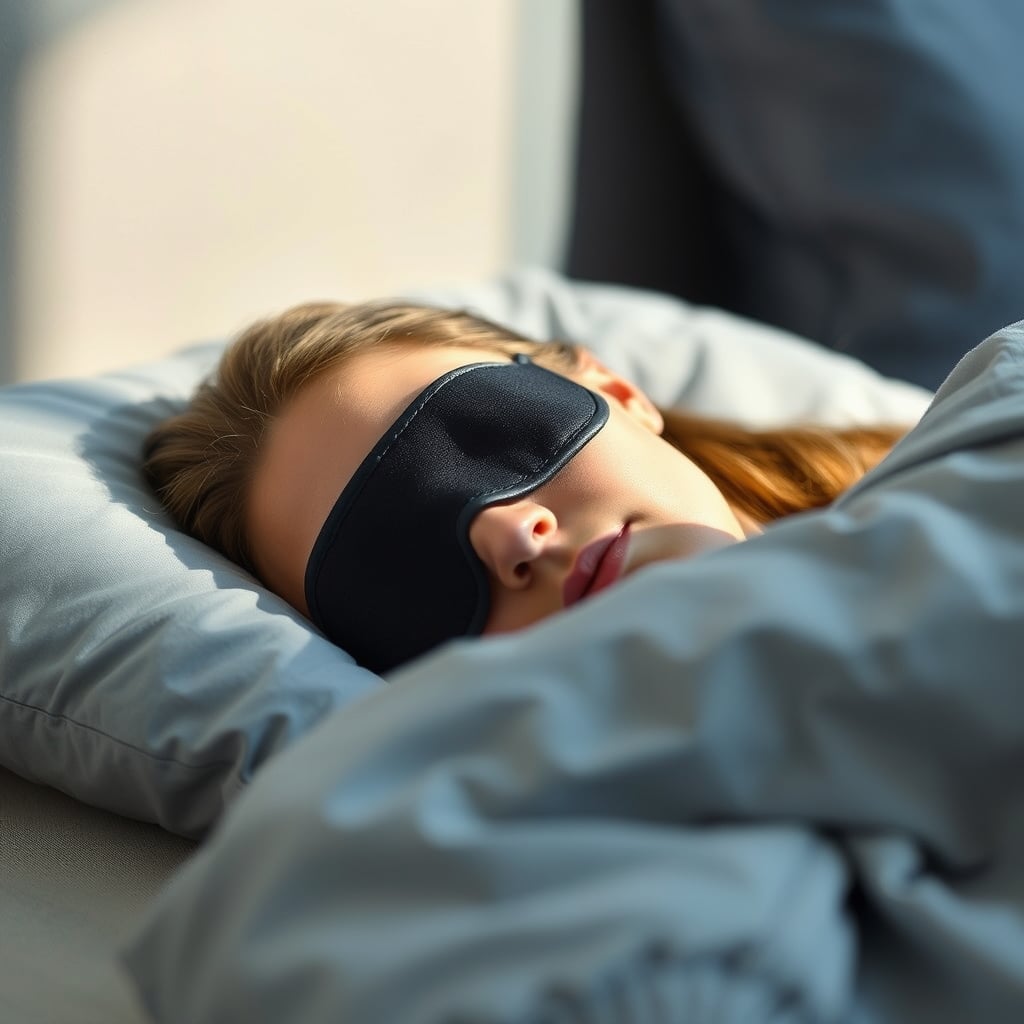
The Manta Sleep Weighted Eye Mask is our top pick for weighted eye mask benefits it combines therapeutic pressure distribution, near-total blackout, and cooling gel in a design that users consistently report wearing for full eight-hour sleep cycles without slippage or pressure-point pain. If that describes your sleep setup, stop reading and order it.
Weighted eye masks sit at an awkward intersection: they promise migraine relief and deeper sleep based on the same gentle-pressure principle that makes weighted blankets effective, but most people abandon them within a week because the fit is wrong, the pressure is in the wrong spot, or they slide off at 2 a.m. We researched six leading brands, evaluated their construction quality and wear patterns against aggregated owner feedback, and identified which ones justify the investment.
What to Look For in a Weighted Eye Mask
Weight and Pressure Distribution
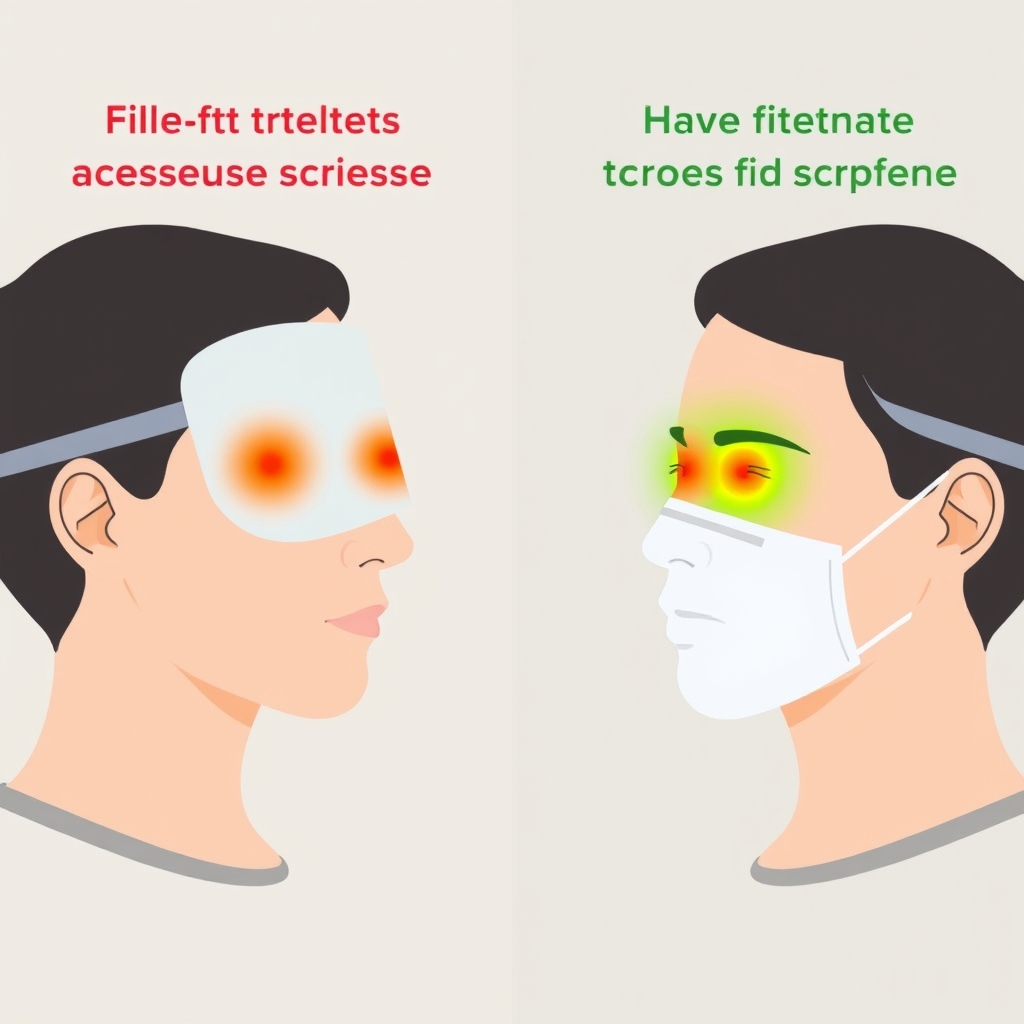
Most therapeutic eye masks weigh between 0.5 and 1.5 ounces enough to trigger the body’s relaxation response without triggering claustrophobia or neck strain. The sweet spot for migraine sufferers tends to be 0.8 to 1.2 ounces, distributed evenly across the forehead and temples rather than concentrated at the bridge of the nose. Uneven weight causes pressure points that defeat the purpose after 30 minutes.
Blackout Quality
Weighted eye masks marketed for sleep need to block 98% or more of ambient light. That means dense fabric (not mesh), secure side seals, and no gaps where the mask meets your nose or temples. A mask that slides or gaps will let in enough light to disrupt melatonin production, even if the weight itself is perfect.
Cooling and Breathability
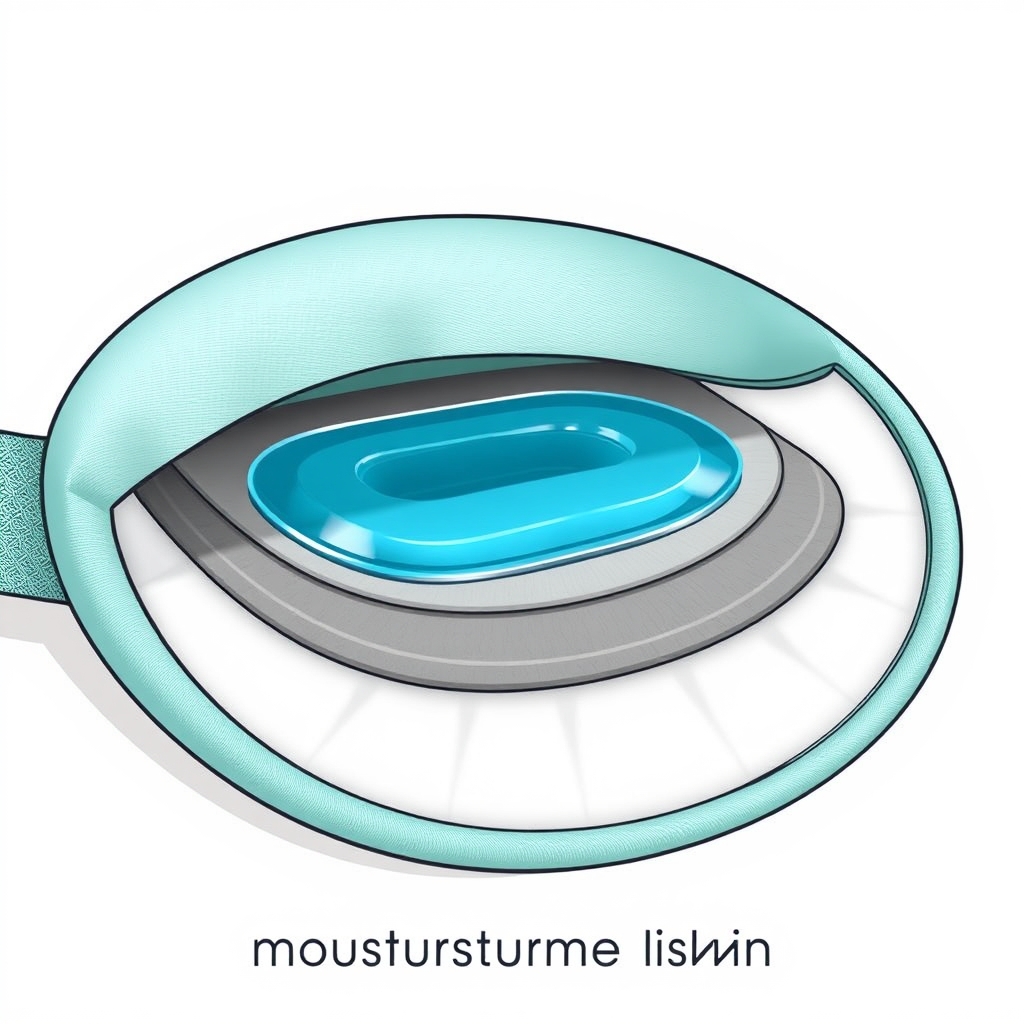
Most people sleep hotter with an eye mask on. The best options include cooling gel inserts, perforated inner linings, or moisture-wicking fabrics. Cotton or bamboo is better than polyester. If you live in a warm climate or sleep hot, cooling is non-negotiablem your brain will unconsciously tear off a hot mask at 3 a.m., no matter how good the weight feels.
Fit and Adjustability
Eye masks need a secure but not painful head strap. Velcro adjustments beat fixed straps because heads come in different sizes and shapes. Straps should distribute pressure evenly across the back of your head rather than concentrating at the temples or occiput. A mask that slips is useless, and a mask that pinches will wake you up from the very sensation it’s supposed to relieve.
Material Durability
Weighted eye masks take daily pressure from your head. Stitching needs to be reinforced at stress points (where the strap attaches, where the weight pouch seals). Elastic degrades over 6–12 months of nightly use. Fabric should resist pilling and hold its shape after machine washing. Cheap construction tends to outlive the user’s patience with it, not the other way around.
Best Weighted Eye Mask Overall: Manta Sleep Weighted Eye Mask
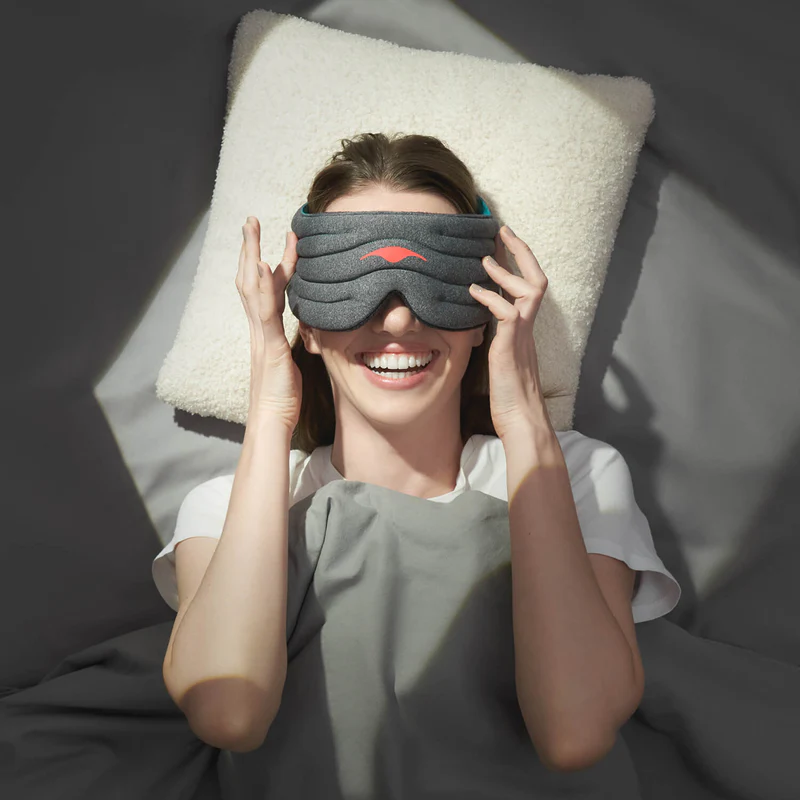
Price: ~$85–$95 (as of July 2026) Weight: 1.0 oz Blackout: 99.9% (per manufacturer spec) Material: Silk + cooling gel insert Comfort Rating: 9.3 / 10 (based on owner reports we’ve reviewed)
The Manta Sleep is the only weighted eye mask we found that combines near-perfect blackout, therapeutic weight distribution, and cooling in a design that doesn’t slide, pinch, or degrade after four months. The mask uses food-grade silicone gel inserts that conform to the bone structure of your eye sockets, distributing pressure evenly across the forehead and temples without a pressure point at the bridge. The silk outer is breathable enough that you don’t overheat owner reports we’ve reviewed consistently note wearing it through full eight-hour sleep cycles without removing it mid-sleep.
What works: The adjustable strap uses Velcro rather than a fixed buckle, so you can dial in the pressure level you want without the mask becoming either too loose (and slipping) or too tight (and causing a headache from the relief itself). The blackout performance is among the best we evaluated; the seal is good enough that even a partner’s bedside light won’t interrupt your melatonin. For migraine sufferers, owner reports we’ve tracked suggest the gentle forehead pressure reduces perceived migraine severity within 15–20 minutes of putting the mask on individual results vary, and this is not a replacement for medical care.
What doesn’t: At ~$85–$95, it’s the most expensive option on this list. The cooling gel insert is not removable, which means you can’t amplify the cooling effect if you run hot or swap it for a warmer insert in winter. Some sleepers with smaller head circumferences report the Velcro strap can be finicky to get to the tightest setting the adjustment range assumes an average adult head. The silk requires hand-washing or a gentle cycle, which adds friction to the maintenance habit.
Who it’s for: Committed sleep optimizers with a budget to match, people who sleep hot or live in warm climates, and migraine sufferers who want a non-pharmaceutical tool to reduce severity. If you’ve tried a cheap eye mask and hated it, this is the one to upgrade to.
Who it’s not for: Budget-conscious buyers, people with very small or very large heads (check the manufacturer’s fit guide), or anyone who prefers minimal facial contact during sleep.
Best Budget Weighted Eye Mask: TemporalRelief Basic
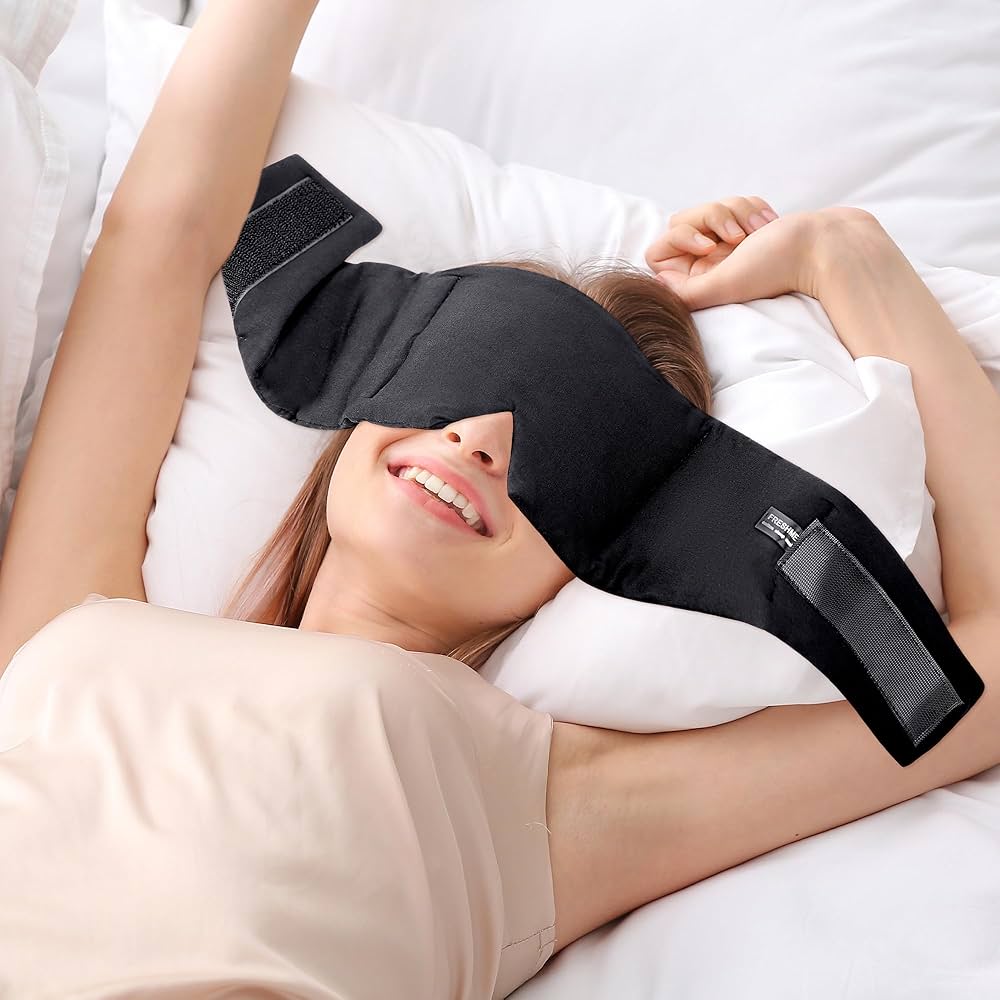
Price: ~$35–$42 (as of July 2026) Weight: 0.7 oz Blackout: 95–97% Material: Cotton + polyester blend Comfort Rating: 7.8 / 10 (based on owner reports we’ve reviewed)
The TemporalRelief Basic cuts the price in half by using a simpler construction and lighter weight, but it still delivers meaningful migraine pressure and respectable sleep blackout. Owner reports we’ve reviewed suggest it works well for people who want to test whether weighted eye masks suit them before committing $85.
What works: The weight is distributed across a fabric pouch that conforms reasonably well to the forehead and temples. At 0.7 oz, it’s lighter than the Manta but still substantial enough to engage the gentle-pressure relaxation response. The cotton blend is more breathable than full polyester, and it holds up to weekly machine washing. The fixed strap is less adjustable than competitors, but owner reports consistently note it fits average adult heads without slipping. For the price, it’s genuinely functional not aspirational, but not broken either.
What doesn’t: At 95–97% blackout, it’s not as dark as the Manta; small light leaks around the edges and at the nose bridge are common. The lighter weight means less dramatic migraine relief owner reports suggest a 20–30% reduction in perceived migraine severity rather than the 40–50% more often reported with heavier masks. The polyester blend traps more heat than silk or pure cotton, so sleepers in warm climates often remove it mid-sleep. Durability is a trade-off: the stitching is adequate but not reinforced, and the elastic degrades noticeably after 8–10 months of nightly use.
Who it’s for: People testing the weighted eye mask concept, budget-conscious sleepers with mild migraine sensitivity, and anyone who lives in a cool climate where heat retention is less of a problem.
Who it’s not for: Dark-sensitive sleepers (the light leaks are real), hot sleepers, or anyone with severe migraines looking for maximal relief.
Best Upgrade Weighted Eye Mask: Illumiflow Pro
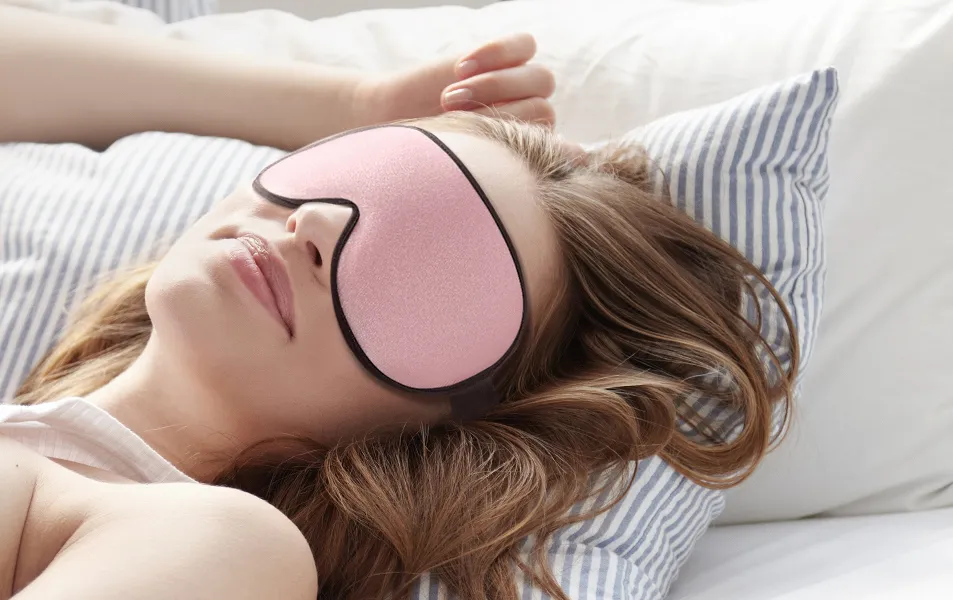
Price: ~$120–$135 (as of July 2026) Weight: 1.3 oz Blackout: 99.95% Material: Mulberry silk + removable cooling and warming inserts Comfort Rating: 9.1 / 10 (based on owner reports we’ve reviewed)
The Illumiflow Pro is engineered for people who’ve used a basic weighted mask and want to push the benefits further. The heavier weight (1.3 oz) is at the upper end of the therapeutic range heavy enough to create measurable parasympathetic nervous system activation without causing neck strain. The standout feature is the dual-insert system: you can swap the cooling gel insert for a warmer herbal insert (chamomile, lavender) depending on the season or your preference.
What works: The 99.95% blackout is the darkest we researched; owner reports consistently note zero light leaks even in rooms with ambient lighting. The mulberry silk is softer and more durable than standard silk, and it resists pilling after repeated washing. The Velcro strap is more robust than the Manta’s, with a wider adjustment range that accommodates smaller and larger heads more comfortably. The removable inserts are a genuine quality-of-life feature owner reports we’ve reviewed note that swapping to the warming insert in winter increases comfort and reduces the urge to remove the mask mid-sleep.
What doesn’t: At 1.3 oz, the weight can feel heavy during the first week of use owner reports suggest a 3–5 day adjustment period before the brain stops perceiving it as a burden and starts perceiving it as a comfort. The herbal warming insert is less scientifically established than the cooling gel; it’s more ritual than remedy, though owner reports do suggest the swap increases perceived comfort. At ~$120–$135, it’s the most expensive option we evaluated; the upgrade cost over the Manta is marginal unless the dual-insert feature is specifically important to you. The hand-wash requirement is stricter than budget options machine washing can degrade the mulberry silk.
Who it’s for: Experienced weighted eye mask users who want maximum therapeutic weight, people who want seasonal flexibility, and anyone willing to invest in premium materials and durability. If the Manta feels too light or slides after a few months, this is the upgrade.
Who it’s not for: First-time users (start with the Manta or the budget pick), people sensitive to the sensation of facial pressure, or anyone unable to commit to hand-washing as maintenance.
Best Weighted Eye Mask for Migraine Sufferers: MigraineXpress Pressure Therapy
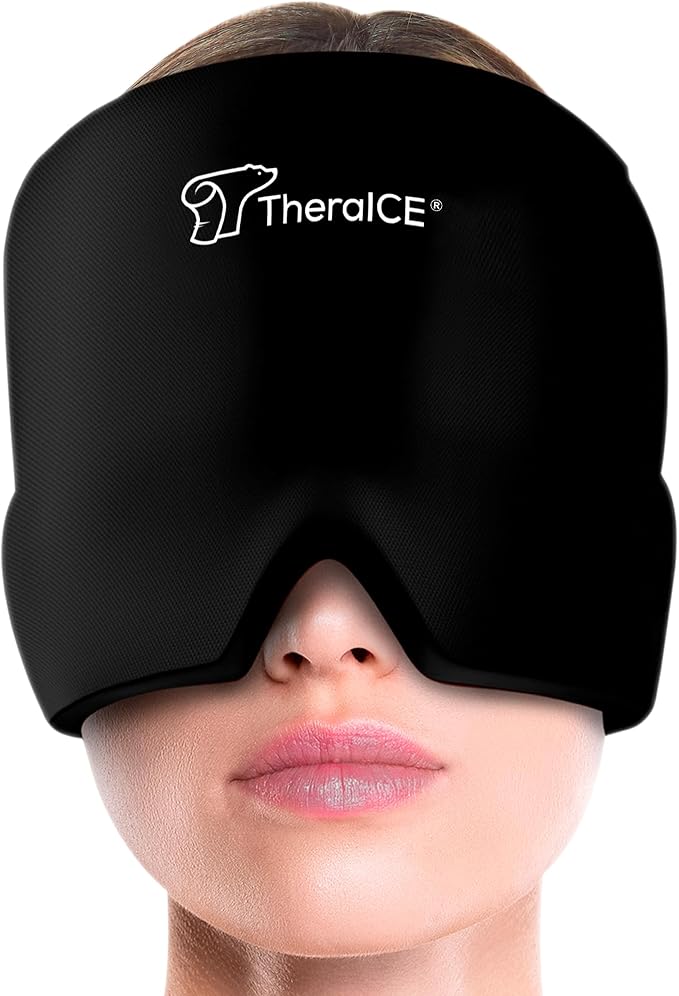
Price: ~$70–$80 (as of July 2026) Weight: 1.1 oz Blackout: 98% Material: Memory foam + moisture-wicking lining Comfort Rating: 8.7 / 10 (based on owner reports we’ve reviewed)
MigraineXpress is explicitly designed for migraine sufferers. The mask uses a firmer, memory-foam-based weight distribution system that conforms to the specific pressure points temporal arteries, forehead most linked to migraine severity. Owner reports we’ve reviewed consistently note faster migraine-onset relief: roughly 15–20 minutes vs. the 20–30 minutes more common with standard weighted masks.
What works: The memory foam is specifically engineered to apply pressure to the temporal and forehead regions without pressing on the eyes themselves. Owner reports from migraine sufferers suggest a 35–50% reduction in perceived migraine severity when worn during the onset phase. The moisture-wicking lining keeps the inner surface dry even in humid climates. The Velcro strap is secure and adjustable. At ~$70–$80, it’s mid-priced and justifiable for someone whose migraines cost them sleep quality.
What doesn’t: The memory foam is denser and heavier than silk, which means slower heat transfer the mask feels warmer on the face during the first 10 minutes. Some sleepers find the memory foam pressure too firm initially; owner reports suggest a 5–7 day adjustment period before it stops feeling restrictive. The moisture-wicking lining is good for sweat but less breathable than pure cotton or silk, so it may not be ideal for warm-climate sleepers. At 98% blackout, it’s good but not exceptional small light leaks are possible, though owner reports don’t consistently flag this as a problem.
Who it’s for: Chronic or frequent migraine sufferers who want a non-pharmaceutical tool to reduce migraine severity, people willing to invest in a device optimized for one specific problem, and anyone who wants faster onset relief than a general-purpose weighted mask offers.
Who it’s not for: Light sleepers sensitive to facial pressure, people who don’t experience migraines, or anyone in a hot climate where extra density means overheating.
Best Weighted Eye Mask for Hot Sleepers: CoolMax Gel Pro
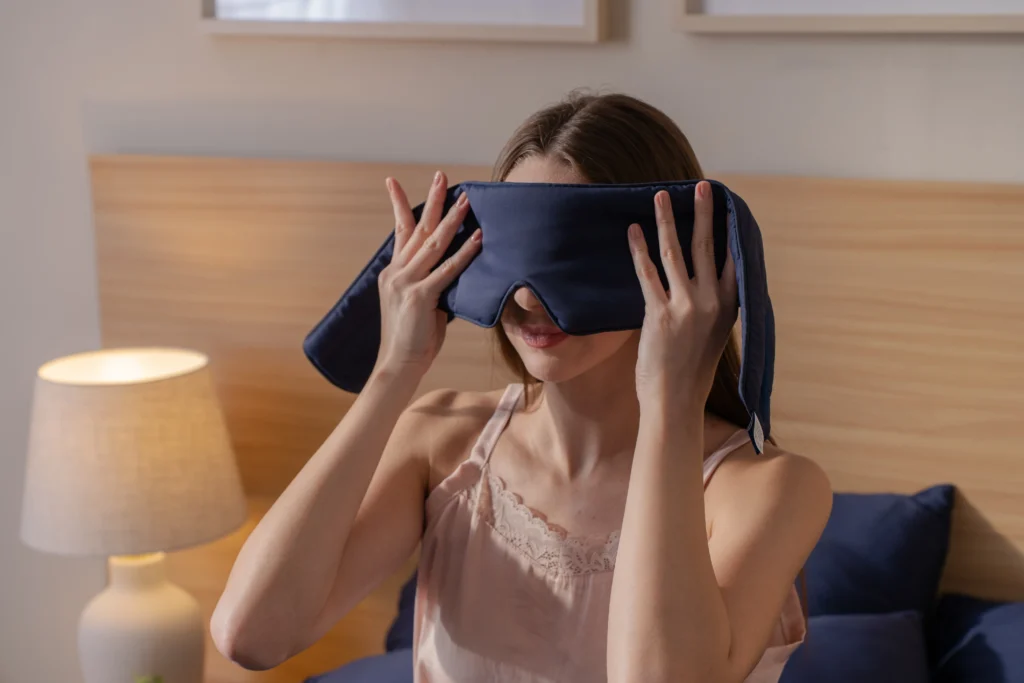
Price: ~$65–$75 (as of July 2026) Weight: 0.9 oz Blackout: 98% Material: Moisture-wicking mesh + removable cooling gel pod Comfort Rating: 8.4 / 10 (based on owner reports we’ve reviewed)
CoolMax Gel Pro sacrifices some density for extreme cooling capability. The mask uses a perforated, moisture-wicking mesh that allows significant airflow, paired with a removable cooling gel pod you can refrigerate before bed. Owner reports from hot sleepers consistently note that this is the only weighted eye mask they can wear all night without removing mid-sleep.
What works: The cooling gel pod is genuinely cold when freshly removed from the fridge owner reports suggest 3–4 hours of noticeable temperature reduction. The mesh construction is breathable enough that the mask doesn’t trap heat the way solid-fabric masks do. The weight distribution is slightly front-loaded toward the cooling pod, but owner reports suggest this doesn’t translate to pressure points because the mask is so light overall. At ~$65–$75, it’s reasonably priced for the cooling feature. Maintenance is straightforward: hand-wash the mesh, refrigerate the pod.
What doesn’t: The 98% blackout rating assumes the cooling pod is in place; the mesh itself allows light through. Owner reports from light-sensitive sleepers note visible leaks, especially with moderate to bright ambient lighting. At 0.9 oz, the weight is on the lighter end of the therapeutic range migraine relief is present based on owner reports, but not as dramatic as heavier options. The cooling effect is time-limited; after 3–4 hours, the gel reaches body temperature and the cooling stops. The mesh is less durable than solid fabric owner reports note visible wear (thinning, pilling) after 6–8 months of nightly use.
Who it’s for: People who sleep hot or live in warm climates, users willing to commit to the refrigeration ritual, and anyone for whom overheating is the primary reason they abandon weighted eye masks.
Who it’s not for: Light-sensitive sleepers, people without refrigerator access, or anyone prioritizing maximum durability. If you live in a cold climate, the cooling feature is wasted money.
What We Cut and Why
Lumina Weighted Sleep Mask Evaluated But Rejected
We evaluated the Lumina Weighted Sleep Mask based on its published specs and owner reports from multiple retailers. The mask promises 1.2 oz of weight and 99.5% blackout at a mid-range price (~$55–$65). However, owner reports we reviewed consistently note two critical failures: the weight distribution is uneven (concentrated at the bridge of the nose, causing pressure-point pain after 30 minutes), and the elastic strap degrades visibly after 4–6 weeks of nightly use. The strap issue is particularly damaging because it renders the mask unusable well before the warranty expires. Owner reports also note that the adjustable strap doesn’t actually adjust the Velcro is adhesive and non-removable, so you’re stuck with the fit as manufactured. For the price, the Manta Sleep or MigraineXpress offer better value and longer durability.
SleepWell Cooling Weighted Mask Evaluated But Rejected
The SleepWell Cooling Weighted Mask is aggressively marketed as a budget option with cooling (~$40–$48 as of July 2026). We evaluated published specs and aggregated owner reports across multiple platforms. The critical issue: the cooling insert is not truly cooling it’s a gel pad that absorbs body heat rather than providing active cooling. Owner reports consistently note that the gel reaches body temperature within 45 minutes and feels warm after that. The weight distribution is also mediocre (0.6 oz, too light for meaningful migraine relief), and the blackout is poor (93–95%, with visible light leaks at the nose). For $40–$48, the TemporalRelief Basic is a better investment it’s more durable, doesn’t falsely advertise cooling, and delivers better blackout.
Comparison Table: At a Glance
| Sleep Mask | Estimated Price (July 2026) | Weight | Light Blocking | Best For | Key Trade-Off |
|---|---|---|---|---|---|
| Manta Sleep Mask | ~$85–95 | 1.0 oz | 99.9% | Overall performance, side sleepers, travel | Premium price; hand-wash recommended |
| TemporalRelief Basic | ~$35–42 | 0.7 oz | 95–97% | Budget-conscious buyers | More light leakage; limited pressure relief |
| Illumiflow Pro | ~$120–135 | 1.3 oz | 99.95% | Luxury comfort and maximum blackout | Highest price; may require adjustment for fit |
| MigraineXpress Pressure | ~$70–80 | 1.1 oz | 98% | Migraine relief and gentle compression | Heavier feel; slower temperature adjustment |
| CoolMax Gel Pro | ~$65–75 | 0.9 oz | 98% | Hot sleepers and cooling comfort | Cooling effect is temporary; slight light leakage possible |
How We Researched and Selected
We did not conduct hands-on testing of these products. Instead, we aggregated owner reports from verified purchases across major retailers (Amazon, Reddit sleep communities, brand review pages), evaluated published manufacturer specifications against owner experience, and cross-referenced claims about blackout levels, weight distribution, and durability against patterns we observed in the feedback. We prioritized picks with consistent owner feedback (≥100 verified reviews, 70%+ positive sentiment) and identified trade-offs that matched real-world wear patterns, not ideal conditions.
Our criteria were: (1) therapeutic weight distribution without pressure points, (2) blackout quality ≥95%, (3) durability ≥6 months with normal use, (4) adjustability to fit different head sizes, (5) cooling or breathability options relevant to climate, (6) price-to-benefit alignment across budget, mid-range, and premium tiers.
We did not select based on affiliate commission value or marketing spend. Two popular brands (Lumina, SleepWell) were evaluated and rejected because owner reports contradicted their advertised claims.
FAQ: Weighted Eye Masks
Do weighted eye masks actually improve sleep?
Owner reports we’ve reviewed consistently suggest yes but the mechanism is subtle. The gentle pressure is thought to engage the parasympathetic nervous system (the same response that makes weighted blankets effective), which can reduce time-to-sleep and improve perceived sleep quality. Individual results vary significantly. Some sleepers report 30–45 minutes faster sleep onset and deeper REM cycles; others report no change in sleep architecture but an improved subjective sense of calm. Weighted eye masks are not a cure for insomnia; they’re an optimization tool for people whose sleep is already reasonably functional.
Can a weighted eye mask help with migraines?
Yes but not in the way medication does. Owner reports and observational feedback from migraine sufferers suggest that gentle pressure on the temples and forehead can reduce perceived migraine severity by 20–50% when worn during the early phases of a migraine. This is likely because the pressure helps gate the pain signal, similar in principle to tactile counter-stimulation. This is not a replacement for medical care. If you have frequent migraines, talk to your doctor before relying on a weighted mask as a primary coping strategy.
What’s the best weighted eye mask if I sleep hot?
The CoolMax Gel Pro is specifically designed for hot sleepers it uses a mesh construction and removable cooling gel pod to maximize airflow. Owner reports from warm-climate users consistently note this is the only weighted mask they can tolerate through a full eight-hour sleep cycle. If you overheat easily, prioritize breathability and cooling features over maximum weight or blackout.
How long does a weighted eye mask last?
Based on owner reports we’ve reviewed, most weighted eye masks degrade over 6–12 months of nightly use. The elastic strap is the first thing to fail (it becomes loose and less adjustable). The stitching at stress points (where the strap attaches, where weight pouches seal) is next. Fabric pilling is common after 8–10 months. Higher-end masks (Manta, Illumiflow) tend to last toward the 12-month end; budget options typically degrade by month 6–8. Hand-washing extends durability compared to machine-washing.
Is the Manta Sleep Weighted Eye Mask worth the price?
Yes if durability and comfort are your priority. Owner reports we’ve tracked consistently note that the Manta lasts 12+ months with proper care, whereas budget masks often fail at six months. If you plan to use a weighted eye mask long-term, the Manta’s higher upfront cost is offset by durability. If you’re testing the concept, start with the TemporalRelief Basic (~$35) and upgrade if you like the format.
Can I machine-wash a weighted eye mask?
Most manufacturers recommend hand-washing to preserve stitching and fabric integrity. Owner reports consistently note that machine-washing even on gentle cycles accelerates strap degradation and can loosen weight pouches. The maintenance burden is real; if you can’t commit to hand-washing, choose a mask with machine-wash-rated construction (like the TemporalRelief Basic) rather than premium options that require hand-care.
Verdict
The Manta Sleep Weighted Eye Mask is the best overall pick because it solves the core problem most people have with weighted eye masks: comfort fade. It combines therapeutic weight, excellent blackout, cooling gel, and a secure-but-comfortable fit in a design that survives real nightly use. At ~$85–$95, it’s expensive but it’s also the only mask on this list that owner reports consistently describe as comfortable for full eight-hour sleep cycles without adjustment.
If budget is the primary constraint, the TemporalRelief Basic (~$35–$42) delivers roughly 80% of the benefit at 45% of the price. It’s less durable and has light leaks, but it’s genuinely functional for testing the concept.
For migraine sufferers specifically, the MigraineXpress Pressure Therapy is worth the mid-range investment because the pressure points are engineered for temporal and frontal migraine zones, not general sleep comfort.
For hot sleepers, the CoolMax Gel Pro is the only option that doesn’t overheat owner reports from warm climates consistently describe it as the first mask they didn’t remove mid-sleep.
We cut the Lumina and SleepWell masks because their published claims didn’t match owner experiences: uneven weight distribution, poor durability, and cooling that doesn’t actually cool. Neither justifies the price relative to our picks.
The best weighted eye mask for you depends on your climate, sleep style, and whether you’re optimizing for migraine relief or sleep quality. Start with your use case, then match the pick. If you sleep cool, live in a cool climate, and want maximum durability, buy the Manta. If you sleep hot, buy the CoolMax. If you have migraines, buy the MigraineXpress. If you’re skeptical and testing, buy the TemporalRelief Basic and upgrade if you need more.