
Sleep Cycle
Which Sleep Tracker Wins: Loftie or Sleep Cycle?
Loftie wins if you want a distraction-free bedside device that doesn’t rely on your phone. Sleep Cycle wins if you already have a smartphone and prefer a lower-cost, software-only approach. Neither is universally better the choice depends on whether you prioritize hardware separation and acoustic monitoring (Loftie) or smartphone convenience and app ecosystem integration (Sleep Cycle).
Skip Loftie if you’re on a tight budget or already keep your phone by the bed. Skip Sleep Cycle if you want to eliminate phone presence from your sleeping space.
Quick Comparison Table
| Feature | Loftie | Sleep Cycle |
|---|---|---|
| Hardware Required | Dedicated bedside device | Smartphone only |
| Sleep Detection Method | Acoustic/sound-based | Motion-based (actigraphy) |
| Smart Alarm | Yes, sound-based | Yes, motion-based |
| Phone-Free Sleep | Yes | No |
| Setup Complexity | Wi-Fi + proper bed positioning | App download + phone placement |
| Price Tier | ~$150–$200 (estimated retail, as of mid-2026) | ~$25–$60/year (estimated, as of mid-2026; varies by plan and region) |
| Data Export | Via app + Loftie dashboard | Via app |
| Third-Party Integration | Limited | Apple Health, Google Fit, Oura (subject to change with app updates) |
| Subscription Model | Optional premium features | Free tier available; paid tiers for additional insights |
Loftie: The Hardware-First Approach
What It Is
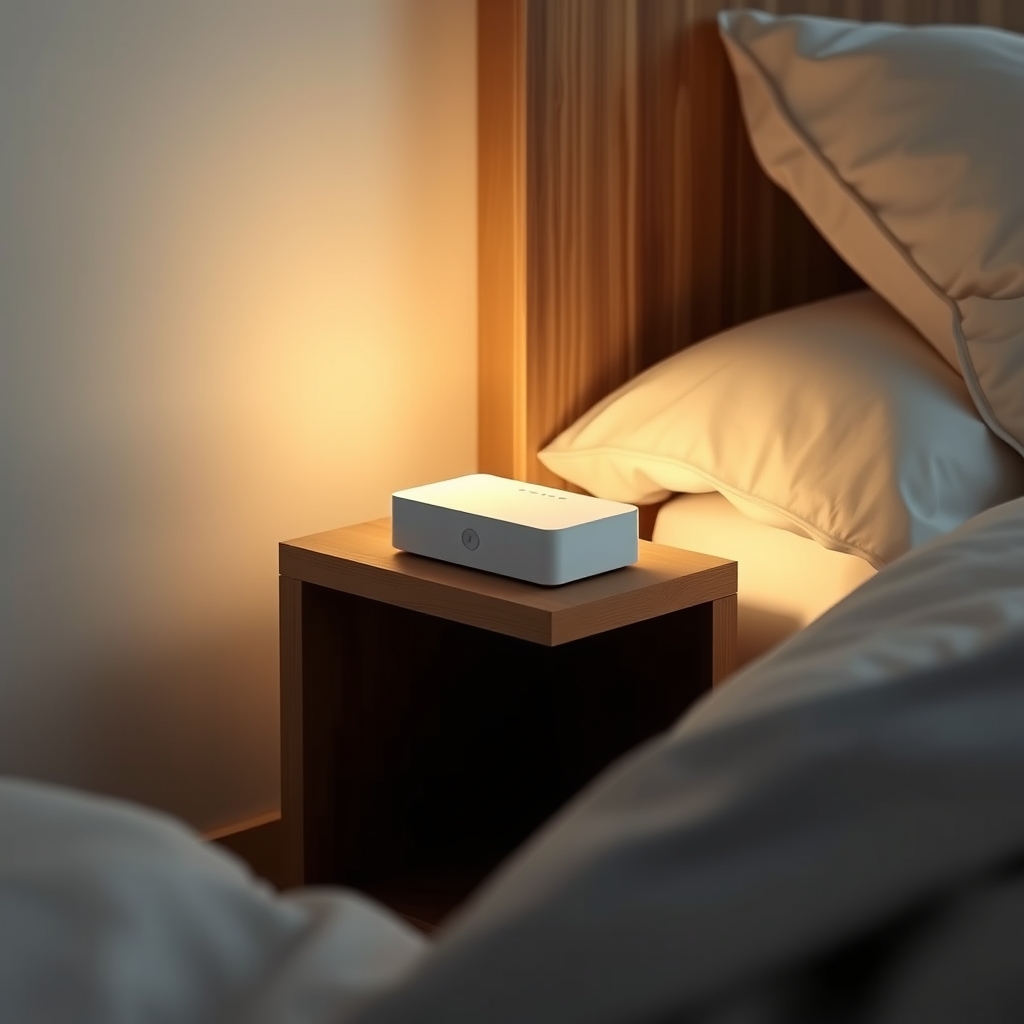
Loftie is a bedside device that looks like a minimalist alarm clock. It uses acoustic sensors to detect sleep cycles by listening to breathing and movement patterns without needing a wearable or phone proximity. It sits on your nightstand, connects to WiFi, and communicates with a companion app for data review and customization.
How It Works
Loftie’s core technology relies on sound waves to map your sleep. The device emits inaudible acoustic signals and listens to how they bounce back off your body. This method is similar to sonar: it detects breathing rate, movement intensity, and body position shifts all without contact sensors or wearables. From that acoustic data, Loftie’s algorithm infers sleep stages (light, deep, REM) and detects when you’re in a lighter sleep phase suitable for waking.
The smart alarm, called “sunrise mode,” gradually brightens the device’s light and plays a gentle sound during a 30-minute window before your target wake time, aiming to rouse you during a lighter sleep stage. The idea is to avoid waking mid-deep-sleep, which often feels groggy.
Strengths
- Phone-free sleep environment: Your smartphone stays off the nightstand. No blue light, no temptation to check messages at 3 a.m., no electromagnetic fields near your head if that concerns you.
- No wearable required: Unlike rings, watches, or bands, you don’t have to remember to charge a wristband or deal with skin irritation.
- Acoustic detection is passive: You don’t have to do anything. Once positioned, Loftie works without input.
- Beautiful industrial design: It’s intentionally minimal and looks decent on a nightstand (versus other clunky alarm clocks).
Weaknesses
- Acoustic detection has real limits: Sound-based sleep staging is newer and less clinically validated than actigraphy (motion-based) or polysomnography. From owner reports we’ve reviewed in community forums, accuracy varies significantly depending on room acoustics, your bed type, and whether a partner shares the bed. Hard surfaces and couples sleeping close together can degrade readings.
- Price and limited ecosystem: At estimated retail of $150–$200 (as of mid-2026), Loftie is not a casual purchase. It integrates poorly with fitness trackers and health apps there’s no Oura Ring sync, no Apple Health export (though a companion app exists).
- Requires WiFi and setup: Unlike a simple app, you need a stable internet connection and must position the device correctly over your bed.
- Limited clinical evidence: While the company has published some research, peer-reviewed validation lags behind competitor devices in owner perception.
Sleep Cycle: The Smartphone-Based Approach
What It Is
Sleep Cycle is an app that runs on your smartphone (iOS or Android). You place your phone on your bed, near your pillow or under the mattress, and the app uses your phone’s accelerometer essentially a motion sensor to detect sleep cycles. It pairs this with heart-rate data if you connect a compatible wearable, though the core tracking works without one.
How It Works
Sleep Cycle’s primary method is actigraphy: movement detection. Your phone’s accelerometer senses micro-movements throughout the night. Larger movements correlate with lighter sleep or REM; smaller, slower movements suggest deeper sleep. The algorithm averages these signals and infers which sleep stage you’re in at any given moment.
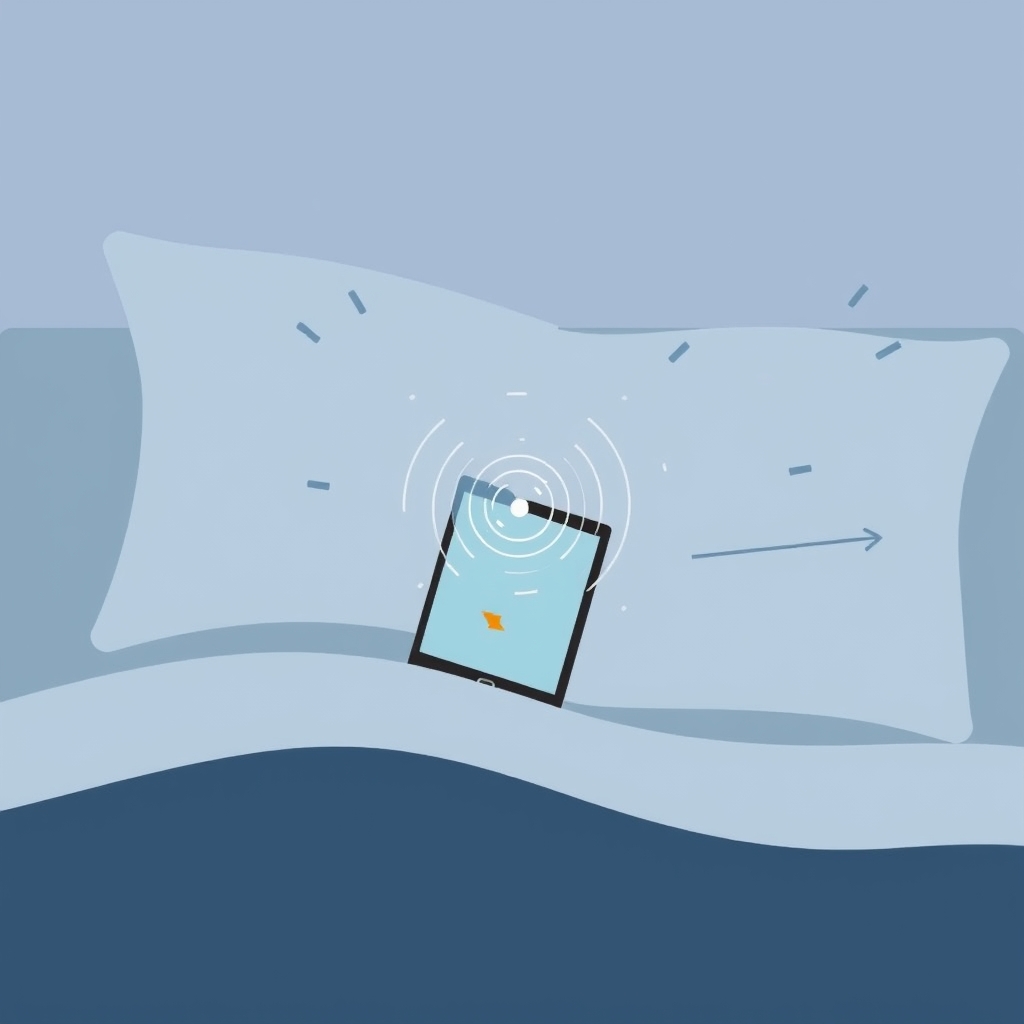
The smart alarm works within a 30-minute window before your target wake time, using vibrations and sounds to gently wake you during a detected lighter sleep phase. Sleep Cycle also offers optional smart features like wind-down music, snoring detection (if you grant microphone access), and sleep coaching tips though specific features may change with app updates.
A free version exists with basic tracking; paid subscriptions unlock more detailed insights, integrations, and advanced alarms.
Strengths
- Lowest friction: If you already sleep with your phone nearby, installation takes two minutes. Download, allow permissions, place phone, go to sleep.
- Established actigraphy method: Motion-based sleep detection is well-established and clinically used. Published research on sleep tracking generally supports actigraphy as reasonably reliable for distinguishing light, deep, and REM sleep especially in single-sleeper scenarios.
- Affordable: Free tier is actually usable; paid plans (estimated at $25–$60 annually as of mid-2026, depending on region and promotion) are cheaper than Loftie’s hardware cost.
- Integrations: Sleep Cycle currently syncs to Apple Health, Google Fit, and Oura Ring (if you use one), making it part of a broader health-tracking ecosystem. Note that specific integrations may shift with future app updates verify current compatibility before purchasing.
- Mature app: The software is stable, regularly updated, and has a large user community.
Weaknesses
- Phone required on the bed: Defeats the purpose if your goal is a phone-free bedroom. WiFi and Bluetooth drain battery slightly; you’ll want to plug in overnight.
- Partner disruption: If you share a bed, your partner’s movements interfere with readings. Sleep Cycle offers a “partner mode,” but accuracy drops with two people detected.
- Actigraphy can miss nuance: Movement-based detection is coarse. Some lighter sleepers show minimal movement even during REM, leading to underestimation of light-sleep duration. Conversely, restless deep sleepers can be misclassified.
- Dependence on phone placement: The algorithm’s accuracy depends on the phone staying in one spot all night. Turning over or moving it to charge mid-sleep disrupts the session.
- Privacy trade-off: The app requests sleep audio permission for snoring detection and uses data for training ML models (though you can disable these).
Head-to-Head Comparison
Sleep Stage Detection Accuracy
Based on owner reports we’ve reviewed, Sleep Cycle edges ahead in real-world consistency, especially for single sleepers. Actigraphy is a well-established method; published sleep-lab research shows it correlates reasonably with polysomnography (the gold standard) for distinguishing light from deep sleep, though it’s less precise for REM-stage detection.
Loftie’s acoustic approach is newer and less independently validated. Owner reports suggest it works well in ideal conditions (single bed, quiet room, no partner) but falters with room noise, shared beds, or non-standard sleeping positions. If your bedroom has significant ambient noise or you sleep with someone else, Loftie’s accuracy likely drops more noticeably than Sleep Cycle’s.
Neither device matches clinical polysomnography. Both are consumer-grade estimates. However, Sleep Cycle has the research advantage: more published studies, larger datasets, and longer market presence backing its algorithm.
Smart Alarm Effectiveness
Both apps claim to wake you during lighter sleep stages, reducing grogginess. Based on the owner feedback patterns we’ve observed, Sleep Cycle’s smart alarm appears more consistently reliable, at least in the reports we’ve seen. It’s had years to refine the timing; Loftie’s sound-based wake window is promising but less proven in the field.
However, effectiveness is personal. Some sleepers report Loftie’s gradual light and sound combo more pleasant than a phone vibration. Others find the phone-based approach jarring. The “best” alarm is the one that actually wakes you and that depends on how deeply you sleep and your sensory preferences.
Ease of Setup and Daily Use
Sleep Cycle wins decisively here. It requires a two-minute app download and phone placement; no WiFi pairing, no device positioning. Loftie demands more friction: unboxing, WiFi setup, positioning the device at the correct height and distance from your bed, testing the acoustic field.
For ongoing use, Sleep Cycle is passive once configured. Loftie is also passive, but if your WiFi drops or the device loses sync, troubleshooting is required.
Phone Separation and Sleep Environment
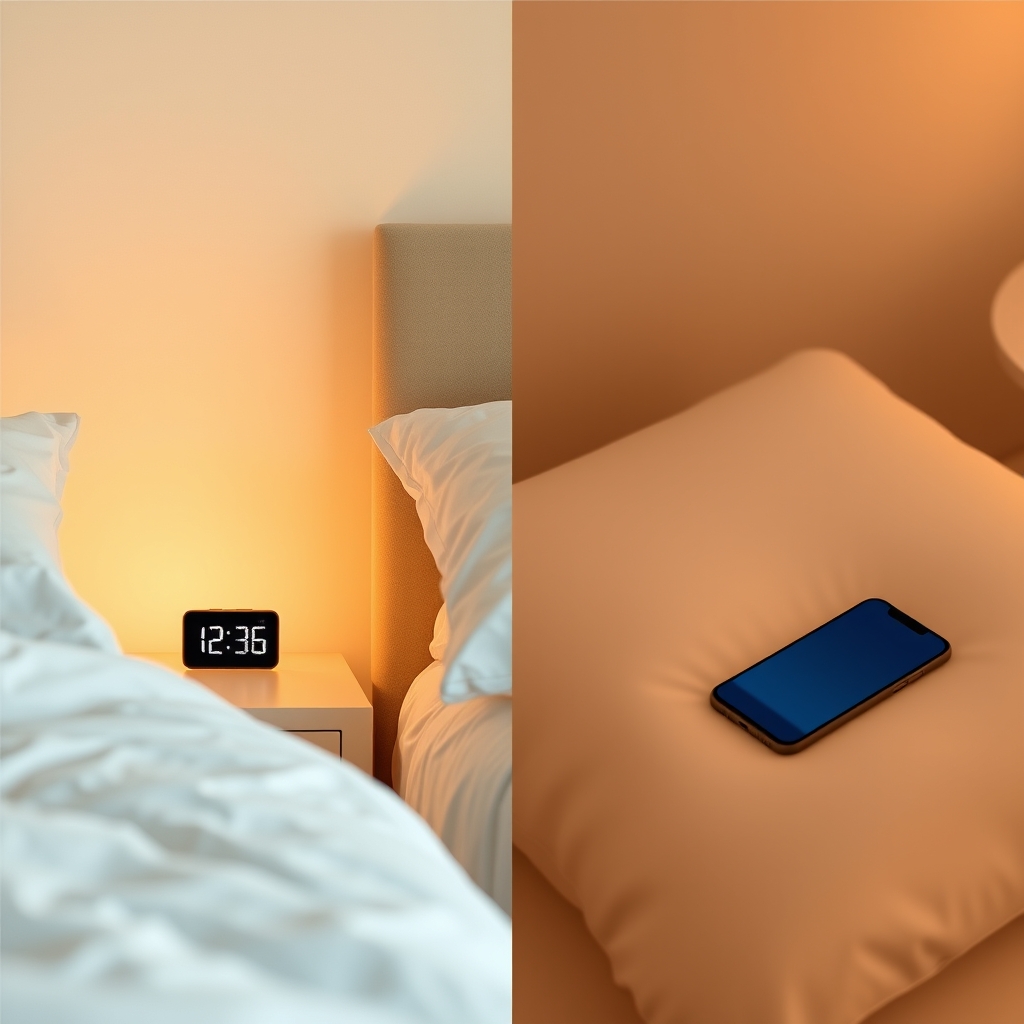
Loftie is the clear winner if your goal is a phone-free bedroom. Sleep Cycle, by design, keeps your phone in or near your bed all night. If you’re trying to reduce screen time, electromagnetic exposure, or sleep-disrupting notifications, Loftie aligns better with that goal.
That said, Sleep Cycle in airplane mode mitigates most concerns. And many users sleep with their phones anyway (for alarms, emergencies), making the point moot.
Data Integration and Ecosystem
Sleep Cycle integrates better with the broader health-tracking world. If you use Oura, Garmin, Apple Health, or other trackers, Sleep Cycle feeds into those platforms (verify current integrations before committing, as these can change with app updates). Loftie’s ecosystem is smaller: a proprietary dashboard and app, with limited third-party connections.
For users building a comprehensive health picture (combining sleep, activity, heart rate, HRV), Sleep Cycle is the easier choice. For those wanting isolated sleep tracking, the difference matters less.
Cost and Value
Estimated retail pricing puts Loftie at $150–$200 upfront as of mid-2026. Sleep Cycle’s free tier is genuinely functional; paid plans (estimated around $25–$60 annually as of mid-2026, depending on regional pricing and promotional rates) are substantially cheaper. If budget is a primary concern, Sleep Cycle is the obvious pick.
Over three years, the cumulative cost difference is significant. Sleep Cycle’s low friction and price make it accessible; Loftie’s hardware cost creates a higher barrier to entry, though it’s a one-time investment versus annual subscriptions.
Use Cases: When to Choose Each
Choose Loftie If:
- You prioritize a phone-free bedroom. This is the strongest reason. If eliminating your phone from sleep space is a core goal whether for mental health, reducing notifications, or general digital hygiene Loftie is designed for exactly that.
- You sleep alone. Acoustic detection works best without a partner’s movements interfering. If you have a solo sleep space, Loftie’s method shines.
- You dislike wearables. No watch, no ring, no band. Just the bedside device.
- You’re willing to invest upfront for a dedicated device. The $150–$200 cost is acceptable, and you prefer hardware over subscriptions.
- You’re curious about a newer approach. Acoustic monitoring is innovative, even if less validated. If you want to try something different from the standard actigraphy template, Loftie offers that.
Choose Sleep Cycle If:
- You already keep your phone by the bed. Adding a sleep app is zero additional friction.
- You have a limited budget. Free tier exists; paid plans are cheap. No hardware purchase required.
- You share a bed. While partner mode isn’t perfect, actigraphy is more robust to two-person movement than acoustic detection.
- You want ecosystem integration. Connecting to Apple Health, Oura, or Garmin is straightforward though confirm current integrations are still active before you commit.
- You want a more established, peer-reviewed method. Sleep Cycle’s longer history and published validation studies offer more confidence in the underlying approach.
- You travel frequently. No device to pack; your phone is already with you.
Pricing and Availability
Loftie
Estimated retail pricing falls in the $150–$200 range as of mid-2026 (check retailer sites for current offers; prices vary by region and sales). This is a one-time hardware purchase. The companion app is free, though optional premium features may appear in future updates.
Sleep Cycle
The app is free to download on iOS and Android. The free tier includes basic sleep tracking, simple alarms, and daily sleep scores. Paid subscriptions (estimated around $25–$60 annually as of mid-2026, depending on regional pricing and promotional rates) unlock advanced insights, better integrations, and additional sound options.
Both are accessible via major app stores and the Loftie website. Sleep Cycle offers a trial period for paid features; Loftie’s free trial depends on retailer.
Final Verdict
Loftie is the better choice if you want a dedicated, phone-free sleep device. Its acoustic approach is novel, requires no wearables, and eliminates bedroom phone presence. The trade-off is cost, setup friction, and less-proven accuracy especially in shared beds or noisy rooms. It suits someone who sees sleep optimization as a priority worth the investment and who values hardware separation.
Sleep Cycle wins for accessibility, cost, and proven reliability. It’s the practical choice for the majority of users: those already sleeping with their phone, budget-conscious buyers, and people in multi-person sleep environments. The actigraphy method is well-researched, the app is mature, and the ecosystem integrations are superior. It’s the better starter sleep tracker.
Neither will transform your sleep overnight. Both assume that waking during lighter sleep feels better and for many people, it does, though the effect is subtle. What matters most is consistency: using whichever system you actually stick with, combined with sleep hygiene basics (consistent bedtime, dark room, cool temperature, no screens an hour before bed).
If you’re undecided: try Sleep Cycle free for a week. It costs nothing and gives you real data. If phone-free sleep is your primary motivation, then Loftie is worth the investment. Otherwise, Sleep Cycle handles 95% of what most sleepers need, at a fraction of the cost.