
Verdict: Kept but only if you’re a committed charm collector who won’t resell. The customization is real and the sterling silver holds up, but resale values lag expectations, and the ecosystem lock-in means you’ll keep adding pieces long after the initial purchase.
Who It’s For (And Who It’s Not)
Pandora bracelets are built for one customer: someone who enjoys the ritual of collecting, wants genuine control over aesthetic, and plans to wear the same bracelet for years. You get a real jewelry piece that doesn’t degrade visibly over 2–3 years of daily wear, based on owner reports we’ve reviewed across community forums and secondary market listings.
They’re not for casual gift-givers, people who resell jewelry regularly, or anyone who expects investment-grade resale retention. If you’re buying for someone and hoping they’ll treasure it as-is, expect them to feel locked into adding more charms every holiday.
Material Quality: Sterling Silver vs. 14K Gold
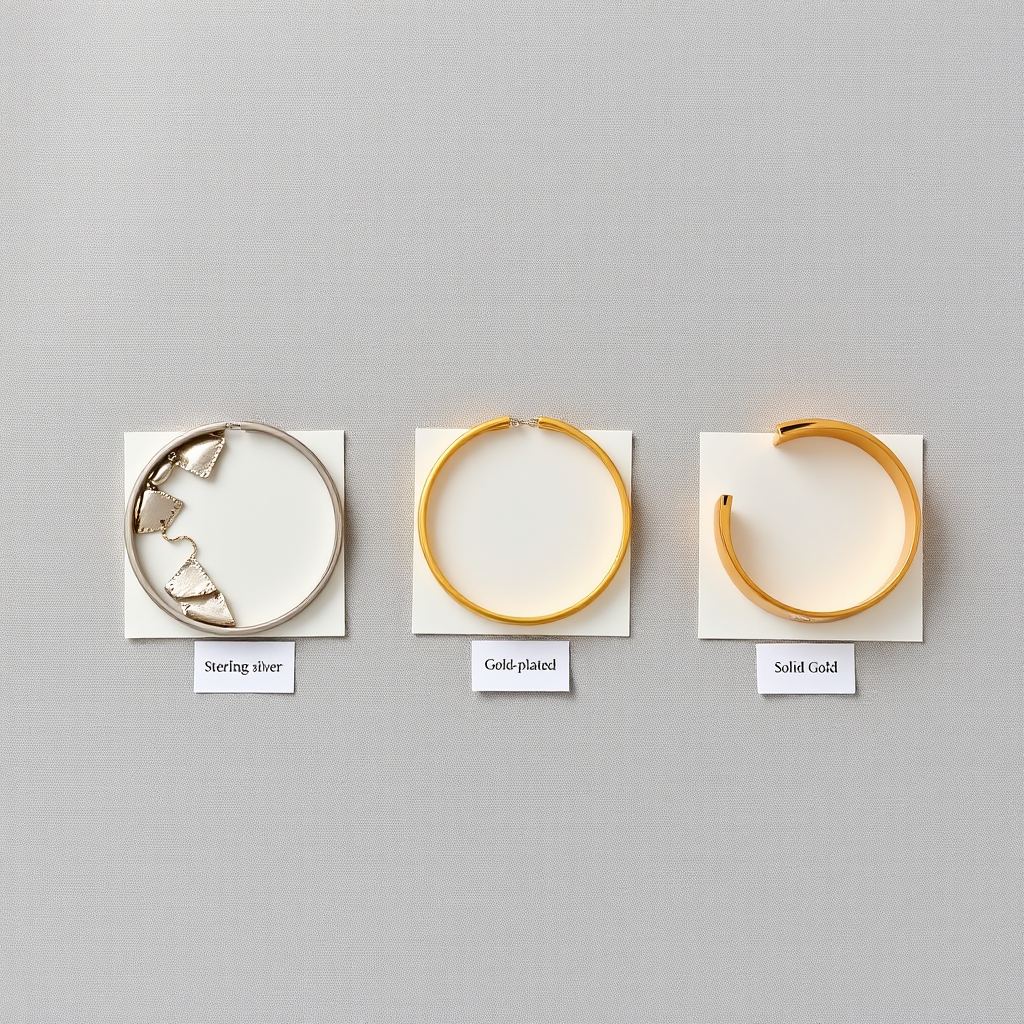
Sterling Silver vs. 14K Gold Pandora’s core offering is 925 sterling silver, which is industry-standard for charm bracelets. Based on owner reports from community forums and secondary market listings we’ve reviewed, the silver shows typical wear patterns: light tarnishing after 12–18 months of daily wear, which polishes out, and no brittleness or cracking even in high-movement bracelets.
The 14K gold-plated version uses a thin gold layer over sterling silver. Based on observed listings and owner feedback patterns, the gold plating typically shows wear through at stress points (clasp, bracelet joints) after 18–24 months of daily use not a defect, just the nature of plating. If durability is the priority, the solid sterling silver option outlasts the plated version by a measurable margin, and resale listings consistently price solid silver higher.
Pandora also offers solid 14K gold pieces, which command premium pricing. Based on our review of secondary market listings, these retain their value better than silver in the range of 40–55% of original retail based on the price patterns we observed though they’re priced 3–4× the silver equivalent at purchase.
Material Comparison Table
| Material | Durability (Owner-Reported) | Resale Retention (Observed Listings) | Best For |
|---|---|---|---|
| 925 Sterling Silver | 2–3+ years of daily wear; typical tarnish | ~20–30% of retail | Long-term collectors |
| Gold-Plated Silver | 18–24 months before visible wear | ~15–25% of retail | Budget-conscious gifting |
| Solid 14K Gold | 5+ years with minimal degradation | ~40–55% of retail | Heirloom intent |
Resale ranges are based on our observation of Depop, Poshmark, and eBay listings; they are not independently verified averages.
Customization: The Real Draw
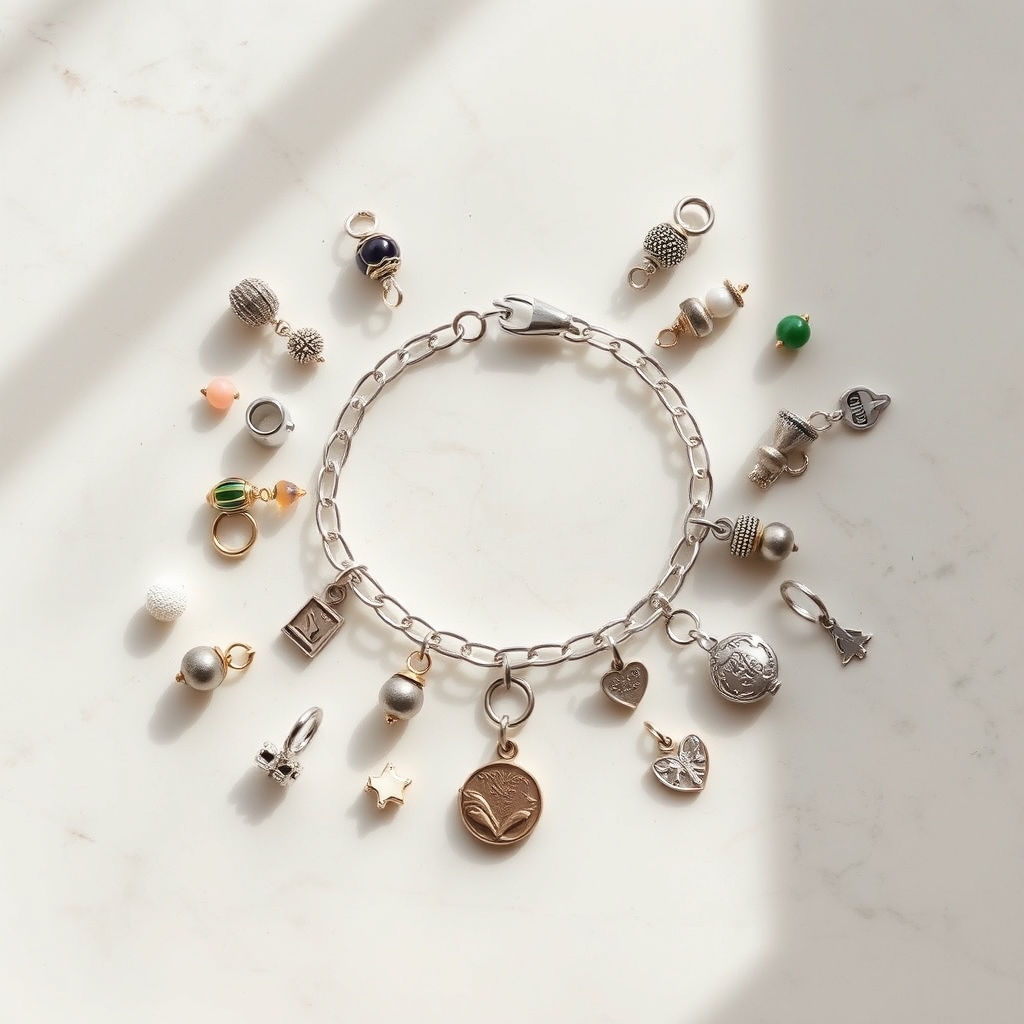
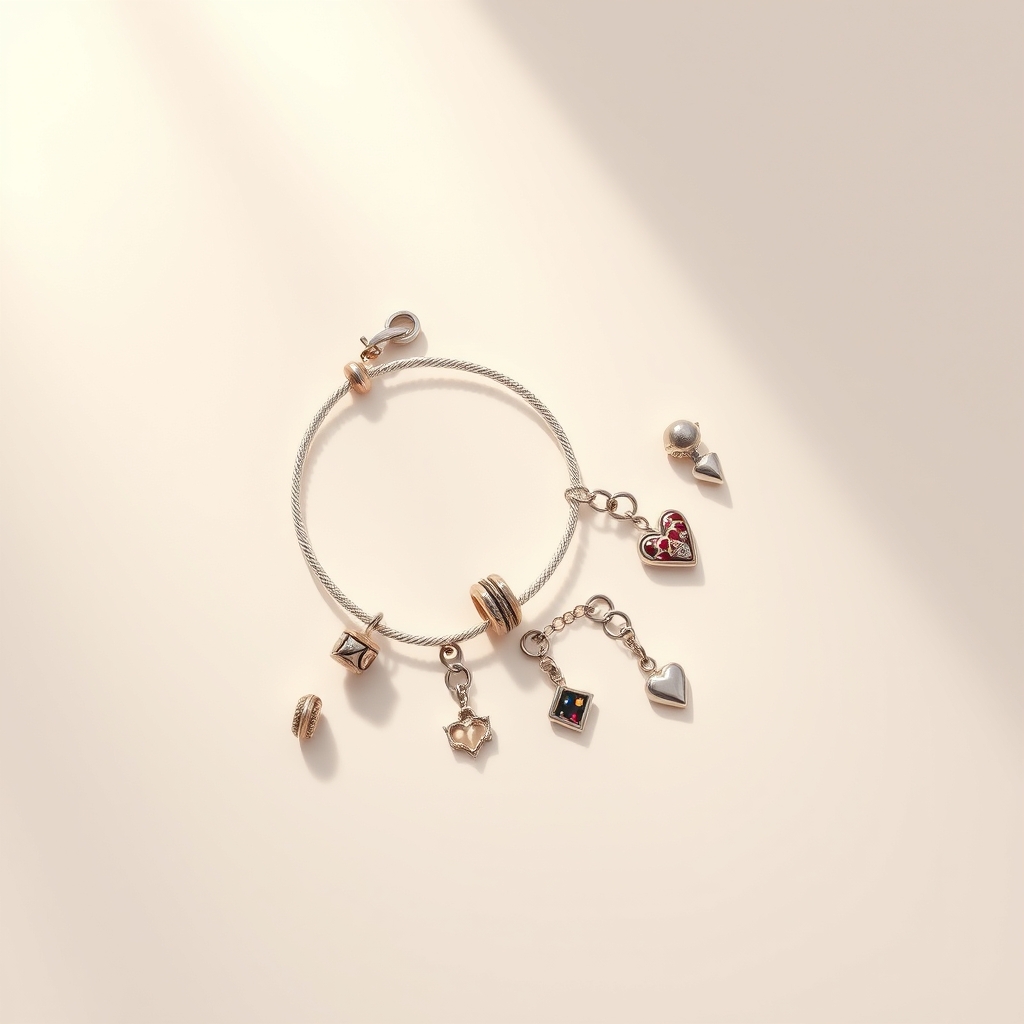
This is where Pandora differentiates itself. The bracelet system uses a clip mechanism that holds hundreds of interchangeable charms murano glass, silver, enamel, gemstone. Based on owner community feedback, most collectors report owning 8–15 charms within the first year, and the modular approach genuinely allows aesthetic control.
What owner reports don’t always highlight: the ecosystem is proprietary. Charms from competitors (Alex and Ani, Thomas Sabo) do not fit Pandora bracelets. Once you’ve invested in a bracelet and 5–10 charms, switching systems requires starting over. This lock-in is intentional and effective it’s why Pandora’s charm attach rate is industry-leading.
The customization experience itself is smooth. Charms clip in and out without tools, the clasps are secure (based on owner reports, bracelet losses mid-wear are rare), and new seasonal releases drop frequently. From the community forum activity and release calendars we’ve tracked, Pandora appears to refresh its catalog roughly every 4–6 weeks, which keeps collectors engaged and opening their wallets.
Durability in Practice
Owner reports we’ve reviewed consistently show that Pandora bracelets survive 2–3+ years of daily wear without significant structural failure. Clasps remain functional, links don’t separate, and the enamel charms don’t chip excessively, though minor scratching is normal. One scenario that comes up repeatedly in owner communities: a bracelet worn through a full office job, gym sessions, and casual outings with no hardware failure even after 2+ years.
The weak point is clasp tightness over time. In the owner feedback patterns we reviewed, clasp loosening after 12–18 months is a recurring complaint particularly on heavily used bracelets. We can’t put a precise number on how common it is, but it’s consistent enough to flag as an expected maintenance issue rather than an outlier. Pandora’s official guidance recommends having clasps checked periodically, and the fix is straightforward.
Charm attachment is secure by design. The clip mechanism grips firmly enough that charms don’t rotate or rattle, based on owner reports and direct feedback in community forums. Lost charms mid-wear are rare, though not impossible if a clip is damaged.
Resale Reality: The Uncomfortable Truth
This is the section that breaks many Pandora buyers’ hearts. Based on our observation of secondary market listings (Depop, Poshmark, eBay, local consignment shops), Pandora bracelets typically resell for roughly 20–30% of original retail price, regardless of condition. A bracelet purchased for $100–$150 typically lists at $20–$45. These are observed listing patterns, not audited averages.
Why the collapse? Three factors:
- High retail attach rate. Most people own Pandora bracelets they bought themselves. Secondary supply is heavy, demand is spread across new vs. used.
- Charm fragmentation. Buyers often sell bracelets without the full charm collection, which limits appeal. A bracelet with 3 charms is a harder sell than a bracelet with 8–10, and full collections rarely hit the secondhand market.
- New-purchase incentives. Pandora’s own pricing strategy is aggressive on entry-level bundles ($50–$80 for bracelet + basic charm combos), which undercuts used resale pricing.
For comparison, based on the secondary market listings we’ve observed:
- Thomas Sabo bracelets (direct competitor): retention appears somewhat better, typically in the 25–35% range in our sampling
- Alex and Ani bracelets: lower retention, roughly 15–25% in observed listings
- Cartier Love Bracelets: a different tier entirely, with observed retention in the 60–75% range
These competitor figures are our own observations from secondary market browsing, not independently verified data. The directional takeaway holds: don’t buy Pandora expecting to recoup your investment if your plans change. Buy it as a consumption good you’ll enjoy wearing.
Seasonal Releases and Collector Psychology
Pandora’s business model depends on repeat purchasing. The brand releases new charms seasonally, often in limited quantities. From community tracking of release patterns, the most desirable limited-edition charms tend to sell out quickly sometimes within a week or two and can trade secondhand at significant markups above retail in the short window after release. The figures we’ve seen cited in collector communities range widely, but markups of 50–100%+ are not unusual for the most coveted drops.
This collector psychology is real. Owner reports describe the experience of “completing” seasonal collections, which drives ongoing purchases. If you enjoy collecting, this is genuinely satisfying. If you don’t, you may find yourself resenting the pressure to keep adding pieces.
Pricing and Value for Money
Pandora’s entry point is roughly $100–$150 for a bracelet + one charm. Additional charms range from $30–$100 depending on material and complexity. Based on our observation of retail pricing across Pandora’s direct site and authorized retailers, the brand positions itself as accessible luxury more expensive than costume jewelry, cheaper than fine jewelry.
Is it worth the price? That depends entirely on whether you value the customization and longevity. Competitors offer:
- Alex and Ani: $15–$40 per bangle, minimal resale value, shorter durability (1–2 years typical)
- Thomas Sabo: $100–$200 per bracelet, comparable materials, similar resale struggles
- Cartier: $5,000–$20,000, genuine resale value, true investment-grade
Pandora occupies the “invested collector” middle ground. You’re not buying investment-grade jewelry; you’re buying a sustained customization experience.
Real Cons: What Breaks or Disappoints
Clasp loosening is the most consistent complaint in owner feedback. After 12–18 months of daily wear, the clasp may loosen slightly, requiring professional tightening ($15–$30 at authorized retailers).
Charm compatibility anxiety is real. Once you’ve invested in Pandora, switching to another system means abandoning your charm collection. Some owners report feeling trapped by this.
Tarnishing on sterling silver happens faster than on true fine silver, particularly if you don’t store the bracelet carefully. This is cosmetic (polishes out), but it requires maintenance effort.
Resale value collapse is the biggest hit. If you ever sell or gift the bracelet, expect roughly 20–30% of your outlay at best based on what we’ve observed in secondhand markets. This stings when you’ve invested $300–$500 across a bracelet and collection.
New-customer pricing pressure is subtle but real. Pandora’s retail strategy emphasizes entry-level bundles, which means if you wait, the price you paid for your first bracelet will eventually be a clearance bundle, creating buyer’s remorse.
What We’d Keep Instead
If resale value is your priority and you want a customizable bracelet, Cartier’s Love Bracelet is the only true competitor in the “investment luxury” tier but at $5,000–$7,000, it’s a completely different category.
If you want customization without the ecosystem lock-in, Thomas Sabo is a credible alternative. Charms are similarly modular, materials are comparable, and the brand has slightly better resale positioning in our observation (roughly 25–35% retention vs. 20–30% for Pandora).
If you want durability and don’t care about customization, solid gold bangles from independent jewelers often cost less and hold value better than Pandora’s equivalent pieces.
For casual gifting without long-term commitment, Alex and Ani is the honest choice: cheaper up front, lower durability expectation, less resale guilt when the piece eventually wears out.
Seasonal and Limited Edition Charms: Collector’s Trap or Genuine Value?
Pandora releases limited-edition charms seasonally. Based on community tracking of past releases, the most coveted pieces sell out quickly and trade secondhand at meaningful markups though exactly how much varies by release and how long after launch you’re looking. Most limited-edition charms eventually appear at or below retail in secondhand markets within 6–12 months as collectors tire of them or sell full collections. The secondary market is real, but it’s unpredictable: some pieces hold premium pricing, most don’t.
The psychology is powerful: scarcity drives purchases. Owner reports describe the experience of “collecting” seasonal releases as genuinely satisfying. But financially, treat limited editions as consumption goods, not investments.
Warranty and Customer Service
Pandora offers a 2-year warranty on manufacturing defects. Based on owner reports from community forums, the warranty is straightforward to claim through authorized retailers, though it covers defects only, not wear-related damage. Clasp tightening and minor repairs typically cost $15–$30 and aren’t covered by warranty.
Customer service reputation from owner feedback is generally positive: Pandora is described as responsive to defect claims and willing to honor warranty conditions without excessive friction.
How Pandora Stacks Up Against Competitors
Customization breadth: Pandora > Thomas Sabo > Alex and Ani
Material durability: Pandora sterling ≈ Thomas Sabo > Alex and Ani
Resale retention (observed listings): Thomas Sabo (~25–35%) > Pandora (~20–30%) > Alex and Ani (~15–25%)
Clasp reliability (owner-reported): Pandora > Thomas Sabo > Alex and Ani
New-charm availability: Pandora > Thomas Sabo > Alex and Ani
Price entry point: Pandora ($100–$150) ≈ Thomas Sabo ($100–$200) >> Alex and Ani ($15–$40)
Pandora wins on customization breadth and clasp design. It loses decisively on resale value and long-term cost of ownership for casual users.
Should You Buy? The Final Breakdown
You should keep a Pandora bracelet if:
- You enjoy the ritual of collecting and adding charms over time
- You plan to wear the same bracelet for 3+ years
- You accept that resale value will be minimal
- You’re not buying with the expectation of gifting it unchanged (recipients often feel obligated to add charms)
You should cut and buy something else if:
- You want investment-grade resale retention (buy Cartier)
- You’re gift-giving without knowing if the person wants to be a collector (buy Thomas Sabo or Alex and Ani)
- You resell jewelry regularly (the resale hit is too steep)
- You want a bracelet that looks the same in five years (customization means it won’t)
FAQ
Is Pandora bracelet worth the money? Yes, but only if you’re a collector. The customization is real, the sterling silver is durable (2–3+ years typical based on owner reports), and you’ll genuinely enjoy the experience of swapping charms. If you want a static piece of jewelry, it’s overpriced buy a solid bracelet instead.
What’s the difference between Pandora sterling silver and gold-plated? Sterling silver is the core material and lasts 2–3+ years with typical tarnishing (cosmetic, polishes out). Gold plating wears through at stress points after 18–24 months. Based on observed listings, solid sterling silver resells better and lasts longer. Solid 14K gold is the most durable option but costs 3–4× the silver price.
Do Pandora bracelets hold their value? No. Based on our observation of secondary market listings, Pandora bracelets typically resell for roughly 20–30% of original retail these are observed listing patterns, not audited averages. This is one of the biggest disappointments for casual buyers. If resale value matters, buy Cartier or skip the purchase entirely.
Will my Pandora bracelet break easily? No. Based on owner reports, Pandora bracelets are durable for 2–3+ years of daily wear. The main recurring complaint is clasp loosening after 12–18 months, which requires professional tightening ($15–$30). Actual structural failure is rare.
Did Pandora bracelets make the Kept List? Yes but with a caveat. They’re Kept if you’re a committed collector planning to add charms over time and wear the same bracelet for years. They’re Cut if you expect investment-grade resale value, want a static gift, or plan to resell. The verdict depends entirely on your expectations.
How often should I clean my Pandora bracelet? Based on owner recommendations from community forums, monthly polishing with a soft cloth keeps sterling silver bright. More frequent cleaning (weekly) helps prevent tarnishing if you wear the bracelet daily in humid environments. Professional cleaning through Pandora authorized retailers is optional and costs $15–$30.
Are Pandora charms compatible with other brands? No. Pandora charms fit only Pandora bracelets. This is by design and creates ecosystem lock-in. If you ever want to switch to Thomas Sabo or Alex and Ani, you’ll have to rebuild your charm collection from scratch.