
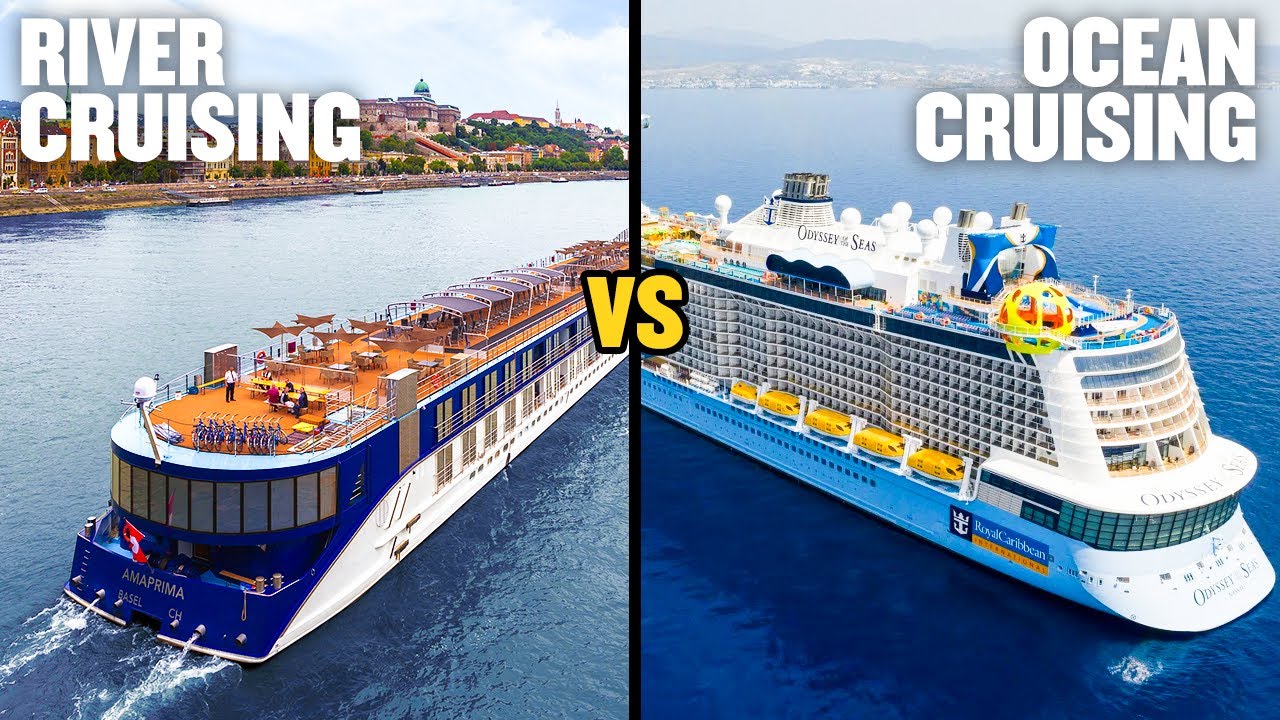
River Cruises vs. Ocean Cruises: Which Cruise Style Fits Your Travel Dreams
Choosing between a river cruise and an ocean cruise comes down to one question: do you want intimate exploration of inland waterways with daily port stops, or the full floating-resort experience at sea? If you crave close-up cultural encounters and smaller-ship accessibility, a river cruise is your keeper. If you want an all-in-one vacation with Broadway-style shows, water parks, and the Caribbean’s turquoise waters, an ocean cruise wins.
The Core Difference
River cruises navigate smaller waterways the Danube, Rhine, Nile, Mississippi docking in city centers where you can walk off the ship directly into towns. Ocean cruises anchor at island or coastal ports and run on a floating-city model: more passengers, more onboard activity, fewer but larger ports. The decision isn’t really about the water; it’s about whether you want your vacation centered on exploration or centered on the ship itself.
Quick Comparison: River vs. Ocean Cruises
| Dimension | River Cruises | Ocean Cruises |
|---|---|---|
| Typical Passenger Capacity | 100–250 passengers | 2,000–6,000+ passengers |
| Port Stops | Typically 4–6 ports per week | Typically 2–3 ports per week |
| Onboard Atmosphere | Intimate, relaxed, and social | Lively, resort-style, and entertainment-focused |
| Typical Destinations | European cities, Asian rivers, U.S. inland waterways | Caribbean, Mediterranean, Alaska, and major coastal destinations |
| Typical Price Range | $150–400+ per person per night | $80–250+ per person per night |
| Onboard Entertainment | Cultural lectures, local performances, and destination-focused activities | Broadway-style shows, comedy clubs, casinos, water parks, and live entertainment |
| Dining | Primarily included sit-down dining | Included main dining plus optional specialty restaurants |
| Best For | Culture enthusiasts, history lovers, couples, and small-group travelers | Families, first-time cruisers, and travelers seeking a wide range of onboard activities |
River Cruises: The Intimate Explorer’s Choice
What You’re Actually Getting
A river cruise is a slow, comfortable movement through a region often the same region you’d explore by train or car, but without the packing/unpacking. The ship becomes your floating hotel; you wake up in a new country. Think waking in Budapest, having breakfast with a view of the Danube, then walking straight into the Jewish Quarter without a tour bus in sight.
River ships are narrow (designed to fit the waterways themselves), which means they dock in city centers rather than far-away cruise terminals. You step off onto a European cobblestone street, not a shuttle dock.
River Cruise Destinations (Real Examples)
Europe leads the pack. The Danube (Austria, Hungary, Slovakia, Romania) is the most popular, with ports in Vienna, Budapest, and Bucharest. The Rhine (Germany, France, Netherlands) hits Cologne, Amsterdam, and the Alsace wine region. Rhône cruises add Provence and Lyon. These itineraries run 7–14 days and typically include shore excursions with local experts.
Southeast Asia offers the Mekong (Vietnam, Cambodia), where you’ll visit floating markets, temples, and rural villages. Egypt’s Nile cruises visit Luxor, Aswan, and ancient temple sites though political conditions vary. US river cruises navigate the Mississippi, exploring New Orleans, Memphis, St. Louis, and river towns.
Onboard Experience
River ships have lounges, a small fitness room, sometimes a spa, but no water slides or Broadway theaters. Meals are sit-down dinners with a fixed table group you’ll likely dine with the same 6–8 people each night, which is either a social win or a drawback depending on your personality. Onboard activity centers on regional education: lectures by historians, wine tastings, language lessons, cultural evening programs with local musicians.
You’re typically in port by mid-morning and again by mid-evening, so the ship is not your entertainment venue the destinations are. One day you’re visiting a Danube vineyard; the next, touring Salzburg’s Mozart sites.
River Cruise Lines Worth Considering
Viking River Cruises is the market leader in North America, with over 70 itineraries across Europe, Asia, and the US. Expect a polished, mid-luxury feel and a higher proportion of repeat cruisers. Uniworld Boutique River Cruises skews more upscale, with smaller ships (120–200 passengers), more personalized service, and premium onboard amenities. AmaWaterways sits in the middle: modern ships, regional cuisine focus, and a friendly, younger demographic than Viking.
Each line has a distinct personality, but the fundamental experience intimate waterways, cultural immersion, fixed dining is consistent.
Ocean Cruises: The All-In-One Vacation Machine
What You’re Actually Getting
An ocean cruise is a destination unto itself. The ship offers restaurants (5–10+), bars, theaters, pools, a casino, fitness clubs, kids’ clubs, rock-climbing walls, and waterslides. You’re choosing whether to explore the port or hang out on the ship. For families and first-time cruisers, the ship’s amenities often are the draw you could skip ports and have a full vacation.
Ocean ships anchor offshore or at cruise terminals; you tender (ferry) to ports or take the ship’s included shuttle. Port days are typically half-day or full-day affairs, but the ship is the central experience.
Ocean Cruise Destinations (Real Examples)
Caribbean is the standard: Cozumel, St. Thomas, Jamaica, Grand Cayman, Aruba. Mediterranean routes hit Barcelona, Naples, Venice, Athens, Greek islands. Alaska offers glacier viewing and wildlife. Bahamas and Bermuda are quick getaways from US East Coast ports. Mexican Riviera from California hits Puerto Vallarta, Cabo, Mazatlan.
Ocean itineraries are typically 5–12 days, with 2–4 port stops. You’re at sea more than on a river cruise sea days are built in for onboard activity.
Onboard Experience
Ocean ships are cities: decks 1–20, waterfront promenades, live music everywhere, nightly production shows (some Broadway-quality), comedy clubs, magic shows, trivia contests, and curated activity programs for every age and interest. Dining is flexible main dining room (assigned seating or open), buffet, specialty restaurants (paid extras on most lines), casual cafés.
You’ll pass casual travelers, families with young kids, spring-breakers, and couples. The social vibe is higher-energy and more varied in age/origin than a river ship.
Ocean Cruise Lines Worth Considering
Carnival Cruise Line is the budget leader highest passenger volume, widest range of ships (some older, some very new), and frequently the cheapest per-night pricing. Royal Caribbean offers modern mega-ships with extensive onboard entertainment, adventure options (rock climbing, skydiving simulators), and consistent service quality. Disney Cruise Line is family-focused, highest per-night pricing, but unmatched character experiences and animation quality.
Each brings a different vibe, but all offer the resort-at-sea model.
Head-to-Head: How They Actually Differ
Passenger Count & Intimacy
River cruises win. A 120-passenger ship means you’ll recognize faces at dinner; the crew will learn your name. You’re not waiting in line for the buffet or fighting for a pool lounger. Ocean ships with 4,000+ passengers feel like floating cities some people love that, but if you crave a quieter, more personal experience, river is the only choice.
Port Frequency & Exploration
River cruises win decisively. Expect 4–6 port stops per week on a river cruise, many with overnight dockage. You can take an evening walk through a European town. Ocean cruises average 2–3 ports per week; many are sea days when you’re stuck on the ship (which is fine if you like the onboard experience).
Entertainment Variety
Ocean cruises win. Broadway-caliber shows, comedy clubs, Broadway-level production values you won’t find this on a river ship. River cruises offer lectures and cultural programs, which some travelers prefer, but if you want live bands every night, casinos, and poolside comedy, ocean is the answer.
Cost Per Night
River cruises commonly run $150–$400+ per person per night (all-inclusive); ocean cruises run $80–$250+ per person per night. Ocean cruises are the cheaper entry point, though drink packages, specialty dining, and excursions add up fast. River cruises are more transparent: your price usually includes meals, drinks, excursions, and tips.
Example rough costs (based on observed retail pricing as of June 2026): A 7-night European river cruise runs roughly $2,500–$4,000 per person, all-in. A 7-night Caribbean ocean cruise runs $1,400–$3,500 per person, before drinks, shows, and extras.
Destination Type
River cruises win for cultural depth. You’re docking in Prague, Vienna, Amsterdam, Hanoi city centers where real life happens. Ocean cruises often visit dedicated cruise ports, island resorts, or beach destinations. Both are beautiful, but one is tourism infrastructure; the other is an actual city.
Accessibility & Mobility
River cruises are easier. You dock at city centers; most excursions start 50 feet from the gangway. Ocean cruises require tenders (often long waits), shuttle buses, or walking long distances through cruise terminals. If mobility is a concern, river wins.
Dining Experience
River cruises offer consistency. You sit at a fixed table with the same 6–8 people every night, with a set menu (though options exist). It’s formal in the best sense candlelit, unhurried, social.
Ocean cruises offer flexibility. You can dine in the main dining room, buffet, specialty restaurant, or grab pizza at midnight. No assigned table means you eat when you want, with whom you want. Families often prefer this; couples seeking romance might find it less intimate.
Onboard Atmosphere
River cruises feel like upscale hotels. Quiet, civilized, a sense of refinement. Dress code is smart-casual to business-casual most nights.
Ocean cruises feel like vacation chaos (in a fun way). Louder, more active, more families, more spontaneous. Dress code ranges from casual to formal depending on the night.
Which Cruise Should You Choose? The Verdict by Traveler Type
Choose a River Cruise If You Are:
- Culture & history lovers who want deep dives into European cities, temples, or ancient sites
- Couples seeking romance without screaming kids and teenagers
- Introverts or small-group travelers who prefer intimacy and predictability
- Travelers with limited mobility who want city-center docking and easy excursions
- Wine or culinary enthusiasts (river cruises often pair regional wines with meals)
- Repeat travelers who’ve done the Caribbean and want something fresher
- Travelers who dislike large crowds at any price
River cruises also win on one key dimension ocean cruises miss: you actually experience the region. You wake up in a different country every other day, on real streets, in real towns. The exploration is built into the itinerary.
Choose an Ocean Cruise If You Are:
- Families with kids who want supervised kids’ clubs, water parks, and activities all day
- First-time cruisers who want to test-drive the cruise concept cheaply
- Budget-conscious travelers who want the lowest per-night cost
- Entertainment seekers who want Broadway shows, comedy, casinos, and nightlife
- Island or beach lovers prioritizing sun, water, and resort vibes
- Solo travelers who want social atmosphere and group activities
- Travelers who like flexibility and variety (buffet, specialty dining, gym, pools, all available 24/7)
Ocean cruises also win on inclusivity of cost. A river cruise at $200/night with excursions, wine, gratuities, and drinks included is transparent. An ocean cruise at $100/night seems cheaper until you add a drink package ($15/day), specialty dining ($30/night), and shore excursions ($50–$150 per port) then the total is similar, but the surprise factor is higher.
Cost Breakdown: What You’ll Actually Spend
River Cruise (7 nights, two people)
Base fare: $2,000–$3,500 per person ($4,000–$7,000 for two)
Included: All meals, most drinks (wine, beer, coffee), most excursions, gratuities, onboard entertainment, Wi-Fi (on most modern ships)
Typical adds: Airport transfers ($100–$300), optional excursions ($50–$200 per port), travel insurance ($150–$400)
Realistic total: $4,500–$8,000 for two people, all-in
Ocean Cruise (7 nights, two people)
Base fare: $700–$1,750 per person ($1,400–$3,500 for two)
Included: Cabin, main dining room, buffet, pool, basic entertainment, ship activities
Common adds: Drink package ($15–$18/day per person = $210–$252), specialty dining ($25–$50 per meal), shore excursions ($50–$150 per port, ~3 ports = $150–$450), Wi-Fi ($8–$16/day = $56–$112), gratuities ($15–$16/day per person = $210–$224), photography, spa, casino
Realistic total: $2,500–$5,500 for two people, depending on how much you add
The truth: A mid-range ocean cruise ($150/night after adds) and a mid-range river cruise ($200/night all-in) end up similar in total cost. The river cruise front-loads the expense; the ocean cruise nickel-and-dimes. Choose based on experience preference, not price alone.
FAQ: River Cruises vs. Ocean Cruises
Q: Which is better for a first-time cruiser? A: Ocean cruises, by a narrow margin. The lower entry price ($100–$150/night vs. $150–$400/night) and higher entertainment variety make them less intimidating. River cruises are better if you already know you want cultural immersion; ocean cruises let you figure out if you like cruising at all.
Q: Can you lose money on a river cruise if ports disappoint? A: Less likely than on an ocean cruise. River itineraries are fixed you’re visiting specific cities with known attractions. Ocean ports are more variable; some feel like cruise-terminal tourist traps. River cruises are more culturally predictable, which some find reassuring and others find limiting.
Q: Which is better for seniors or travelers with mobility concerns? A: River cruises, decisively. City-center docking means no tenders, shorter walks, and excursions that start near the ship. Ocean ships’ tender processes and long terminal walks are exhausting for anyone with mobility challenges.
Q: Can I do both river one year, ocean the next? A: Absolutely. Many repeat cruisers do exactly this. River cruises satisfy the cultural/exploration itch; ocean cruises satisfy the all-in-vacation itch. They scratch different travel itches, so variety is smart.
Q: Are river cruises worth the higher price? A: Yes, if you value cultural immersion, small-group atmosphere, and daily exploration. The price difference reflects the operational reality: river ships can’t pack 4,000 people; they’re built for 100–250, which costs more per passenger. You’re paying for intimacy and quality, not just luxury.
Q: Which has better food? A: River cruises have more consistent quality because dining is sit-down and controlled. Ocean cruise main dining is solid; specialty restaurants are hit-or-miss. For culinary-focused travelers, river wins especially Uniworld and AmaWaterways, which emphasize regional cuisine.
The Final Word
River cruises win for cultural exploration, intimacy, and travelers who want their vacation centered on destinations. Ocean cruises win for all-in-one entertainment, budget accessibility, and families who want their vacation centered on the ship.
If you’re torn, ask yourself: Do you want to wake up in Vienna, Prague, and Budapest, walking through real city streets? Or do you want to sleep on a ship with Broadway shows, and occasionally get off for a beach day? One isn’t better; they’re answering different travel questions. Answer the question honestly, and your keeper picks itself.