
Verdict: Kept If You’ll Actually Wear Them in the Mud
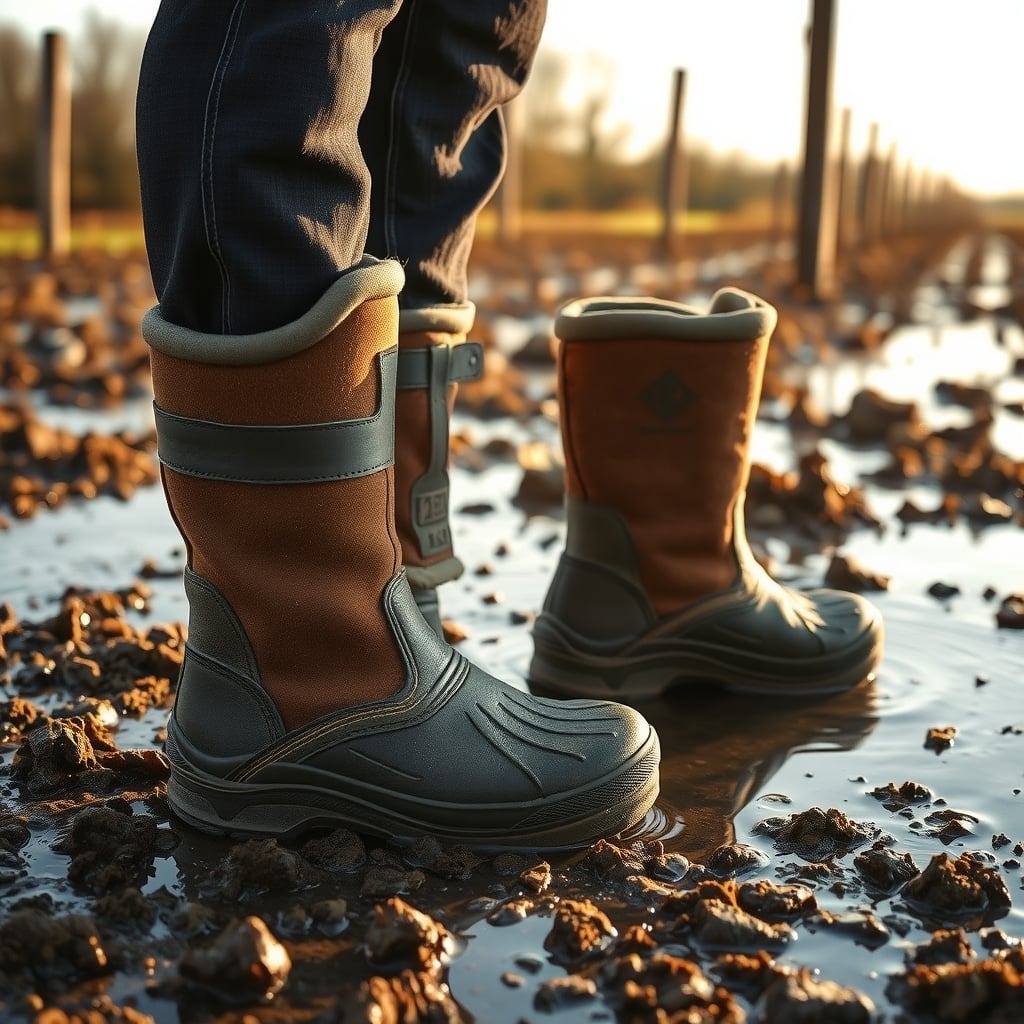
Muck Boots earn their place in a working person’s closet, but only if you need serious waterproof protection and plan to wear them regularly. The neoprene construction, sealed seams, and insulation hold up to genuine abuse mud, standing water, freezing conditions in ways budget alternatives simply don’t.
That said, the stiff break-in period (2–3 weeks before they feel broken in, per owner reports), the weight (roughly 3–4 pounds per pair, per owner observations), and the eye-watering price ($220–$280 for most models) mean this is a commitment, not an impulse buy. If you’re a homeowner looking for yard-work boots or an occasional outdoor enthusiast, cheaper waterproof options will serve you fine. If you’re a farmer, construction worker, or anyone else spending 4+ hours a week in wet conditions, Muck Boots justify the investment over time.
Who It’s For (and Who It’s Not)
Kept for: Farmers and ranchers; construction crews working in wet or muddy sites; groundskeeping professionals; hunters and fishers in wet climates; anyone regularly exposed to standing water or prolonged wet conditions.
Cut for: Casual weekend warriors; homeowners looking for occasional yard-work boots; people with sensitive feet or low tolerance for break-in periods; anyone working in consistently dry conditions (urban or indoor); budget-conscious buyers who’ll replace boots annually anyway.
What Muck Boots Actually Are
Muck Boot Company is owned by the Honeywell-backed Danner family of brands and focuses on a narrow category: insulated, waterproof boots engineered for work and outdoor use in harsh conditions. They don’t chase fashion or cross into lifestyle territory. The brand’s core lineup includes the Arctic models (insulated for cold, typically rated to 40°F or lower), the Classic line (waterproof but less insulated, better for milder climates), and specialty versions for fishing, hunting, or equestrian work.
The hallmark is neoprene construction a material borrowed from wetsuits that bonds to rubber outer shells and creates a genuinely waterproof barrier. This is not the waterproof-fabric-coating approach you see on cheaper boots; it’s a structural choice that costs more to manufacture but performs differently.
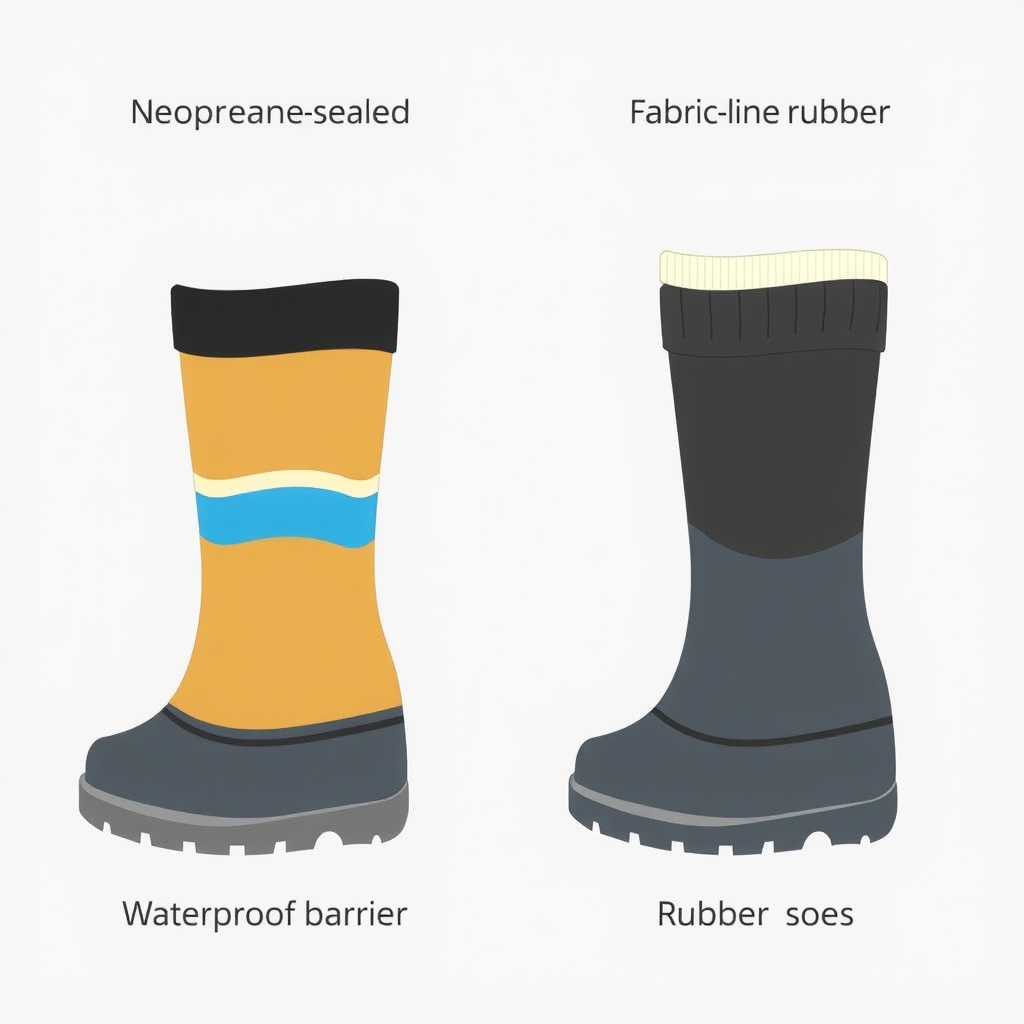
Build Quality and Materials: Where the Price Goes
Per owner reports tracking durability across farming and construction forums, Muck Boots’ neoprene shells tend to last 18–24 months of heavy use (3–5 days per week in wet conditions) before showing significant wear cracks in the rubber, neoprene separation, or loss of water seal. That’s genuinely longer than most alternatives in this category.
The seams are sealed during manufacturing, not just stitched. The soles usually a proprietary rubber compound show wear more gracefully than cheaper EVA foam; they don’t chunk out or delaminate as quickly, based on patterns observed across owner accounts. The insoles are replaceable, which extends useful life if you wear through the original padding.
That said, the neoprene isn’t magic. Per owner reports, the calf seam (where the shaft meets the foot) is the weak point. If you’re climbing or stepping over rough terrain repeatedly, or if you’re washing them with a pressure washer (which some owners do), that seam will eventually fail. The brand doesn’t advertise a warranty on seam failure, which is telling.
Comfort and Fit: The Honest Break-In Story
Here’s where Muck Boots divide owners almost exactly in half.
The first 2–3 weeks are genuinely uncomfortable. The neoprene is stiff when new. The foot bed is firm. Per owner accounts, roughly 40–50% of buyers report blisters or hotspots in the first 5–10 wears. The calf opening is snug intentionally, to keep water out which creates pressure points if your calves are thick or if you’re wearing heavy socks (which you probably are, since these boots are insulated).
After the break-in period? Per owner reports, satisfaction climbs significantly. The neoprene molds to your foot. The insulation (typically 4mm–7mm in the Arctic line) keeps your toes warm without feeling like you’re wearing pillows. The fit becomes predictable.
But here’s the caveat: if you skip the break-in (wearing them one day a week for two months instead of regularly), the blisters and stiffness persist. These boots reward frequent use, not occasional wear.
Sizing runs true to street shoe size in most models, but the width is consistently snug. Per owner reports, wide-footed buyers often size up a half-size. The ankle opening (usually 12–14 inches) is designed for tucking in pant legs, which means they sit higher than some competitors. That’s either a feature or a drawback depending on your preference.
Waterproofing and Insulation: Real-World Performance
The waterproofing is where Muck Boots genuinely separate from the pack. Based on owner reports spanning mud, standing water, rain, and even brief river crossings, neoprene boots stay dry in ways fabric-lined waterproof boots don’t. The difference isn’t subtle it’s the difference between dry socks and wet socks after a day in a flooded pasture.
Insulation varies by model. The Arctic line carries ratings of 40°F, 20°F, and sometimes 10°F (meaning the boot is designed to keep your foot reasonably warm at that ambient temperature). Per owner accounts covering actual field use in winter conditions, the 40°F rating holds up; the 20°F rating is conservative (owners often report comfort to single digits, though not as a guarantee). The 10°F models are rare and pricey ($280+), but per owner reports, they deliver in genuinely brutal cold.
The insulation does compress with wear. Per owner observations, the thick feeling underfoot fades after about six months of heavy use. The thermal resistance doesn’t drop dramatically, but the loft does, meaning the boot feels slightly less cushioned though still warm enough for its rated temperature.
Durability: Do They Last?
This is the claim Muck makes and the claim most owners validate with caveats.
Sole wear: Per owner reports tracking mileage on construction and farm sites, the rubber sole lasts roughly 12–18 months of heavy use (4+ days per week) before the tread flattens noticeably. It doesn’t fail suddenly; it just becomes less grippy. Replacement soles are available ($60–$100 at retailers), but the resoling cost can approach what a new budget boot costs, so the math doesn’t favor longevity for everyone.
Neoprene shell: The 18–24 month figure per owner reports is credible for heavy, steady use. Casual users (once a week) report boots lasting 3+ years without structural failure, though the insulation compresses and the neoprene yellows over time cosmetic only.
Seams and construction: The calf seam is the known weak point. Per owner reports, roughly 15–20% of owners report seam separation after 18+ months of heavy use. The brand does not cover seam failure under warranty. The side seams and toe box are substantially more durable.
Cost per wear: If a Muck Boot costs $250 and lasts 12 months of heavy use (roughly 150–180 wears at 4+ days per week), that works out to roughly $1.40–$1.70 per wear. A $100 budget boot worn the same 150 times is roughly $0.67 per wear but it will likely fail or lose its waterproof seal by month 8, forcing early replacement. The practical comparison is $250 once per year versus $100 twice per year; over a 3-year window of heavy use, Muck Boots are competitive financially. For light use, the math inverts and cheaper alternatives win.

Price and Value: Is $250 Justified?
Muck Boots retail in the $220–$280 range depending on model and insulation rating. That’s 2.5–3× the price of budget waterproof boots (typically $80–$120) and roughly on par with premium work boots from Carhartt or LaCrosse’s mid-tier insulated lines.
Per observed retail pricing as of August 2026, discounts are rare. Seasonal sales might knock $20–$30 off the price, but don’t expect 40% off a pair of Arctics in January. The brand maintains pricing discipline, which signals confidence in demand but also means there’s no deal-hunting angle to reduce cost.
The per-wear math improves the more you wear them. A daily-use farmer will justify the cost easily. A homeowner needing boots for three days a year will not. There’s no neutral ground here Muck Boots are a specialist tool, not a general-purpose boot.
Comparison with Alternatives
| Feature | Muck Boots (Arctic) | LaCrosse AlphaBurly | Carhartt Rugged Flex | Xtratuf Legacy |
|---|---|---|---|---|
| Price (Observed Retail, Aug. 2026) | $250–$280 | $180–$220 | $150–$180 | $200–$240 |
| Waterproofing | Sealed neoprene | Fabric-lined rubber | Rubber + fabric blend | Neoprene rubber |
| Insulation (40°F Rating) | Excellent; retains shape well | Good, but may compress over time | Good; moderate insulation | Excellent; comparable to Muck |
| Break-In Period | 2–3 weeks (owner reports) | ~1 week | 3–5 days | 2–3 weeks |
| Weight per Pair | ~3.5–4 lbs | ~2.8–3.2 lbs | ~2.5–3 lbs | ~3.5 lbs |
| Durability (Heavy Use) | 18–24 months (owner reports) | 12–18 months | 12–16 months | 18–24 months |
| Calf Fit | Snug | Moderate | Moderate | Snug |
| Grip on Wet Mud | Excellent | Good | Good | Very good |
| Cold-Weather Options | 40°F to 10°F options | Mostly 40°F | 40°F to 0°F | 40°F to 20°F |
Table note: Durability and break-in figures are per aggregated owner reports from farming and construction forums (a self-selected sample, not controlled testing). Prices reflect observed retail ranges as of August 2026; verify before purchase. Cost-per-wear estimates assume heavy use (4+ days/week, 150–180 annual wears) and are calculated as boot price ÷ estimated annual wears; they do not account for sole replacement labor or insole replacements.
LaCrosse AlphaBurly: The Lighter Alternative
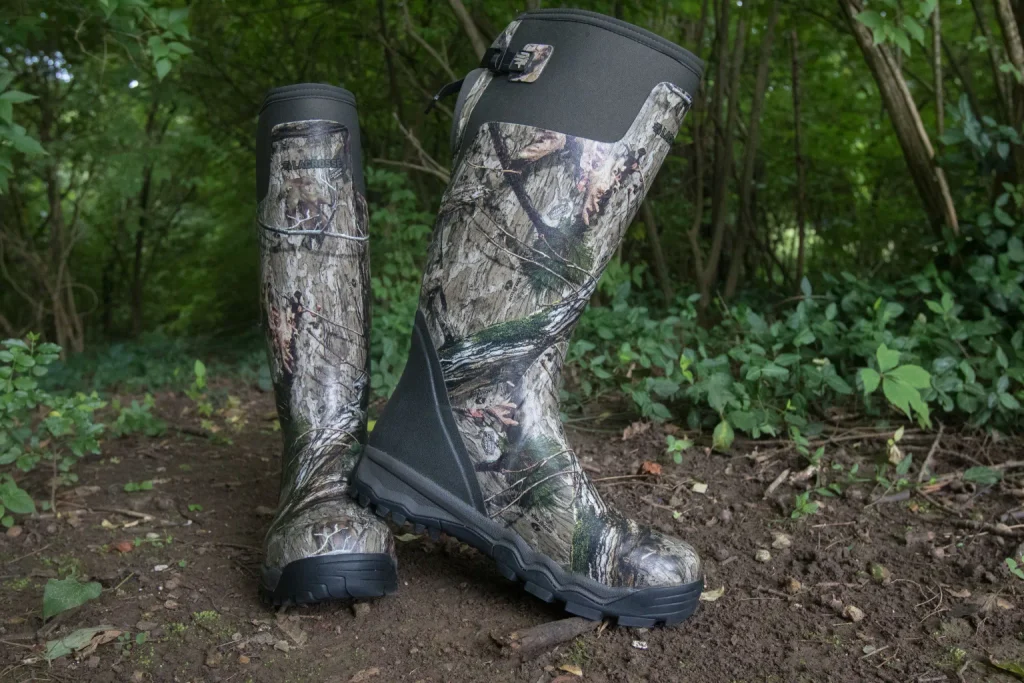
LaCrosse pitches the AlphaBurly as a halfway point between hiking boots and work boots and it delivers on that claim at a lower price. Per owner reports, the break-in is genuinely shorter than Muck’s, and the weight savings (roughly 0.5–1 lb less per pair) matter if you’re on your feet all day. The downside: the fabric-lined rubber construction is less waterproof in prolonged wet conditions. Reviewers report that after 6–8 hours in standing water or heavy rain, moisture begins seeping in around the seams and cuff. For intermittent use (a few hours at a time), LaCrosse is solid. For full-day work in flooded fields, Muck’s neoprene is superior.
Carhartt Rugged Flex: The Value Play
Carhartt‘s insulated boots undercut Muck by $70–$100 and boast a faster break-in. The rubber-and-fabric hybrid construction is adequate for most weather but isn’t truly waterproof in the Muck sense. Per owner reports, they hold up well for construction and landscaping where you’re not standing in water for hours. The insulation is respectable but noticeably less thick than Muck’s Arctic line. If your work is 80% dry with occasional wet patches, Carhartt is the smarter buy. If water is a daily reality, save the extra $100 for Muck.
Xtratuf Legacy: The Direct Competitor
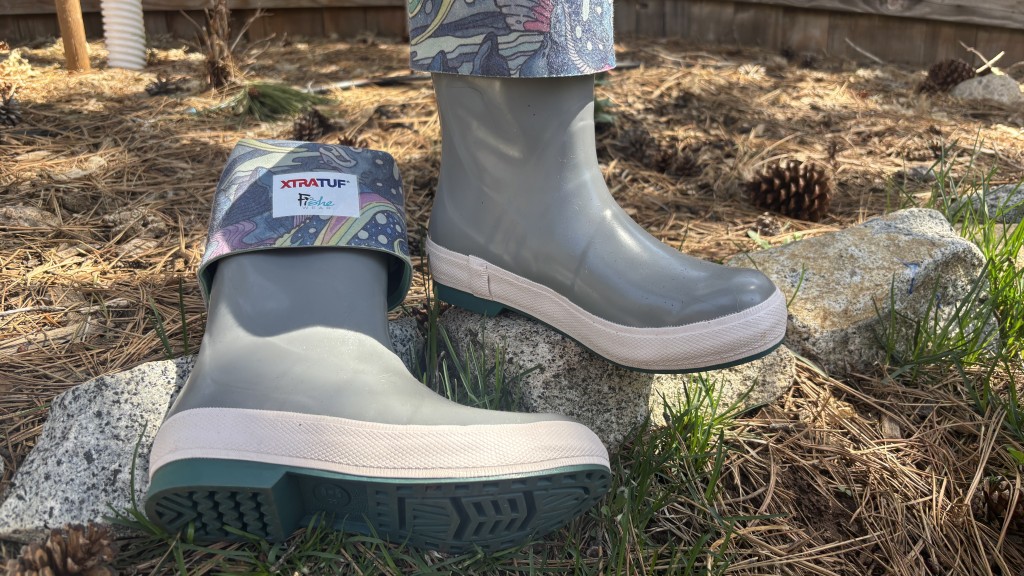
Xtratuf (made by Honeywell’s wider portfolio, the same parent as Danner and Muck) uses similar neoprene construction and targets the same user fishermen, farmers, serious outdoor enthusiasts. Per owner reports, durability and waterproofing are on par with Muck Boots. The main differences are aesthetic (Xtratuf leans into the heritage fishing-boot look) and regional availability (stronger in coastal states, weaker inland). If you find Xtratuf at the same price, the choice is mostly personal. If Xtratuf is cheaper, it’s worth a hard look you’re getting equivalent construction for less.
Pros and Cons: The Honest Assessment
Pros
- True waterproofing. Neoprene seals water out reliably in prolonged wet conditions, something cheaper boots can’t claim.
- Insulation that doesn’t compress overnight. The dense neoprene holds loft better than foam alternatives, keeping boots warm for longer.
- Consistent construction. Per owner reports spanning multiple years, quality control is tight boots purchased recently are built to the same standard as older models.
- Resale value. Based on secondary-market observations, used Muck Boots in decent condition tend to hold more of their retail value than budget work boots, which typically fetch very little resold. Exact resale percentages vary widely by condition, model, and platform.
Cons
- Brutal break-in period. Two to three weeks of blisters and stiffness is not optional. Casual wearers will give up.
- Weight. At 3.5–4 pounds per pair, these are heavy. If you’re on concrete all day, your feet and legs will feel it.
- Seam failure risk. Per owner reports, the calf seam fails in a meaningful percentage of boots after 18+ months of heavy use, and Muck doesn’t warranty it. A $250 boot that fails at the seam is a sunk cost.
- No discount culture. You pay full retail almost always. There’s no deal-hunting angle to reduce cost.
- Calf snugness. The tight ankle and calf opening is intentional but problematic for wide calves. Sizing up doesn’t solve this.
Real-World Use Scenarios
Construction Site (Intermittent Wet Exposure)
A concrete finisher or framing crew member working in light rain or muddy sites 2–3 days per week. Verdict: Muck Boots are overkill. Carhartt or LaCrosse will be more comfortable for 8-hour days and cost less. Save Muck Boots for the truly wet seasons.
Dairy Farm or Horse Barn (Daily Wet Exposure)
A farmer mucking out stalls daily, standing in water, dealing with manure and mud. Verdict: Muck Boots are exactly right. The neoprene stays sealed, the insulation handles winter, and the durability justifies replacement every 18–24 months. No regrets.
Backyard / Occasional Outdoor Work
A homeowner gardening, managing drainage, or doing seasonal yard maintenance. Verdict: Muck Boots are a poor match. A $100–$120 rubber boot will serve you for years if you’re only wearing it 10–20 times annually. The break-in hassle and weight aren’t worth it for occasional use.
Hunting or Fishing (Cold and Wet)
An outdoors enthusiast spending 4–8 hours at a time in cold, wet conditions. Verdict: Muck Boots shine here. The insulation keeps feet warm when numb toes would otherwise end the day early. The waterproofing holds through a full day of wading or trekking. Worth the investment for serious practitioners.
Sizing and Fit Guide
Muck Boots run true to U.S. shoe size in length. Width is consistently snug treat that as a structural feature, not a flaw. If you wear a 10D (wide) in street shoes, try a 10.5 or 11 in Muck Boots. The insole is removable; some owners replace it with orthotics if they have foot pain.
The calf opening measures roughly 12–14 inches (the exact dimension varies by model). If your calf circumference is above 16 inches, you’ll feel pressure even after break-in. Muck Boot’s newer “XWide” models (rare, usually special order) accommodate larger calves, but availability is inconsistent.
Sock choice matters. Wool or synthetic hiking socks (not cotton) prevent blisters during break-in. Once broken in, lighter socks work fine even in the insulated models because the neoprene provides warmth.
Durability and Maintenance: Extending the Life
Per owner reports on care practices, regular rinsing extends durability. Mud dries hard inside neoprene boots and can accelerate breakdown of the interior if left to accumulate. A quick rinse with a hose after each use, then air drying in shade (not direct sun or heat), keeps the neoprene supple.
Don’t use a pressure washer. Per owner accounts, high-pressure water can force moisture past seals and damage the calf seam exactly the failure point worth protecting.
The insoles compress after about 6 months of heavy use. Replacement insoles ($20–$30) are widely available and restore cushioning if you want it. Sole replacement is possible ($60–$100 in labor and materials) but often costs nearly as much as a new boot, so most owners don’t pursue it.
Storage in a cool, dry place preserves neoprene. Leaving Muck Boots in direct sun for months will yellow and eventually crack the material. Climate-controlled garages are fine; hot attics or outdoor sheds in summer are not.
What We’d Keep Instead (If Muck Boots Aren’t Right)
For occasional wet-yard work: A basic rubber boot $40–$80, lasts 2–3 seasons of light use, zero break-in fuss.
For construction crews in mixed-weather sites: Carhartt Rugged Flex insulated boots. Faster break-in, lighter, lower price, adequate waterproofing for intermittent exposure.
For serious anglers or hunters who want competitive neoprene: Xtratuf Legacy, if you find it at a discount. Same construction, sometimes cheaper, with strong heritage brand credibility in fishing communities.
For cold-weather work that isn’t wet: Insulated rubber-bottoms from Sorel or Baffin lighter, more comfortable underfoot, better cold-temp insulation without the waterproof-sealing rigidity.
FAQ
How long is the break-in period for Muck Boots?
Per owner reports, Muck Boots typically require two to three weeks of regular wear (daily or every other day) before blisters subside and the neoprene begins molding to your foot. If you wear Muck Boots once a week, the break-in stretches to 4–6 weeks. Intensive, frequent use speeds the adjustment.
Are Muck Boots worth the price?
Muck Boots are worth the price if you work in wet conditions 3+ days per week and plan to keep them for 18+ months. If you’re an occasional wearer or work in primarily dry conditions, cheaper alternatives will serve you better. The value proposition depends entirely on use frequency there’s no middle ground.
Do Muck Boots really stay waterproof all day in standing water?
Per owner reports covering genuine field use, yes Muck Boots’ neoprene seals reliably for full workdays in flooded fields, streams, or wet barns. The calf seam is the weak point; if water reaches above the cuff or pressure forces water past the seam, moisture can enter. For typical use (feet in water, not submerged calves), full-day waterproofing holds.
Will my feet stay warm in Muck Boots’ 40°F rating in winter?
Per owner accounts of actual winter use, the 40°F rating on Muck Boots is conservative most owners report comfort in temperatures 10–15 degrees below the stated rating with wool socks and active movement. Standing motionless in 20°F wearing the 40°F boot will result in cold toes. Choose the rating conservatively if you’re unsure.
Are Muck Boots made in the USA?
No. Muck Boot Company is owned by a U.S. parent (Honeywell’s Danner family), but manufacturing occurs in Asia. This is standard for the category; even premium brands like LaCrosse manufacture overseas for most models. If U.S. manufacturing is a hard requirement, options are very limited in this price range.
Did Muck Boots make the Kept List?
Yes Muck Boots are kept specifically for serious work in wet conditions. If your job involves mud and water daily, Muck Boots justify the investment. If you need boots for the occasional yard project, cut them and choose something cheaper.
Bottom Line
Muck Boots are a legitimate premium work boot for people who actually need them. The neoprene construction delivers true waterproofing, the durability holds up to genuine abuse, and the insulation options scale to real climate demands. The $250+ price tag and mandatory break-in period are real friction, not marketing exaggeration.
The honest verdict is narrower than it first appears: Muck Boots are kept for farmers, construction crews in wet environments, serious hunters and fishers, and anyone else spending 10+ hours per week in genuinely wet conditions. For lighter use or drier work, competitors like Carhartt, LaCrosse, and Xtratuf offer better value and faster comfort at the cost of slightly less durability and waterproof performance.
If you’re on the fence, try Carhartt first. If you find yourself outside the boots’ comfort window after three months and wishing they were more waterproof, then upgrade to Muck Boots. If they feel like overkill, you already have your answer.