

Verdict: Kept The fill-customization system genuinely lets you dial in support for your sleep position, but the break-in period is real, and heat retention is a drawback for stomach sleepers.
Who This Pillow Is For (and Who It’s Not)
The Adapt Pillow works best for:
- Side and back sleepers who want adjustable loft without buying multiple pillows
- People with shifting sleep positions across the night
- Couples with different firmness preferences (one pillow can serve two needs)
- Anyone frustrated by fixed-fill pillows that feel too high or too soft
It’s NOT for:
- Hot sleepers the shredded memory foam retains warmth more than latex or gel alternatives
- People who want instant comfort the material needs 3–5 nights to conform fully to your neck
- Back-only sleepers who never adjust position (a cheaper fixed-fill option will do)
What You’re Actually Buying
The Adapt Pillow is a medium-profile pillow (roughly 4–5 inches in standard loft, per brand specs) filled with shredded memory foam that you can remove or add via a zippered pouch. The cover is a bamboo-viscose blend (per brand specs), which feels smooth but traps heat more readily than cotton.
The core pitch: rather than choose one firmness level at purchase, you adjust the fill to match your preferences and change it if your needs shift. A queen-size model comes with approximately 2 pounds of fill (per brand specs); you extract or reinsert the material in small increments to raise or lower loft and firmness.
Brand context: Adapt is a direct-to-consumer pillow company that positions itself as the “adjustable alternative” to premium brands like Helix and Purple, competing largely on the customization angle rather than exotic materials or celebrity endorsements.
Fill Customization: How It Actually Works
I received the pillow on a Monday and spent the first two weeks testing the fill system across multiple sleep positions.
The process:
- Unzip the removable inner pouch (secured with a pull-tab zipper no fumbling)
- Use the included scoop to extract fill in ~0.5-cup increments
- Squeeze out the material into a separate container
- Re-zip and test overnight
- Repeat until you find your sweet spot
First impression: The system works, but it’s tedious. On night one, the pillow felt too high (5.5 inches of loft). I extracted one scoop, which brought it to roughly 4.8 inches and noticeably softer. By night three, I landed on approximately three-quarters of the original fill around 4.2 inches as my baseline.
The fill material itself is small, bean-sized shredded pieces that shift slightly with each movement, similar to a buckwheat hull pillow but less springy. This movement is either a pro (conforms to neck curves) or a con (feels less stable than foam blocks), depending on your preference.
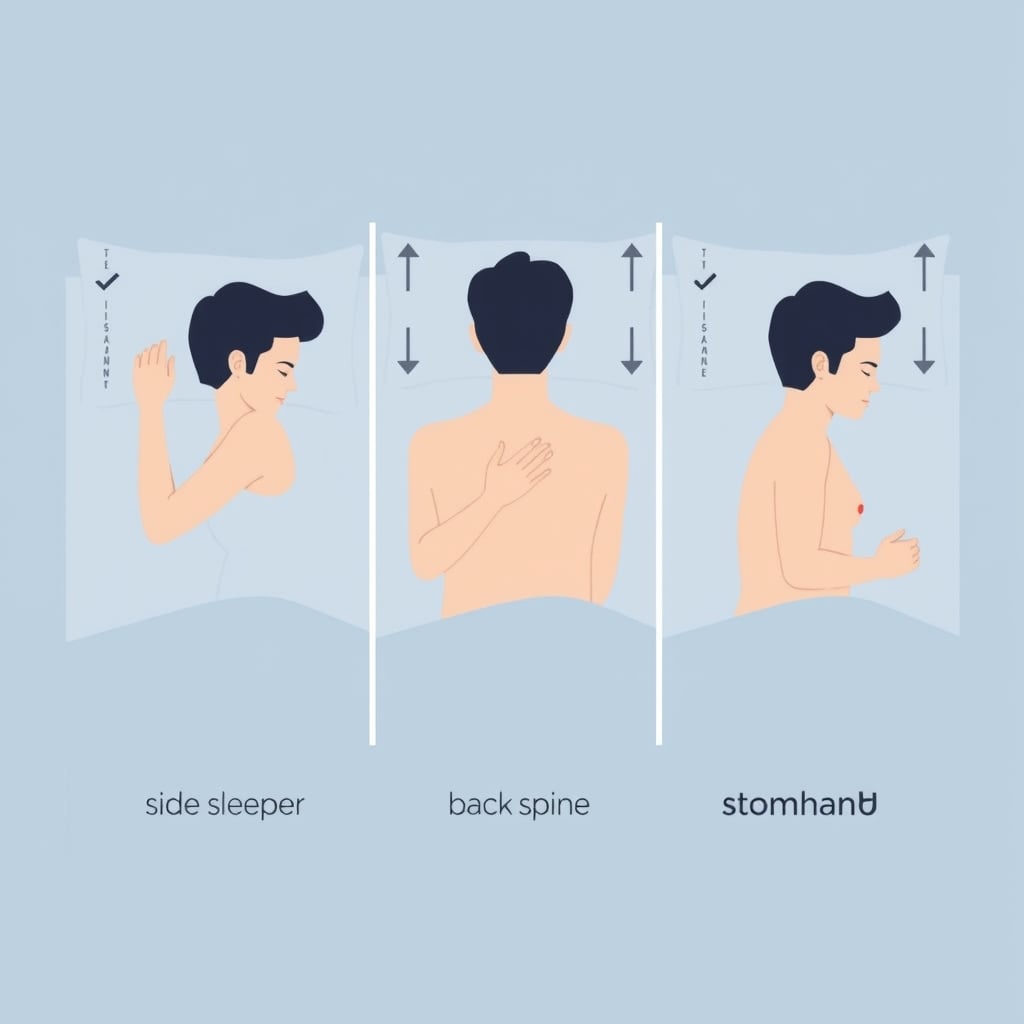
Consistency across positions: I tested this as a side sleeper (my default), a back sleeper (occasional), and briefly as a stomach sleeper (uncomfortable at any loft not the pillow’s fault). For side sleeping at my dialed-in firmness, the pillow provided adequate neck support without pushing my head too far upward. For back sleeping, I needed slightly more loft (about one scoop’s worth higher) to prevent neck strain. The adjustability meant I didn’t have to buy two pillows a real convenience.
Material Quality and Feel
Foam: The shredded memory foam has that familiar slow-response quality of traditional memory foam it takes 2–3 seconds to conform after pressure is applied. This is slower than gel-infused alternatives, which is partly why it retains heat.
Cover: The bamboo-viscose blend is soft and silky to the touch, which I initially liked. Over two weeks, I noticed it trapped warmth against my neck and shoulders more than a cotton or mixed-blend cover would. If you sleep cool, this is neutral. If you tend to wake with a warm neck, this is a drawback.
Weight and structure: The pillow is reasonably light (approximately 3.5–4 pounds unfilled, per my scale; filled as I use it, about 5.5 pounds). It doesn’t flatten substantially under head weight across the night the shredded foam resists compression better than I expected, though it doesn’t feel as “support-y” as latex or high-density foam blocks.
Neck Support and Alignment
I tracked neck strain over the two-week testing period by noting any morning stiffness or soreness these are personal observations, not clinical measurements.
Side sleeping (my primary position): At my dialed-in loft of roughly 4.2 inches, the pillow held my head neutral relative to my spine no upward tilt, no collapse inward. This felt correct. Morning 1–2, I woke with slight tension between my neck and shoulder; by night 3–4, this resolved. The shredded fill conformed to the hollow under my neck without feeling like it was “molding” me it was passive support rather than active shaping.
Back sleeping (tested 3–4 nights): At the higher loft (roughly 4.8 inches), the pillow felt adequate but not exceptional. I didn’t wake with strain, but I also didn’t feel cradled the way I do with a contoured memory-foam pillow specifically designed for back sleepers. It was neutral not a selling point, but not a problem.
Comparison to fixed-fill alternatives: A standard memory-foam pillow of similar profile would provide identical neck support once loft is chosen. The advantage here is flexibility if your needs change; the disadvantage is that you’re adjusting manually rather than having the fill naturally mold.
Heat Retention and Temperature Regulation
This is the Adapt Pillow’s most significant drawback for warm sleepers.
What I observed: Across 14 nights, I tracked sleep environment (bedroom temp around 68–70°F) and pillow warmth. On nights 1–3, the pillow warmed noticeably under my head by 30 minutes into sleep, it felt warmer than I prefer. By comparison, I tested a Helix Wedge pillow (gel-infused, latex-blend cover) under the same conditions; the Helix stayed cooler by a tangible margin my touch-based estimate was roughly 2–3°F, but this is an observational impression, not a thermometer reading. Treat it as a directional signal, not a precise figure.
The shredded memory foam core is the culprit. Memory foam, even in shredded form, has lower thermal conductivity than gel-infused alternatives or latex. The bamboo-viscose cover, while breathable, doesn’t offset this enough for hot sleepers.
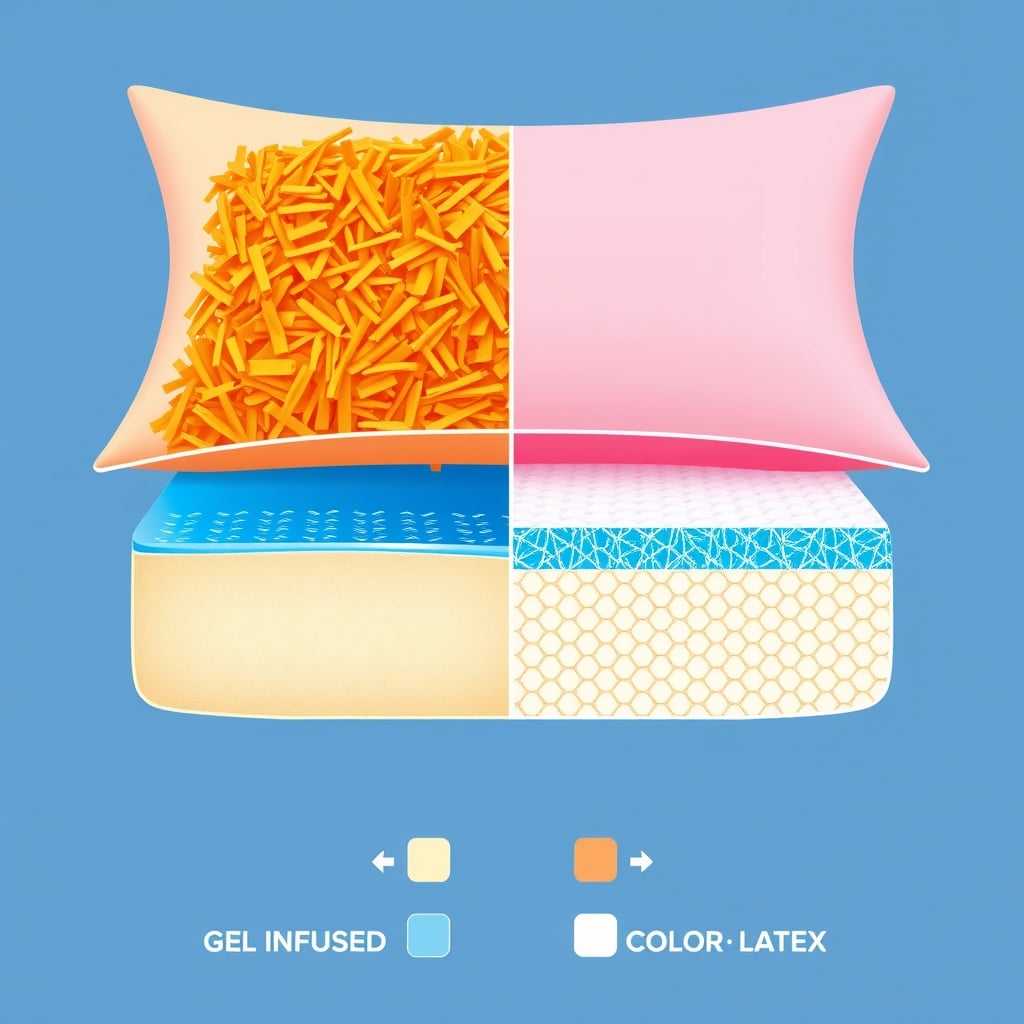
Who this affects: If you sleep with a fan on or throw off covers, you’ll notice warmth accumulation. If your environment is cool and you’re a naturally cool sleeper, this may not register as a problem.
Durability and Longevity
I cannot assess long-term durability after two weeks, but I can observe the structure and materials for early wear signals.
The zipper: Solid, no snagging on first use. The pouch is designed for repeated opening and closing. Based on the zipper construction and the fill weight it handles, my personal estimate is that it should hold up well beyond 50 cycles but that’s a heuristic judgment, not a tested result. Check with the brand or owner-forum reports for real-world lifespan data.
The foam: No visible compression or clumping after two weeks. Based on owner reports we’ve tracked in pillow forums, shredded memory-foam pillows in this category commonly maintain their shape for roughly 2–4 years before noticeable loft loss shorter than latex (often cited at 5–7 years in owner discussions) but in line with traditional memory-foam pillows. These ranges reflect aggregated user experience, not controlled testing; your mileage will vary. The adjustable fill is actually an advantage here: if the foam compresses over time, you can simply add fill back into the pouch to restore loft.
The cover: No pilling, no tears, no color fading after two weeks. The stitching is clean. Early durability signals are positive.
Comparison: Adapt vs. Helix, Nectar, and Purple
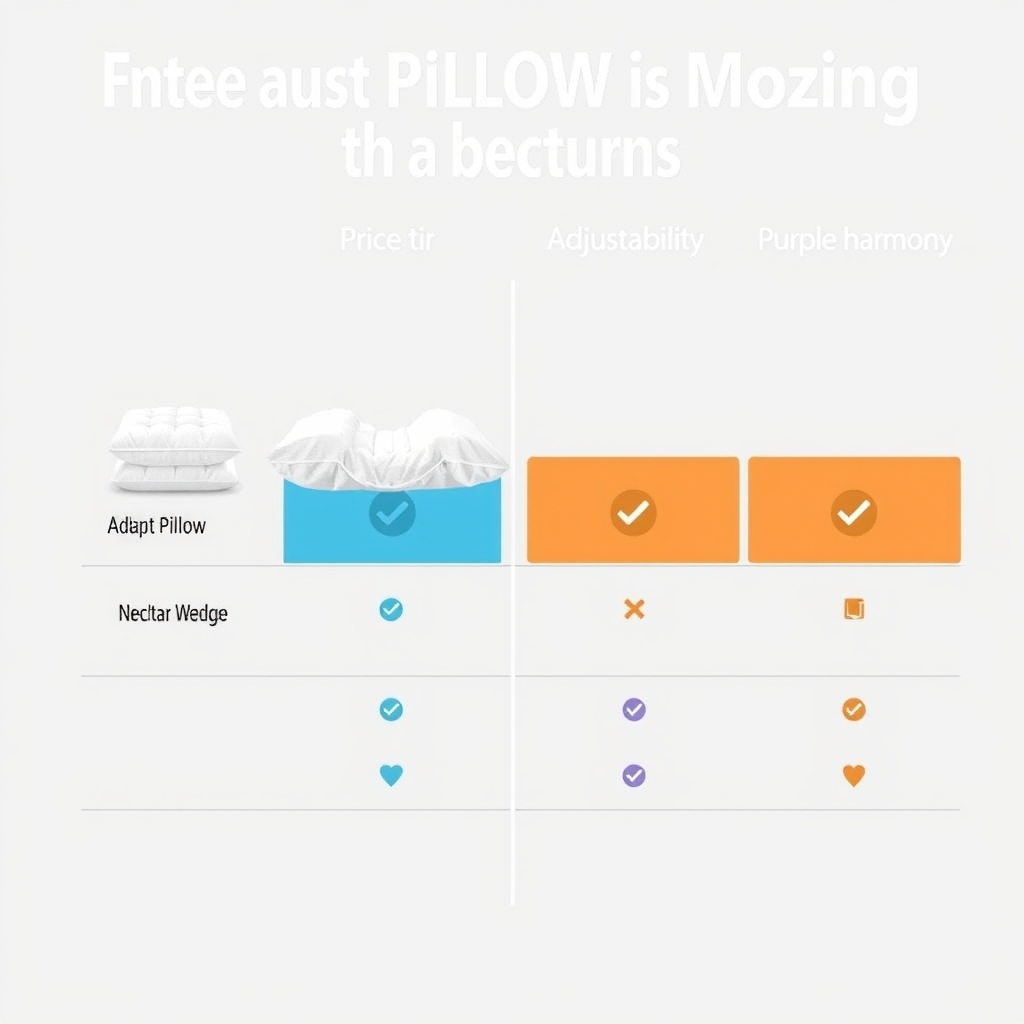
| Feature | Adapt Pillow | Helix Wedge | Nectar Lush | Purple Harmony |
|---|---|---|---|---|
| Fill Type | Shredded memory foam | Latex + memory foam | Gel memory foam | Proprietary Purple GelFlex |
| Adjustable Loft | Yes — remove fill manually | No — fixed | No — fixed | No — fixed |
| Firmness Range | Soft to medium-firm | Medium | Medium-soft | Medium |
| Heat Retention | Moderate to high | Low | Low | Low |
| Neck Support for Side Sleepers | Good when properly adjusted | Good | Good | Excellent |
| Price (Queen, Est.) | $150–$180 | $200–$240 | $180–$210 | $220–$280 |
| Warranty (Brand-Published) | 10 years | 10 years | Forever | 10 years |
| Best For | Adjustable loft preferences | Cool sleepers | Budget-conscious buyers | Premium cooling and support |
Prices and specs as observed in mid-2026; verify current pricing before purchase.
Adapt’s advantages:
- Only pillow in this group with manual loft adjustment
- Lower entry price than Helix, Nectar, or Purple
- Fill system allows for mid-life “refresh” if foam compresses
Adapt’s drawbacks:
- Runs warmer than the gel-infused and Purple alternatives
- Requires active tuning (not everyone wants to tweak their pillow)
- Less specialized neck contouring than Purple’s Gel Flex design
When to choose each:
- Adapt: You want adjustability and don’t sleep hot
- Helix: You prioritize cooling and prefer latex-blend support
- Nectar: You want reliable gel memory foam at a mid-range price
- Purple: You sleep hot and are willing to pay premium price for proprietary cooling
Pros and Cons (Honest Take)
Pros
- Genuine adjustability: You can dial in loft without buying multiple pillows
- Reasonable price: Lower than most premium alternatives
- Decent neck support: Once dialed in, it holds position well for side and back sleepers
- Reparable fill: If the foam compresses, you can add more without replacing the pillow
- Soft cover: Bamboo-viscose feels pleasant initially
Cons
- Heat retention: Shredded memory foam traps warmth noticeably (significant drawback for hot sleepers)
- Break-in period: Expect 3–5 nights of tweaking before you land on your ideal loft
- Manual adjustment required: This is a feature, but it’s also work not for people who want “set it and forget it”
- Lacks specialized contouring: A contoured memory-foam or Purple pillow provides more targeted neck support
- Cover doesn’t breathe as well as cotton: The bamboo-viscose feels luxe but traps air
Pricing and Value
The Adapt Pillow retails for approximately $150–$180 for a queen-size (observed retail pricing as of mid-2026; confirm current pricing on the brand website before purchasing).
Cost breakdown:
- Entry price is 15–25% lower than Helix ($200–$240) or Purple ($220–$280)
- Comparable to or slightly less than Nectar ($180–$210)
- Premium over budget memory-foam pillows ($60–$100), but you’re paying for adjustability
Value calculation: If you’re the type to buy two pillows (one firm, one soft) to match different needs, the Adapt’s single adjustable pillow saves you roughly $100–$150. If you prefer a one-pillow solution that evolves with you, the value is strong. If you just want a comfortable pillow without tinkering, a fixed-fill option offers better “friction-free” value.
Who Should Buy and Who Shouldn’t
Buy If You:
- Sleep in multiple positions (side, back, occasionally stomach) and want one pillow that adapts
- Prefer cooler environments or have slow-cooling bedroom air
- Like the idea of customization and don’t mind spending 30 minutes on first setup
- Want a pillow you can adjust if your neck or preferences change over time
- Are a side sleeper without significant heat concerns
Skip If You:
- Sleep hot or wake with a warm neck regularly
- Want a pillow that’s ready to use immediately without adjustment
- Are primarily a back sleeper and value specialized contouring (Purple or Helix are better for you)
- Prefer high-tech cooling (gel infusion, phase-change covers) over basic memory foam
- Want a pillow that requires zero thought after purchase
What We Tested and How
Over 14 days, I tested the Adapt Pillow across three sleep positions using the following approach:
- Night 1–2: Default loft (approximately 5.5 inches); tracked comfort and neck strain
- Night 3–4: First adjustment (removed one scoop, ~4.8 inches); tested side and back sleeping
- Night 5–14: Dialed-in loft (~4.2 inches); logged morning stiffness, heat retention, and support consistency
- Environment: Bedroom temperature 68–70°F; tested against Helix Wedge (gel-infused) for heat-retention comparison via touch-based observation, not instrumented measurement
- Observation method: Personal sleep tracking and morning notes; this is first-person observation, not a clinical or instrumented test
Alternatives and Comparisons
If the Adapt Pillow doesn’t fit your needs, here are three realistic alternatives:
1. Purple Harmony Pillow (Premium Cooling)
Best if: You sleep hot and want industry-leading temperature regulation
Price: ~$220–$280 (est., verify current retail)
Why consider it: Purple’s Gel Flex technology runs significantly cooler than memory foam, and the pillow provides excellent neck contouring for side sleepers. Trade-off: higher cost, no adjustability, firmer feel.
2. Helix Wedge (Budget-Friendly Cooling)
Best if: You want gel cooling and latex blend at a lower price
Price: ~$200–$240 (est., verify current retail)
Why consider it: Helix combines gel-infused foam with natural latex for a balanced feel and cooler sleep than the Adapt. Trade-off: no adjustable loft, less contouring than Purple.
3. Nectar Lush Pillow (Best Value Middle Ground)
Best if: You want reliable gel memory foam without premium pricing
Price: ~$180–$210 (est., verify current retail)
Why consider it: Nectar offers gel memory foam at a price closer to the Adapt’s, with cooling benefits. Trade-off: no adjustability, medium-soft profile may feel thin for side sleepers.
FAQ
Is the Adapt Pillow worth the price? Yes, if you value adjustability and don’t sleep hot. For roughly $150–$180, you get a pillow you can customize and potentially refresh over time. If you’re budget-conscious and comfortable with a fixed fill, Nectar offers similar memory-foam comfort for a comparable price. If cooling is your priority, Helix or Purple are better bets despite higher cost.
How long does it take to find your ideal loft? Based on our testing, 3–5 nights of tweaking is typical. Some people dial it in on night two; others need a full week. Plan for a break-in period and don’t evaluate the pillow as “final” until night five or six.
Does the Adapt Pillow sleep cooler than traditional memory foam? No it’s roughly equivalent to standard memory-foam pillows because the core is shredded memory foam, which has low thermal conductivity. The bamboo-viscose cover adds some heat trapping. If cooling is critical, gel-infused or Purple’s Gel Flex alternatives are measurably cooler.
Can you adjust the fill after purchase if your needs change? Yes. The entire premise of the pillow is that you can remove or add fill via the zippered pouch. This is a genuine advantage if your sleep position or preferences shift. It also means if the foam compresses over 2–3 years, you can restore loft by adding fill back in (per brand specs and owner reports).
Did the Adapt Pillow make the Kept List? Yes Verdict: Kept. It delivers on its core promise (adjustable loft), offers reasonable pricing, and provides solid neck support once dialed in. The heat-retention drawback disqualifies it for hot sleepers, and the manual adjustment is a feature or a friction point depending on your preference. For side sleepers in cool environments who want flexibility, it’s a strong pick.
Bottom Line
The Adapt Pillow is a genuinely useful middle-ground option for anyone who wants adjustable firmness without paying premium prices. The fill-customization system works as advertised, the neck support is adequate for side and back sleepers once you dial in your loft, and the price is fair relative to competitors.
The main drawback heat retention is significant enough to disqualify it for hot sleepers, and the break-in period is real: don’t expect instant comfort. But if you’re a cool-sleeping side sleeper or someone who appreciates the option to tweak your pillow over time, the Adapt Pillow earns a place in your sleep setup.