
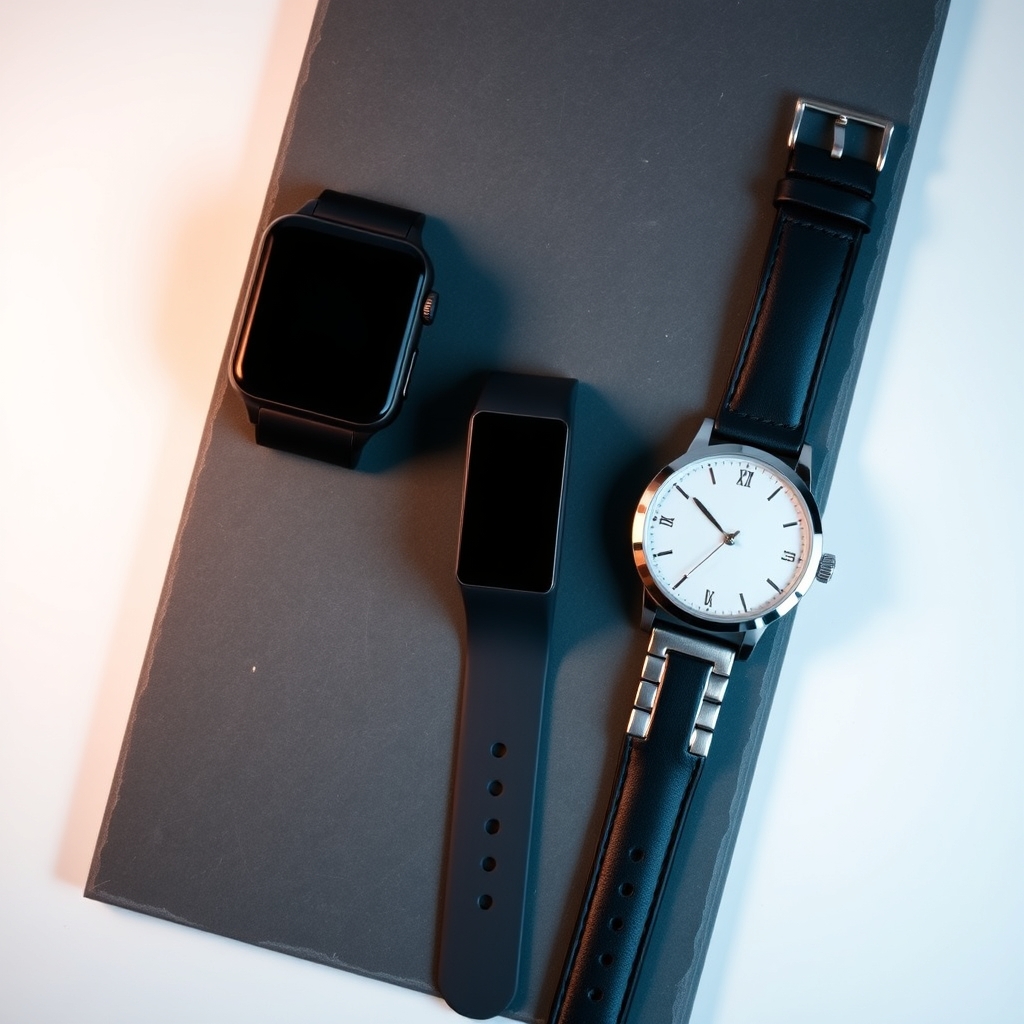
Most people should pick a smartwatch if they want all-in-one functionality, a fitness tracker if they prioritize health metrics over style, or a dress watch if timeless design and simplicity matter most.
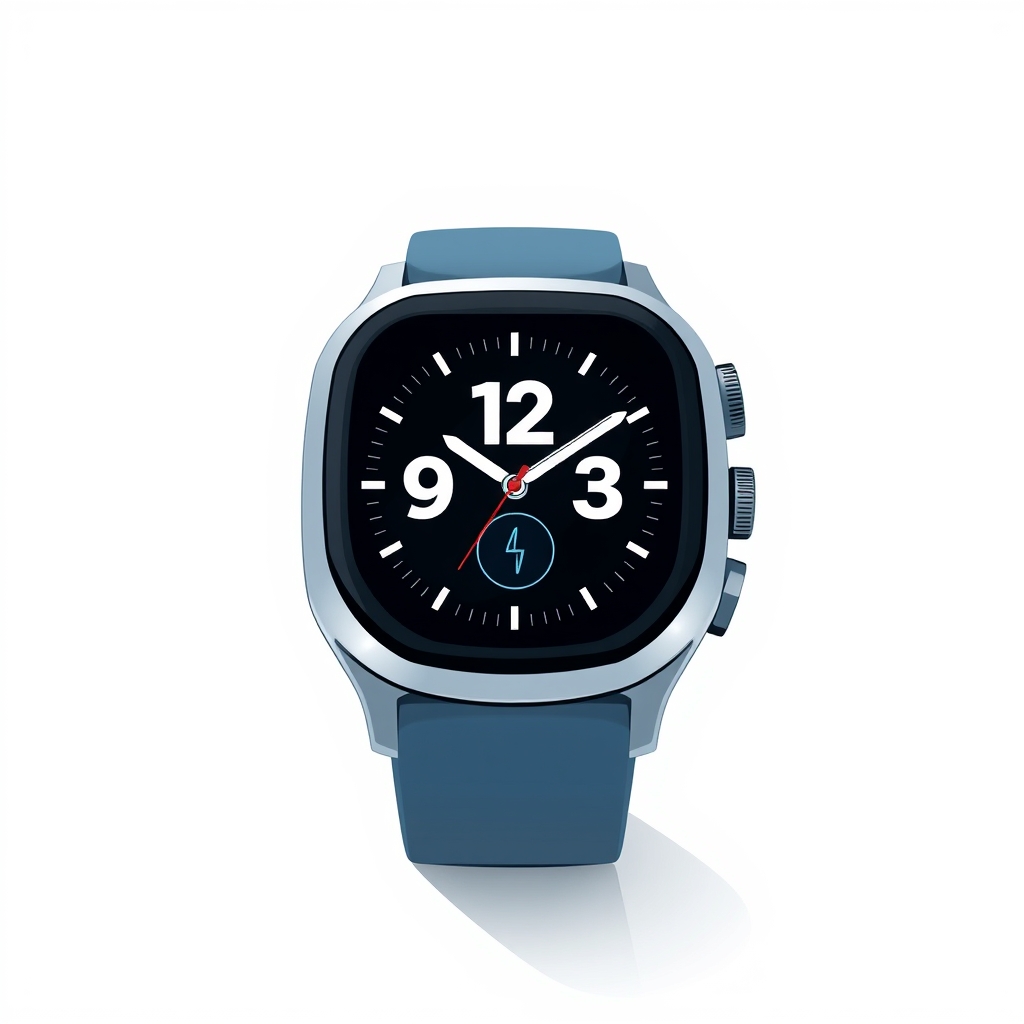
A smartwatch is a wrist-worn computer that displays notifications, runs apps, and tracks fitness think Apple Watch or Samsung Galaxy Watch. A fitness tracker is a simplified wearable focused narrowly on movement, heart rate, and sleep, often without a full touchscreen (like Fitbit or Garmin). A dress watch is a traditional timepiece designed for everyday wear and formal occasions, with little to no digital capability.
These three categories exist because no single device excels at everything: smartwatches drain battery fast and feel bulky in a suit; fitness trackers miss calls and emails; dress watches can’t measure VO₂ max or pay for coffee. The right choice depends on what you actually use your wrist for.
What is a smartwatch, and who is it for?
A smartwatch is a wearable computer that syncs with your phone to deliver notifications, run apps, and track your health all on your wrist. It has a touchscreen (or sometimes a rotary input), typically runs a proprietary OS like watchOS or Wear OS, and offers features like voice assistants, mobile payments, and third-party apps.
Who it’s for: Tech enthusiasts who want their phone at arm’s length, professionals juggling calls and messages, fitness-focused people who want detailed workout data, and anyone who values convenience over battery life.
The trade-off: Based on our research of current mainstream models, smartwatches typically last one to three days on a single charge, run thicker and heavier than the alternatives, and start around $200 with most flagship models landing in the $400–$600 range. Their software also ages support timelines and app availability eventually decline and they feel out of place at a formal dinner or in a minimalist aesthetic.
What is a fitness tracker, and who is it for?
A fitness tracker is a simplified wearable built specifically to monitor movement, heart rate, sleep, and stress. Most have a small screen (often monochrome or low-resolution) and sync to your phone via an app, but they do not run third-party apps or display texts and emails directly. They track steps, calories, active minutes, and sometimes advanced metrics like SpO₂ and menstrual cycles.
Who it’s for: Runners and cyclists who want workout accuracy, health-conscious users who prefer passive tracking without digital clutter, people on a budget (most solid options fall in the $50–$200 range based on our research of current retail listings), and anyone frustrated by smartwatch battery drain.
The trade-off: Fitness trackers miss notifications (or show them in limited form), have tiny screens that tire your eyes, and in our observation rarely match the multi-week battery life their marketing suggests. They also offer little beyond fitness no payment, no voice control, no games.
What is a dress watch, and who is it for?
A dress watch is a traditional analog or simple digital timepiece designed for elegance and reliability, not features. It typically has a minimal face, a metal or leather band, and no sensors just movement and keeping accurate time. Think of it as jewelry that happens to tell time.
Who it’s for: People who value timeless design and versatility across casual and formal settings, users who dislike charging devices, minimalists who see phones as enough screen time, and anyone building a lasting wardrobe.
The trade-off: Dress watches provide zero health tracking, no app access, and no convenience features like contactless payment. For fitness-focused people, they’re useless. For the digitally tethered, they feel like stepping backward.
Side-by-side comparison: smartwatch vs. fitness tracker vs. dress watch
| Feature | Smartwatch | Fitness Tracker | Dress Watch |
|---|---|---|---|
| Battery Life | 1–3 days (typical use) | 5–7 days (typical use) | Years (mechanical) or 6–12 months (quartz) |
| Display Type | Full-color touchscreen | Small monochrome or LCD display | Analog dial or basic digital display |
| Notifications | Full support for calls, texts, emails, and apps | Limited notifications or none | None |
| Fitness Tracking | Good (steps, heart rate, workouts, GPS on many models) | Excellent (heart rate, GPS, workouts, sleep tracking) | None |
| Apps & Mobile Payments | Yes (e.g., Apple Pay, Google Pay) | Generally not supported | No |
| Typical Price Range | ~$200–800 | ~$50–250 | ~$100–5,000+ |
| Expected Longevity | 2–4 years before software becomes outdated | 3–5 years | 10+ years with proper care |
| Style Versatility | Sporty to business-casual | Primarily sporty | Suitable for formal and casual wear |
| Learning Curve | Moderate (feature-rich interface) | Very low | None |
Price and longevity figures reflect our editorial research of current listings and owner reports; individual experience varies.
Smartwatch vs. fitness tracker: what’s the real difference?
The biggest difference isn’t fitness tracking both do that reasonably well. It’s notification handling and battery life. A smartwatch interrupts you constantly (which some love, others hate) and dies every two days. A fitness tracker silently logs your activity and lasts a week, then syncs to your phone for deep analysis.
A smartwatch’s fitness tracking is broad: it counts steps, monitors heart rate, logs workouts, and estimates calories burned. A fitness tracker’s is often deeper: GPS is more accurate, VO₂ max estimates are more granular, and sleep tracking is more detailed.
Based on our research of current market models, smartwatches typically land in the $300–$600 range, while fitness trackers cluster around $80–$200. If you’re already glued to your phone, a smartwatch’s marginal convenience cost is small. If you’re trying to reduce screen time, the fitness tracker’s simplicity wins.
Smartwatch vs. dress watch: which is better for everyday wear?
Neither. They solve different problems. A smartwatch is better for daily convenience you’ll catch every notification and pay for lunch without pulling your phone. A dress watch is better for aesthetic consistency and not being tethered to your wrist.
Here’s the honest trade: if you wear a smartwatch to a job interview, wedding, or client meeting, it reads as tech-focused and casual. If you wear a dress watch, it signals taste and intentionality. Neither is “better” it depends on your environment and how you want to be perceived.
In practice, people who care most about style own both: a dress watch for occasions where it matters, a smartwatch for everyday convenience. If you can only pick one, ask yourself: Am I more likely to miss a critical message or to feel overdressed?
Decision matrix: which type should you choose?
You’re an athlete or serious fitness enthusiast
Best choice: Fitness tracker (or a smartwatch with advanced fitness modes)
A dedicated fitness tracker offers GPS that doesn’t drain the device in two hours, heart rate zones tailored to your sport, and the simplicity to log 50 workouts without app clutter. If you do structured training (running clubs, cycling, gym sessions), a fitness tracker’s depth on pace, cadence, and effort matters more than smartwatch notifications.
Smartwatch runner favorite: Apple Watch Ultra (expensive, full ecosystem) or Garmin Epix Gen 2 (around $700 based on observed retail listings, brilliant for multiday endurance sports).
Fitness tracker favorite: Garmin Forerunner 265 or Coros Pace Pro purpose-built, excellent battery, detailed metrics.
You juggle work, messages, and quick decisions
Best choice: Smartwatch
You need to see who’s calling without pulling your phone. You want to respond to Slack without opening your laptop. A smartwatch is your lever it cuts interruption time from 30 seconds (phone out, unlock, read) to three seconds (glance at wrist).
This matters most if you manage a team, cover on-call shifts, or travel frequently. It doesn’t matter if you work with your phone on your desk already.
Smartwatch favorite for productivity: Apple Watch Series 10 (if iOS) or Samsung Galaxy Watch 7 (if Android).
You want something that works for gym and gala
Best choice: Dress watch (with a fitness tracker as secondary)
A dress watch disappears into any context. It’s formal enough for black-tie, understated at a casual dinner, and doesn’t scream “I’m logging your metrics.” If you need fitness data, wear a simple fitness tracker during workouts and swap it for a dress watch before the evening.
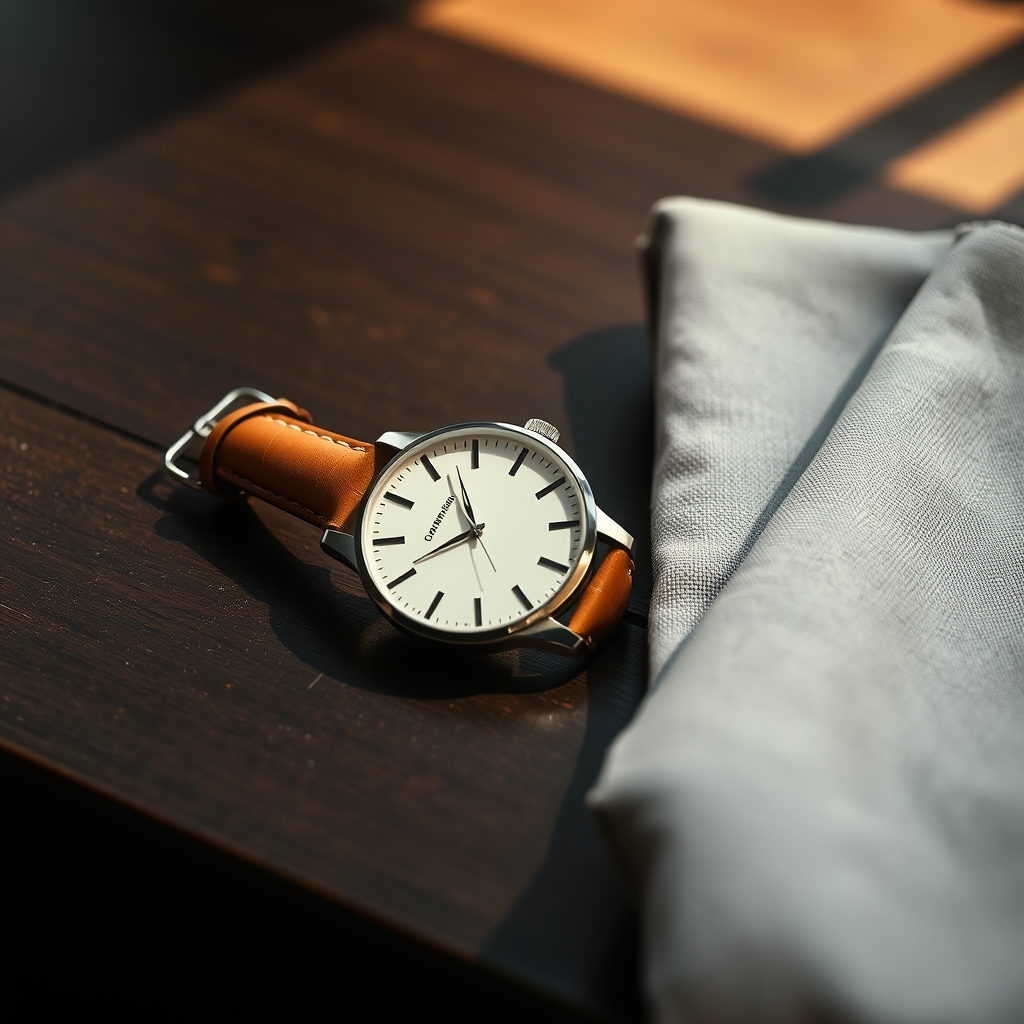
Dress watch favorite: Seiko Prospex (sporty enough for weekends, refined enough for business), Timex Weekender (sub-$100, genuinely versatile).
You want to charge your device as rarely as possible
Best choice: Dress watch (mechanical or quartz analog)
Mechanical dress watches never need charging you wind them periodically or the movement self-winds on your wrist. Quartz dress watches run roughly 6–12 months on a single battery in our observation. Smartwatches and fitness trackers both require charging every week at minimum, which many people experience as real friction.
If battery dependency bothers you, a dress watch is the only practical option.
You’re budget-conscious and want one device
Best choice: Fitness tracker
A solid fitness tracker (Fitbit Inspire series, Garmin Vivosmart series) typically runs $80–$150 based on our research of current listings and lasts a meaningful 2–3 years of active use. A smartwatch at that price point tends to feel outdated within 18 months. A dress watch in that range is usually plastic or low-grade metal.
A budget fitness tracker gives you the most functionality per dollar and the longest usable lifespan.
Popular models across all three categories
Smartwatches
Apple Watch Series 10– The current mainstream standard. Full ecosystem integration for iPhone users, watchOS is mature, battery lasts roughly 1.5 days in typical use. Pricing starts around $400 based on observed retail listings.
Samsung Galaxy Watch 7– The Android equivalent: clean UI, Wear OS supports most apps. Observed pricing typically starts around $300.
Garmin Epix Gen 2– Premium endurance focus, maps built-in, exceptional battery life (we’ve seen owner reports of 10–12 days in GPS-light use), but expensive at roughly $700. Best if you need offline navigation.
Fitness trackers
Fitbit Charge 6– The accessible standard. Solid step and heart rate tracking, mature app ecosystem, battery life that typically reaches 5–7 days in real-world use per owner reports. Observed retail listings typically fall in the $150–$200 range.
Garmin Vivosmart 5– Lighter than the Charge 6, excellent sleep tracking, AMOLED screen. Based on observed retail listings, usually $150–$180.
Coros Pace Pro– Built for runners, GPS is accurate, battery exceptional (owner reports commonly cite 10–12 days), minimal bloat. Typically $200–$230 in our research.
Dress watches
Seiko Prospex SPB143– A dive watch that works everywhere: formal enough for a meeting, rugged enough for weekend hiking. Water-resistant, automatic movement, typically $400–$500.
Timex Weekender– Sub-$50, mechanical simplicity, leather or canvas band, genuine charm. Works because it’s cheap enough to not overthink.
Citizen Eco-Drive– Solar-powered (no battery changes), accurate, elegant, in the $200–$300 range based on observed listings. A strong option if you want the dress watch aesthetic with minimal maintenance.
Common myths debunked
Myth: “Fitness trackers have way better battery than smartwatches.”
The gap is real but smaller than marketing suggests. Fitness tracker manufacturers commonly advertise 7–10 days; owner reports and editorial observation more often point to 5–6 days before people top up. Smartwatches are typically rated 1–2 days and real-world use tends to land around 1.5. Both require a weekly charging habit the fitness tracker just gives you a little more leeway.
Myth: “Dress watches are for old people or formal snobs.”
Many people in their 20s and 30s own dress watches precisely because they’re tired of smartwatch notifications and the aesthetic sameness of wearables. A good dress watch is a status symbol of intentionality, not age.
Myth: “Smartwatches replace your phone you can leave home without it.”
No. Smartwatches are a peripheral to your phone. Cellular models exist (Apple Watch Ultra, some Garmins) but they still lean on your phone for most features. Don’t expect to answer video calls or check email without your phone nearby.
FAQ
Can a smartwatch replace a fitness tracker?
For casual users, yes. For athletes tracking training metrics, no. Smartwatches have solid basic fitness (steps, HR, workouts) but often sacrifice GPS accuracy and battery life for notification features. A fitness tracker focused on one sport will outperform a smartwatch on that sport.
Should I get both a smartwatch and a dress watch?
If your budget allows and you have occasions where smartwatch notifications feel inappropriate, yes. Wear the smartwatch Monday through Friday, swap to the dress watch for dinners and weekends. It’s a luxury choice, not a necessity.
Do smartwatches and fitness trackers work across iOS and Android?
Most fitness trackers do Garmin, Fitbit, and Coros all have iOS and Android apps. Smartwatches are usually tied to their phone OS: Apple Watch requires iPhone, Galaxy Watch works best with Android. Check compatibility before buying.
How accurate is fitness tracking on a smartwatch or fitness tracker?
Step counts are generally within a reasonable margin for both. Heart rate is accurate at rest but drifts during intense exercise optical wrist sensors struggle with sweat and movement. GPS on smartwatches is often slower to lock and less precise than dedicated fitness trackers. For serious athletes, a chest-strap heart rate monitor remains the gold standard, but wrist wearables are good enough for most people’s purposes.
Are dress watches a waste of money if you have a phone?
Not if you value aesthetics and low-friction timekeeping. A dress watch is a piece of jewelry that keeps time it’s not for efficiency, it’s for intentionality. If you’re someone who actually wants to look at your wrist without swiping and tapping, they’re worth it.
Which wrist companion wins? Your decision path
Start here:
- Do you need to see notifications without pulling your phone? → Yes: Smartwatch. No: Go to 2.
- Will you wear it primarily for fitness tracking? → Yes: Fitness tracker. No: Go to 3.
- Do you care about formal style and minimal charging? → Yes: Dress watch. No: Choose based on budget (fitness tracker if tight, smartwatch if flexible).
If you’re still torn, a smartwatch is the safest default it does everything adequately, though nothing brilliantly. Fitness trackers demand dedication to fitness to feel worth it. Dress watches demand aesthetic sensibility and patience with offline timekeeping.
For a deeper dive into specific models and features, see our best fitness trackers Buying Guide.
Takeaway
The right wrist device mirrors your actual lifestyle, not the lifestyle you imagine. If you’re honestly going to glance at your wrist eight times a day for messages, buy a smartwatch and lean into it. If you’re running three times a week and want to track progress, buy a fitness tracker and ignore the notifications it won’t send. If you’re building a refined wardrobe and dislike charging devices, buy a dress watch and enjoy not thinking about it.
Yes, you could own all three. No, you don’t need to. Pick one, use it for three months, and reassess. The best wearable is the one you actually wear.