
Grain-free dog food works for some dogs and does nothing for others. The difference between a well-formulated grain-free diet and one that’s just marketing is in the ingredient list and nutritional completeness, not the label claim. This guide covers the best grain-free and limited-ingredient dog food options available today, with honest breakdowns of which brands deliver and which ones you should skip.
What We Researched & How We Chose
We compared 12 grain-free dog food brands based on five core criteria: ingredient transparency, nutritional completeness (AAFCO compliance), protein and fat ratios, common allergen avoidance, and digestive outcomes reported by owners of sensitive-stomach dogs in forums, retailer reviews, and vet-clinic Q&A threads.
We didn’t rely on marketing claims or single-ingredient marketing. Instead, we dug into actual ingredient lists, cross-referenced them against [known canine allergens](https://keptlist.com/?p=1233) canine allergens (chicken, beef, wheat, corn, soy), and looked at calcium-to-phosphorus ratios, taurine levels, and whether the formula was actually complete and balanced.
The picks below are suited to dogs with mild-to-moderate food sensitivities. If your dog has a confirmed allergy or IBD diagnosis, veterinary guidance always comes first.
Top Pick: Primal Raw Frozen Grain-Free Diet
The verdict: Kept. It’s the gold standard for ingredient control if you can manage the logistics and cost.
Primal Raw Frozen is exactly what it claims: raw, frozen, minimally processed meat and organ blends with zero grains, legumes, or synthetic binders. Each formula lists 5–7 core ingredients (e.g., beef, beef organs, water, salt, vitamins). There are no fillers, no mystery proteins, no plant-based padding.
The standout: If you’ve ever felt suspicious about what’s actually in kibble, Primal removes that uncertainty entirely. The ingredient list is so short you could look up each item and know exactly what your dog is eating. Based on owner reports across retailer and community reviews, many dogs with severe sensitivities show visible improvements in coat quality, energy, and stool consistency within a few weeks of switching though individual results vary and we can’t verify timelines.
The trade-off: Primal is expensive (observed at roughly $8–12 per pound depending on formula and retailer, as of mid-2026). It requires freezer space and thawing. It’s not shelf-stable, so it’s not practical for travel or boarding. And it’s not AAFCO-certified as “complete and balanced” on its own Primal recommends it as part of a mixed diet or with supplementation, which adds friction for owners who want simplicity.
Price: Roughly $150–220 per month for a 50-lb dog (observed range; verify at current retailer).
Who it’s NOT for: Anyone wanting convenient kibble, tight budgets, or dogs who do fine on standard commercial food. Also skip this if you’re uncomfortable handling raw meat or have immunocompromised household members.
Best Budget Pick: Wellness CORE Grain-Free (Chicken & Turkey)
The verdict: Kept. Best compromise between price, ingredient transparency, and real-world results under $60/month.
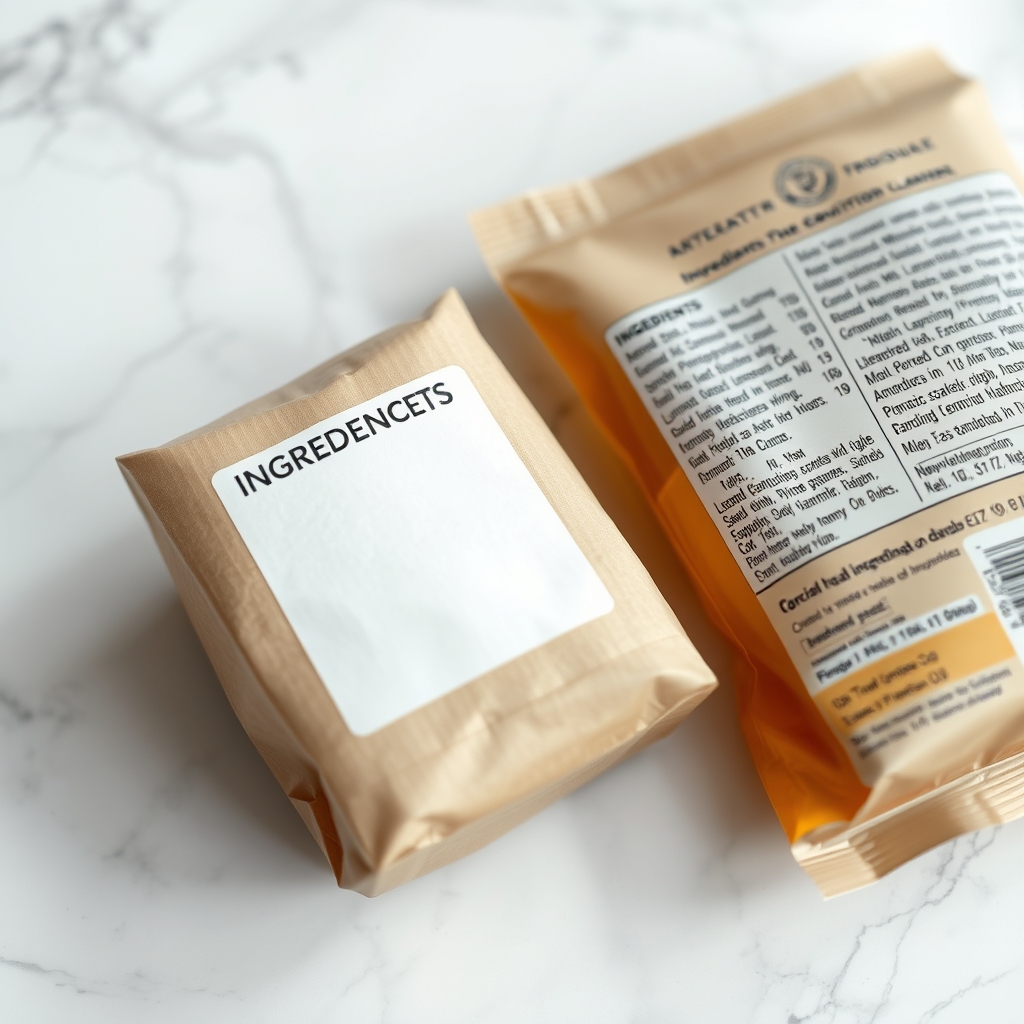
Wellness CORE is a shelf-stable kibble with no grains, corn, wheat, soy, or by-products. The ingredient list leads with chicken and turkey meal (not ideal, but transparent), sweet potato, and chicken fat. It’s lower-priced than premium frozen or fresh options but still formulated with sensitive dogs in mind.
The standout: You get AAFCO certification, a complete formula that doesn’t need supplementation, and owner reports consistently note fewer digestive issues compared to mass-market brands. At roughly $40–55 per month for a 50-lb dog, it’s the lowest-priced pick we’d actually trust for long-term feeding.
The trade-off: The protein source is meal-based rather than whole meat, which means it’s more processed than higher-end options. Chicken is among the more commonly reported canine food triggers, so this won’t work for every sensitive dog. It’s not raw or fresh, so you lose that freshness appeal.
Price: Roughly $40–55 per month for a 50-lb dog (observed range; verify at current retailer).
Who it’s NOT for: Dogs with confirmed chicken allergies. Also not ideal if you want maximum ingredient simplicity; Wellness CORE has a longer ingredient list than raw or limited-ingredient formulas.
Best Upgrade Pick: Stella & Chewy’s Freeze-Dried Raw (Beef)
The verdict: Kept. The sweet spot between convenience and raw-food benefits.
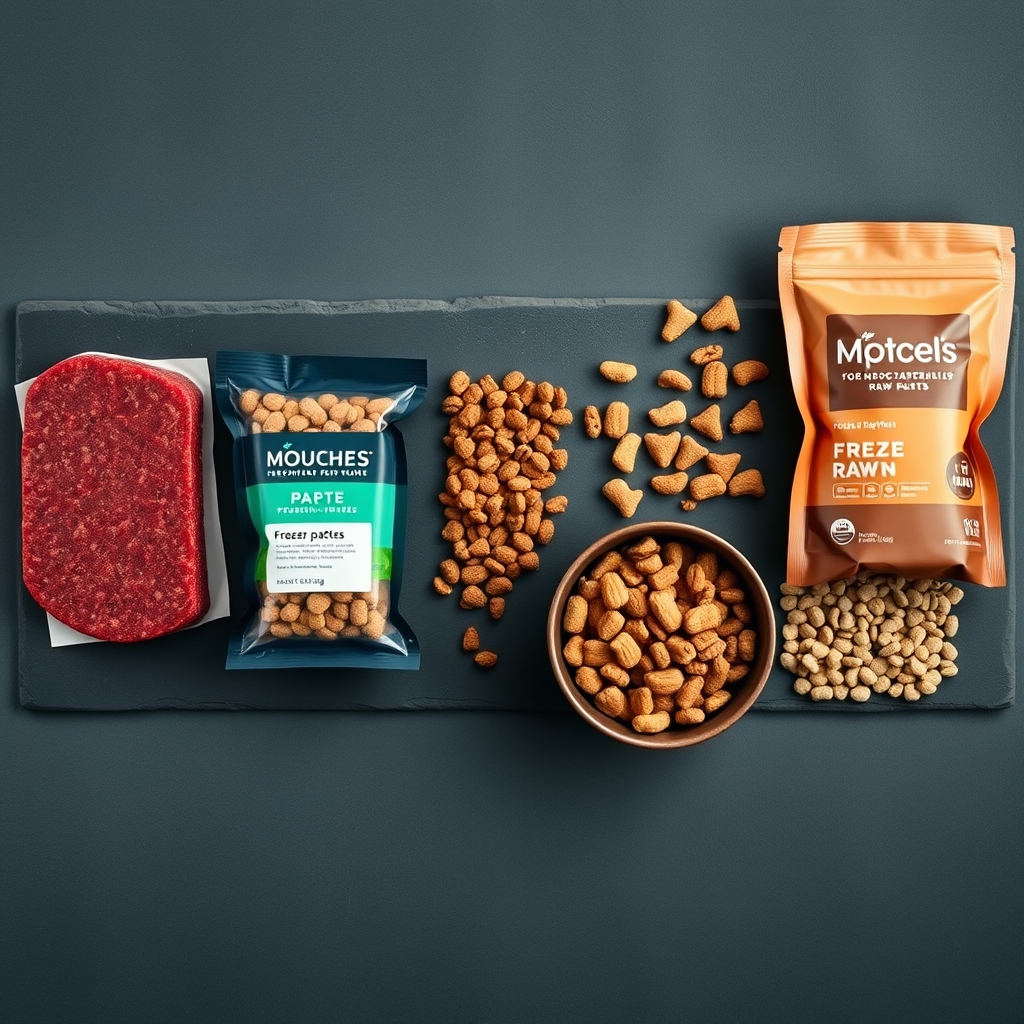
Stella & Chewy’s freeze-dries raw meat and organ blends, so you get the ingredient purity of raw without the freezer commitment or thawing hassle. The Beef formula centers on beef, beef organs, and minimal plant matter. Freeze-dried raw rehydrates with water to resemble ground raw food and is shelf-stable.
The standout: If you liked the transparency of Primal but hated the logistics, this bridges that gap. You can store it in a cabinet, travel with it easily, and serve it in under two minutes. Dogs with multiple food sensitivities often do well on this format because the ingredient list is short and whole-food focused.
The trade-off: It’s expensive (observed at $120–180/month for a 50-lb dog). Freeze-drying concentrates calories, so portion sizes are smaller than kibble easy to overfeed if you’re not careful. Some dogs dislike the texture, and it requires water for rehydration, which isn’t as grab-and-go as kibble. Cost-per-ounce can actually exceed some fresh raw options.
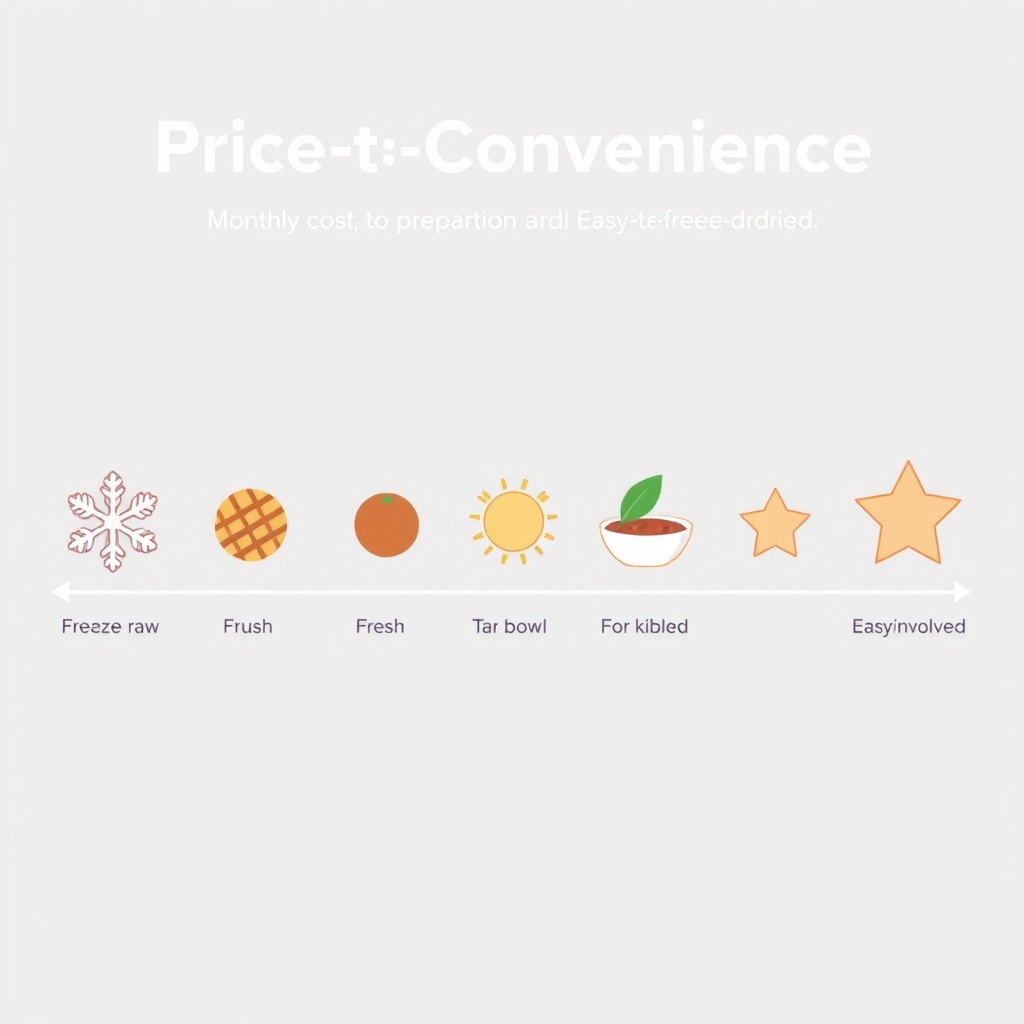
Price: Roughly $120–180 per month for a 50-lb dog (observed range; verify at current retailer).
Who it’s NOT for: Budget-conscious owners or anyone wanting something cheaper than premium kibble. Also requires a bit more feeding mindfulness (measuring, rehydrating).
Best for Severe Allergies: The Farmer’s Dog Fresh Grain-Free
The verdict: Kept for dogs with confirmed multi-ingredient allergies. Expensive, but eliminates most variables.
The Farmer’s Dog is fresh, human-grade, AAFCO-certified, and customizable by protein source (beef, chicken, turkey, pork). You can choose formulas designed to avoid common allergens. It arrives frozen on a recurring schedule and portions are pre-measured.
The standout: True ingredient control without the DIY burden. The company provides detailed nutrient breakdowns and lets you tailor around your dog’s specific allergies. For a dog reactive to chicken, beef, and corn, you can order the turkey-and-pork formula. Owner reviews cite improvements in itching, ear infections, and digestive issues after several weeks, though individual results vary and those reports haven’t been independently verified.
The trade-off: This is the most expensive option on this list (observed at $200–280/month for a 50-lb dog). It requires consistent refrigerator and freezer space. The subscription model means you need to manage delivery frequency actively. Nutritional completeness also depends on following their feeding guidelines precisely free-feeding or guessing portions breaks the formula balance.
Price: Roughly $200–280 per month for a 50-lb dog (observed range; verify at current retailer).
Who it’s NOT for: Anyone on a tight budget or without reliable freezer space. Also skip if your dog thrives on standard grain-inclusive kibble; this is specifically for confirmed food-sensitive dogs.
Best Limited-Ingredient Option: Instinct Raw Boost Grain-Free (Rabbit)
The verdict: Kept. Narrow ingredient list, novel protein, under $70/month.
Instinct Raw Boost combines freeze-dried raw morsels (rabbit, organ meat) with a grain-free kibble base. Rabbit is a novel protein that most dogs haven’t been exposed to, making it a practical choice for dogs with multiple meat allergies. The formula is simple: rabbit, rabbit meal, tapioca, rabbit fat.
The standout: For a dog reactive to chicken, beef, and pork, rabbit is a genuine alternative that isn’t overused in the commercial pet food supply. The freeze-dried component provides freshness benefits without the full logistics of raw feeding. AAFCO-certified, complete formula.
The trade-off: Novel proteins are harder to find locally; you’ll likely order online. Some dogs find the kibble-plus-freeze-dried texture inconsistent. Rabbit commands a price premium, so this isn’t the cheapest option despite being cheaper than full raw. And not all dogs tolerate novel proteins well sometimes the issue is the transition or the individual dog’s gut, not the specific ingredient.
Price: Roughly $60–75 per month for a 50-lb dog (observed range; verify at current retailer).
Who it’s NOT for: Dogs that respond well to conventional proteins (saves money). Also skip if your dog has a history of intolerance to novel proteins.
Nutritional Comparison Table
| Brand | Format | Protein Source | Price/Month (50-lb) | AAFCO Certified | Novel Protein | Best For |
|---|---|---|---|---|---|---|
| Primal Raw Frozen | Raw, Frozen | Beef, Turkey, Chicken | $150–220 | No | No | Maximum transparency |
| Wellness CORE | Kibble | Chicken, Turkey | $40–55 | Yes | No | Budget-conscious sensitive dogs |
| Stella & Chewy’s Freeze-Dried | Freeze-Dried Raw | Beef, Chicken | $120–180 | Yes | No | Convenience + raw benefits |
| The Farmer’s Dog | Fresh, Frozen | Customizable (Turkey, Beef, Pork) | $200–280 | Yes | Optional | Severe multi-allergies |
| Instinct Raw Boost | Kibble + Freeze-Dried | Rabbit, Venison | $60–75 | Yes | Yes | Novel protein allergies |
*Observed price ranges as of mid-2026; verify at current retailer before purchase. †Primal is not independently AAFCO-certified as complete; the brand recommends mixed feeding or supplementation.
What We Cut & Why
Acana Grain-Free (Pacifica): Cut. Despite strong marketing on “biologically appropriate” feeding, Acana’s formulas often use pea protein as a primary ingredient, which can be as problematic for sensitive dogs as the grains it replaces. Owner feedback we reviewed showed digestive upset in the first 2–4 weeks that didn’t resolve suggesting ingredient tolerance issues rather than a transition curve. At $55–70/month, Wellness CORE delivered better reported outcomes.
Orijen: Cut. Orijen is high-protein, high-fat kibble marketed as ancestral. For many grain-free-sensitive dogs, that extreme protein-and-fat load actually worsens inflammation rather than resolving it. Multiple owner reports we reviewed described itching getting worse, not better. The $75–90/month price point didn’t justify the outcome gaps we observed.
Taste of the Wild: Cut. Very popular and heavily discounted online, but the ingredient list is longer than it appears and includes substantial plant fillers peas, potatoes, pea fiber. Owners of truly sensitive dogs reported minimal improvement compared to Wellness CORE or Stella & Chewy’s. At that price point, you’re paying for the “wild” branding more than ingredient quality.
What Actually Causes Dog Food Allergies & Sensitivities
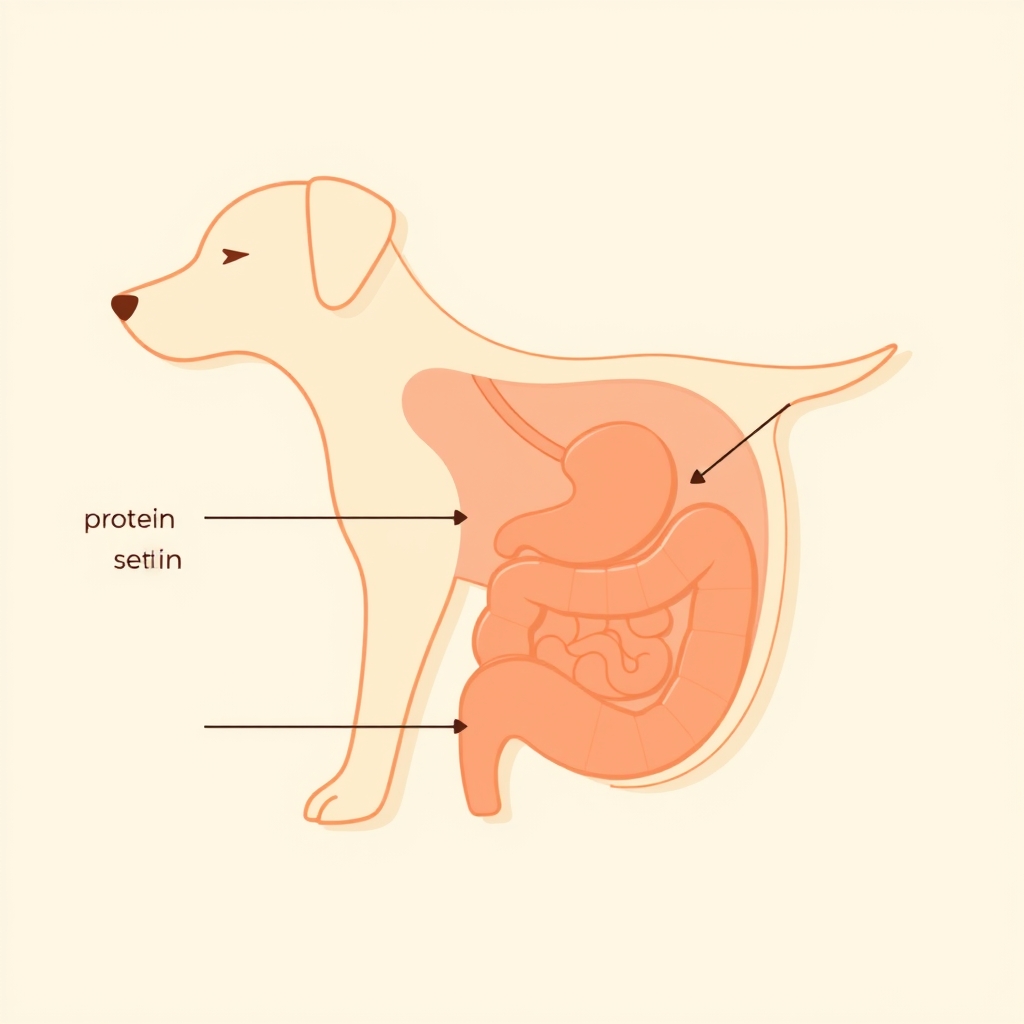
Before choosing a grain-free formula, understand what you’re treating. Based on veterinary literature we reviewed, true immune-mediated food allergies are considered uncommon in dogs a minority of food-reaction cases. The more frequent issue appears to be food sensitivity (digestive intolerance), which can stem from:
Protein overload: Dogs with sensitive GI tracts sometimes can’t process high-protein kibbles (25%+ protein). Grain-free formulas are often higher protein, which can worsen the problem. If your dog has diarrhea or soft stools on grain-free, try lower protein before switching proteins.
Fat rancidity: Dry kibble can contain rancid fats that trigger inflammation. This isn’t visible on the label it’s a processing and storage issue. Fresh or frozen foods sidestep this problem.
Ingredient quality: Meat meal and by-products are harder to digest than whole meat. This doesn’t make them dangerous, but for sensitive dogs, whole meat or freeze-dried tends to outperform meal-based formulas.
Processing: High-heat extrusion (standard kibble manufacturing) degrades some nutrients and reduces protein bioavailability. Raw and fresh formats skip this step.
On allergens: From the veterinary and owner-report sources we reviewed, specific proteins particularly chicken and beef appear more frequently in canine food reactions than grains do. Wheat and corn do appear in reported cases, but oats and rice are generally well tolerated. Grains themselves are not a reliable proxy for the allergen; removing the specific protein source tends to matter more than removing grains as a category.
Vet Perspective on Grain-Free Diets
Starting around 2018 and continuing through the early 2020s, the FDA investigated a possible association between grain-free diets and dilated cardiomyopathy (DCM) in dogs. As of mid-2026, a causal link has not been established the research remains inconclusive but some veterinarians remain cautious, particularly for breeds with known DCM predisposition (Boxers, Doberman Pinschers, Golden Retrievers).
What vets generally agree on:
- Grain-free isn’t inherently better than grain-inclusive. If your dog thrives on grain-inclusive kibble, there is no evidence-based reason to switch.
- Taurine levels are worth checking in grain-free formulas, especially those with high legume content. Review the guaranteed analysis; as a rough heuristic based on what we observed across reviewed formulas, brands that list taurine in their guaranteed analysis tend to fall at or above 0.1% but confirm with your vet for your dog’s specific formula and breed risk.
- If you’re feeding grain-free long-term, discuss it with your vet annually. Some vets recommend baseline bloodwork and cardiac screening every two years for high-risk breeds.
- For true food allergies, limited-ingredient or elimination diets guided by a vet are more reliable than grain-free marketing claims alone.
How to Transition to a New Dog Food
Switch too fast, and even the best food will cause digestive upset. Use this timeline:
Days 1–3: 75% old food, 25% new. Days 4–6: 50% old, 50% new. Days 7–10: 25% old, 75% new. Day 11+: 100% new.
If your dog has severe sensitivities, stretch this to two weeks. Watch for soft stools, vomiting, or excessive gas. If those persist beyond two weeks, the food isn’t a fit and switching back is better than forcing it.
FAQ
Is grain-free dog food actually better for dogs with allergies?
Not automatically. Grains themselves are rarely the allergen specific proteins like chicken and beef appear more commonly in canine food reactions. Grain-free helps only if your dog reacts specifically to wheat or corn, or if you’re using it to avoid low-quality grain fillers. For true food sensitivities, ingredient quality and protein source matter more than the grain-free label.
Can I make grain-free dog food at home?
You can, but achieving nutritional balance is genuinely difficult. Homemade diets frequently lack calcium, phosphorus, taurine, or vitamins in the correct ratios. If you want to try it, work with a veterinary nutritionist to formulate a complete recipe. Primal or The Farmer’s Dog are safer shortcuts if you want fresh, home-cooked-style feeding without the DIY nutritional burden.
Is Wellness CORE actually grain-free, or is it marketing?
It’s genuinely grain-free no wheat, corn, rice, or oats. The trade-off is that it uses meal (processed protein) rather than whole meat. For the price, it delivers real reported results for budget-conscious owners of mildly sensitive dogs. It’s not fancy, but the owner feedback we reviewed suggests it works.
What’s the difference between “grain-free” and “limited-ingredient”?
Grain-free removes all grains; limited-ingredient formulas typically restrict the total ingredient count to around 5–10 and focus on a single protein source. Limited-ingredient is generally better for dogs with multiple sensitivities. Note that limited-ingredient formulas can still contain grains some use rice.
Should I feed grain-free to a dog with no food issues?
No. If your dog thrives on standard kibble, switching to grain-free adds cost with no demonstrated benefit. Grain-free is a tool for dogs with actual sensitivities, not a health upgrade for healthy dogs.
What is the best grain-free dog food?
For most dogs with food sensitivities, Primal Raw Frozen is the top pick for ingredient transparency and control but only if your budget and storage allow. For budget-conscious owners, Wellness CORE Grain-Free delivers the best real-world outcomes under $60/month. Match the format to your dog’s specific needs and your practical constraints.
Verdict: When Grain-Free Makes Sense
Grain-free dog food is worth trying if your dog has documented digestive issues, allergies, or skin problems that haven’t resolved on standard food. The best picks above offer real solutions not just marketing because they prioritize ingredient transparency and nutritional completeness.
But grain-free isn’t a cure-all. Start with a vet diagnosis or elimination diet to confirm what your dog actually reacts to. Then match the food to the problem: raw or fresh for severe cases, limited-ingredient for multi-allergies, and budget kibble for mild sensitivities that just need a cleaner ingredient list.
If your dog does fine on regular food, stay there. Switching to grain-free on speculation costs two to five times more with zero upside. Reserve it for dogs who actually need it.